Lucio Costa: Archive
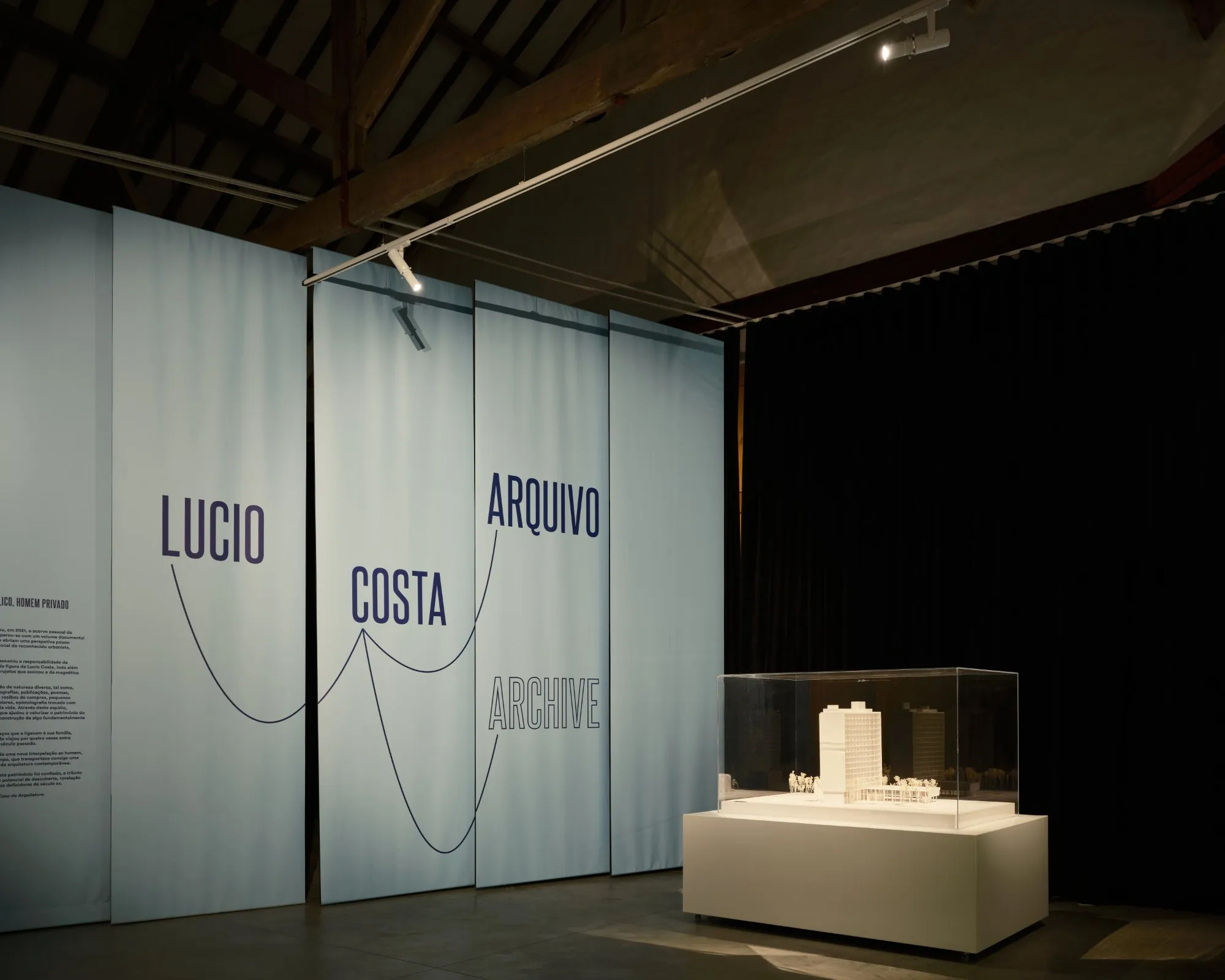
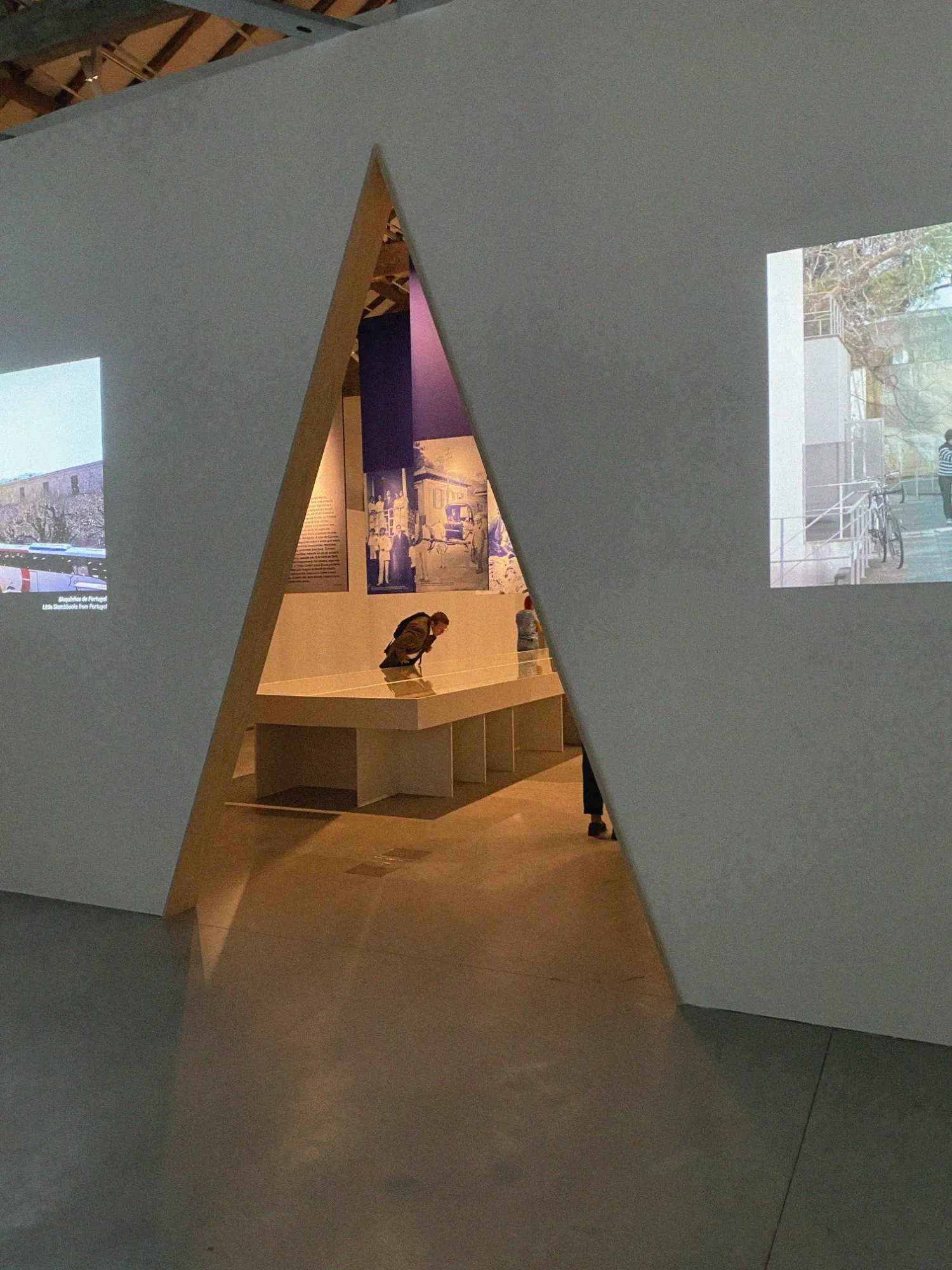
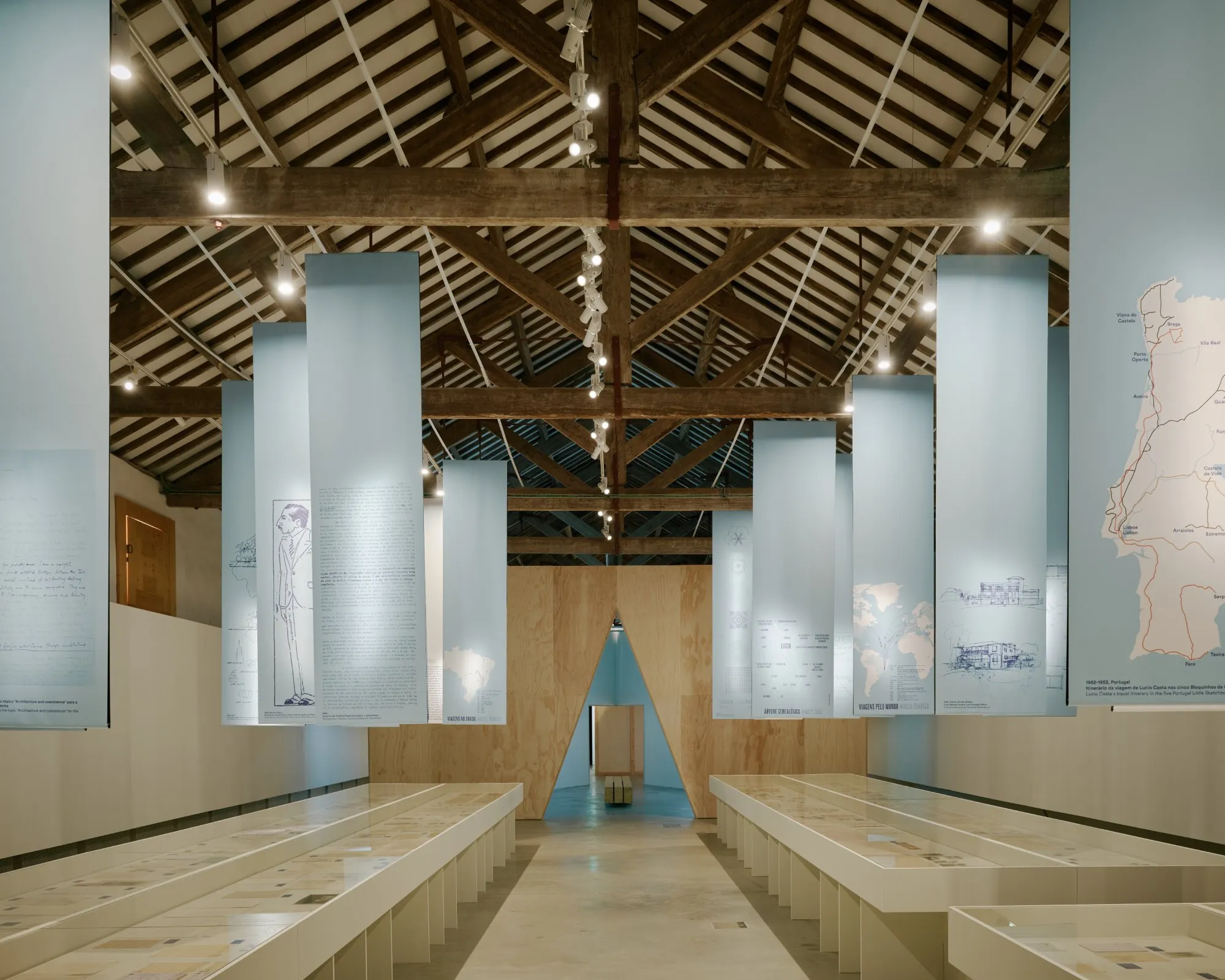
The exhibition presents a deeply personal archive of the Brazilian architect and urban planner Lucio Costa, in which drawings, photographs, letters, films and small records of everyday life reveal the man as much as the architect. Its intimate, fragmented nature sets it apart from a conventional architecture show, and the design takes that as its starting point: rather than simply displaying documents, it builds spaces where they can be housed and inhabited.
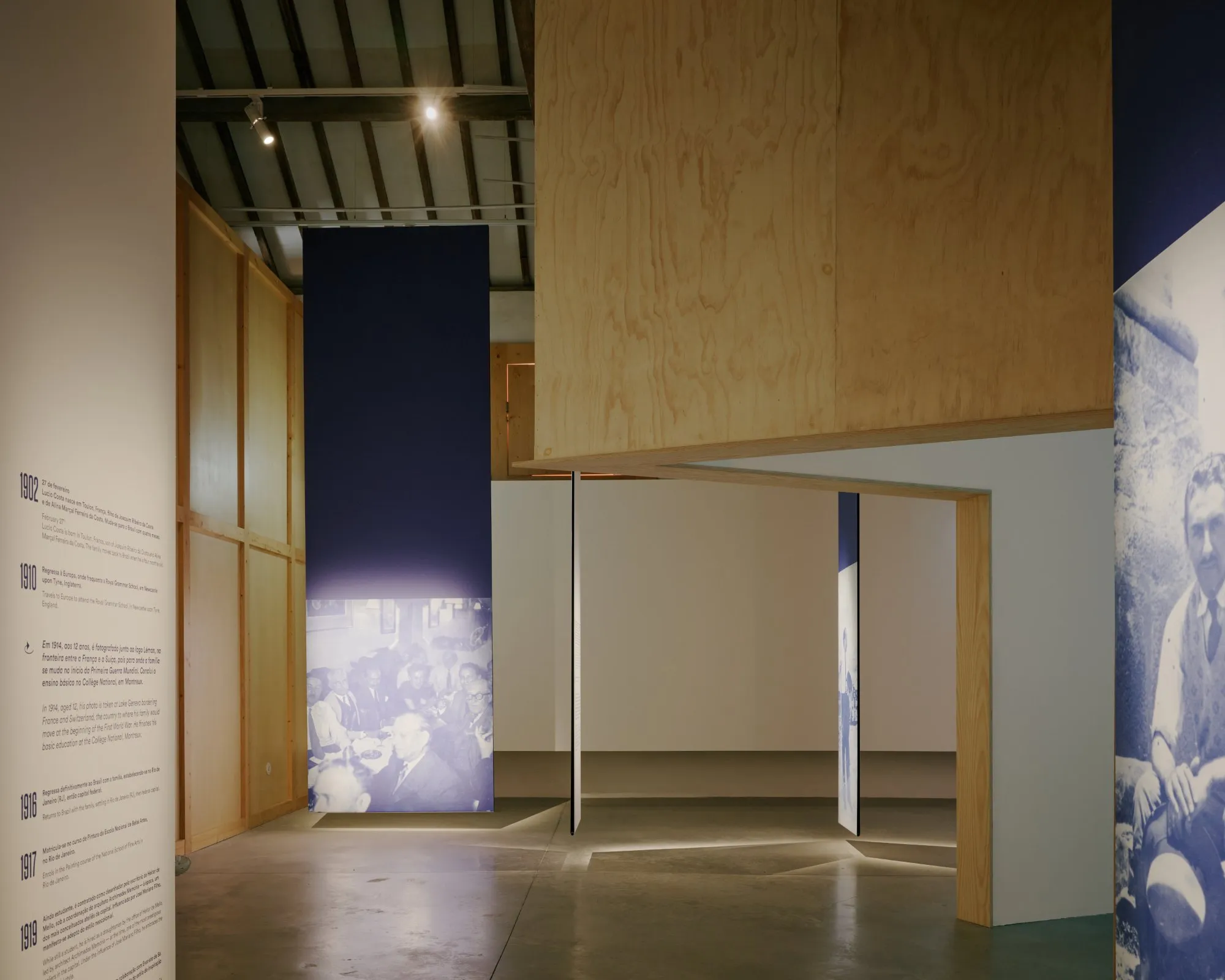
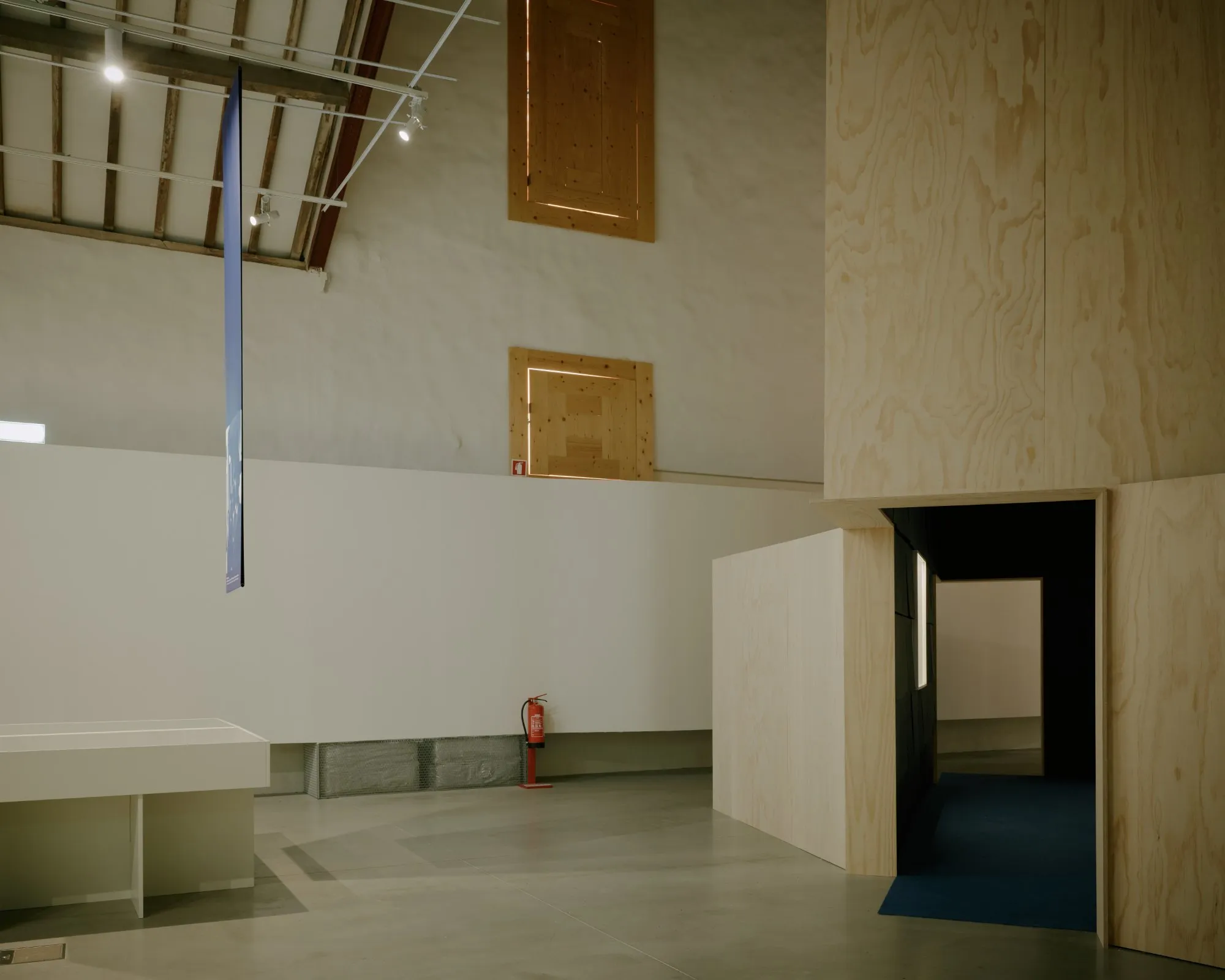
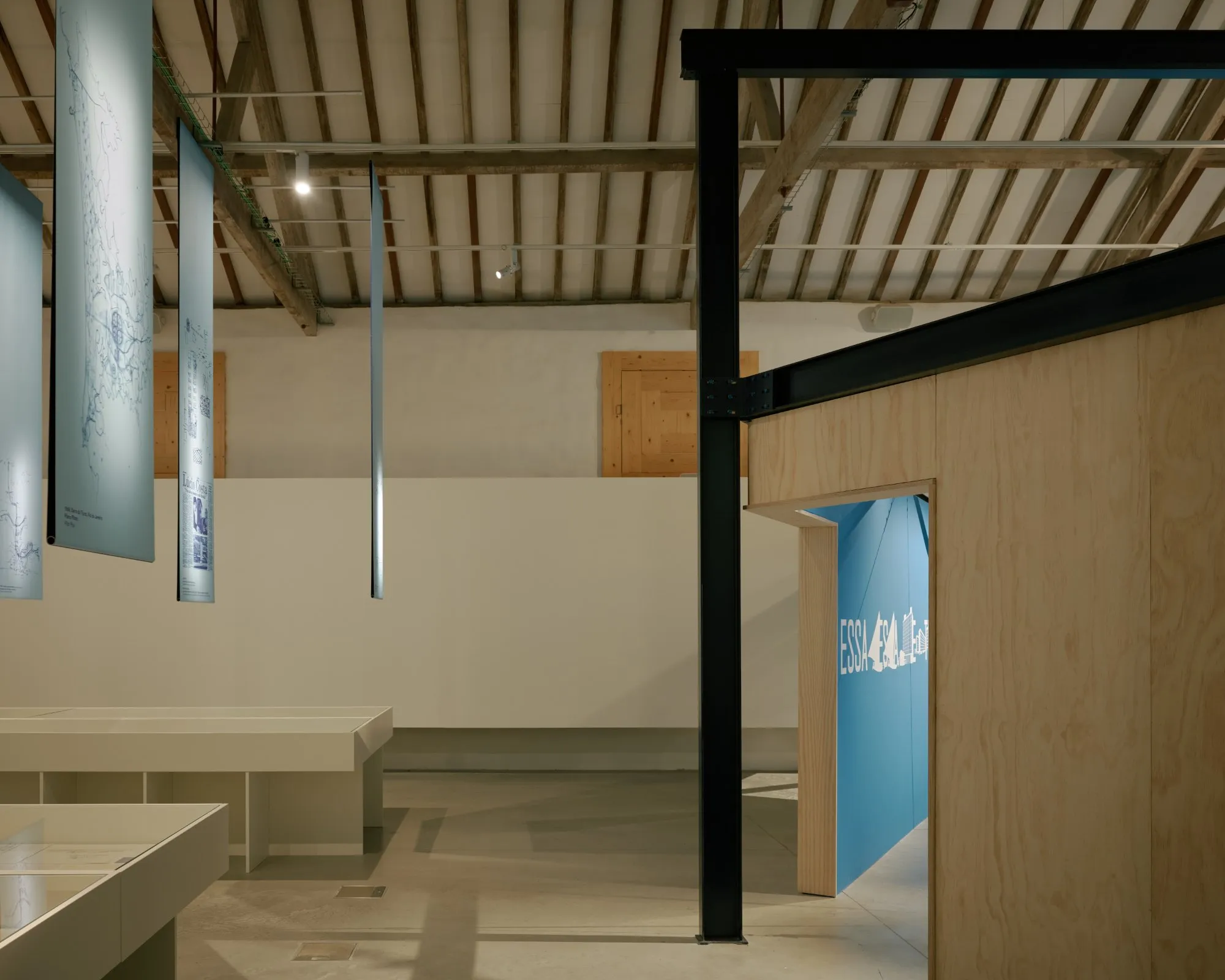
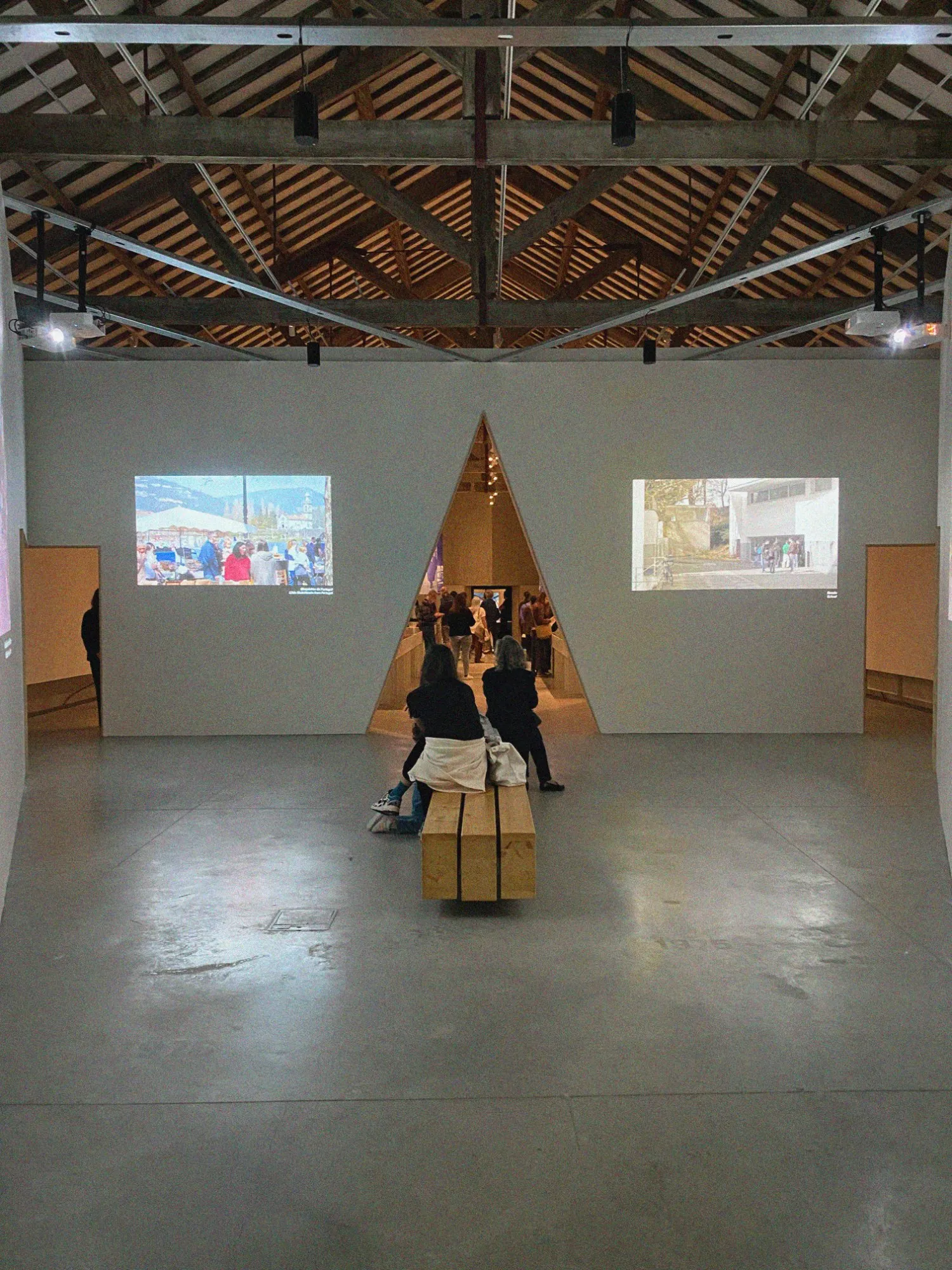
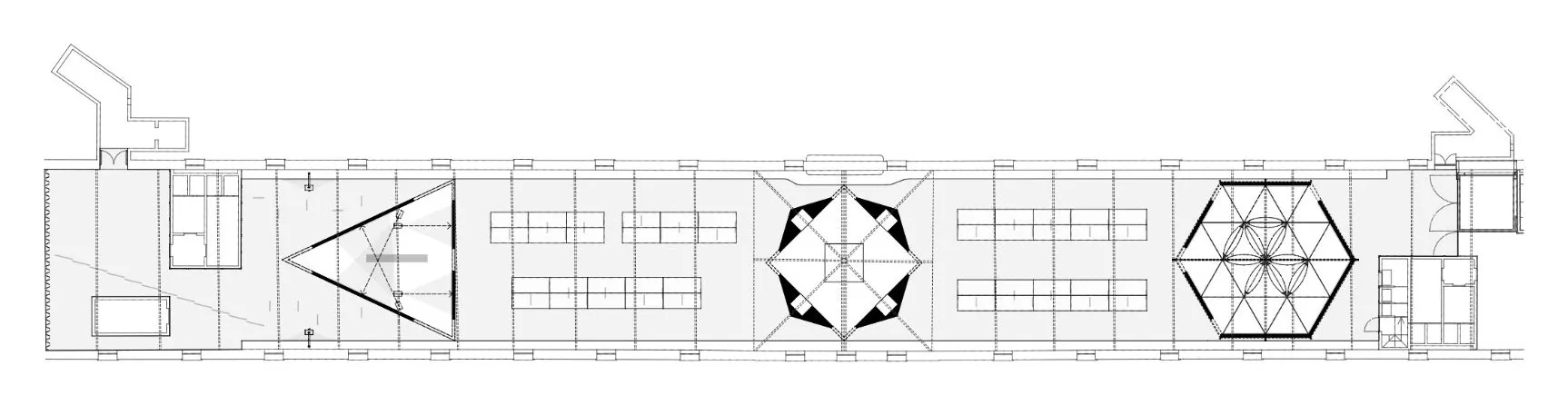
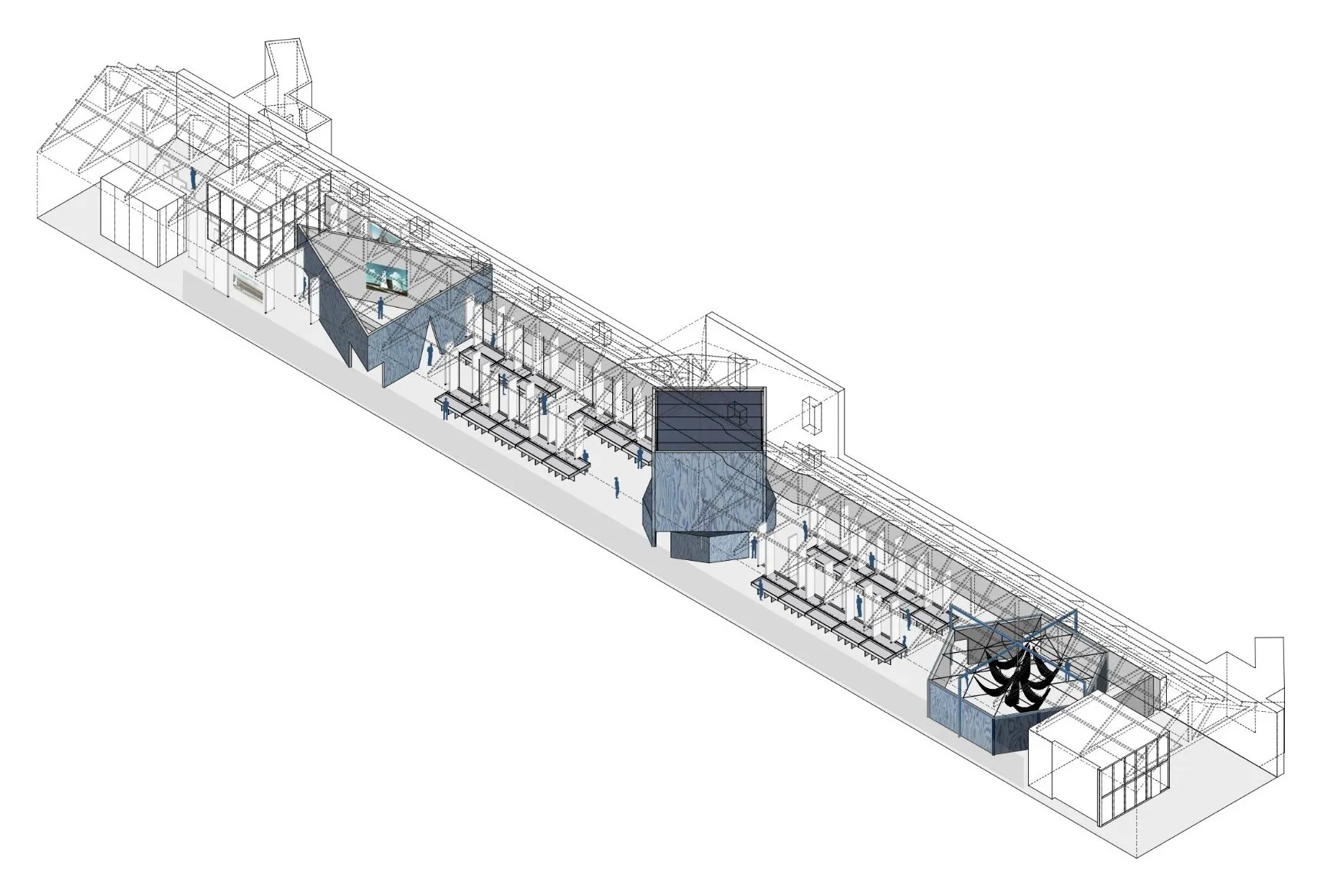
Rigour and informality guide the proposal. The precision of drawing and geometry sits alongside the looseness of everyday life, evoking domesticity, lightness and a Brazilian spirit. Every element is freestanding and never touches the walls of the existing hall, an architecture within another architecture that stays legible as a whole wherever it is placed.
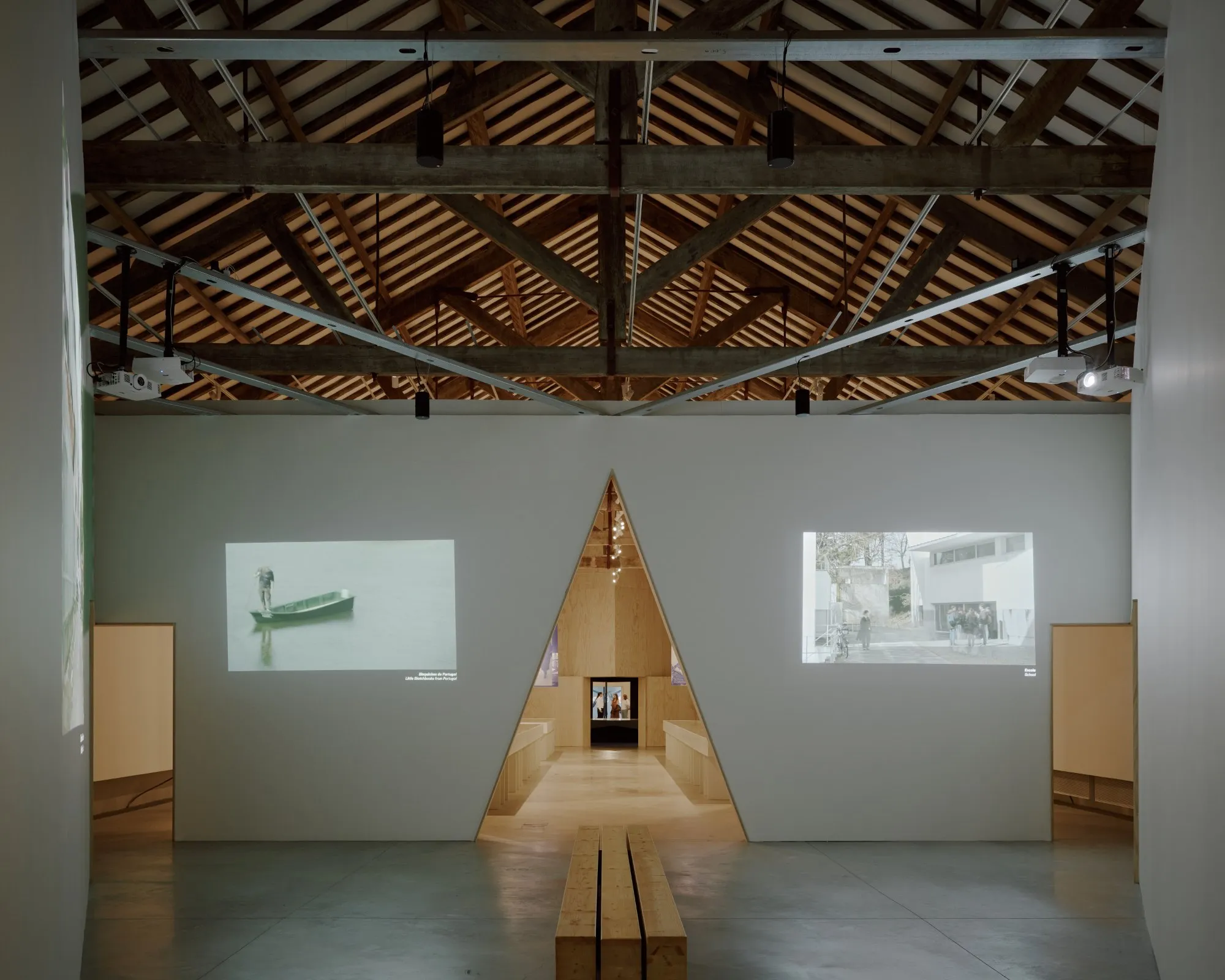
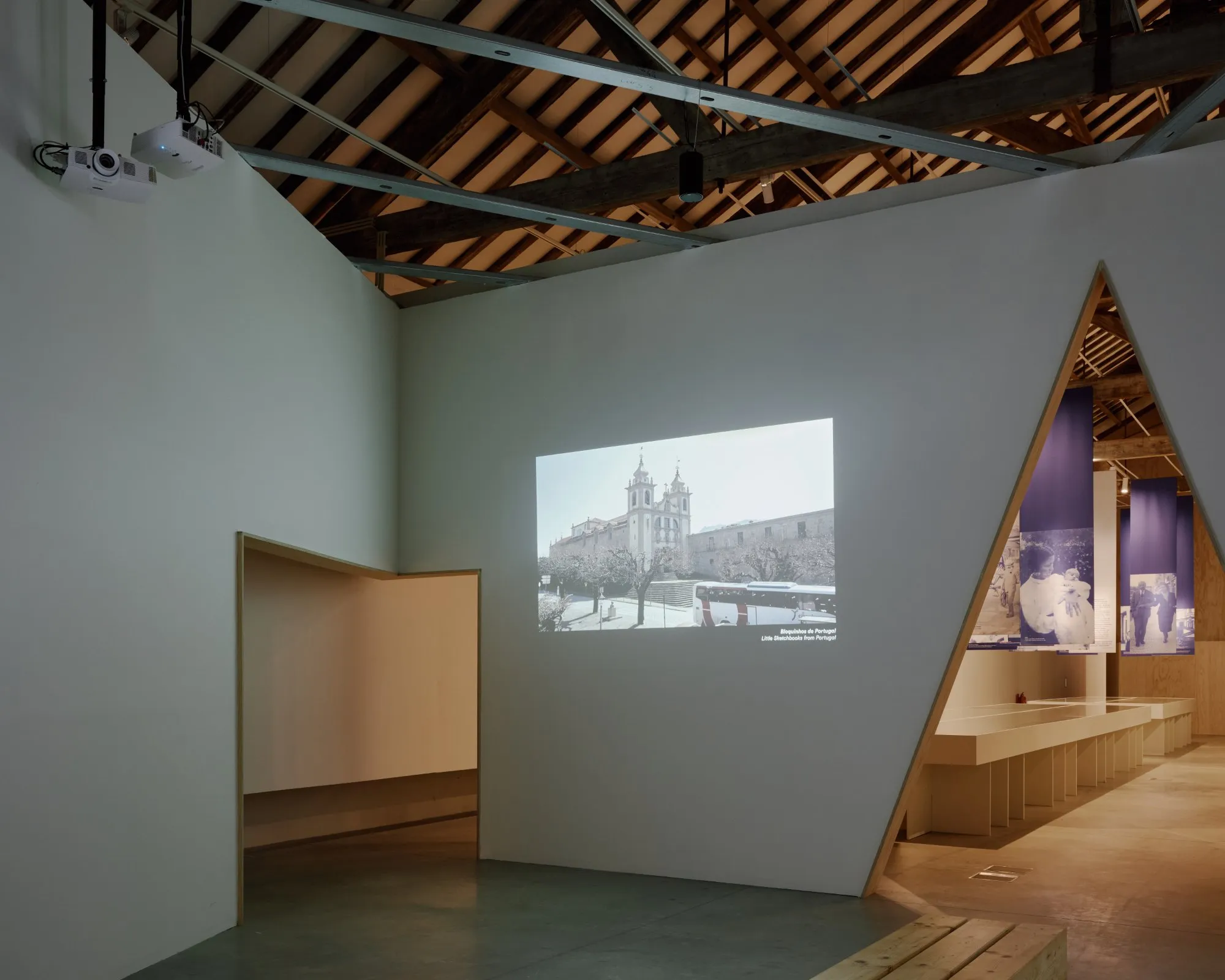
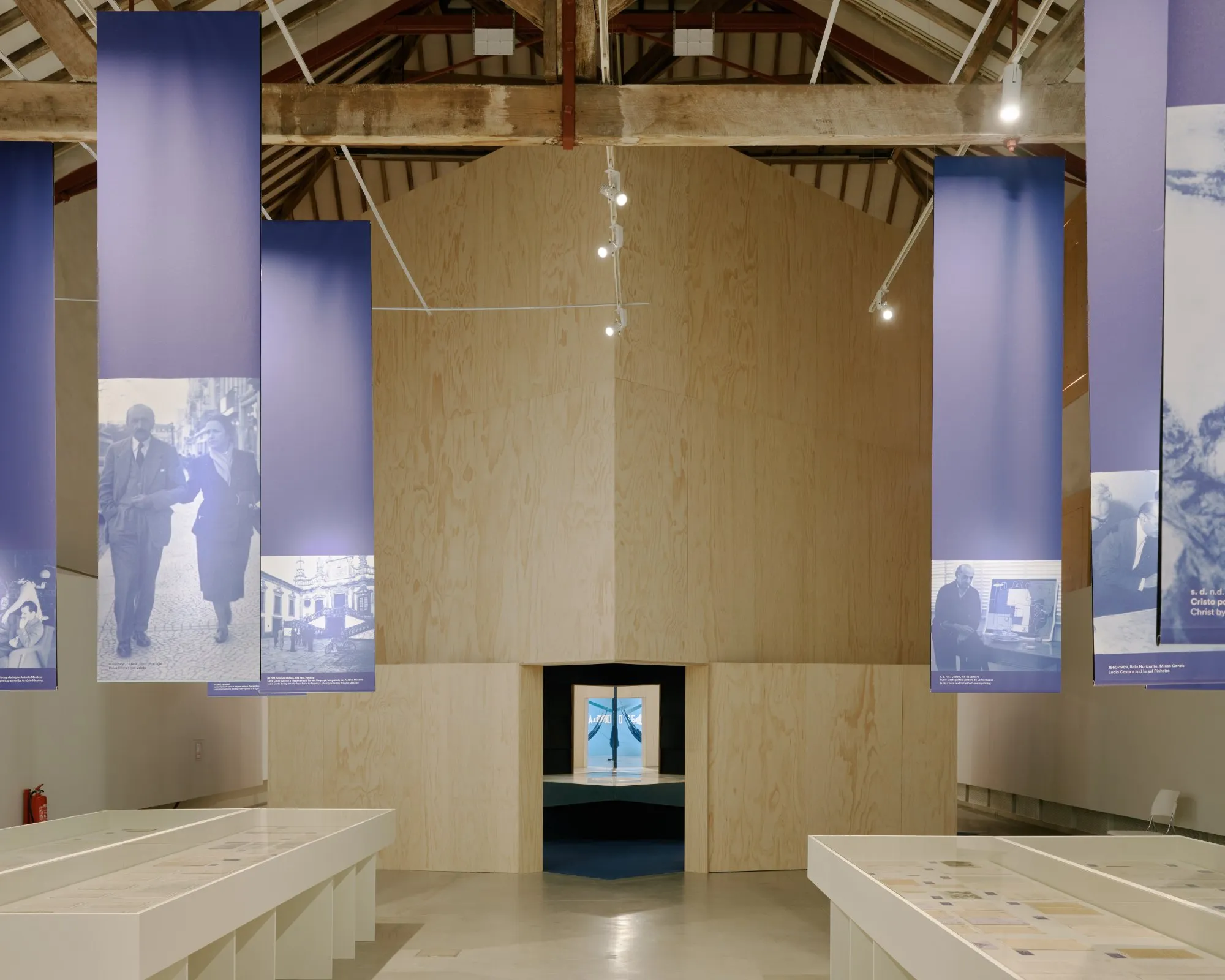
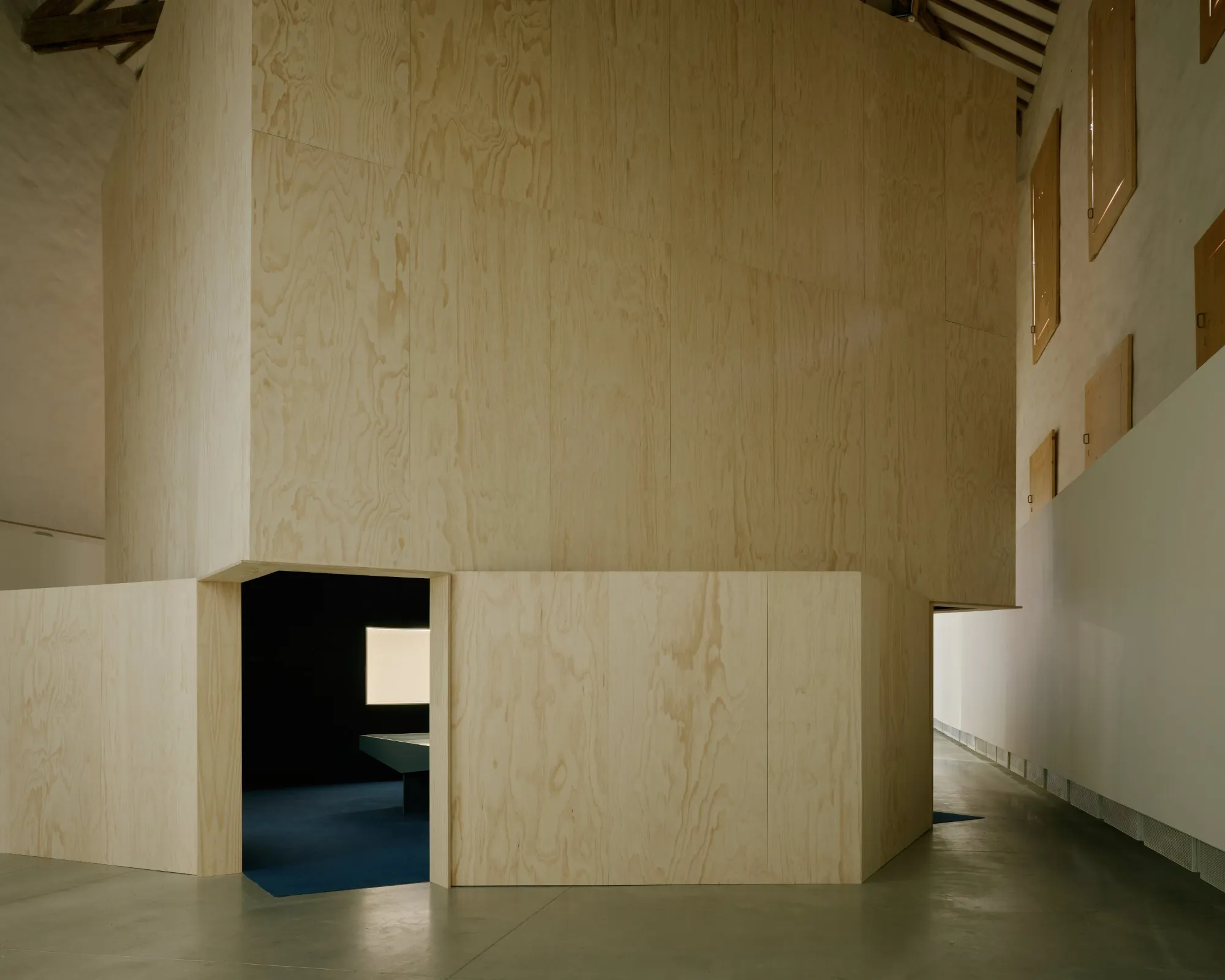
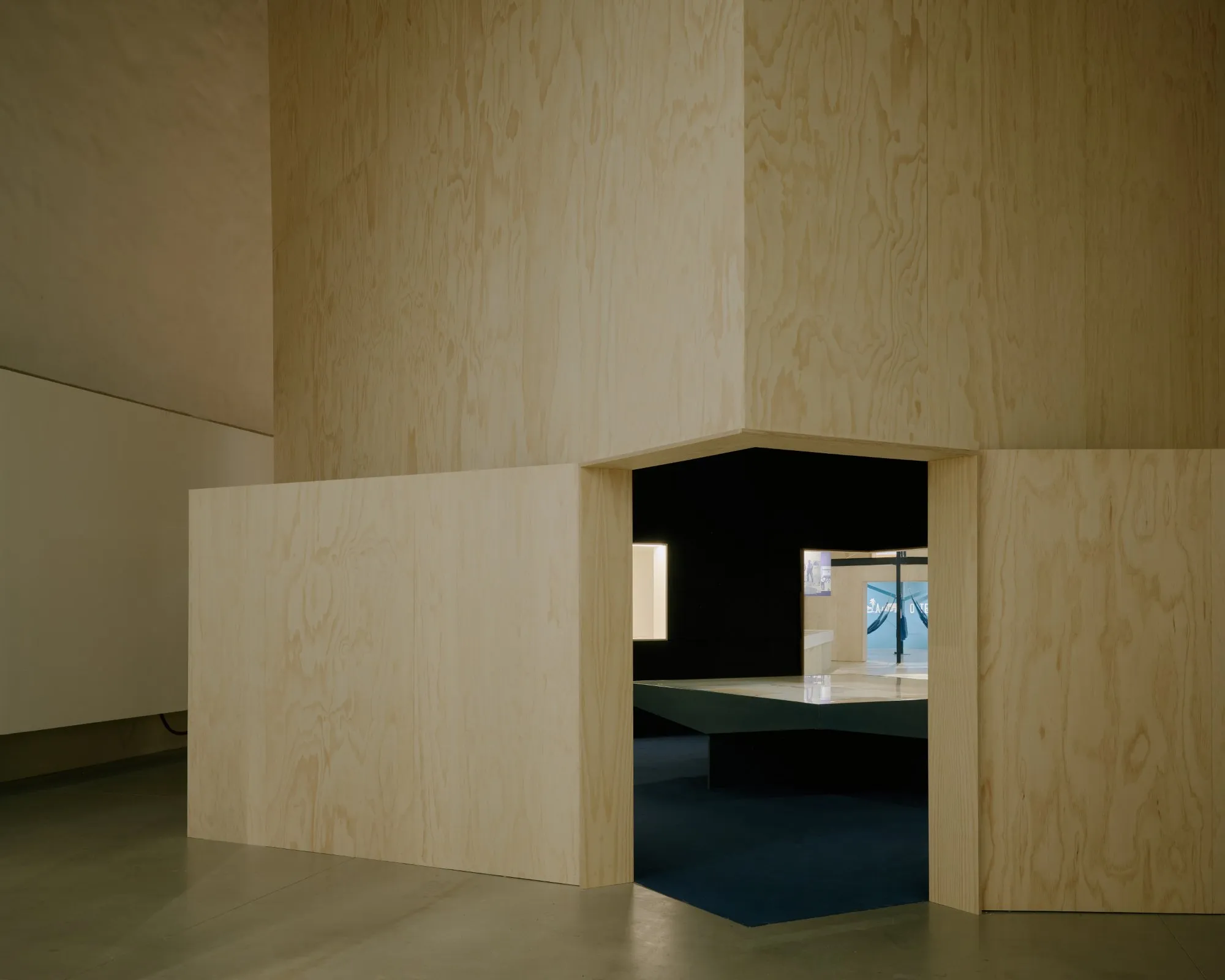
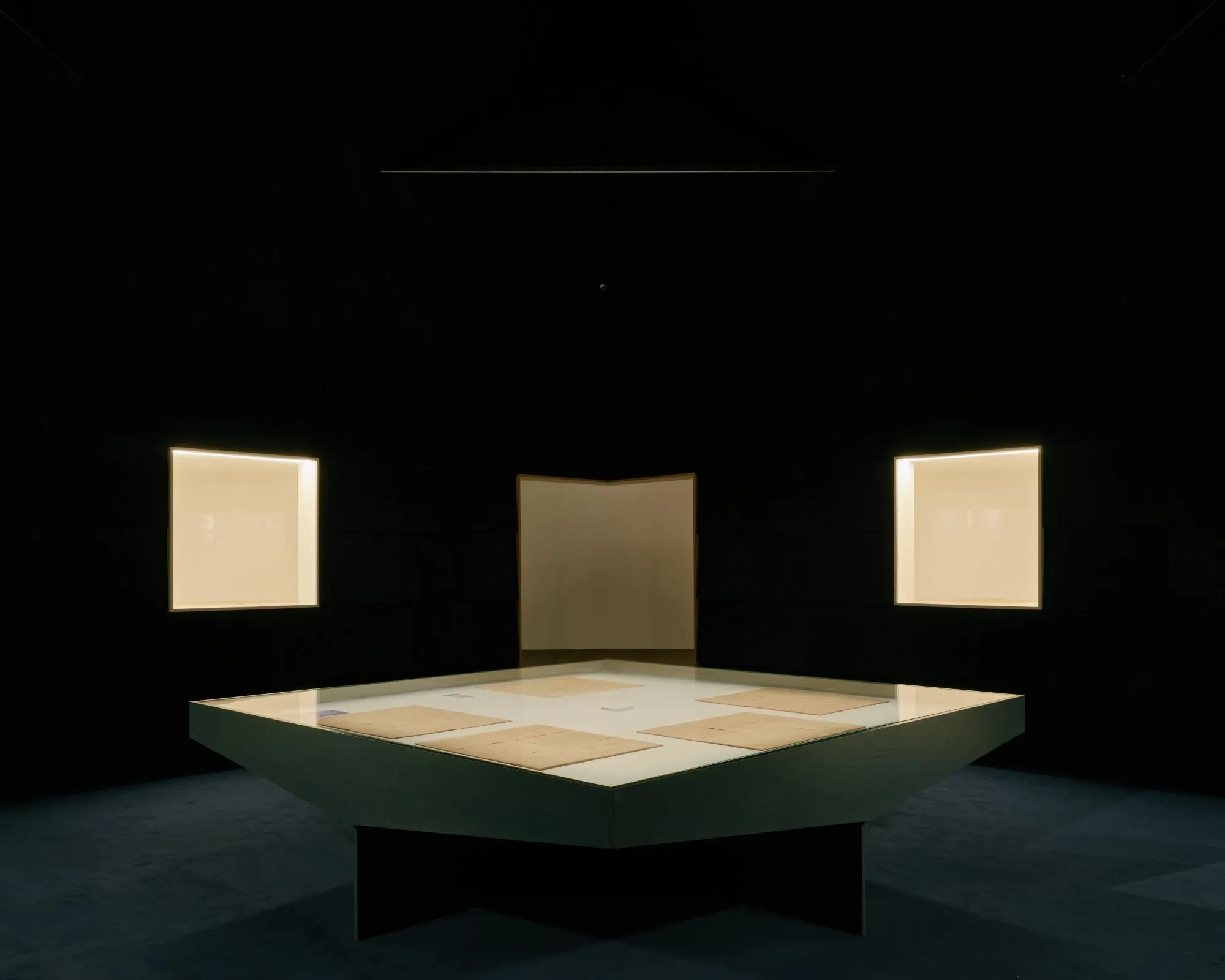
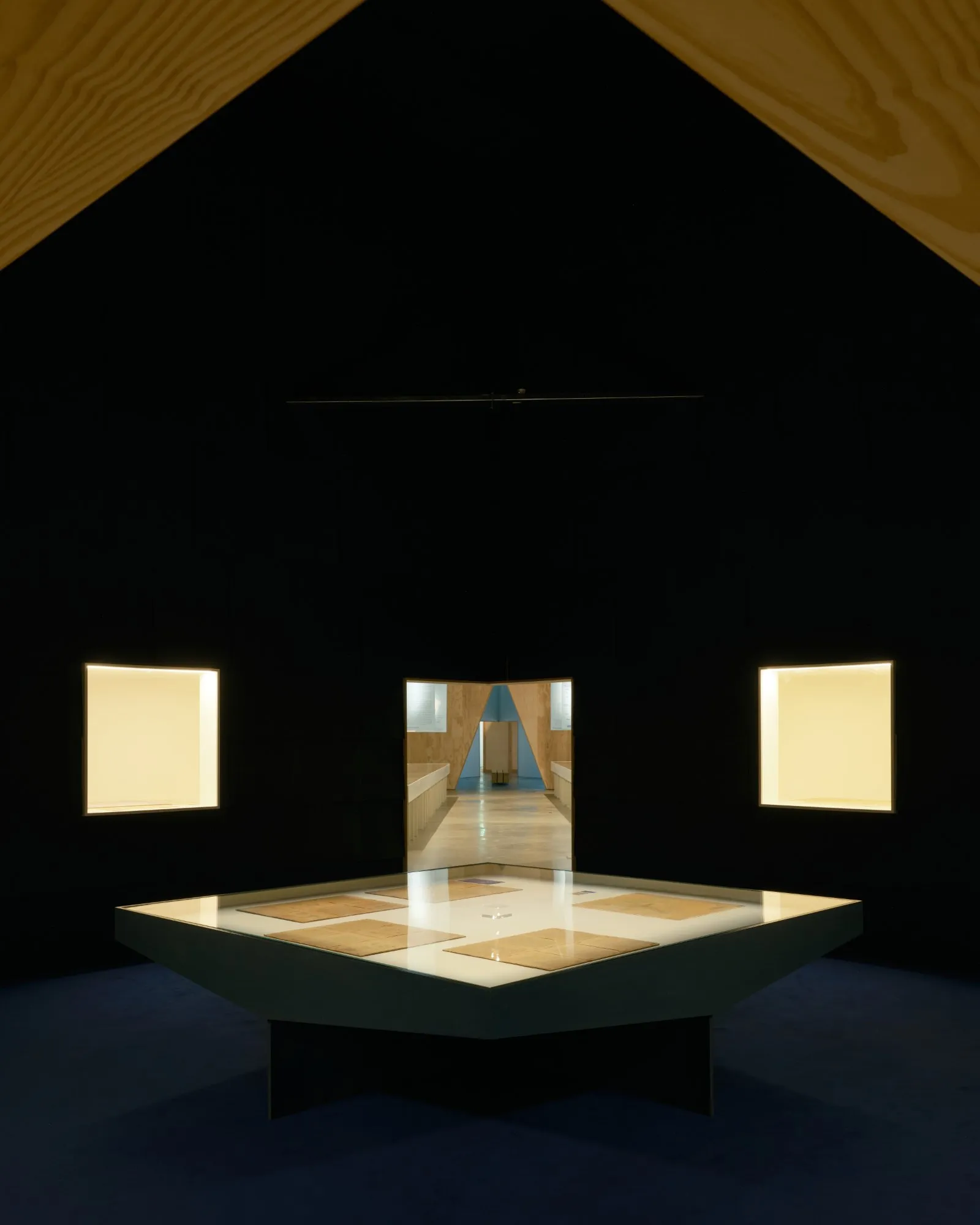
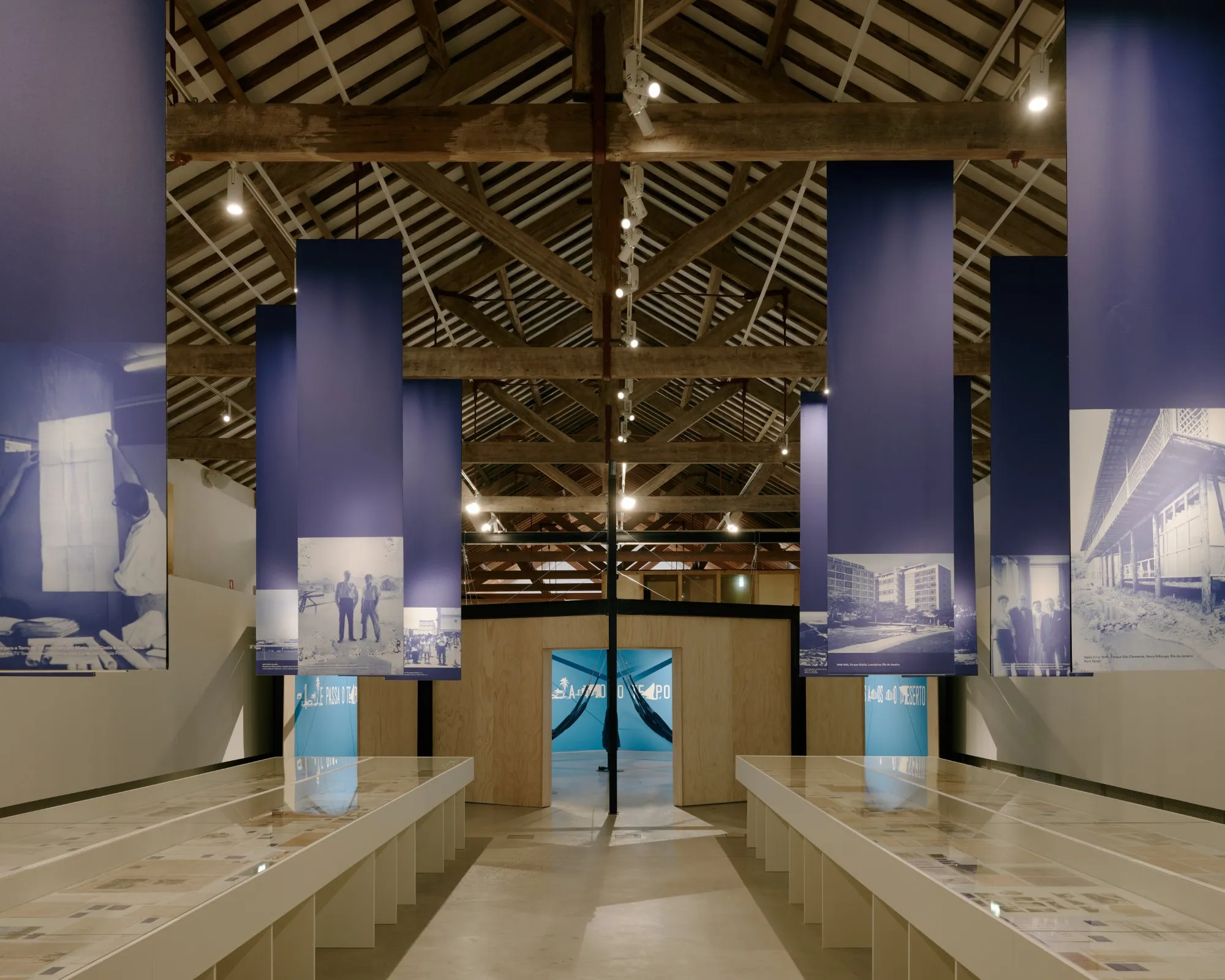
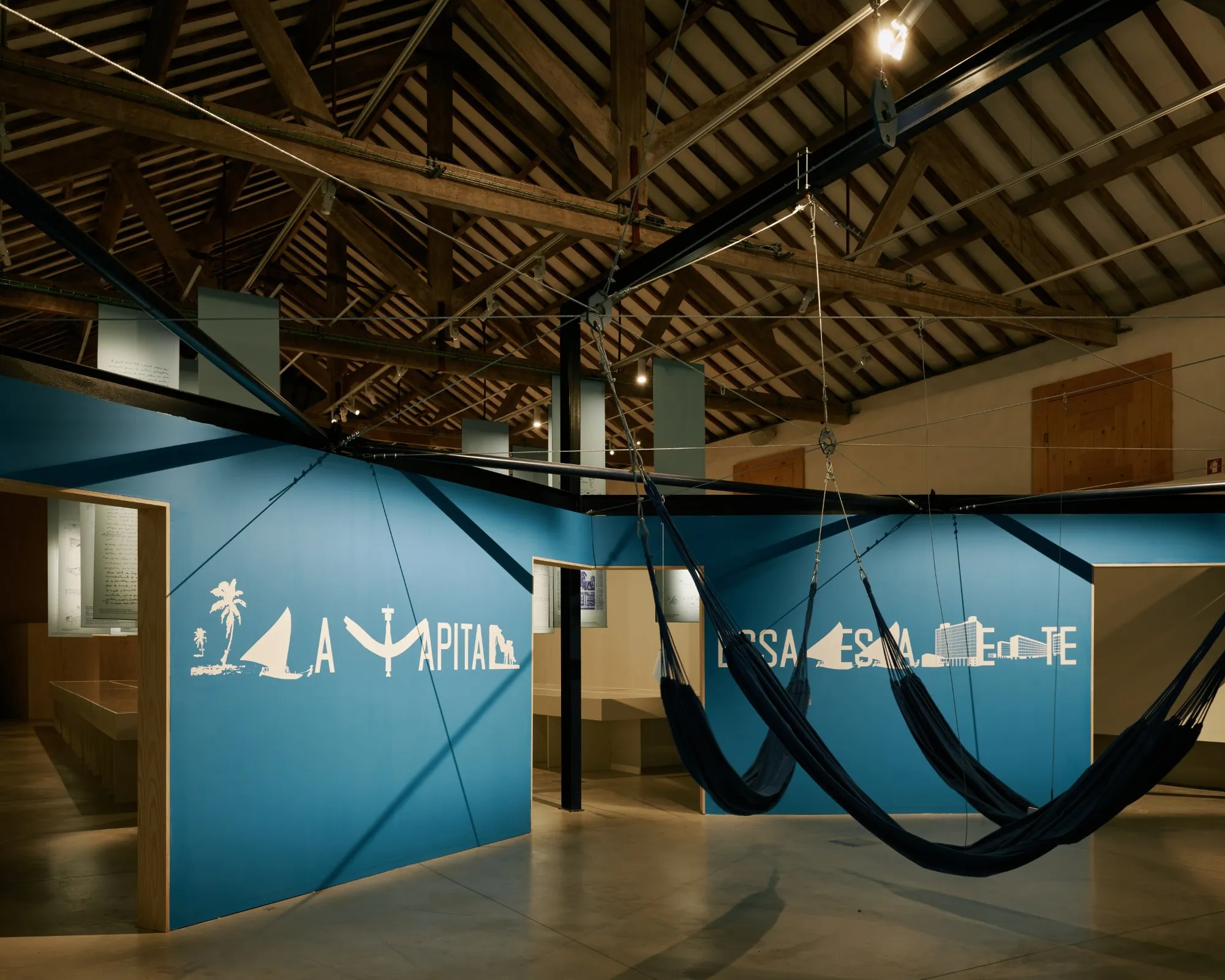
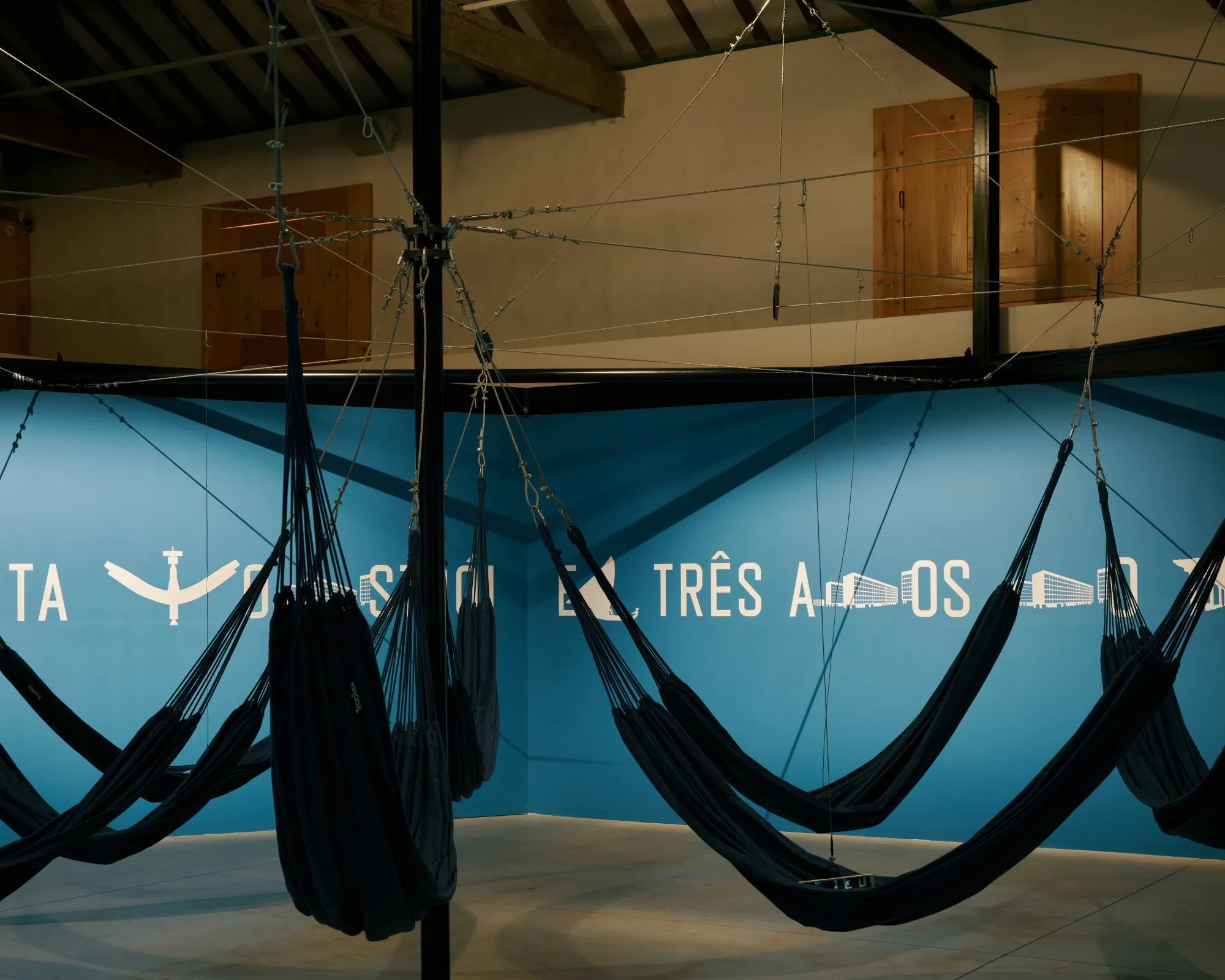
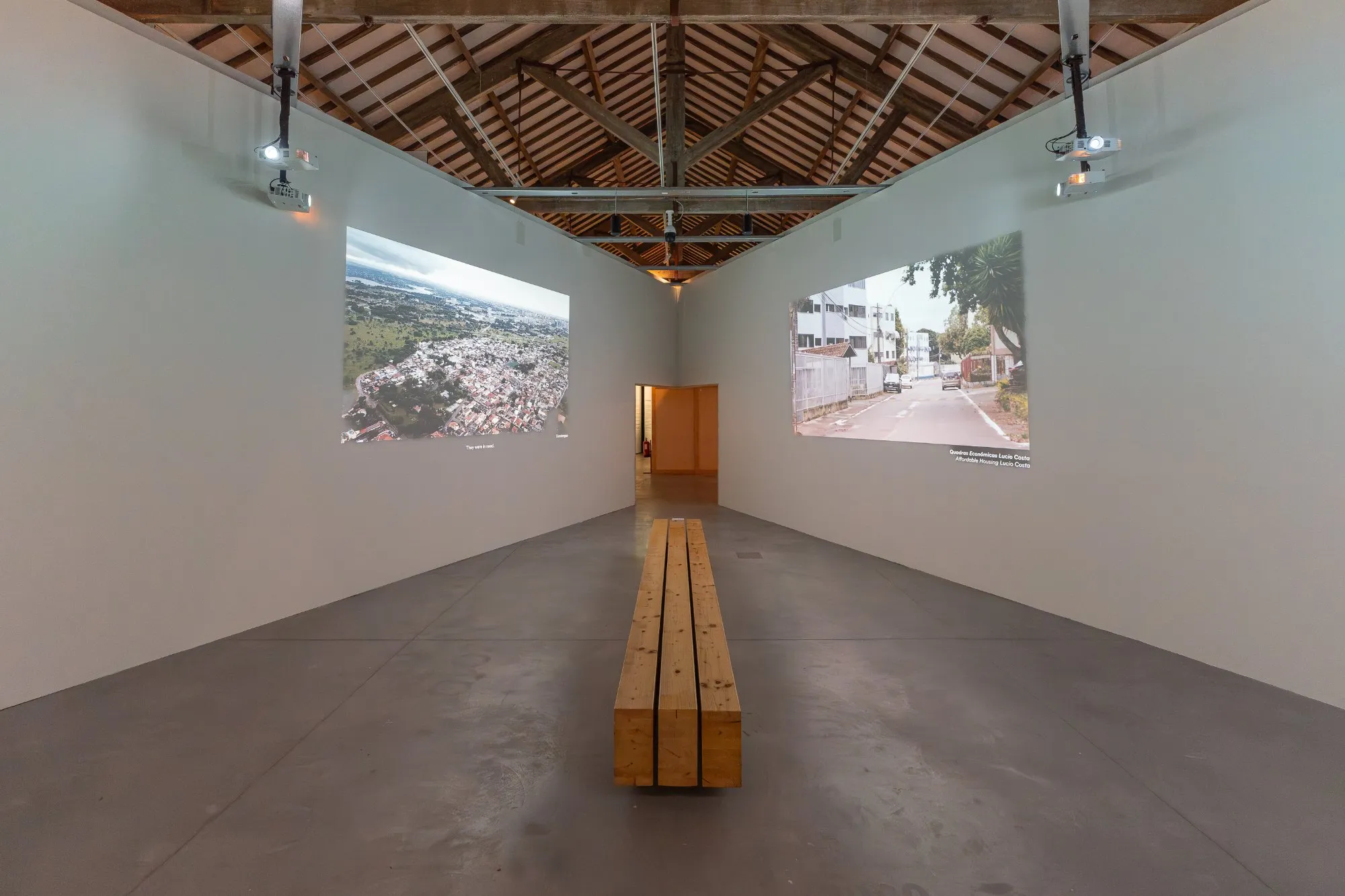
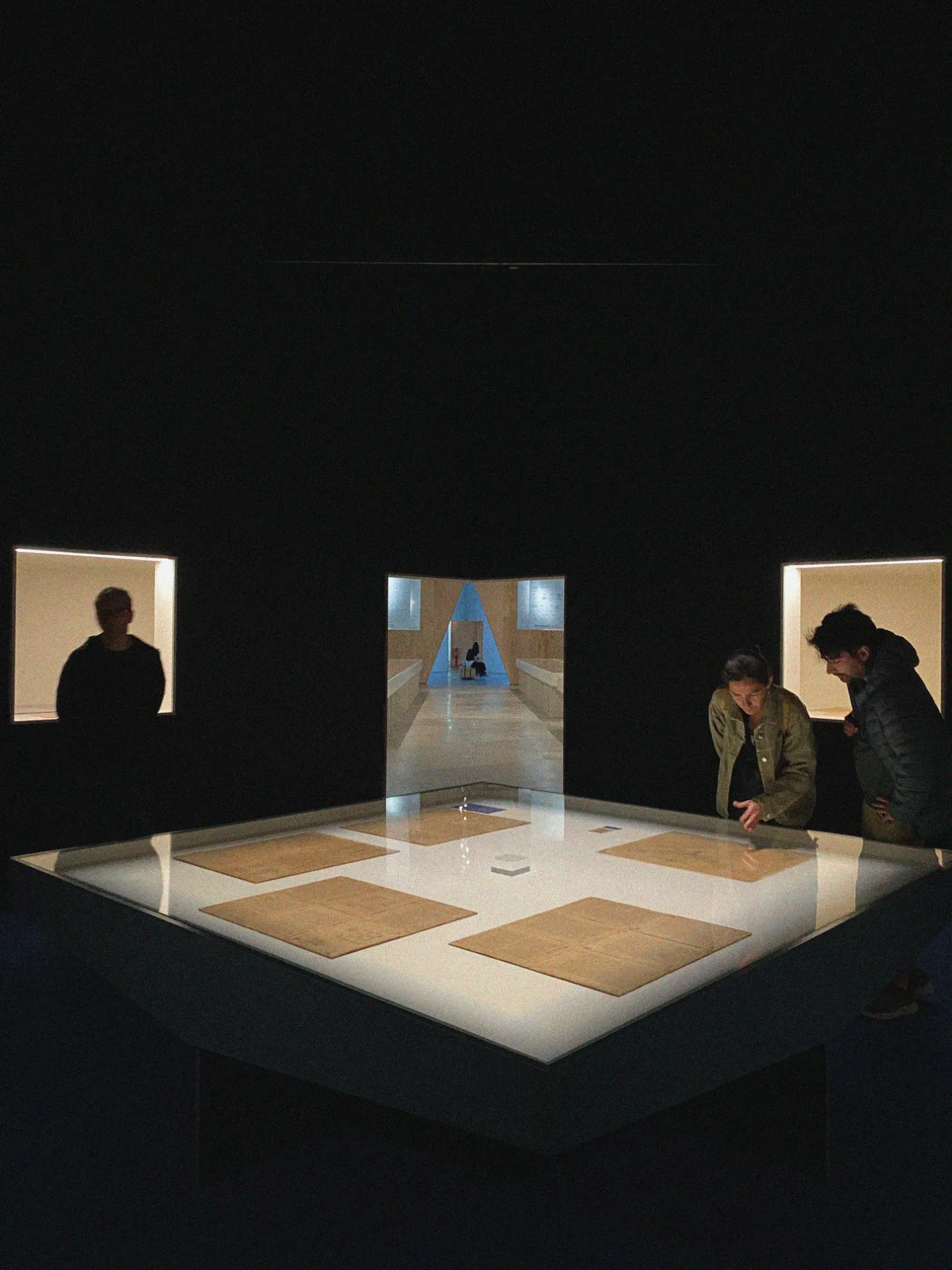
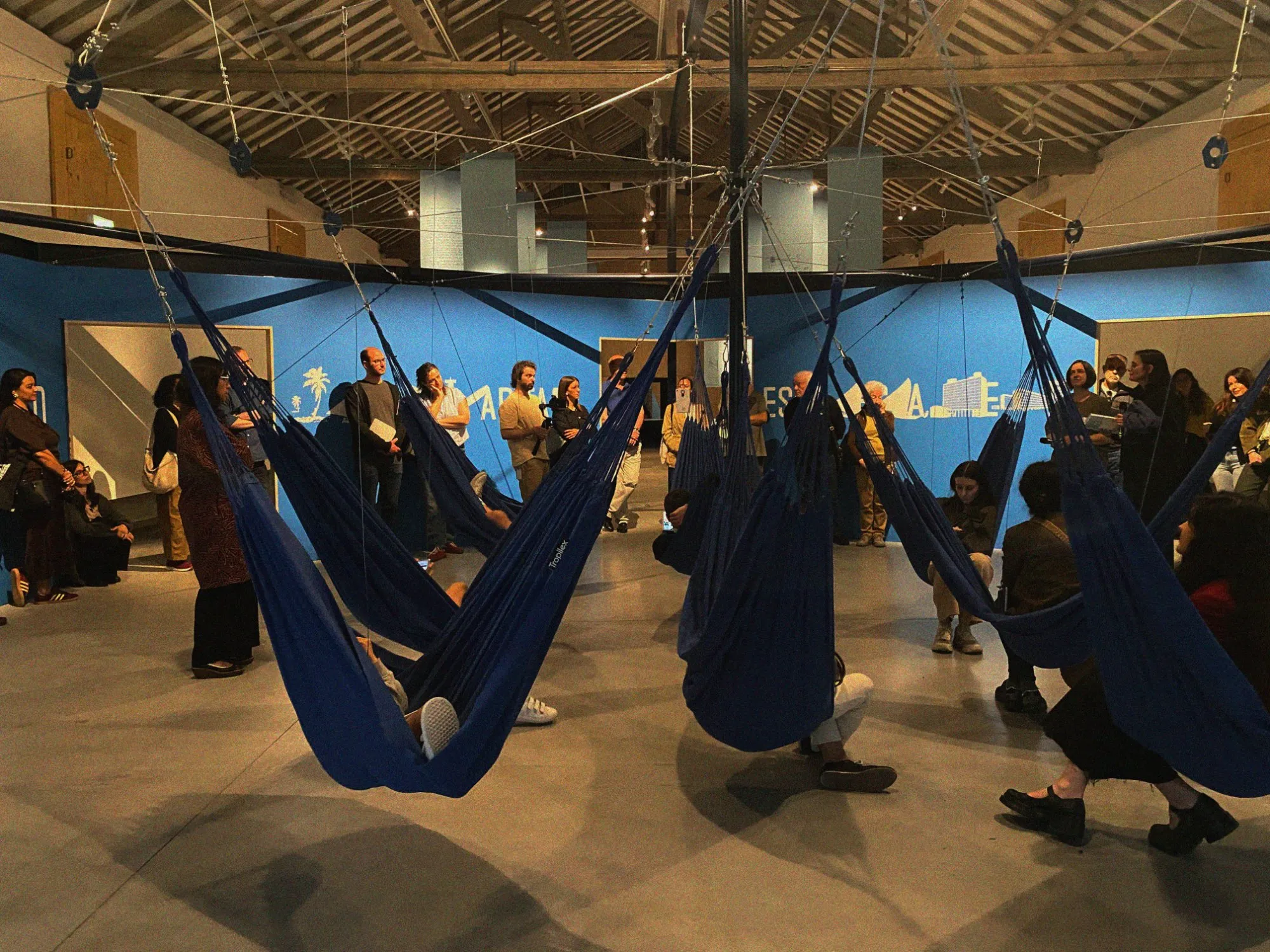
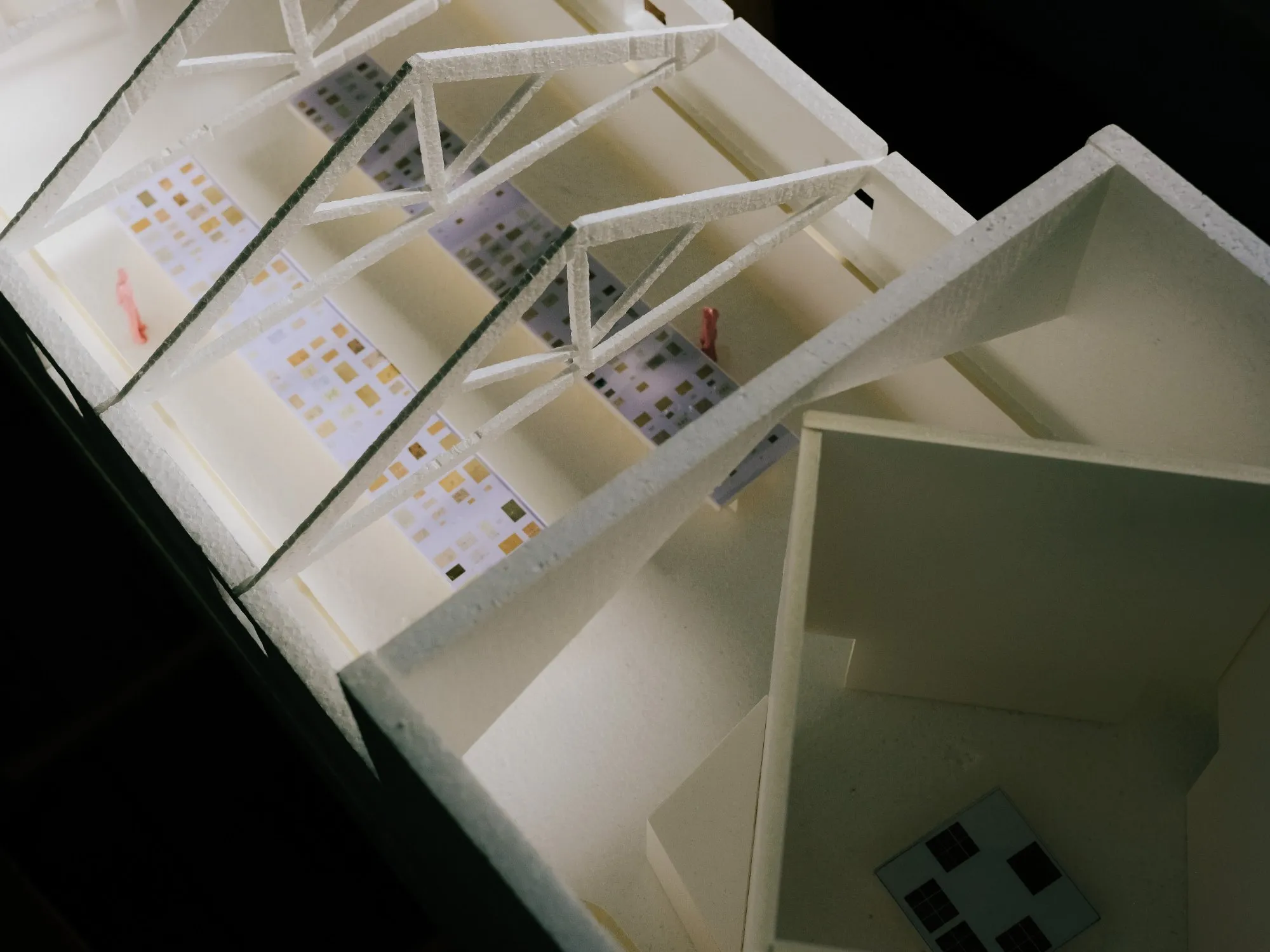
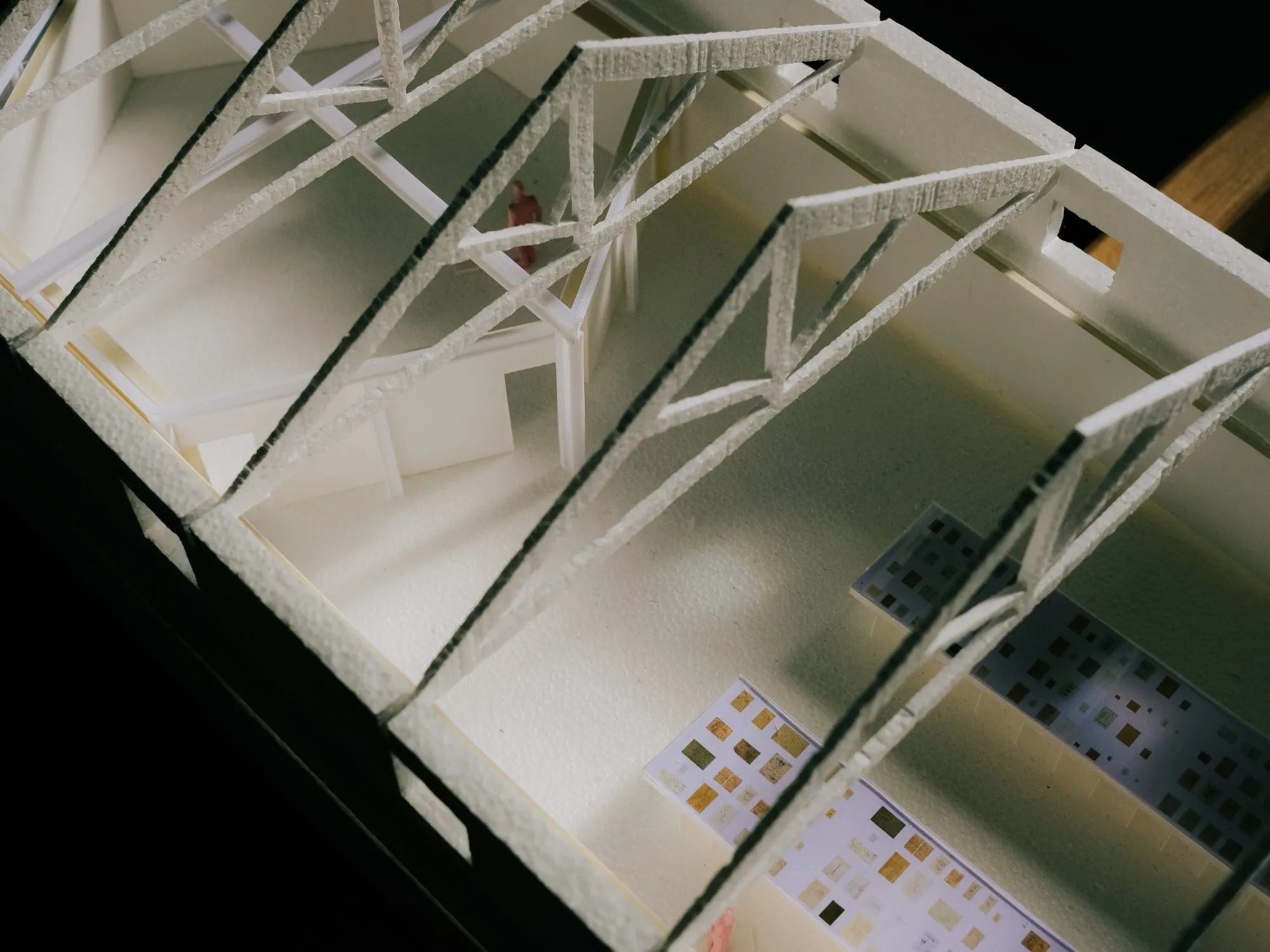
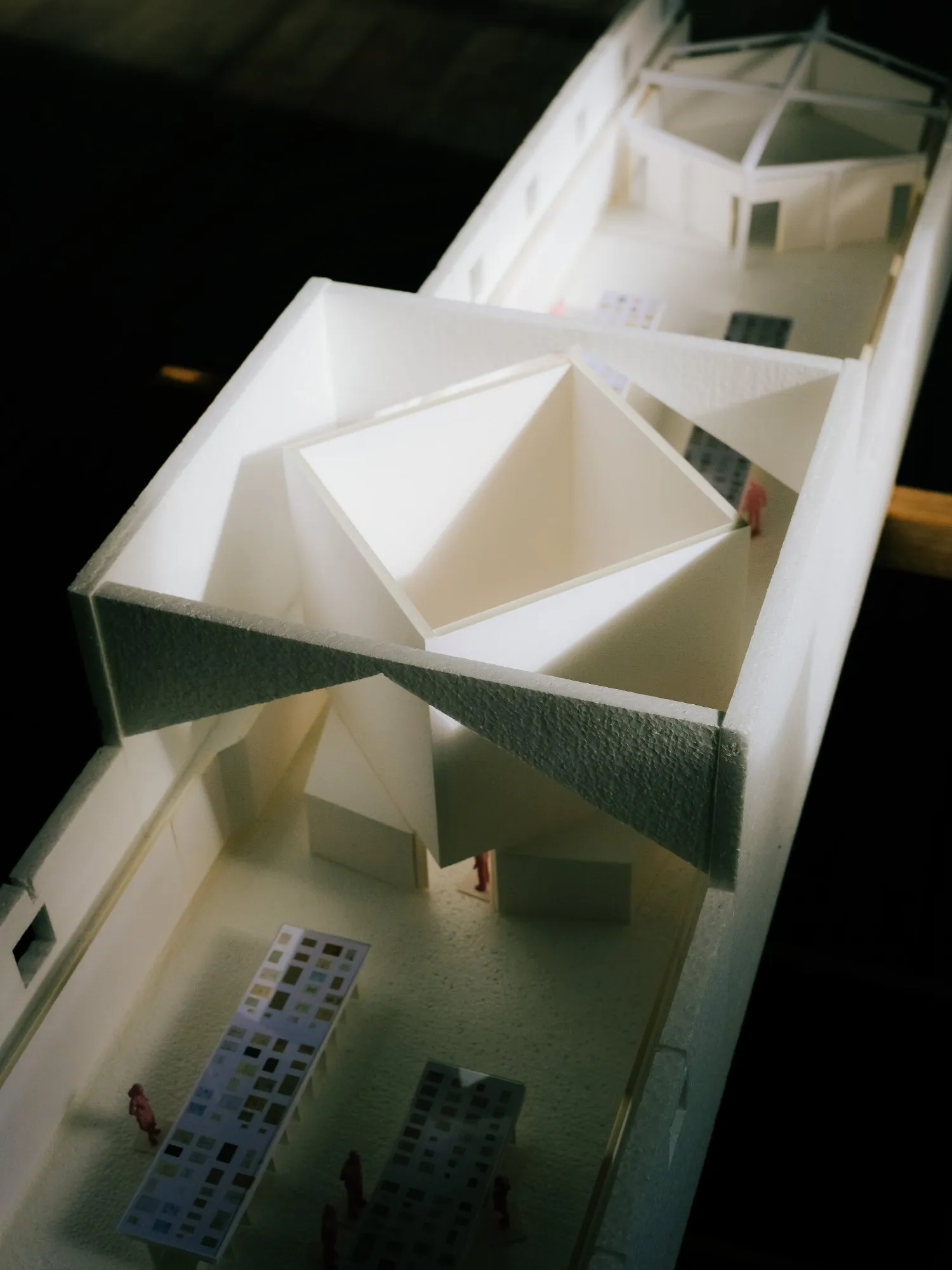
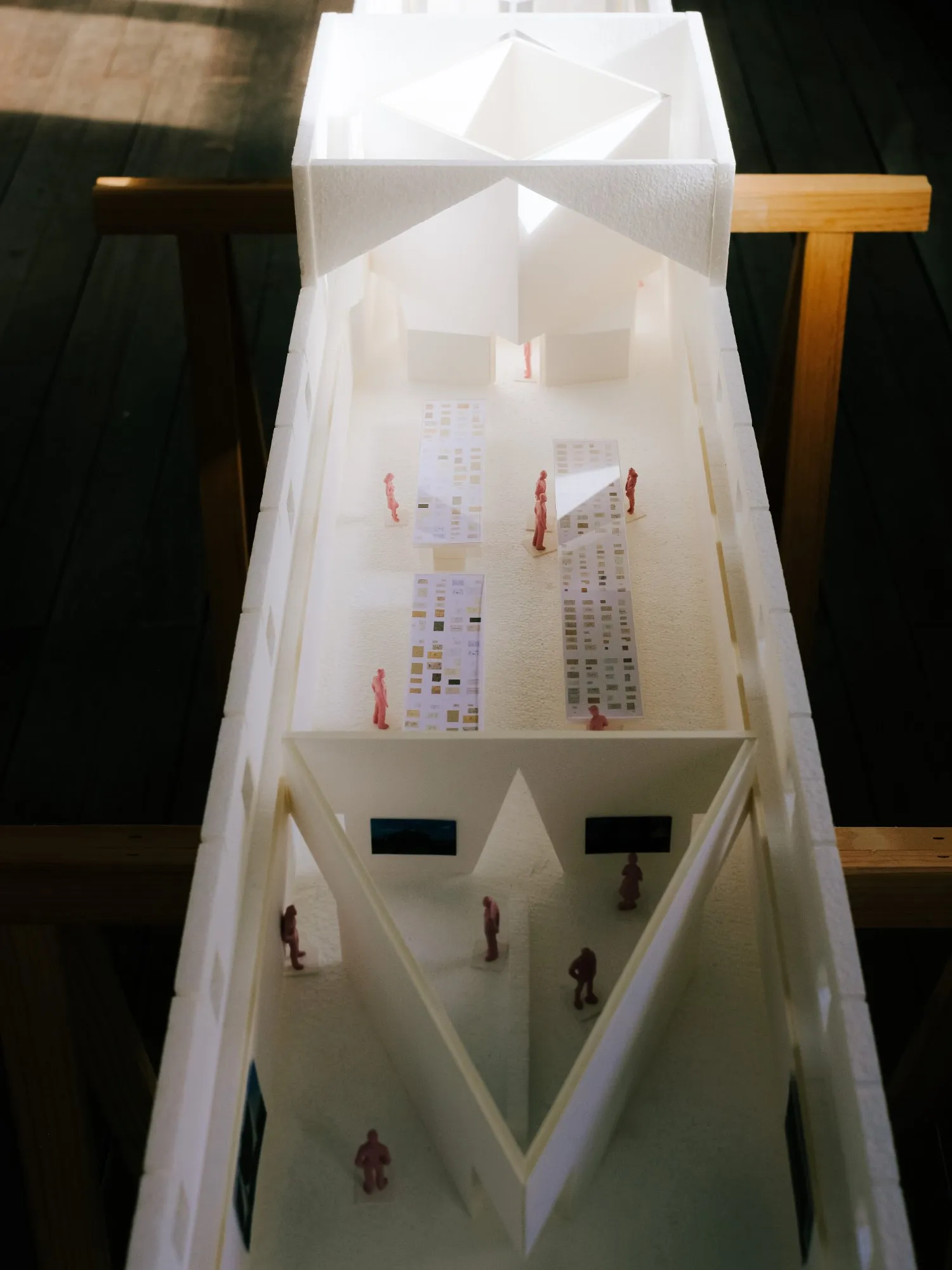
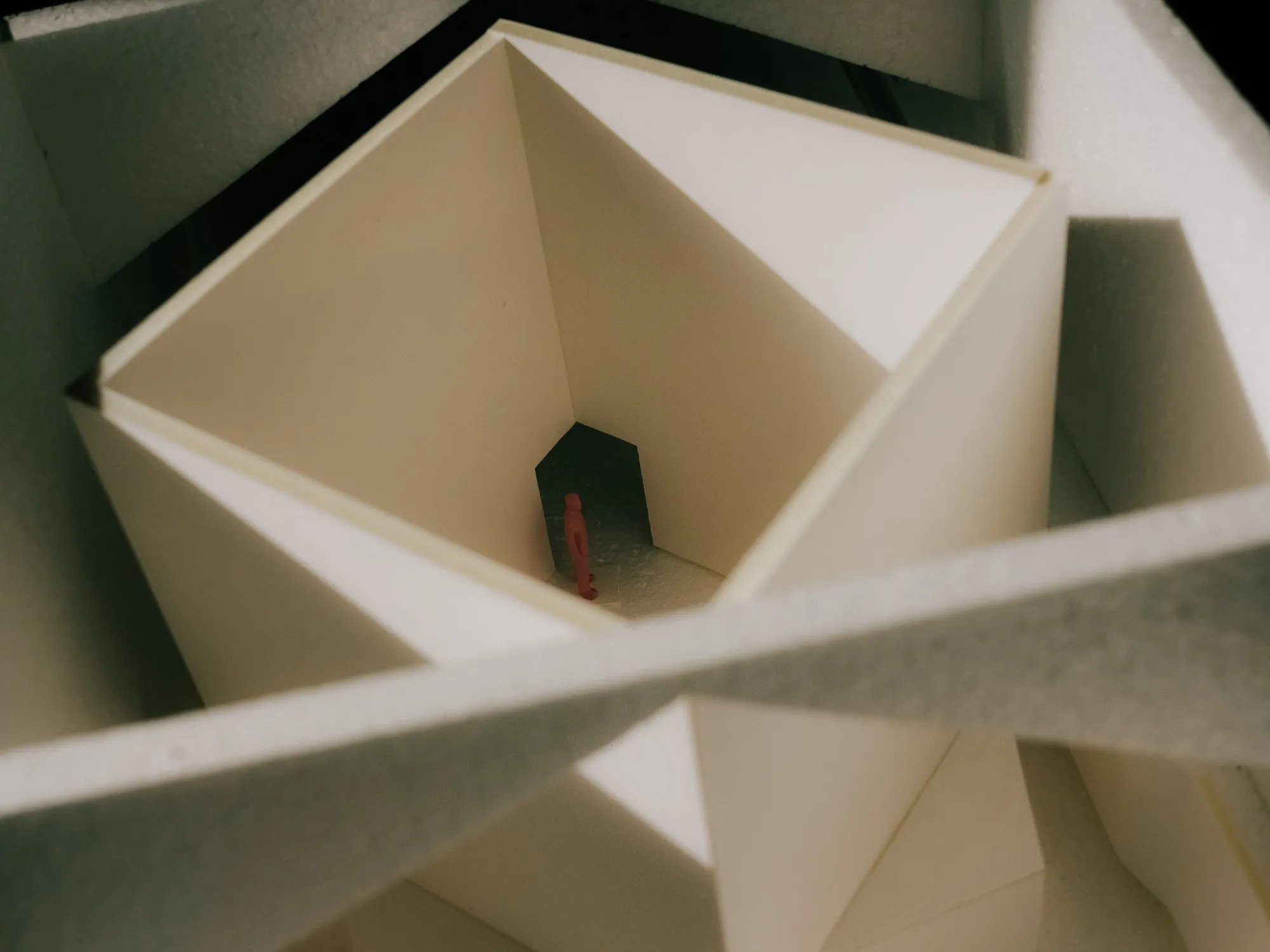
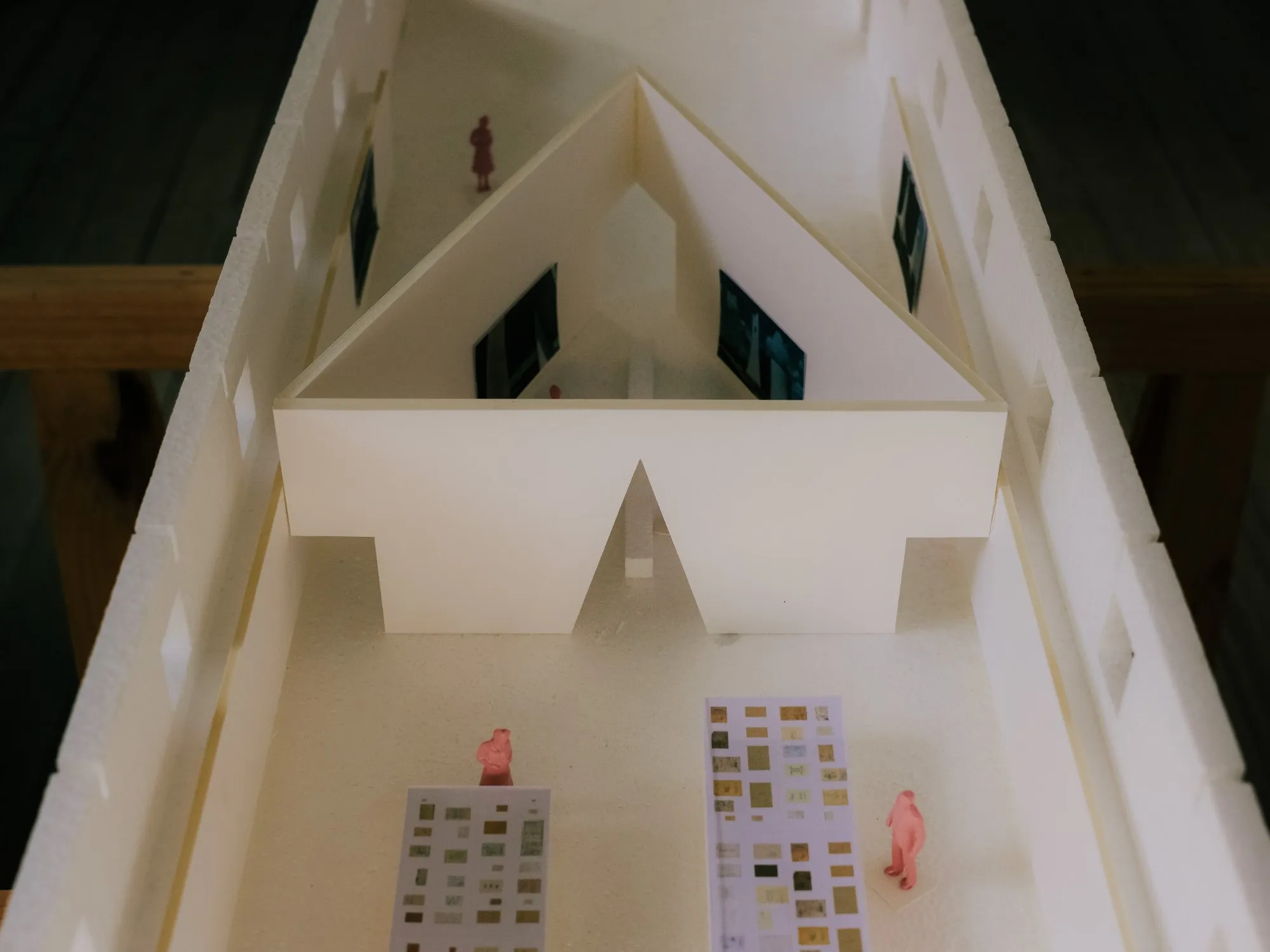
Three built pieces punctuate the hall. A dark triangular room, entered one person at a time through a narrow vertex, widens as visitors move in and shows films made for the exhibition. At the centre, a square volume turned against the building’s grid holds the original drawings of the Pilot Plan for Brasília, the most intense moment of the route, rising to the full height of the hall. At the far end, a hexagonal metal frame carries suspended hammocks, recalling Riposatevi, Costa’s installation for the 1964 Milan Triennale, so the visit ends with an invitation to pause and rest.
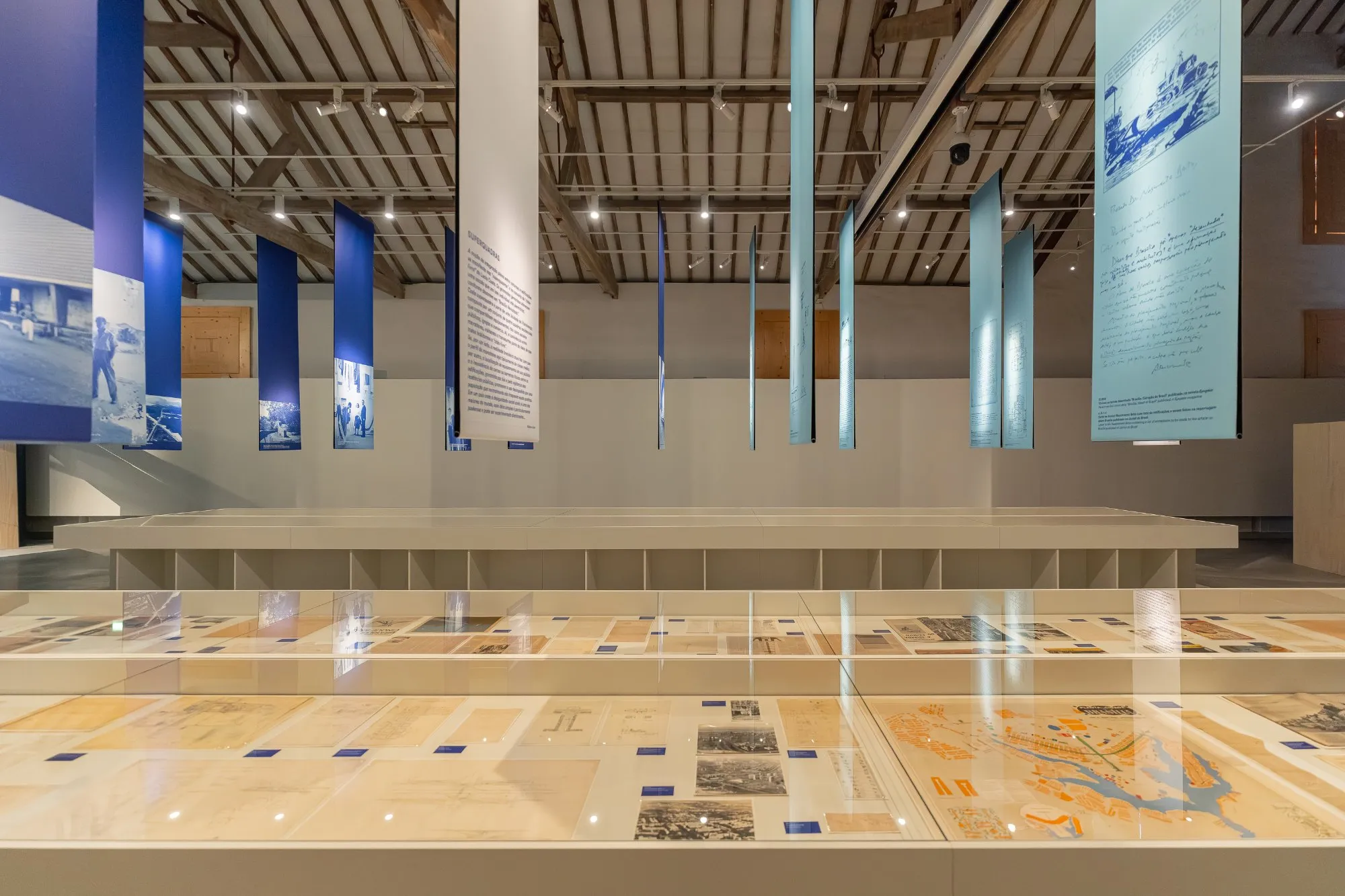
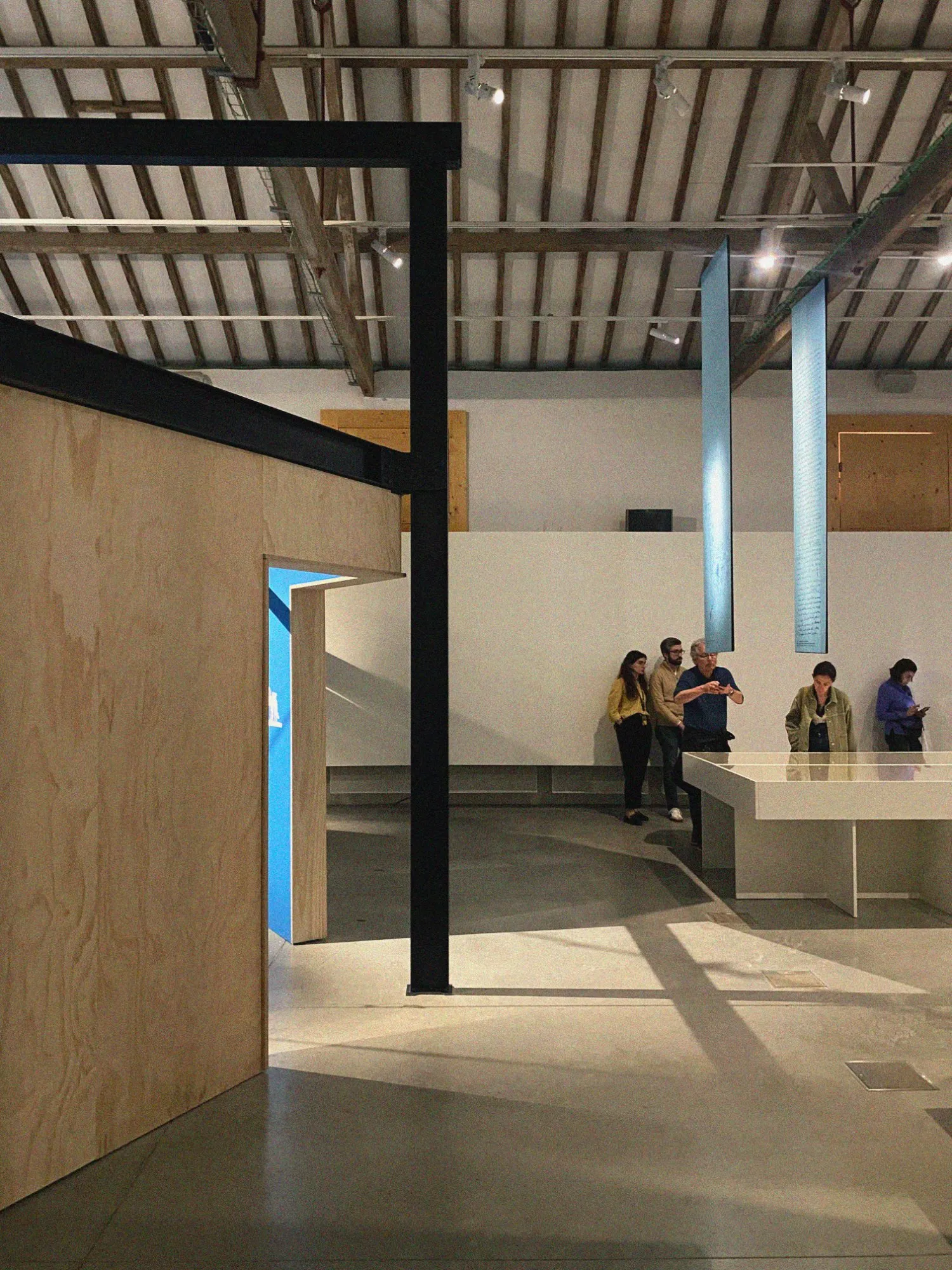
Between these three moments, two open galleries hold the rest of the archive. Original documents lie flat on tables, while photographs, drawings and reproductions hang from suspended vertical structures, arranged loosely so that no single route or reading is imposed. The whole intervention grows from a triangular geometric matrix that unfolds into rotated squares and hexagons, echoing Costa’s own architecture, where rigour does not exclude spontaneity and monumentality lives alongside intimacy.
Project Information
- Design studio
- pontoatelier
- Time
- 2026
- Type
- Cultural, Installation
- Primary materials
- Concrete, Engineered wood, Fabric, Glass, Natural timber, Steel