Yichang Yunhe Park
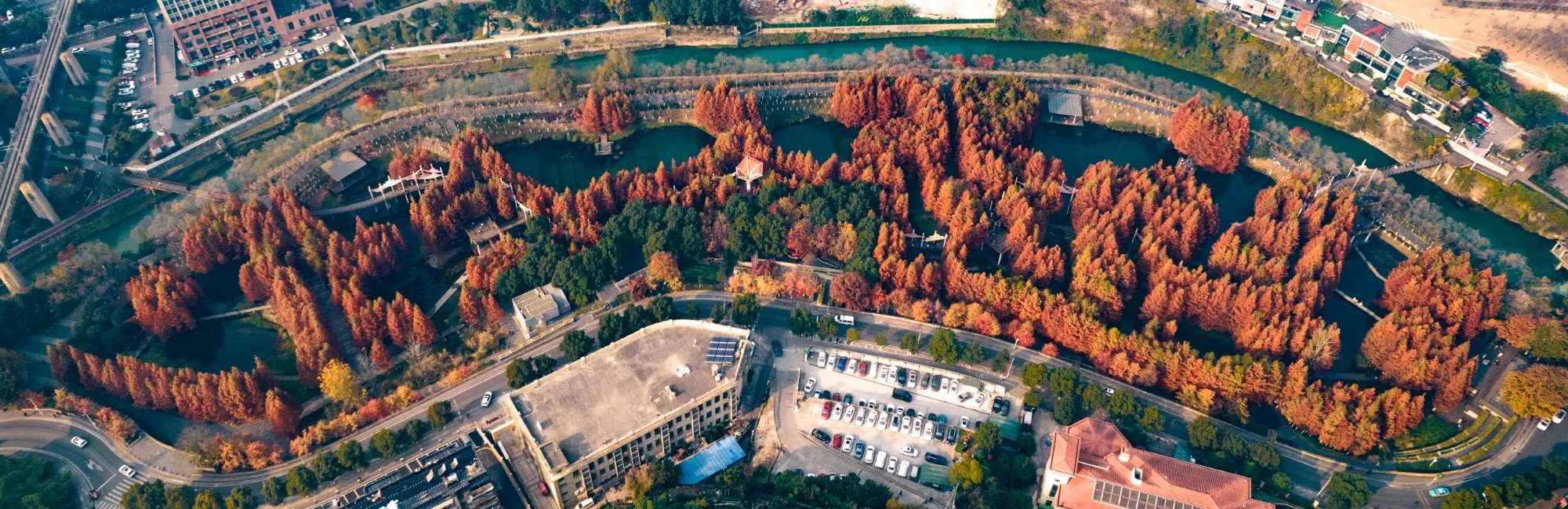
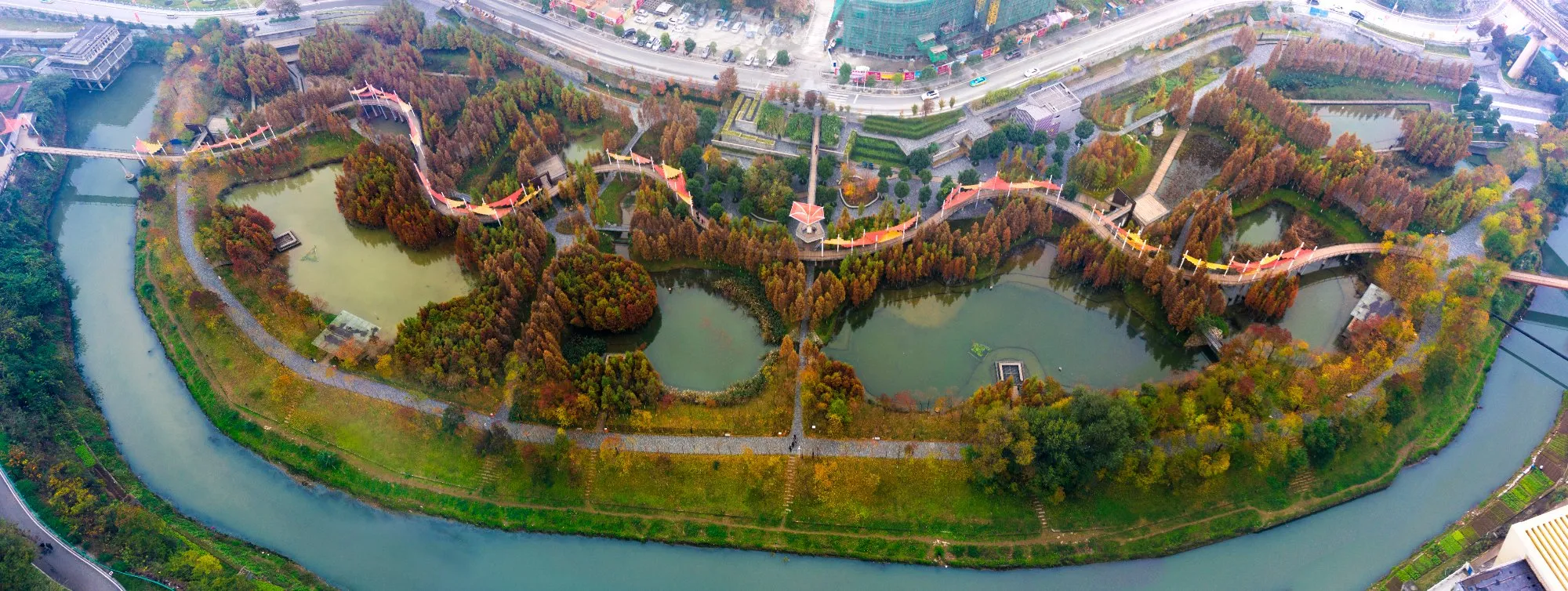
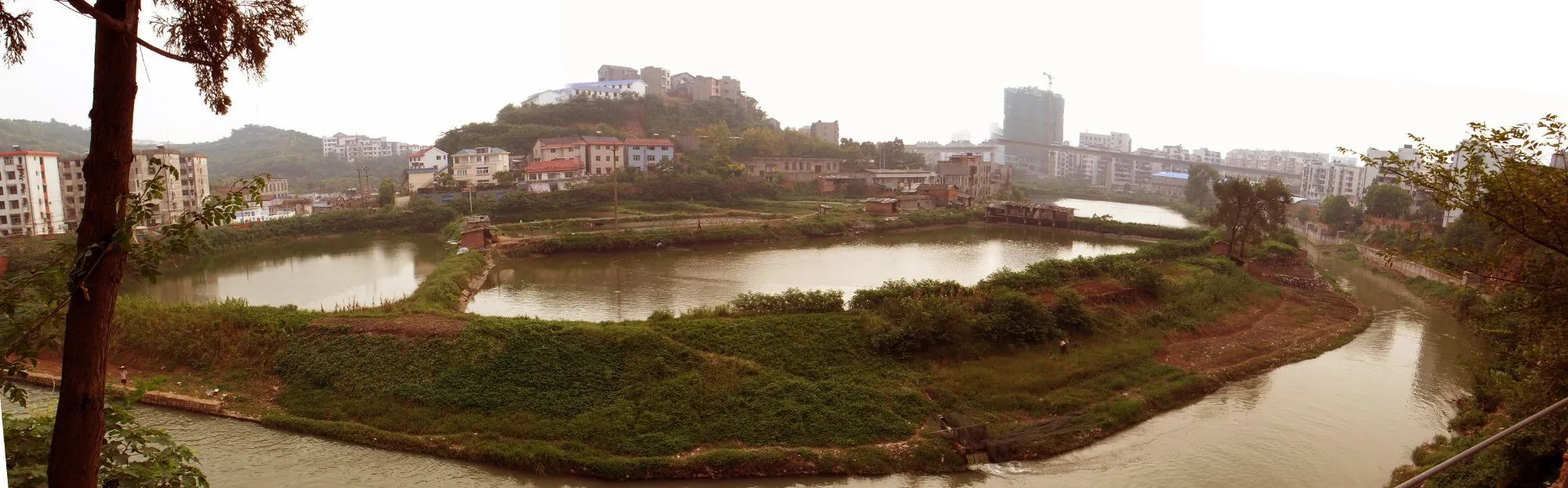
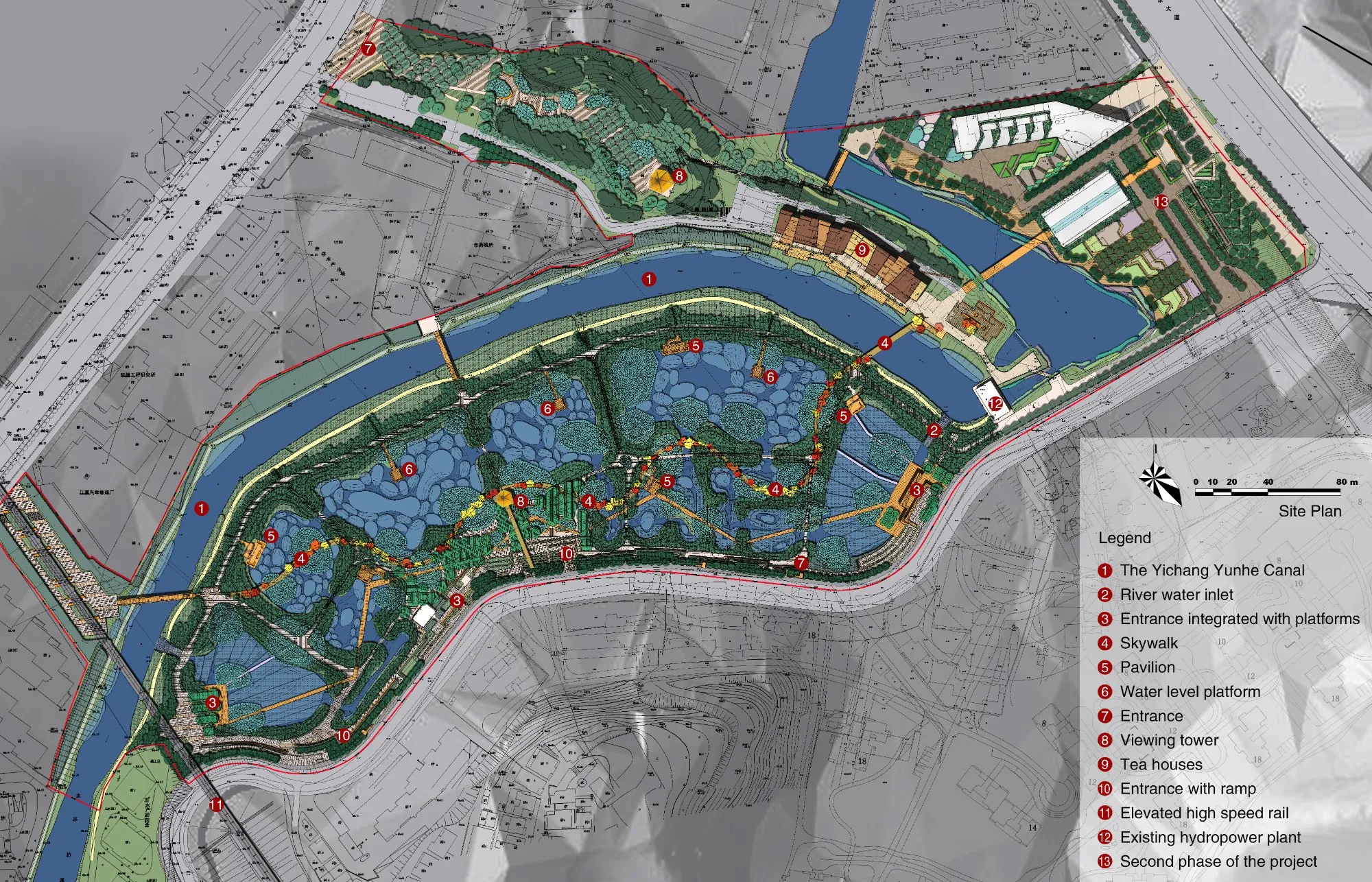
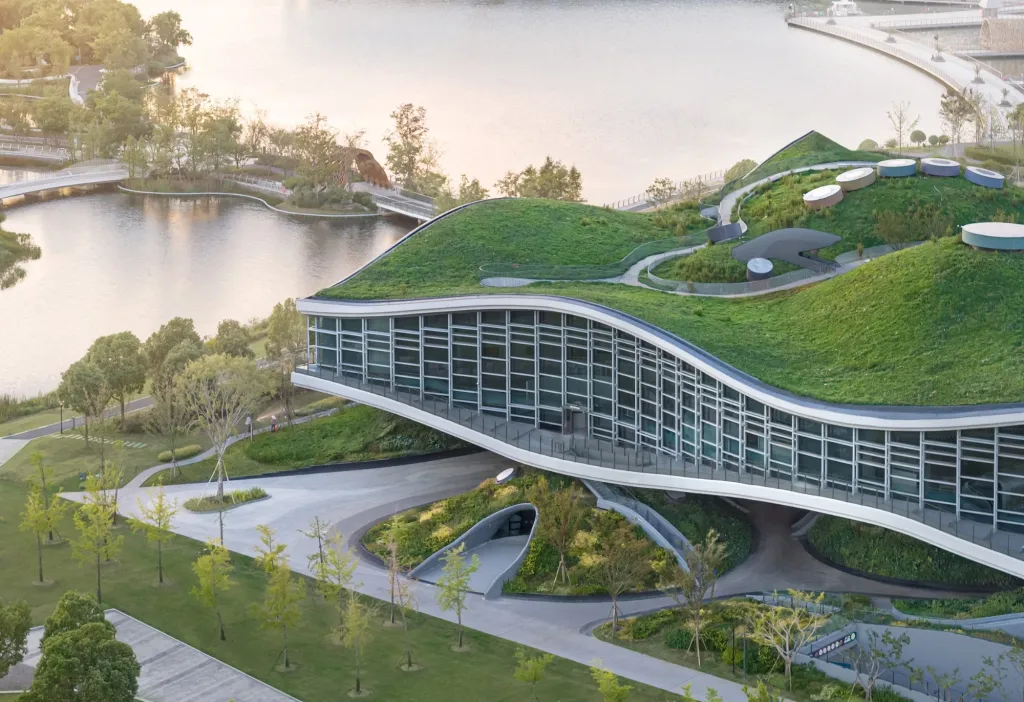
A park of 12 hectares sits in a small basin in hilly country, with a canal along its north side, a high-speed rail line to the west and a city street to the south. The site was a fish farm of twelve ponds, unsuitable for building but well placed to turn the canal into a greenway through a fast-growing new district. The ponds had become a source of pollution from excessive fish feed, and only two trees stood on the bare ground.
The canal, built in the 1950s to carry drinking water for some 100,000 people, had been abandoned as a water source because of eutrophication from farm fertiliser and household sewage. The street runs ten metres above the park, and the developers wanted an inexpensive park that would lift the value of the surrounding land without heavy investment up front.
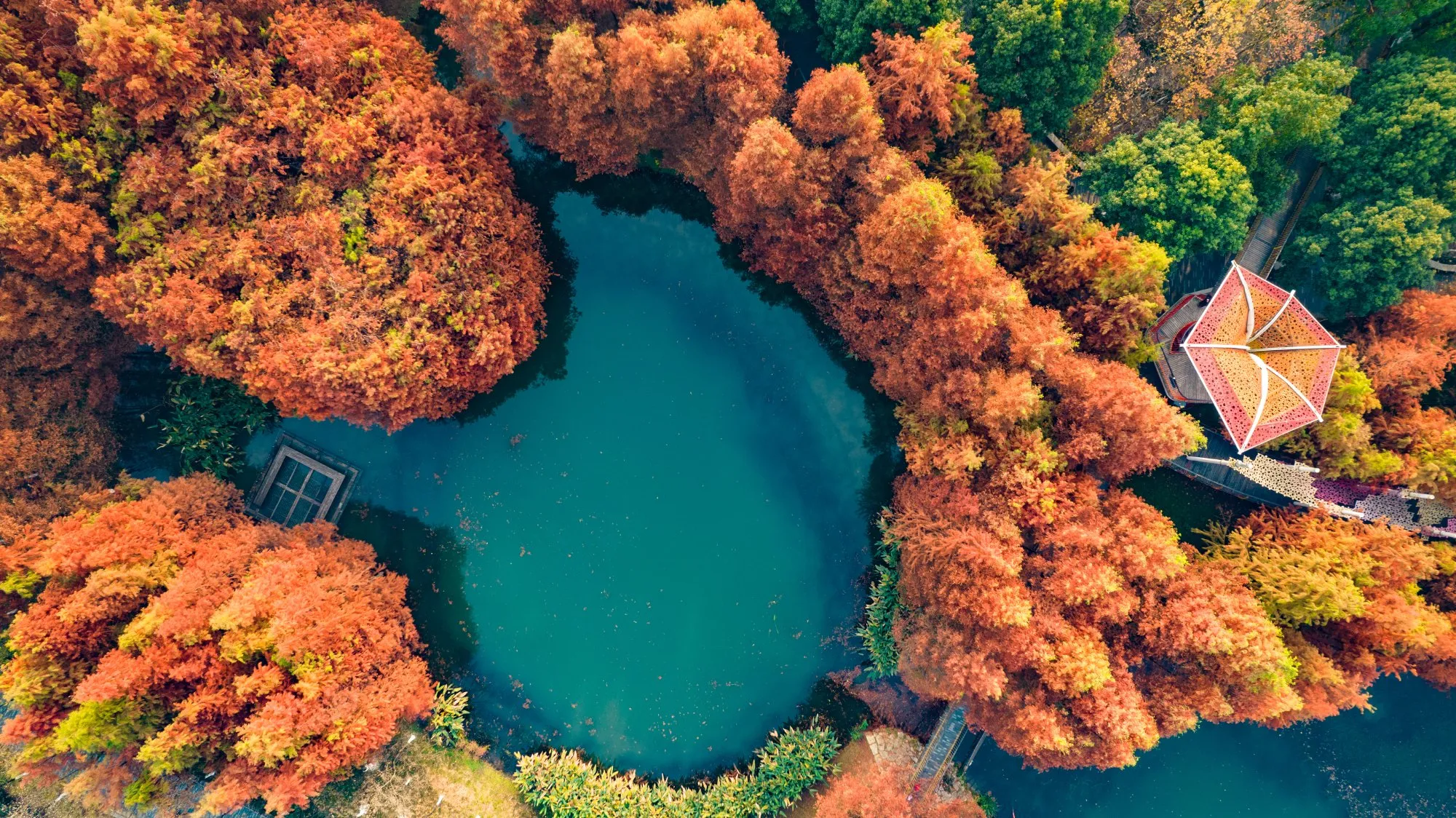
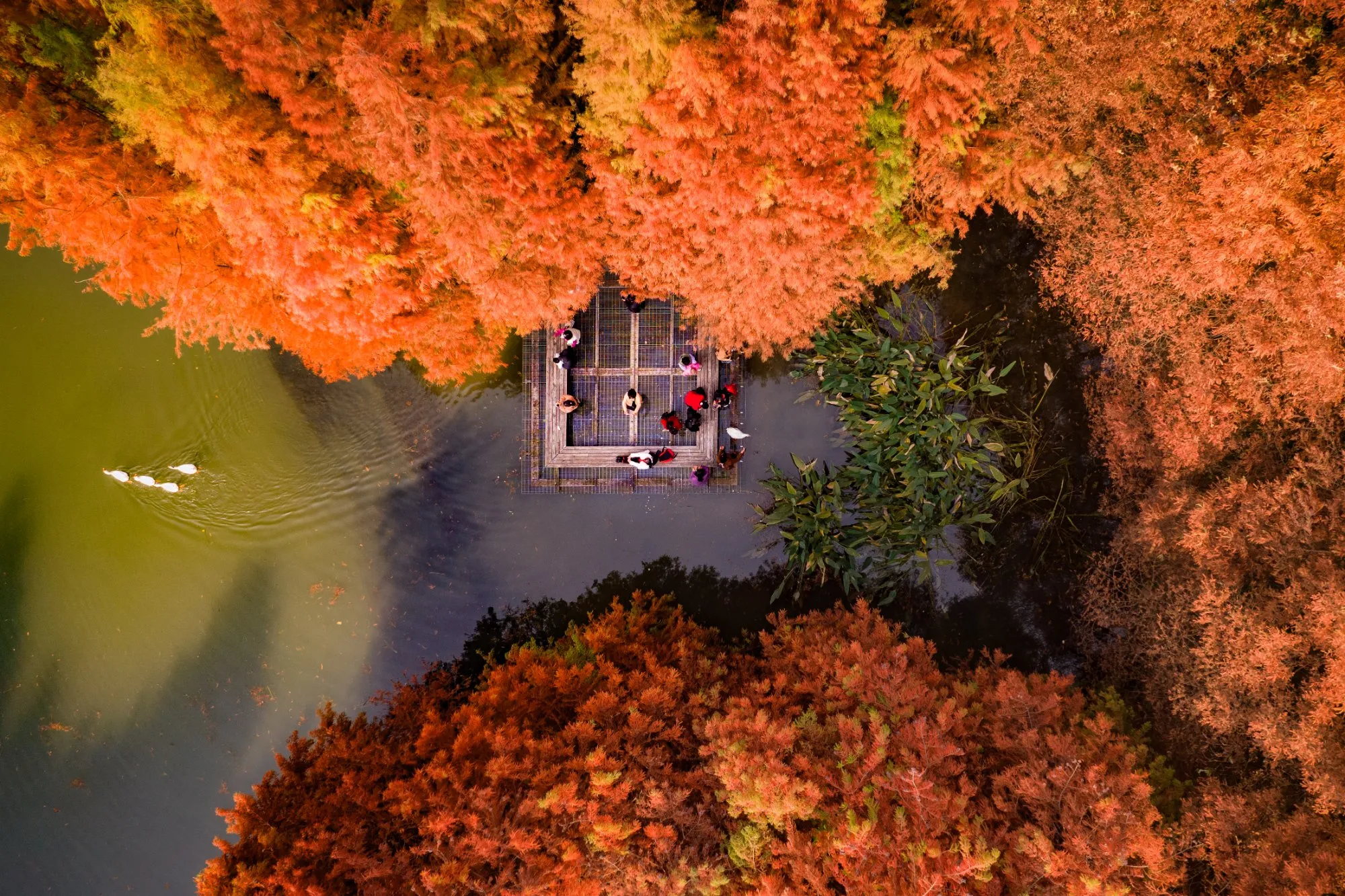
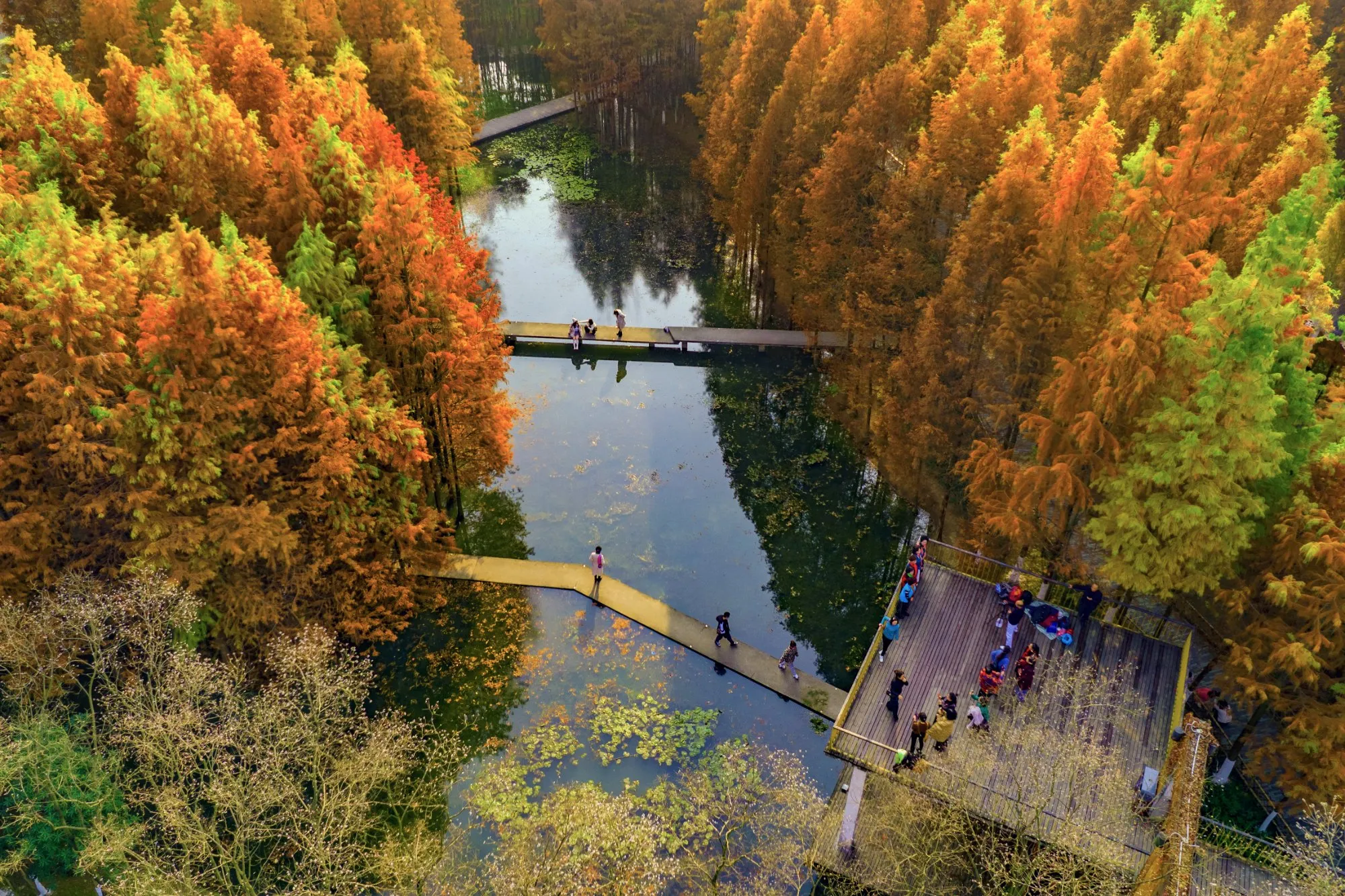
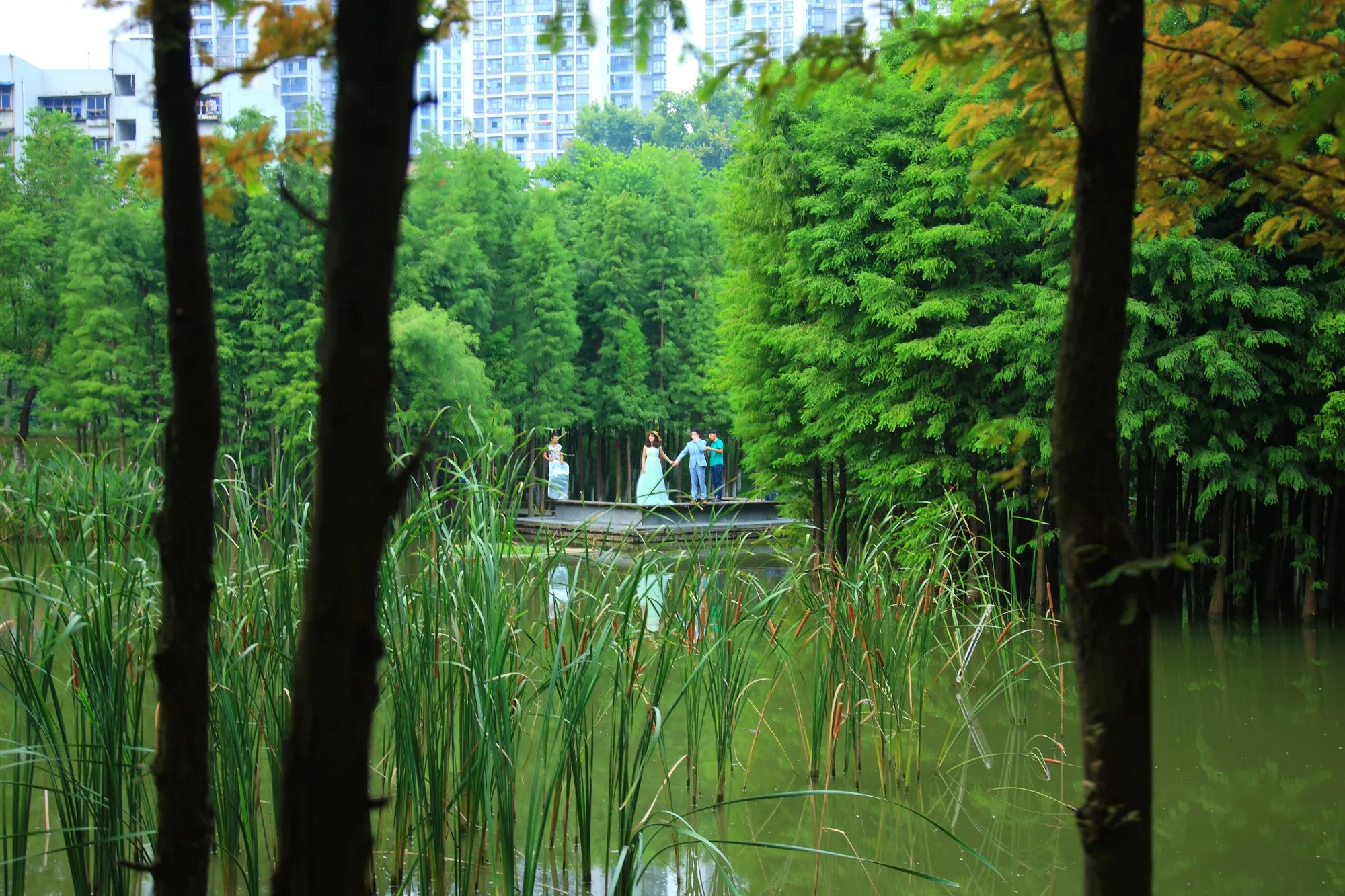
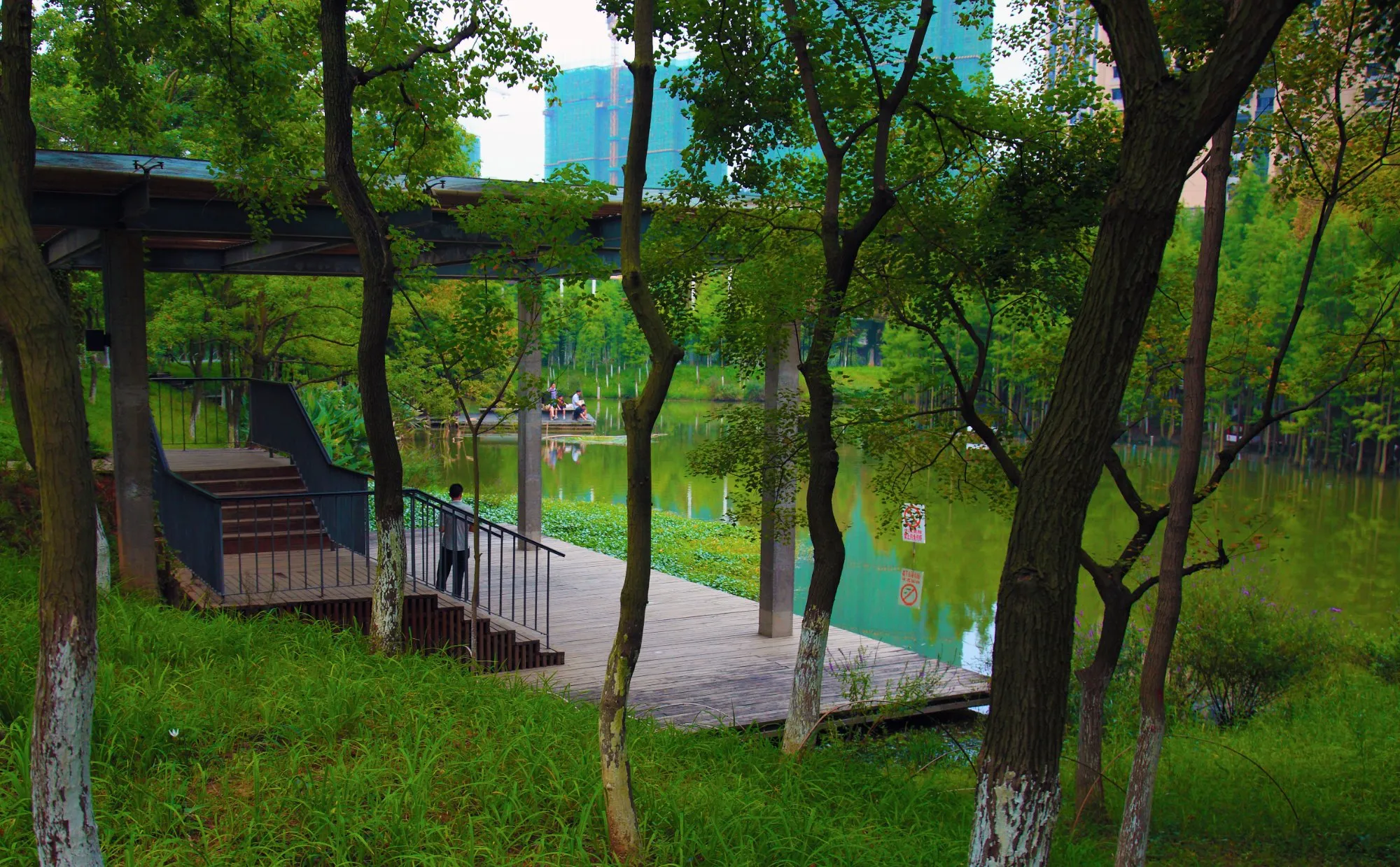
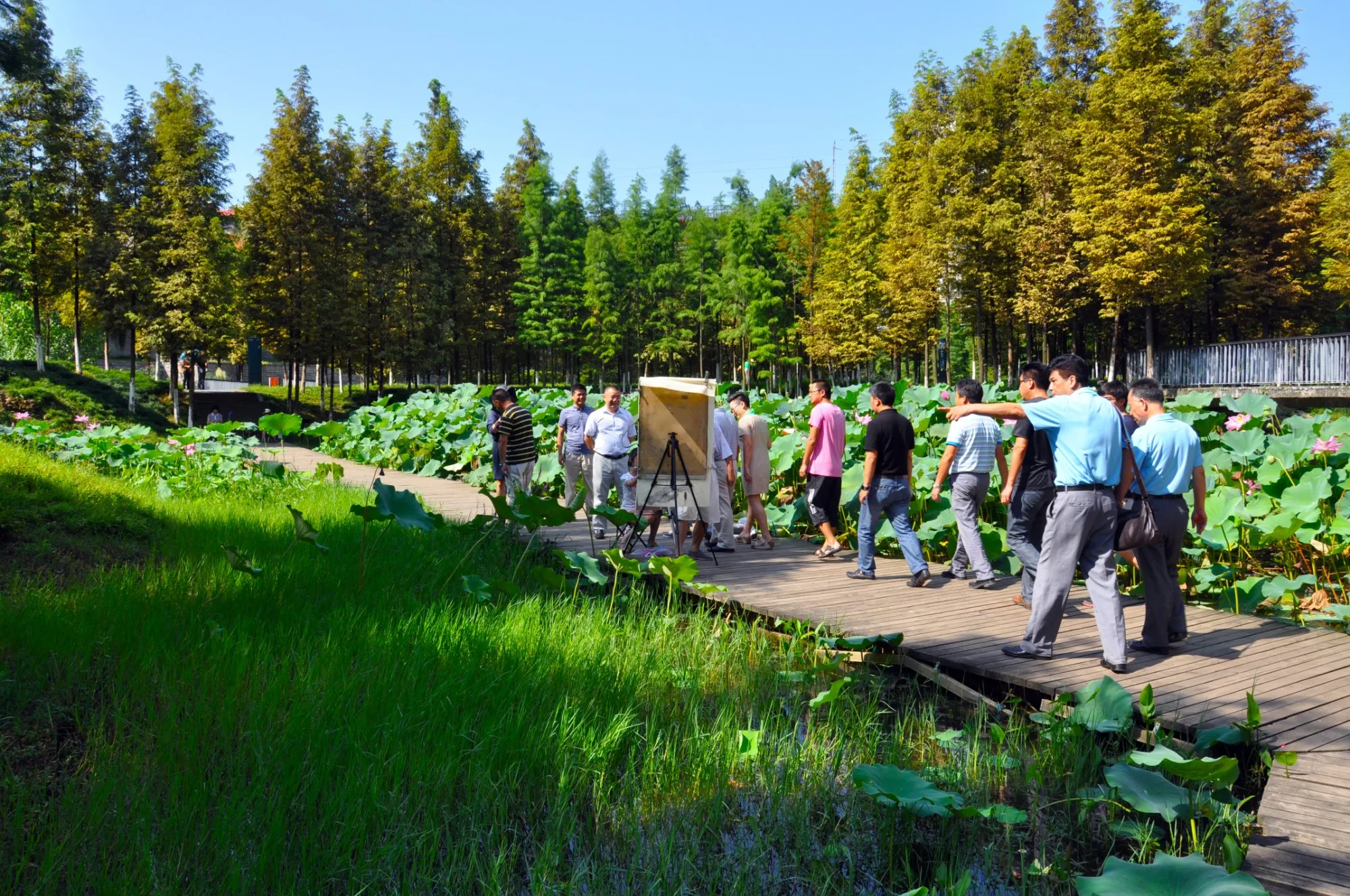
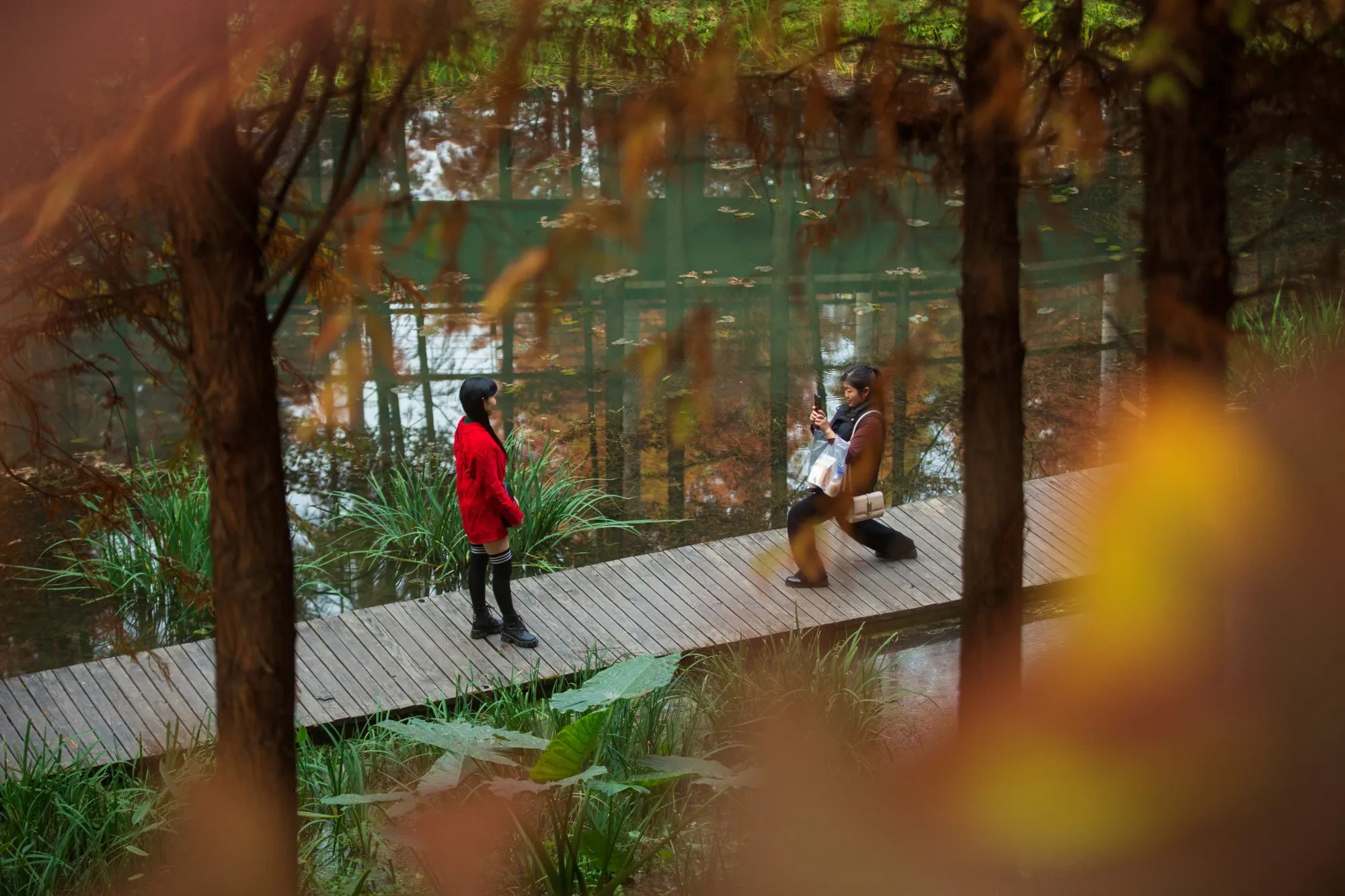
The design team kept the form of the fishponds and turned them into a filtration system with minimal earthwork. Sections of the dykes became filtering structures integrated with planting. River water is diverted into the easternmost pond and moves pond by pond to an outlet at the western end, growing visibly clearer along the way, while signs explain the process to visitors. Some ponds became productive wetlands of lotus, cattail and reed.
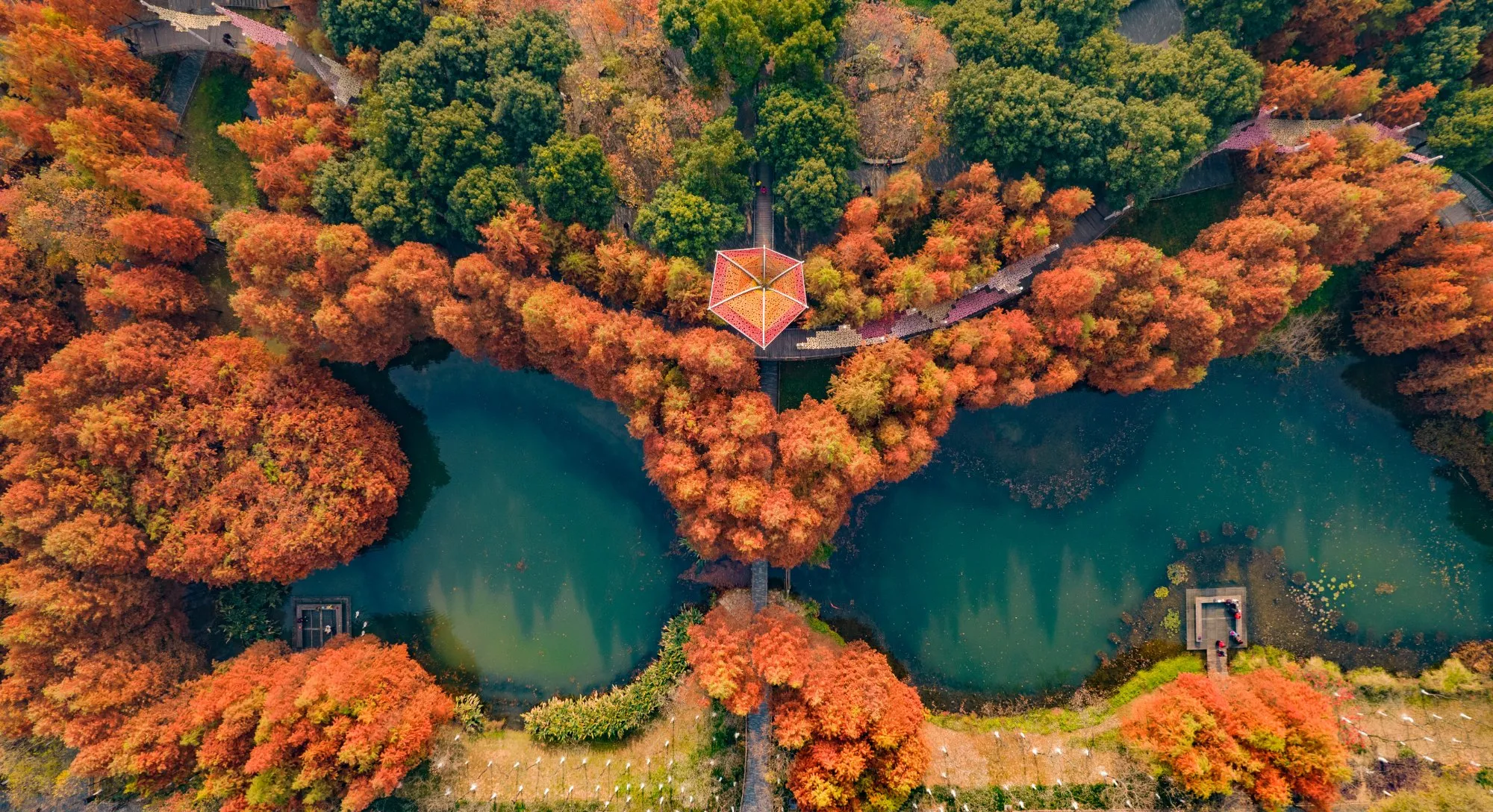
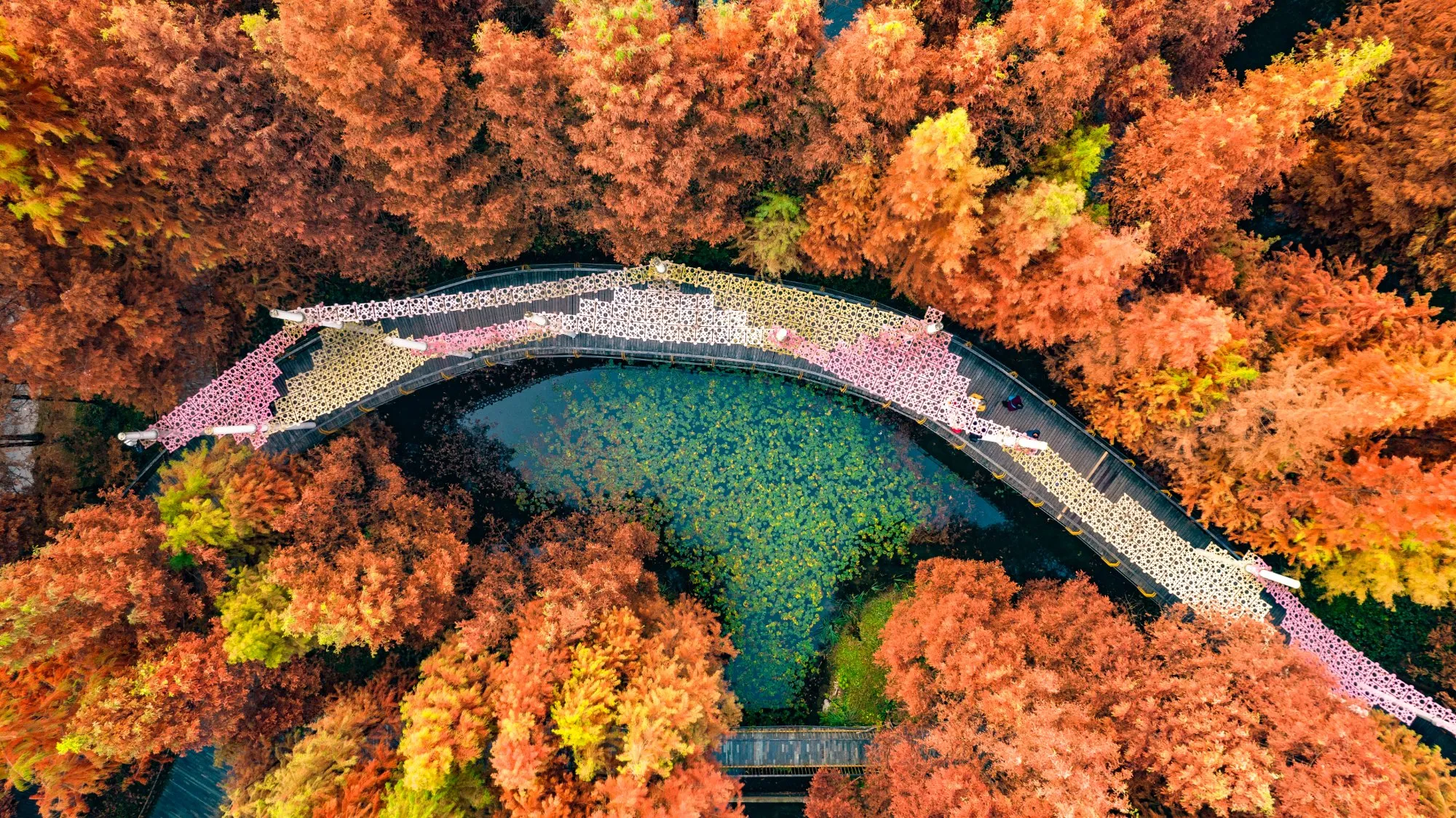
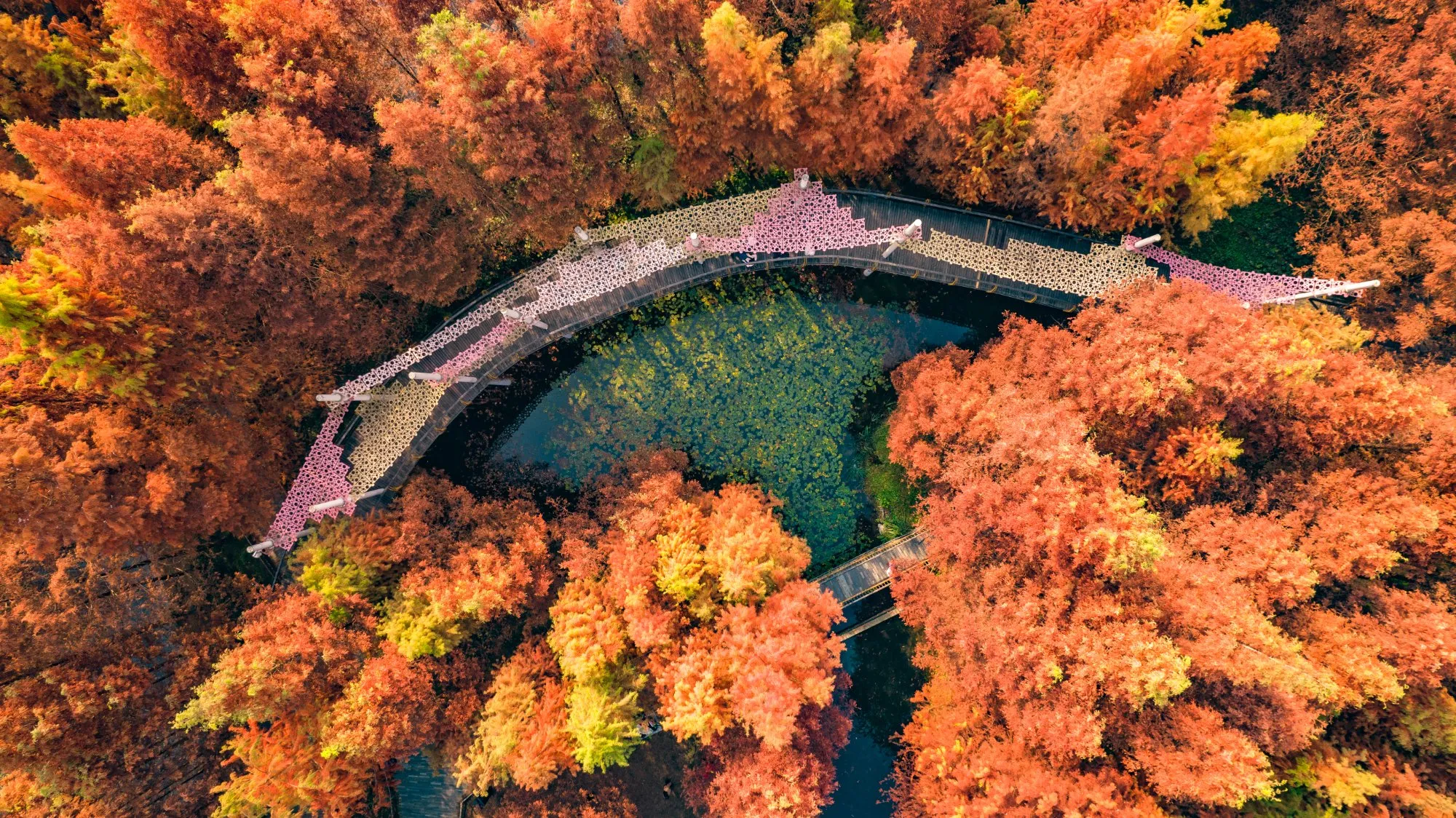
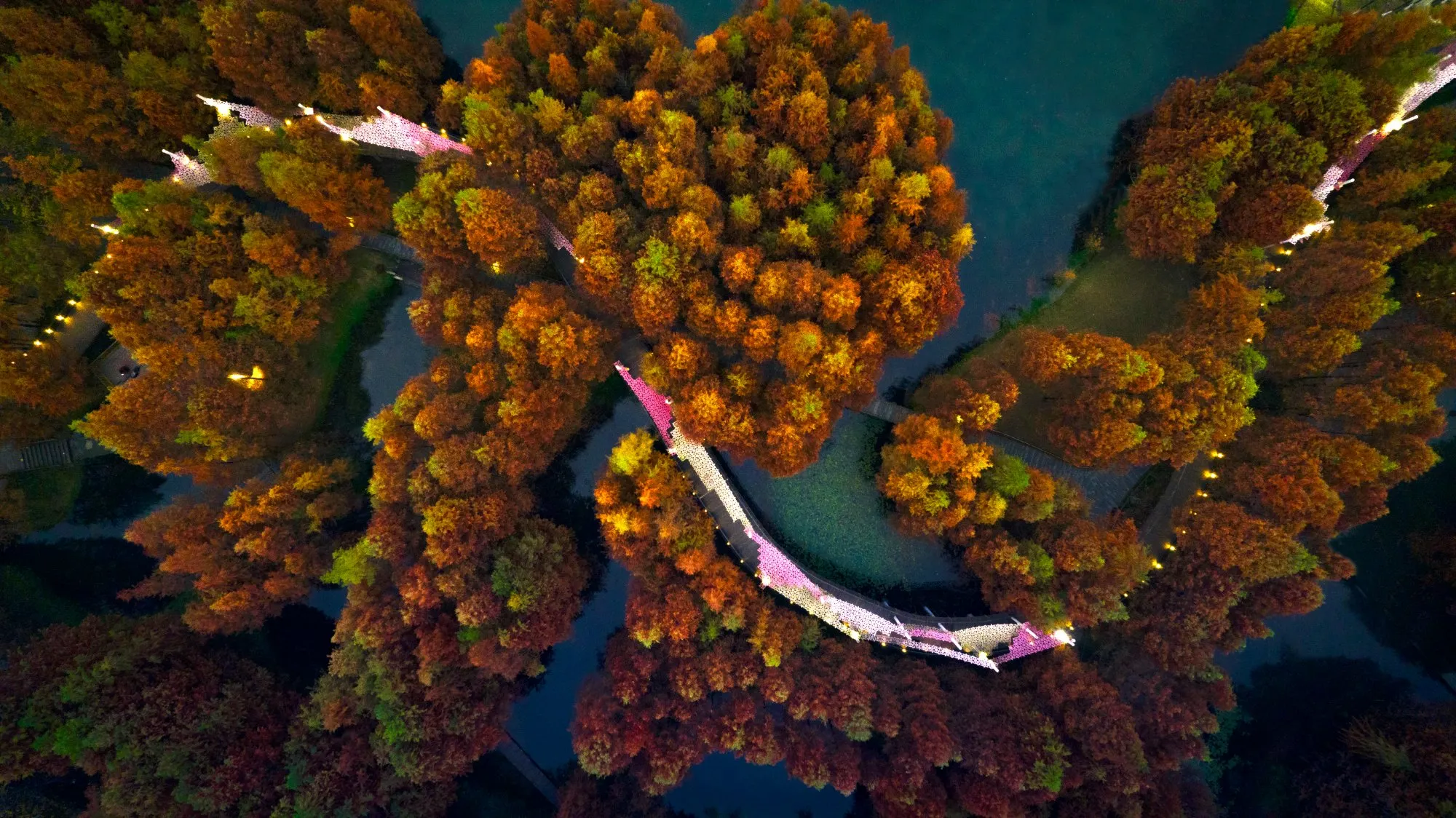
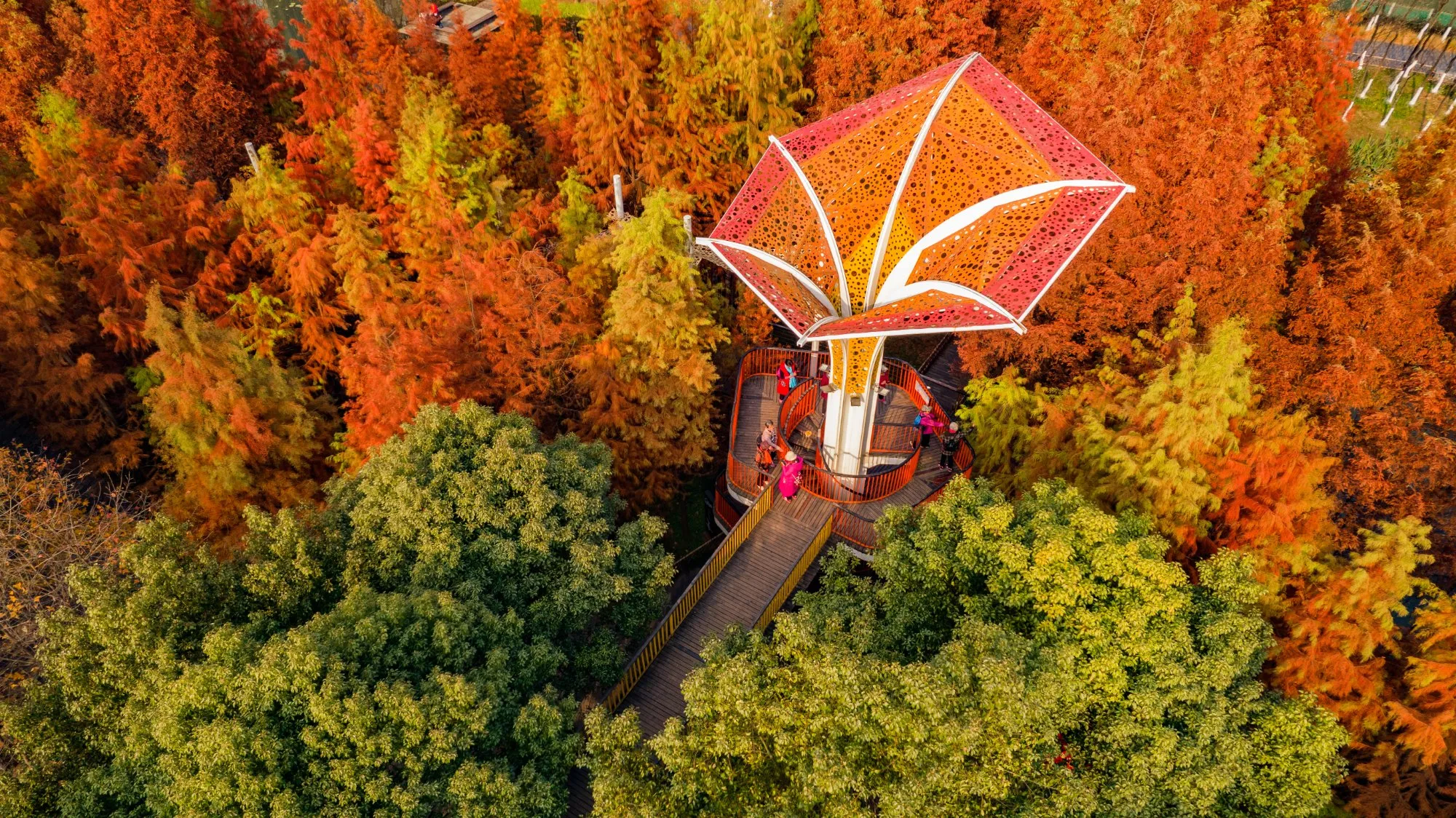
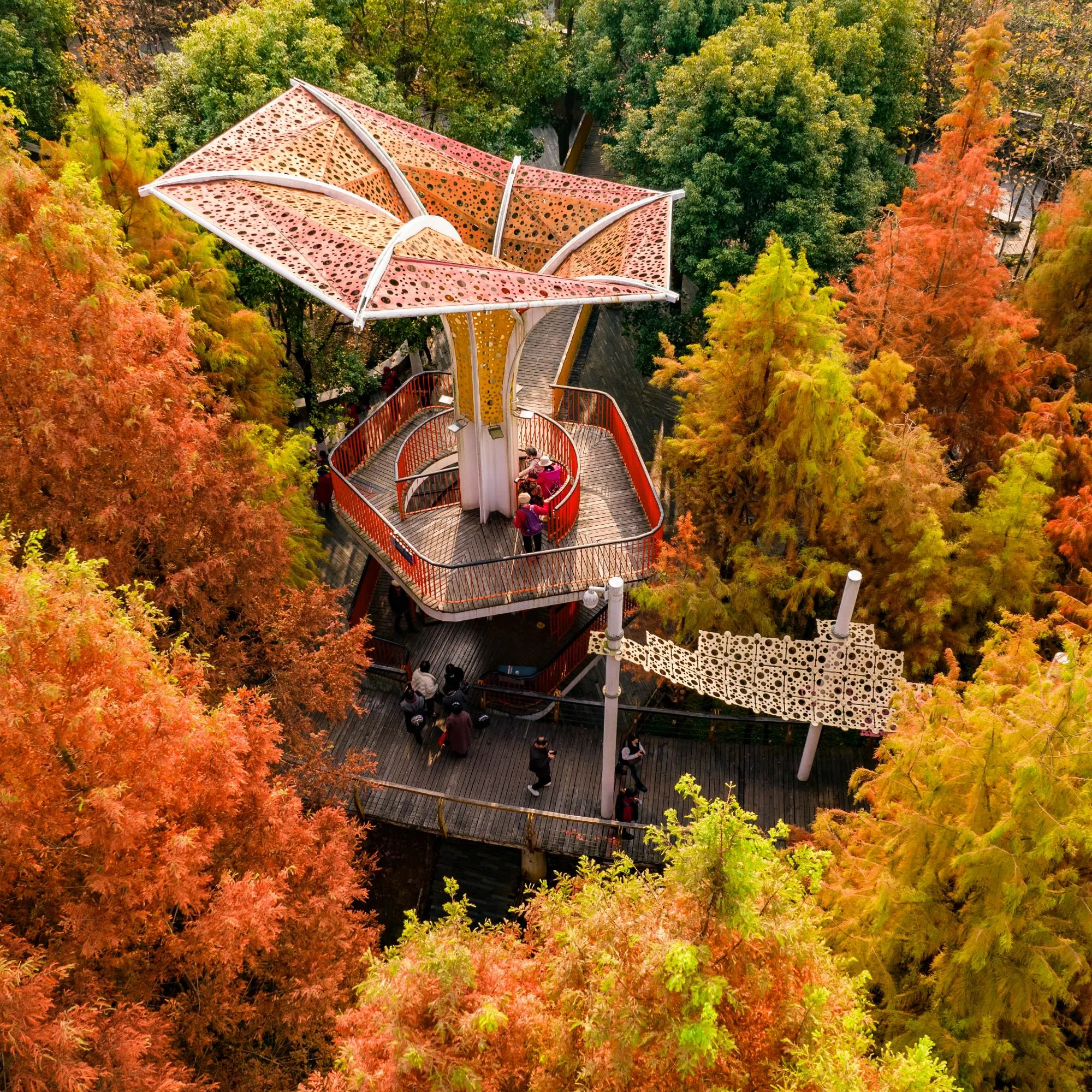
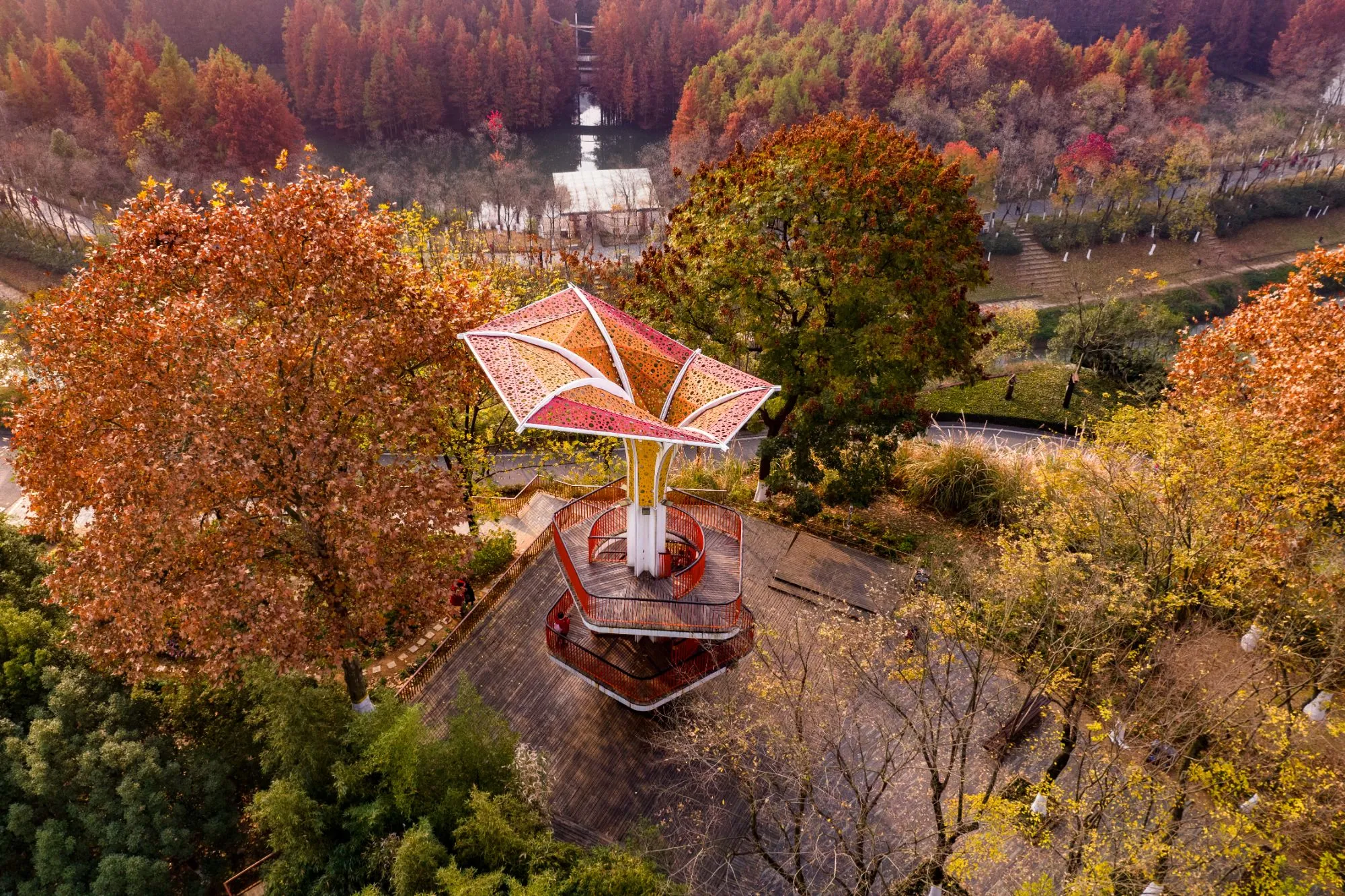
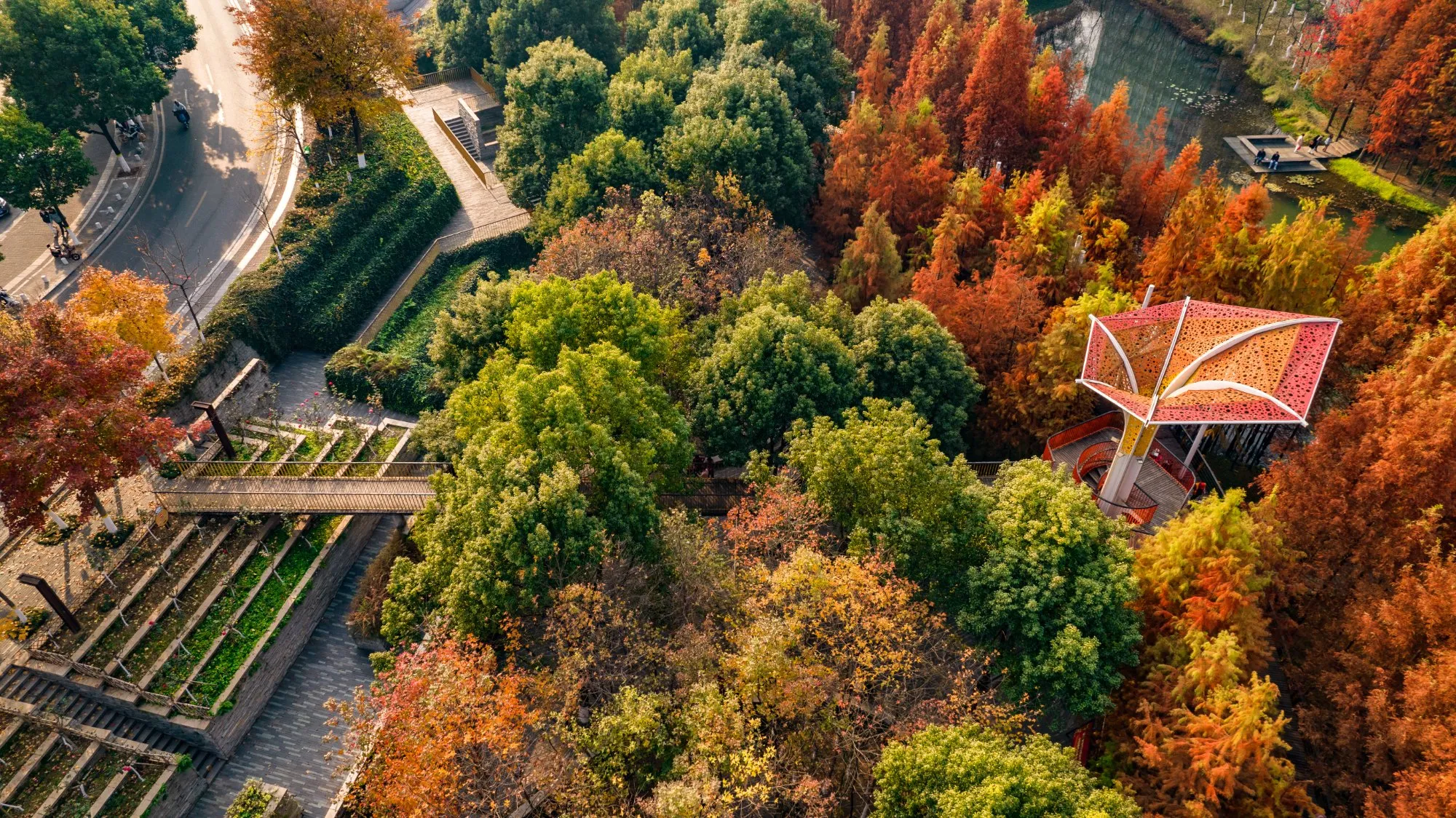
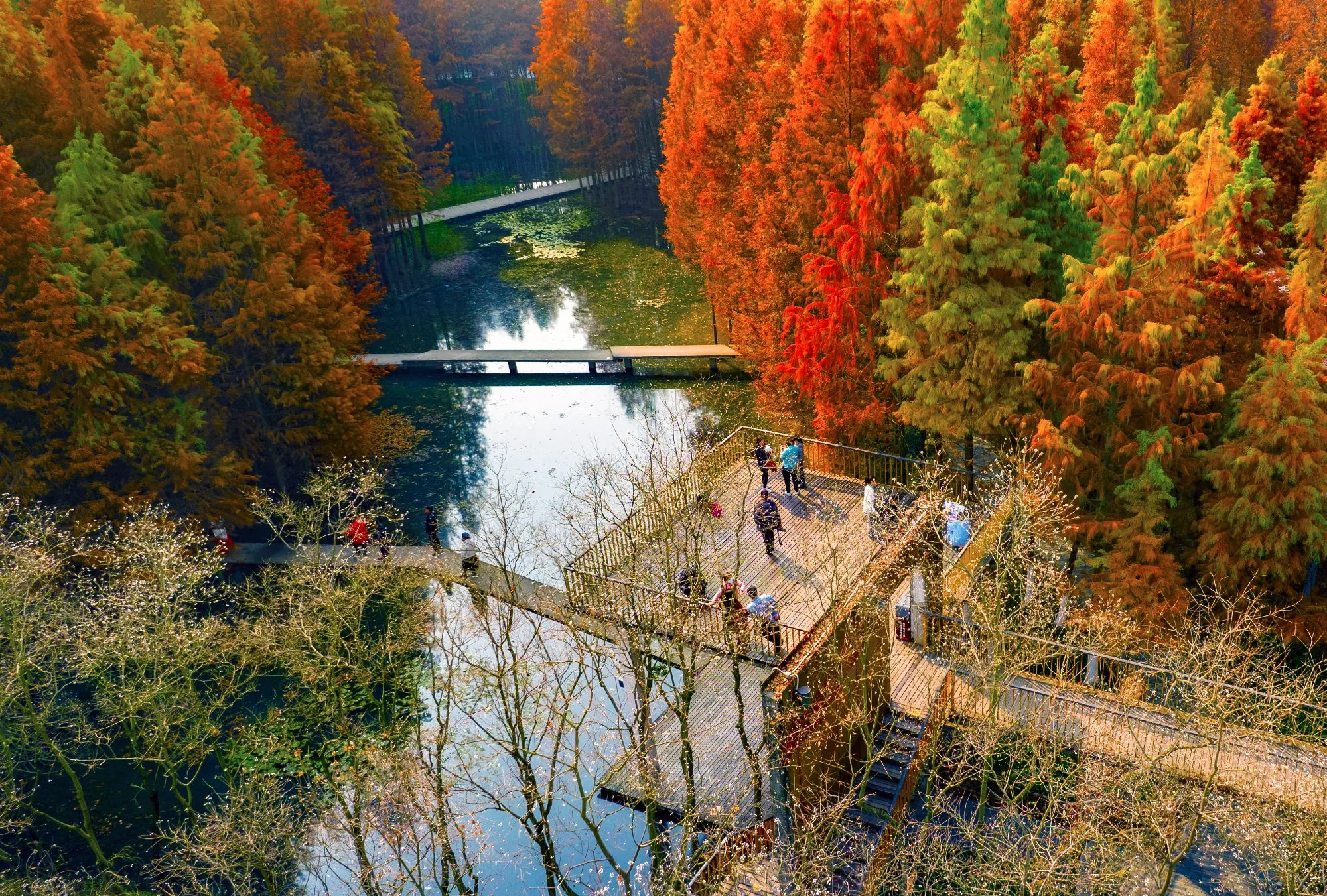
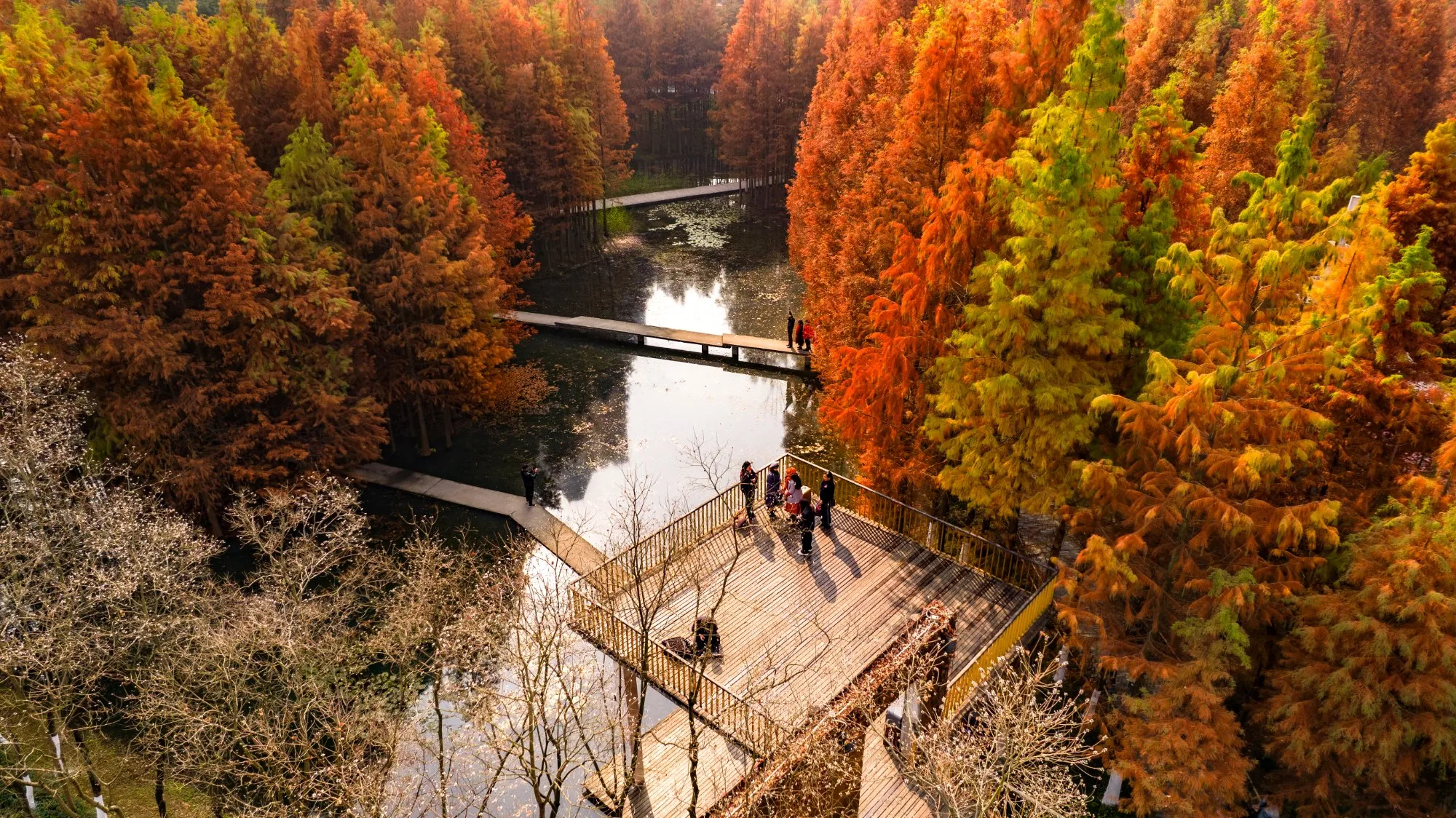
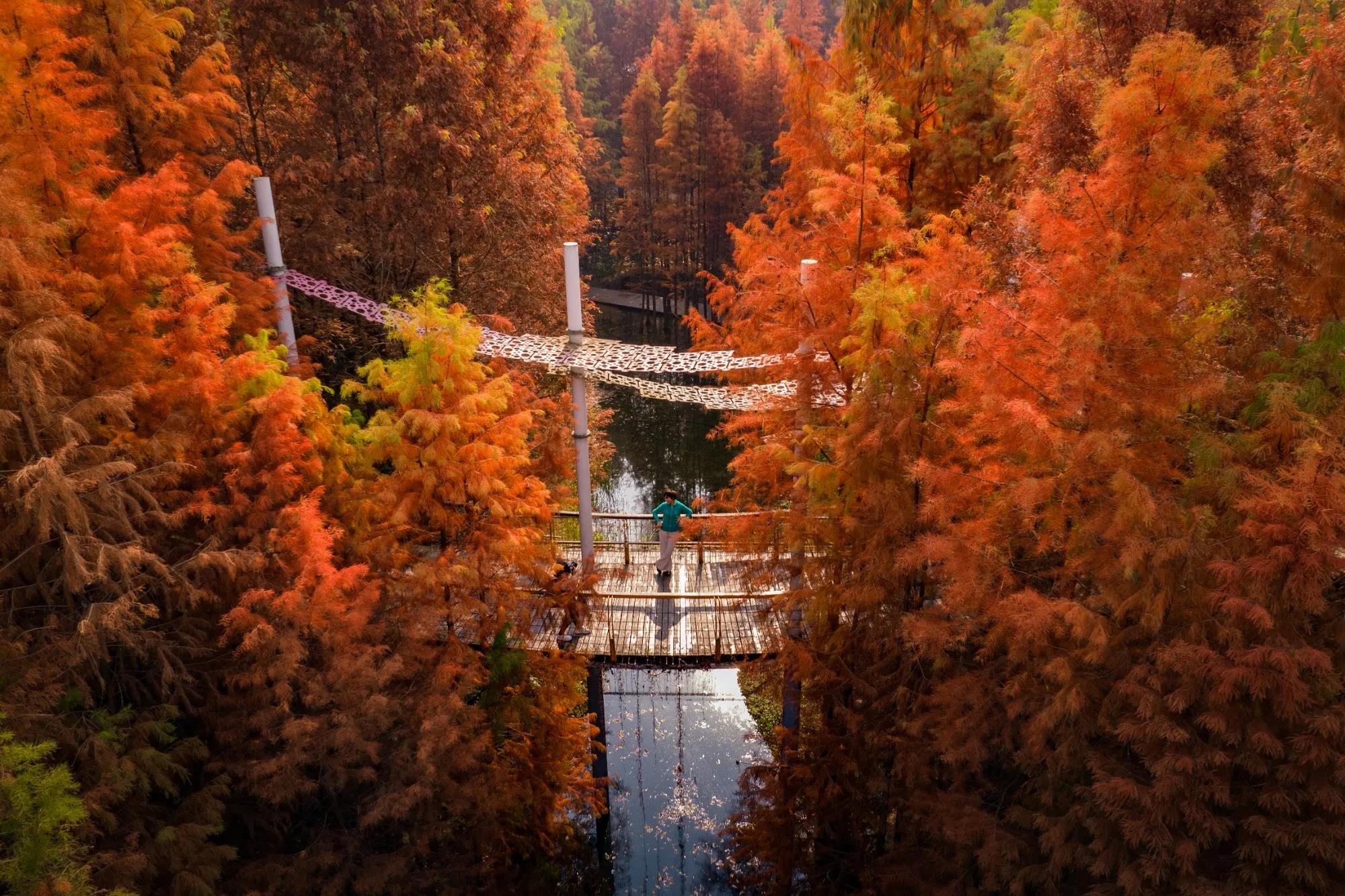
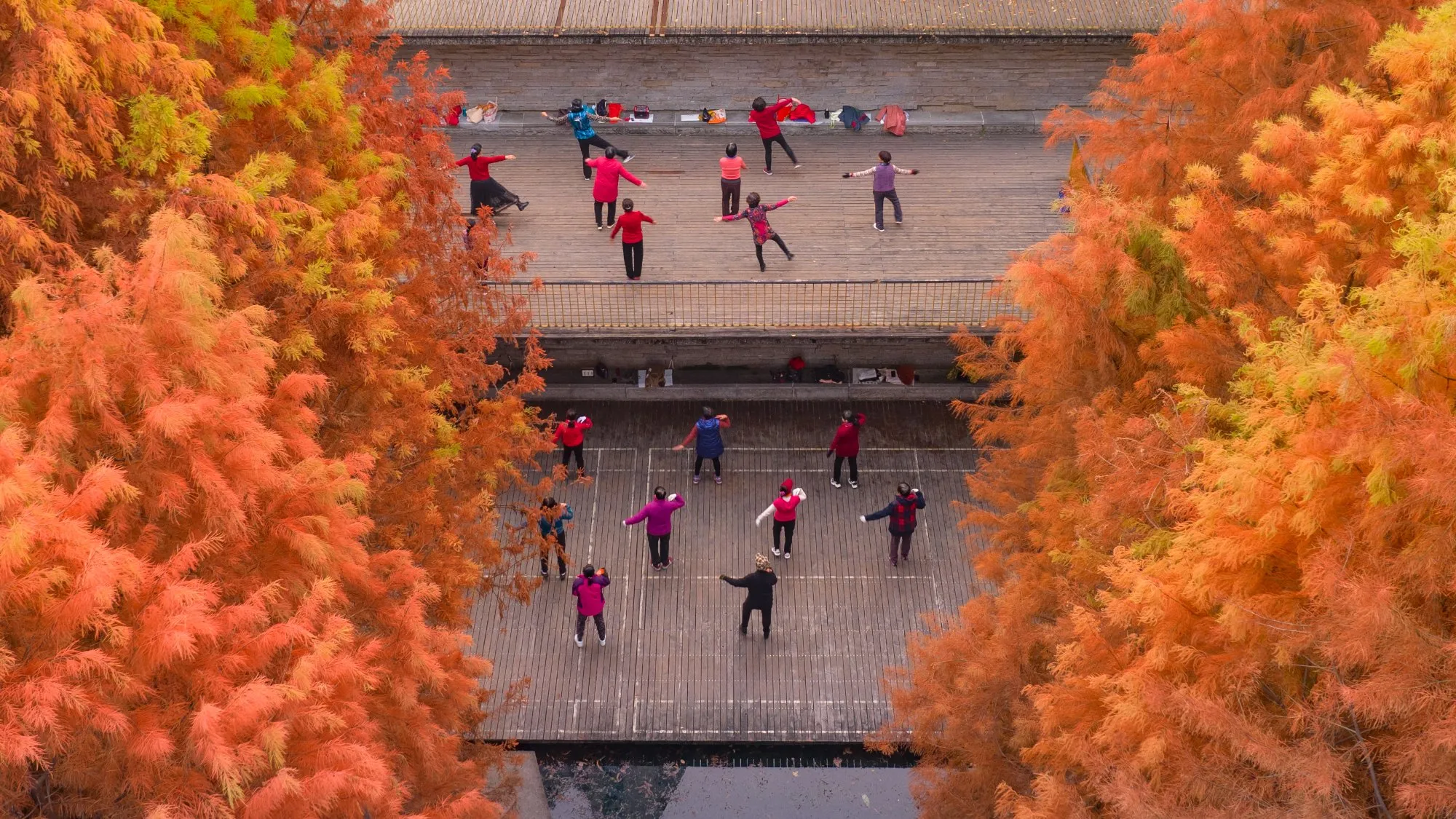
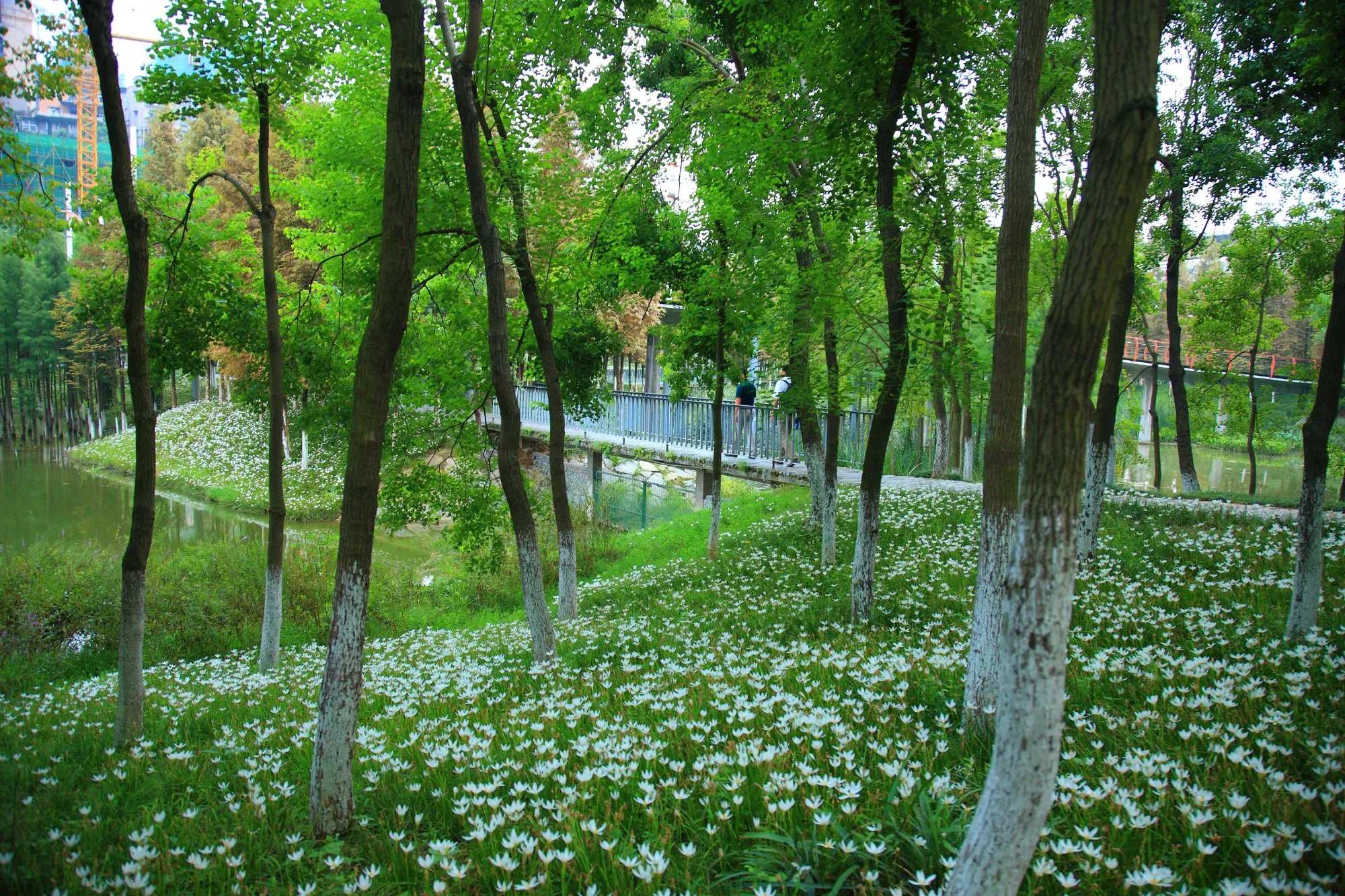
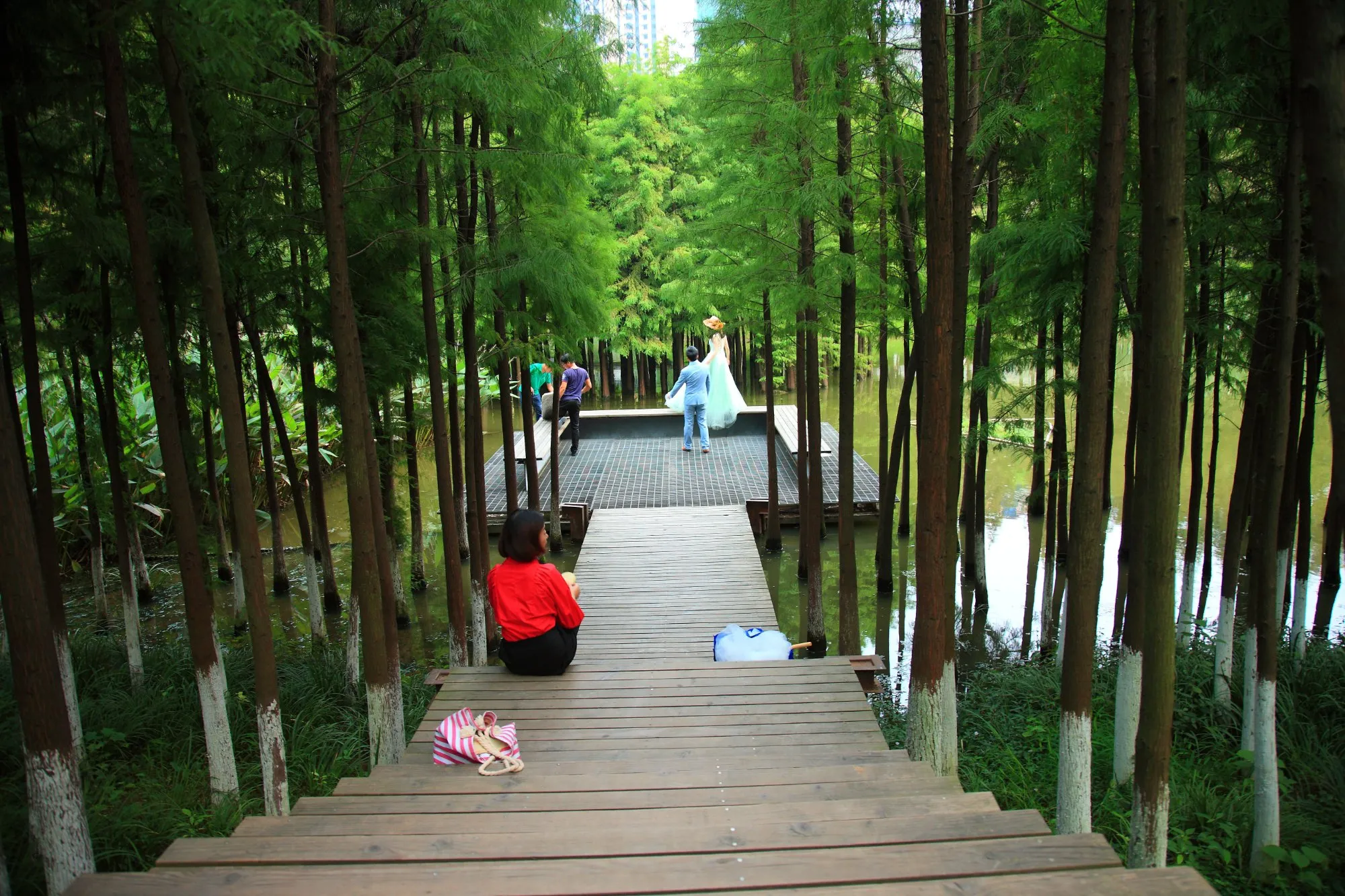
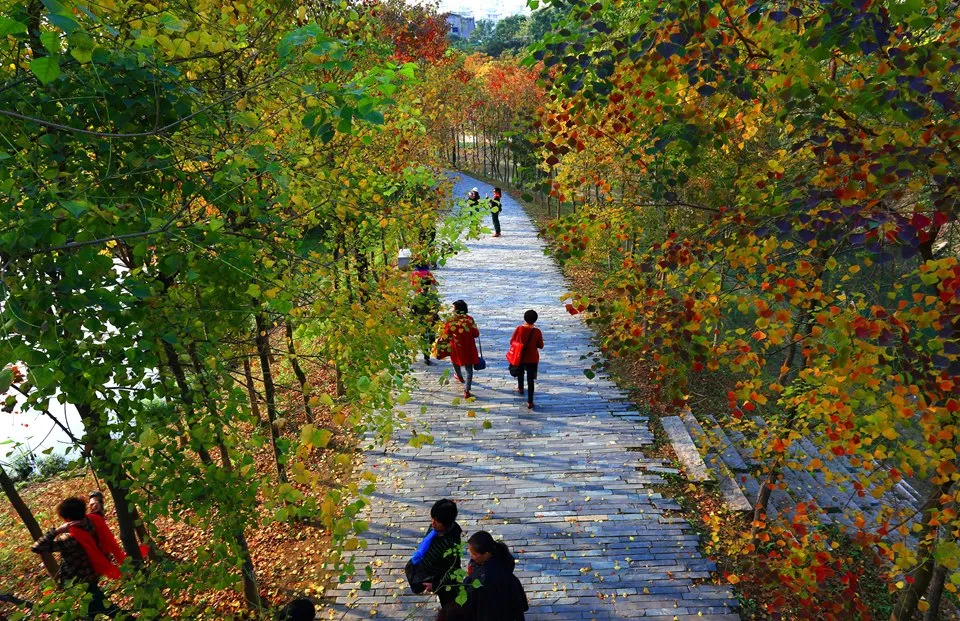
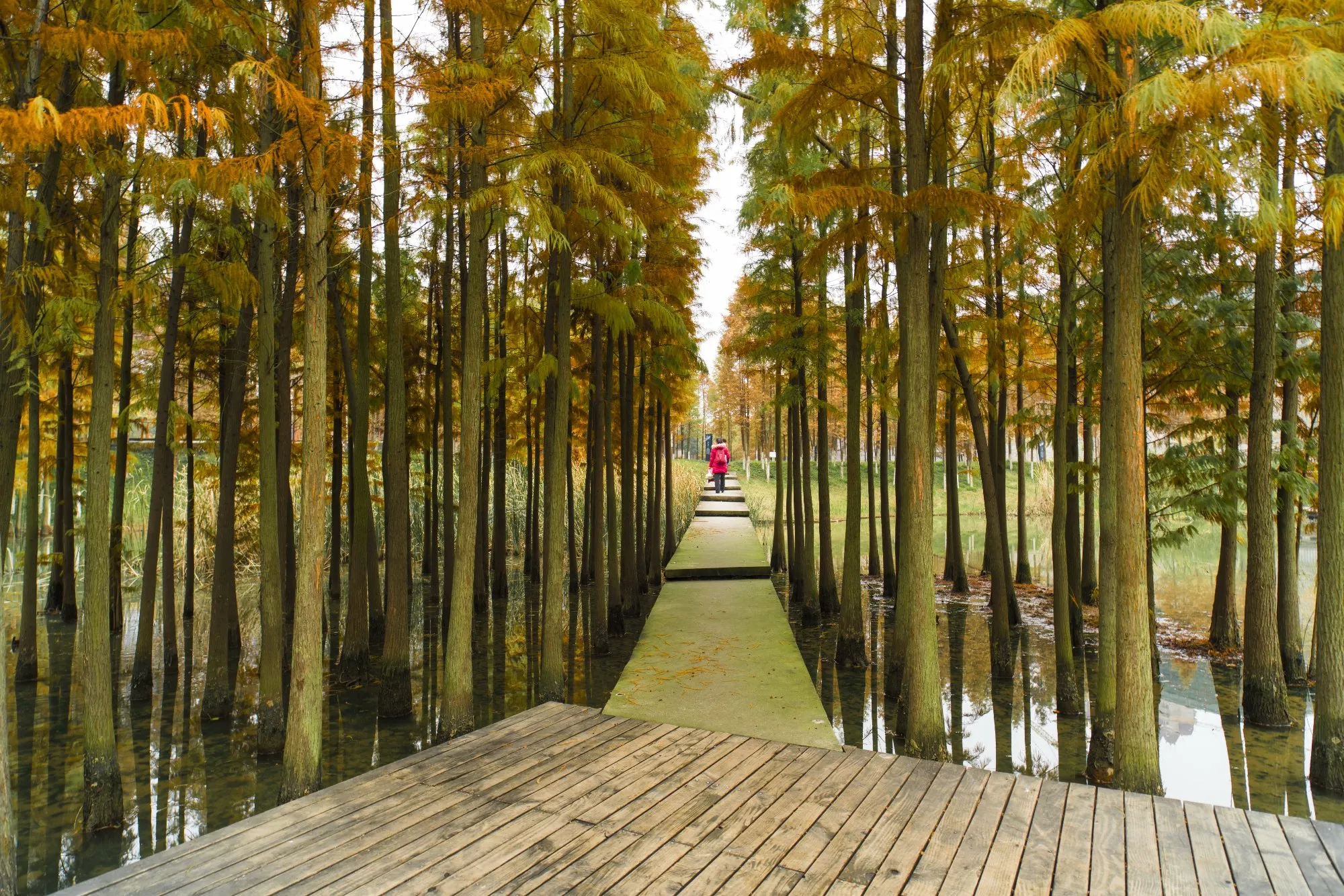
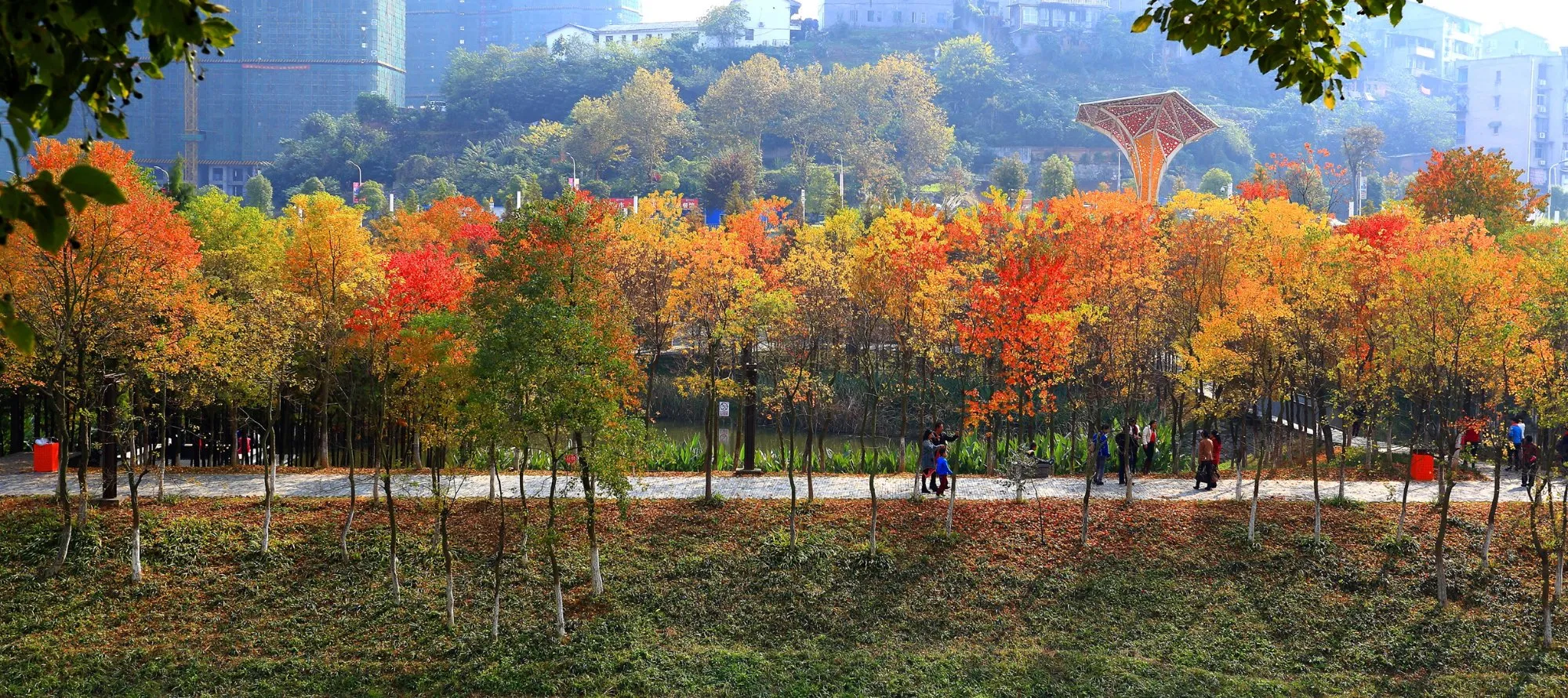
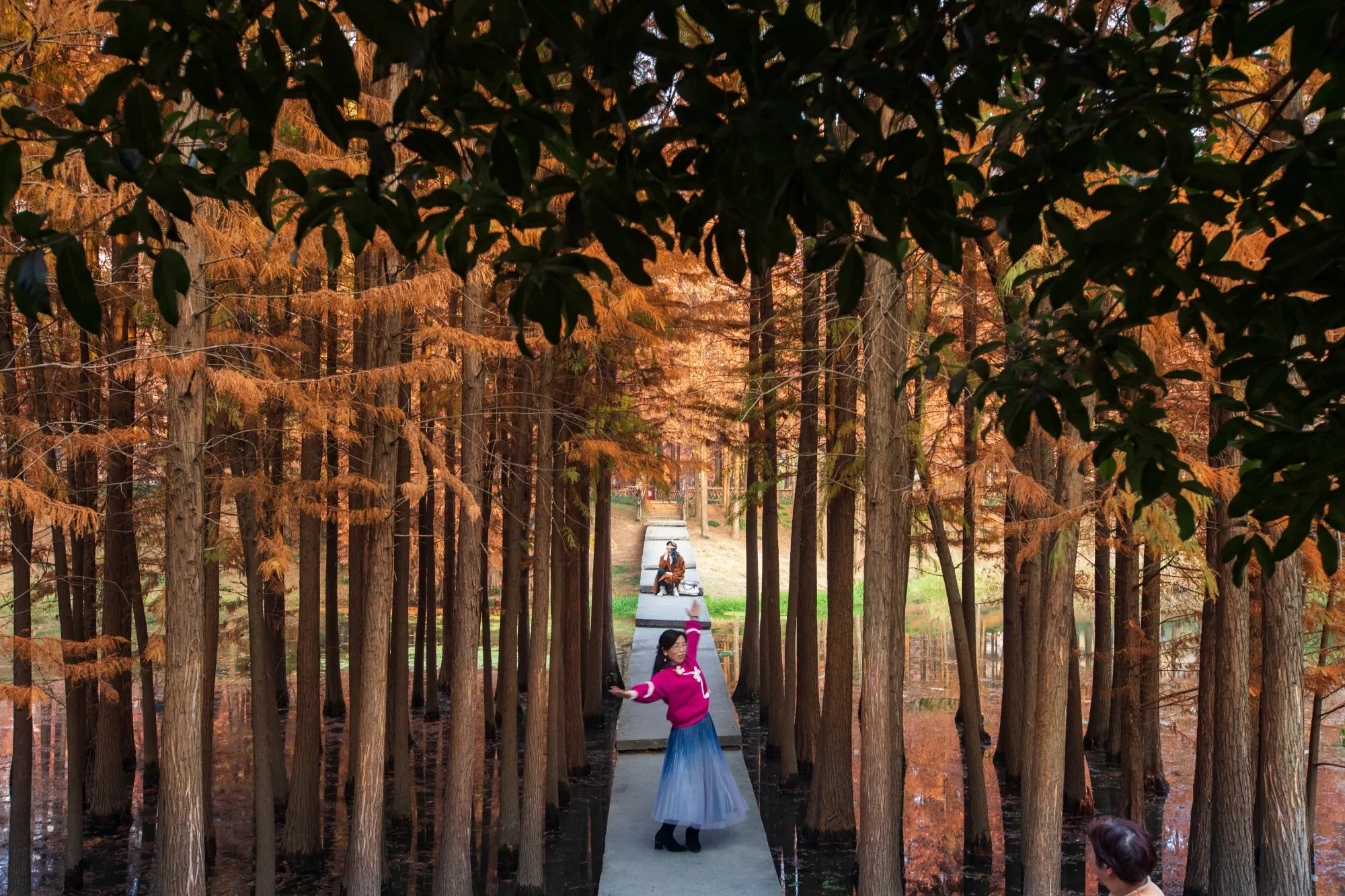
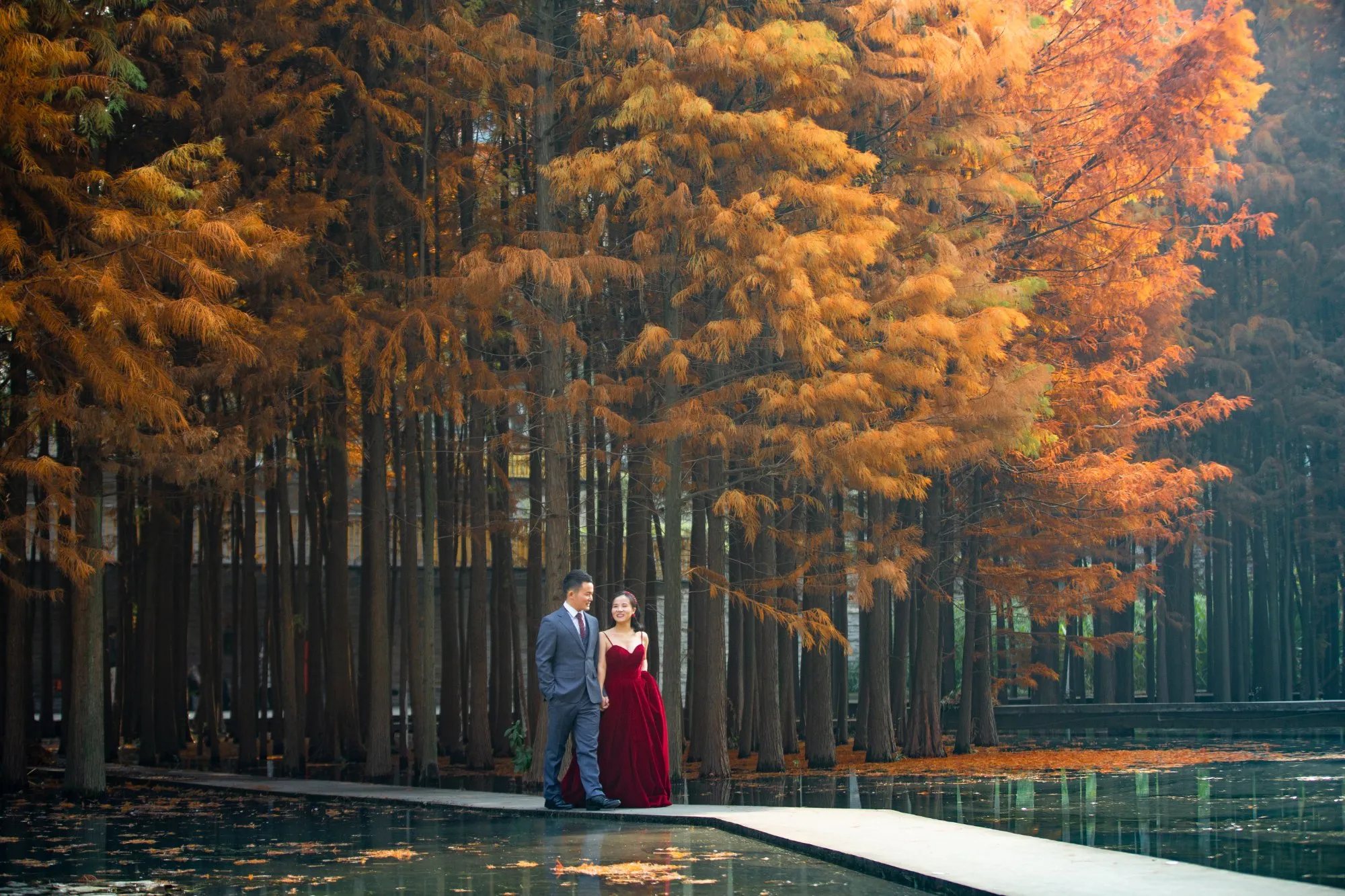
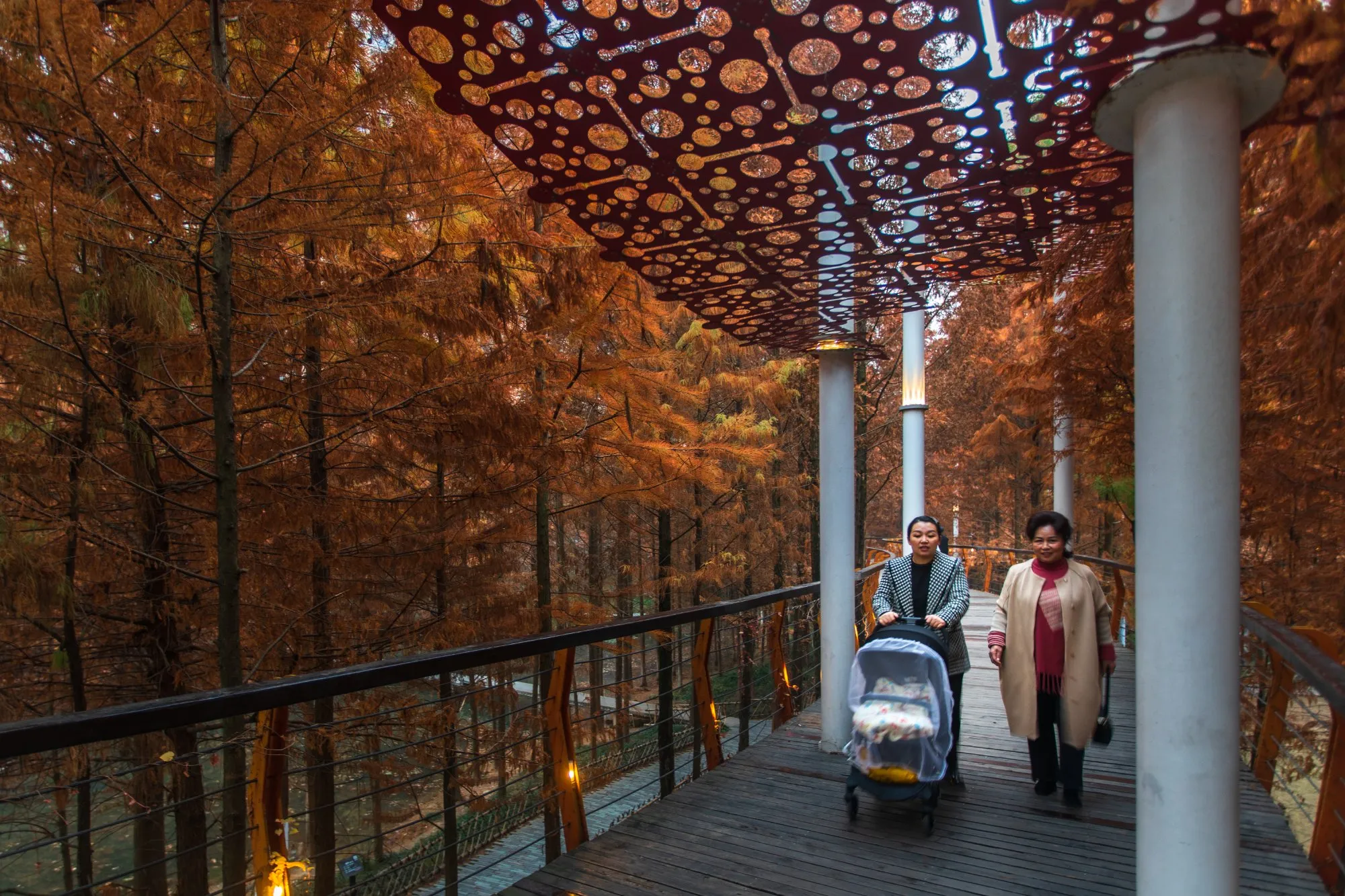
Planting breaks up the monotony of the grid. Dawn redwood and glyptostrobus, ancient species native to the region, grow in dense blocks that form rooms between the ponds. Chinese tallow trees line the canal dyke as the start of a continuous greenway, and hackberry, ginkgo and sweetgum shade the entrances and meeting places. The ground cover is made of self-seeding annuals and perennials.
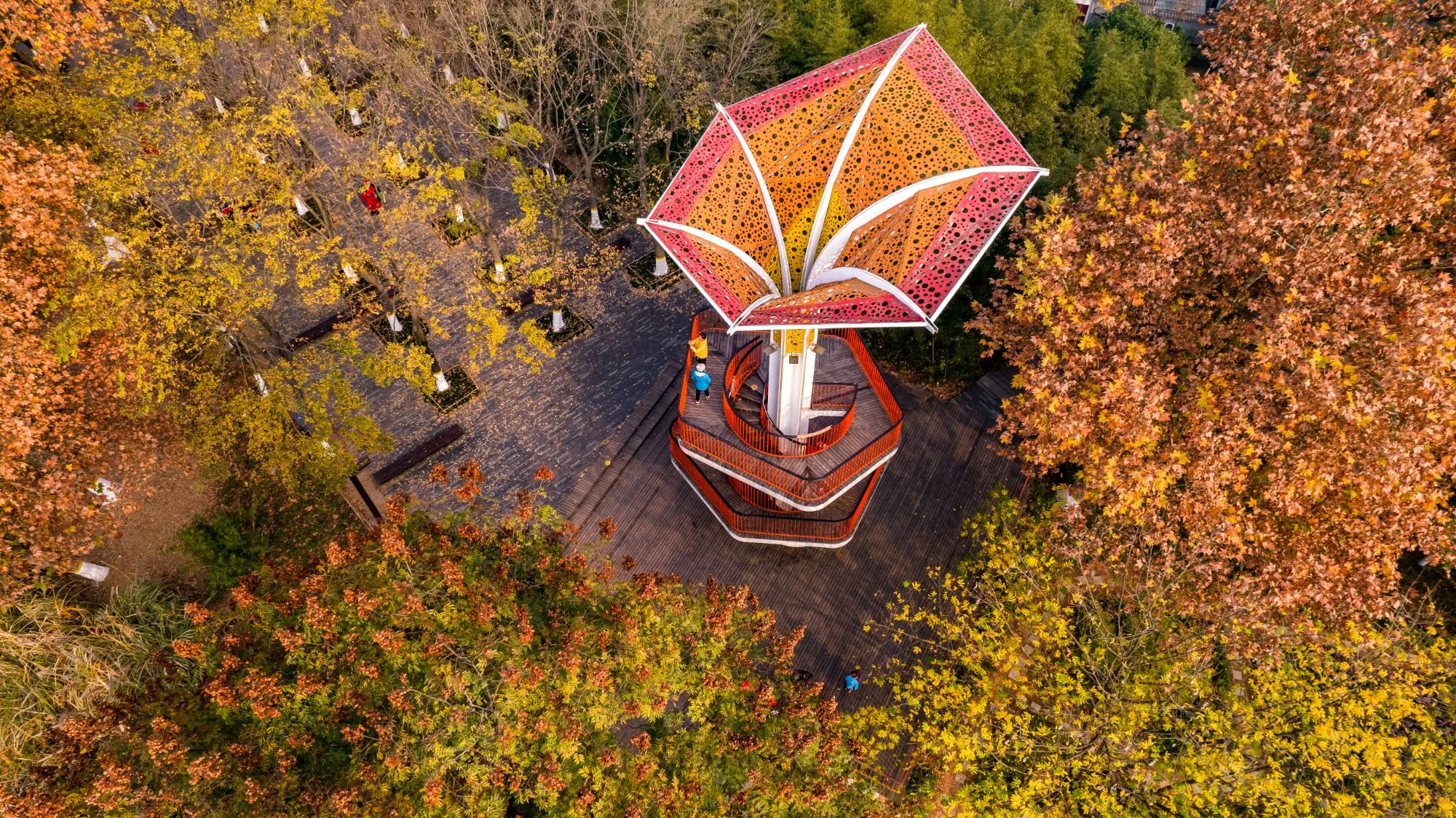
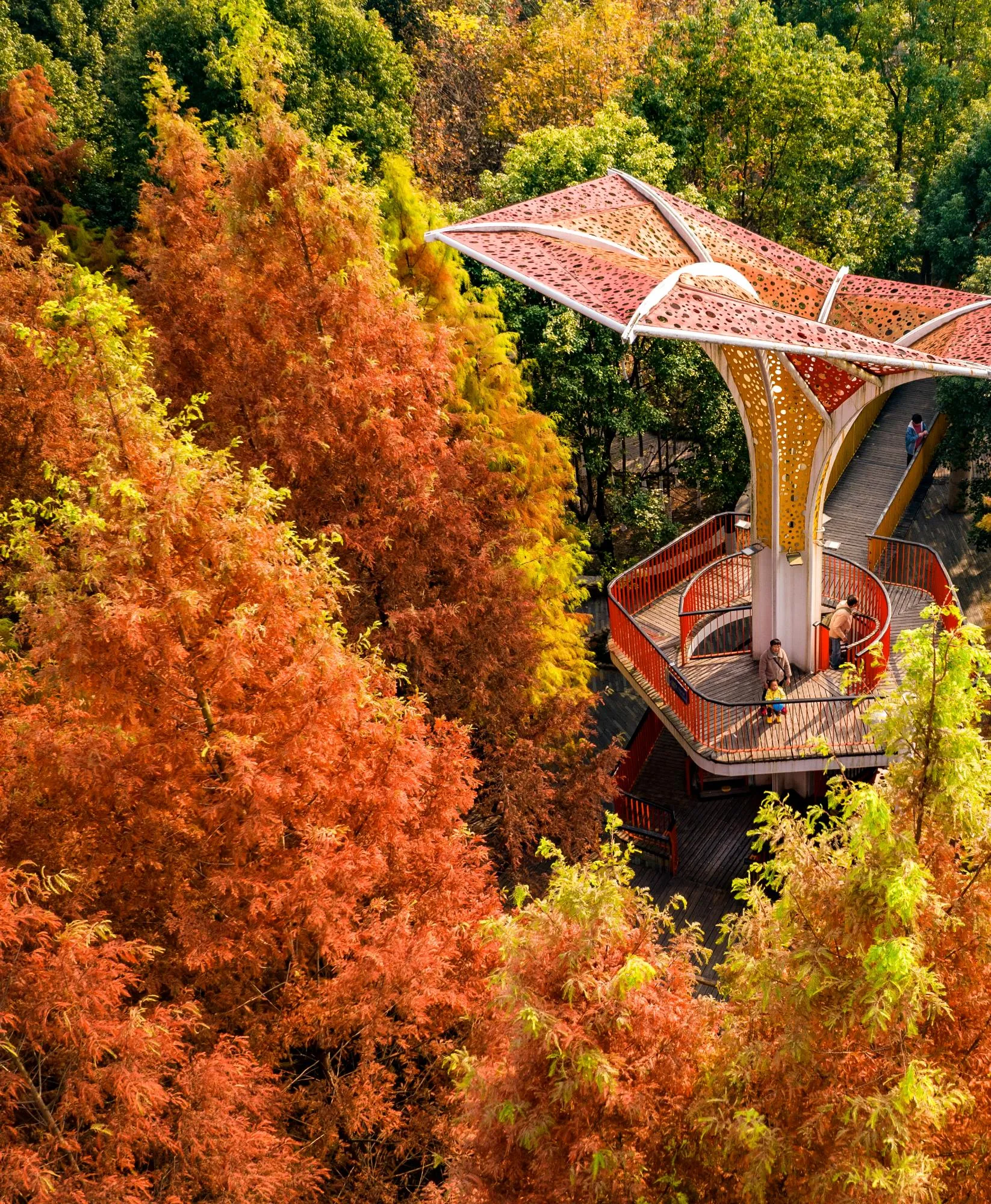
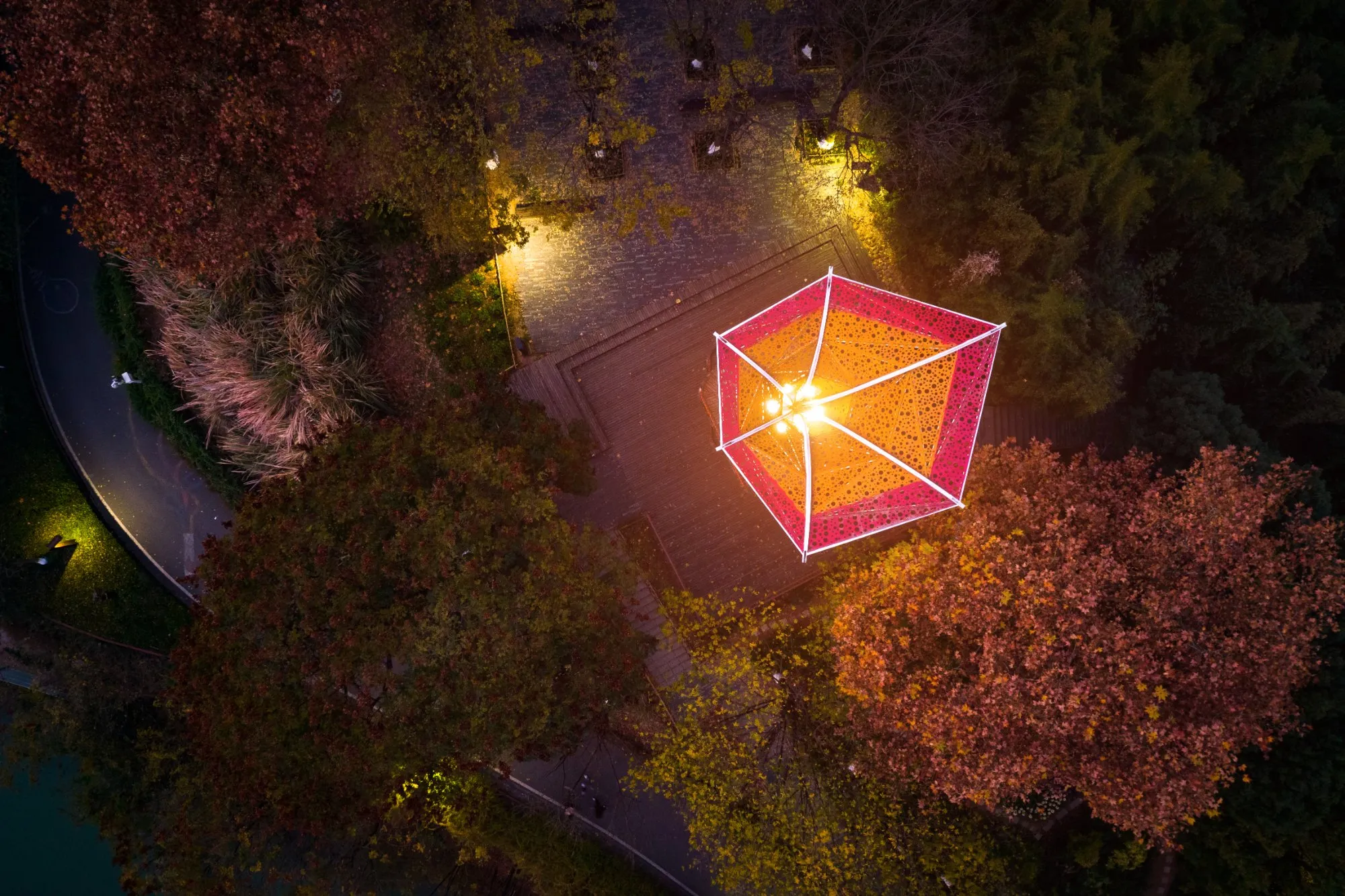
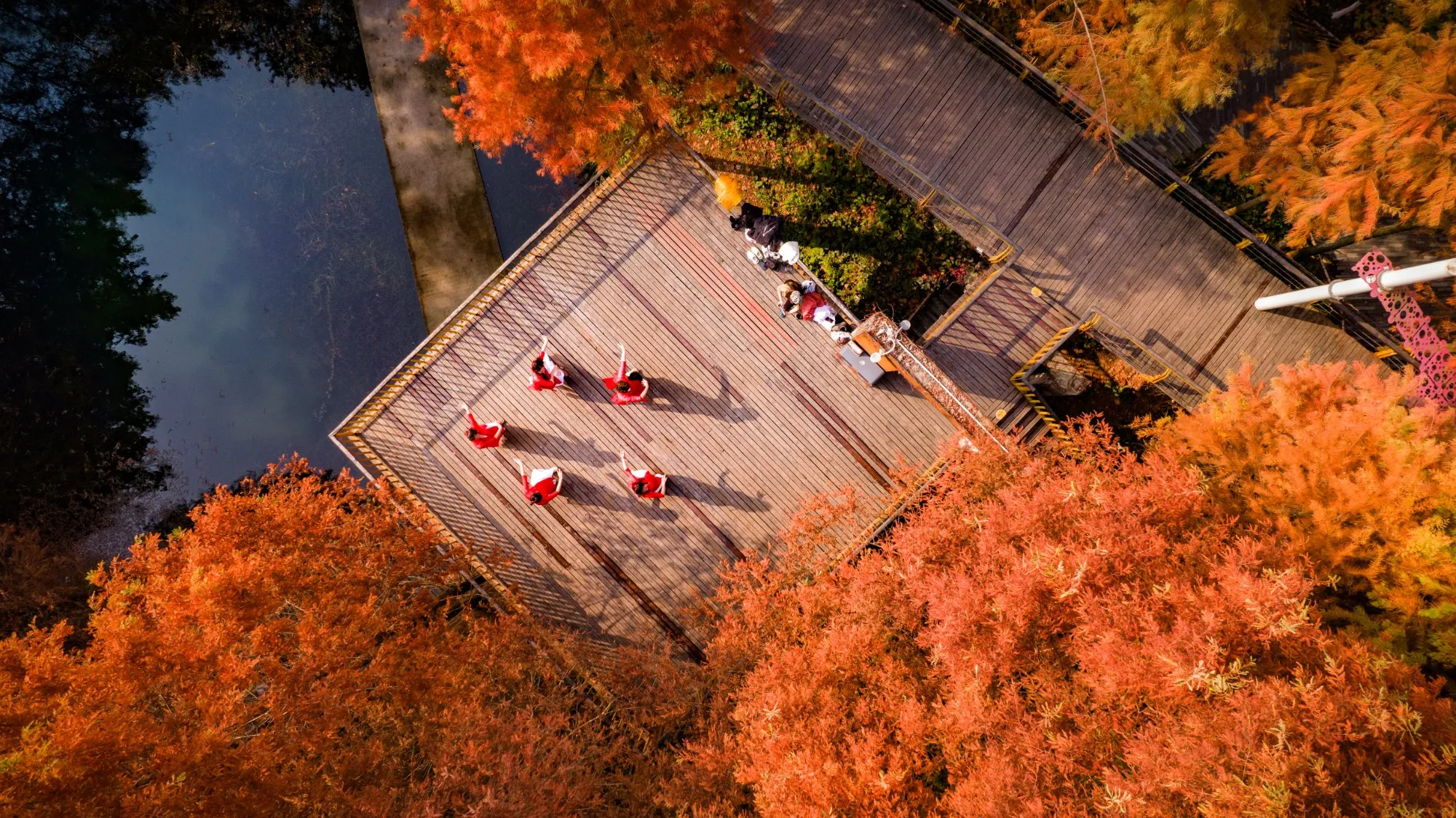
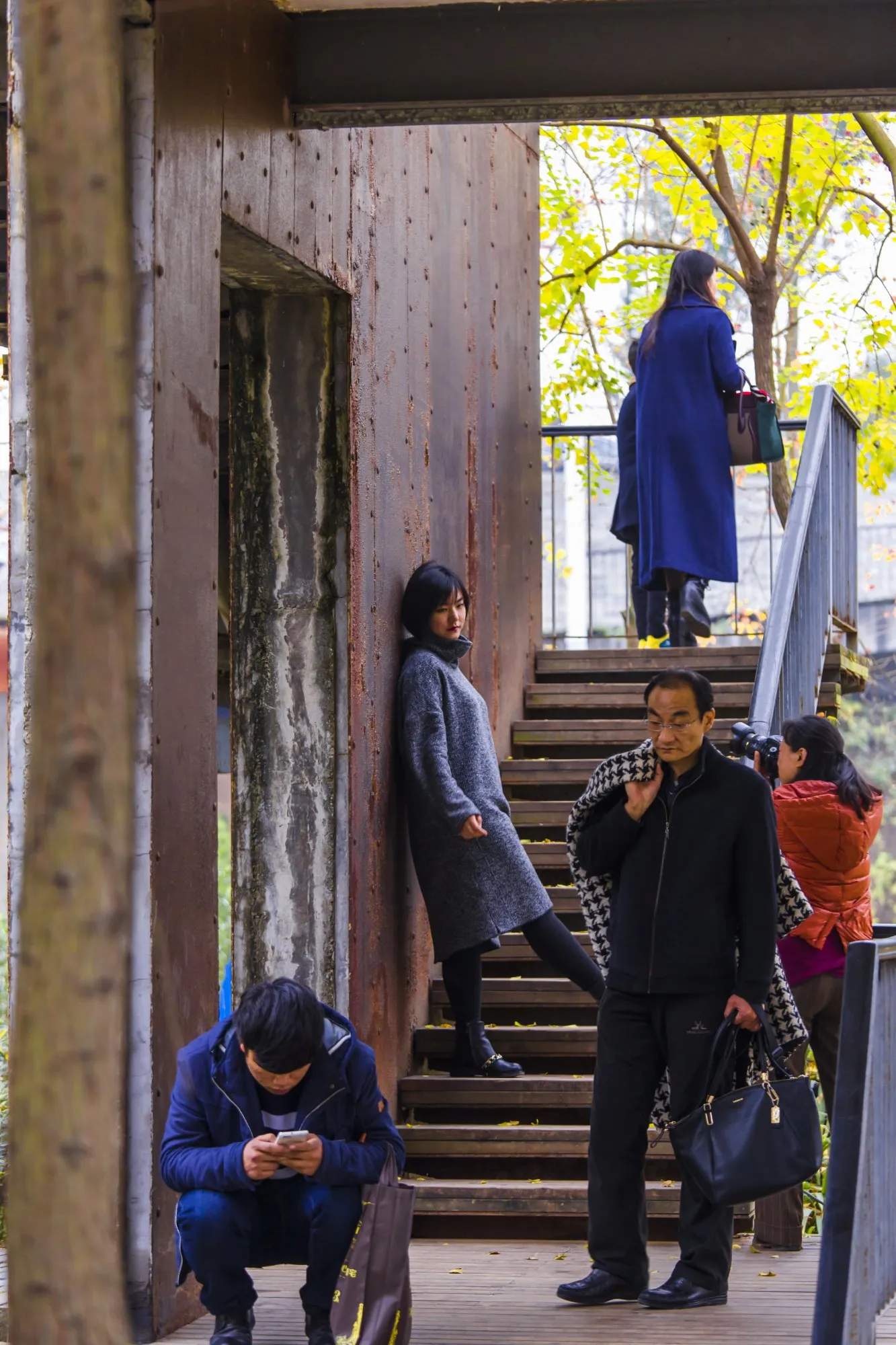
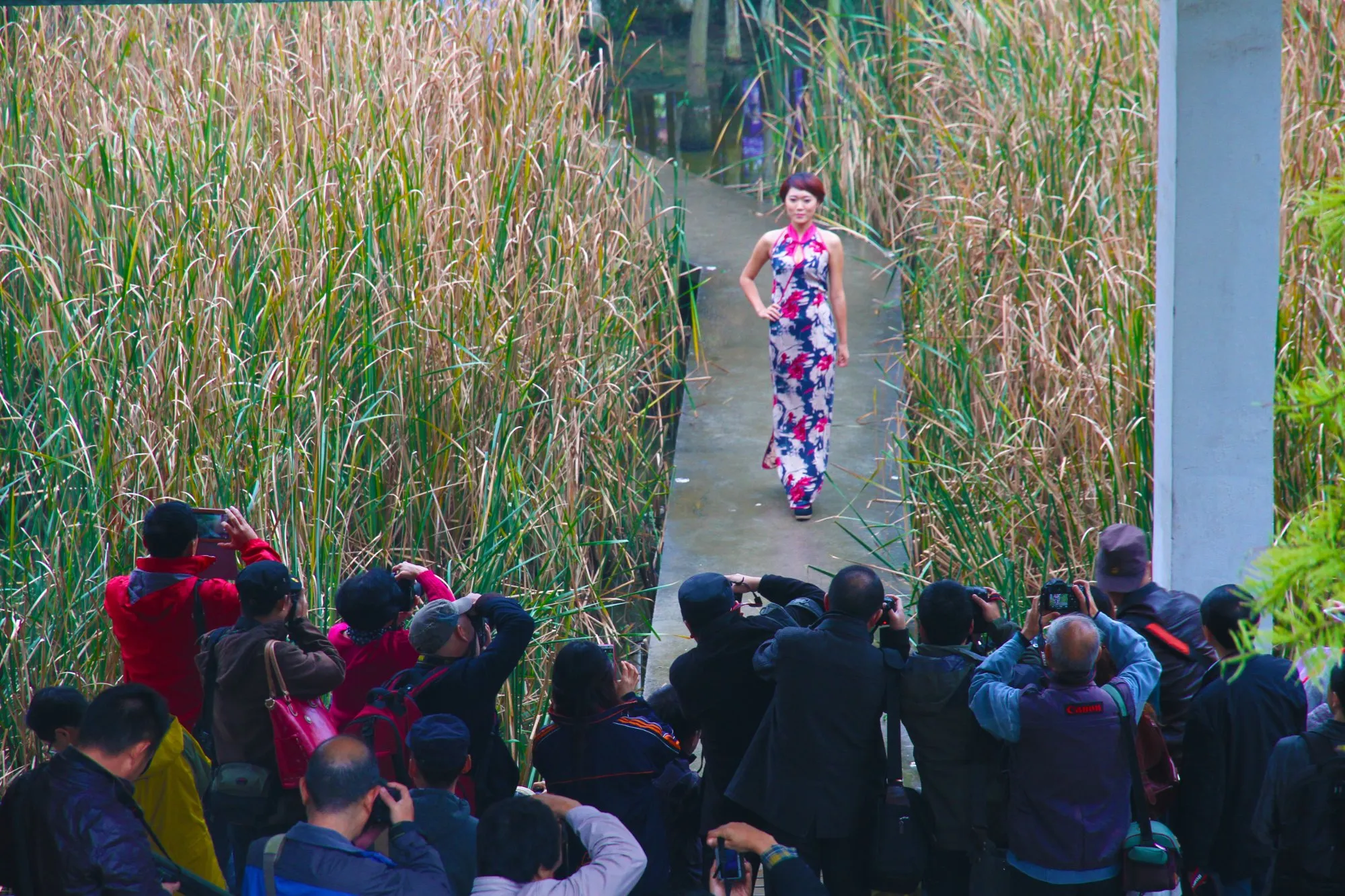
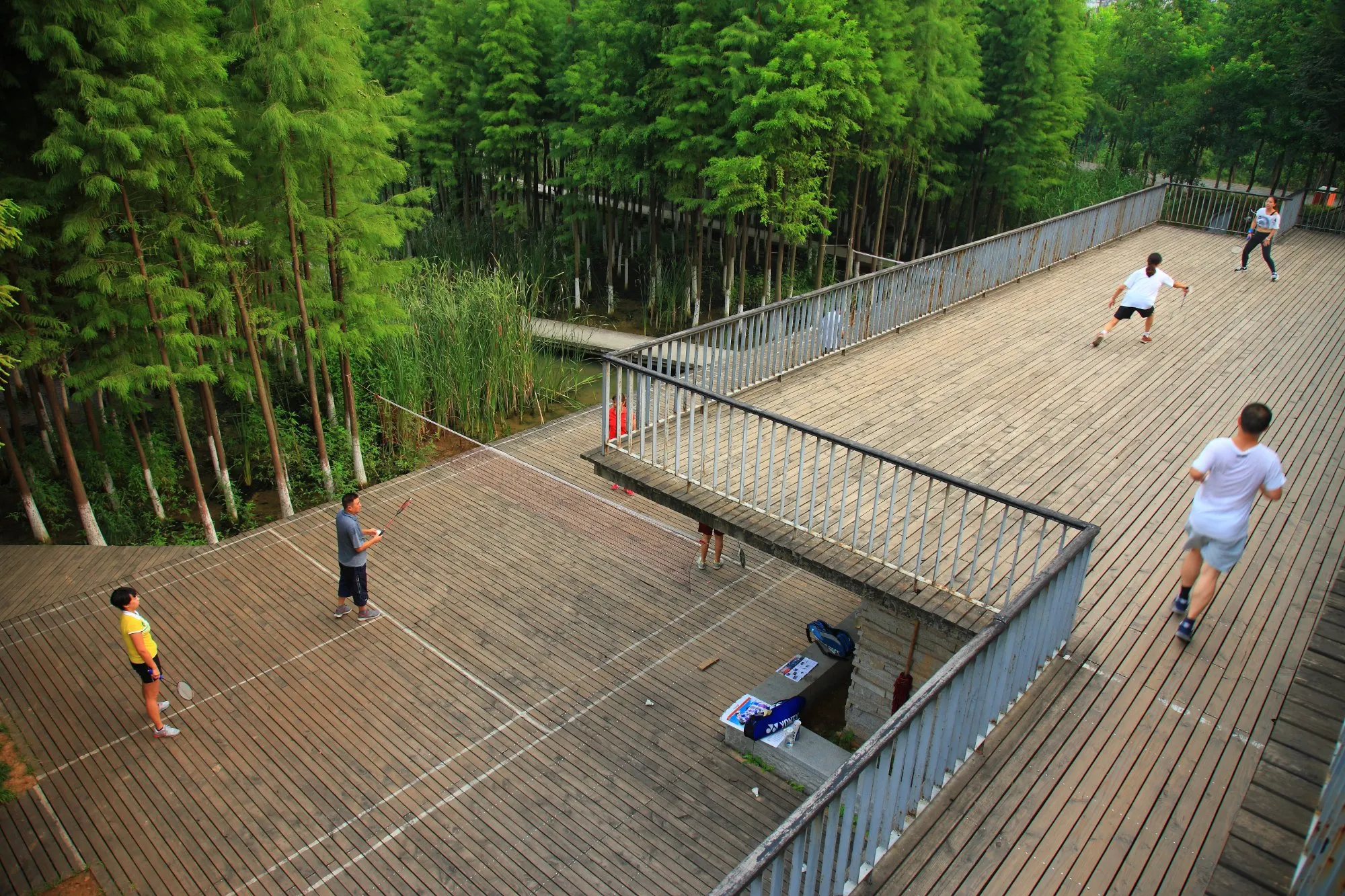
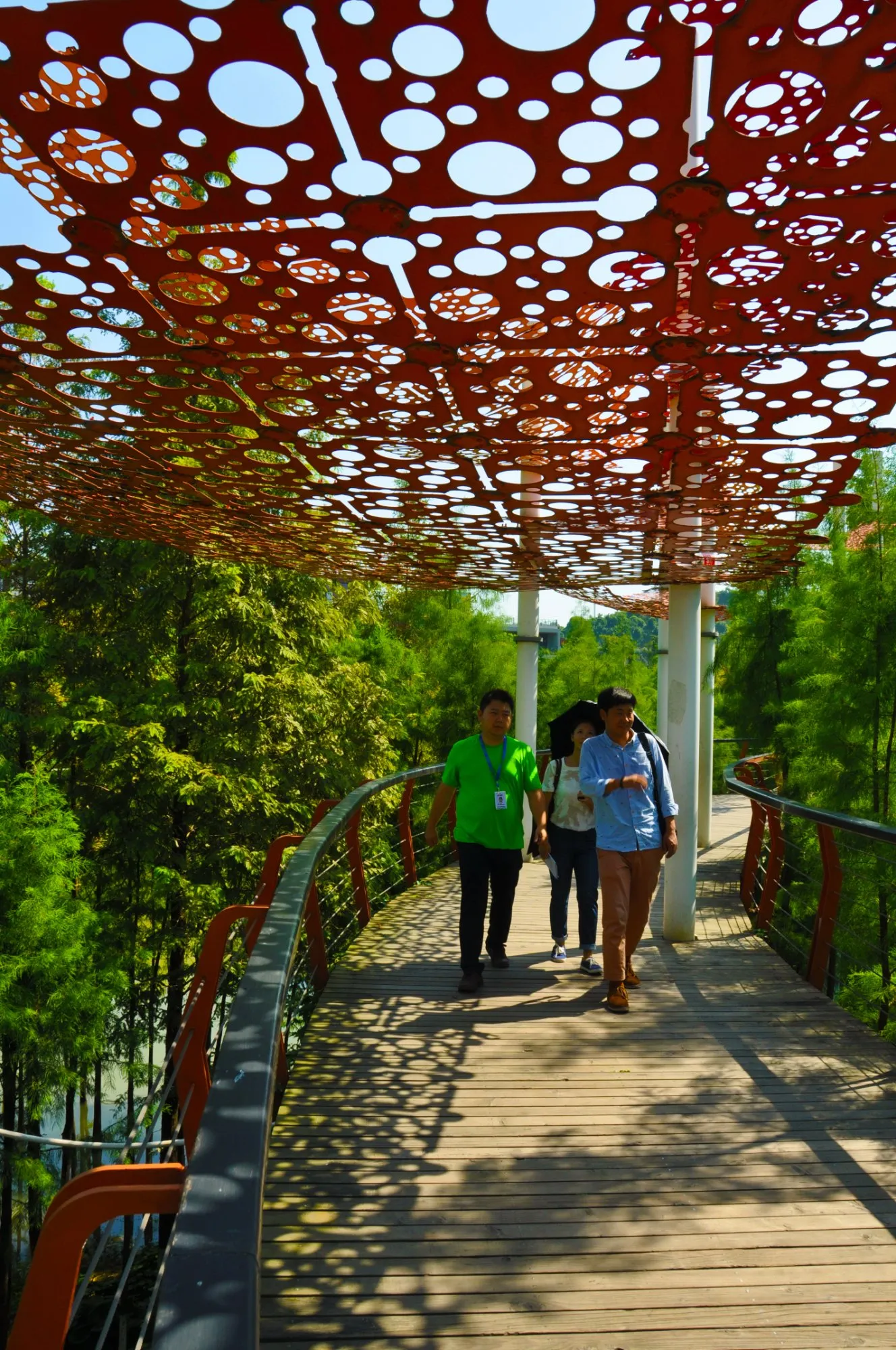
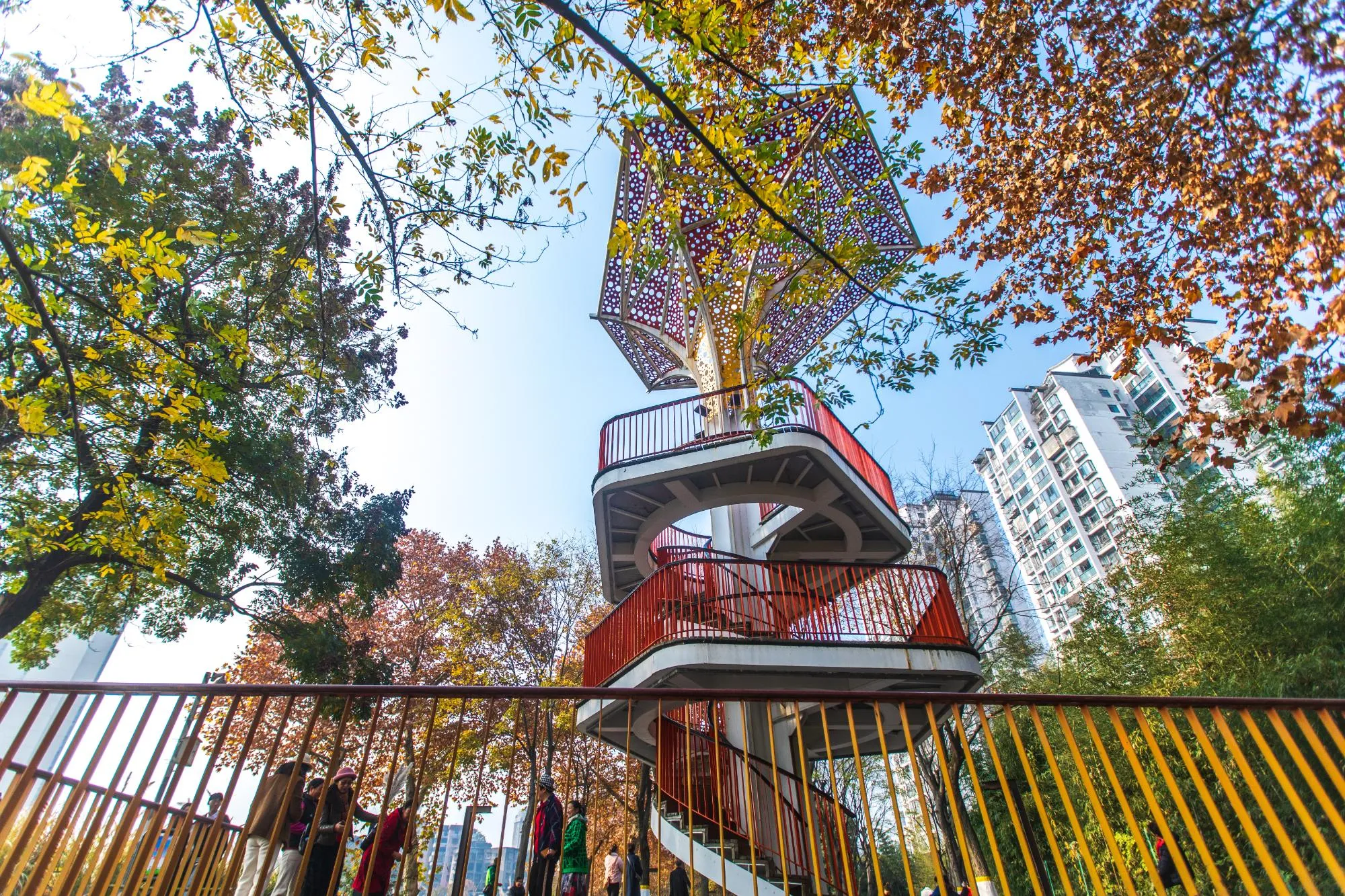
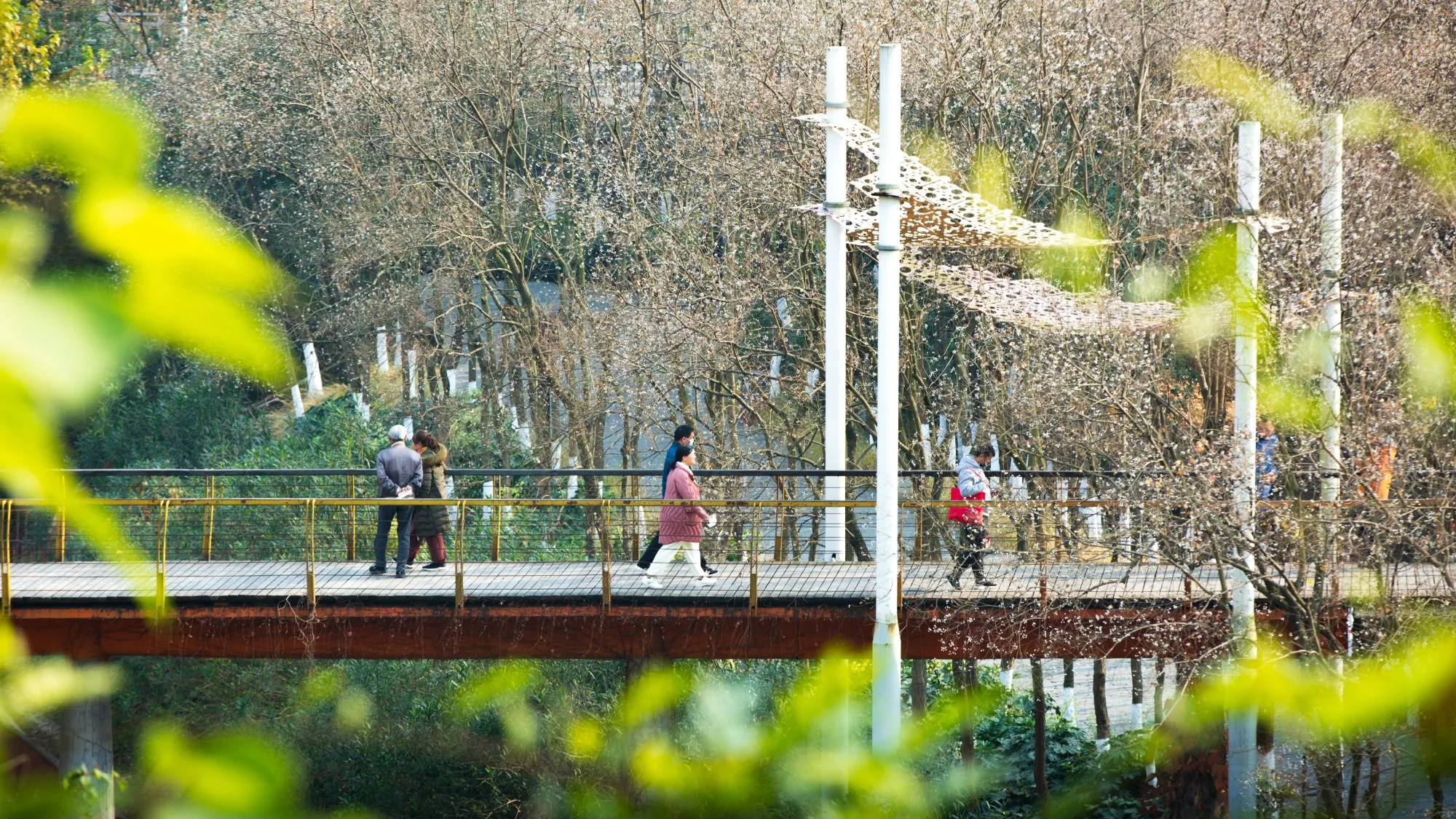
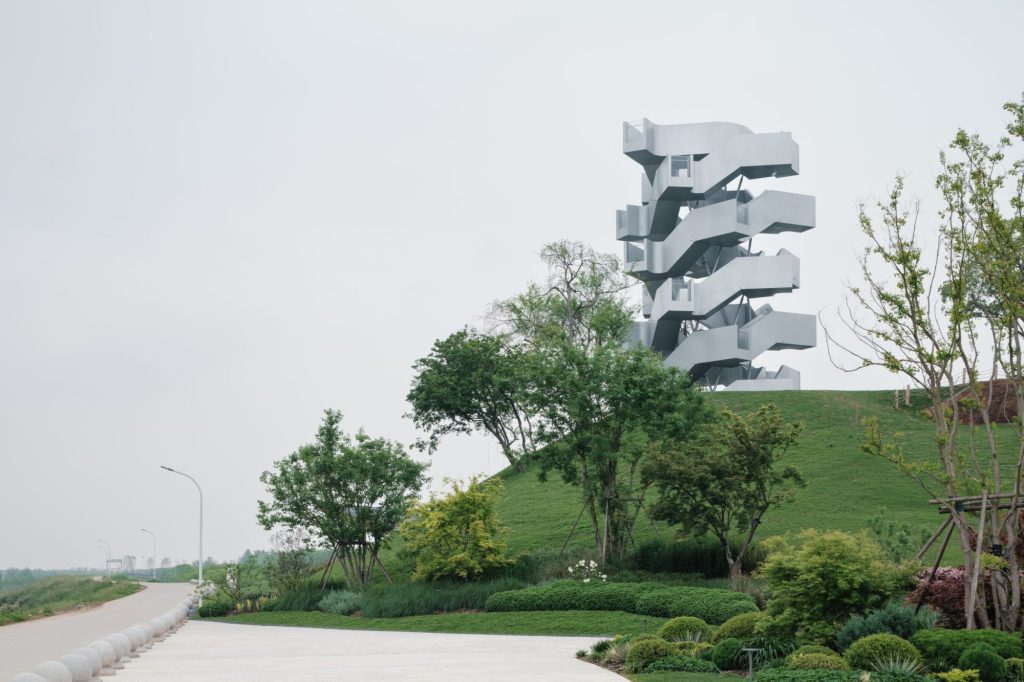
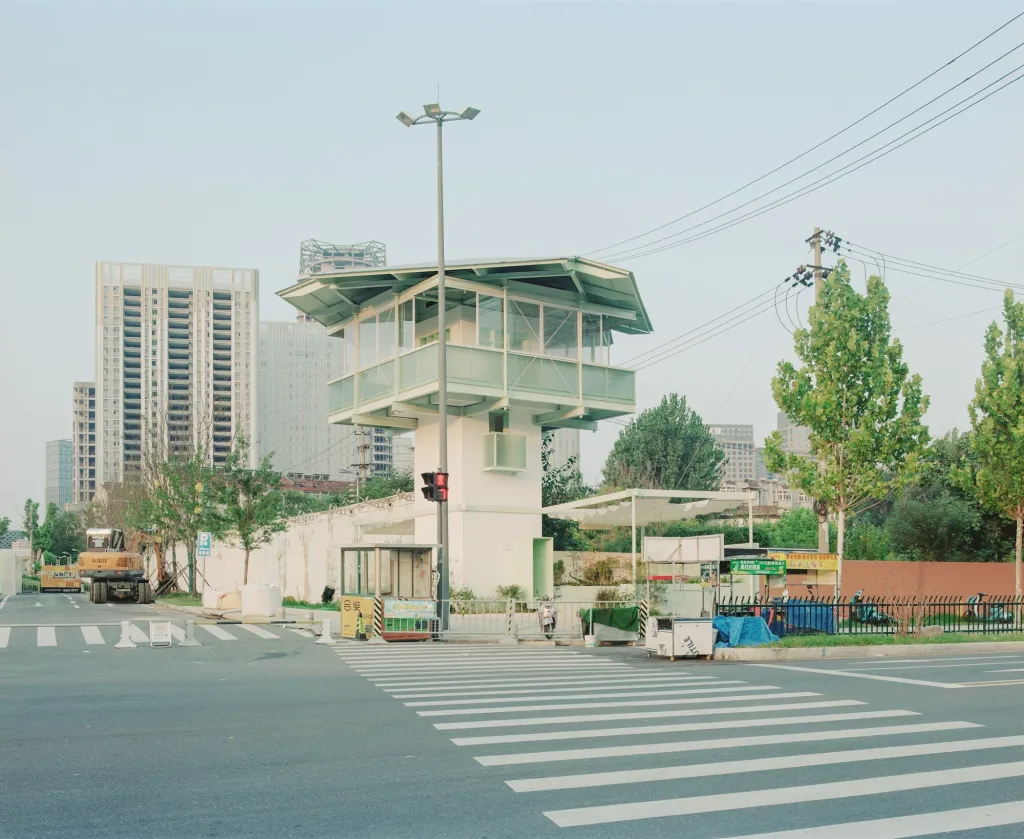
The dykes became a network of paths, joined by bridges of simple concrete plates modelled on the stepped bridges once used to fetch water from the ponds. A skywalk above the tree canopy brings residents from street level into the park, including those in wheelchairs, while platforms, pavilions and two towers resolve the changes in level, connect the skywalk to the ground and offer places to rest and look out. The park keeps the memory of the fish farm while cleaning water and serving a new neighbourhood, at low cost and in a way that can be repeated along the watershed.
Project Information
- Design studio
- Turenscape
- Area
- 12 ha
- Time
- 2013
- Type
- Landscape