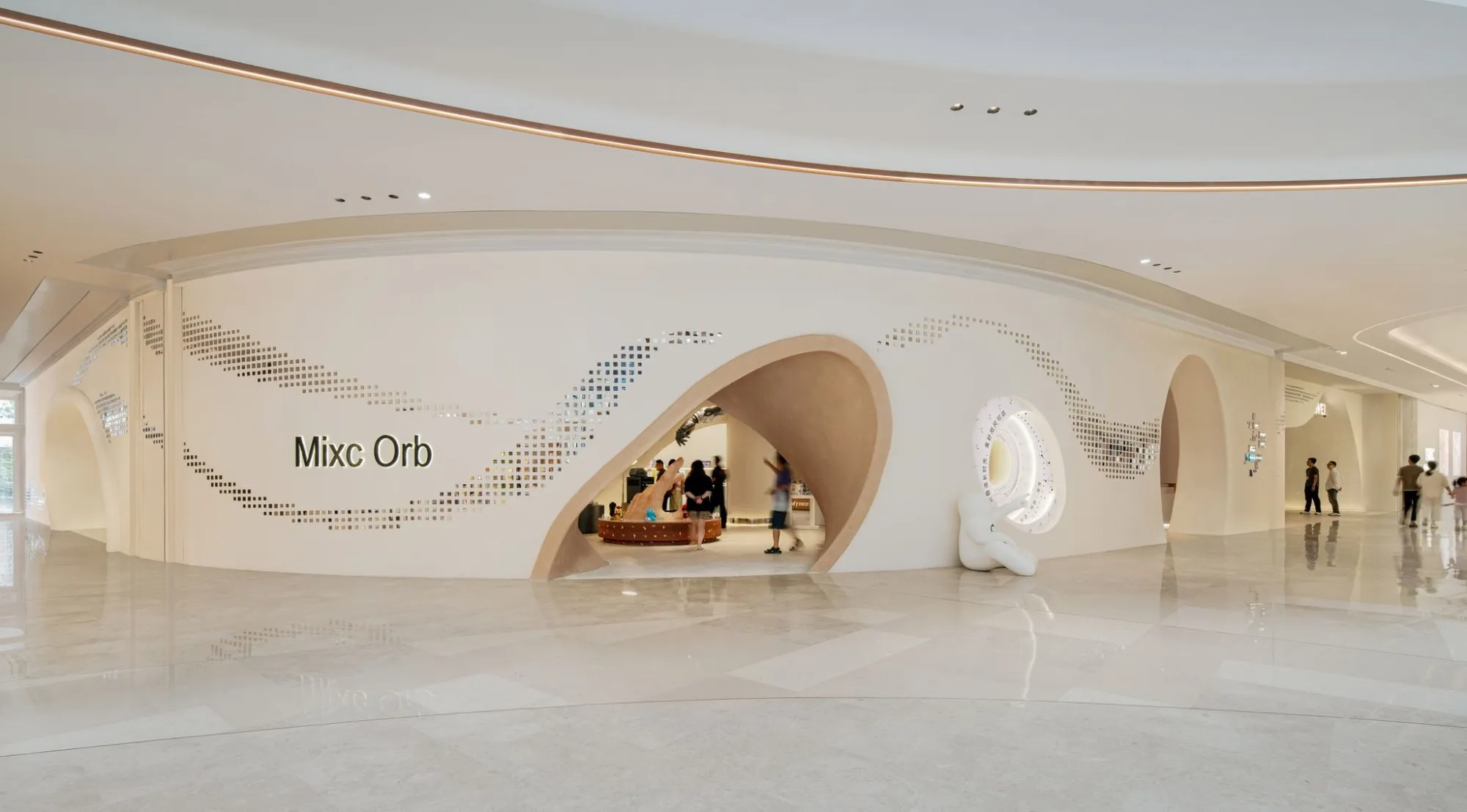
Mixc Orb
We usually picture the future through technology that announces itself: bigger screens, more elaborate devices, louder interfaces, constant upgrades. This project starts from the opposite question. If technology became mature enough to fold quietly into daily life, with nothing left to prove through looks, sound or complicated controls, what would a space for it feel like?
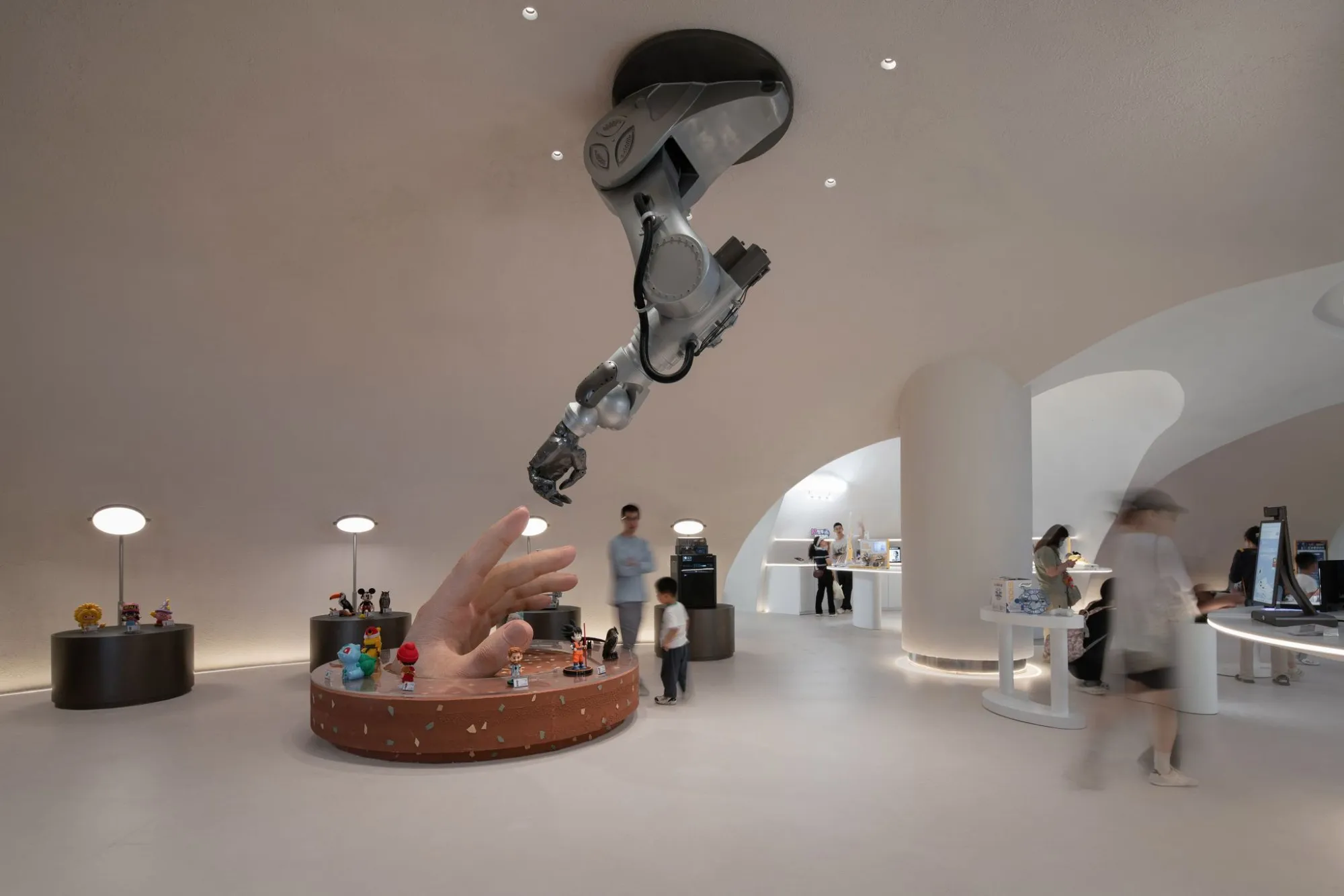
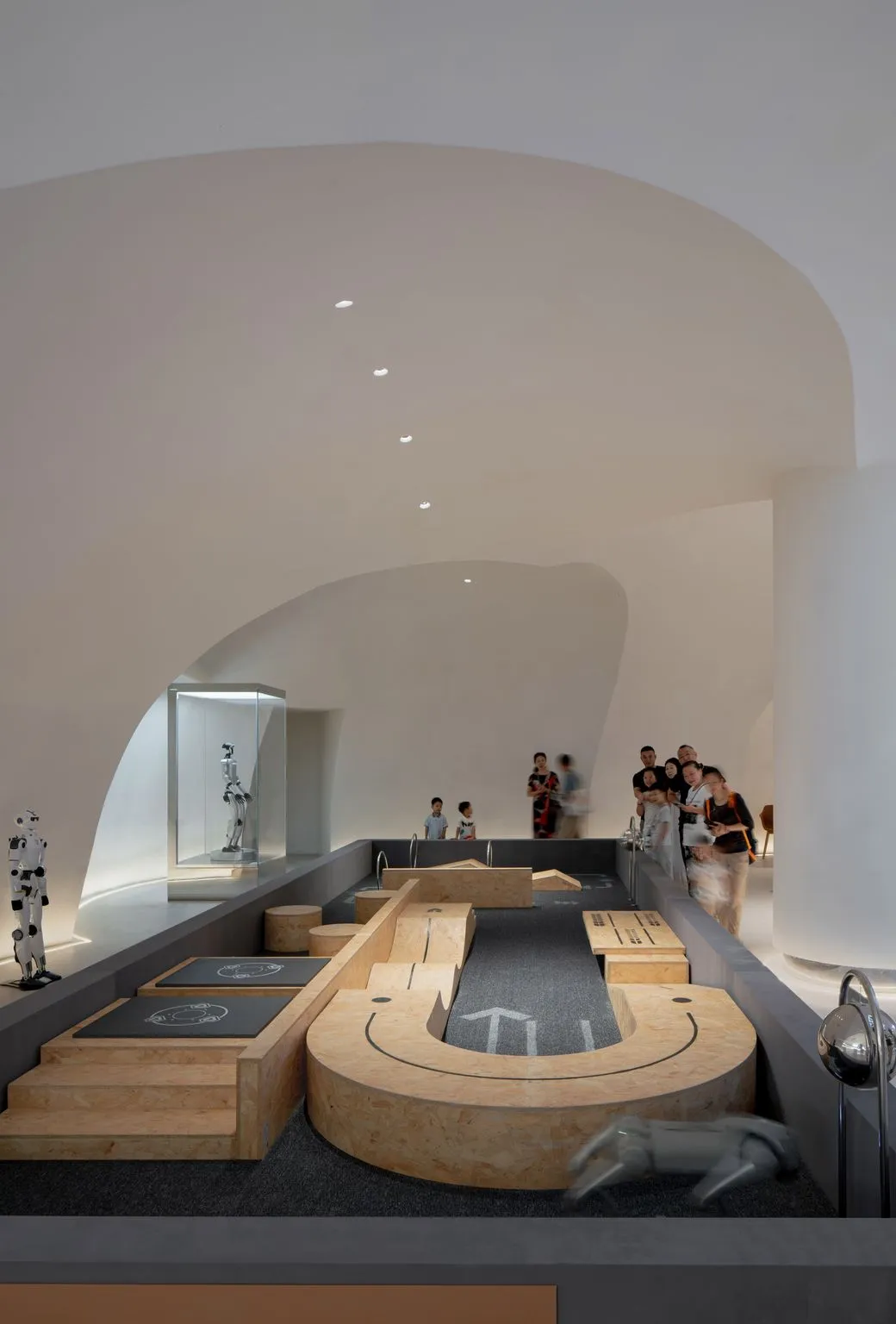
The brief, set in the atrium of a shopping mall, asked for a showcase where several technology companies could present their latest products. The Chinese design team did not want to line up robots, smart devices and screens as a conventional showroom. A collection of products, however striking, does not add up to the experience of living differently. So the space was imagined as a prototype for future living, where visitors stay for a while as temporary inhabitants rather than spectators.
The team’s starting point is that mature technology should step back. It can sit inside the environment, sense what people need and make ordinary tasks easier, giving time back rather than demanding attention. Light, sound, temperature and material form the base of the experience, while the devices work in the background. A film about a man and an artificial voice helped frame this idea of technology felt through conversation and company rather than machinery.
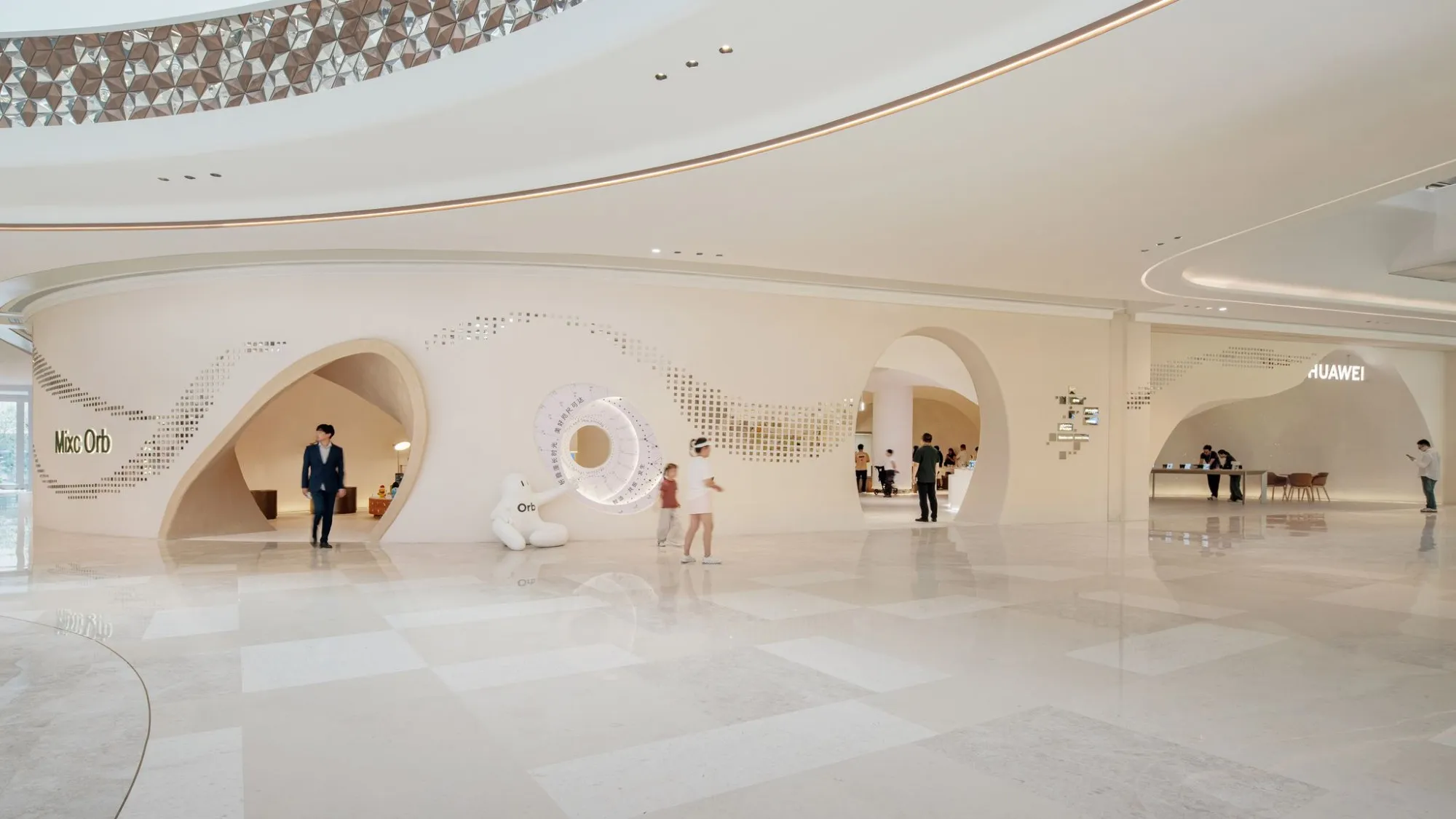
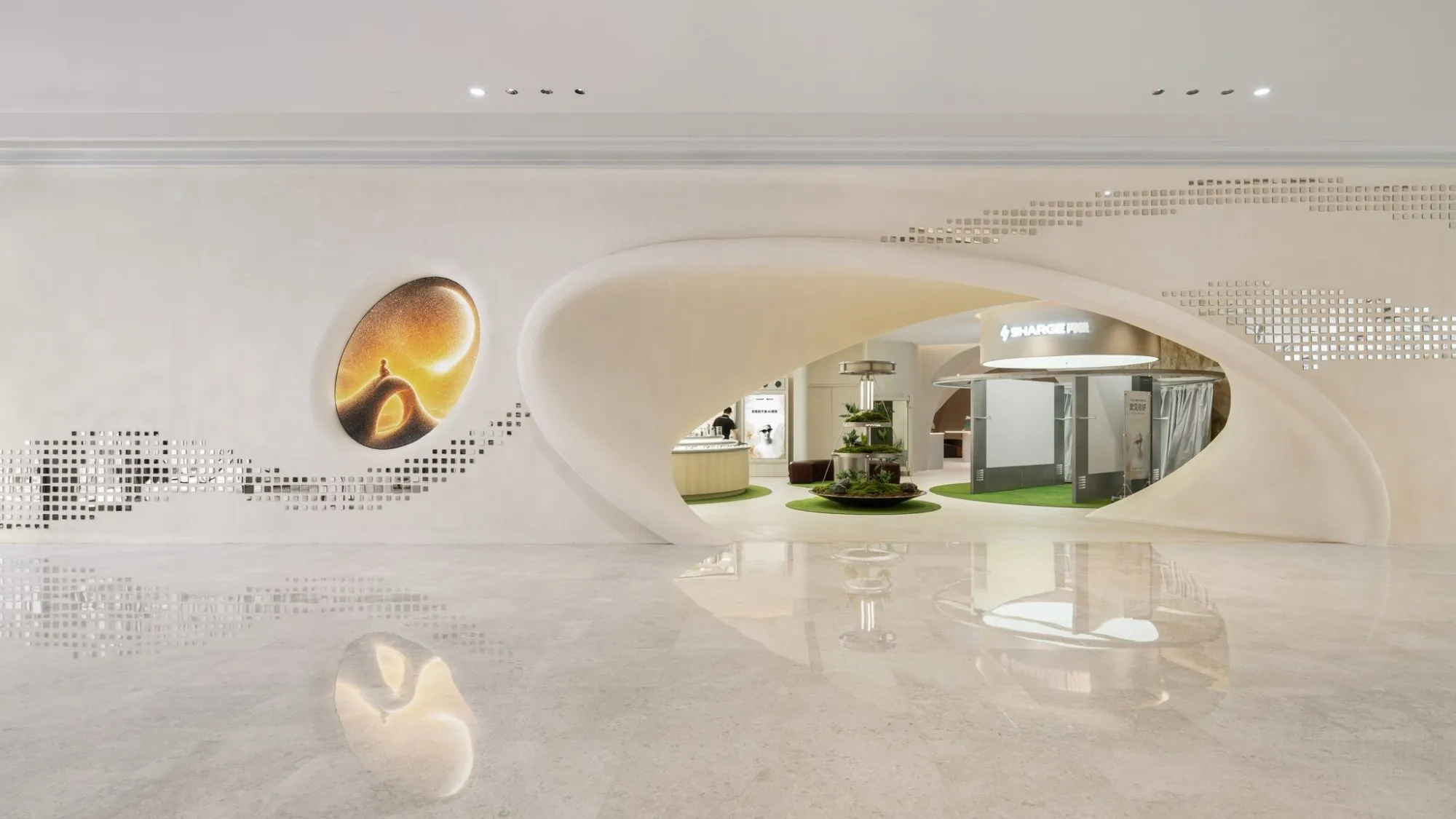
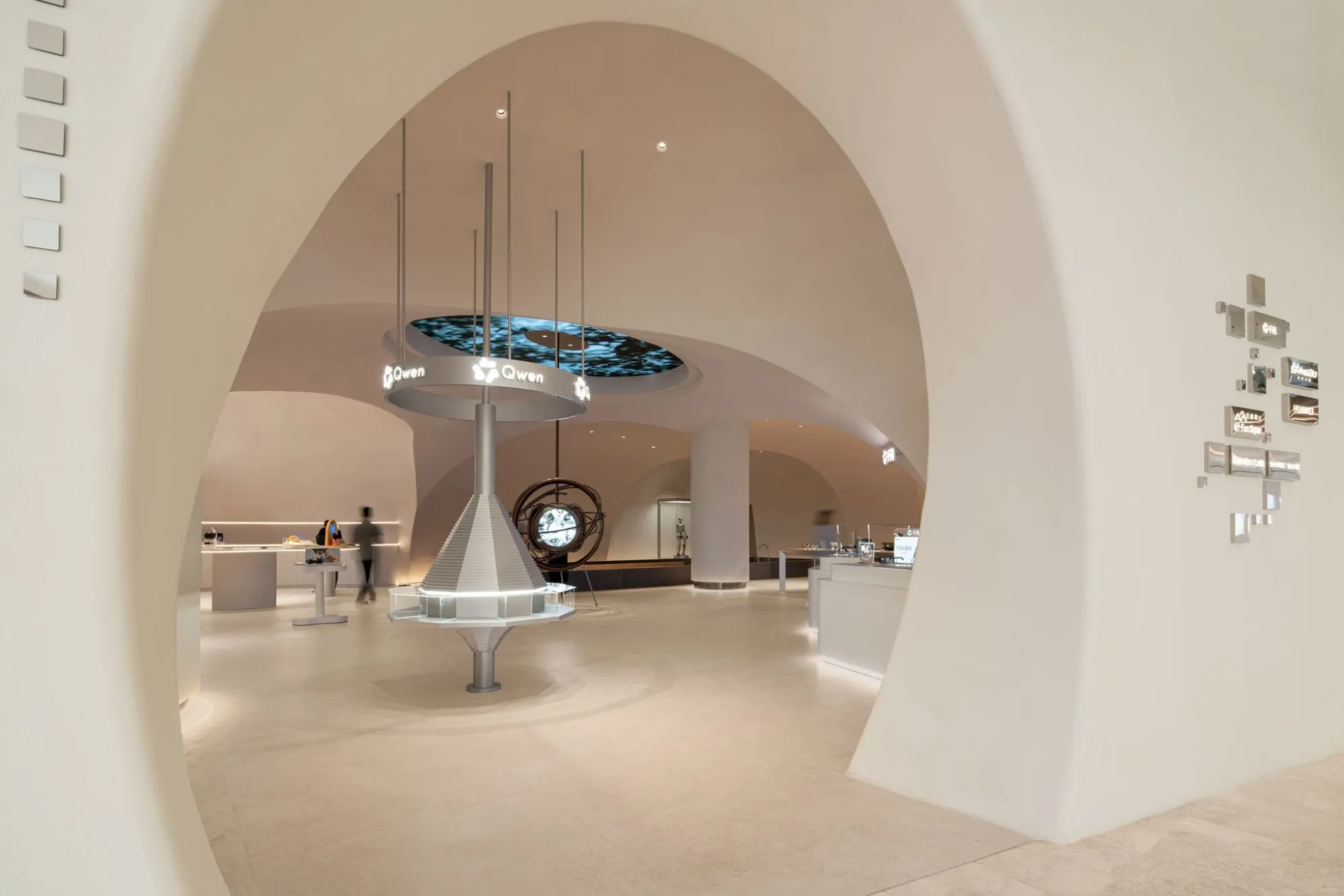
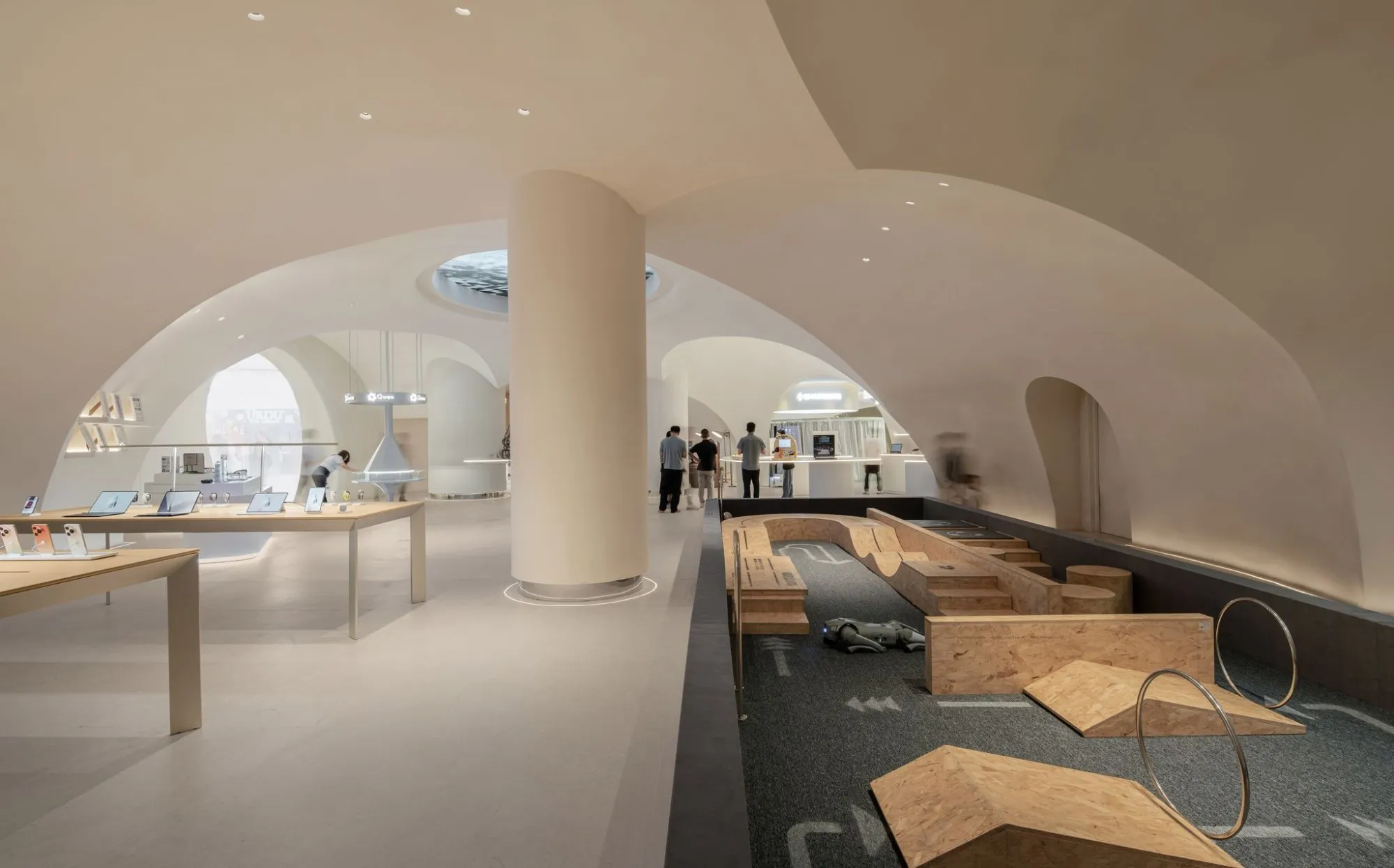
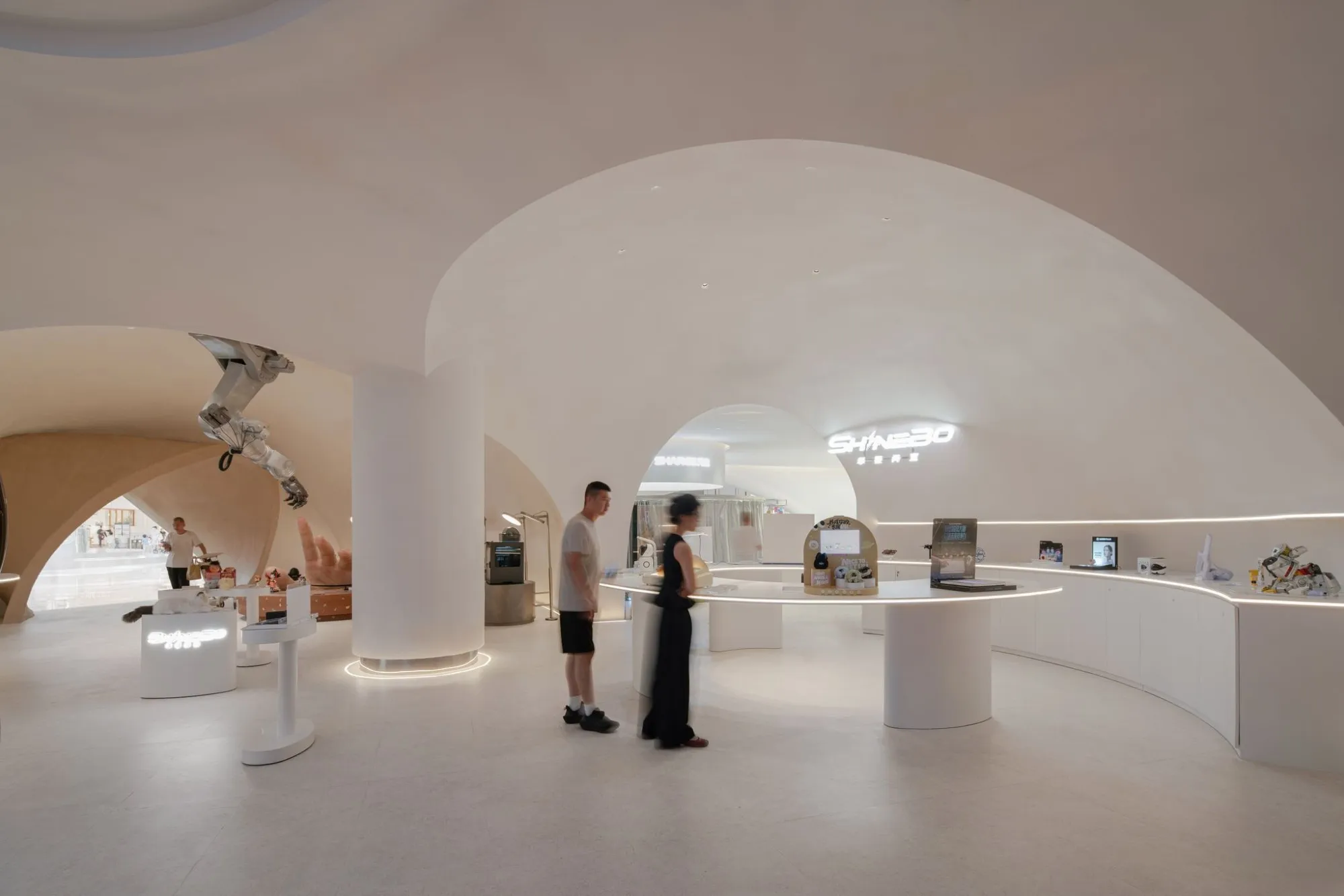
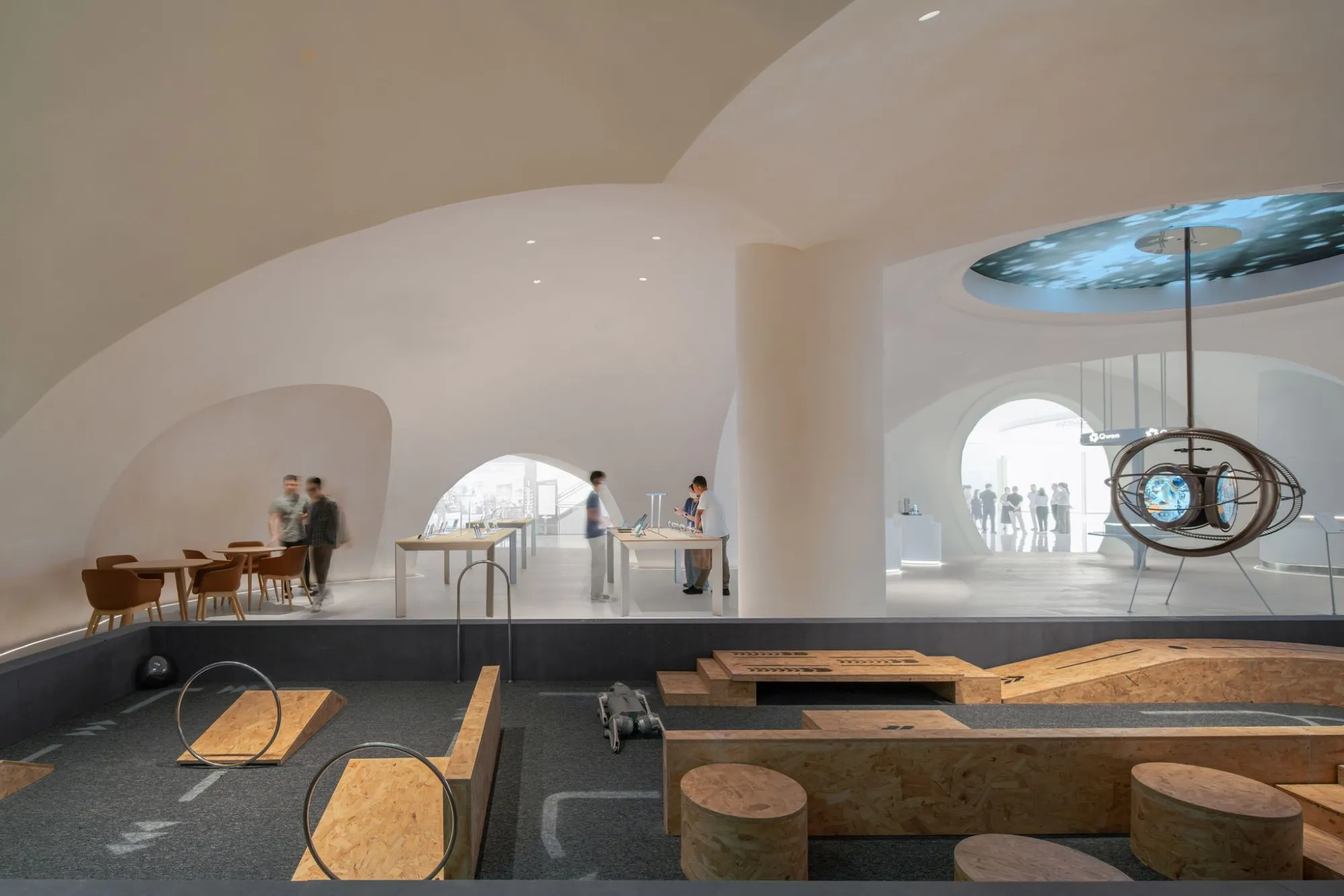
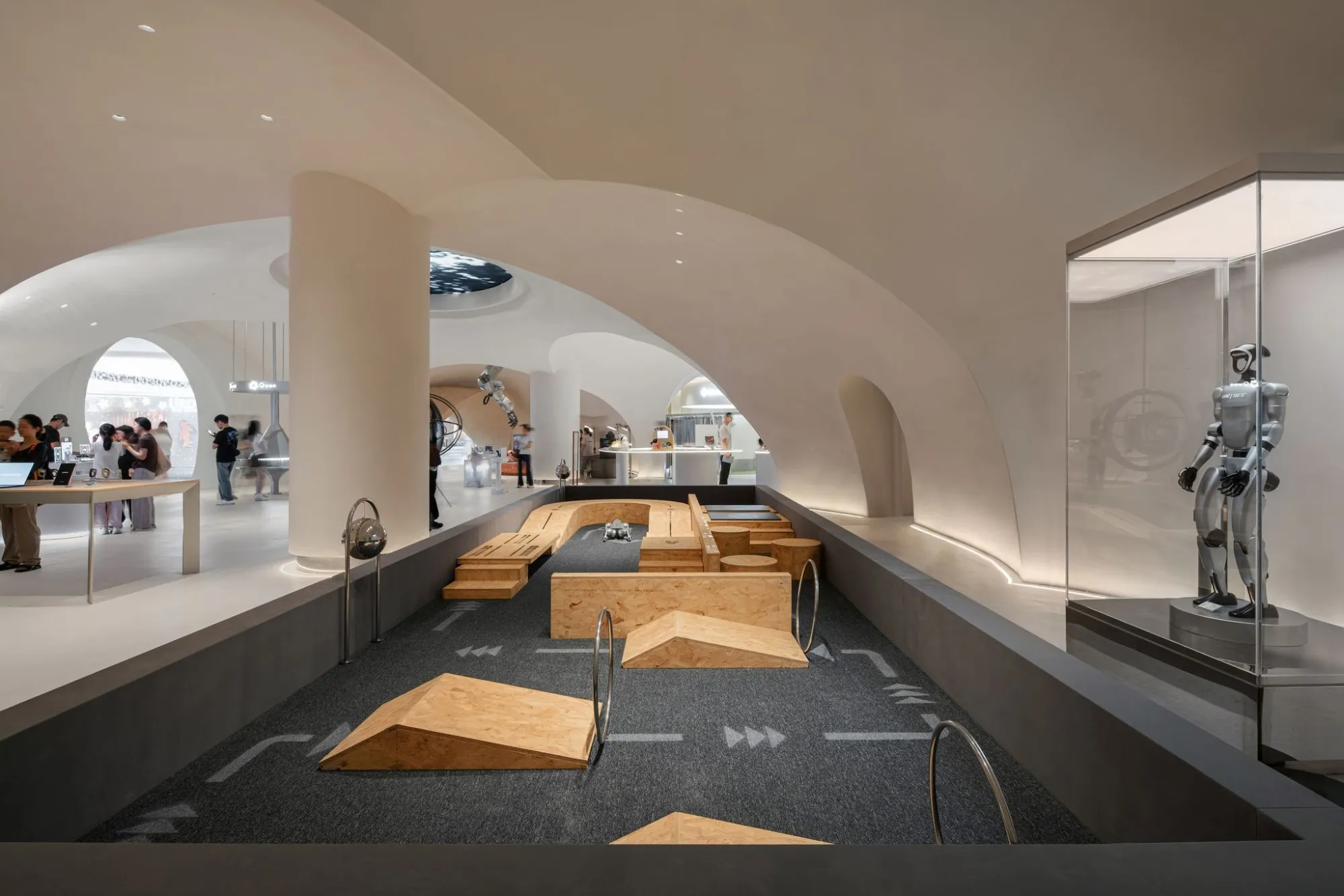
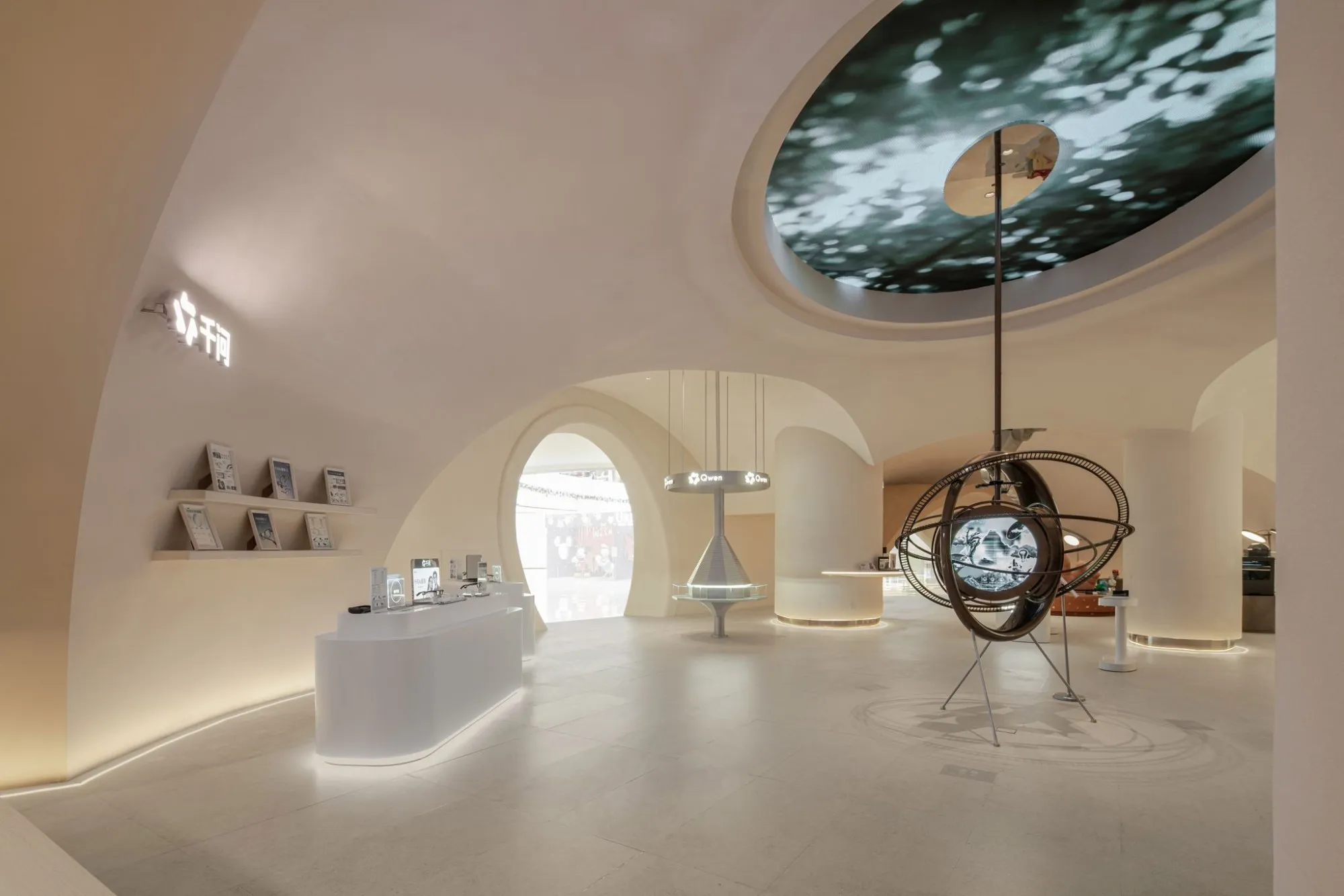
The space is not divided into brand zones. Everyday life is not organised by manufacturer, so robots, smart home systems and digital tools are set into one continuous framework instead. Each area keeps its own identity while staying linked to the whole, and the route through it moves from arrival and perception to interaction and reflection.
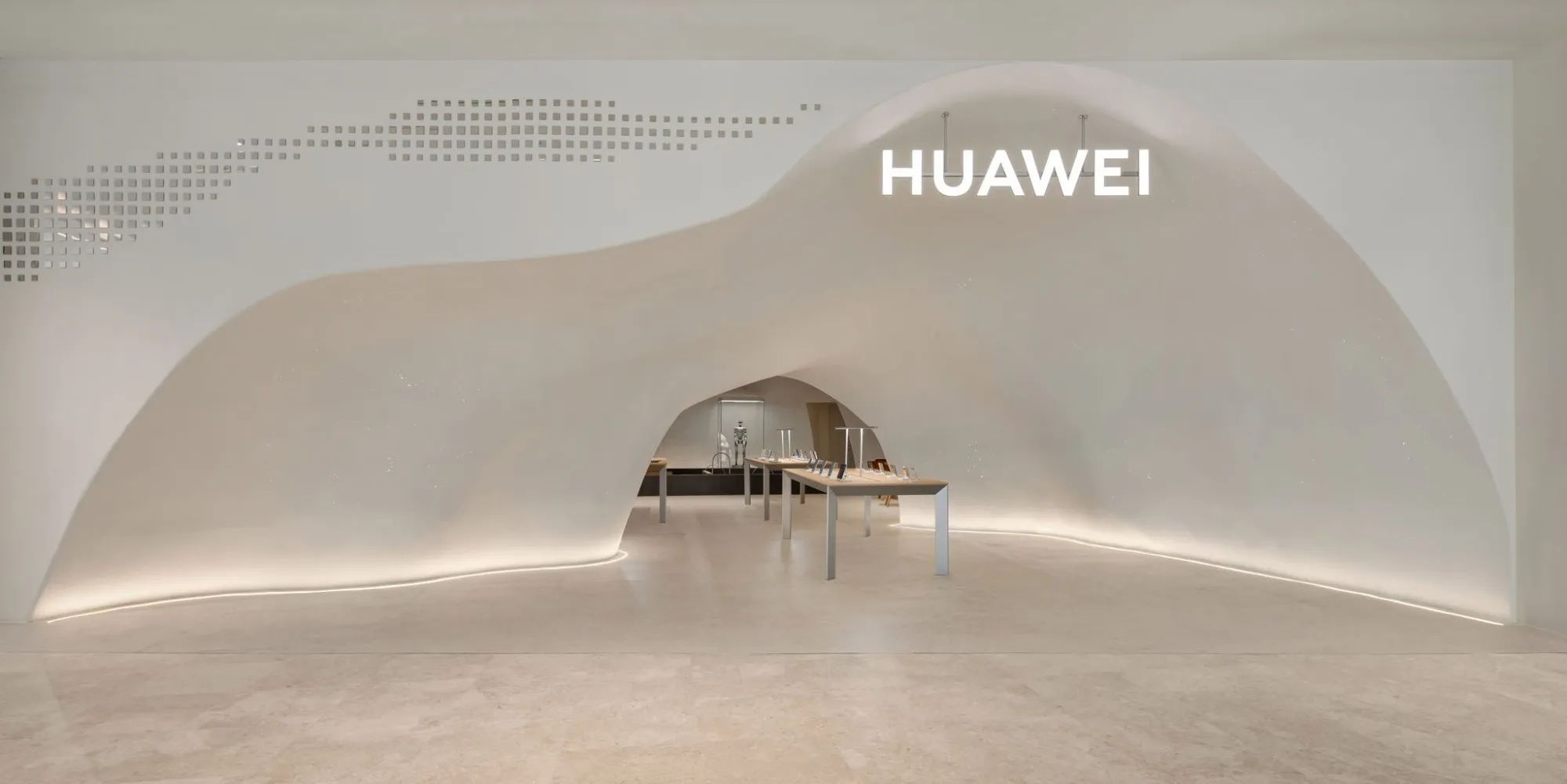
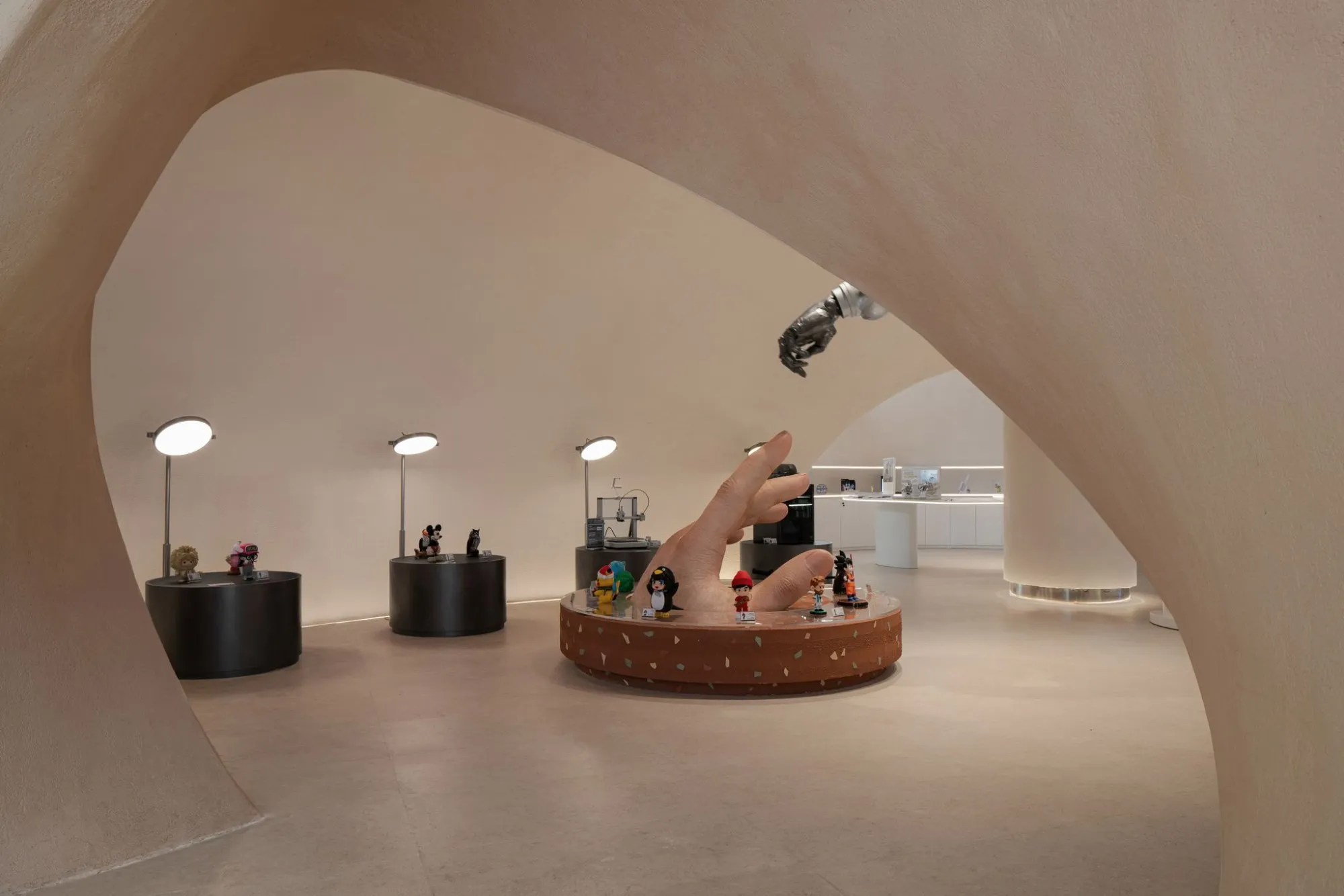
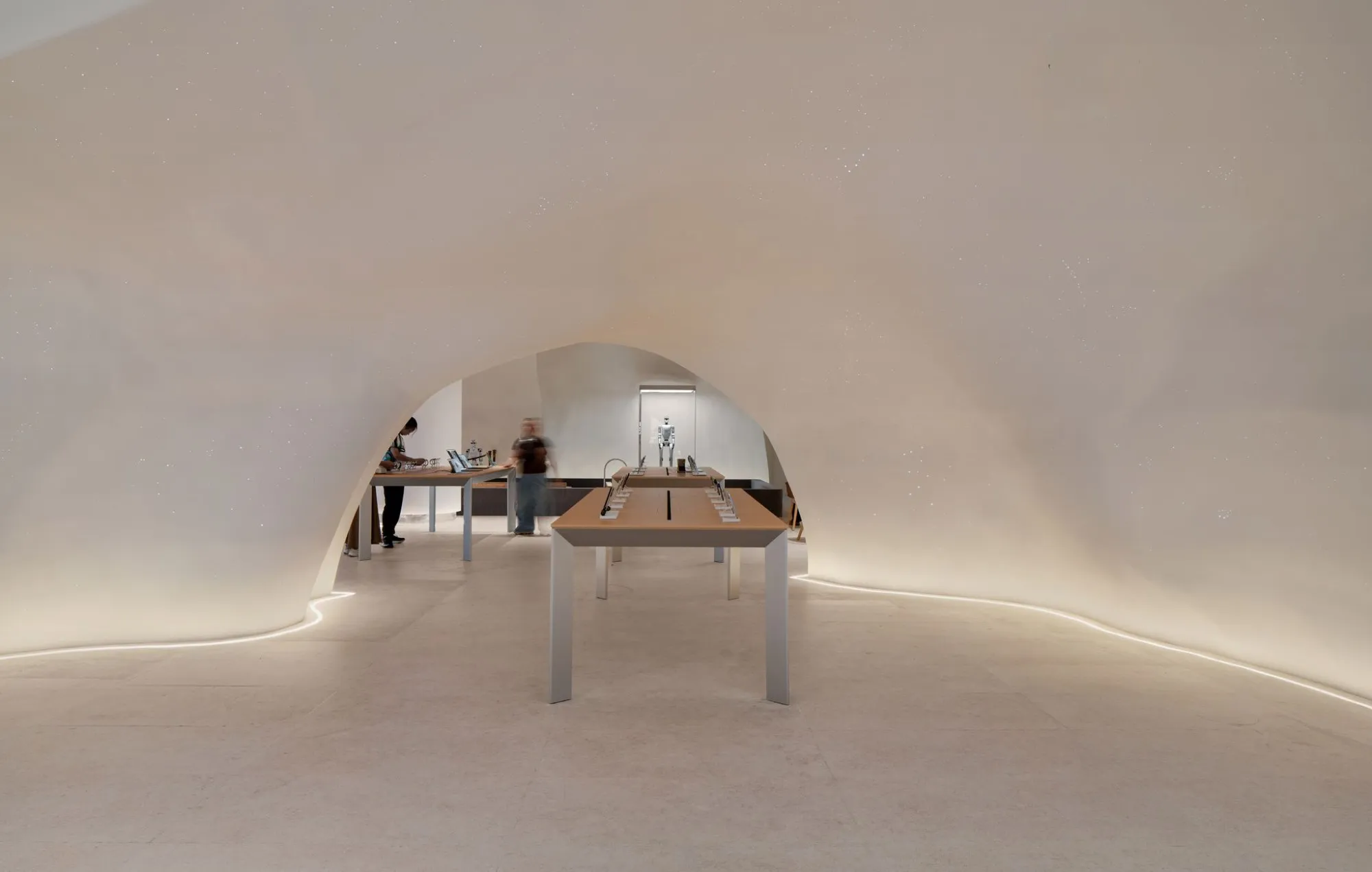
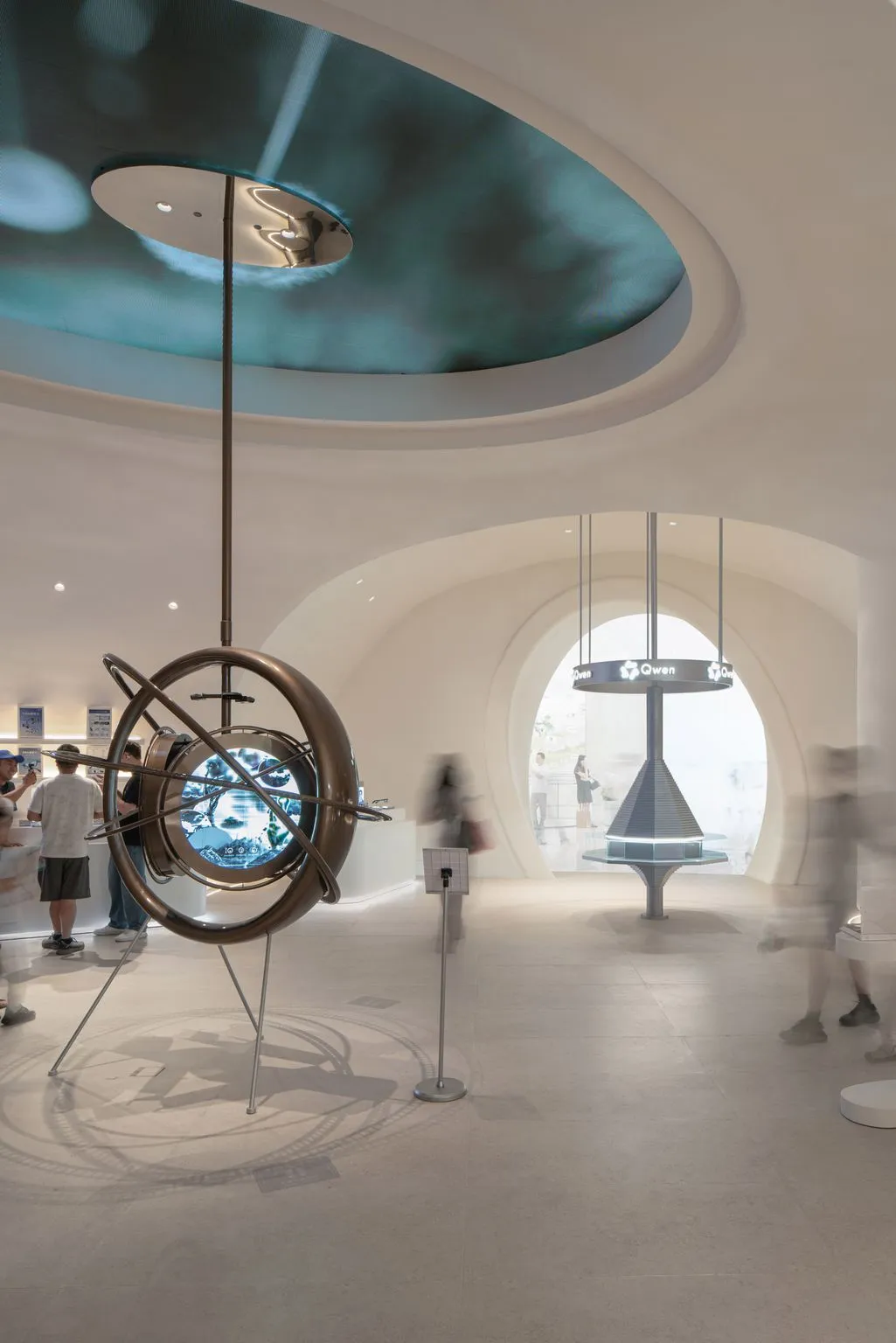
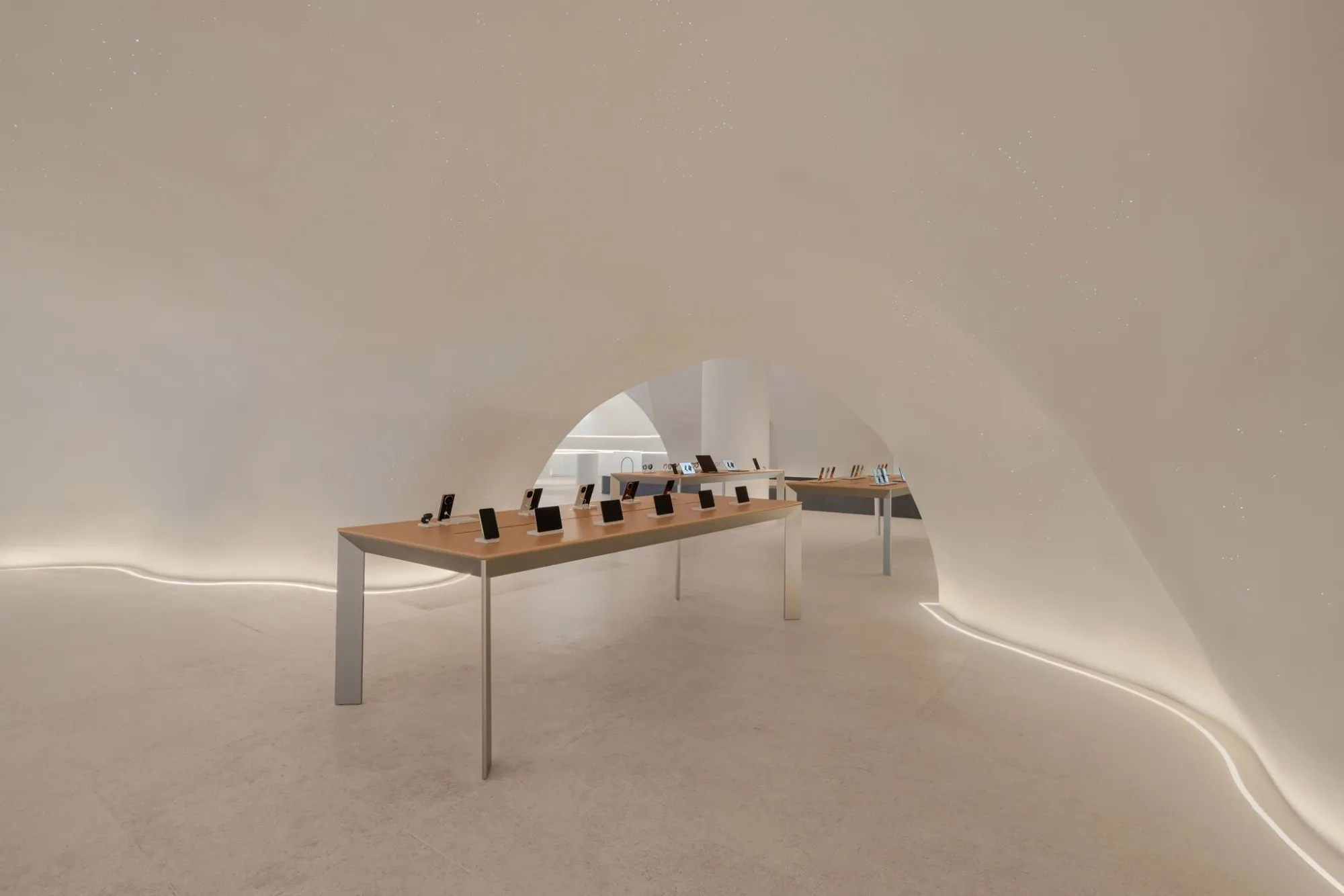
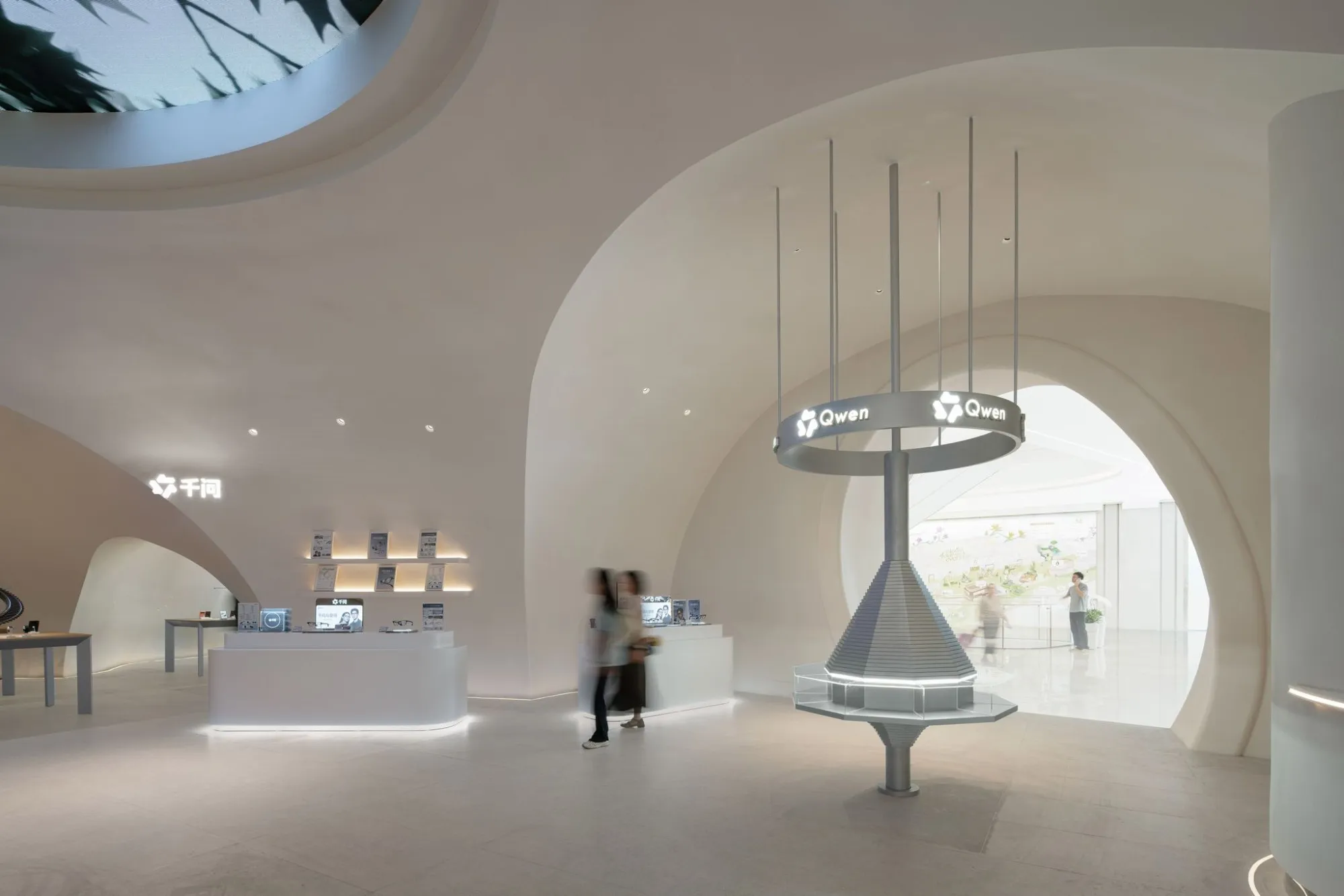
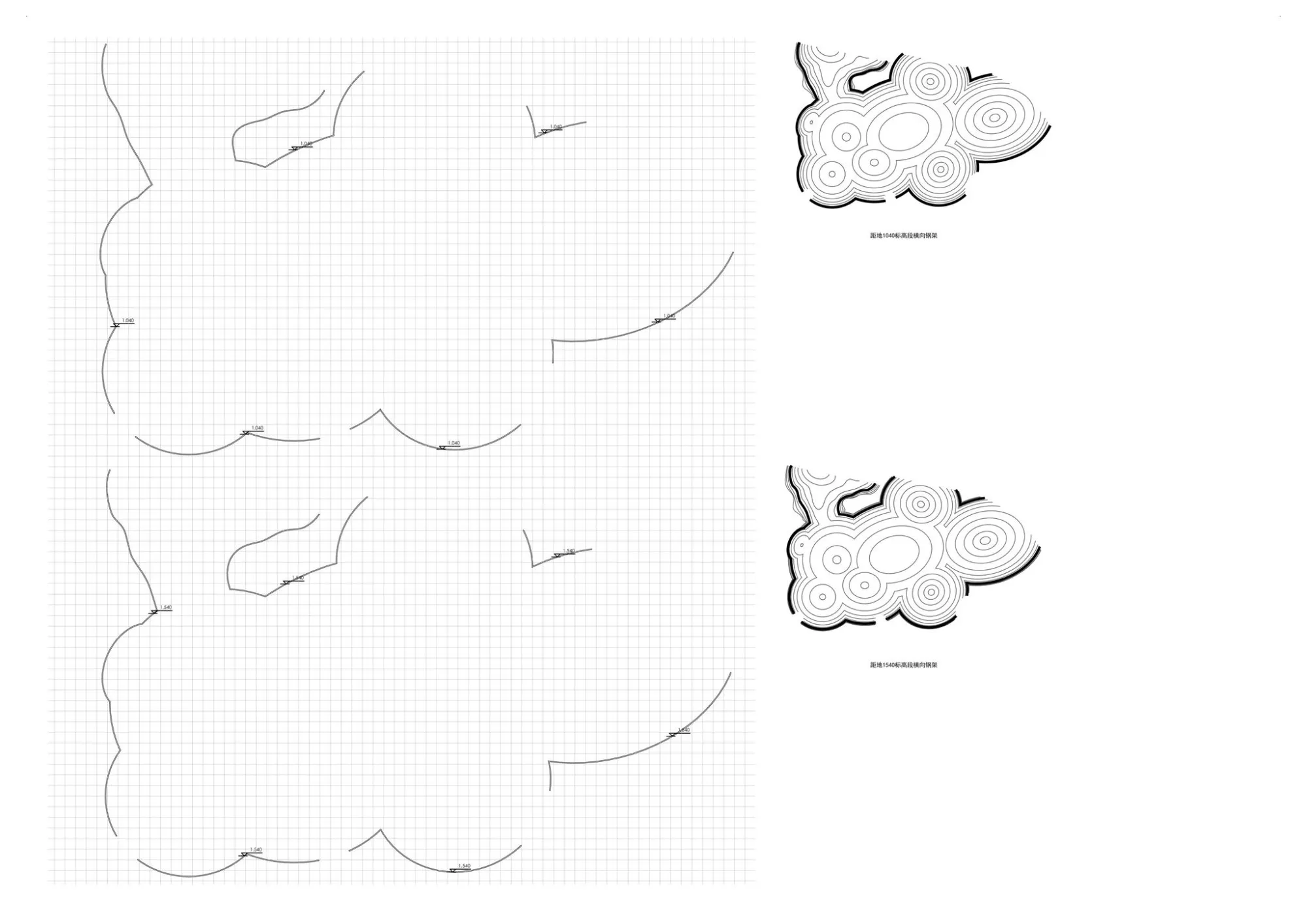
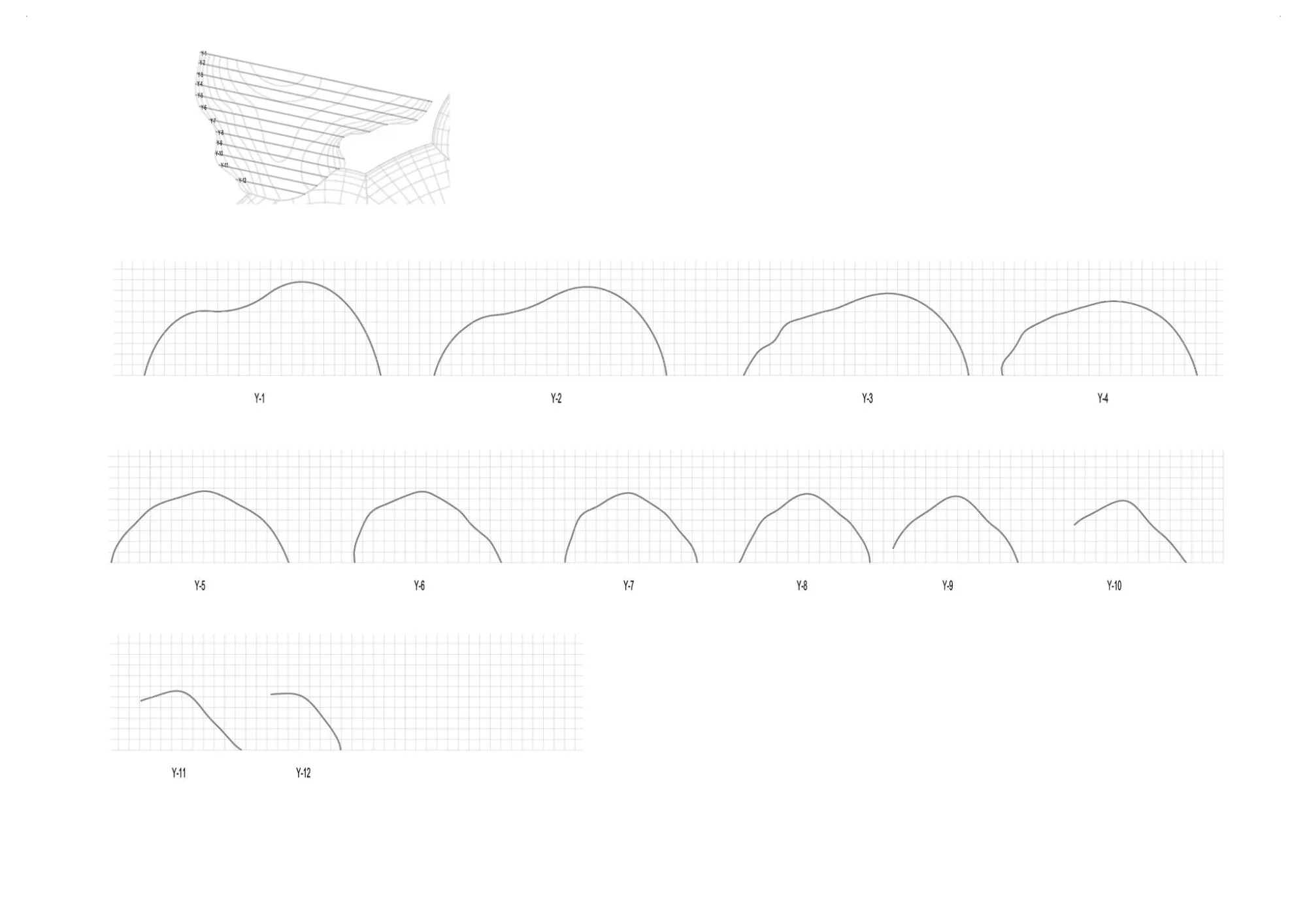
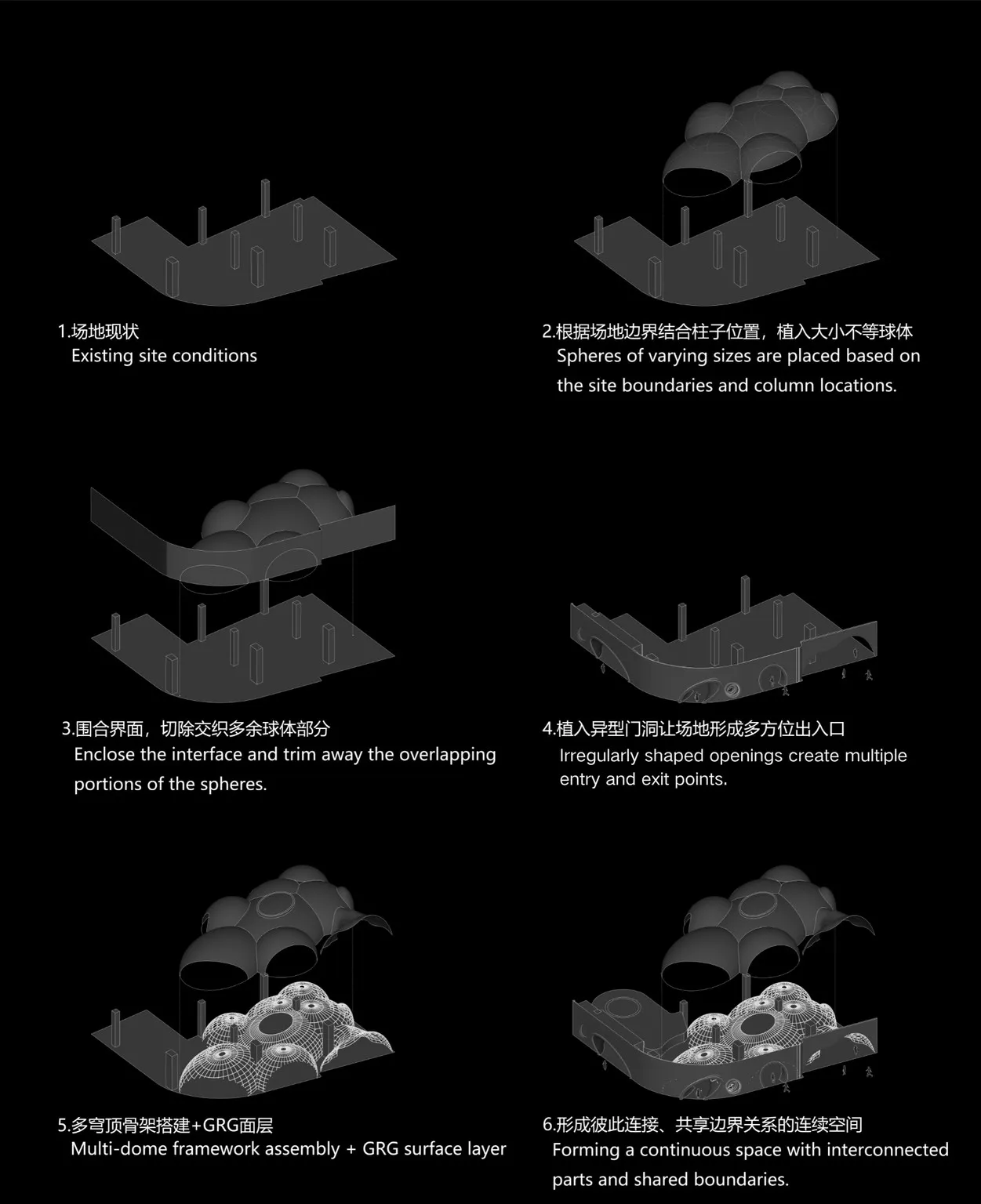
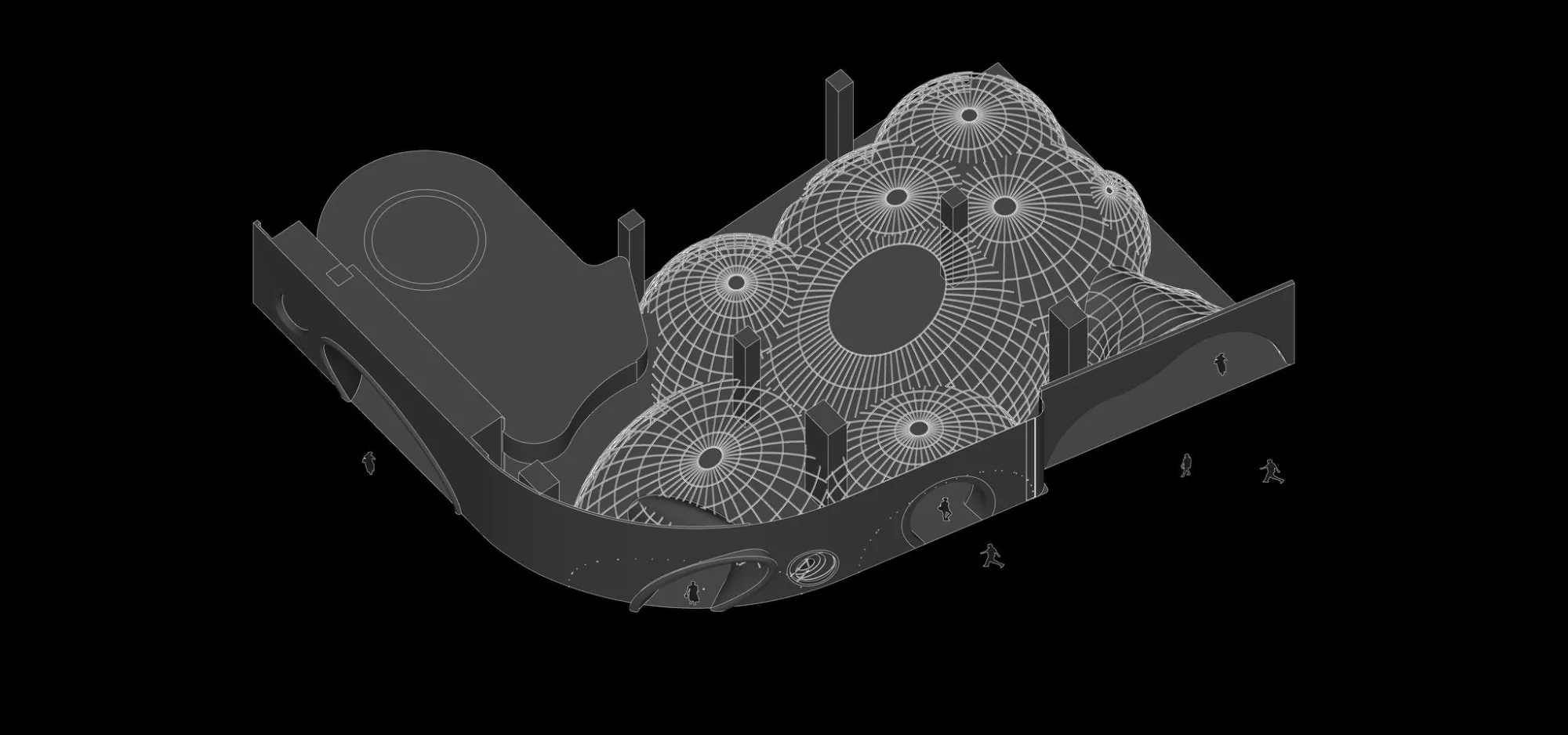
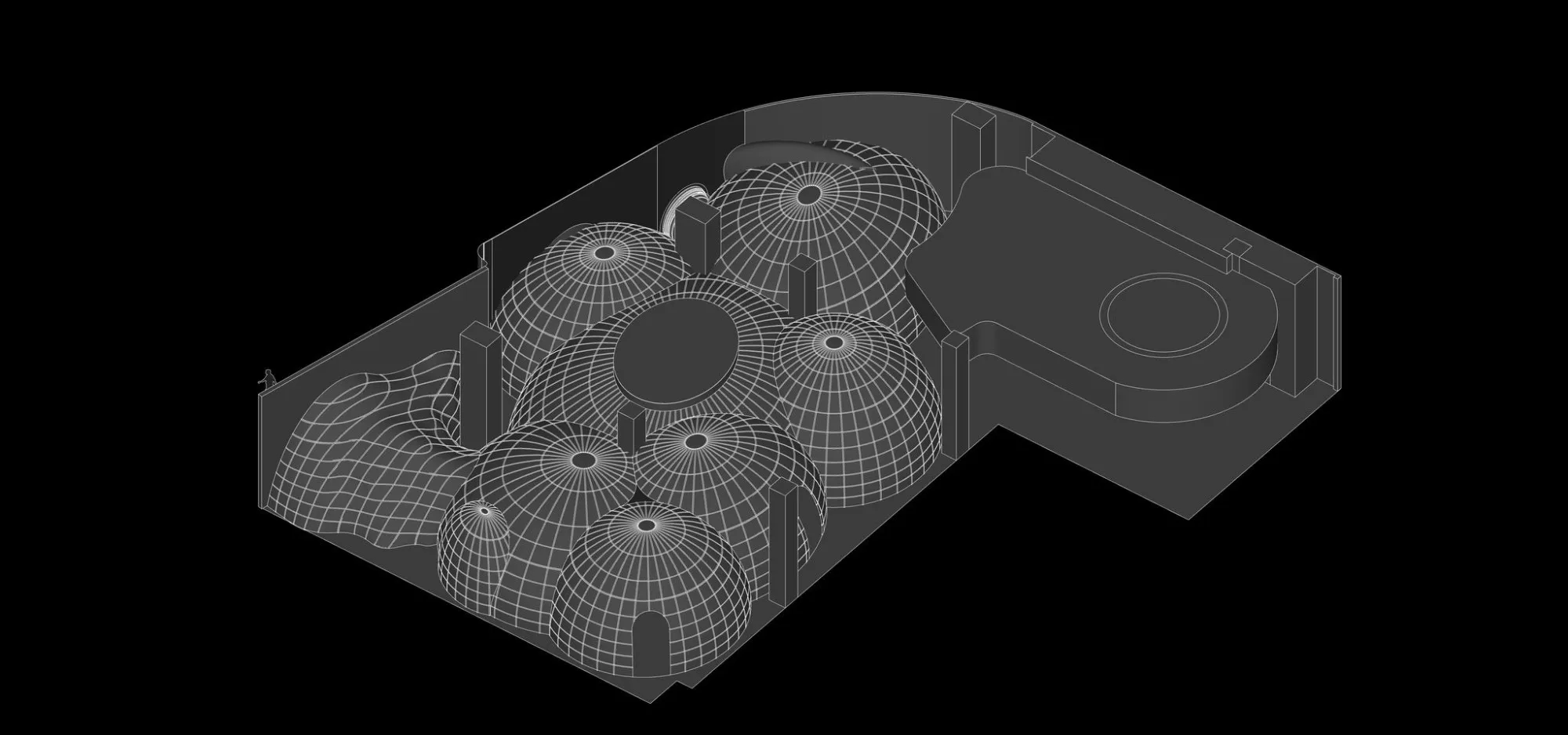
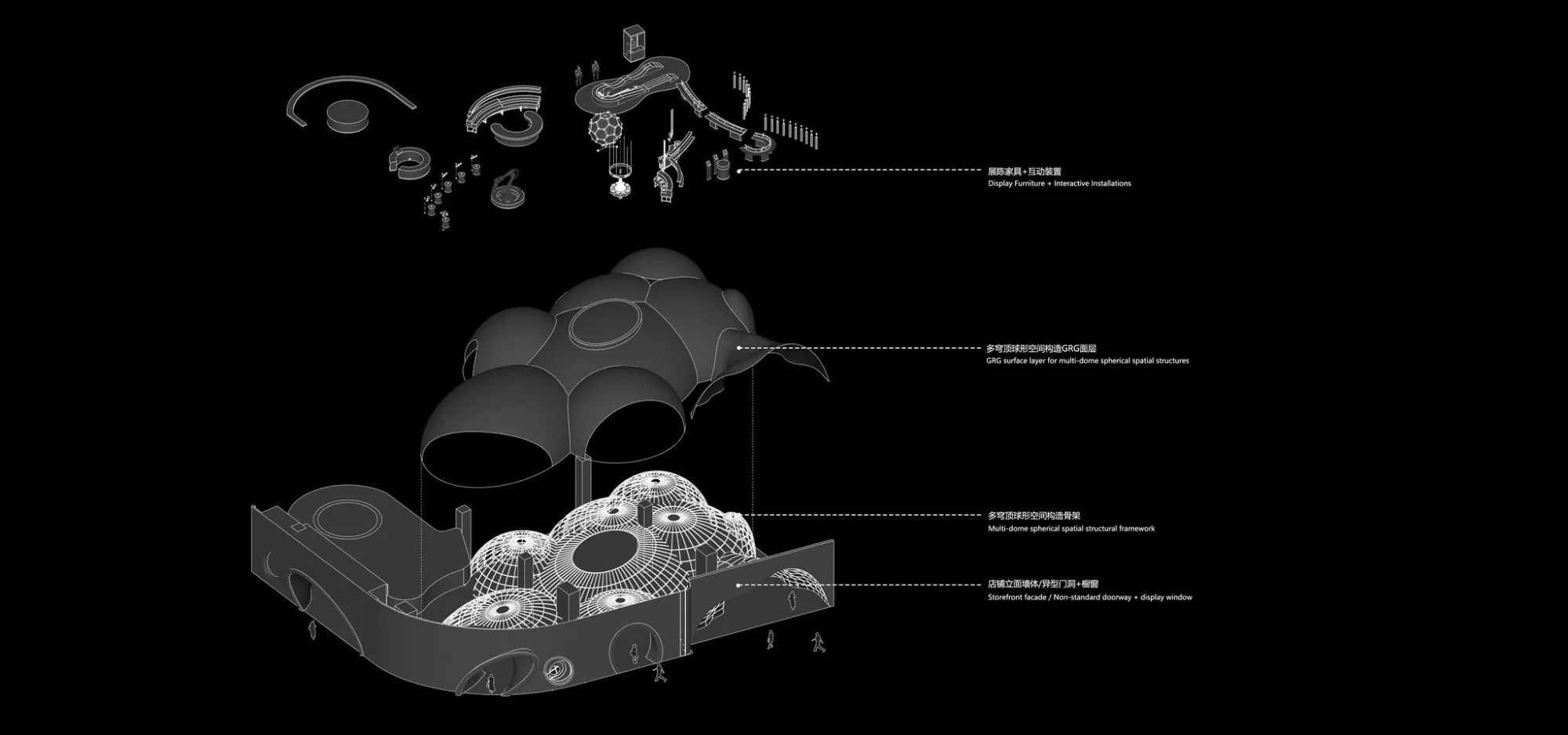
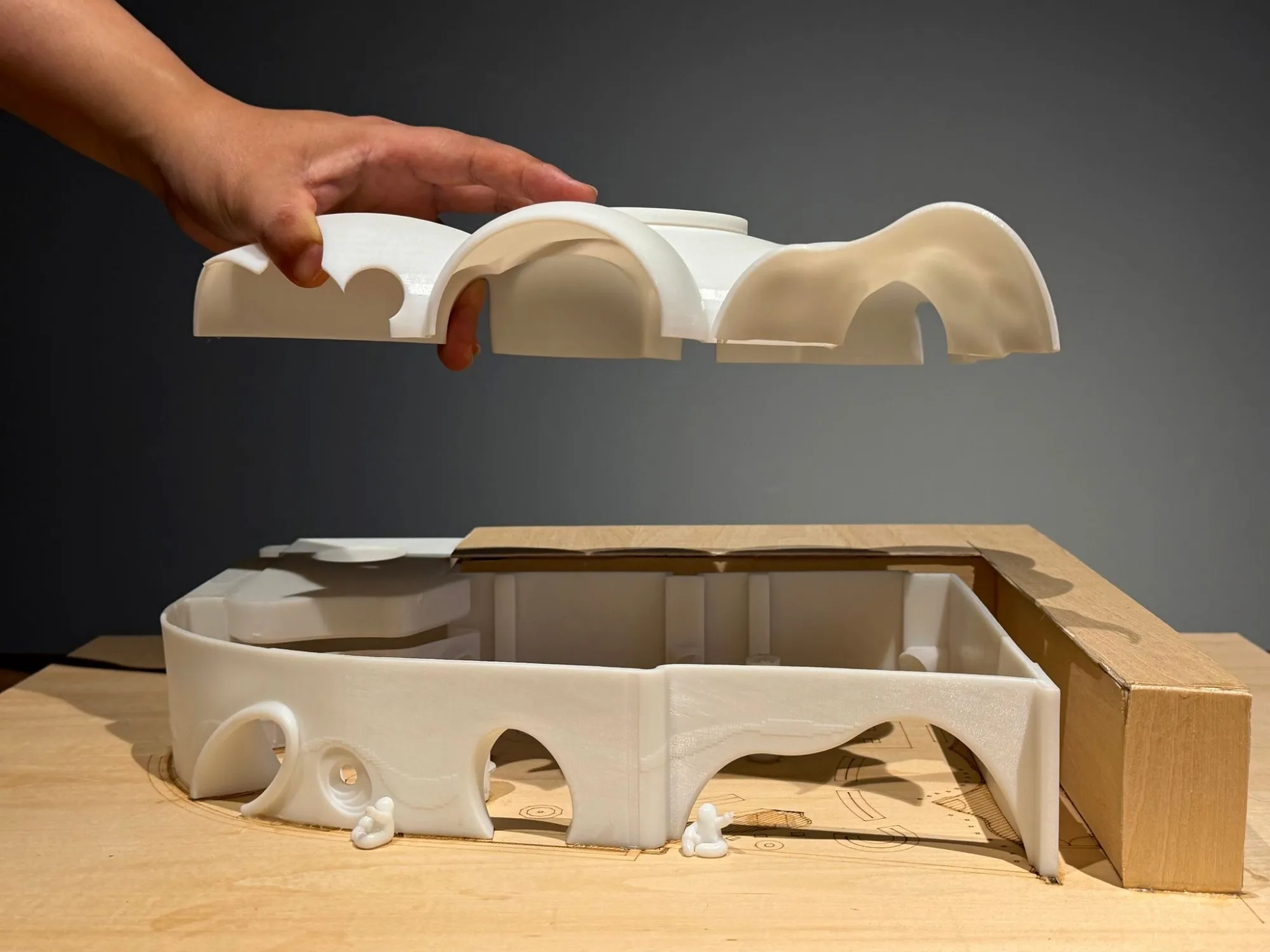
The name refers to a planet, a complete system in which many parts work together. Spheres became the basic geometry. Overlapping and sharing their edges, they produce a continuous multi-domed structure in which separate rooms join into one whole. The curves soften the hard corners and sharp boundaries of typical exhibition halls, and there is no single dominant centre.
Materials and colours deliberately avoid the blue light, mirrors and glossy surfaces associated with technology. Greys, off-whites and muted tones, light timber finishes and textured decorative paint keep the palette calm. They act as a backdrop rather than a statement, so that products, people and atmosphere can sit in balance. The project does not claim to predict the future. It asks whether, as technology keeps changing, human experience can stay at the centre.
Project Information
- Design studio
- y.ad studio
- Area
- 641.84 m²
- Time
- 2026
- Type
- Installation, Retail
- Primary materials
- Ceramic tile, Engineered wood, Steel, Stone-textured coating
Comments