Mang Thit Brick Kilns
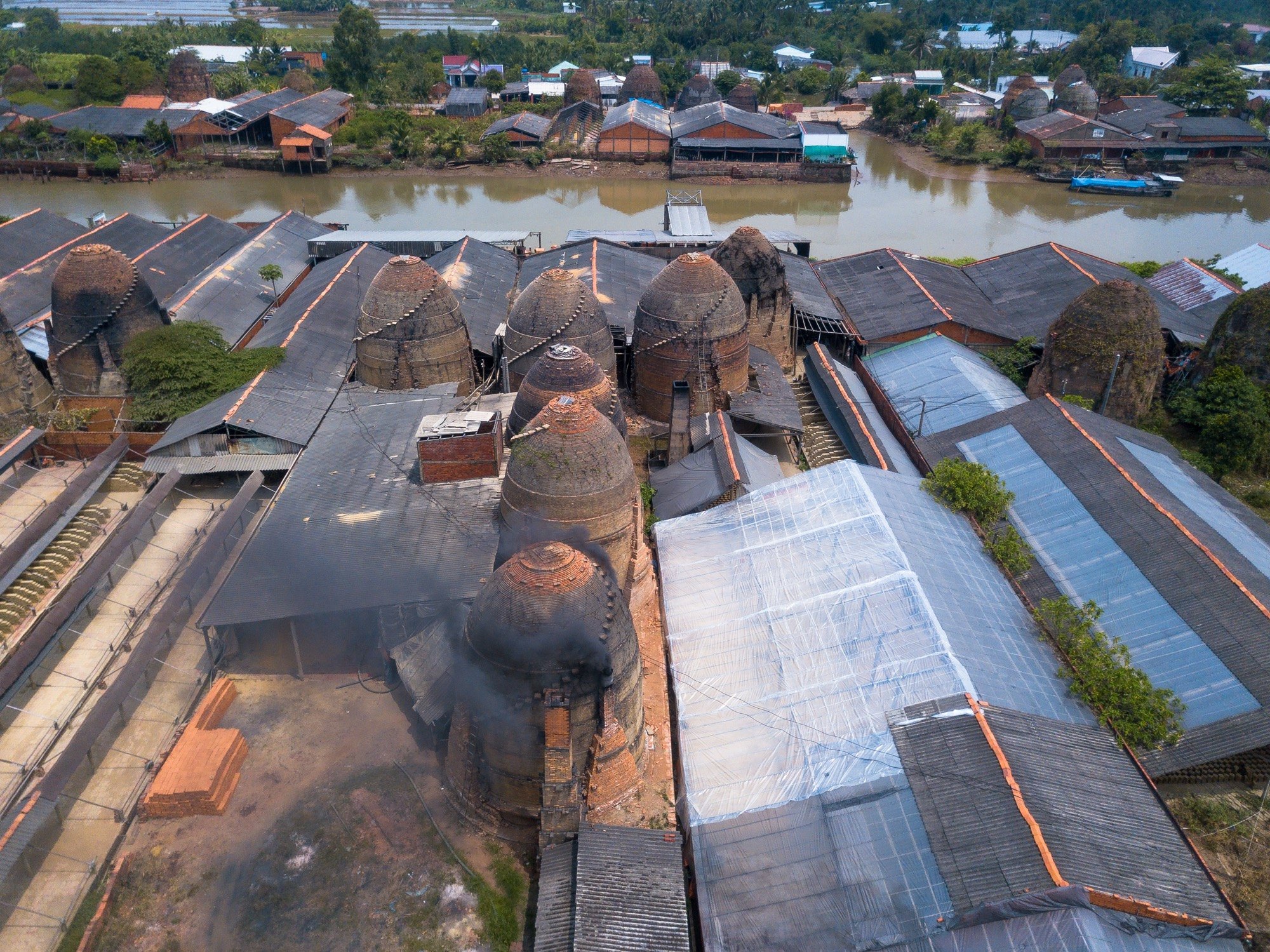
Set between two great branches of the Mekong, the Tien and the Hau, the region is fed by rich silt, river sand and abundant clay. From that ground grew the crafts of brick-making and pottery, a living for the people along the banks. A dense web of canals made transport easy, and fired bricks went by boat to every corner of the south. By the early nineteenth century, bricks from here, and from Mang Thit above all, were well known.
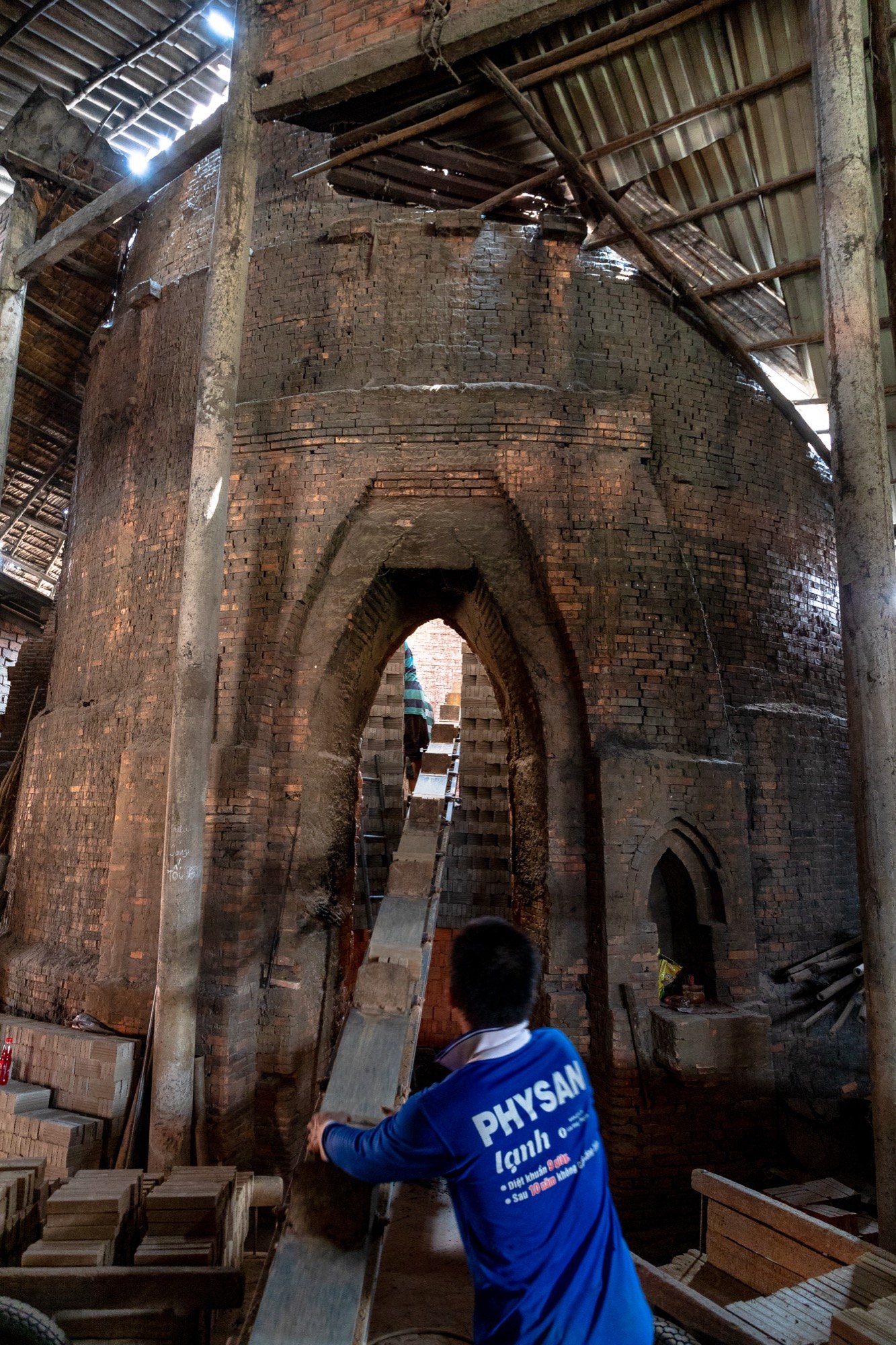
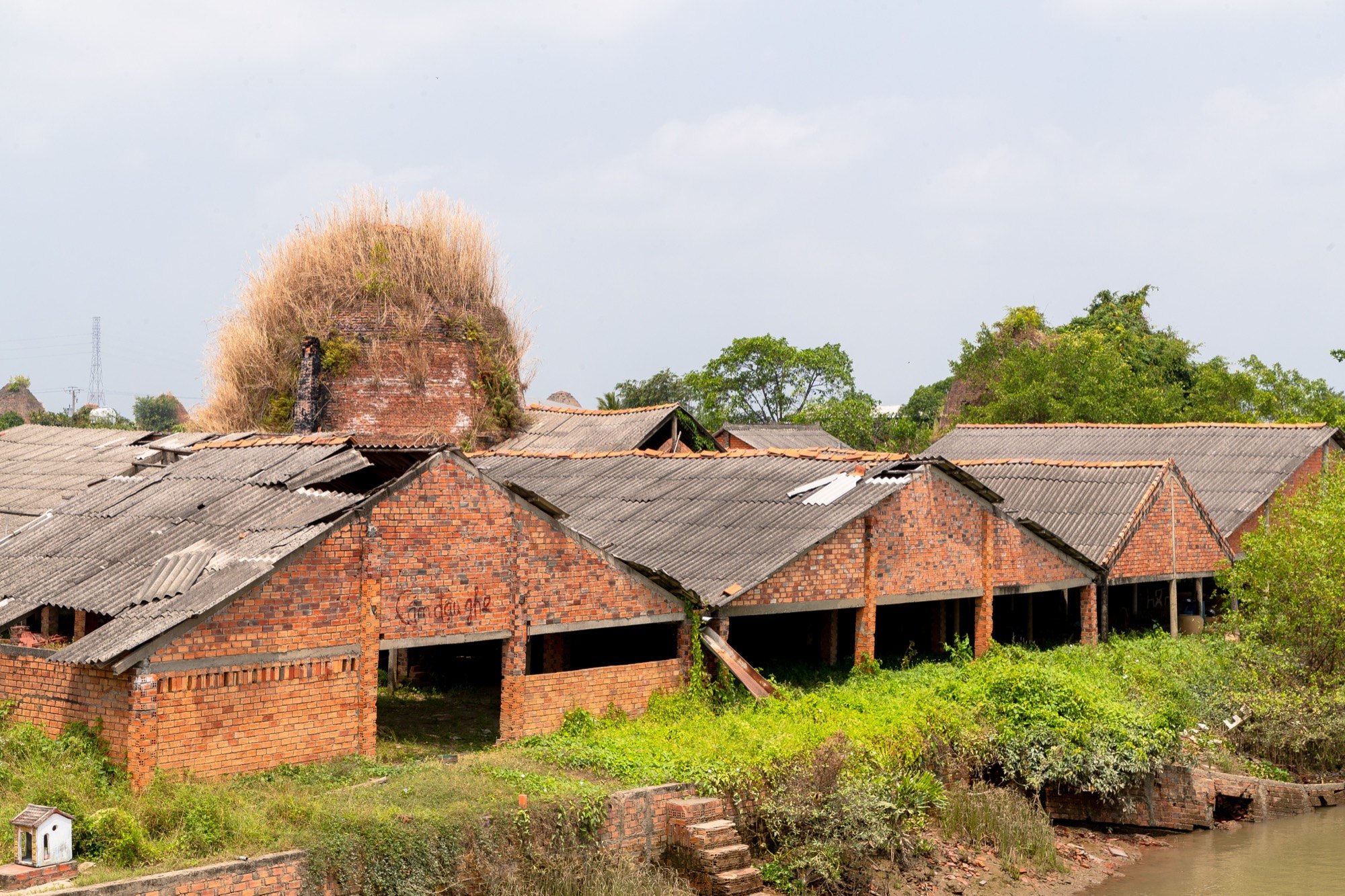
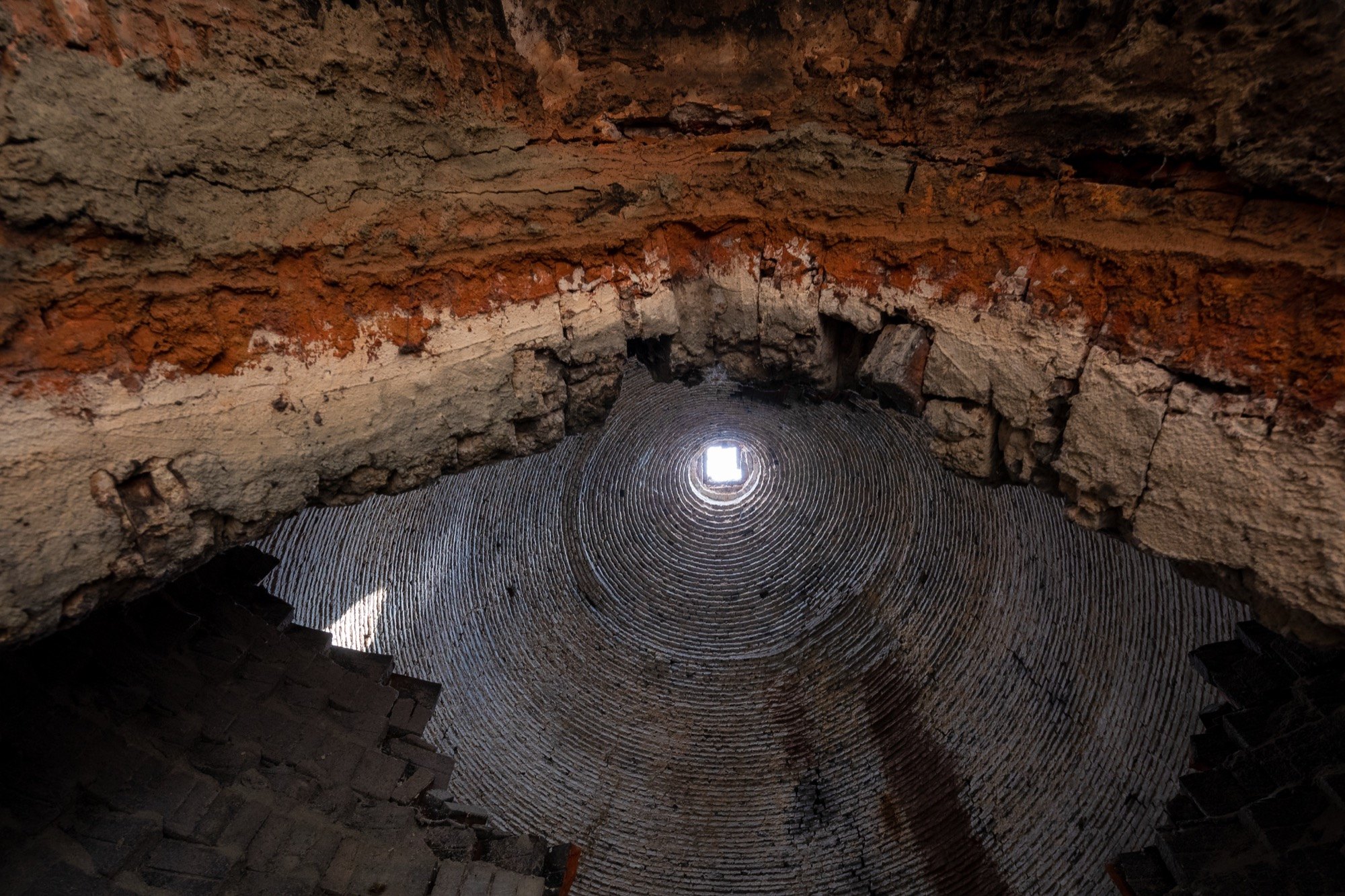
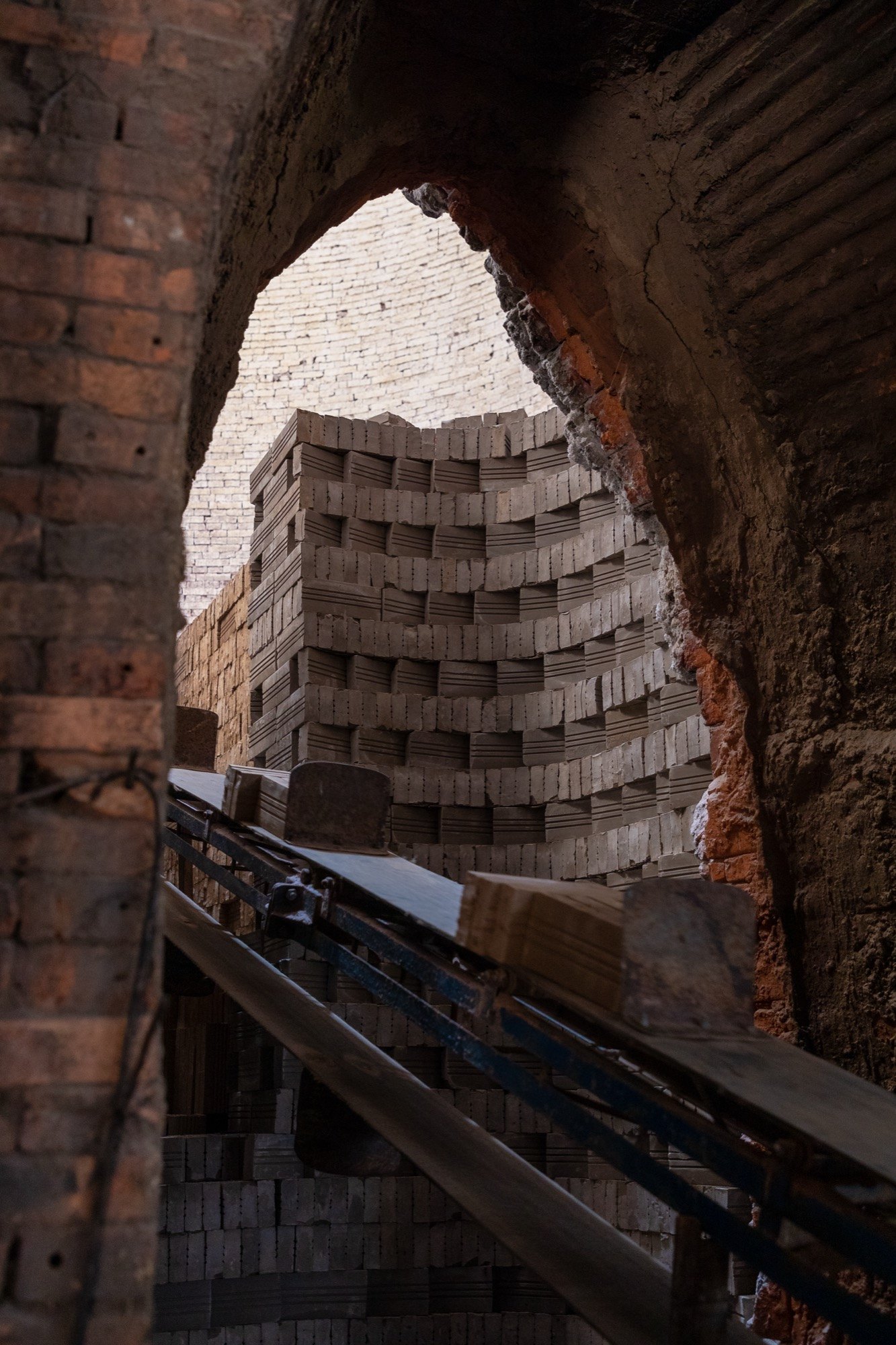
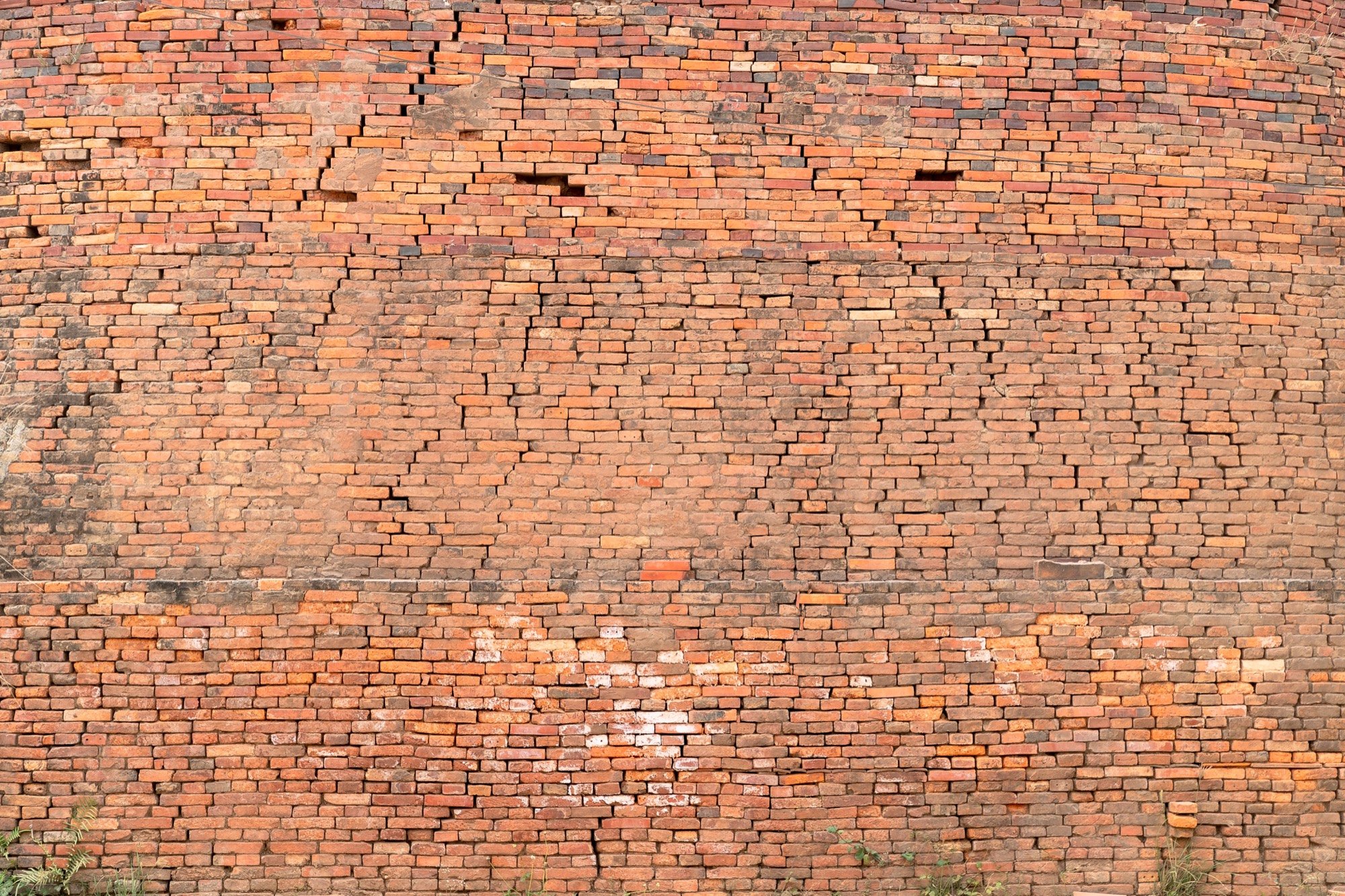
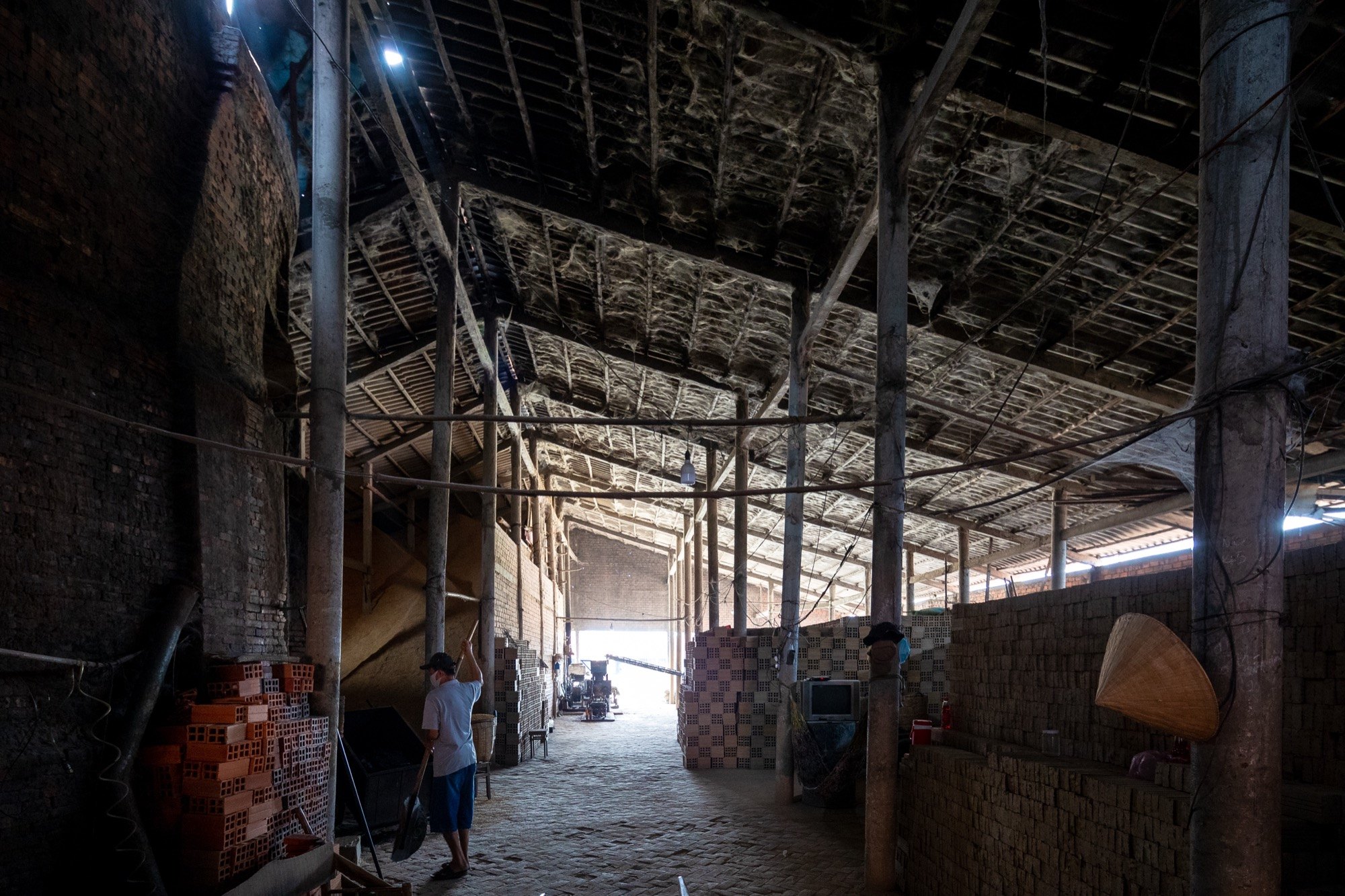
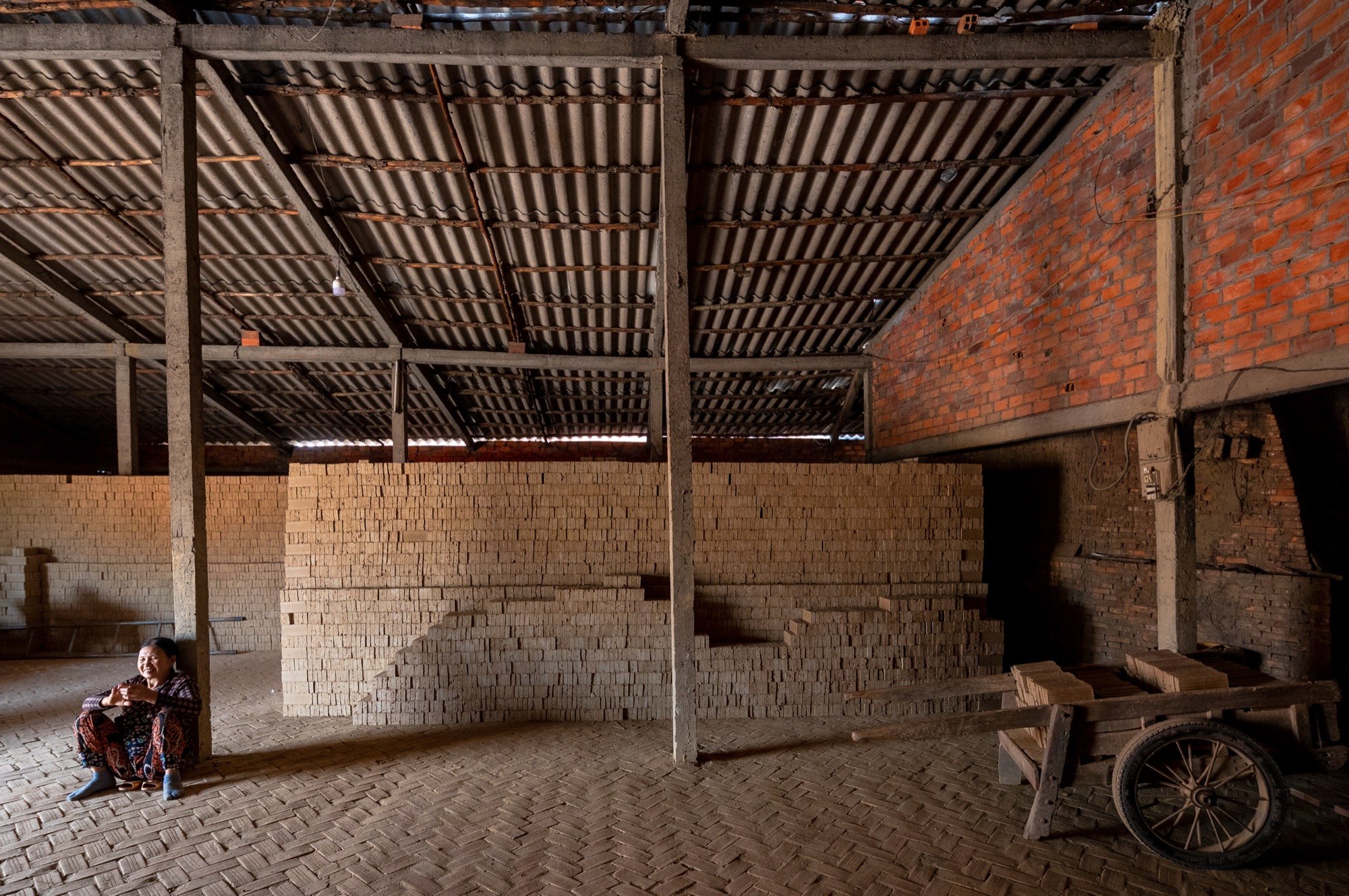
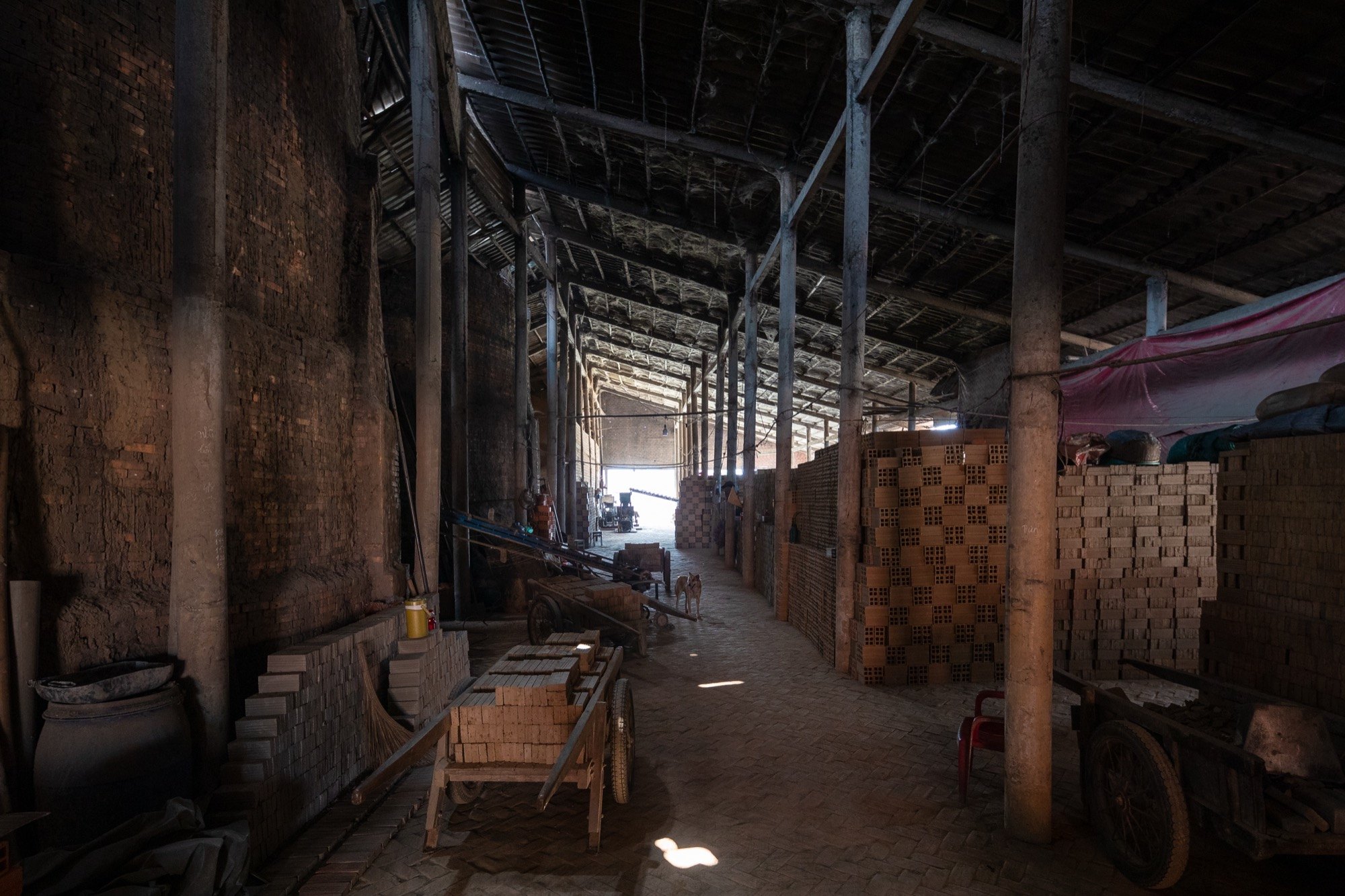
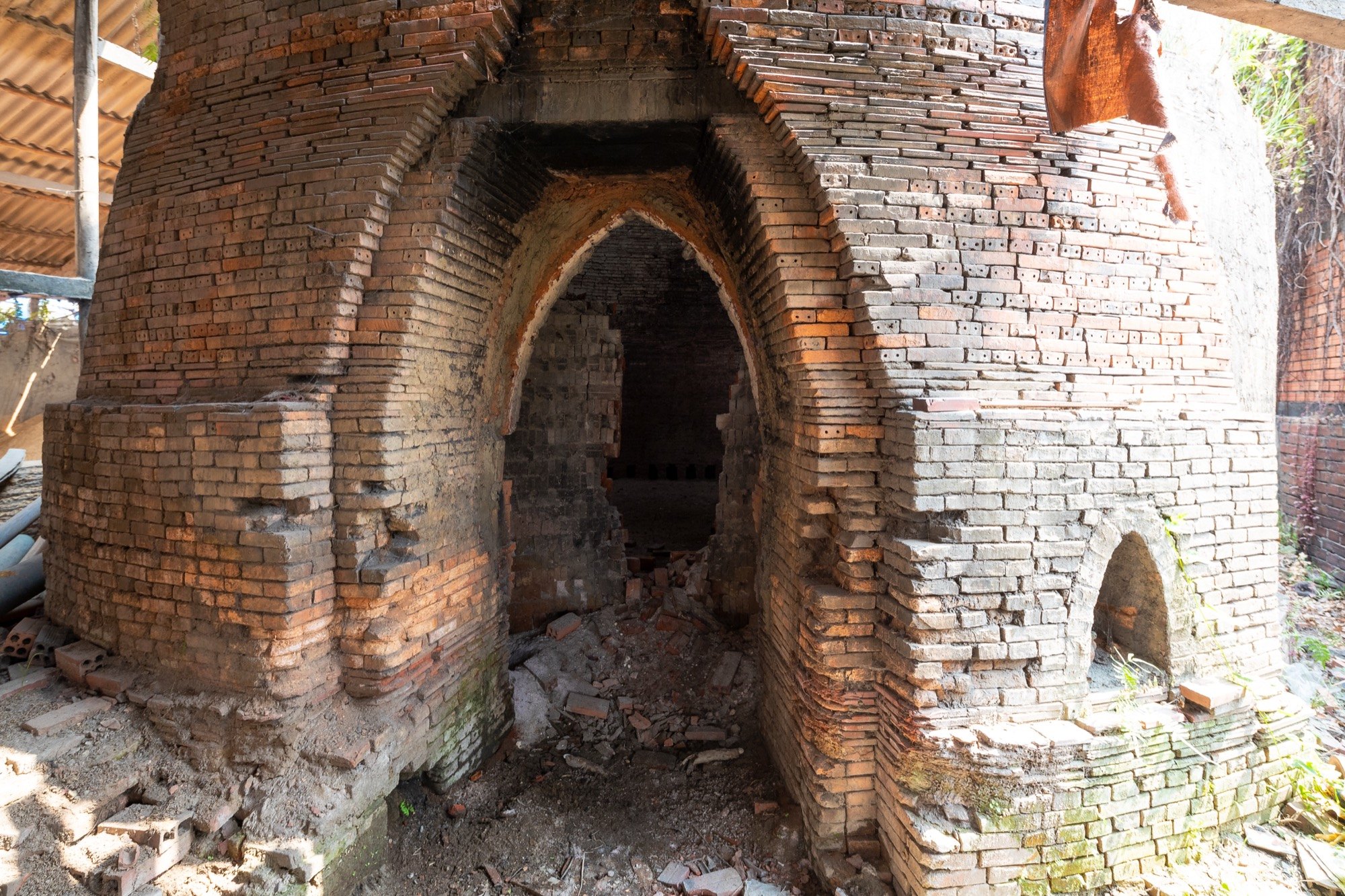
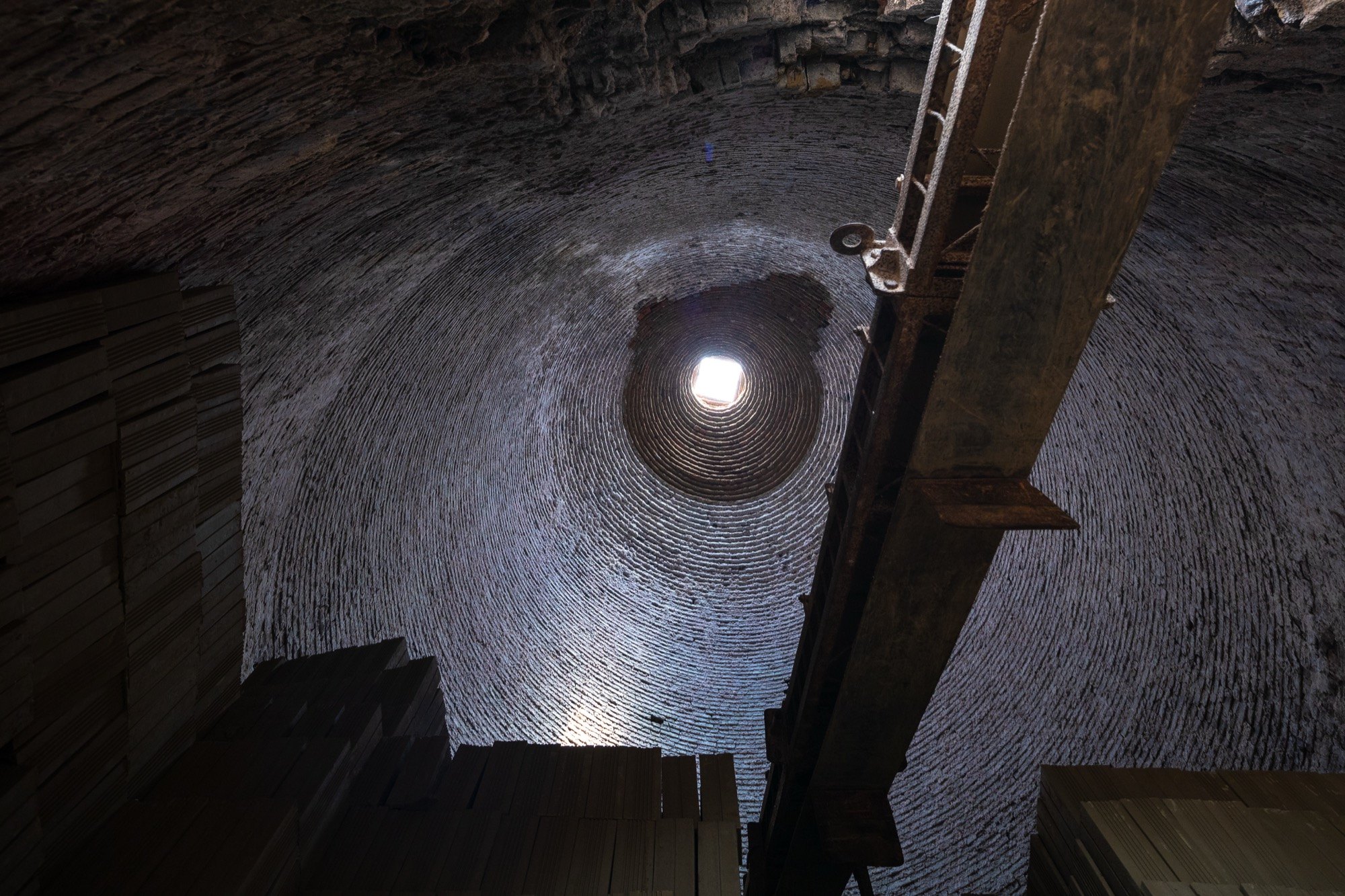
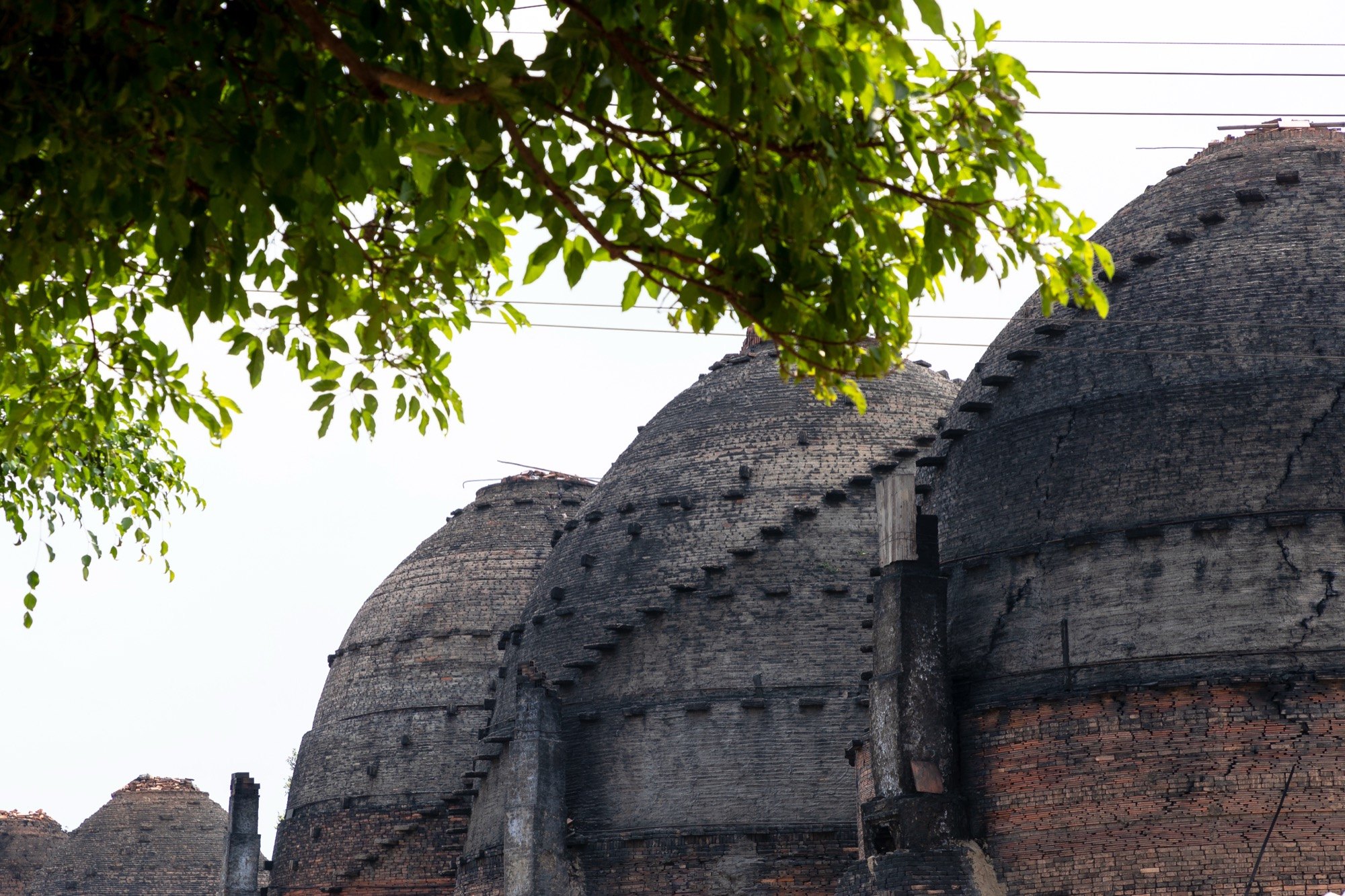
Mang Thit lies along the Co Chien river, once a land of countless kilns with their distinctive domes. Its bricks were well shaped and of fine quality, thanks to the local clay and the techniques of three communities, Kinh, Hoa and Khmer. The kilns lined both banks of the Thay Cai canal, then busy with boats carrying rice husk and bricks to wholesale markets.
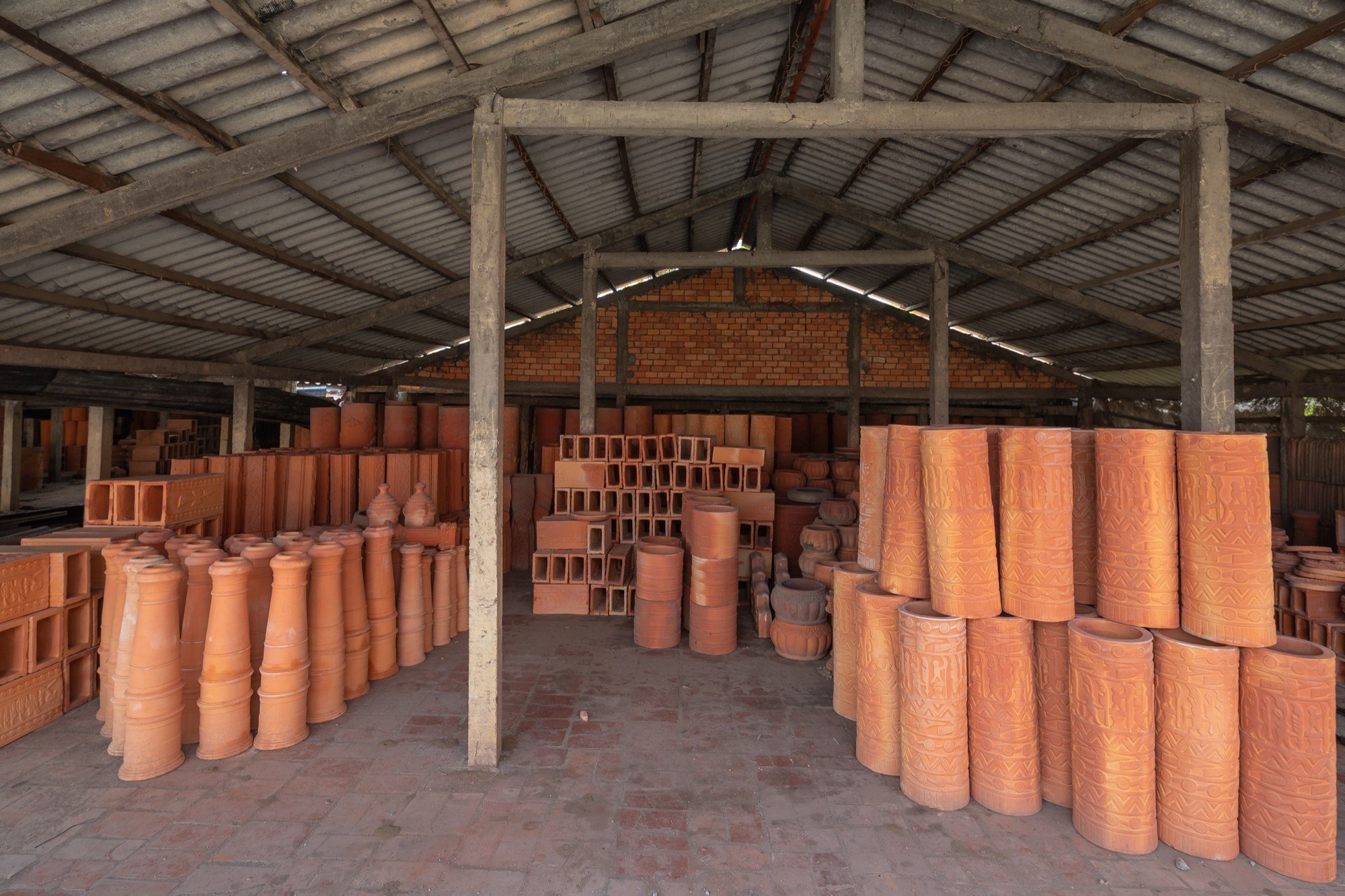
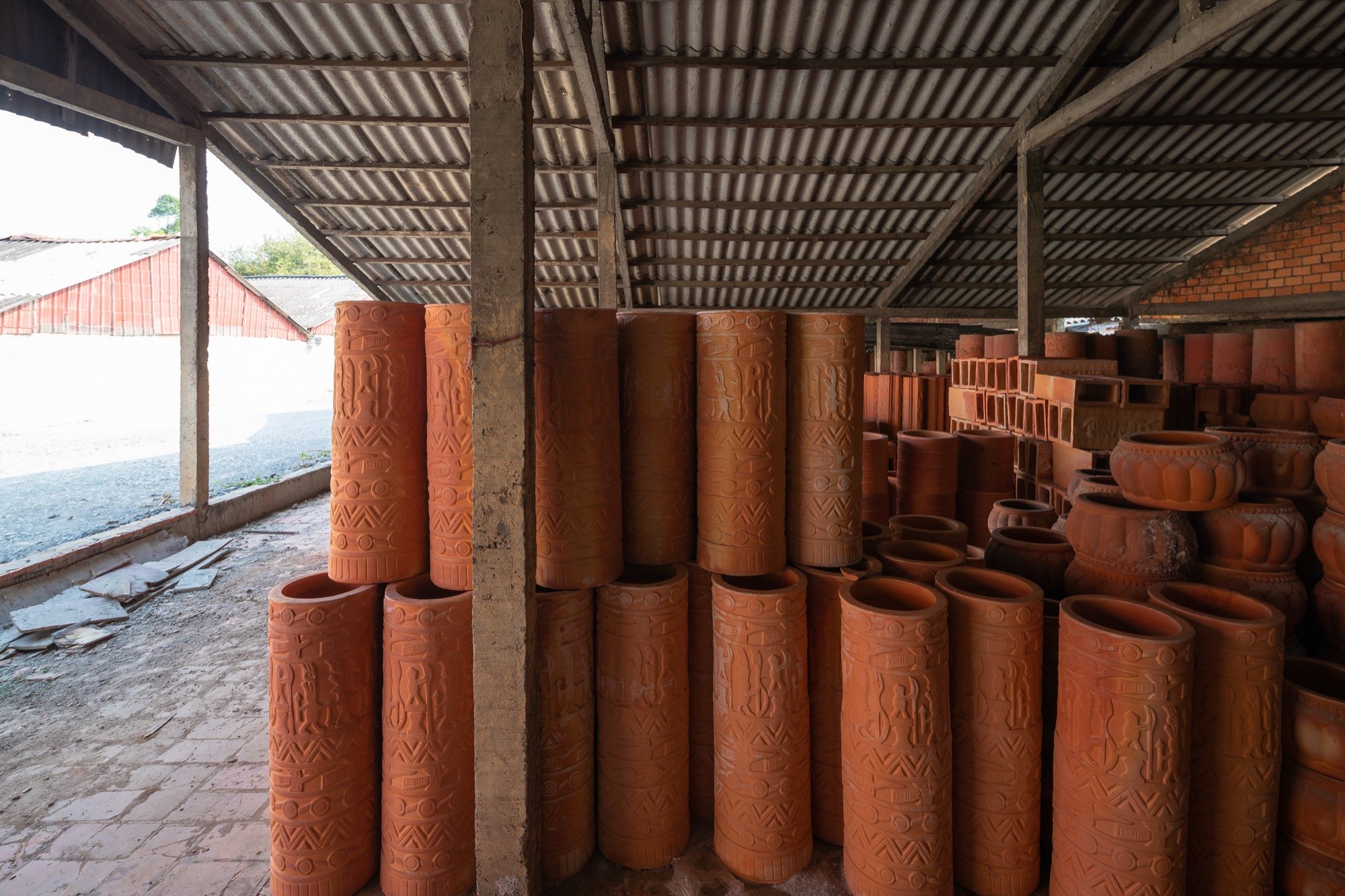
Each kiln once earned several taels of gold a month from its firings. After the 2000s, traditional production could no longer meet new demands or environmental standards. The price of rice husk rose sharply, and competition from modern brickworks and unfired blocks forced many kilns to close or turn to decorative pottery. Many families pulled down their old kilns, leaving remnants where there had been bustle. The kilns still standing wait for a policy to bring them back: dismantled and sold as salvage they fetch a few tens of millions of dong, while building one properly can cost 300 to 500 million, depending on its diameter.
A contemporary heritage project has since been approved to help families raise funds to repair and restore old kilns, with an eye to tourism. In practice it remains very hard.
The kilns are rooted in their place, in the land, the river bed and the space around them, which carry deep cultural and unspoken ties. Those still standing after more than a century of firing are fortunate. The hope, shared by architects who know the area, is that conservationists and local people will keep these structures for at least another fifty years, so later generations can inherit them.
Project Information
- Time
- 19th century
- Type
- Cultural, Industrial
- Primary materials
- Brick, Terracotta brick