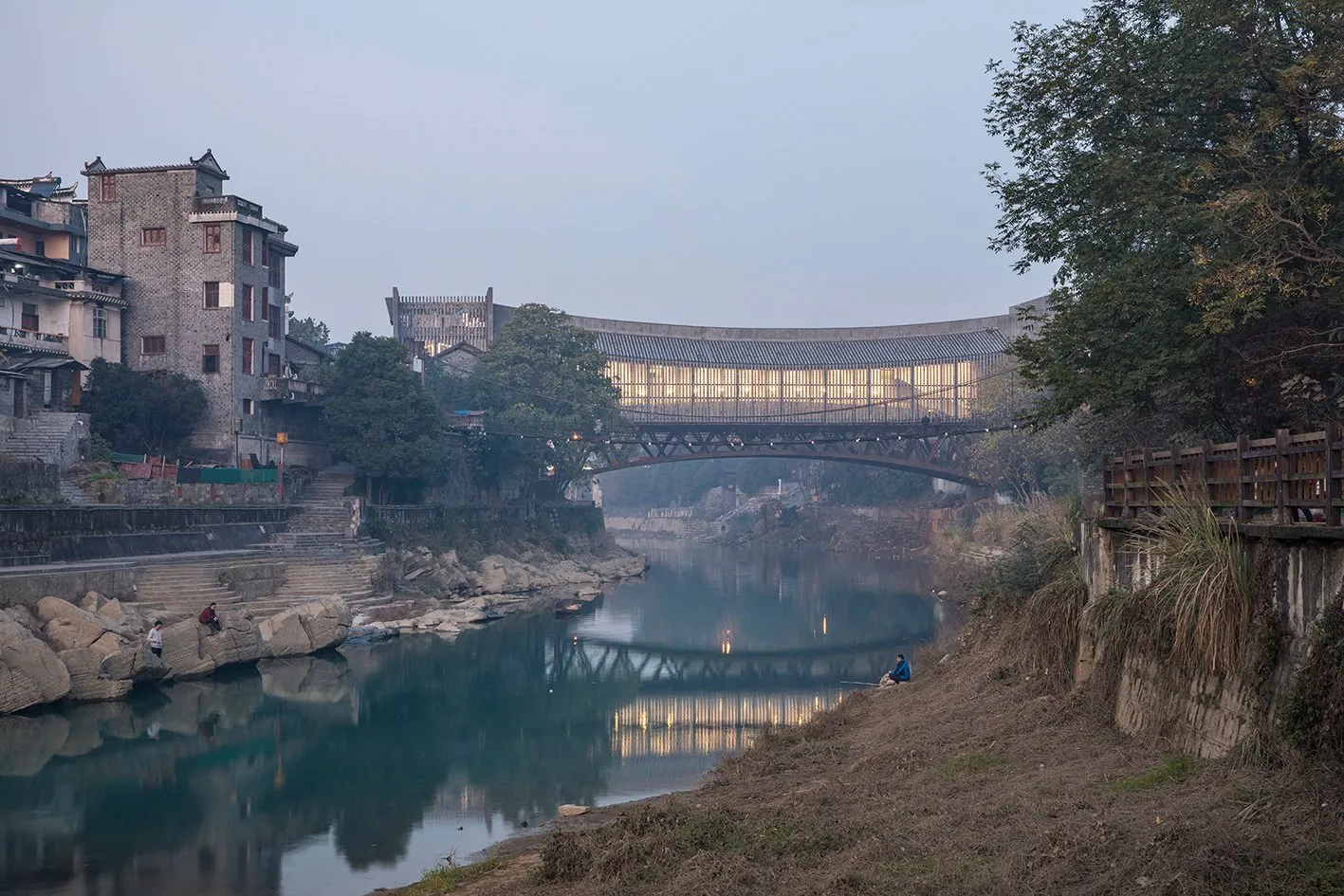
Jishou Art Museum
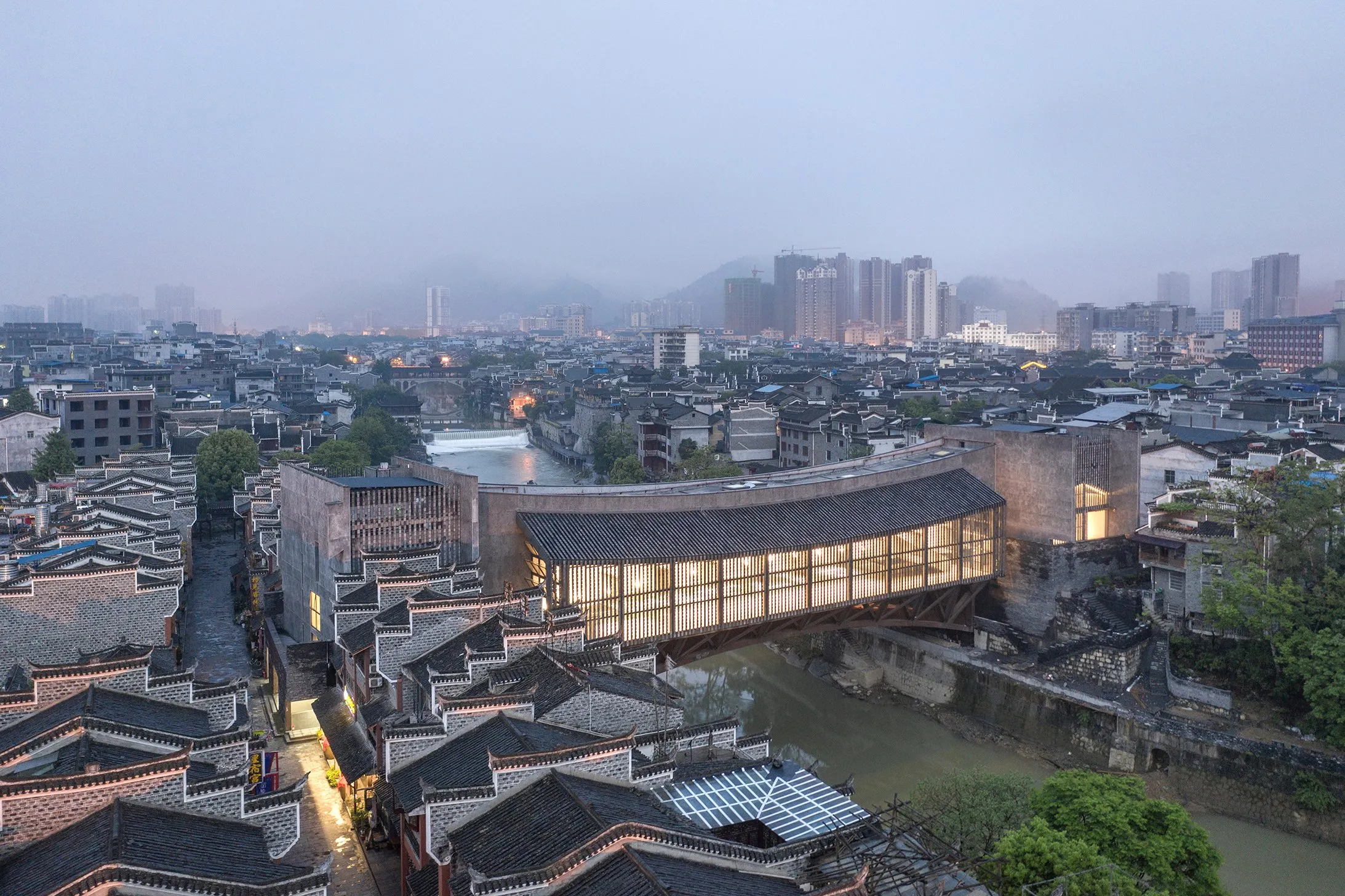
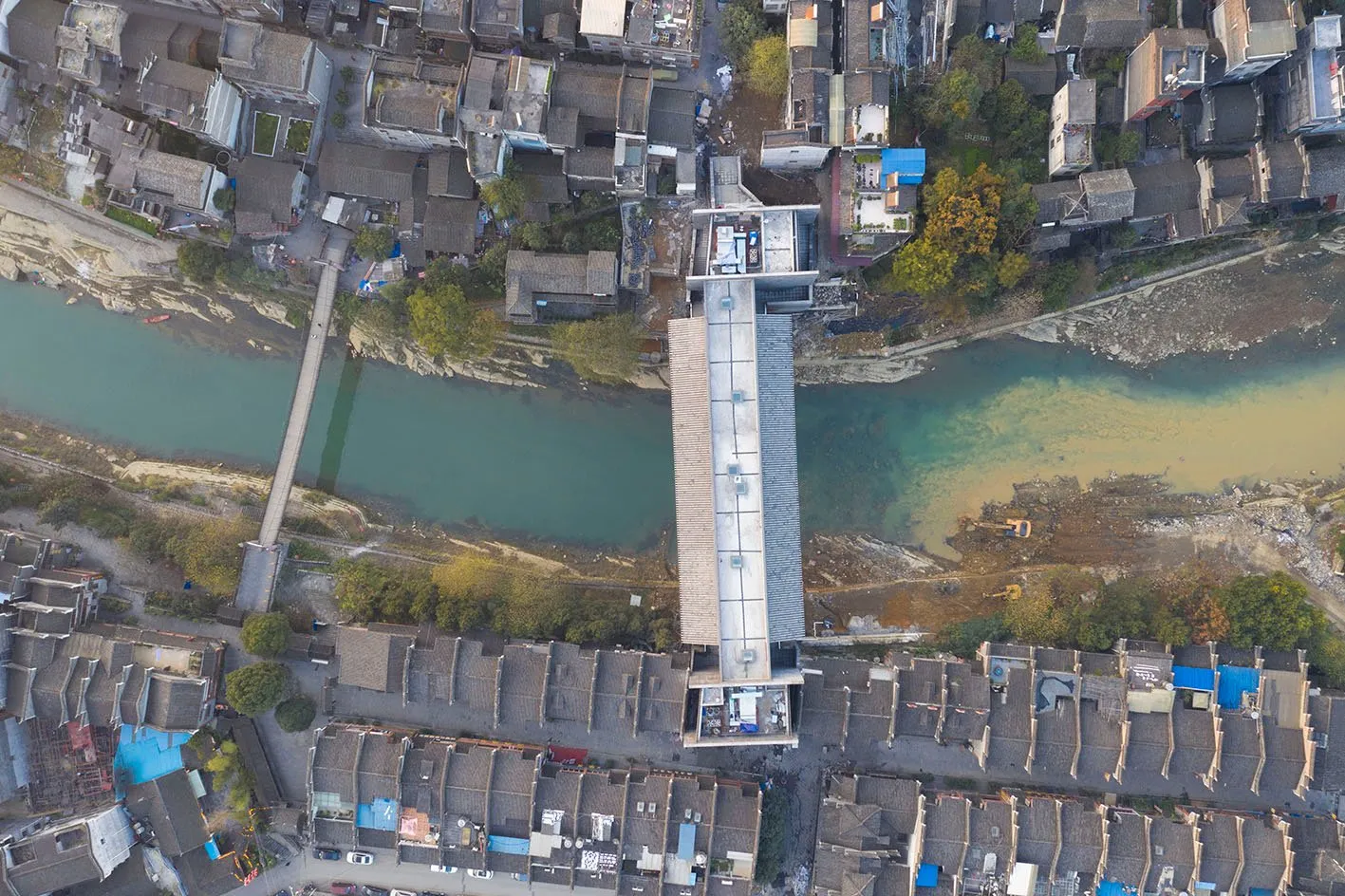
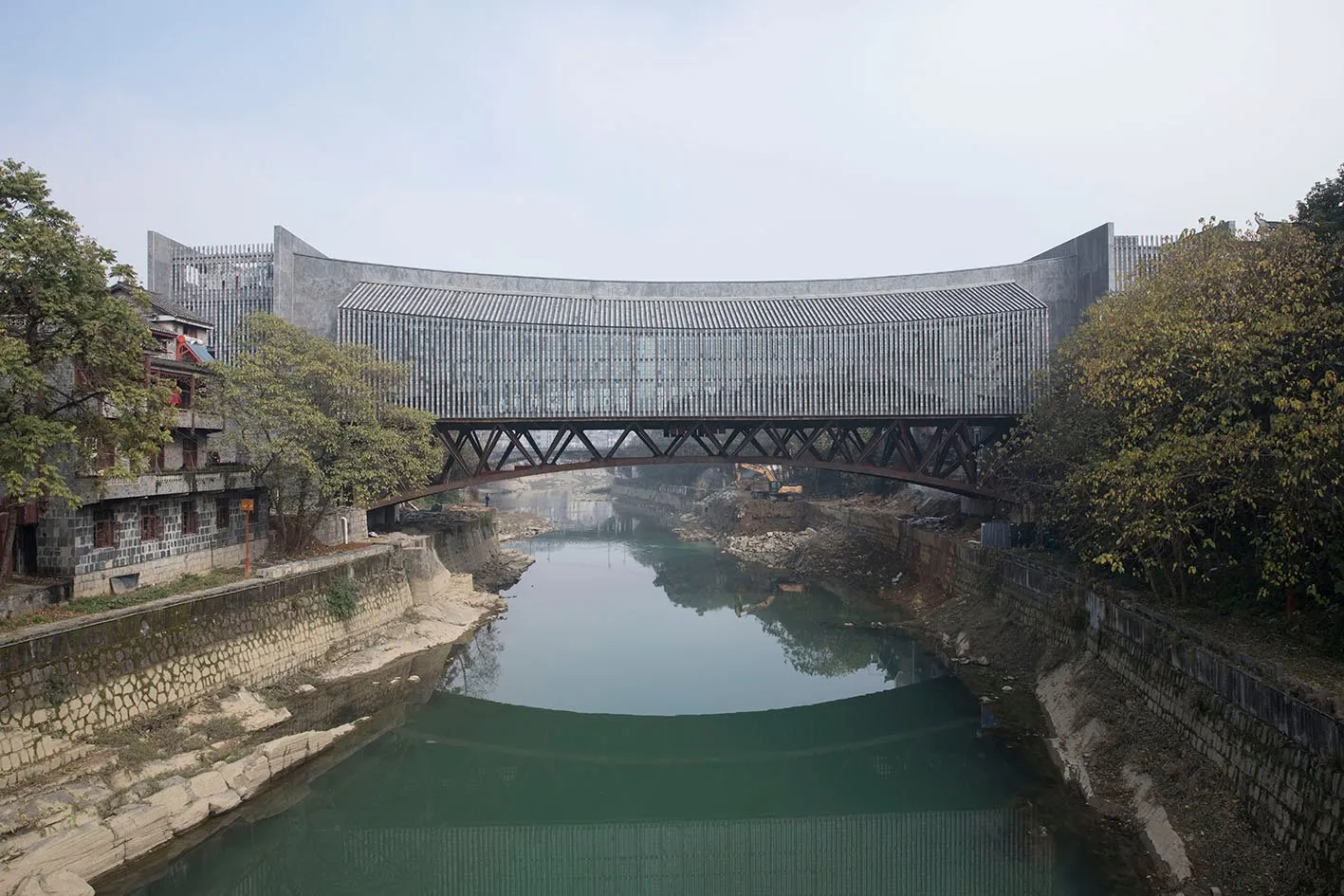
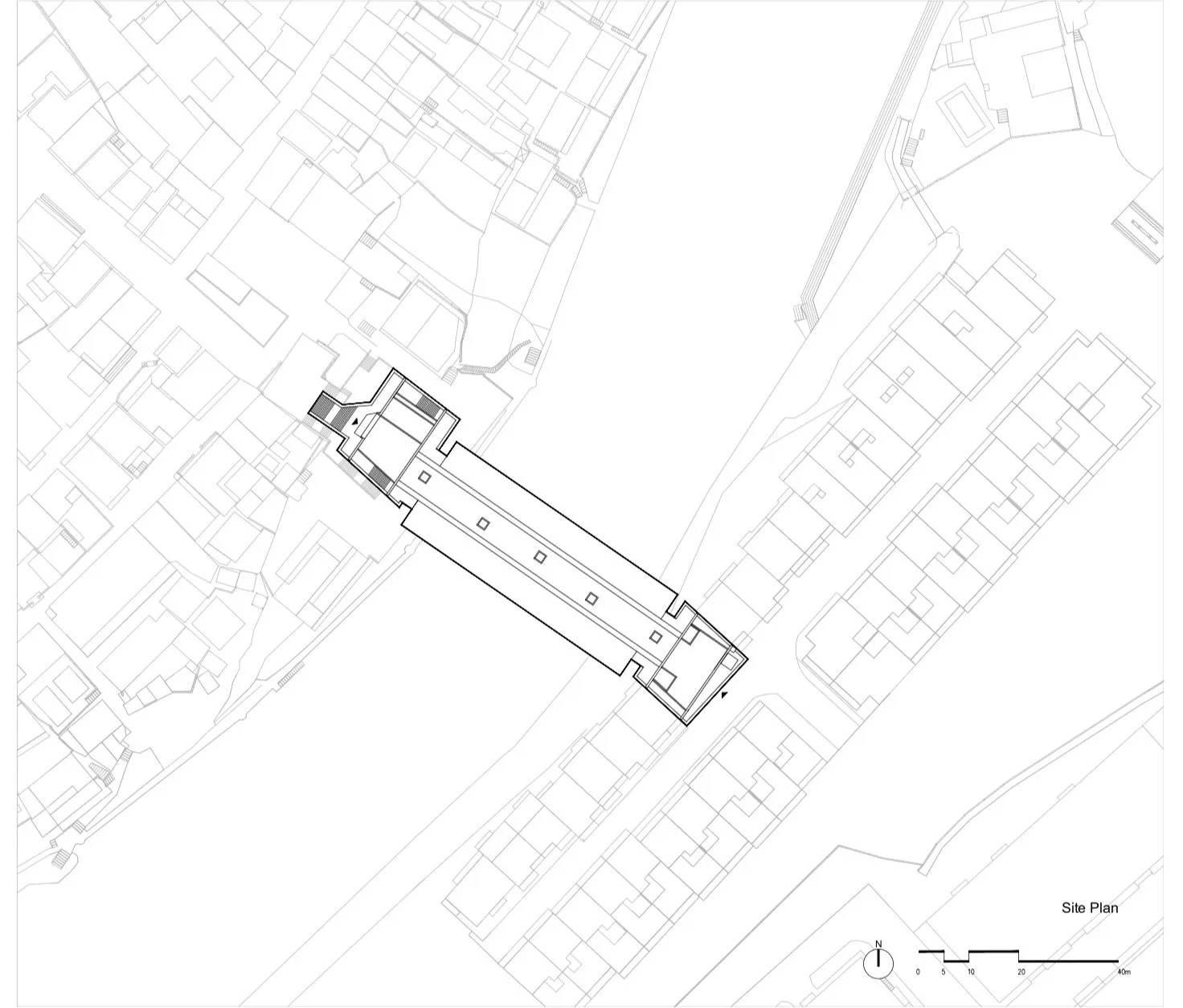
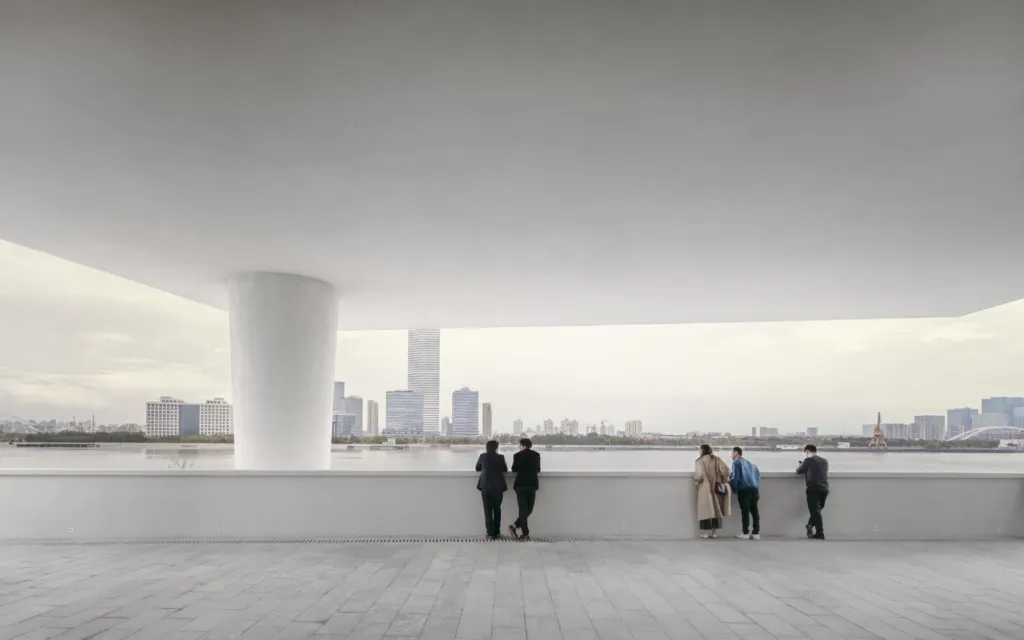
The town is the capital of an autonomous minority region in the mountains. The government first looked at sites in a development zone outside the centre, but the Chinese design team argued for the old town, believing a cultural building should be easy to reach. A river runs through the middle of the town, and the most central spot turned out to be over the water, so the museum became a pedestrian bridge as well. People would no longer need to make a special trip to see art; they would cross it on the way to work, school or the market.
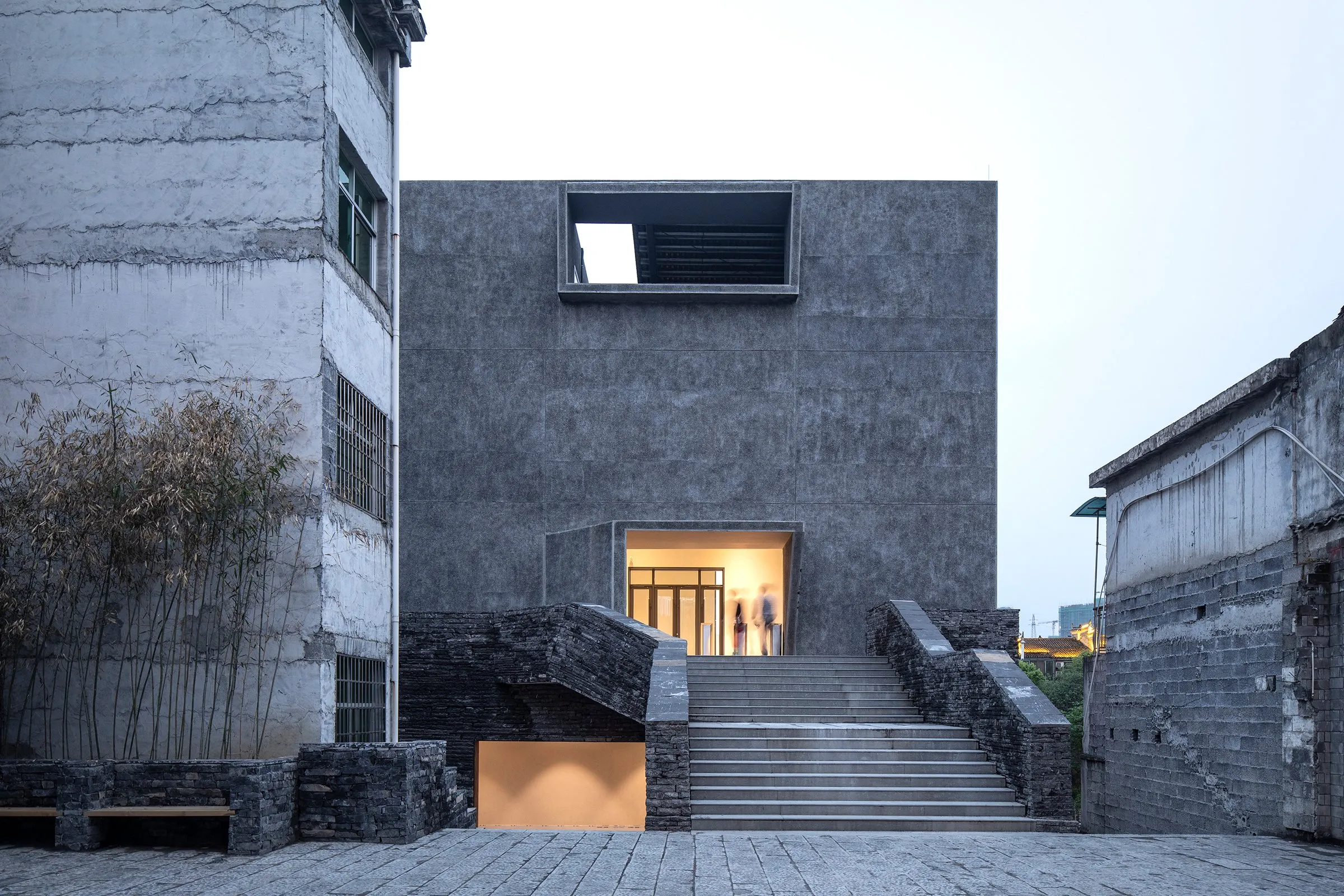
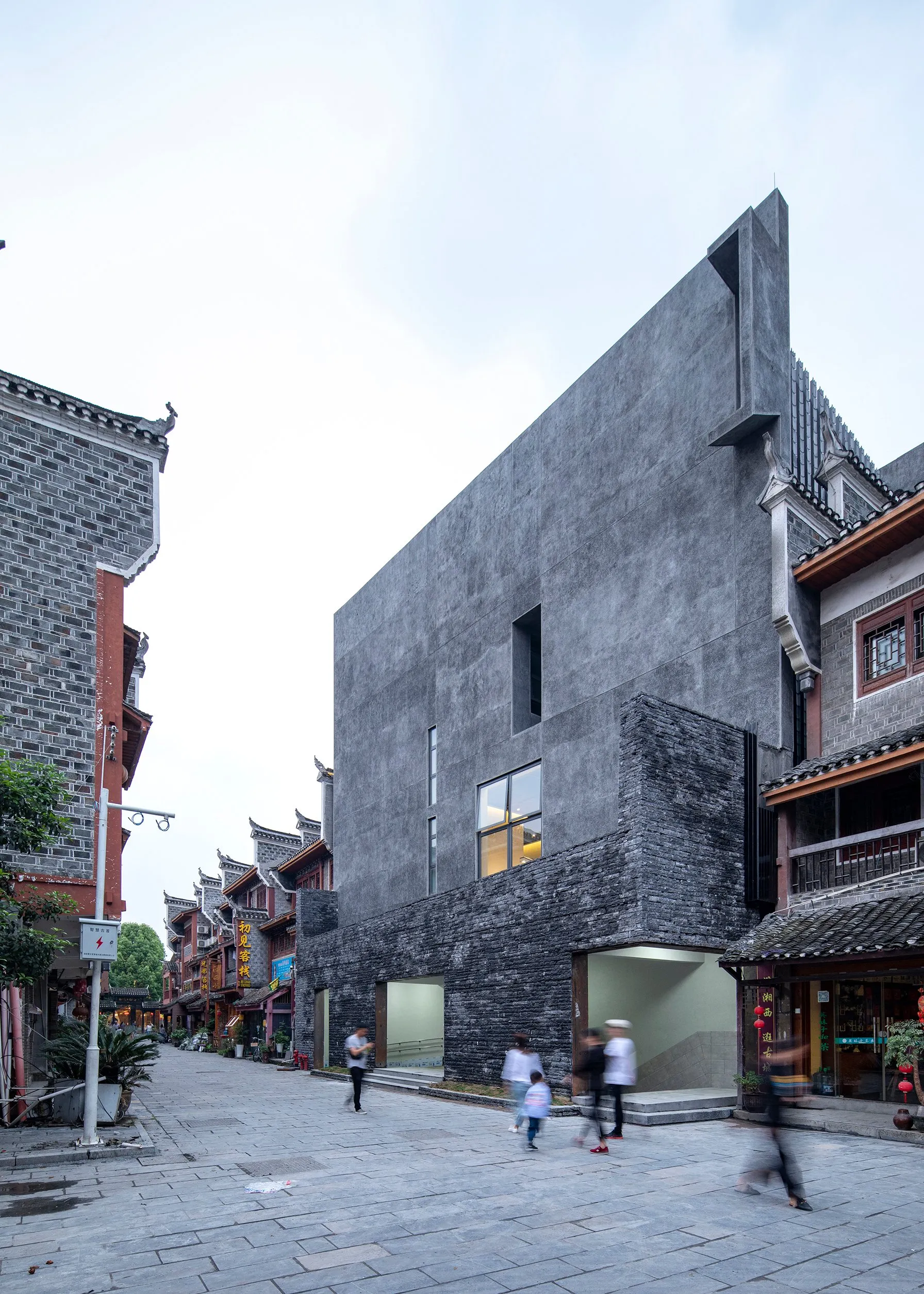
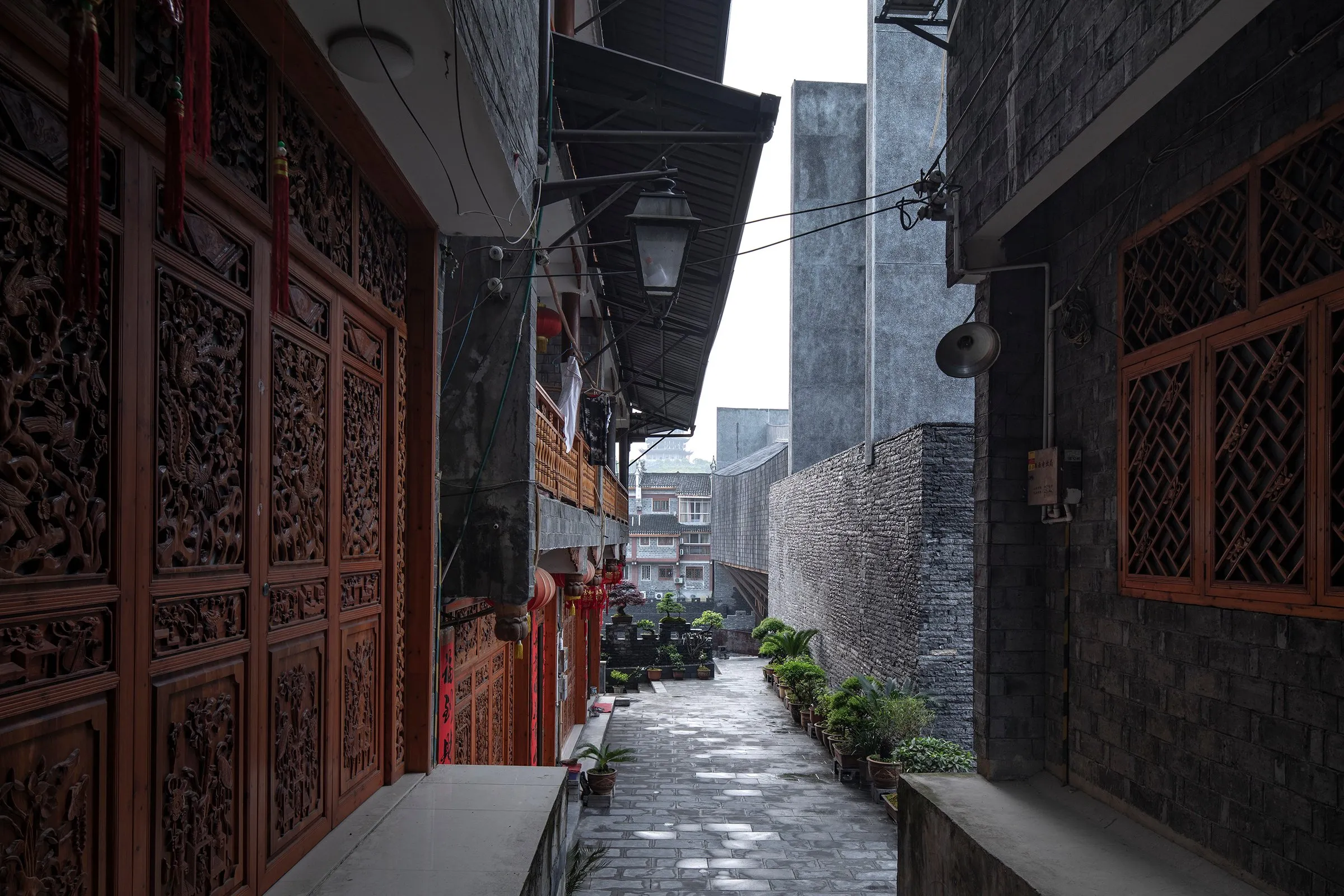
Cultural buildings in the country are often freestanding monuments set apart from their communities. Here the museum is slotted into the existing row of riverside buildings, where shops, restaurants and guesthouses line the street with owners living above. Its entrances on both banks become part of these mixed-use frontages and of everyday life.
Covered bridges have a long tradition in the region. Known as wind-and-rain bridges, they are not only crossings but public rooms where travellers rest and vendors set up stalls. The project reinterprets this type, adding art to the programme while keeping the passage and the pause, and translating its forms into a contemporary language.
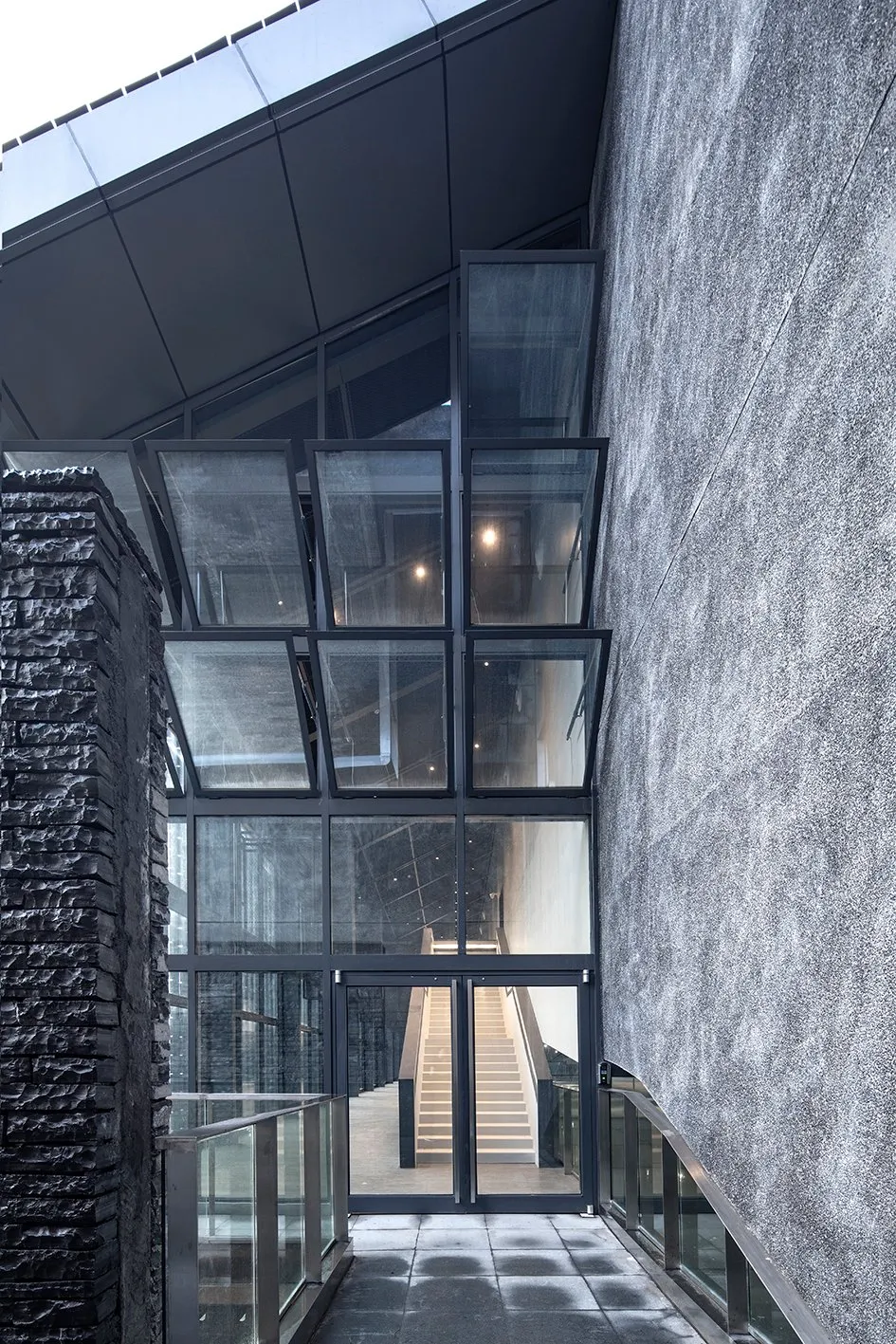
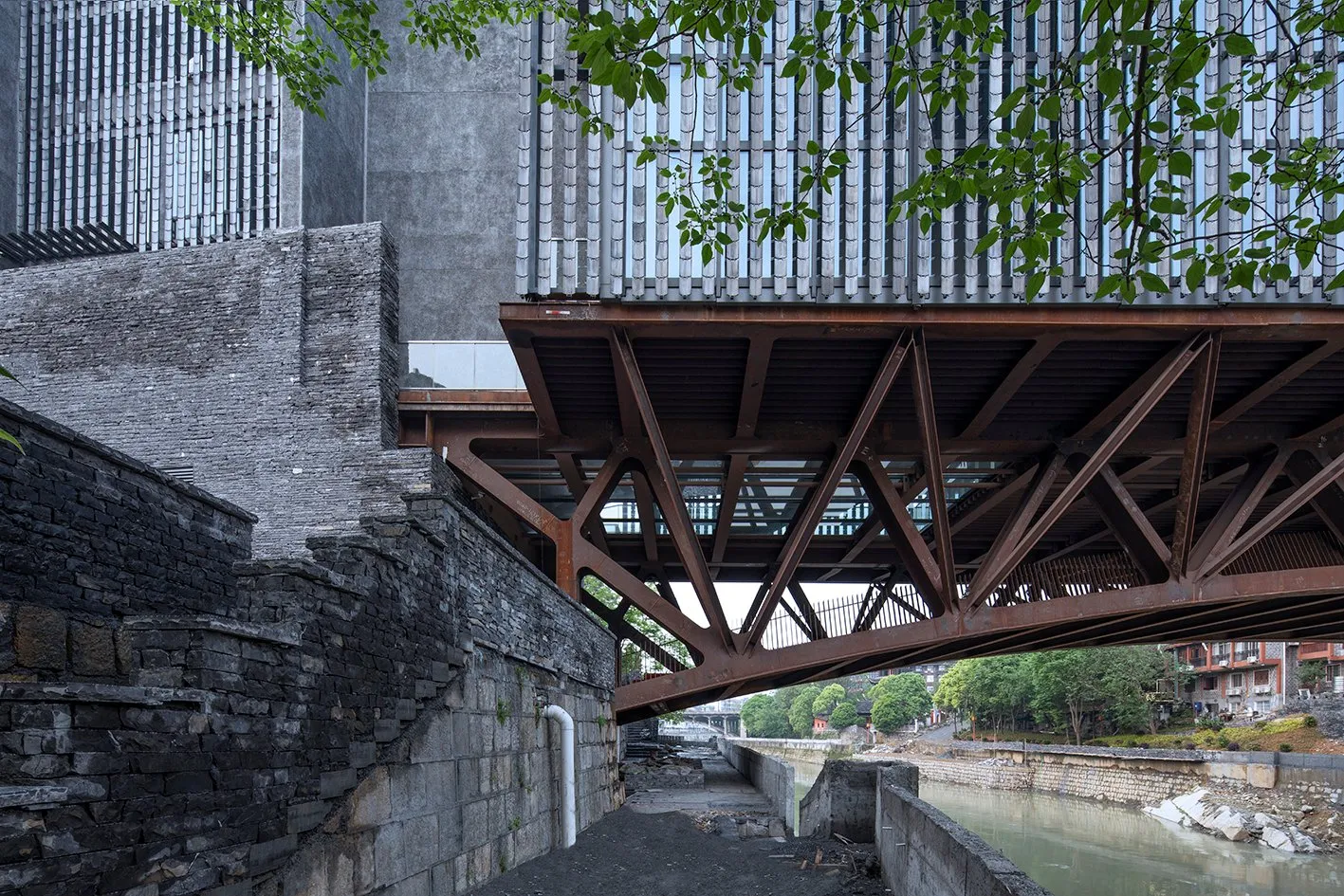
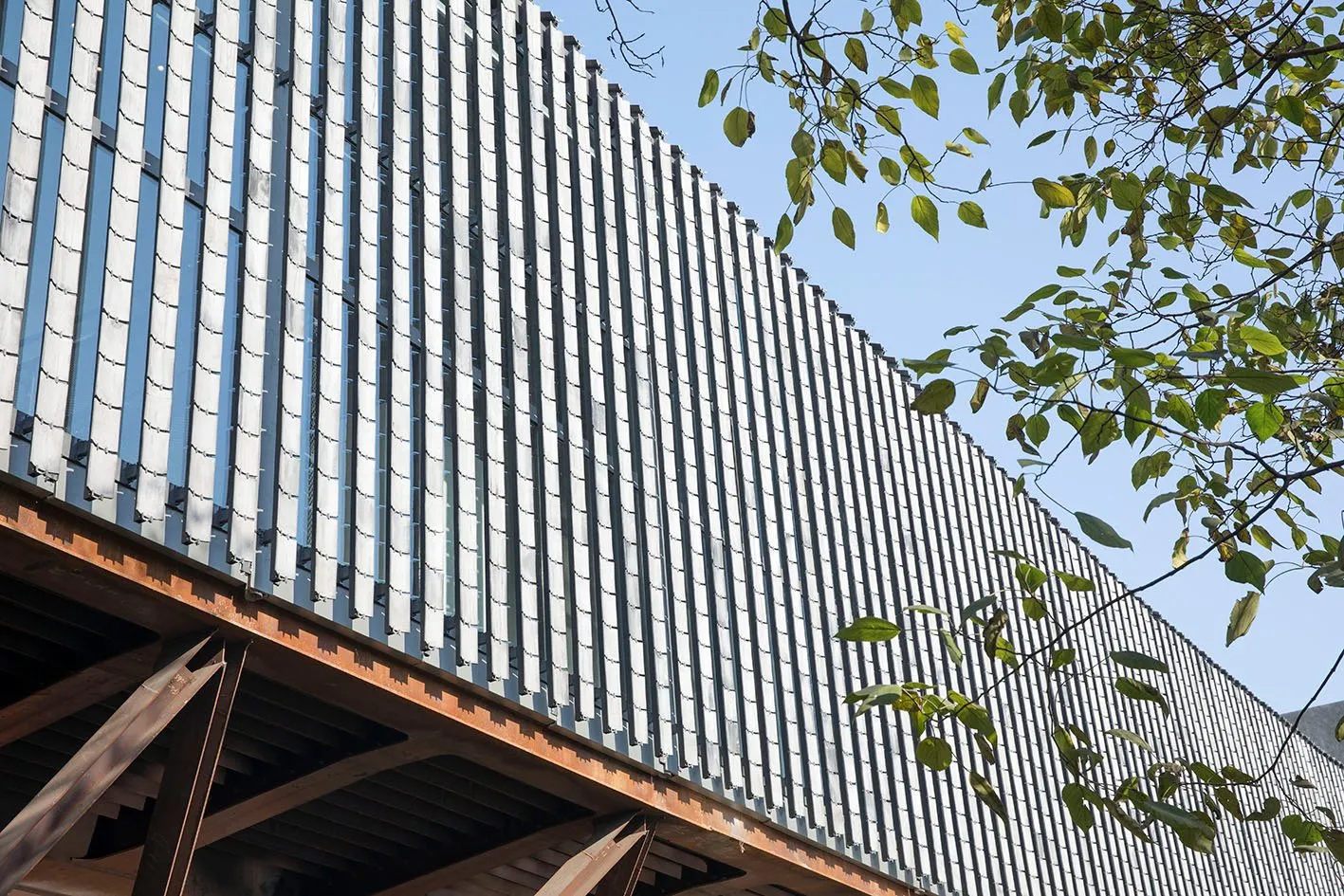
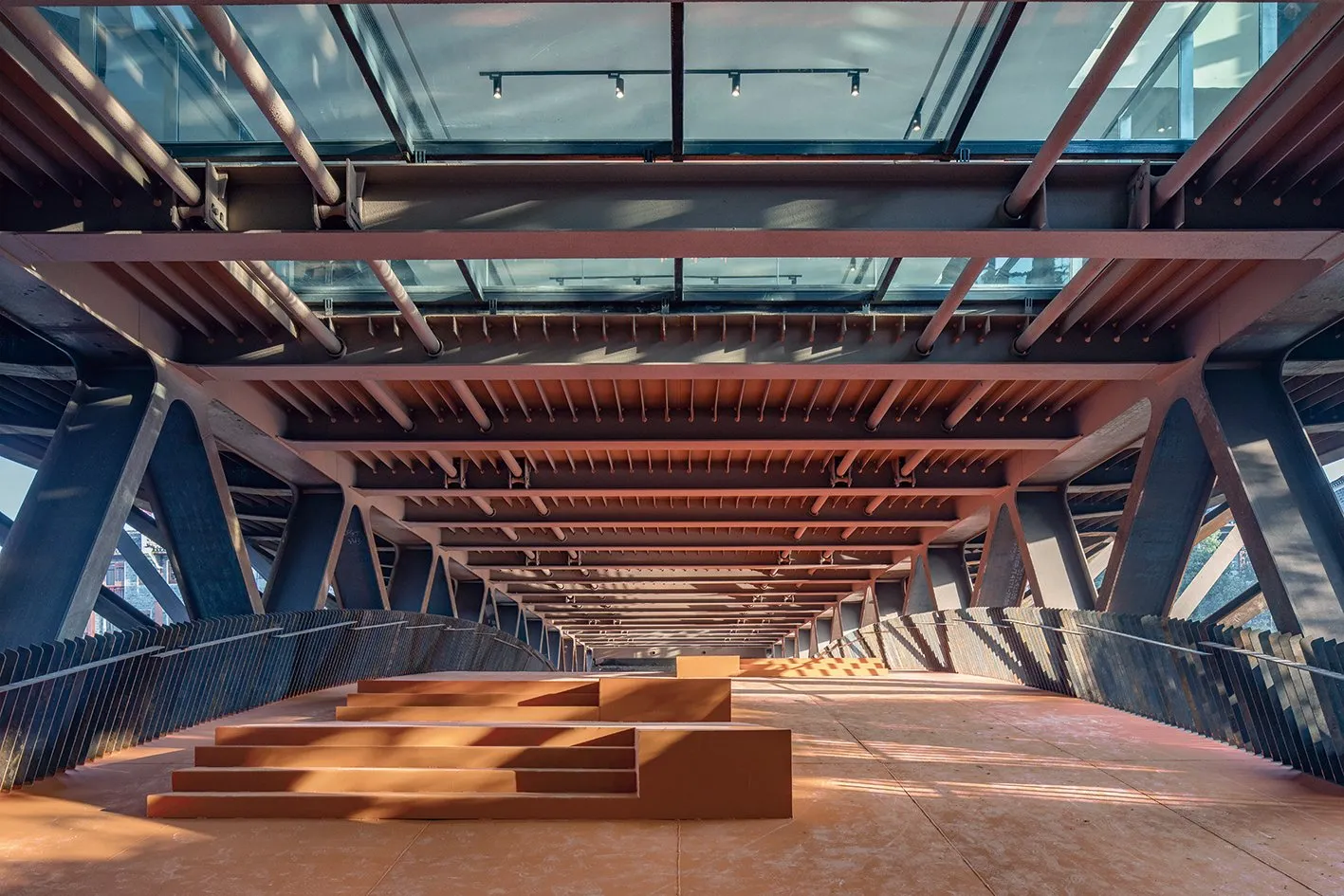
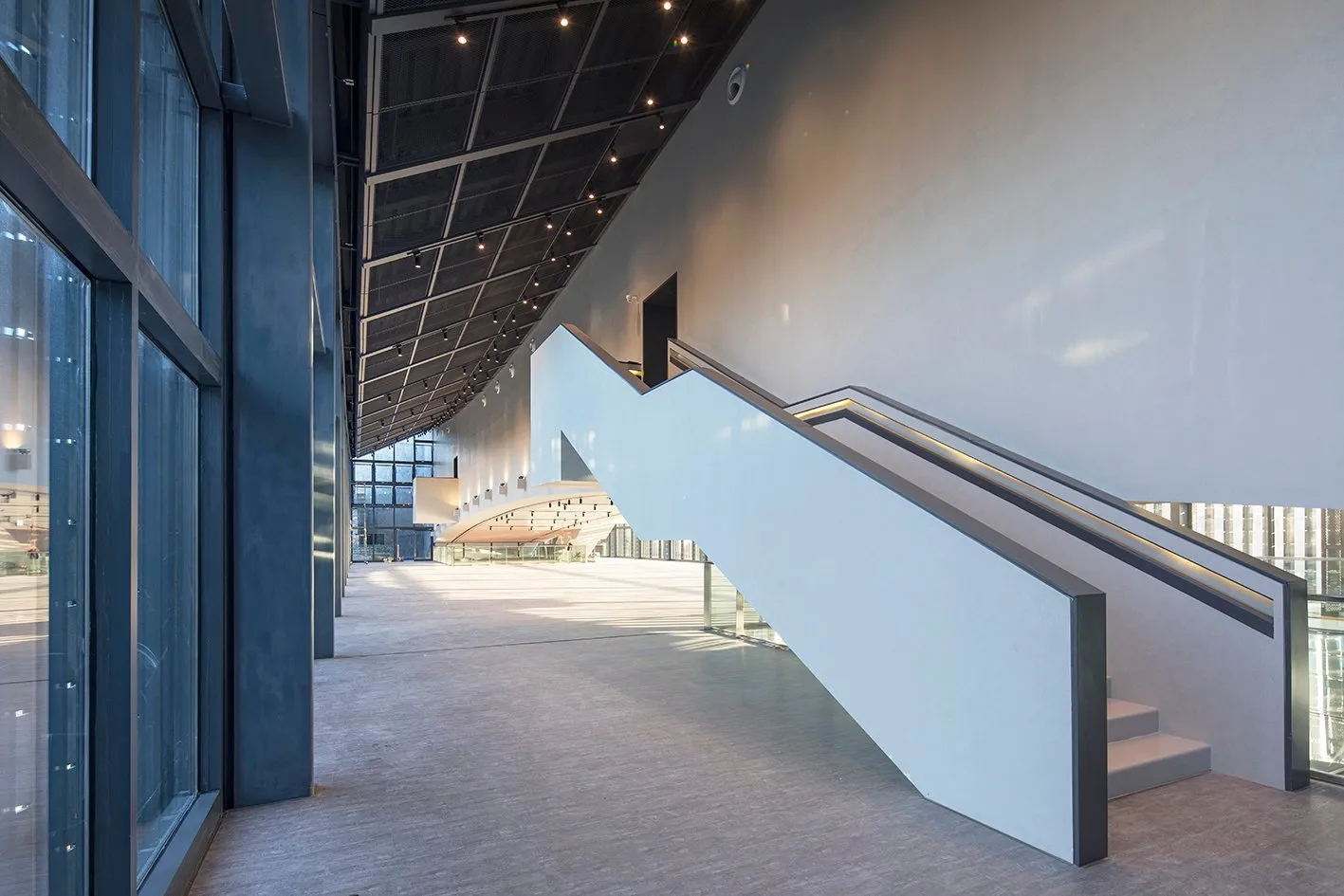
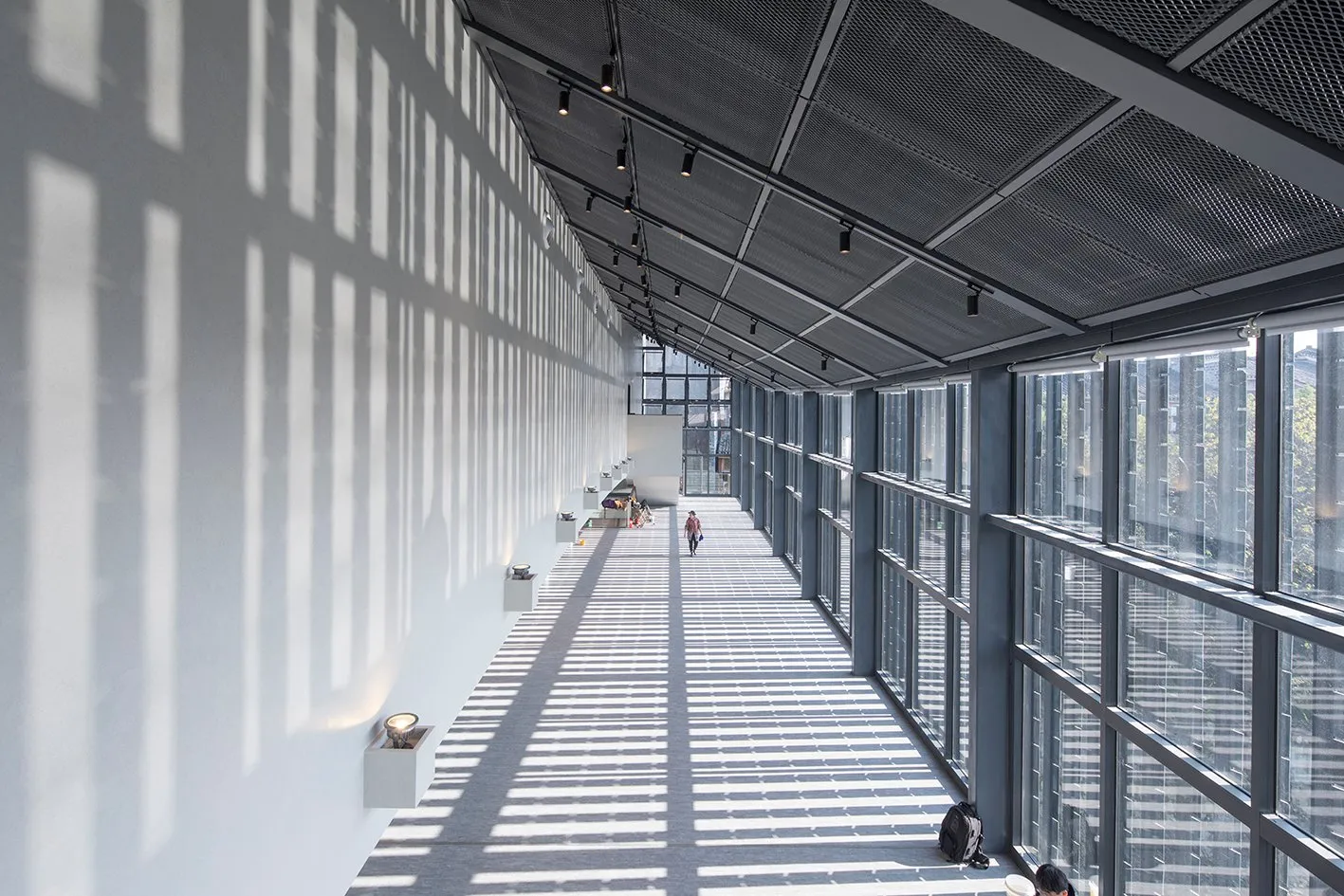
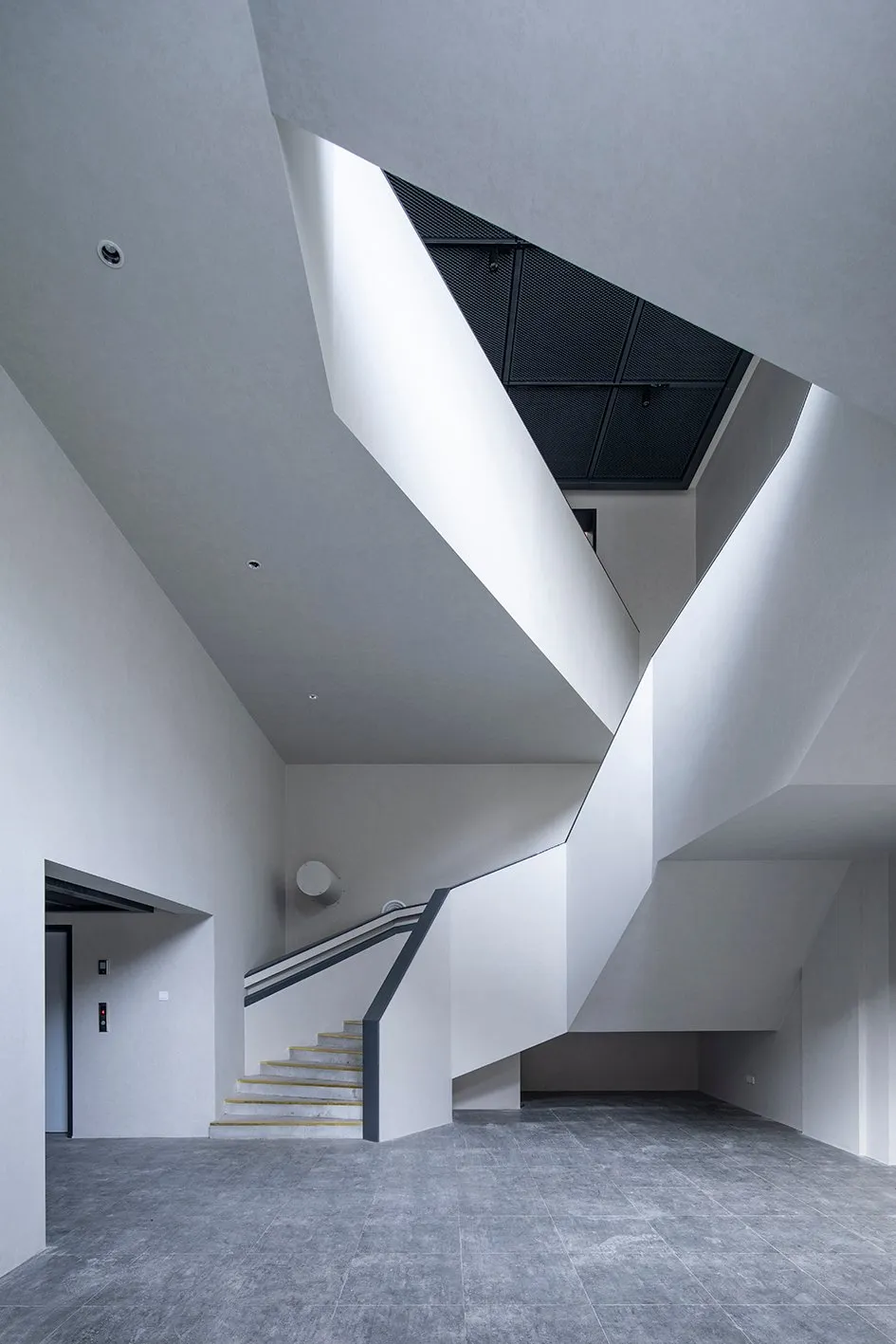
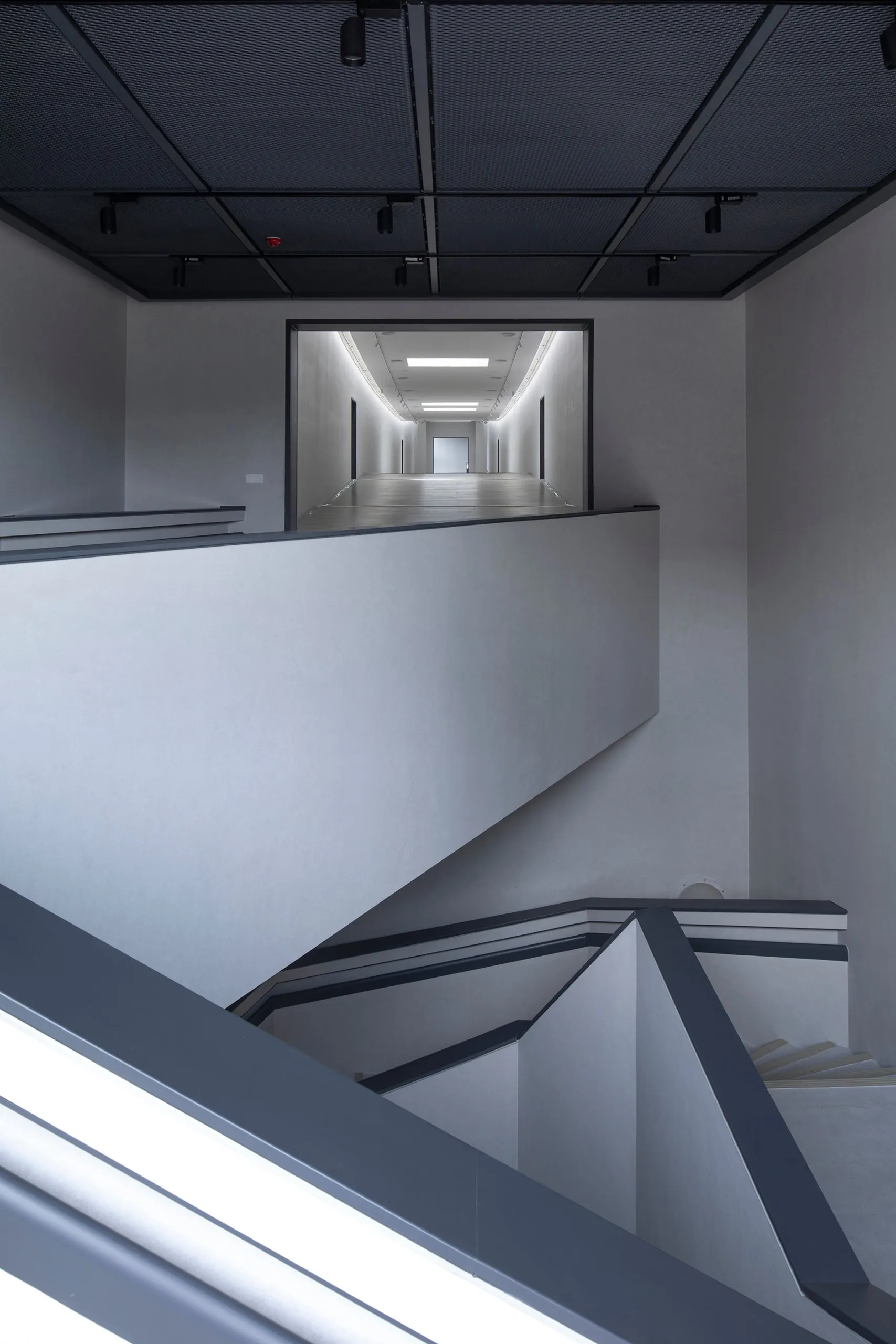
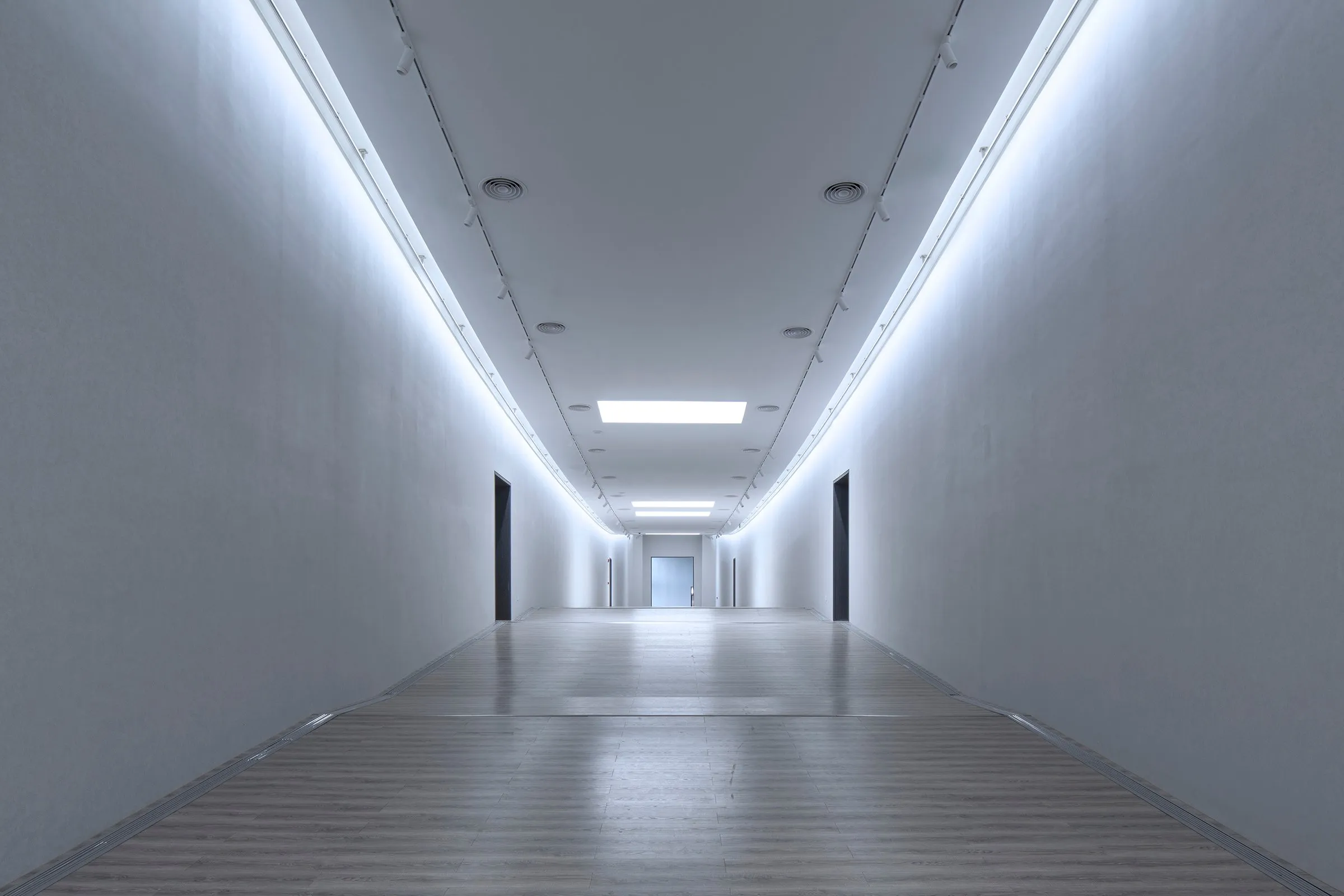
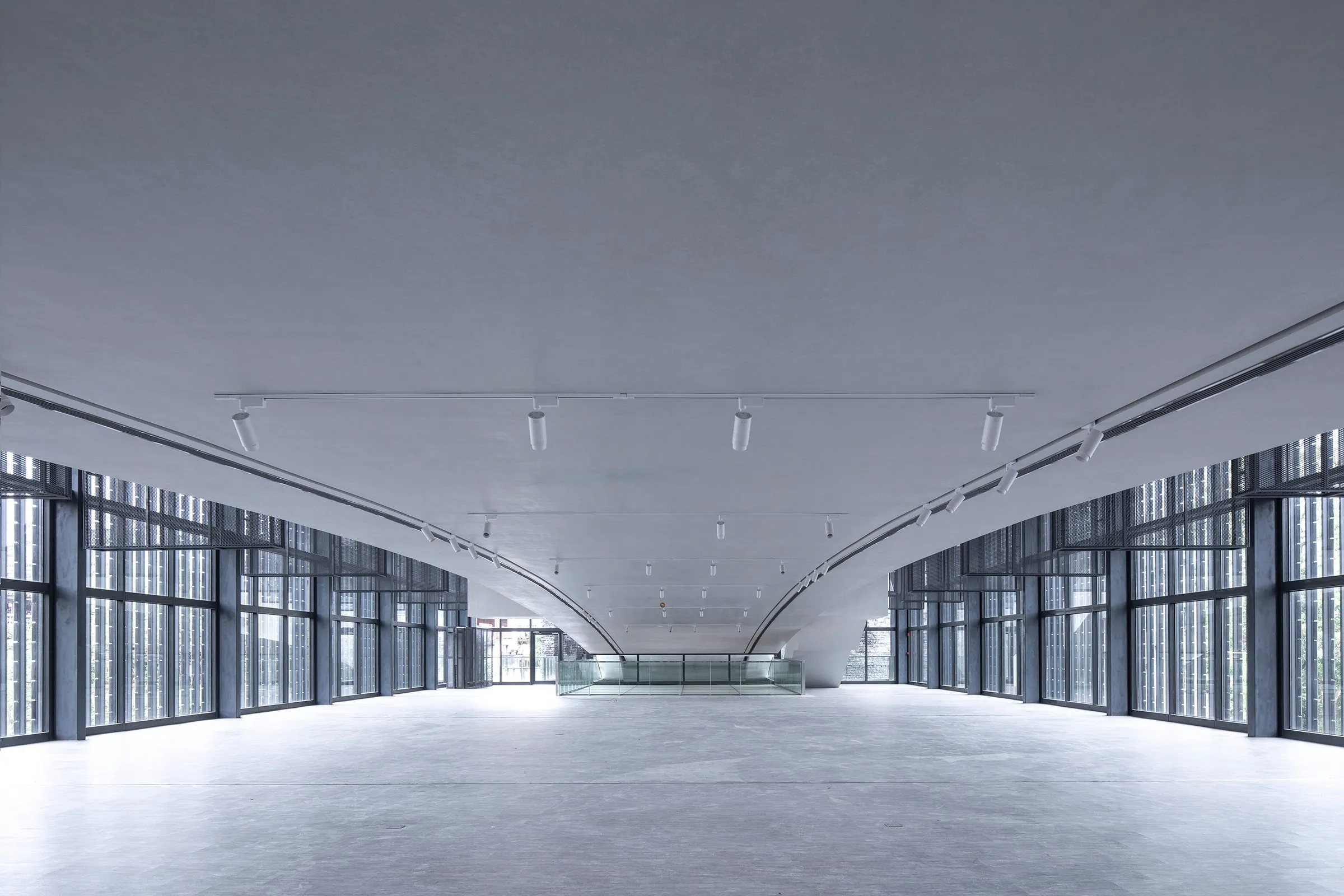
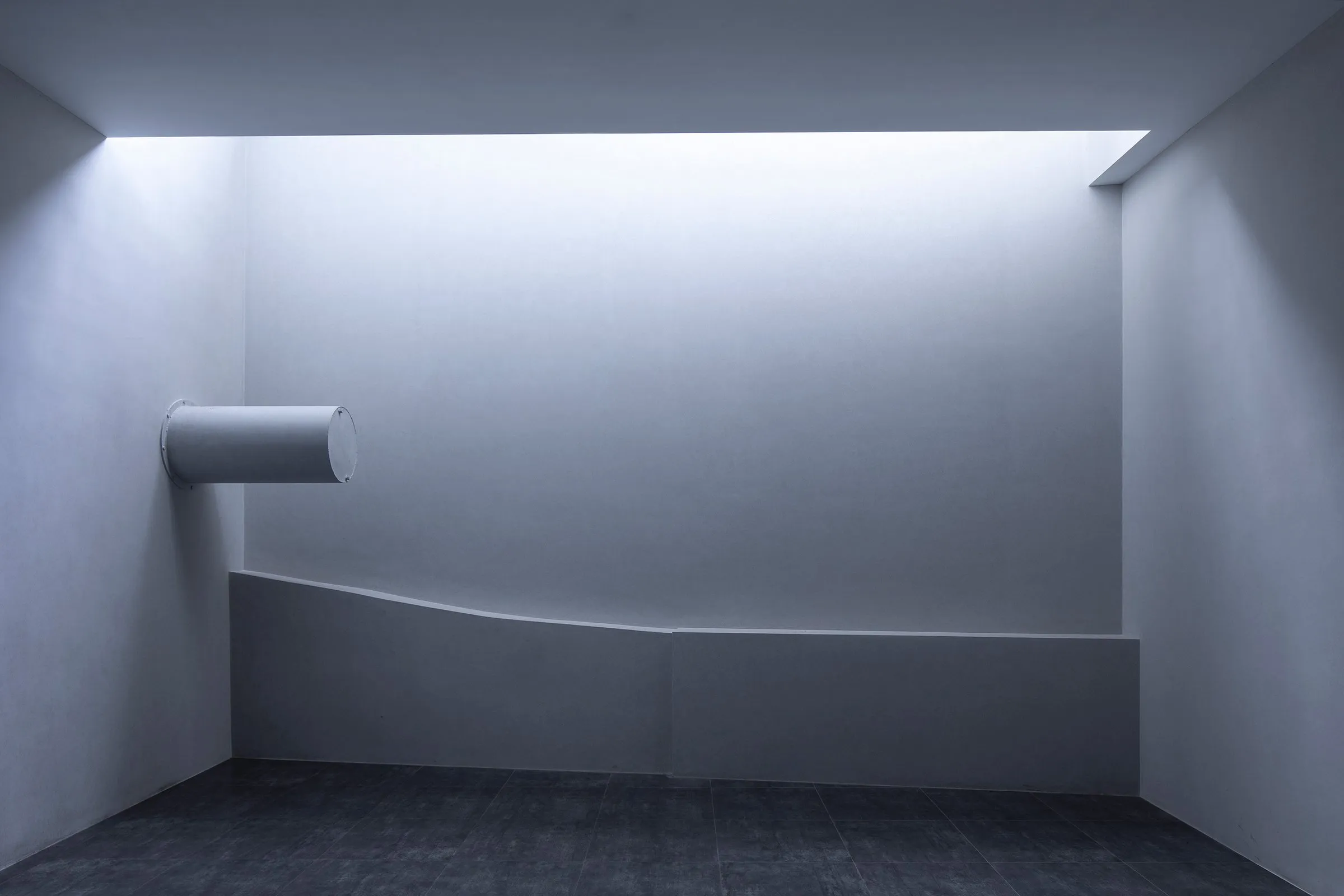
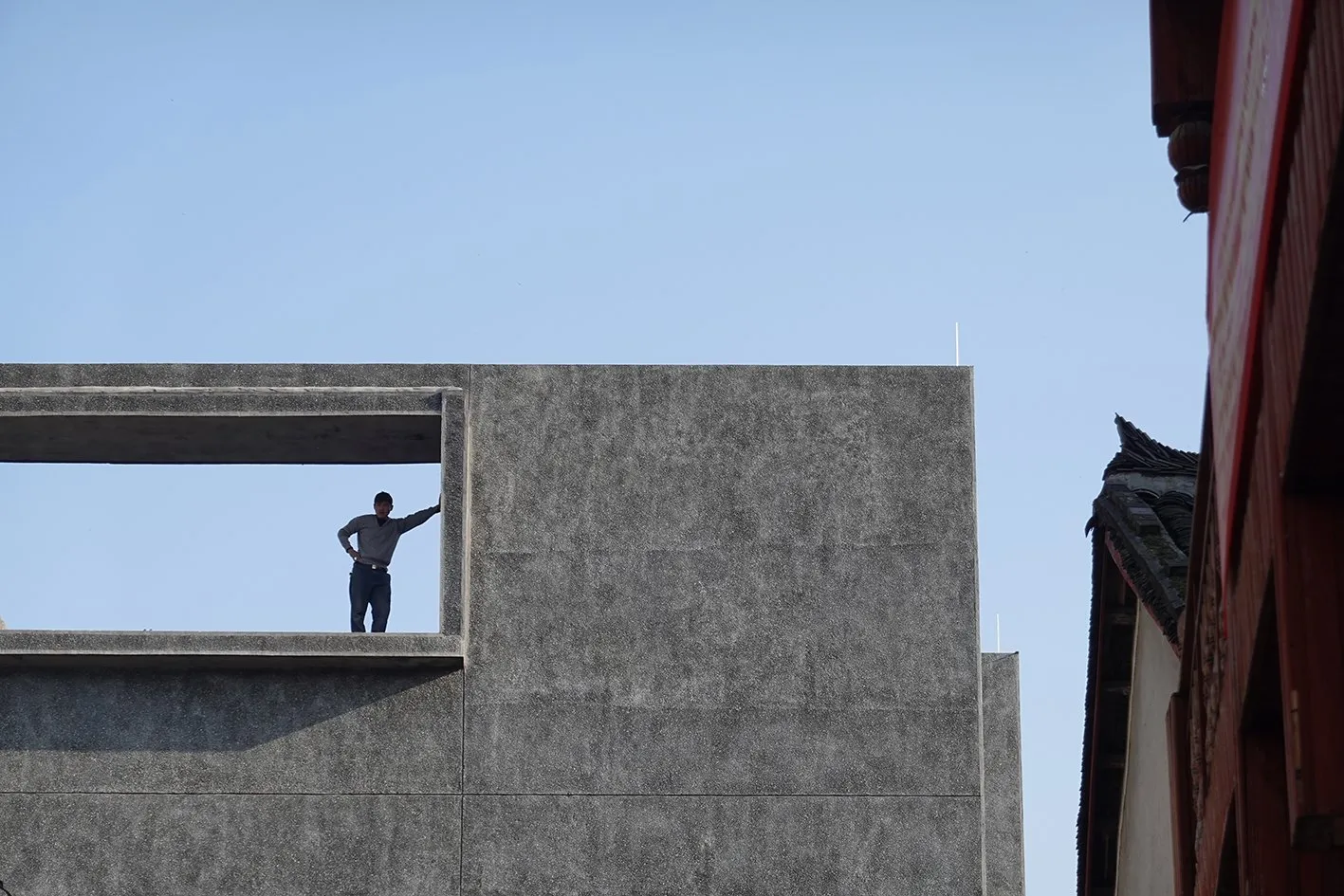
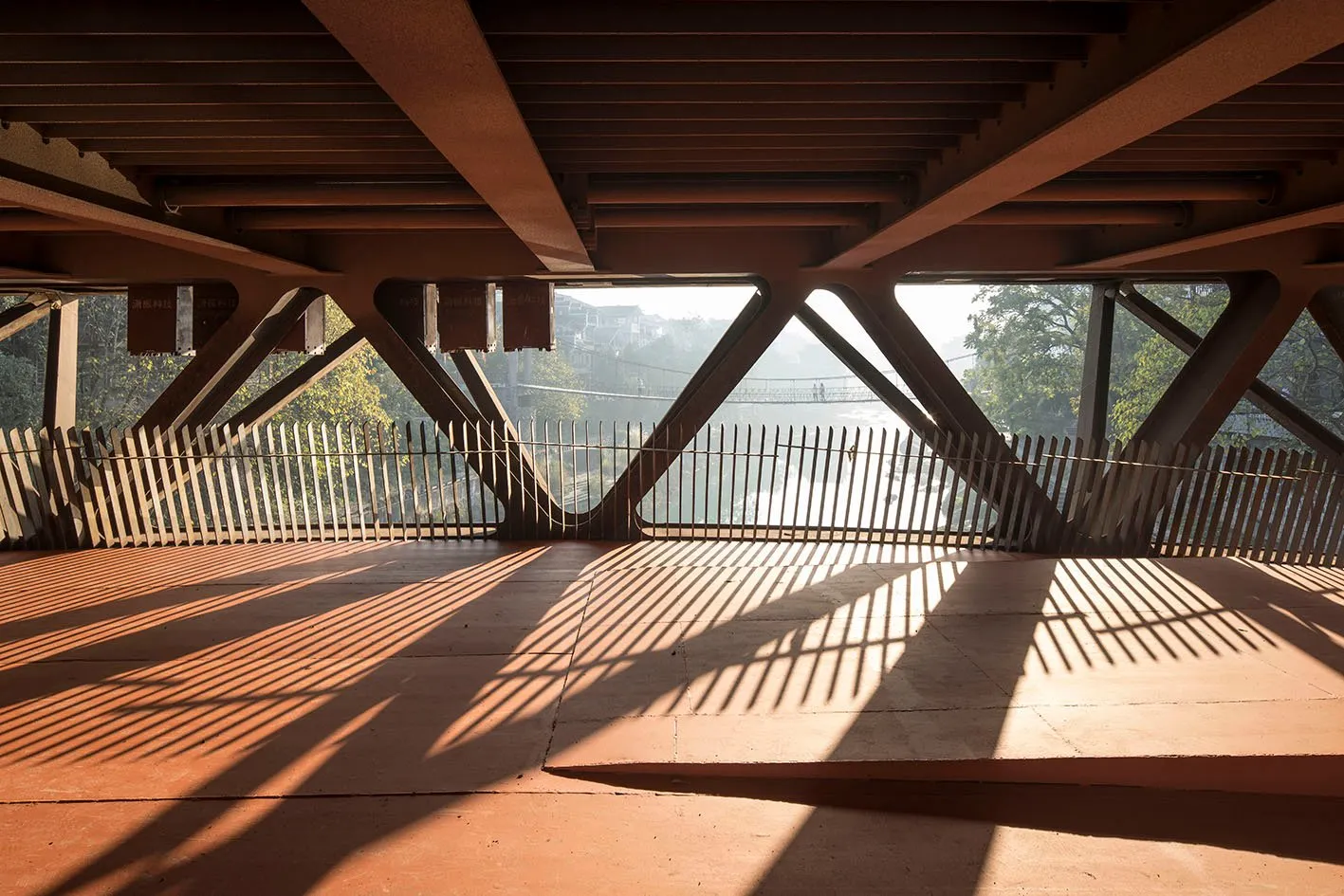
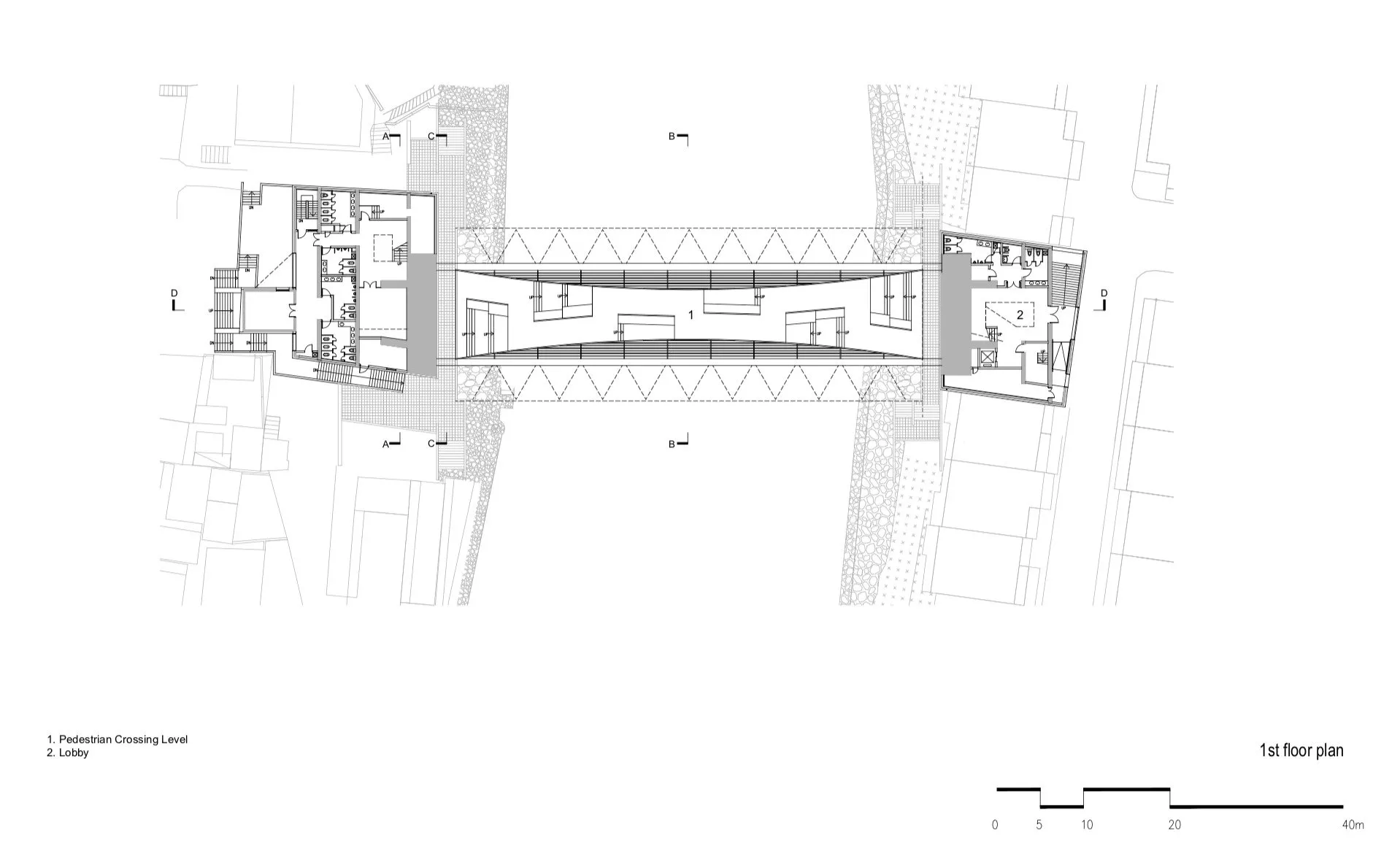
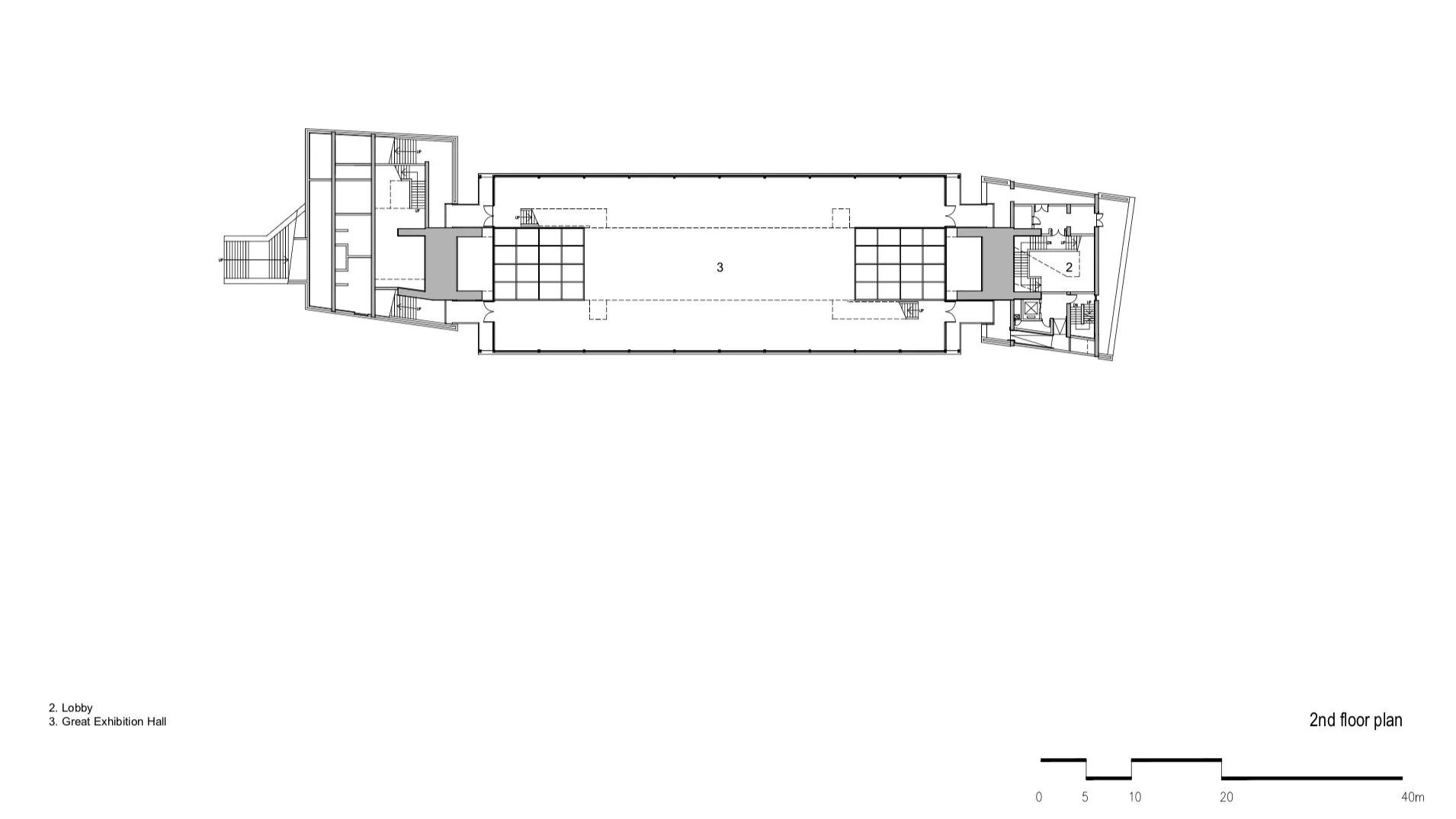
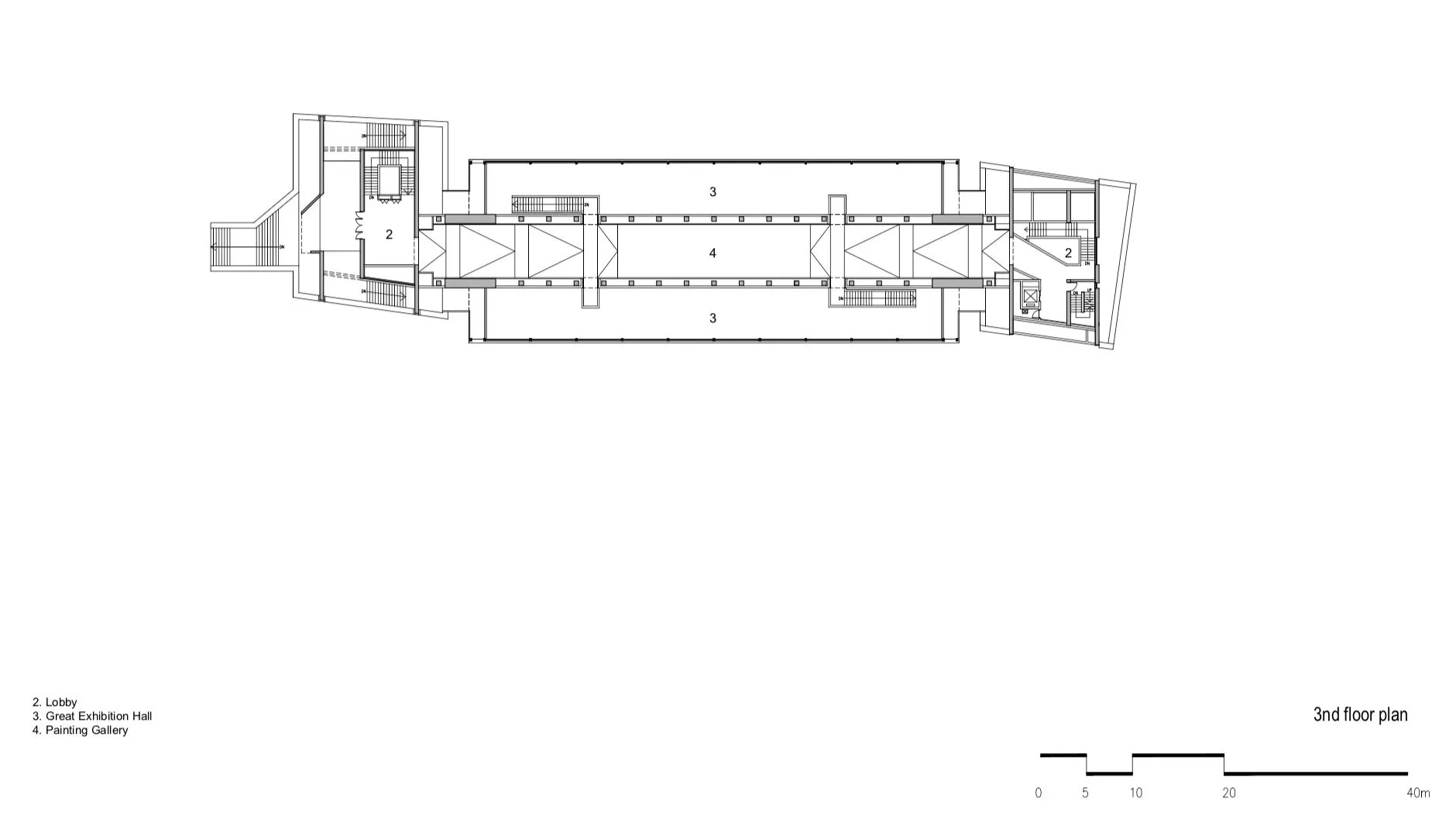
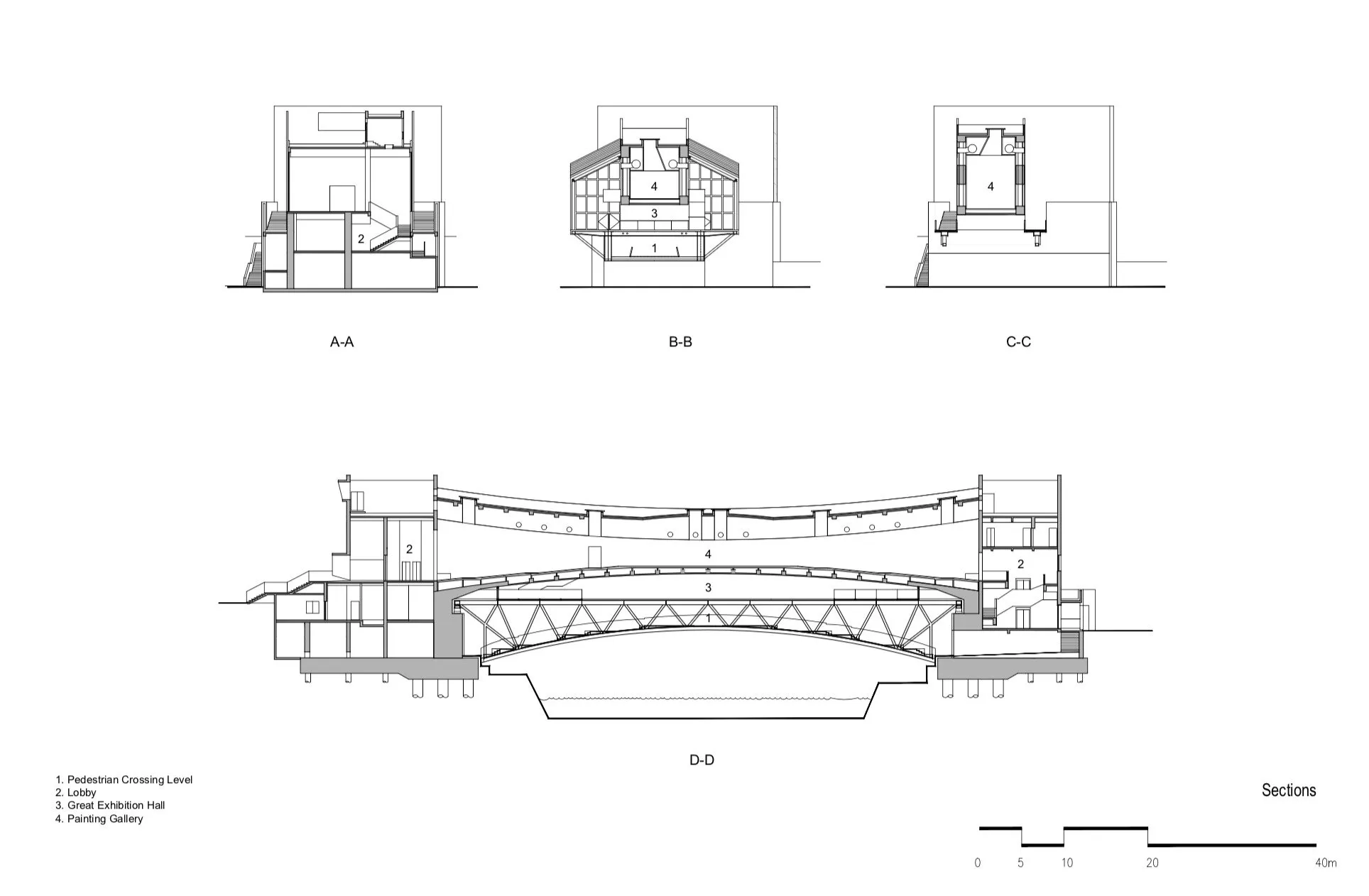
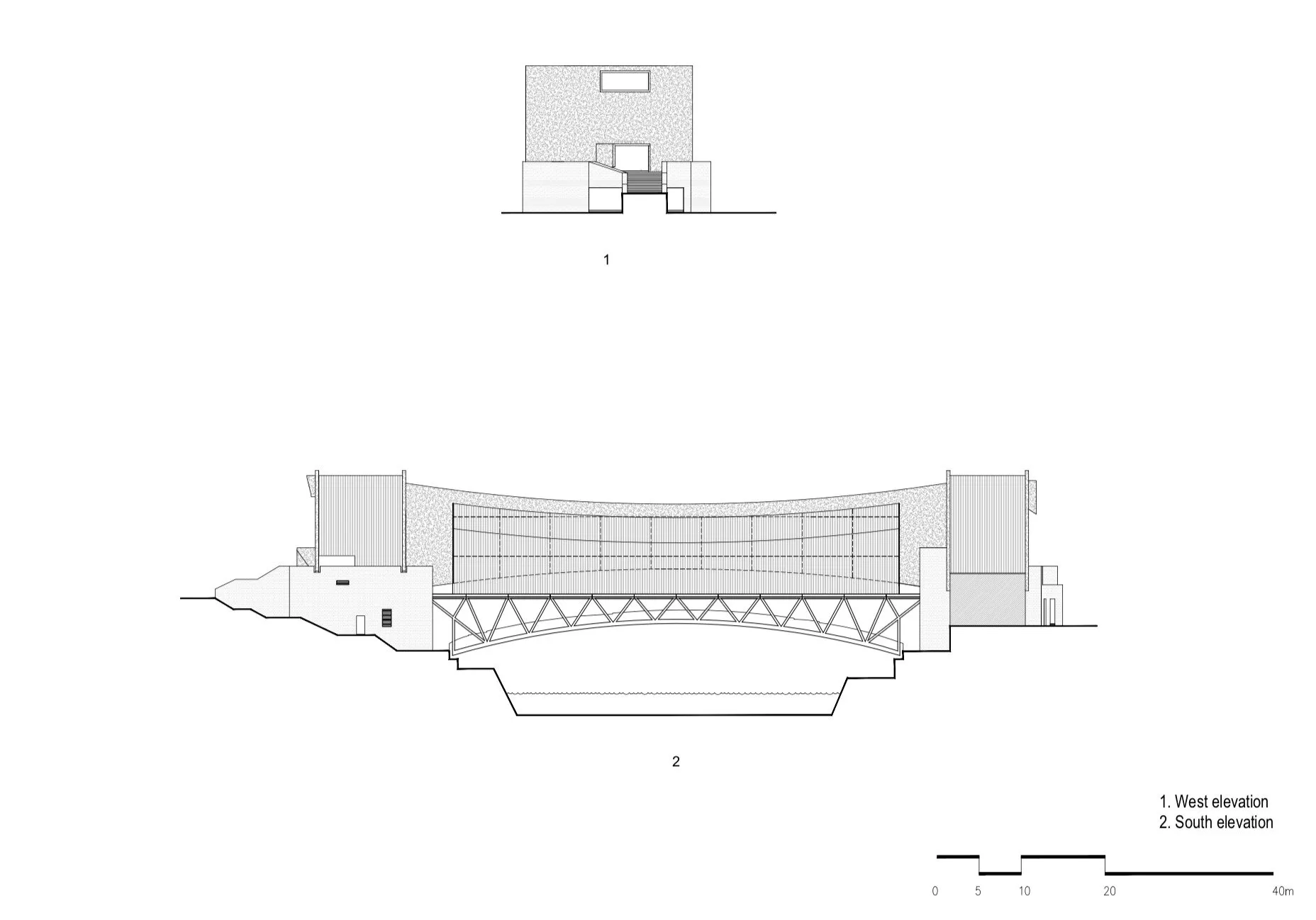
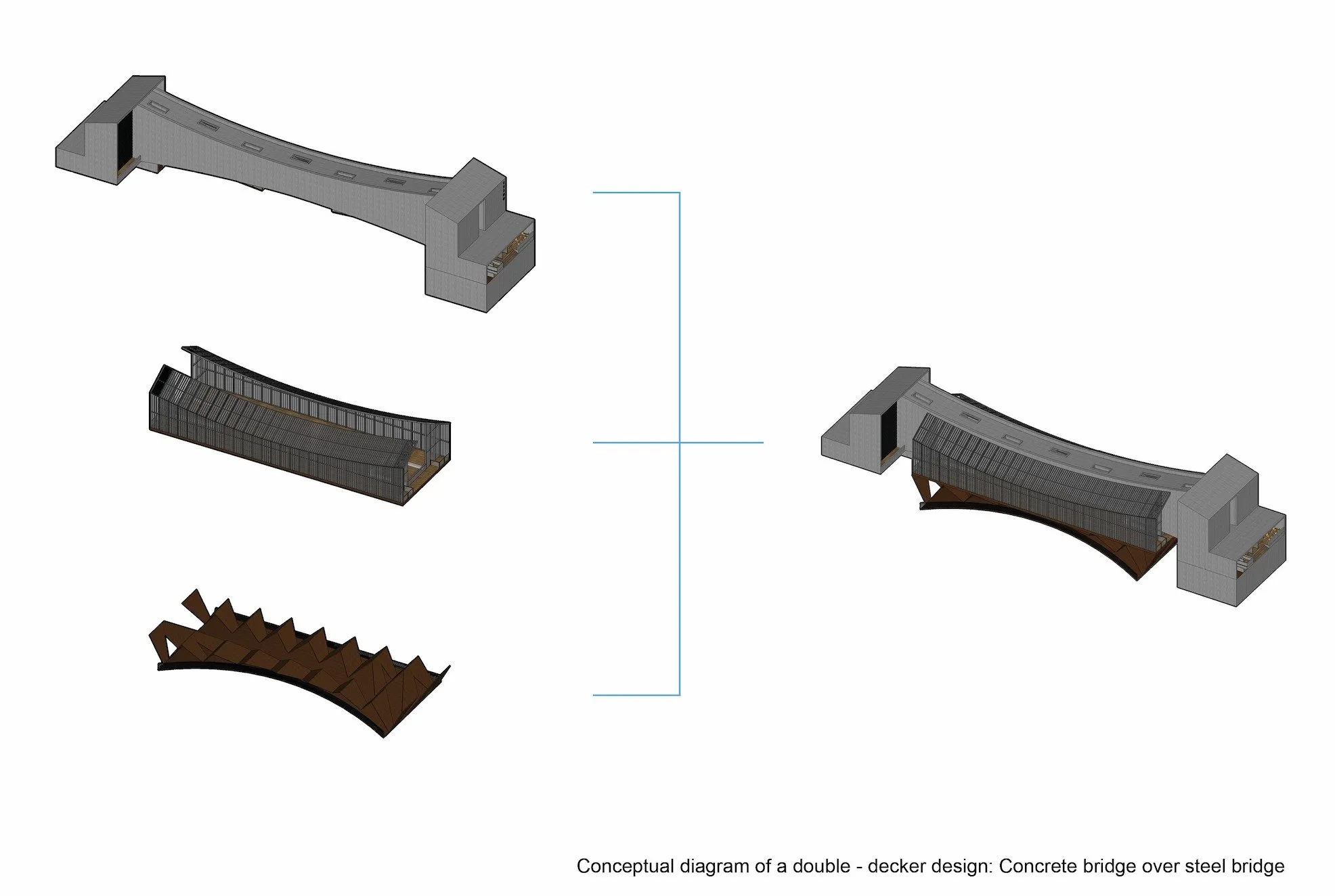
The building is made of two bridges stacked on top of each other. The lower one is an open steel truss that works as a roofed street for pedestrians and lets floodwater pass. The upper one is an in-situ concrete arch containing a painting gallery. Between them, glazed walls and a tiled shading system enclose the main hall for temporary exhibitions.
Supporting spaces such as the entrance hall, offices, shop and tearoom sit in the two bridgeheads, so visitors can enter from either bank. The museum was initiated and funded by a well-known painter from the town and completed in April 2019.
Project Information
- Design studio
- Atelier FCJZ
- Area
- 3535 m²
- Time
- 2019
- Type
- Cultural
Comments