Final Wooden House
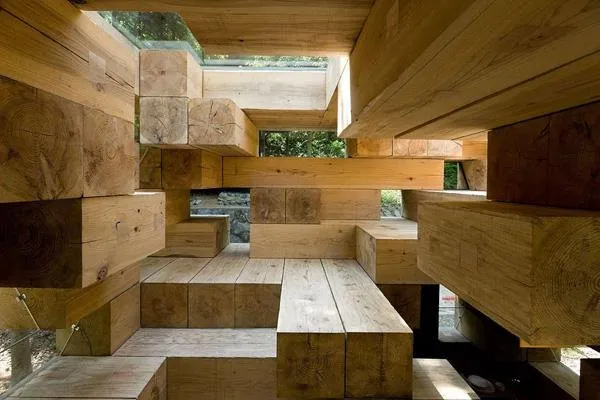
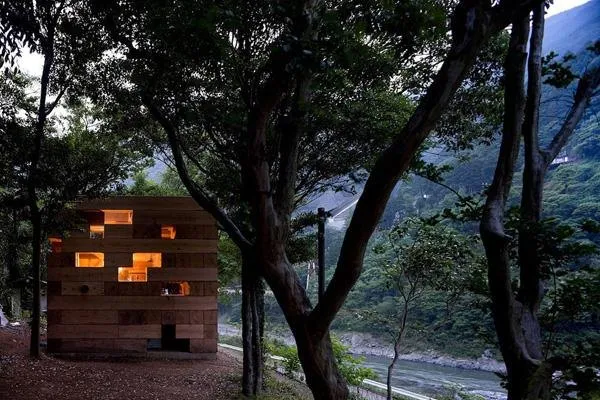
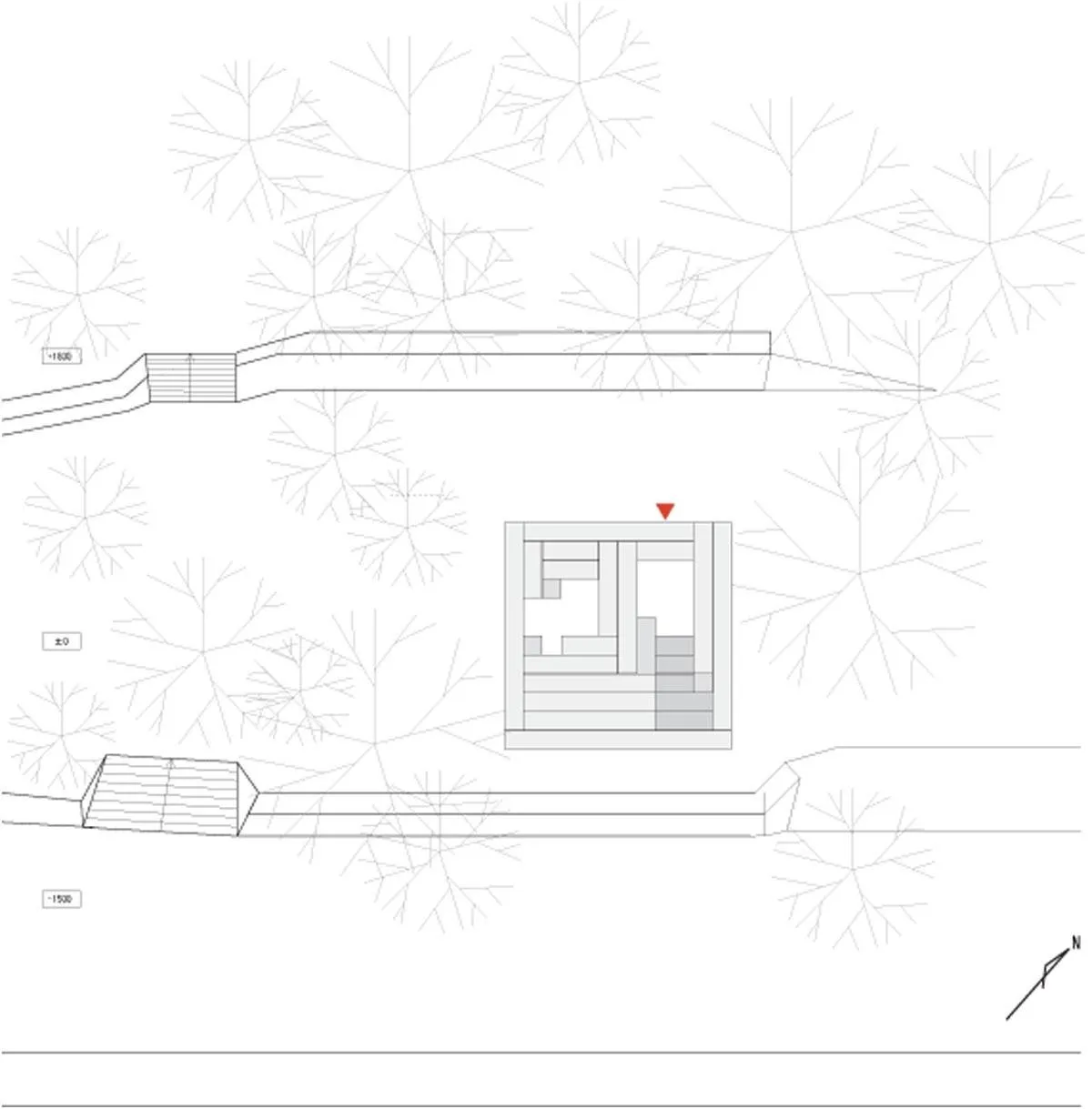
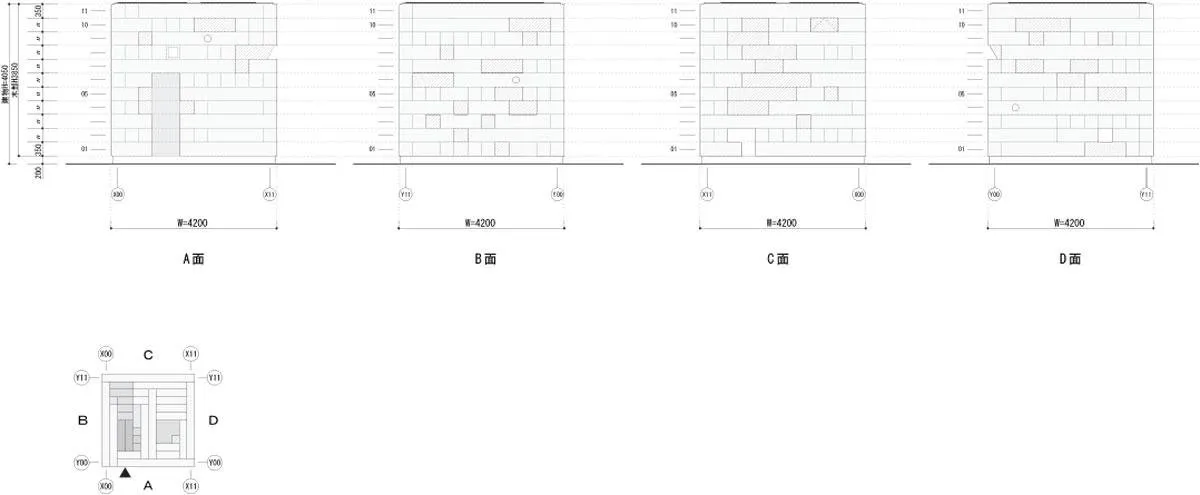
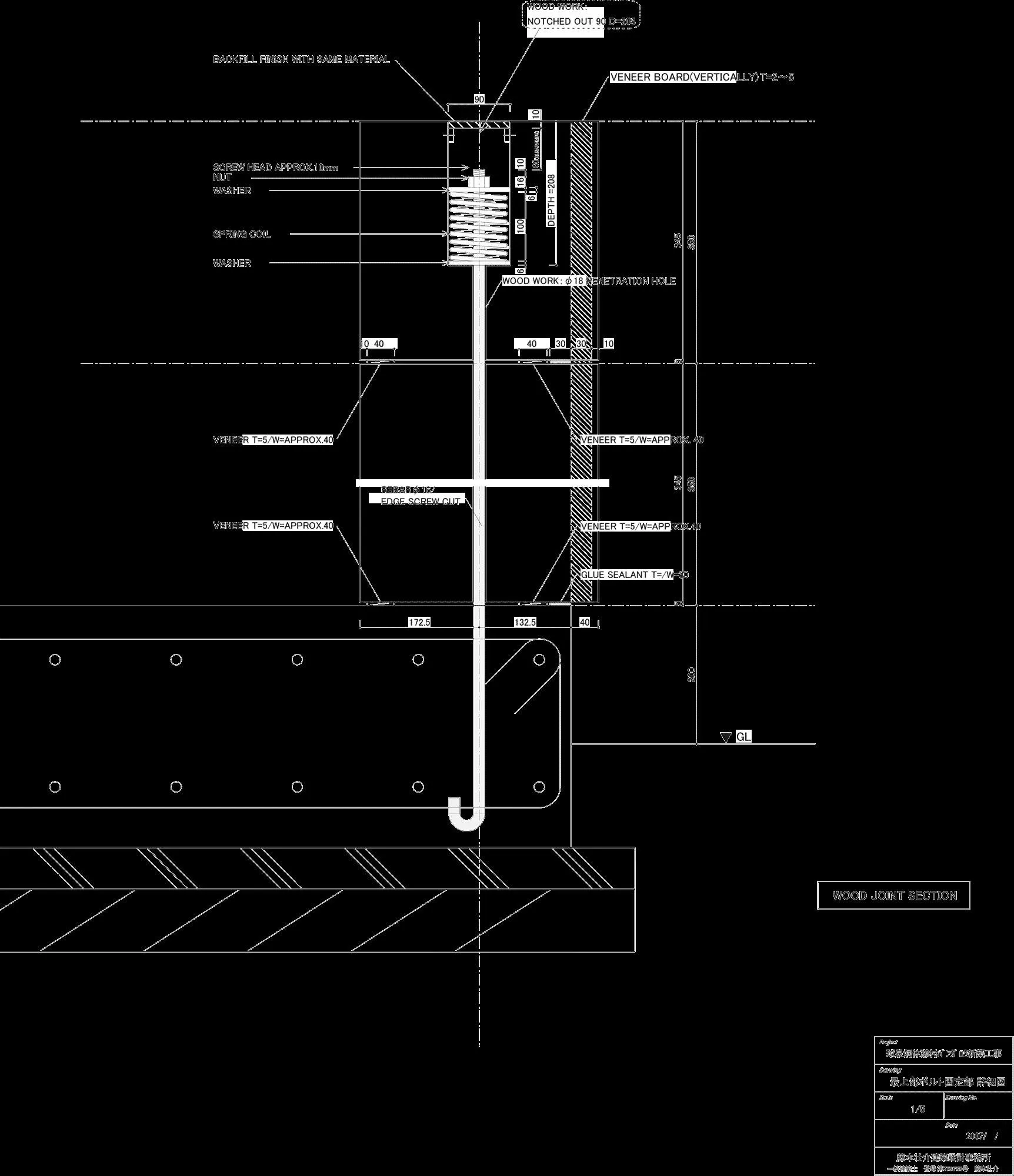
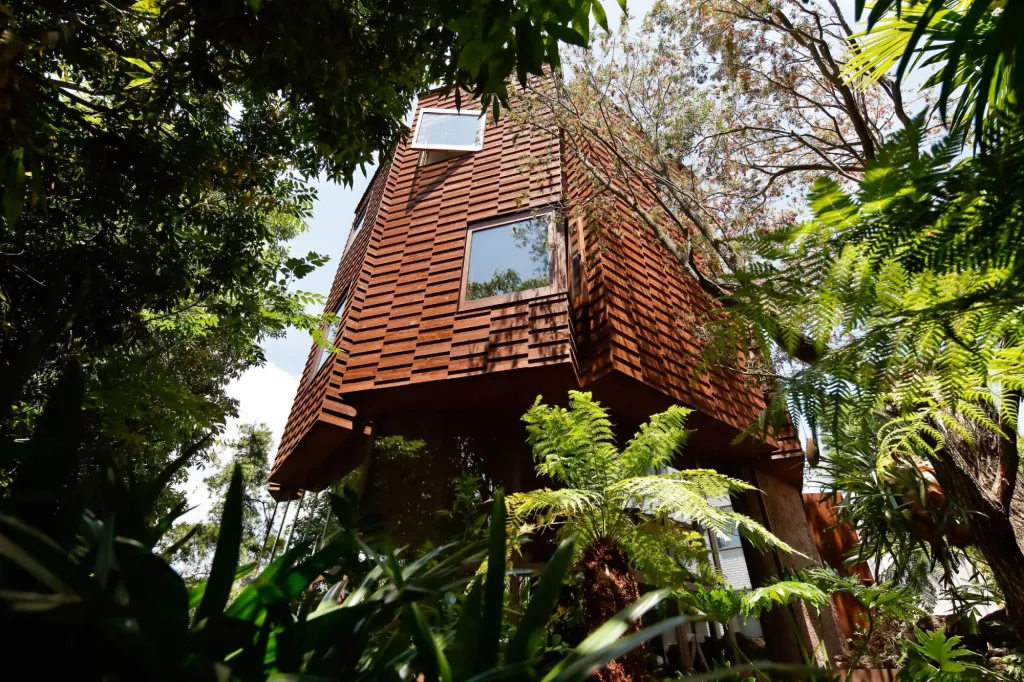
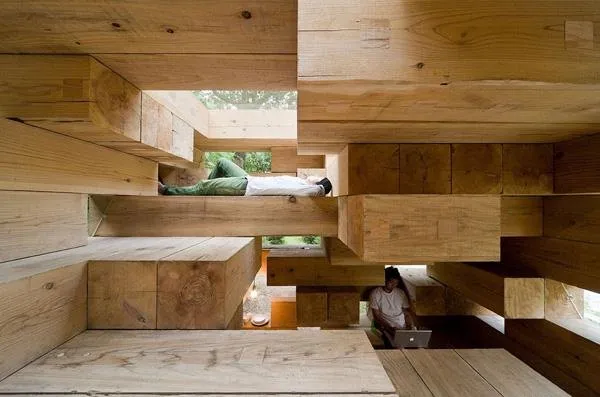
The design team set out to make an ultimate wooden architecture. They saw this small cabin, a primitive house of sorts, as the chance to make something both primal and new. Cedar beams of 350 mm square section are piled up again and again, until what remains is a prototypical place from before architecture became architecture.
Wood is remarkably versatile, and conventional timber buildings use it in different ways in different places: for columns and beams, but also for foundations, walls, ceilings, floors, insulation, furniture, stairs and window frames. If wood can do all that, the team argued, it should also be possible to meet every function through a single process and a single way of using it, turning versatility inside out. The result keeps an undivided whole, from a time before function and role split apart.
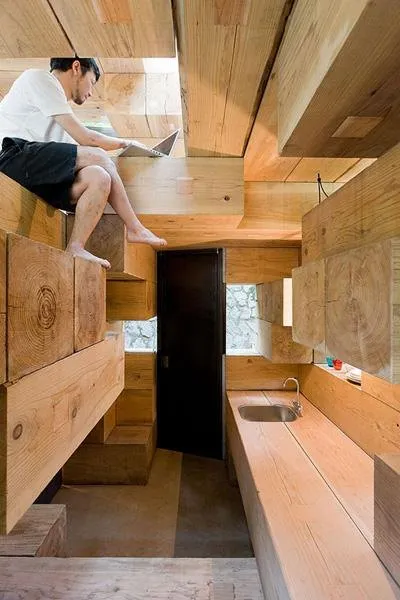
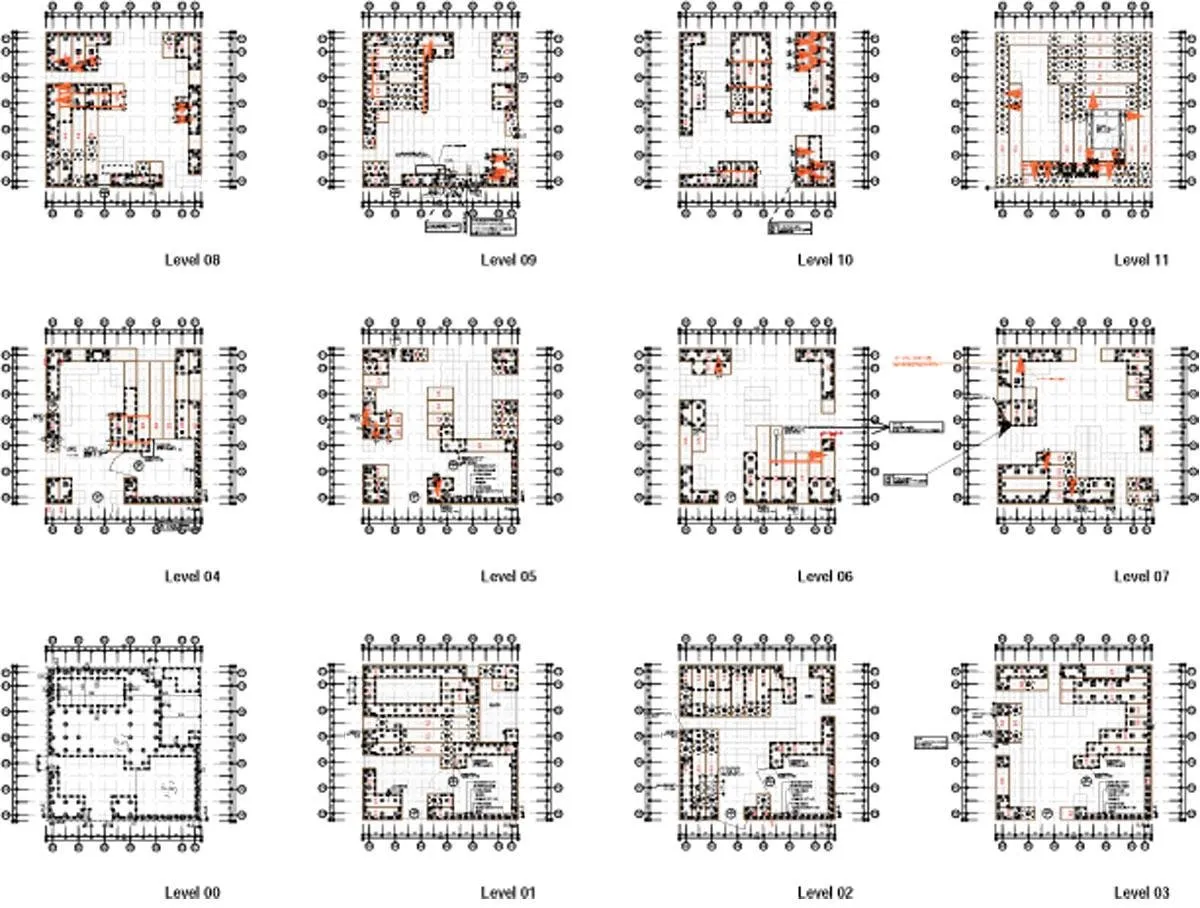
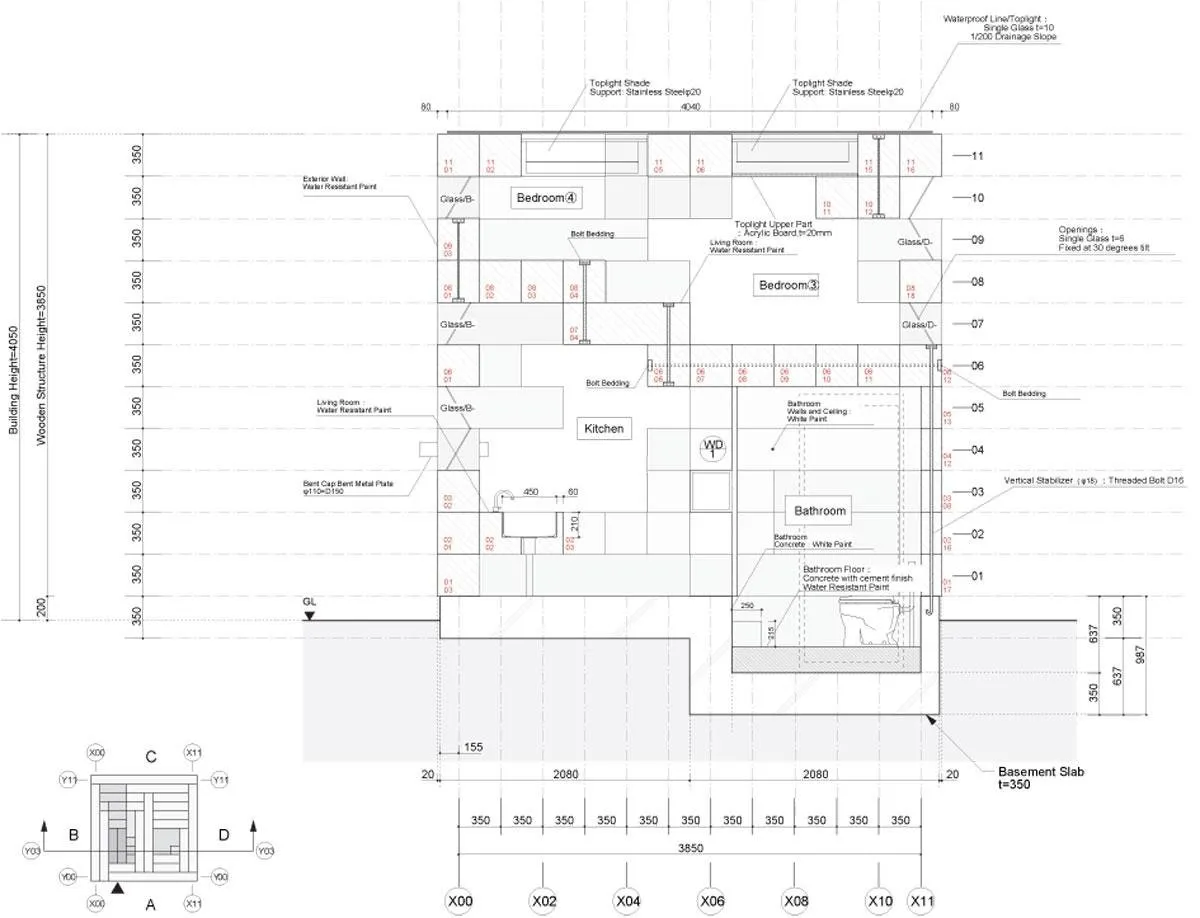
At 350 mm, the cedar becomes something other than ordinary wood. The size still reads as timber, yet it also matches the scale of the human body, and space is built up in 350 mm steps. These stepped levels create a relativity of position and a range of distances that flat floors cannot.
There are no separate floors, walls or ceilings here. What is a floor from one place becomes a seat, a ceiling or a wall from another. Levels are relative, and people read the space anew depending on where they stand, spread through it in three dimensions and feeling new kinds of depth. Rooms are not divided but arise by chance within the fused elements, and inhabitants find their uses in the undulations, as in a hazy landscape.
There is no plan and no fixed point. This is possible only because wood can be structure and insulation, finish and furniture at once. Rather than a new kind of timber building, the cabin is the wood itself becoming a place for people directly, something primordial from before architecture.
Project Information
- Design studio
- Sou Fujimoto Architects
- Time
- 2008
- Type
- Residential
- Primary materials
- Glass, Natural timber