
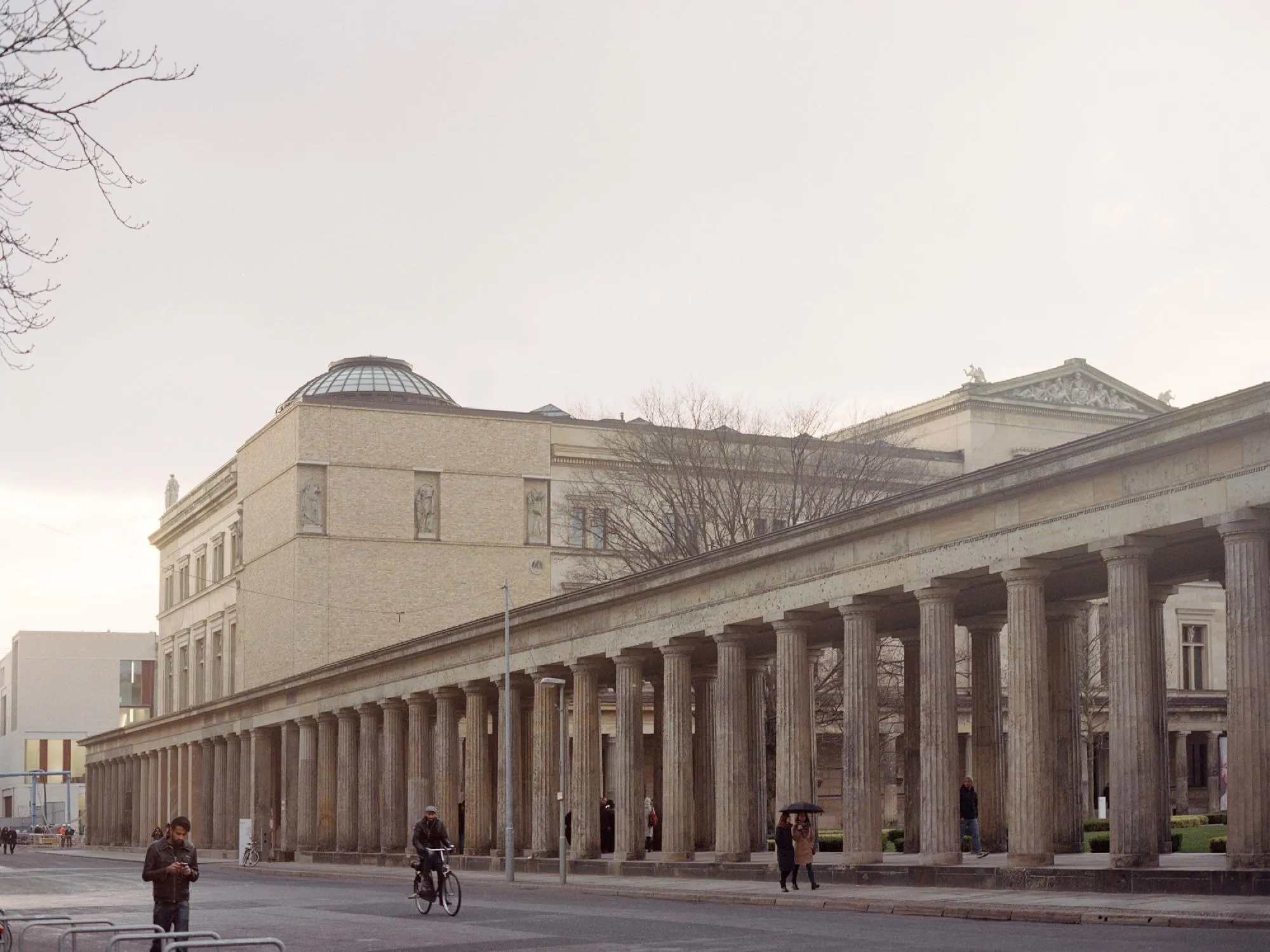
Neues Museum
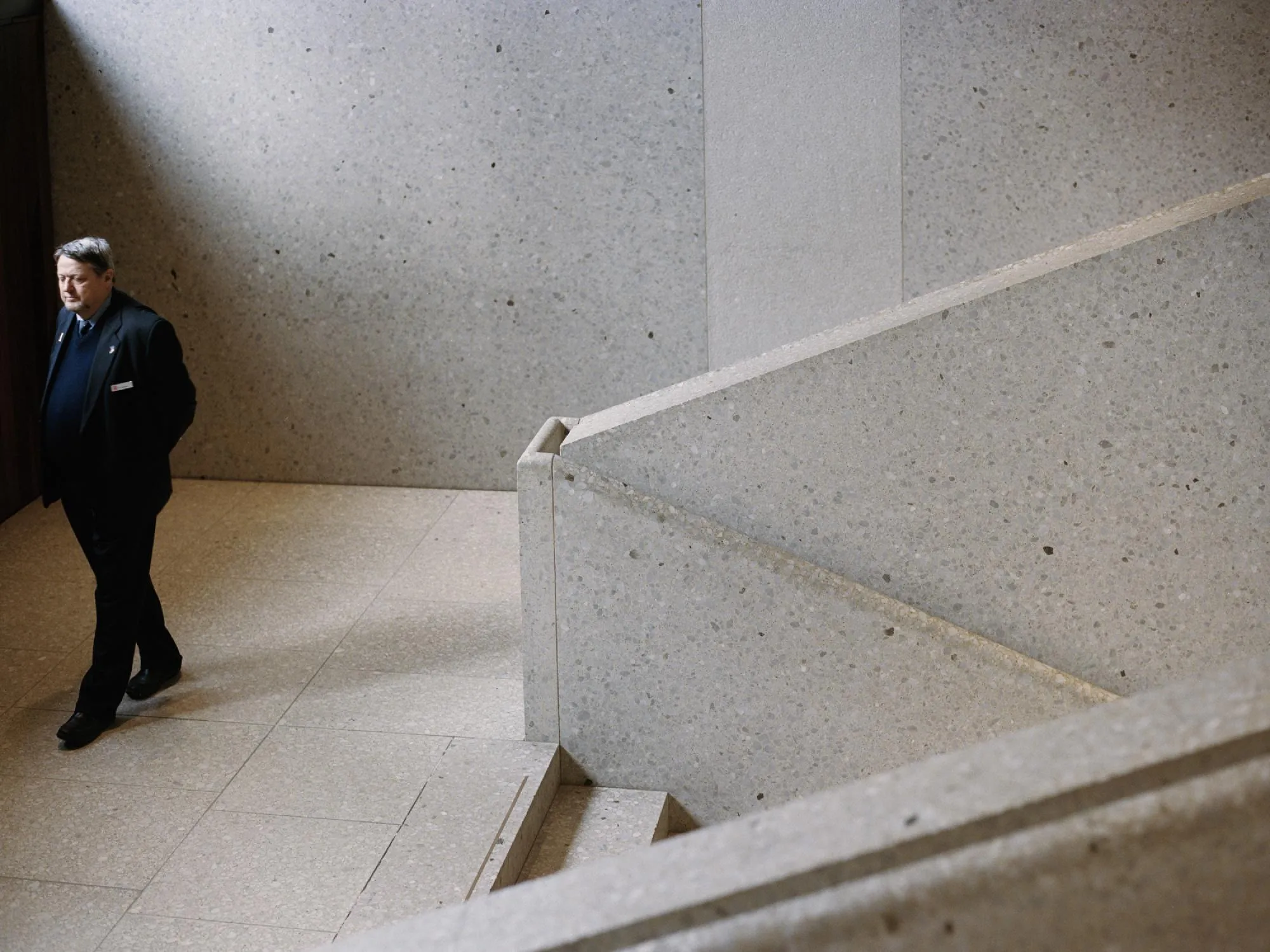
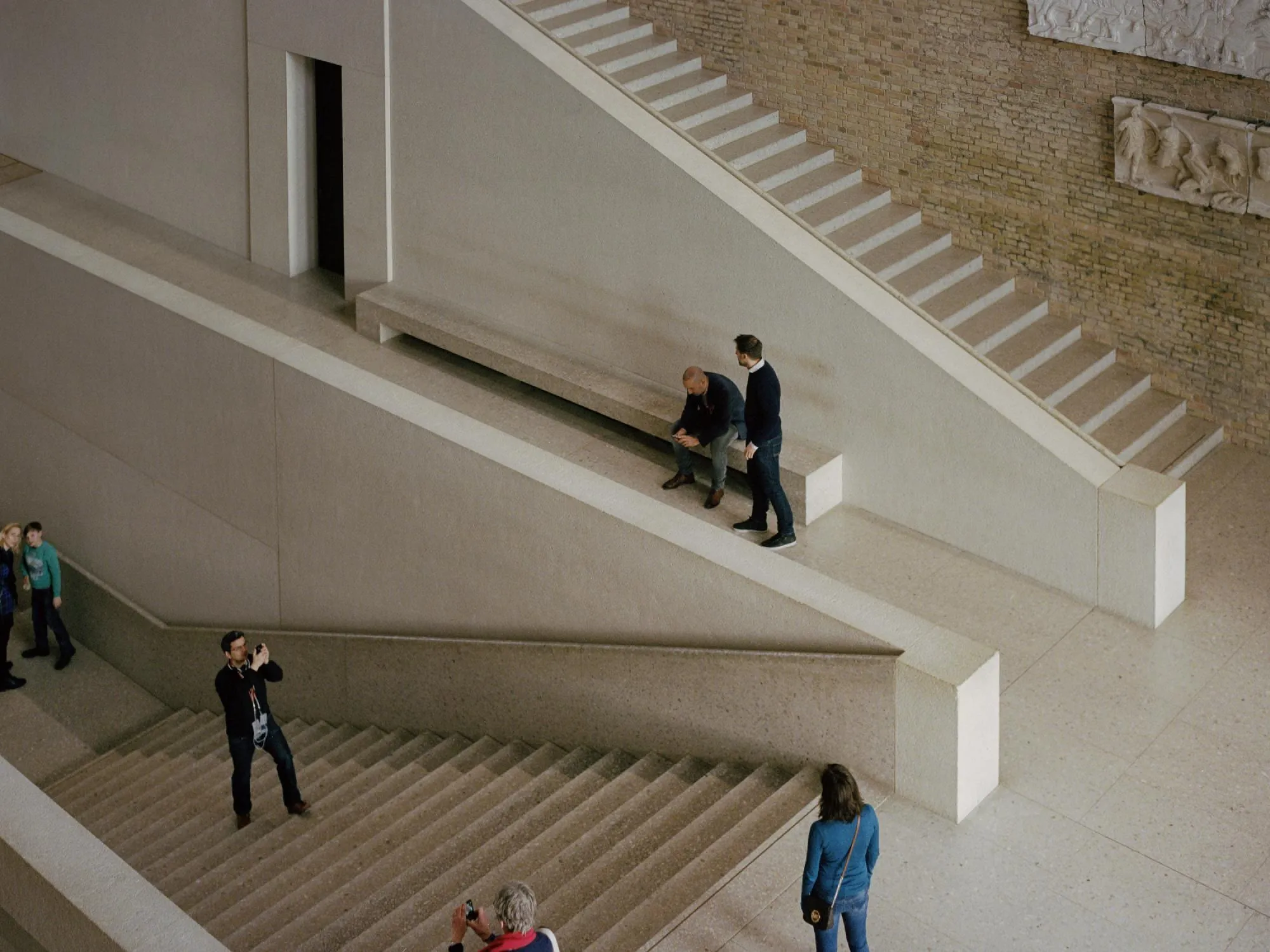
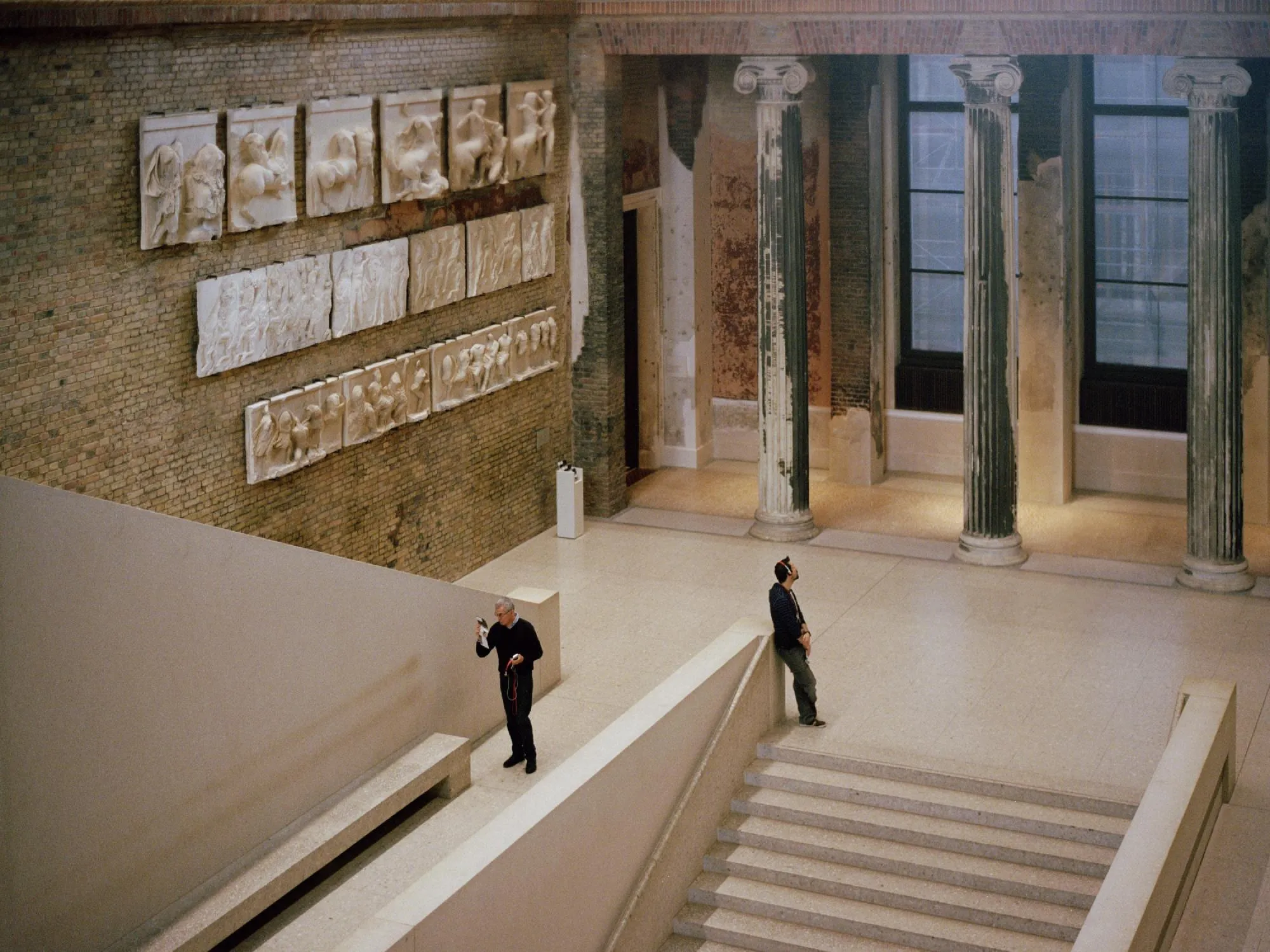
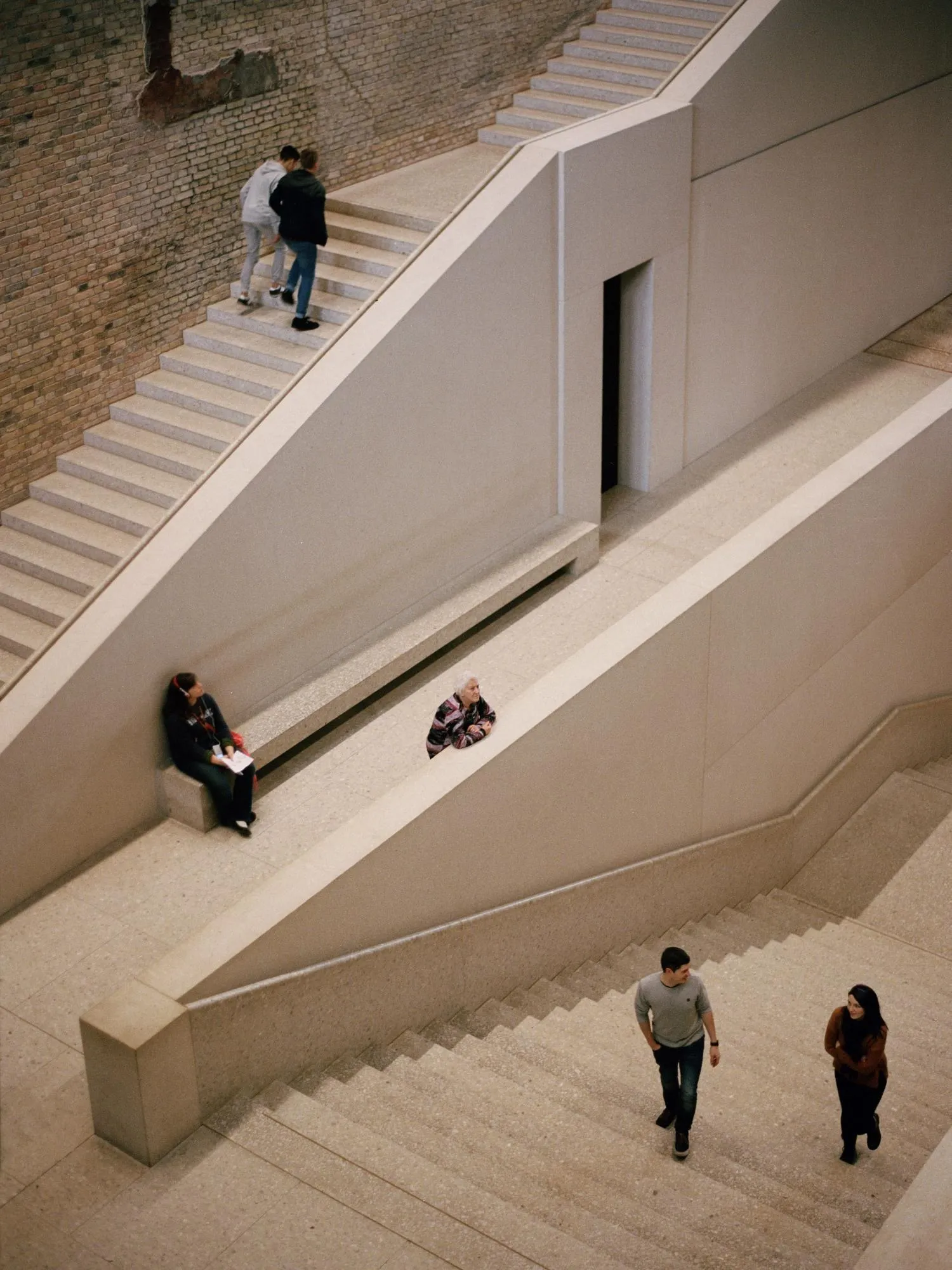
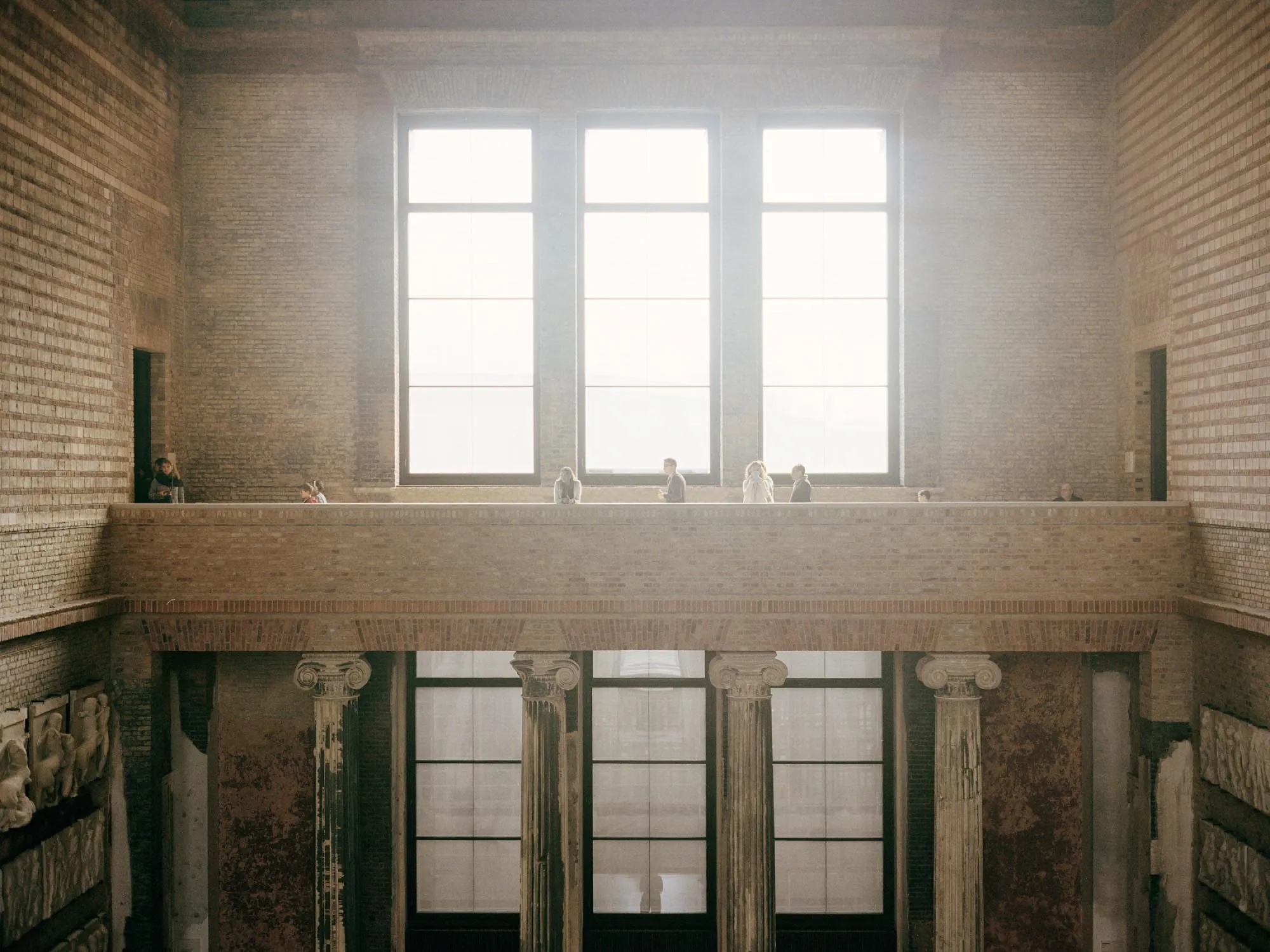
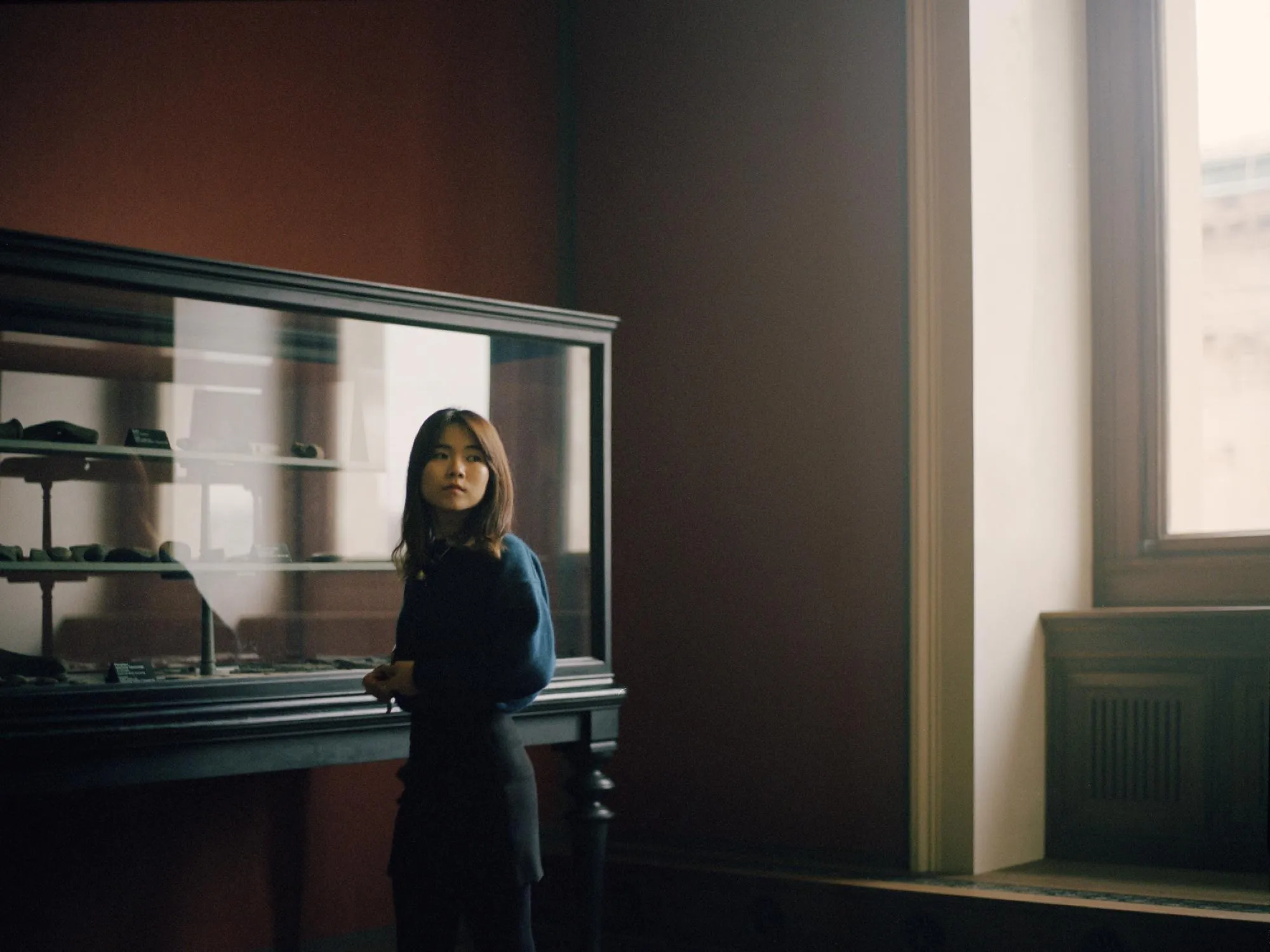
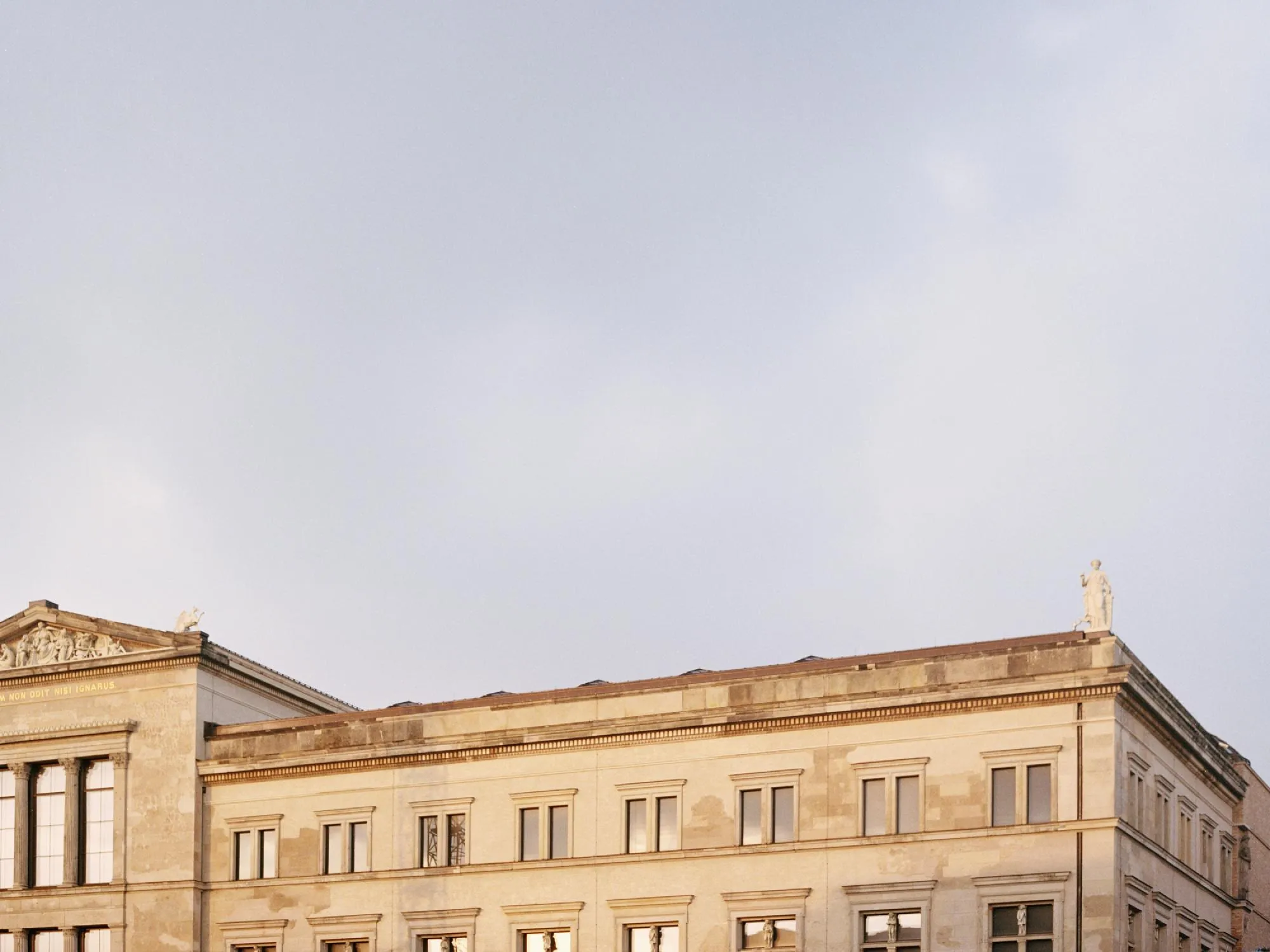
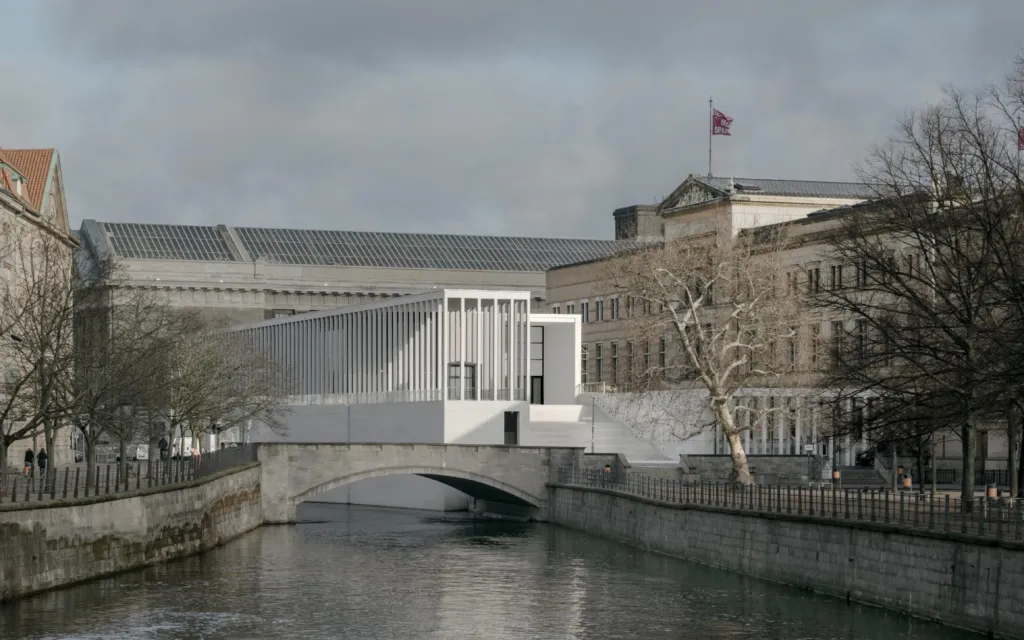
The Neues Museum was built between 1841 and 1859 as the first part of a sanctuary for the arts and sciences on a river island. It was the first three-storey museum ever built, with two courtyards and a monumental stair hall rising through all floors.
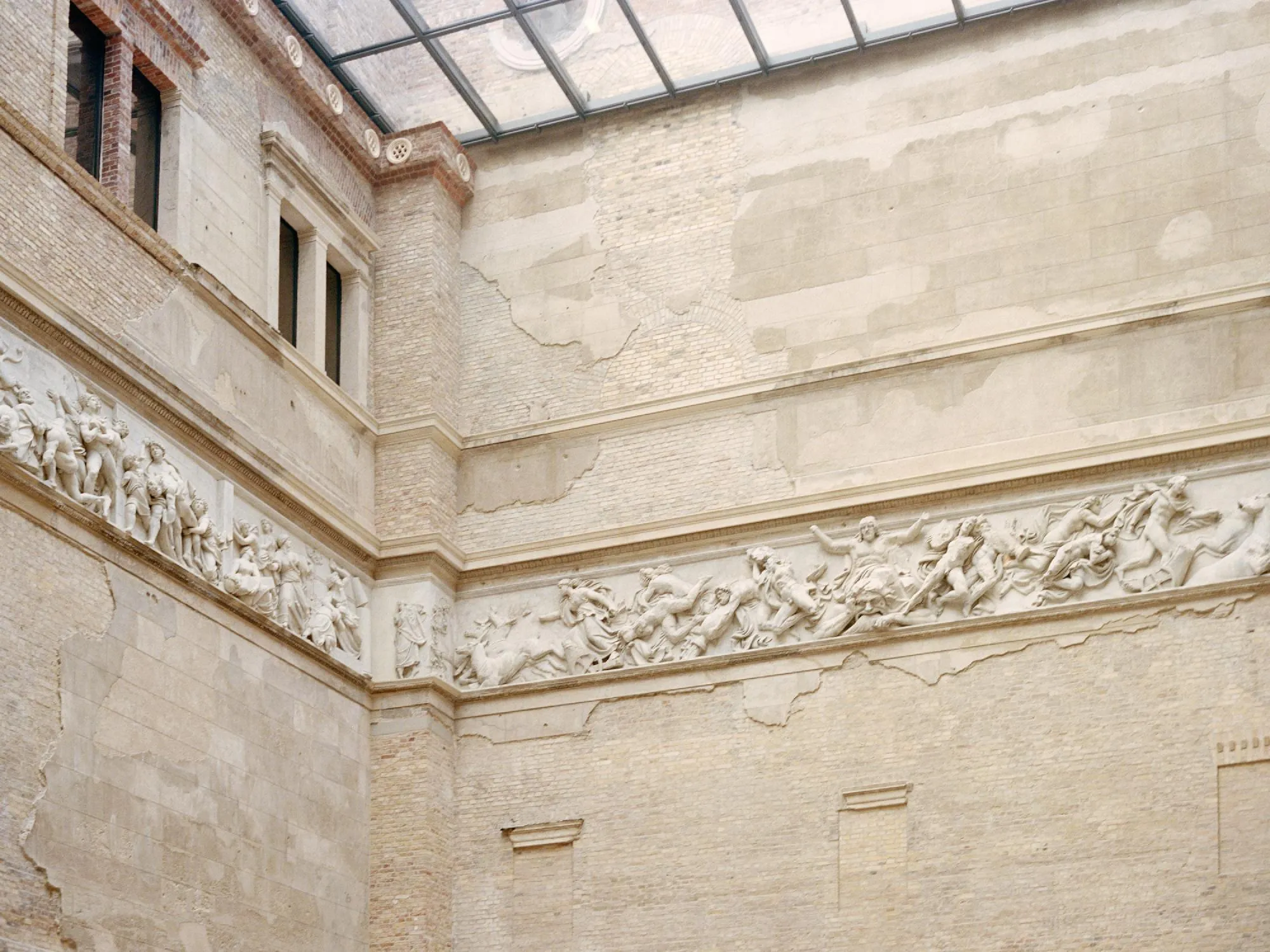
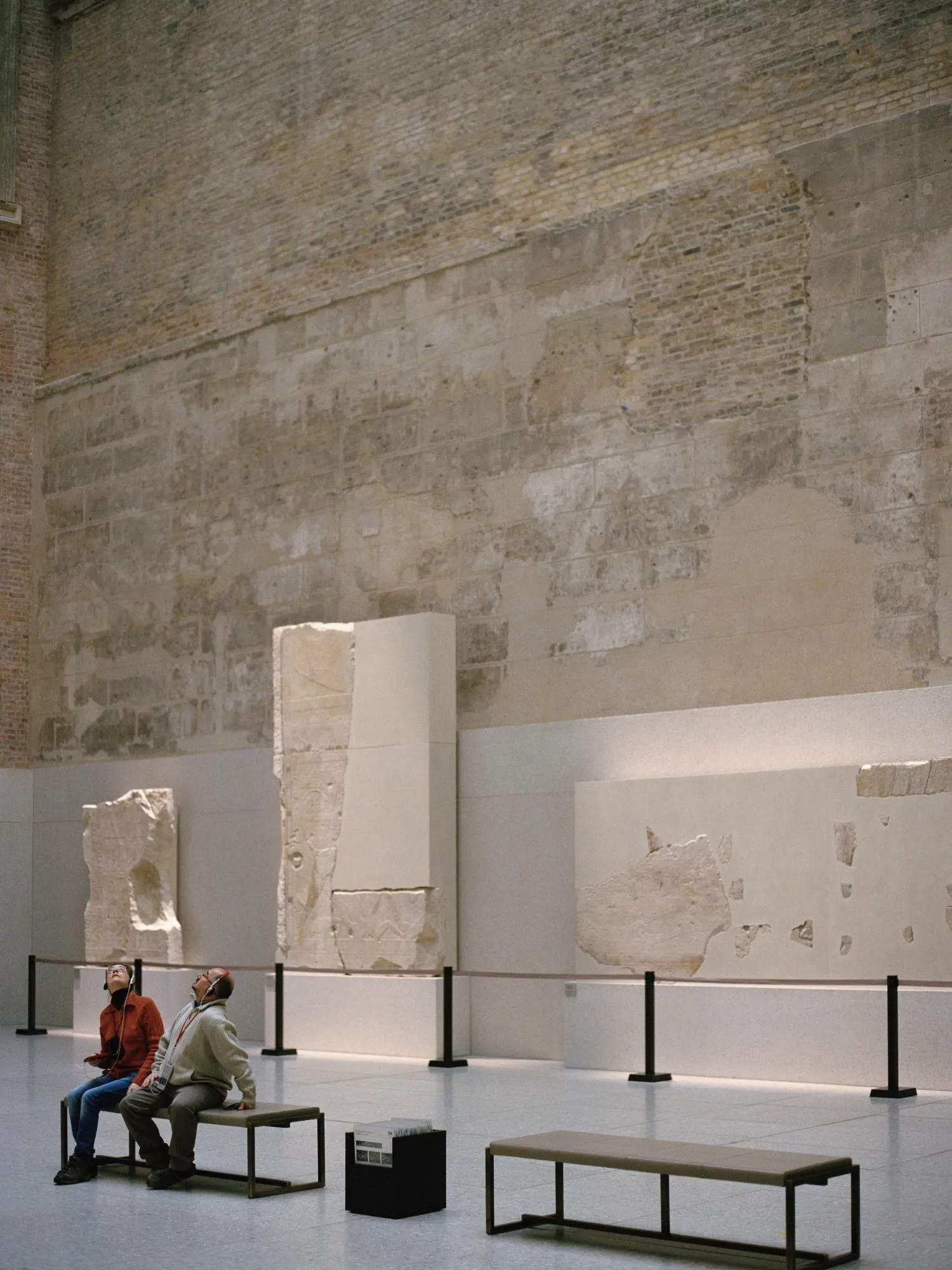
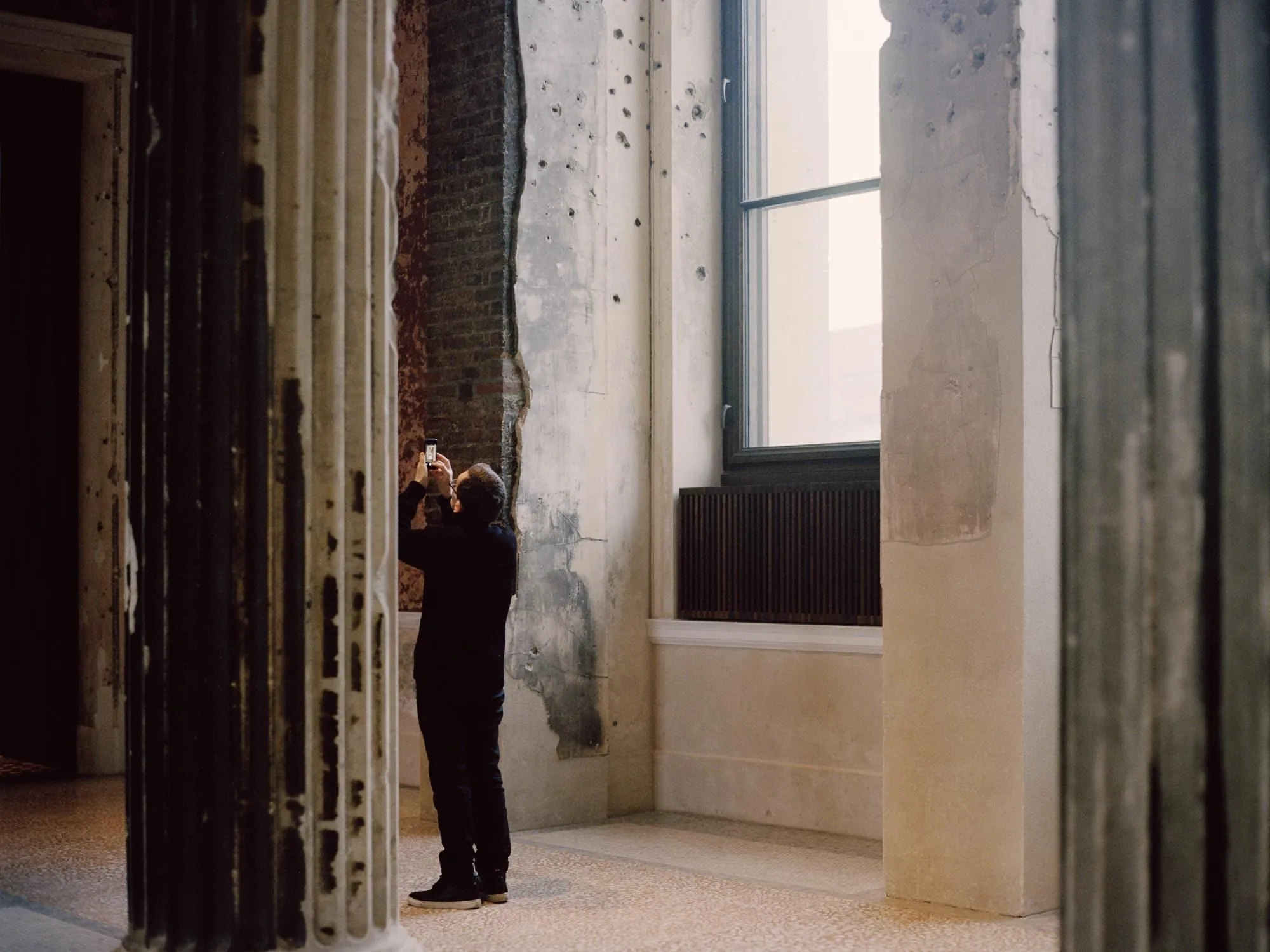
Bombing in the Second World War left it in ruins, some parts badly damaged and others destroyed. Little was repaired afterwards, and the shell stood exposed for decades with only minimal protection. The British design team was appointed in 1997 and the restoration took nearly eleven years.
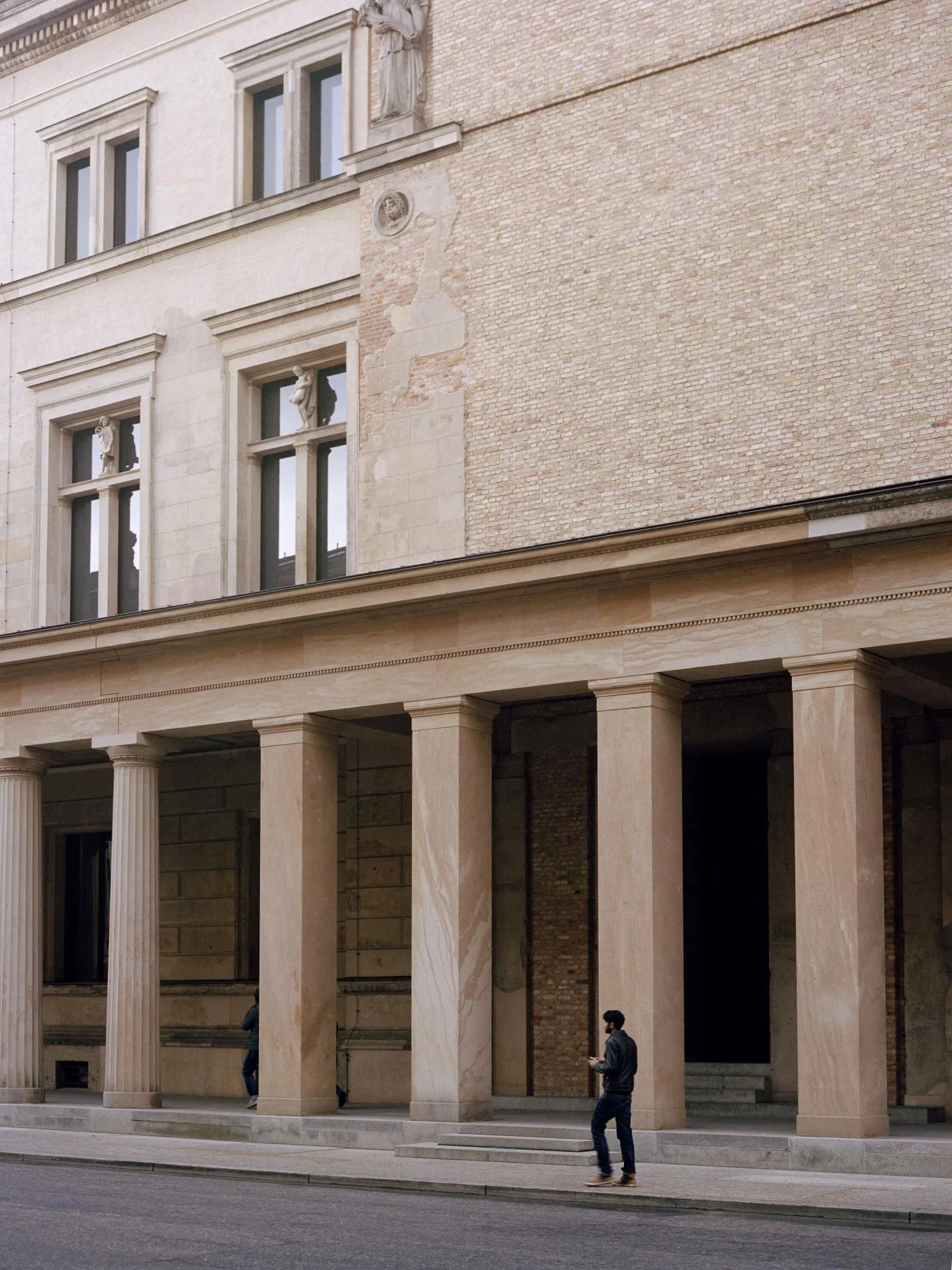
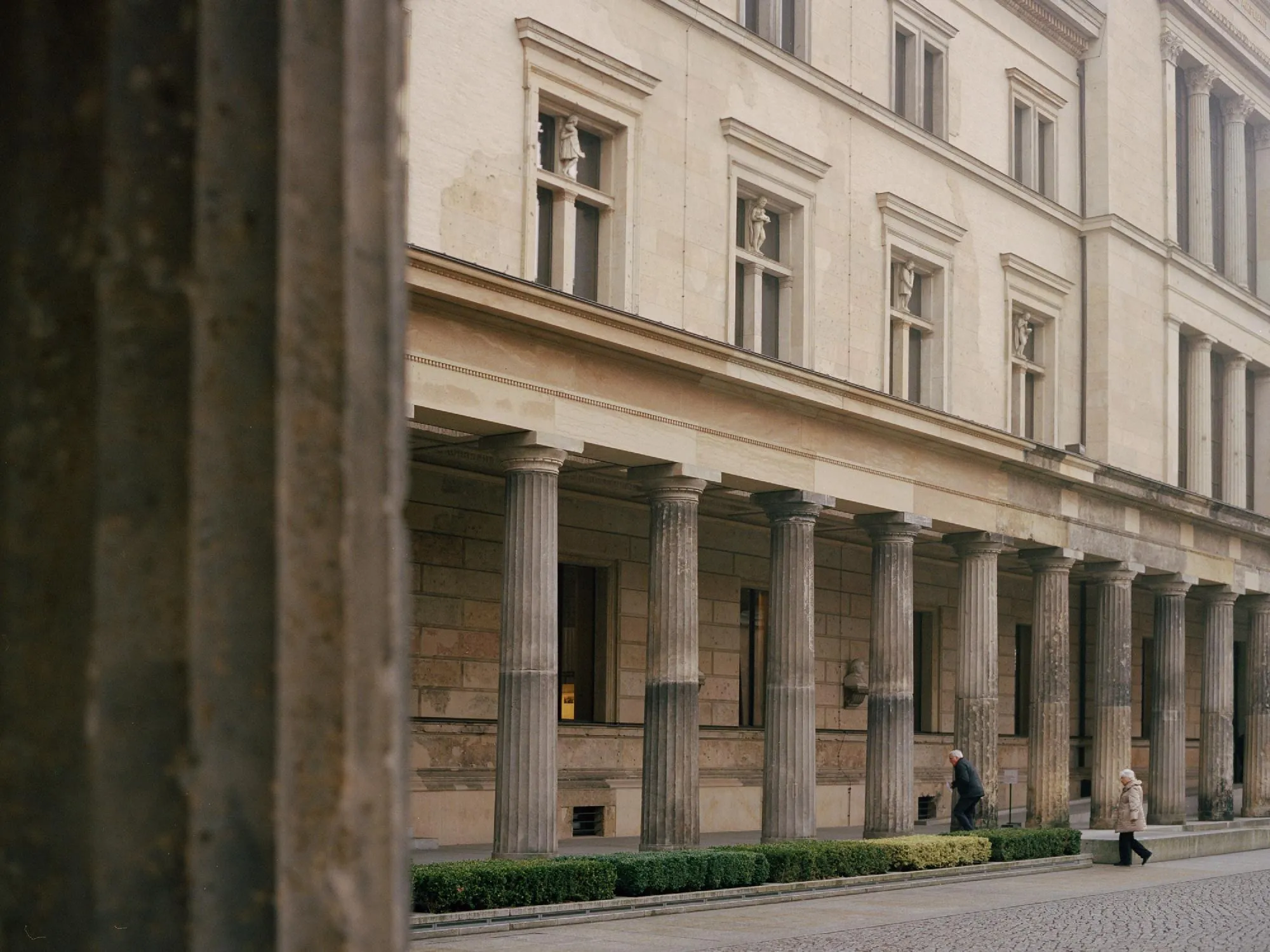
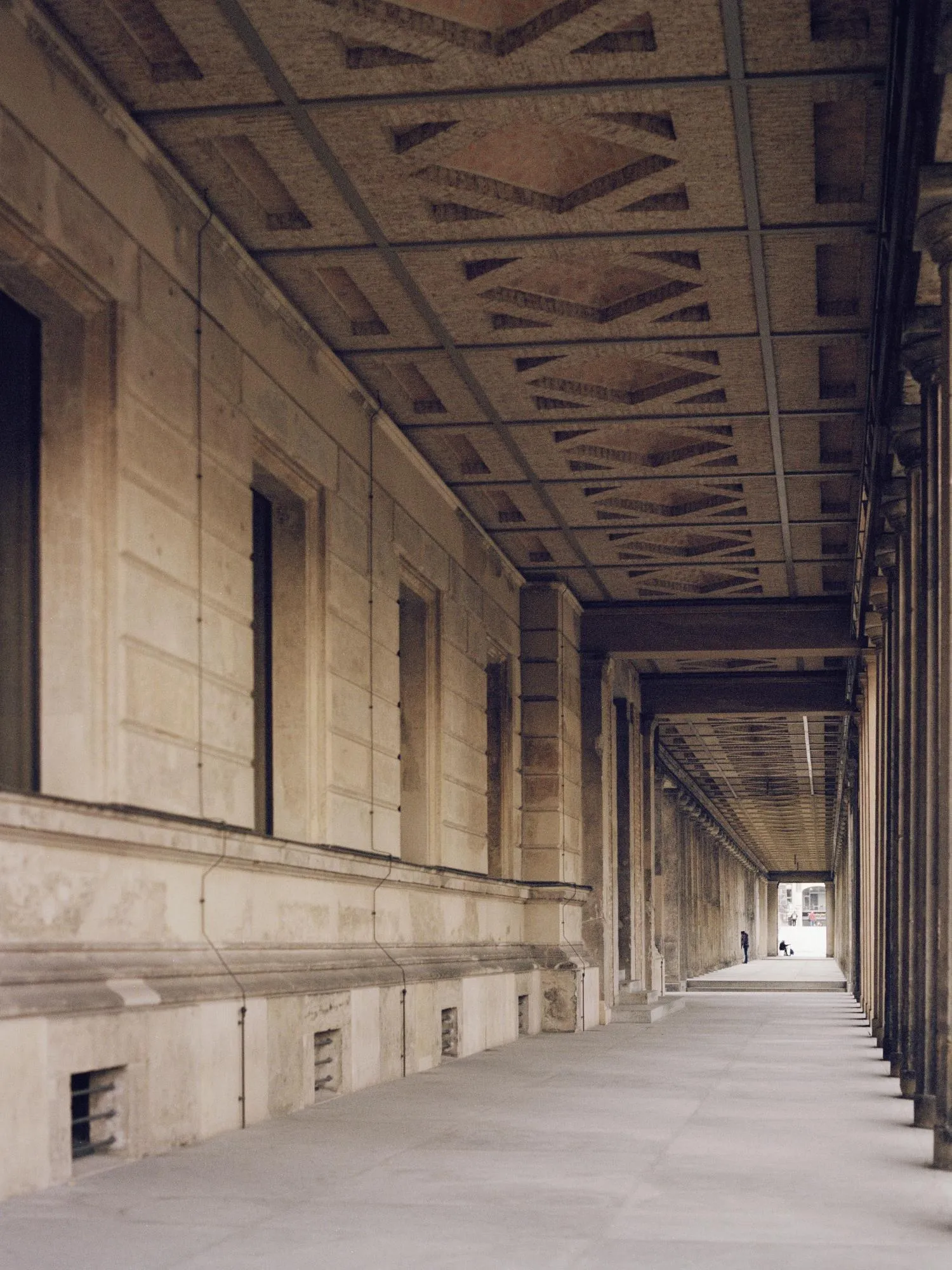
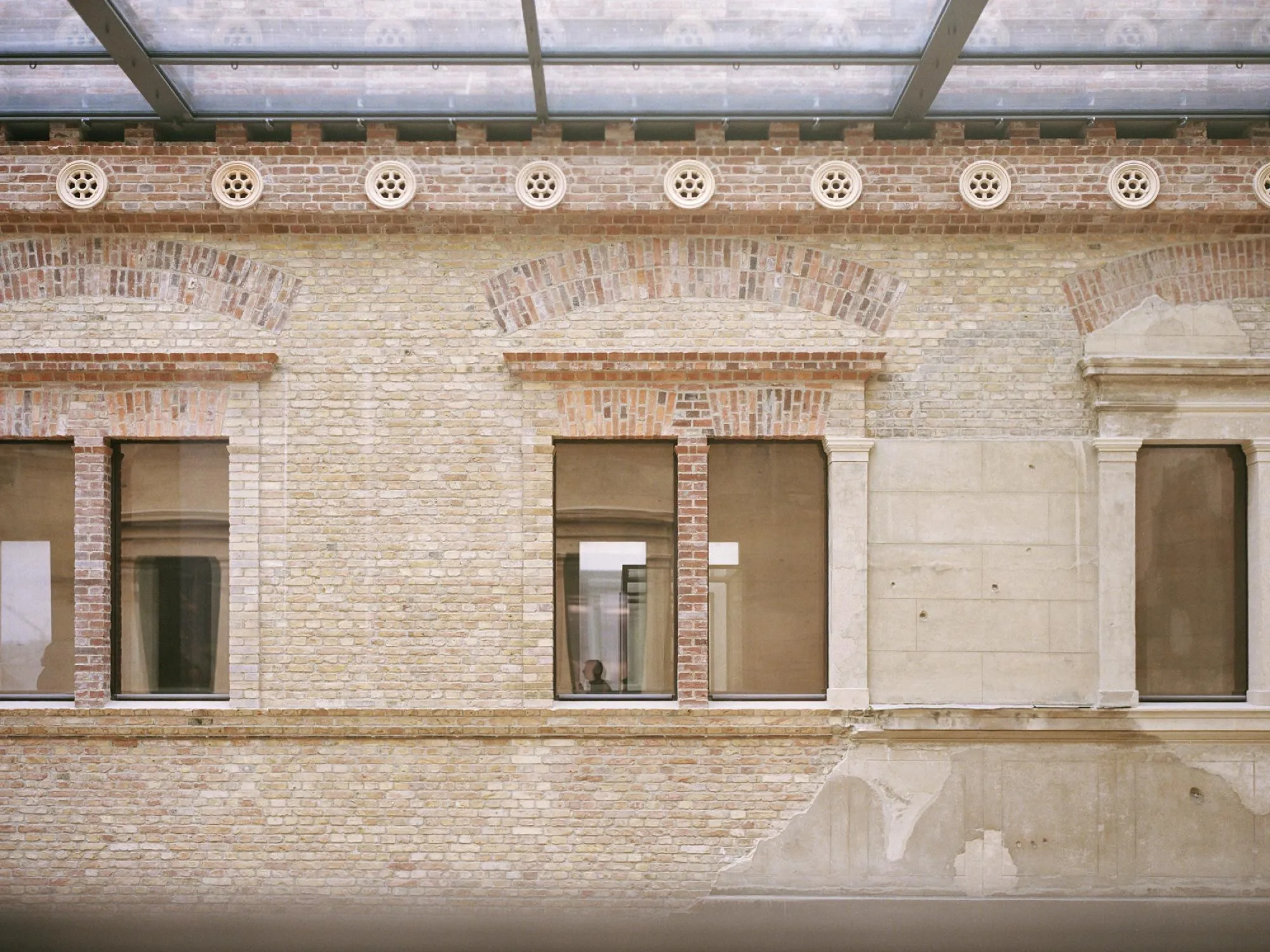
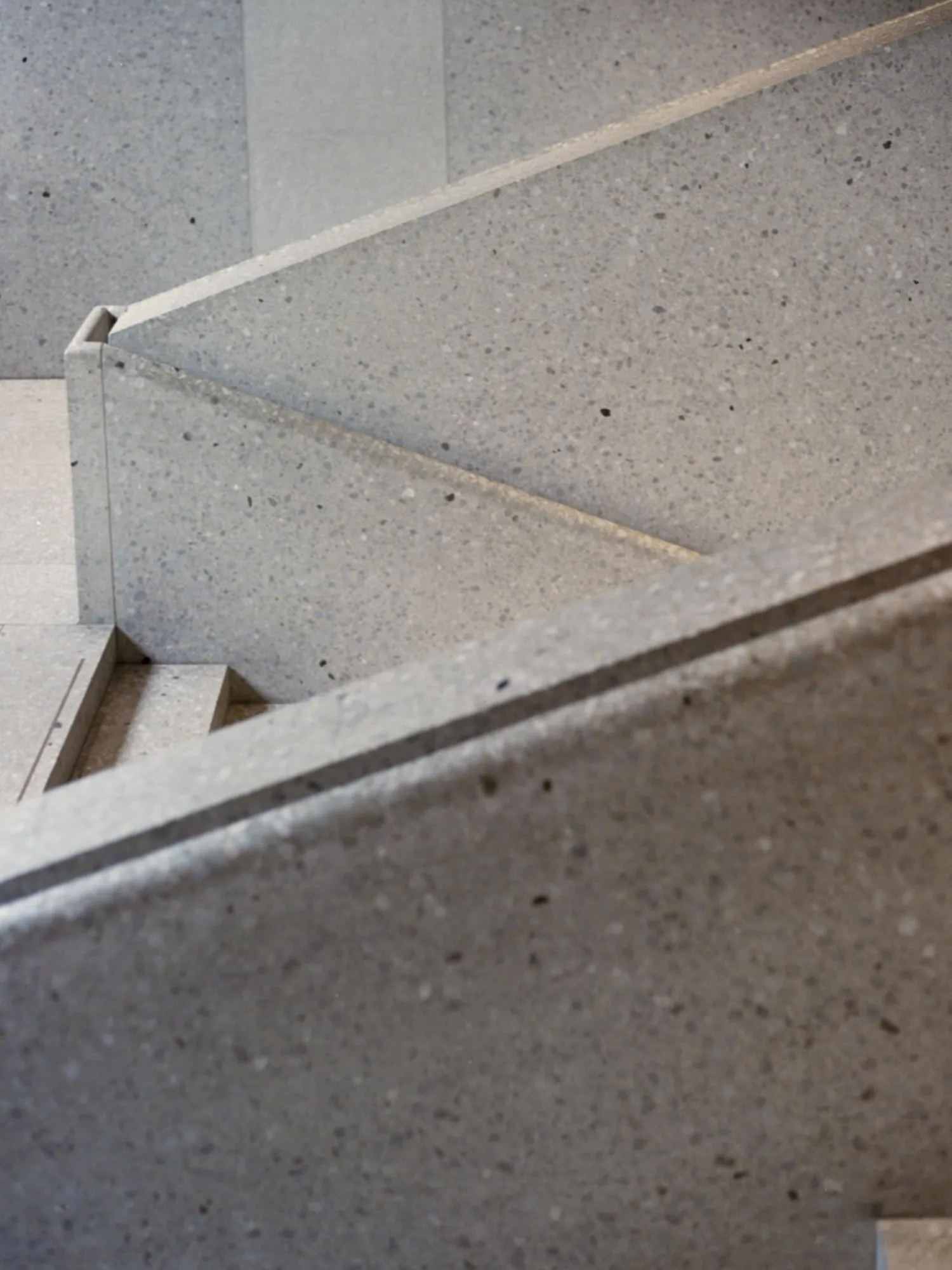
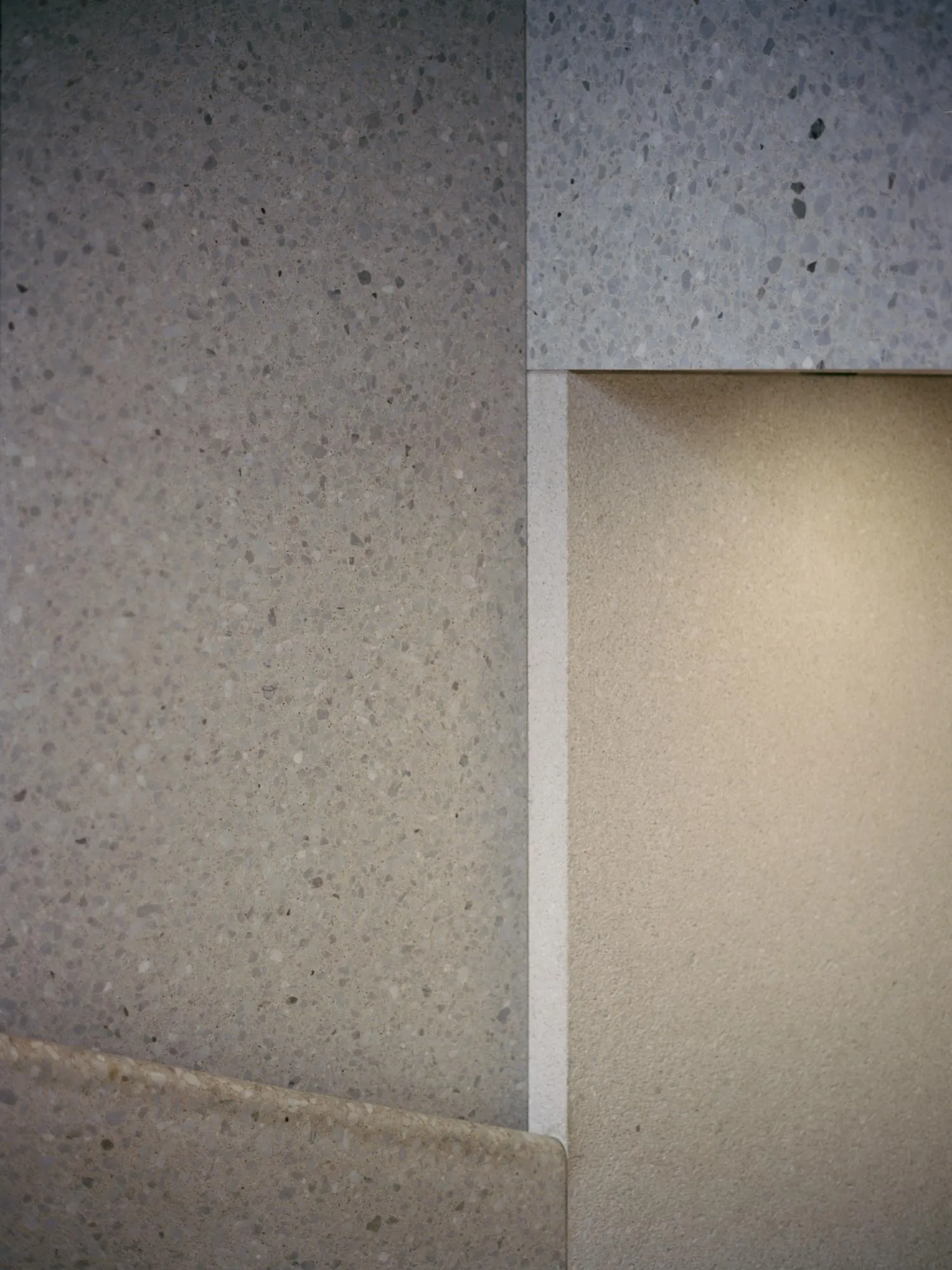
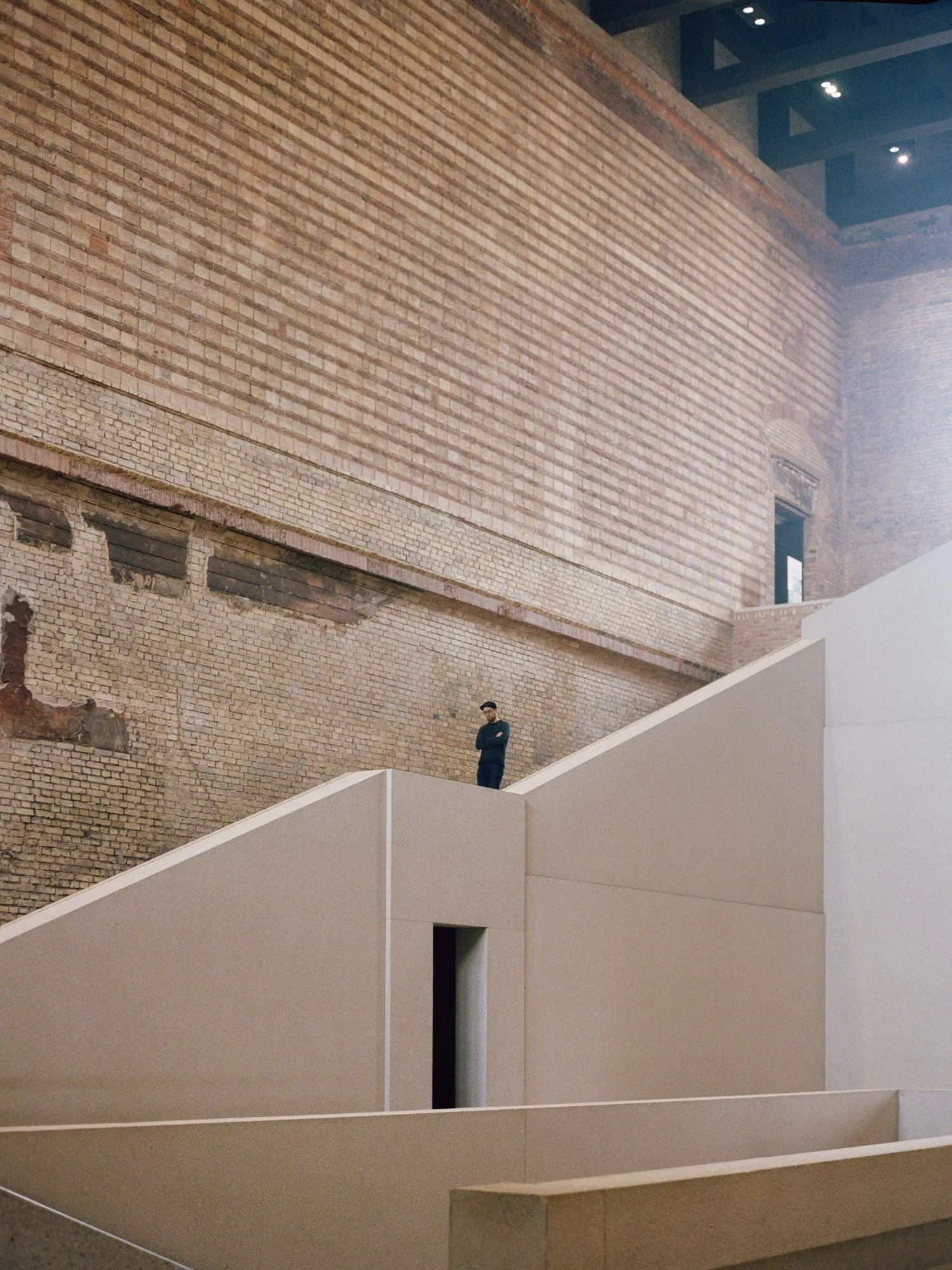
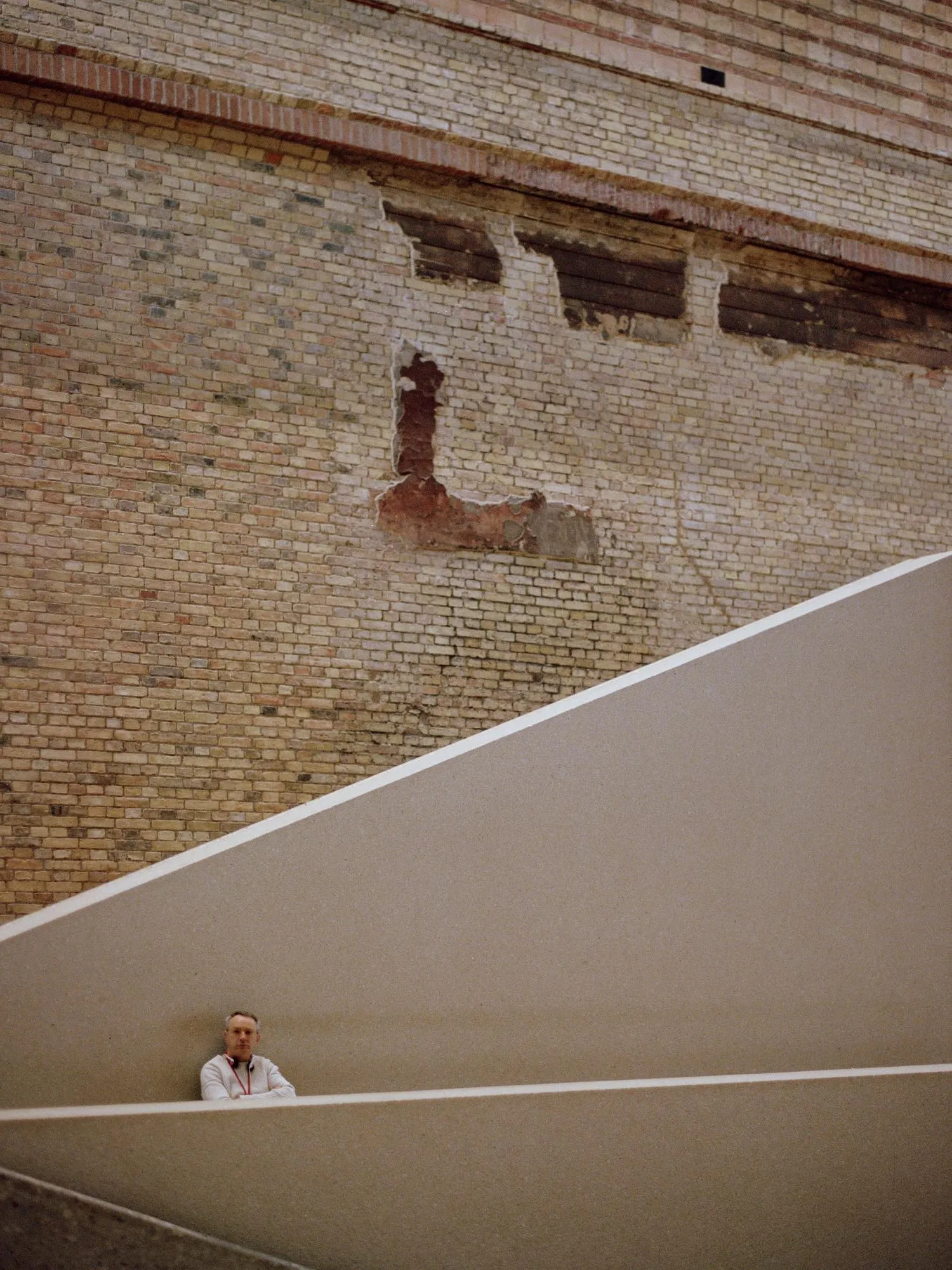
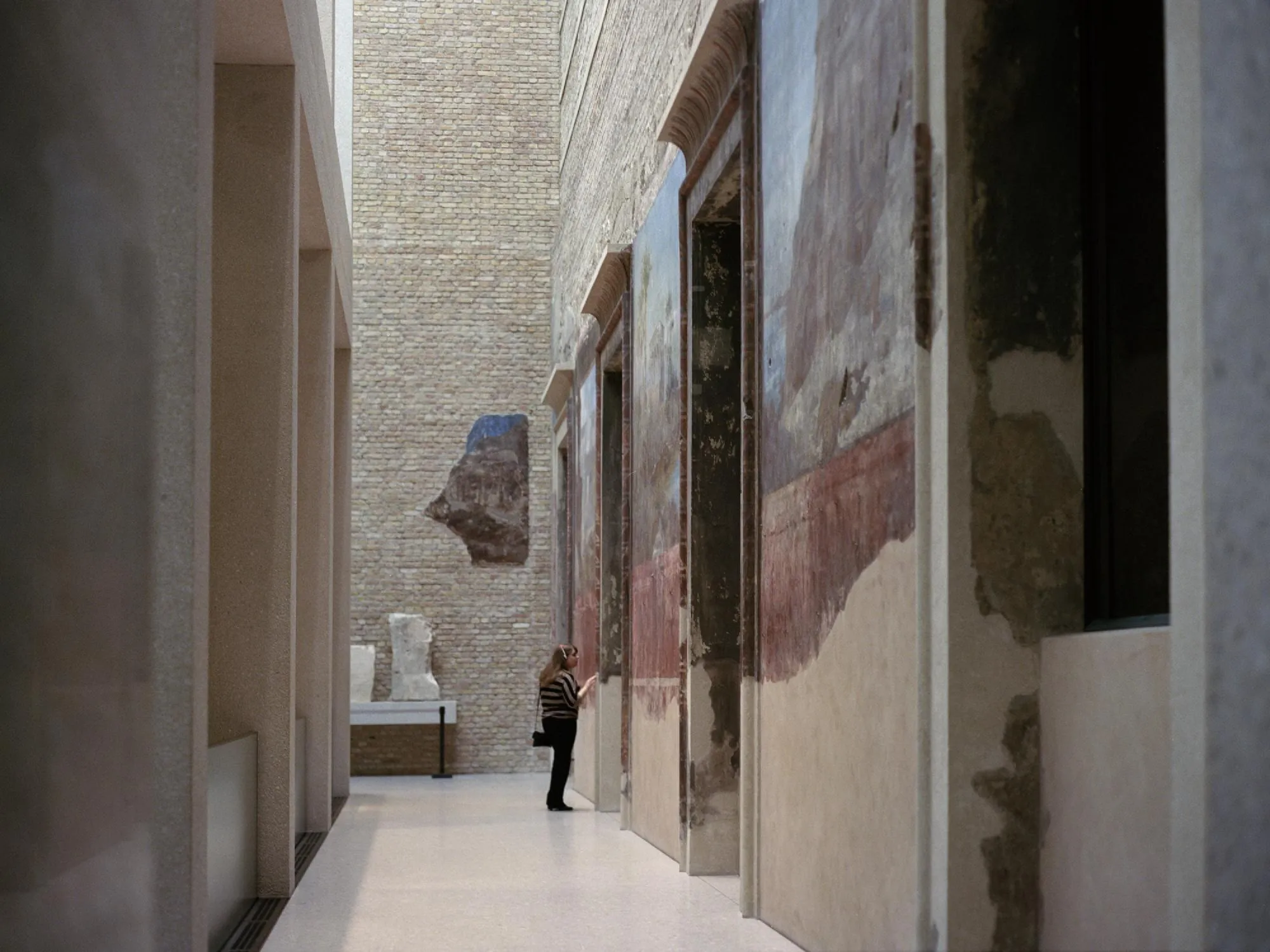
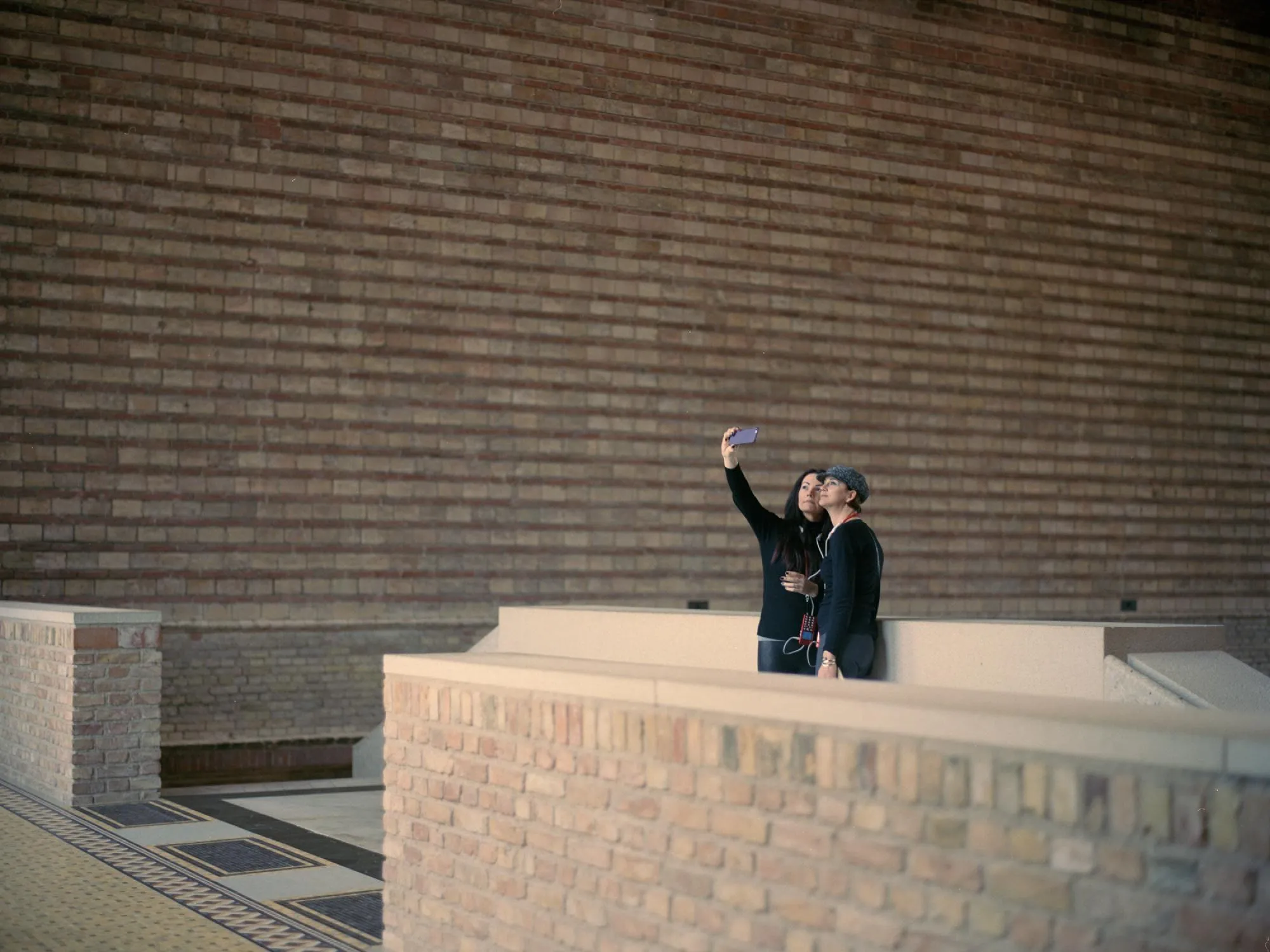
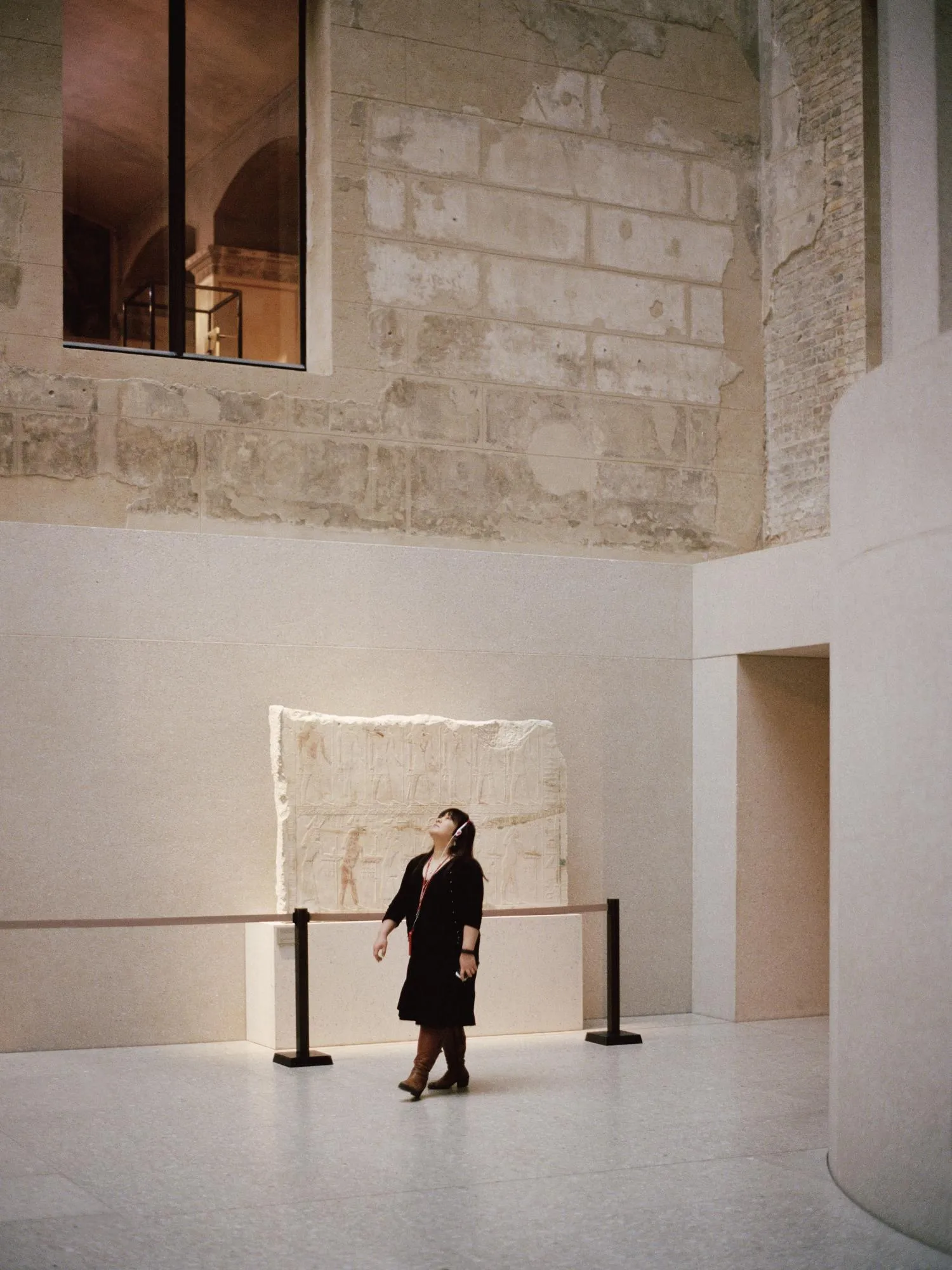
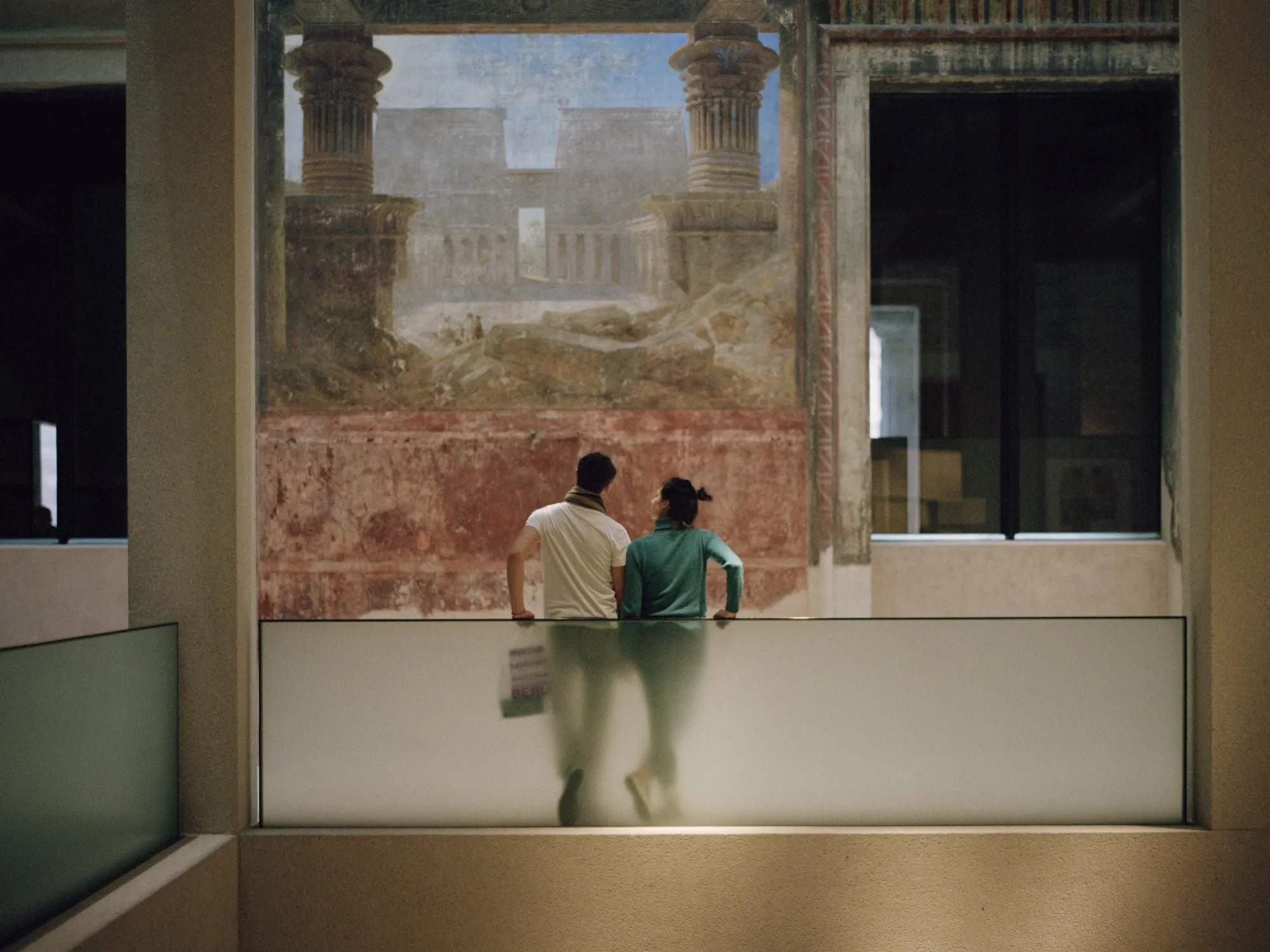
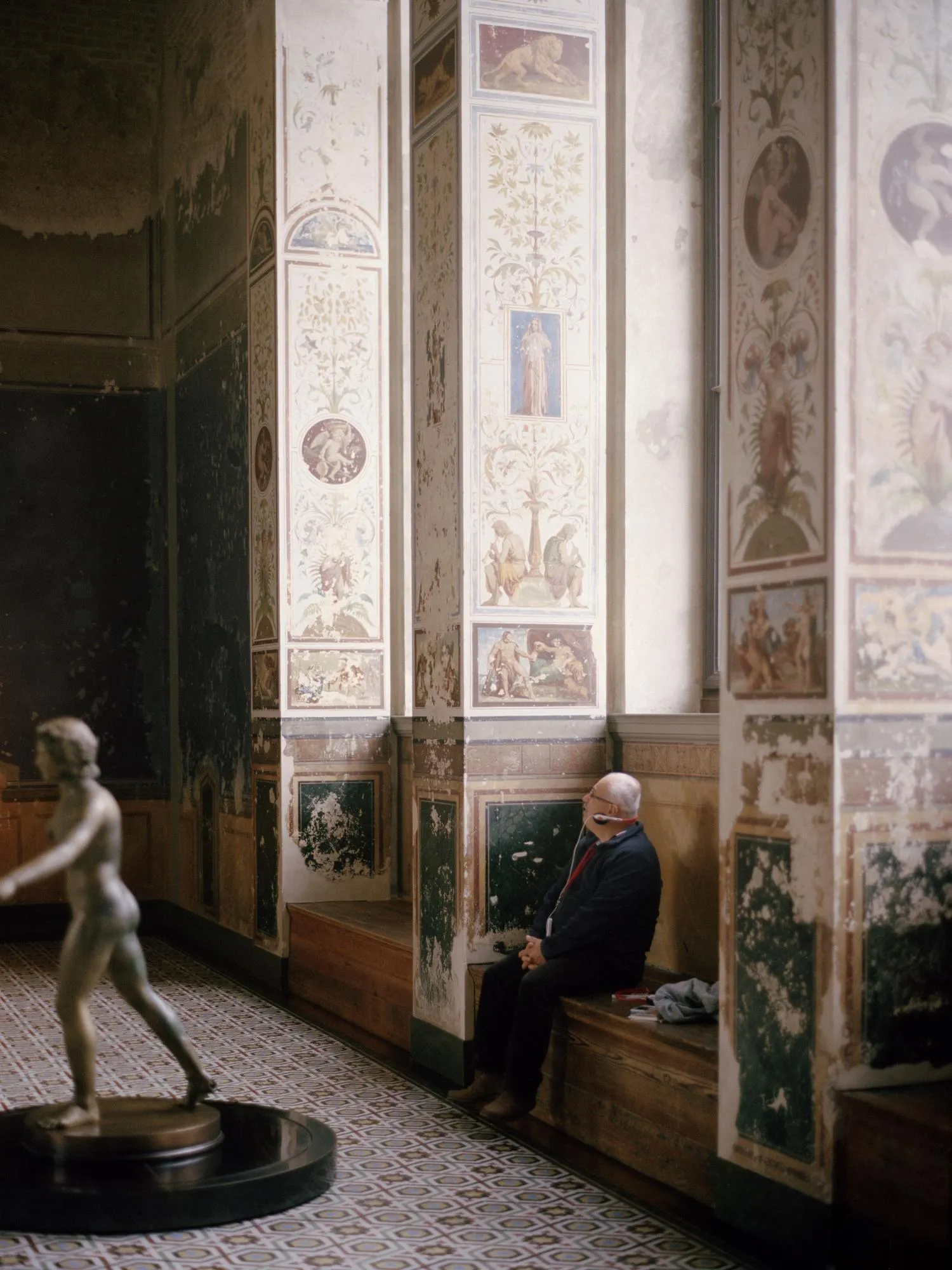
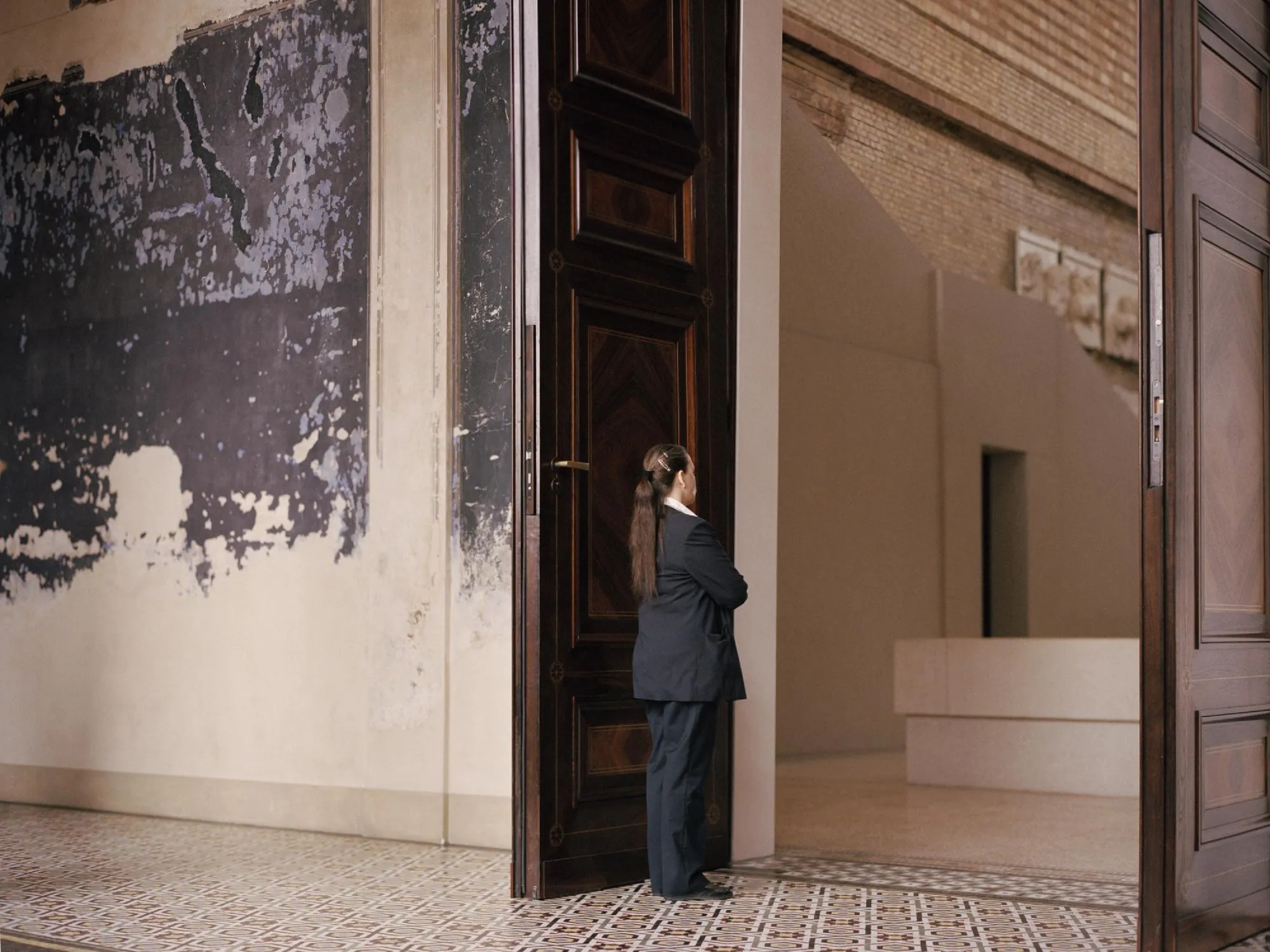
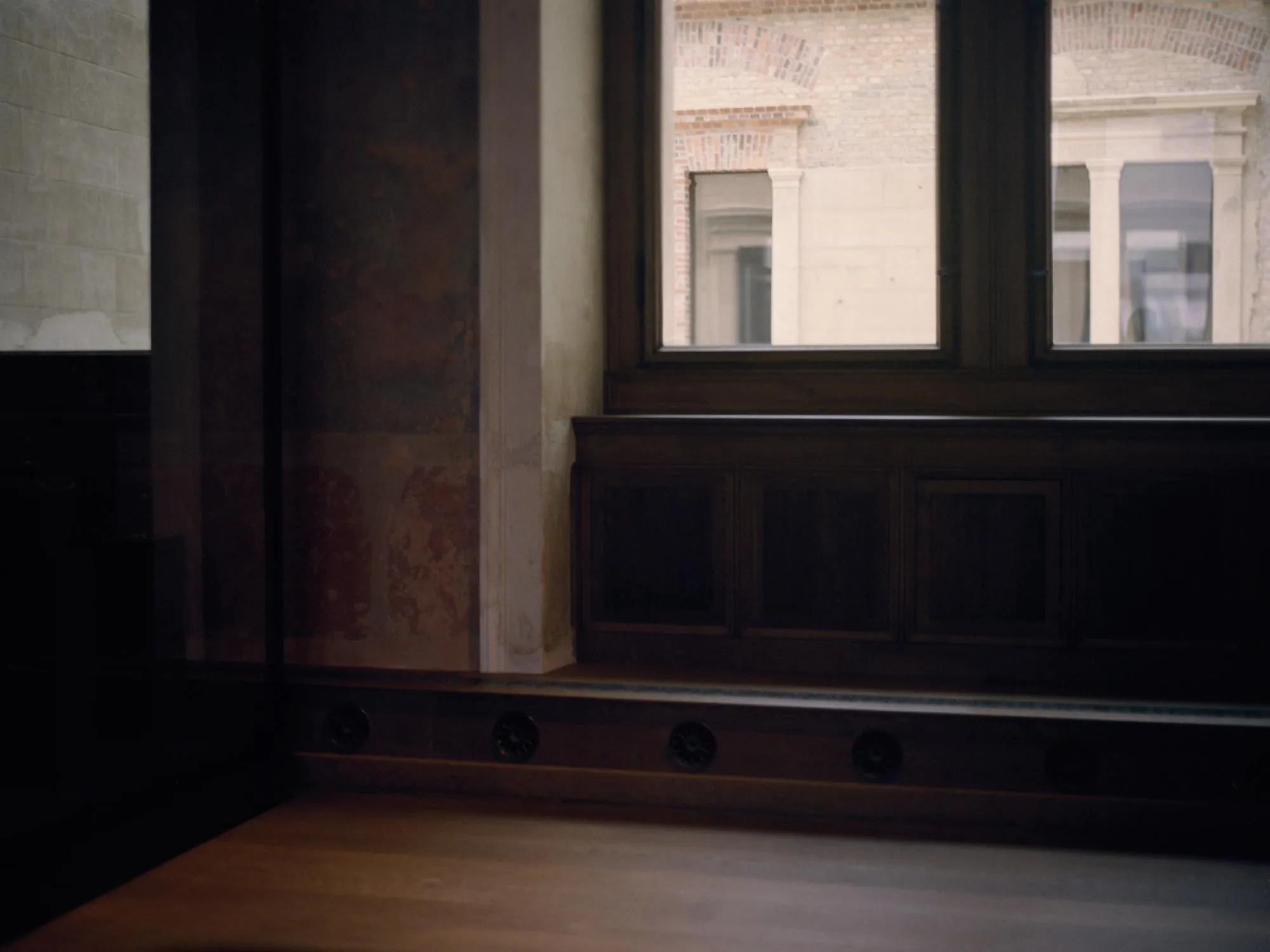
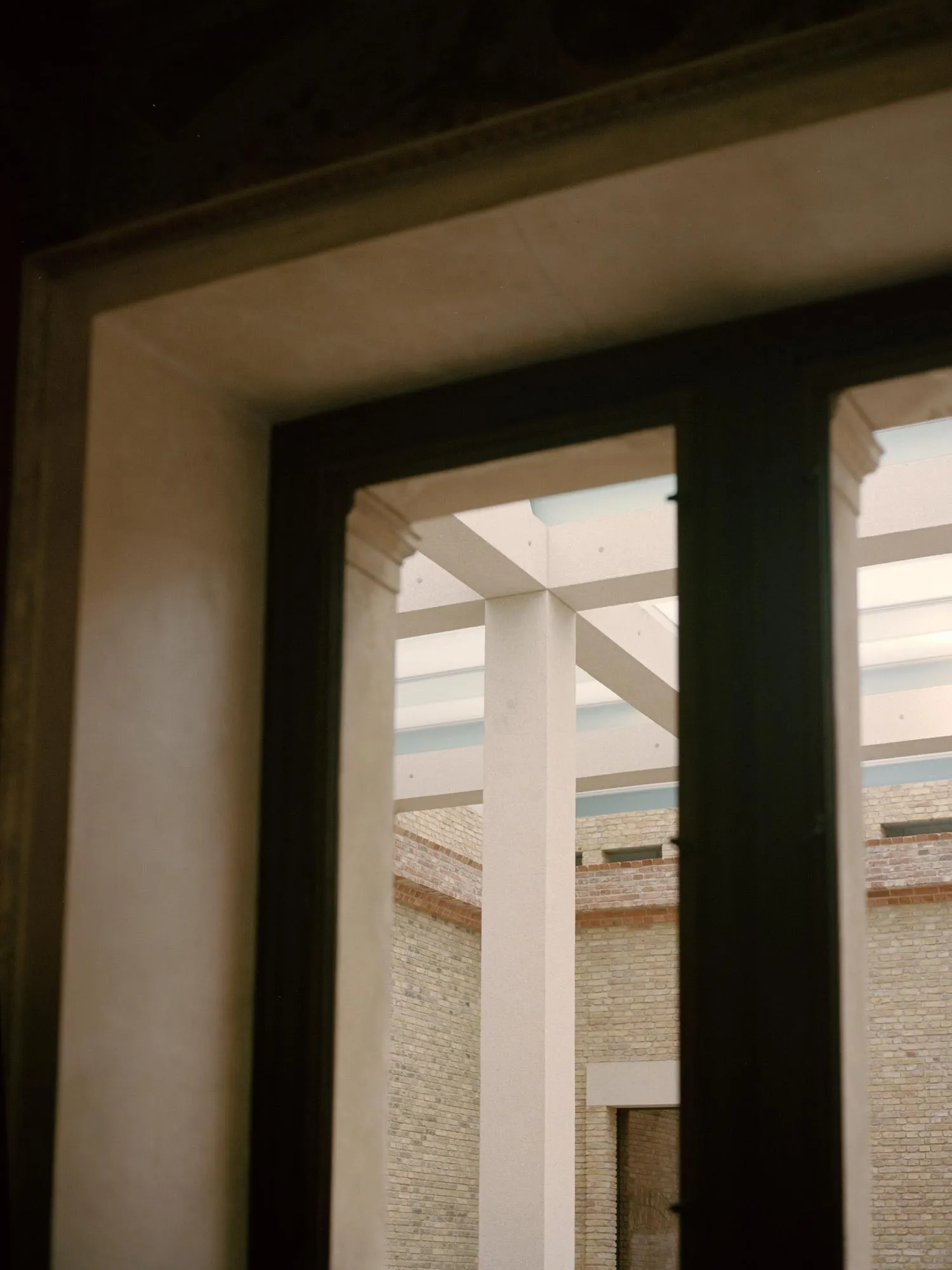
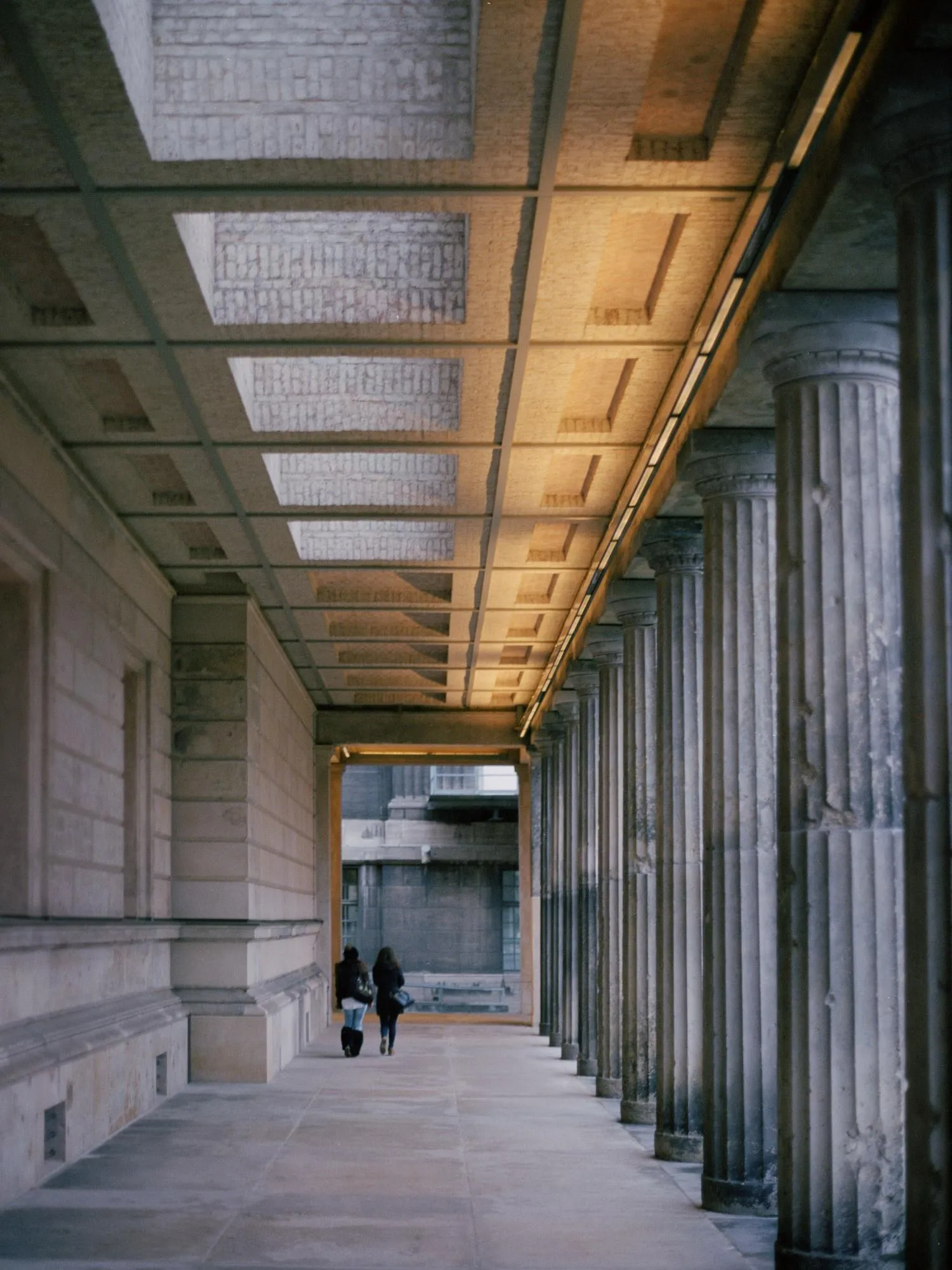
Much of the original content and many rooms no longer existed, so a straightforward reconstruction was impossible. The approach was to repair and complete the building rather than restore it to an imagined original: surviving fragments were conserved with their scars, and missing volumes were rebuilt in new materials that follow the old forms without imitating them. Recycled handmade brick and pale concrete made with marble aggregate complete the walls, the stair hall and the domed rooms, so that old and new read together as one building.
Project Information
- Design studio
- David Chipperfield Architects
- Time
- 2009
- Type
- Cultural, Renovation
- Primary materials
- Brick, Concrete, Natural stone
Comments