Edo-Tokyo Museum
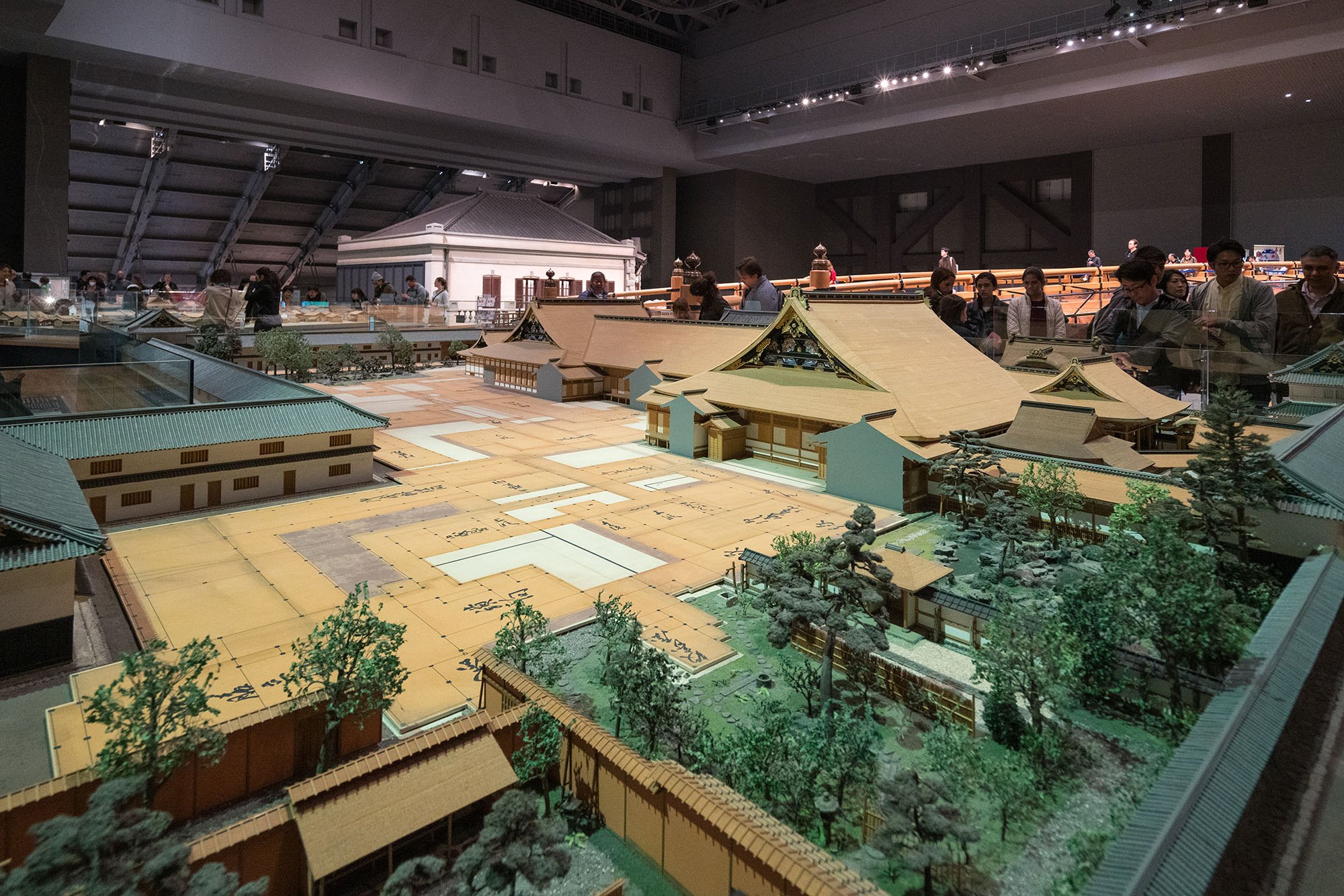
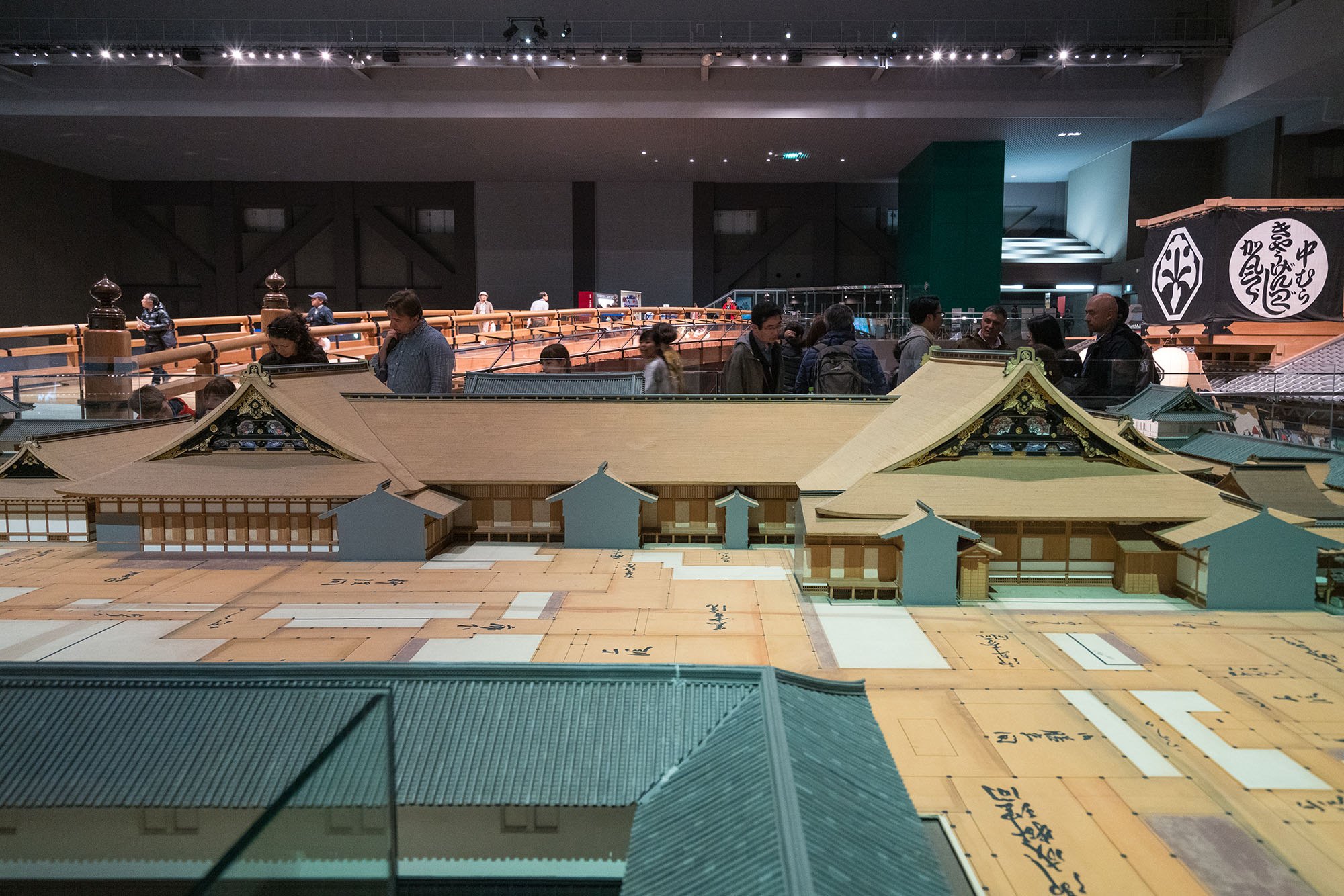
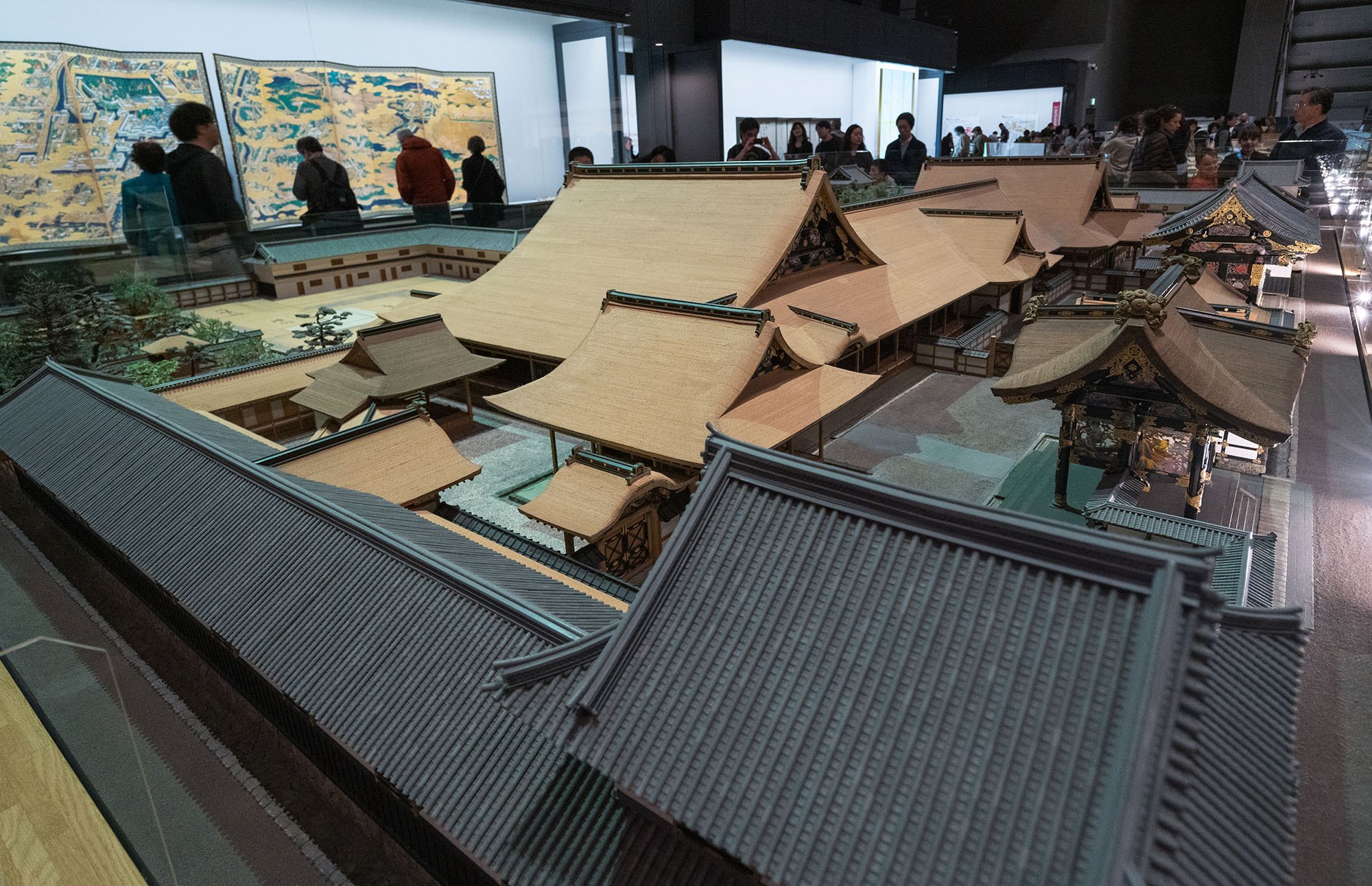
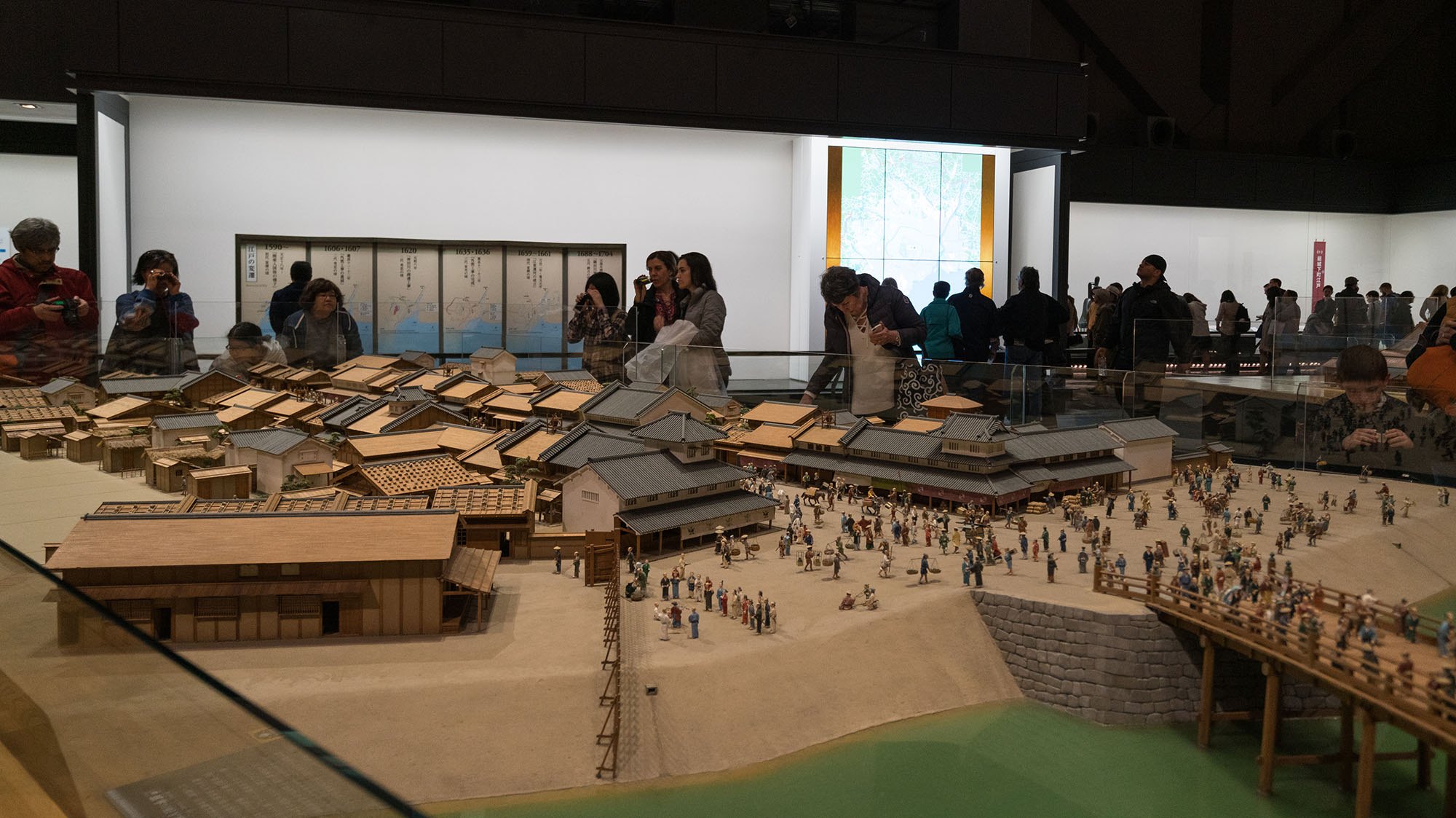
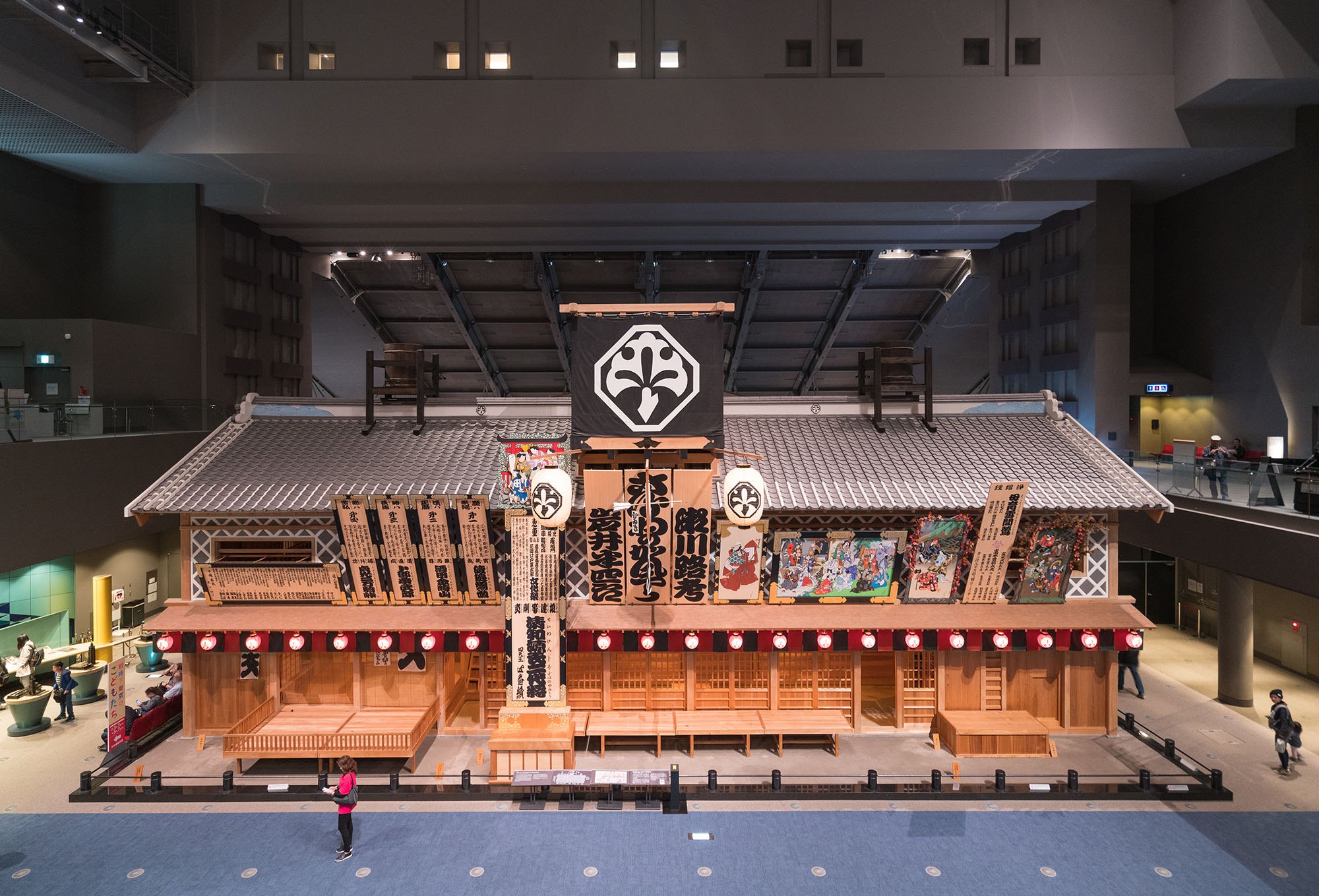
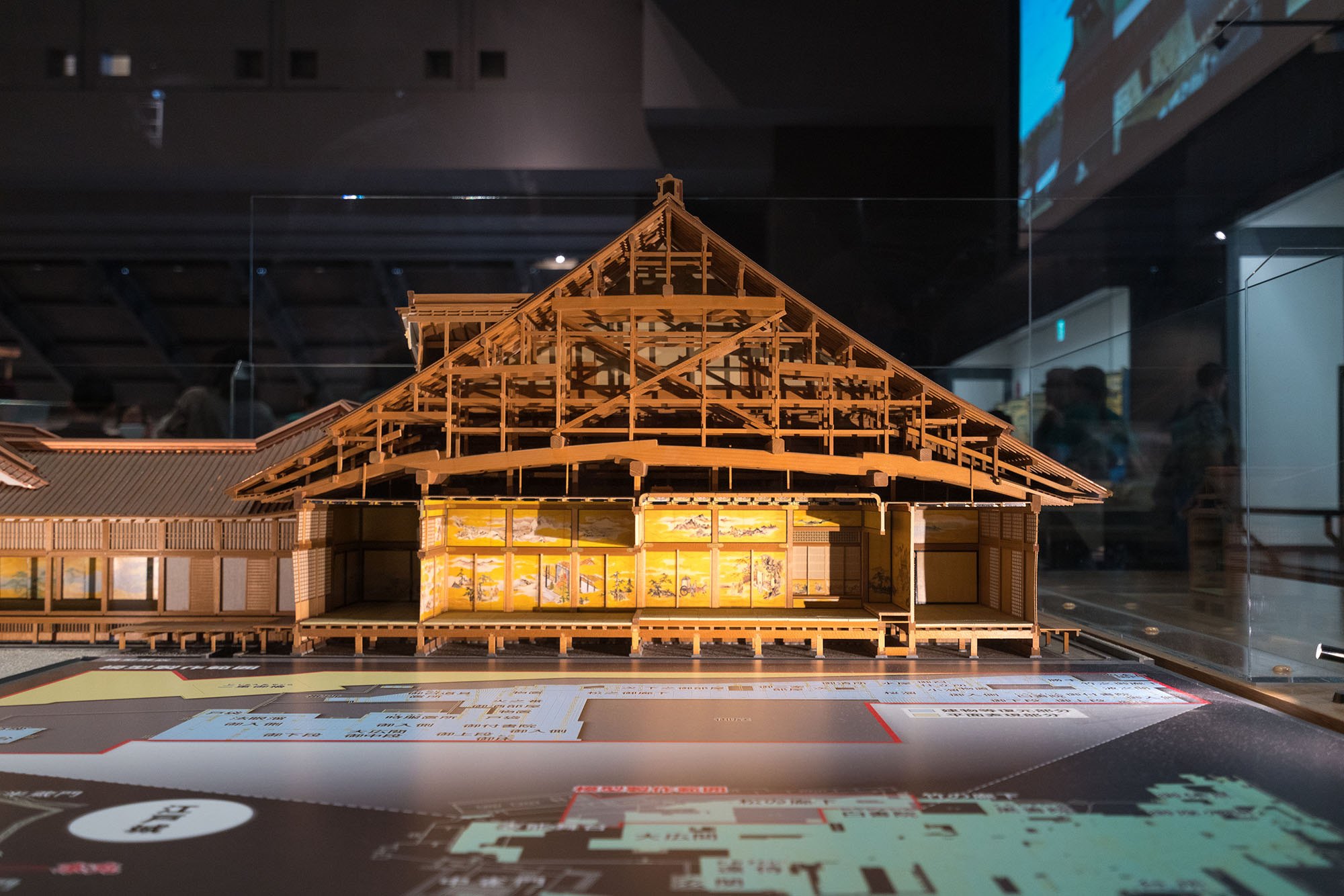
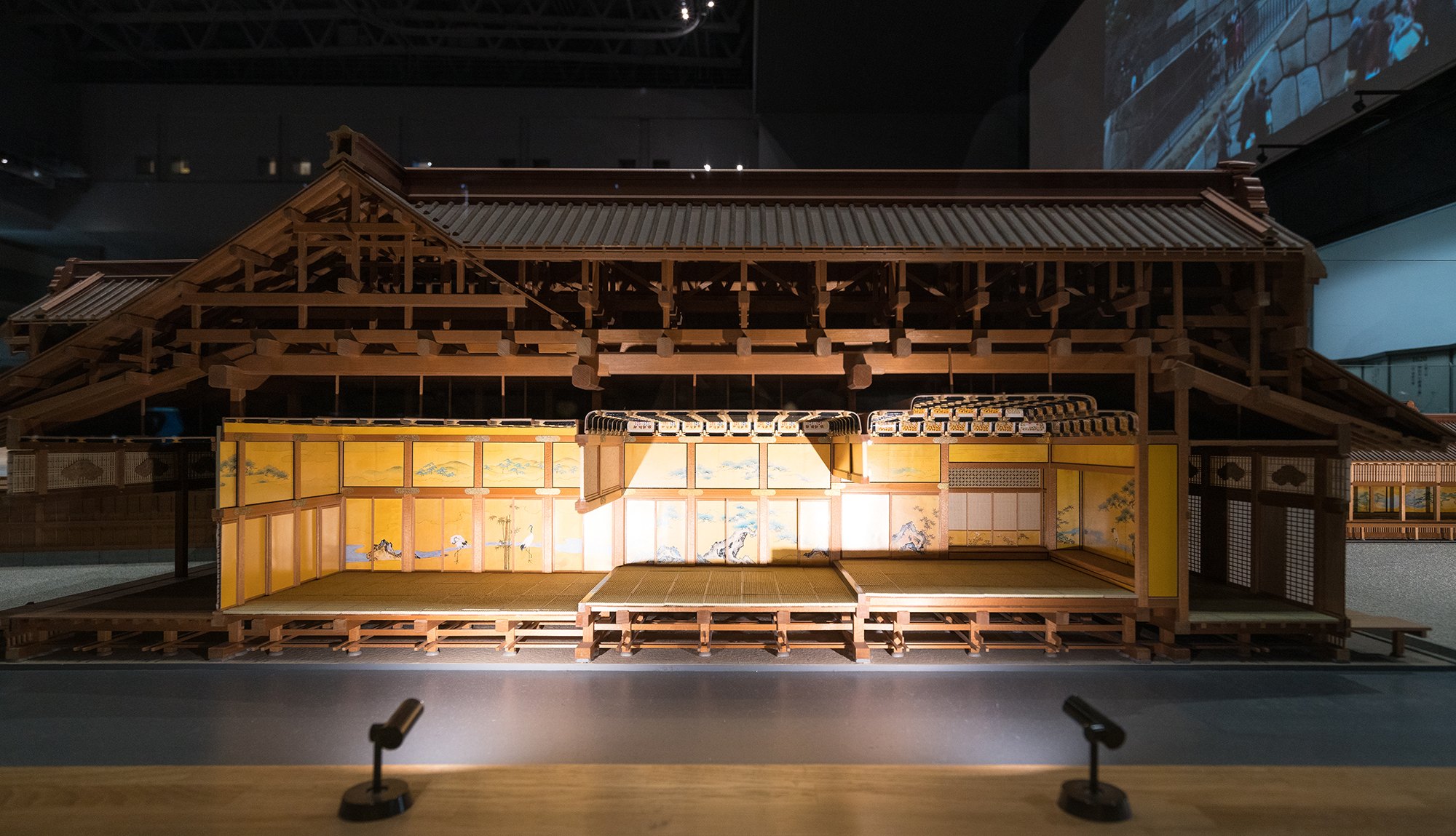
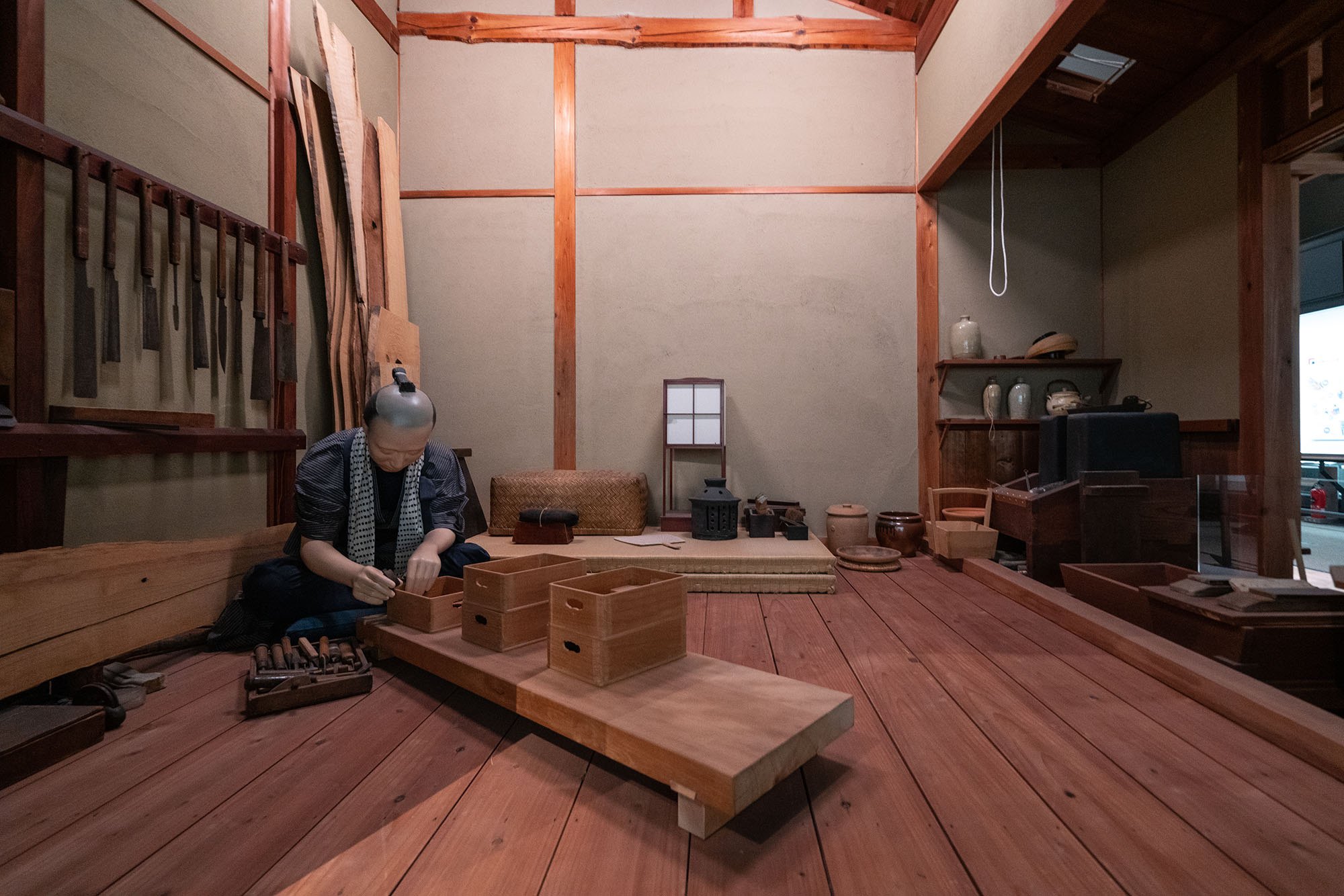
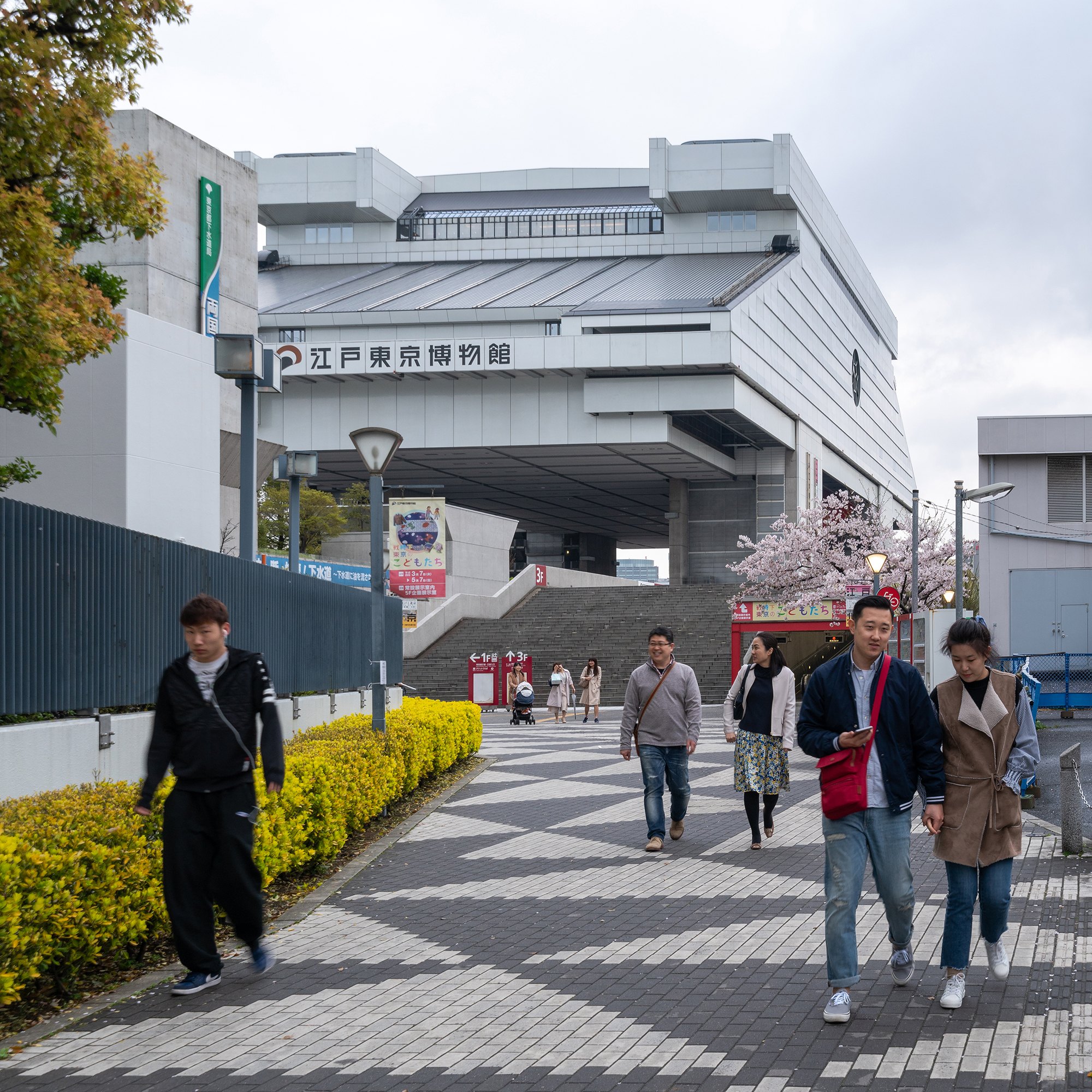
The museum belongs to the network of national history museums and tells the history and culture of daily life in the city, and how it changed through the Edo period. Its strength lies in how it presents its material, through complete and vivid reconstructions and models at many scales and in many materials.
A few centuries ago, Edo was a small fishing village on the bay. The emperor and his court were in Kyoto, but when the Tokugawa shogunate was established, Edo became the real seat of power, with Kyoto the capital in name only. Edo grew from a fishing village into a city of more than a million people by 1721, one of the largest in the world. In 1868, when the shogunate fell, the city was renamed Tokyo, and Emperor Meiji moved the imperial palace there. To tell this growth through its different periods, the government decided to build the museum as part of the national system.
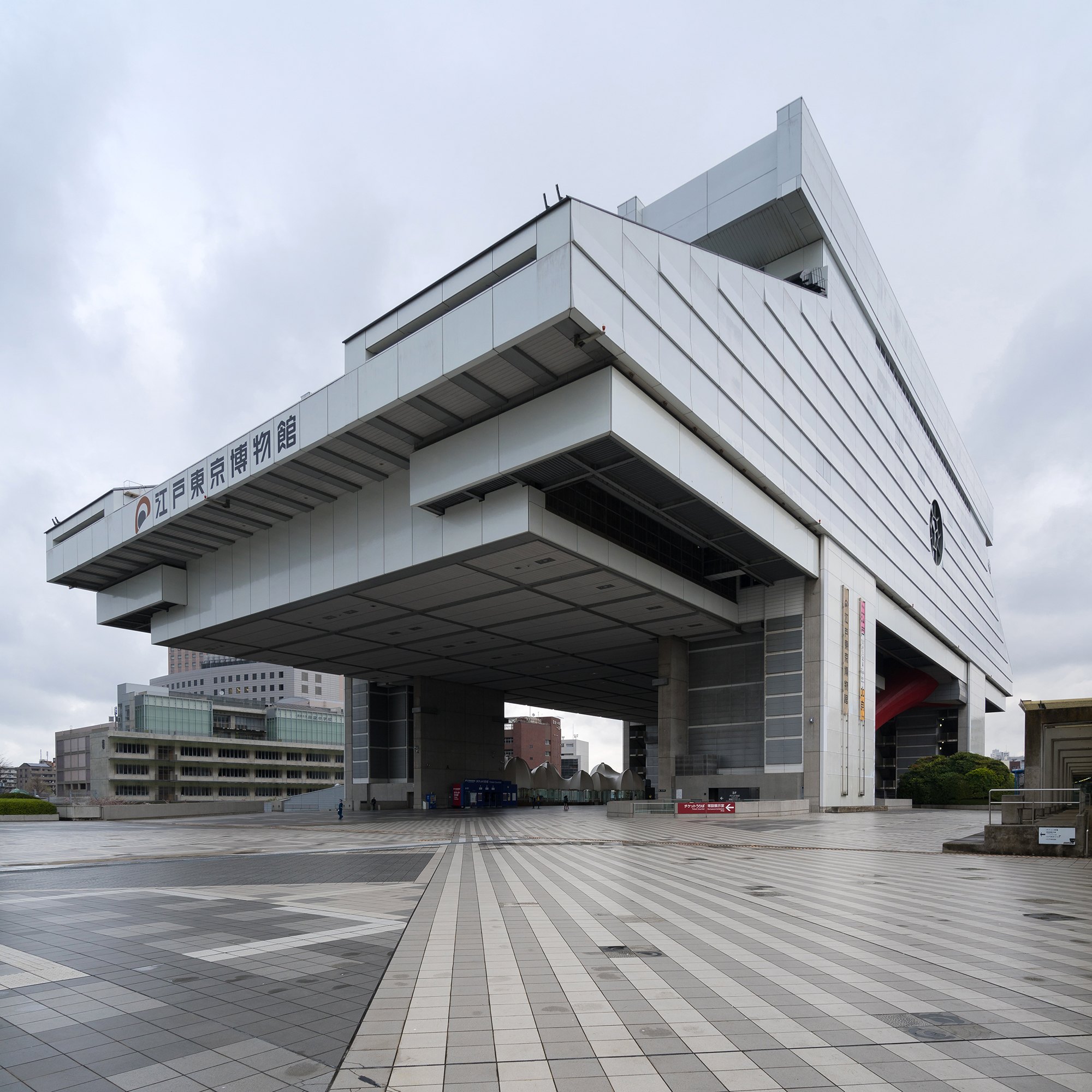
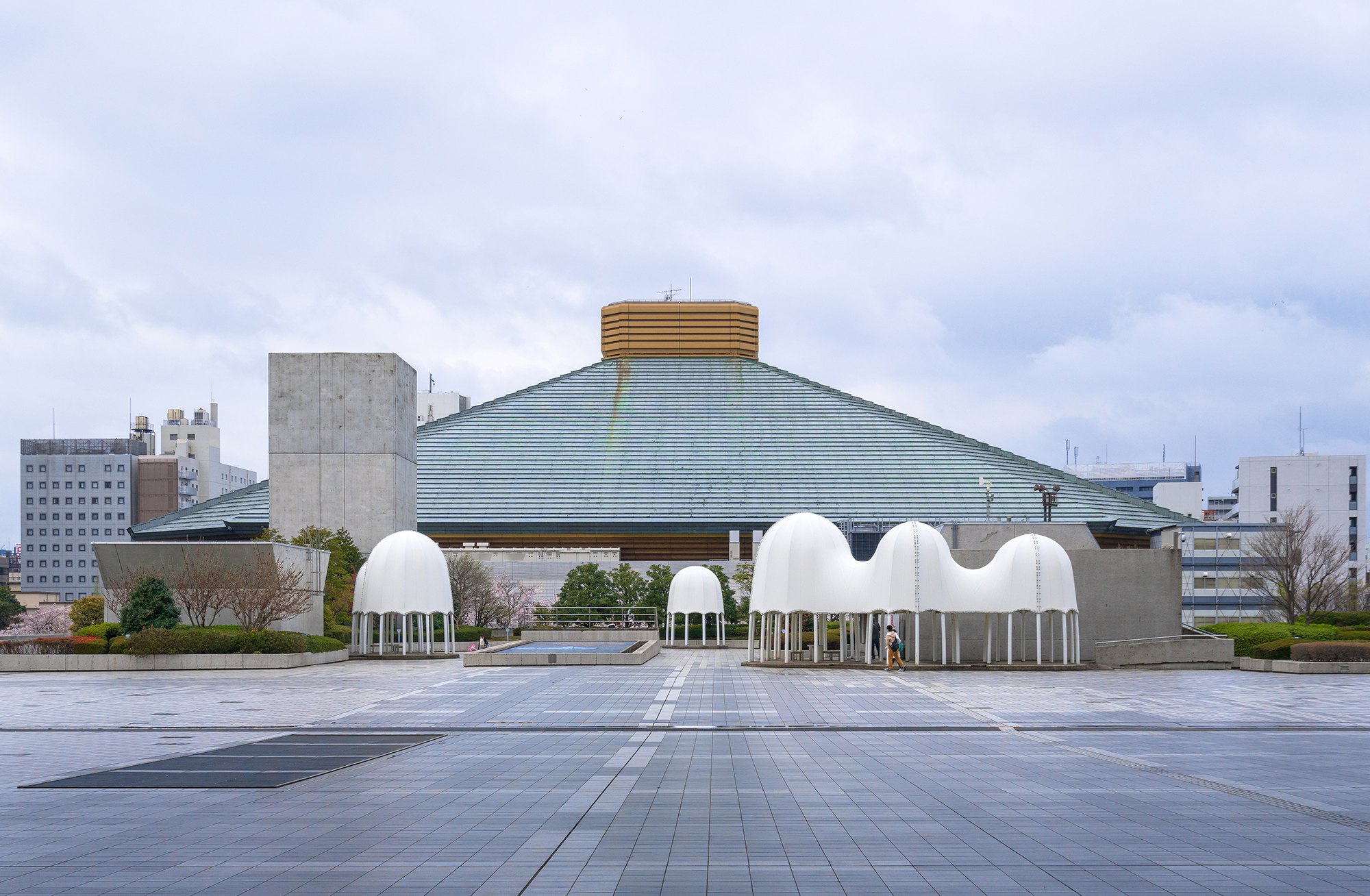
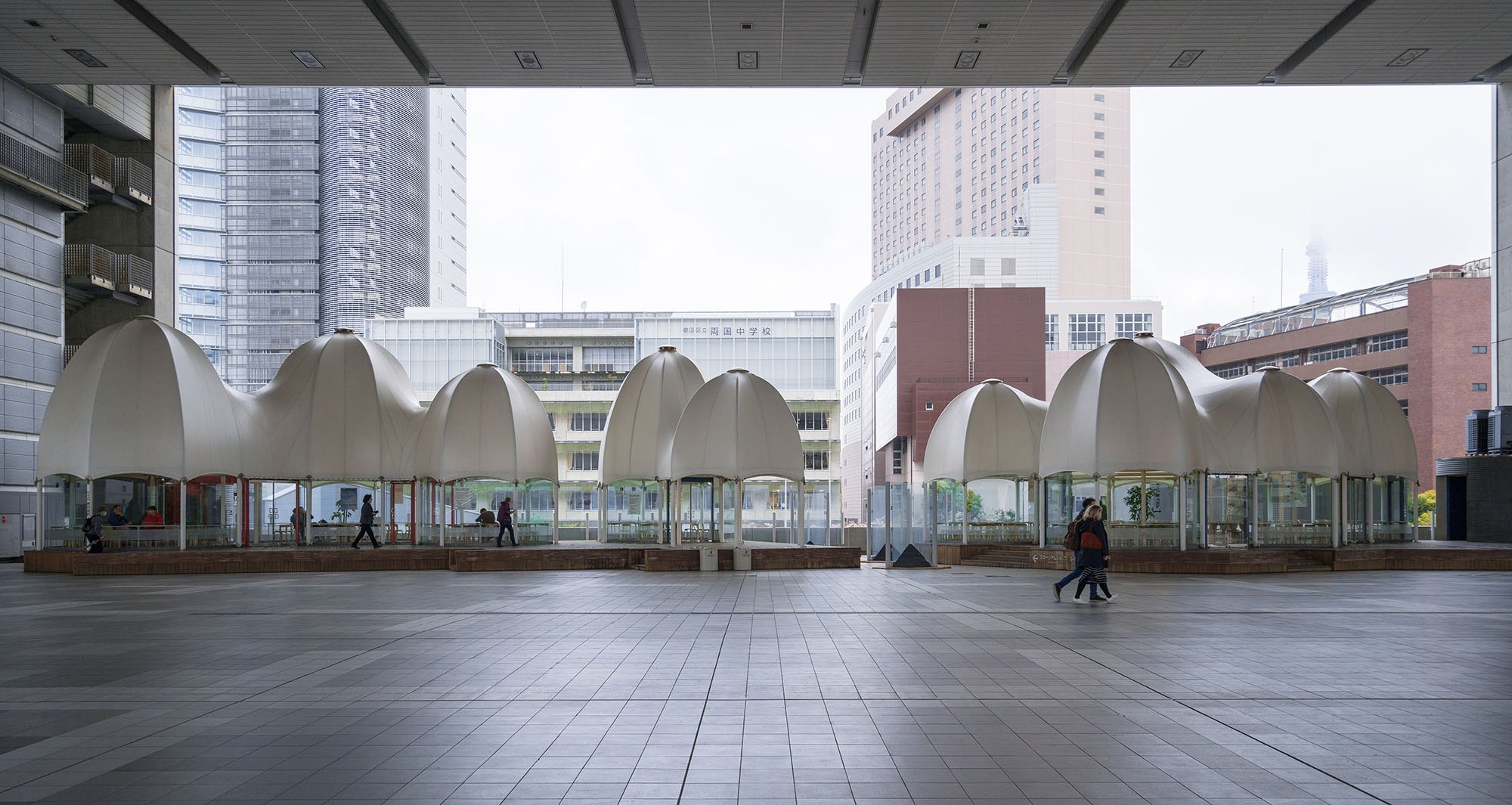
The building is modern in language and seven storeys high, each level given its own role. The first floor holds a planning gallery and an image library, the third the open-air Edo Tokyo Square, the fifth and sixth the permanent galleries, and the seventh the library.
The structure uses a precast reinforced concrete frame. Four great piers at the corners carry the vertical circulation. Walls of in-situ concrete make large exhibition halls free of beams, and fully cut off the noise of the surrounding traffic so it does not distract visitors.
Project Information
- Design studio
- Kiyonori Kikutake
- Time
- 1993
- Type
- Cultural