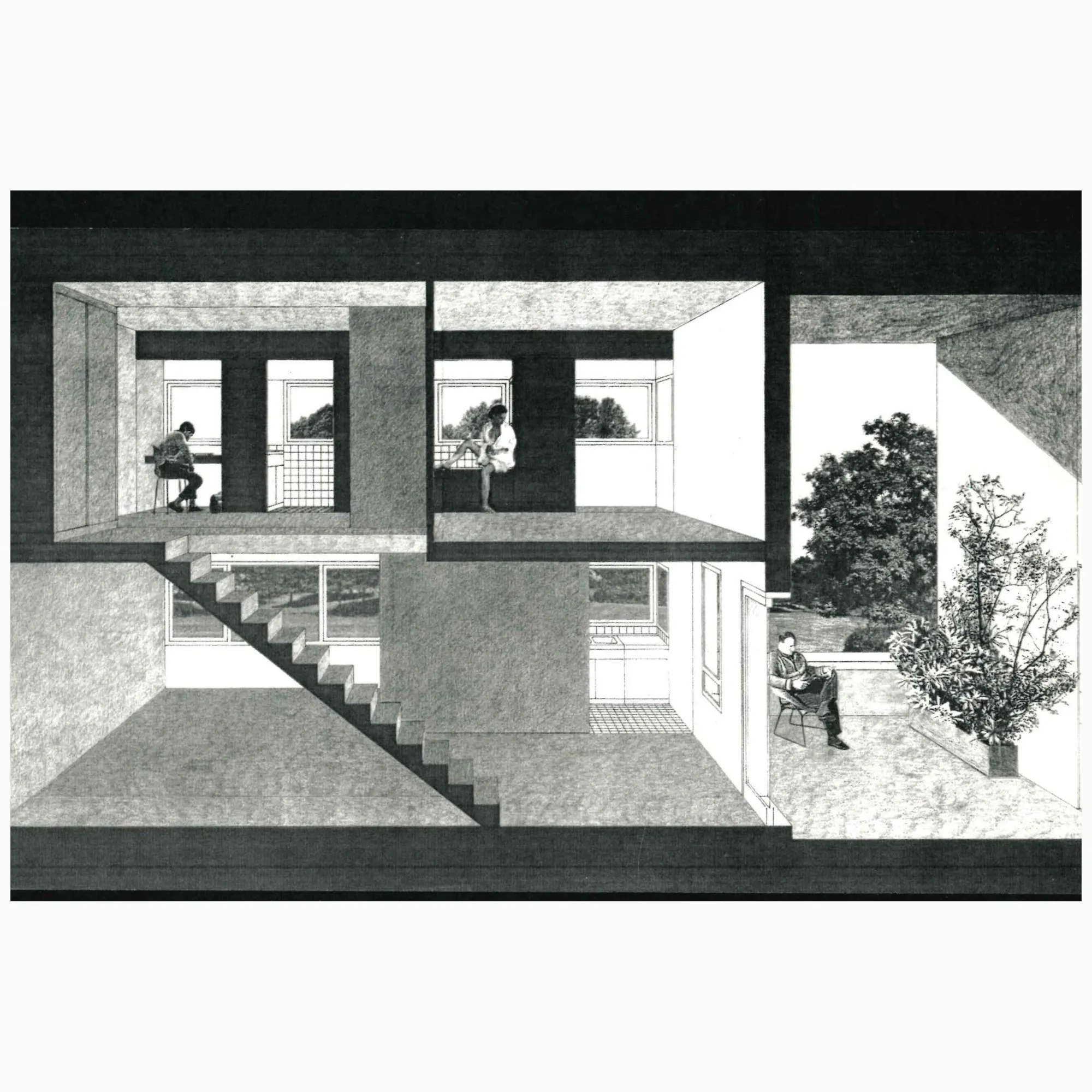
Since 2015, the Hidden Architecture platform has been consistently sharing numerous posts and topics related to the field of architecture on its online platform. Its founders, the young architects Alberto Martínez Garcia and Héctor Rivera Bajo from Spain, remain steadfast in their unique selection process when choosing projects to showcase and conducting research on architectural history and construction. They have created a “unique” platform that caters to architecture enthusiasts and professionals alike, providing valuable insights and perspectives.

“The story began when Héctor and I were working on our thesis in Madrid. We spent a lot of time discussing architecture and the projects we were exploring for our research. Somehow, Hidden Architecture took shape. We simply found so many interesting things and wanted to share them, with the thought that they might be useful to others. What started as a personal hobby turned into a responsibility, we set for ourselves because of the joy it brought us.” – Alberto Martínez Garcia, one of the two Co-founders of Hidden Architecture, recounted.
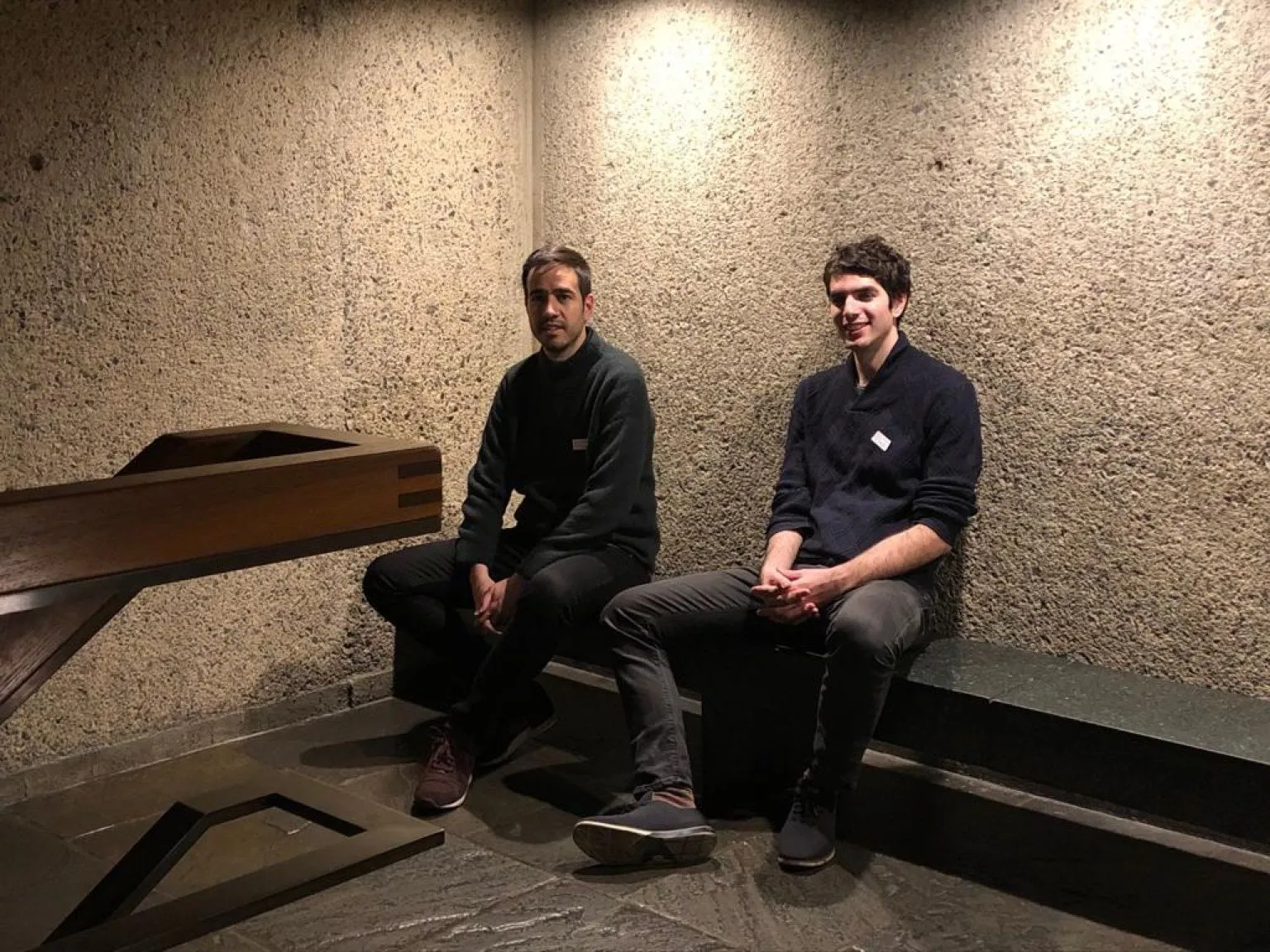
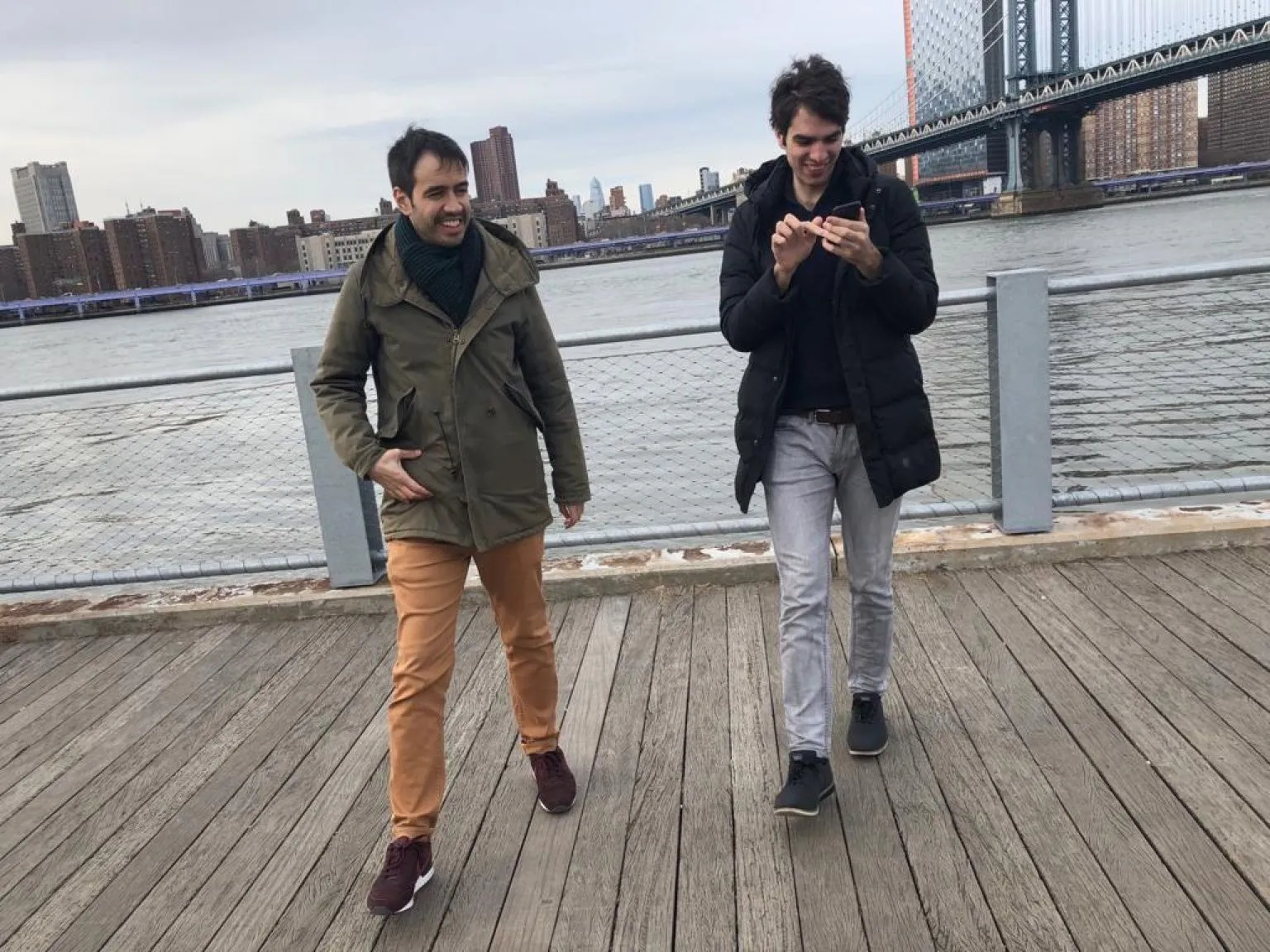
Alberto is currently living and working in New York, USA, while his colleague Héctor Rivera Bajo is in Zurich, Switzerland. Alberto acknowledges that in New York and many other cities he has visited, aesthetics has become the most highly regarded factor in architecture. “This city has a history of around 3-400 years, and most of the buildings here are somewhat under 150 years old. The preservation board has been actively working to preserve the old structures. However, in reality, the majority of these buildings are privately owned, by wealthy or influential individuals. For that reason, what is the true value of these structures? What benefits do they bring to the people living in the city beyond creating a beautiful facade? I believe these buildings are all wonderful, but they do bring forth various issues when it comes to the community.”
Starting off as architects, Alberto and Héctor realised early on their growing interest in research. According to Alberto, it was a way to learn more about the profession in a specific and visual manner. While Alberto continued to engage in architectural projects after graduation, he gradually shifted towards conducting more research. Hidden Architecture is not simply a news platform for design and architecture. Alberto recalls that in 2015, there were around 4-5 websites focusing on architectural content, but they all shared similar content in the same manner. With the desire to create a difference, Alberto and Héctor aimed to highlight architectural projects that received little attention but held their own unique values. The name Hidden Architecture carries the meaning of uncovering and bringing attention to these hidden gems in the architectural world.
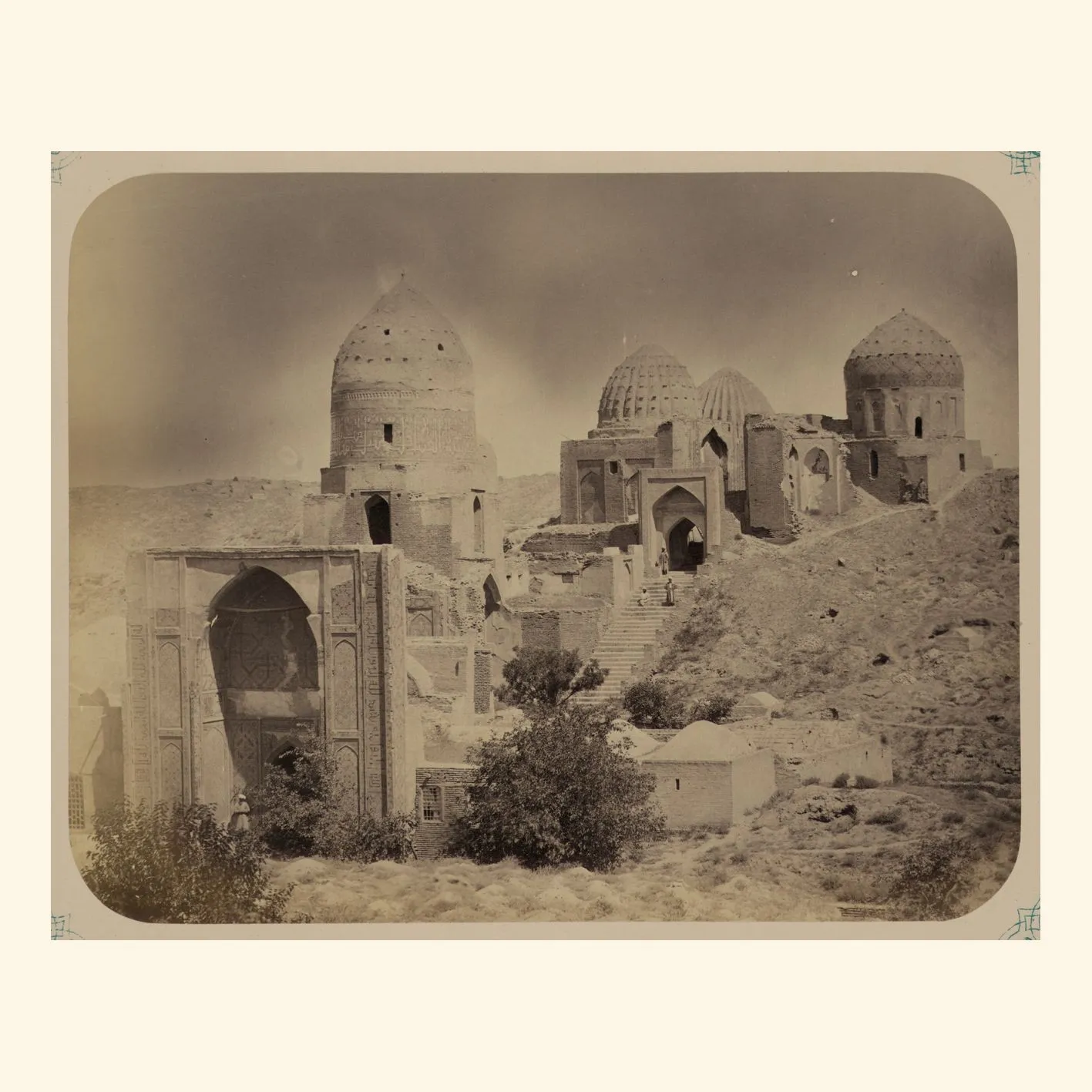
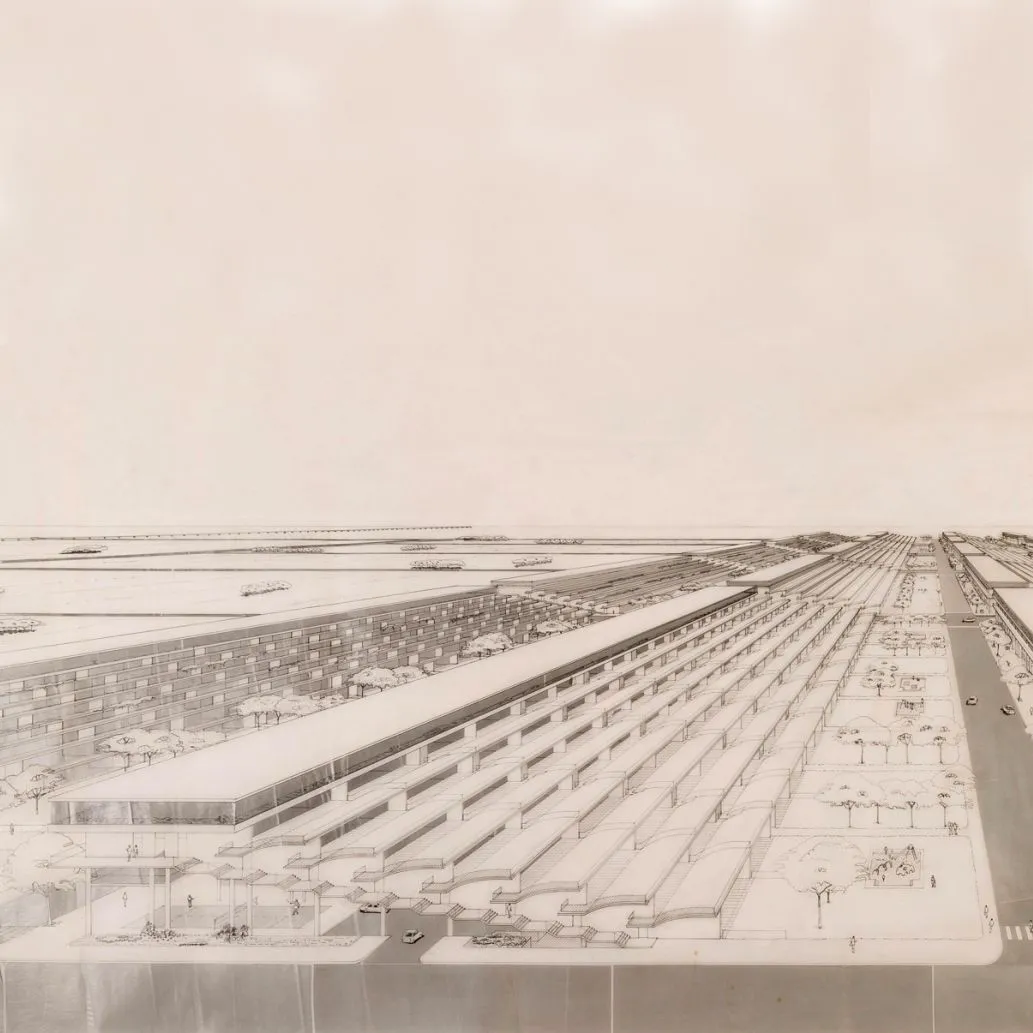
Hidden Architecture archive. Courtesy of Hidden Architecture.
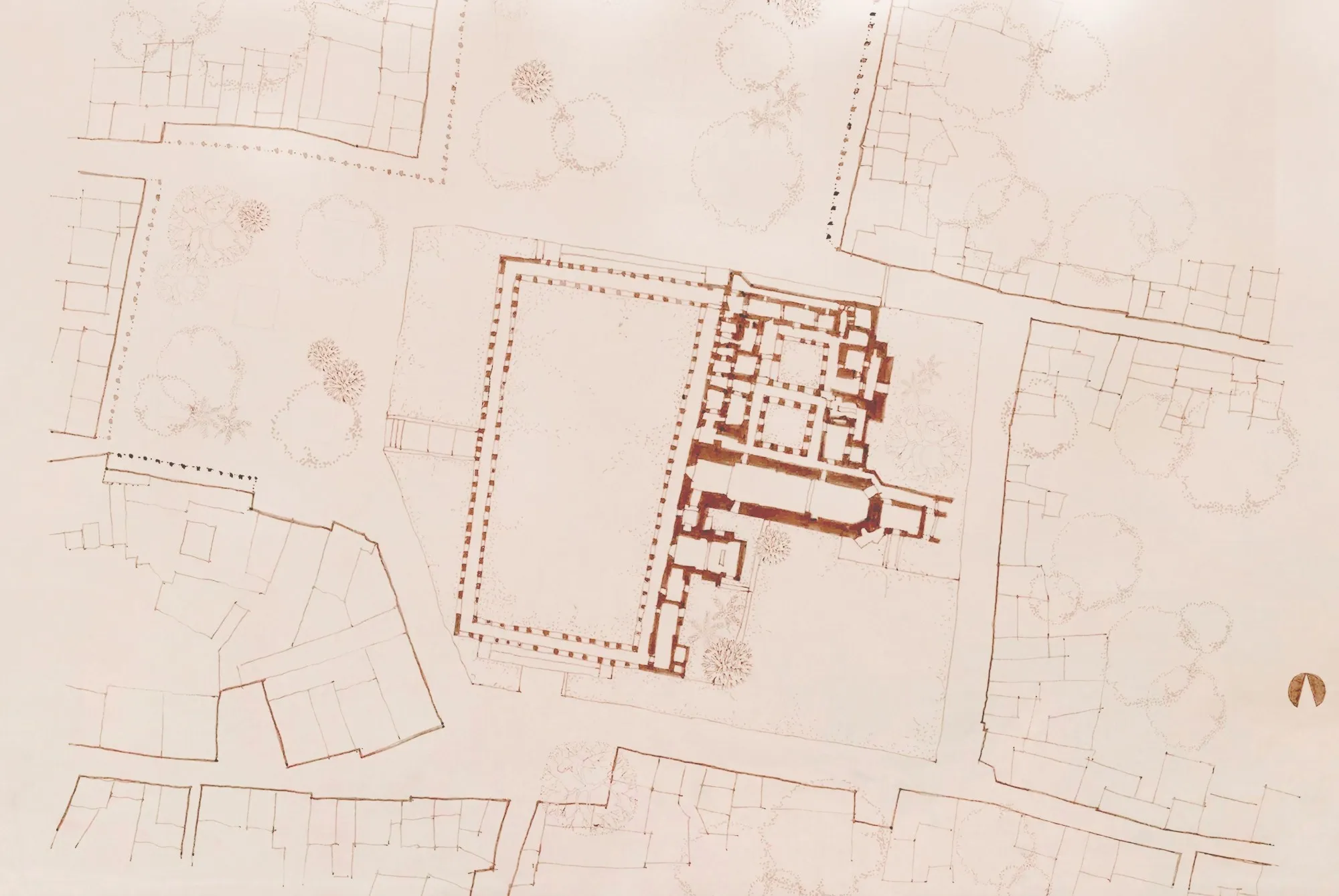
The visual impression of Hidden Architecture is reminiscent of a classic aesthetic. The website’s structure resembles a document folder with multiple small compartments. Opening each compartment reveals a collection of old photographs, both coloured and black and white, as well as architectural floor plans and drawings. These images represent various research topics and architectural projects spanning different historical periods. Hidden Architecture also facilitates easy navigation through its directory system, keywords, specific maps, and detailed information, making it convenient for readers to explore existing projects.
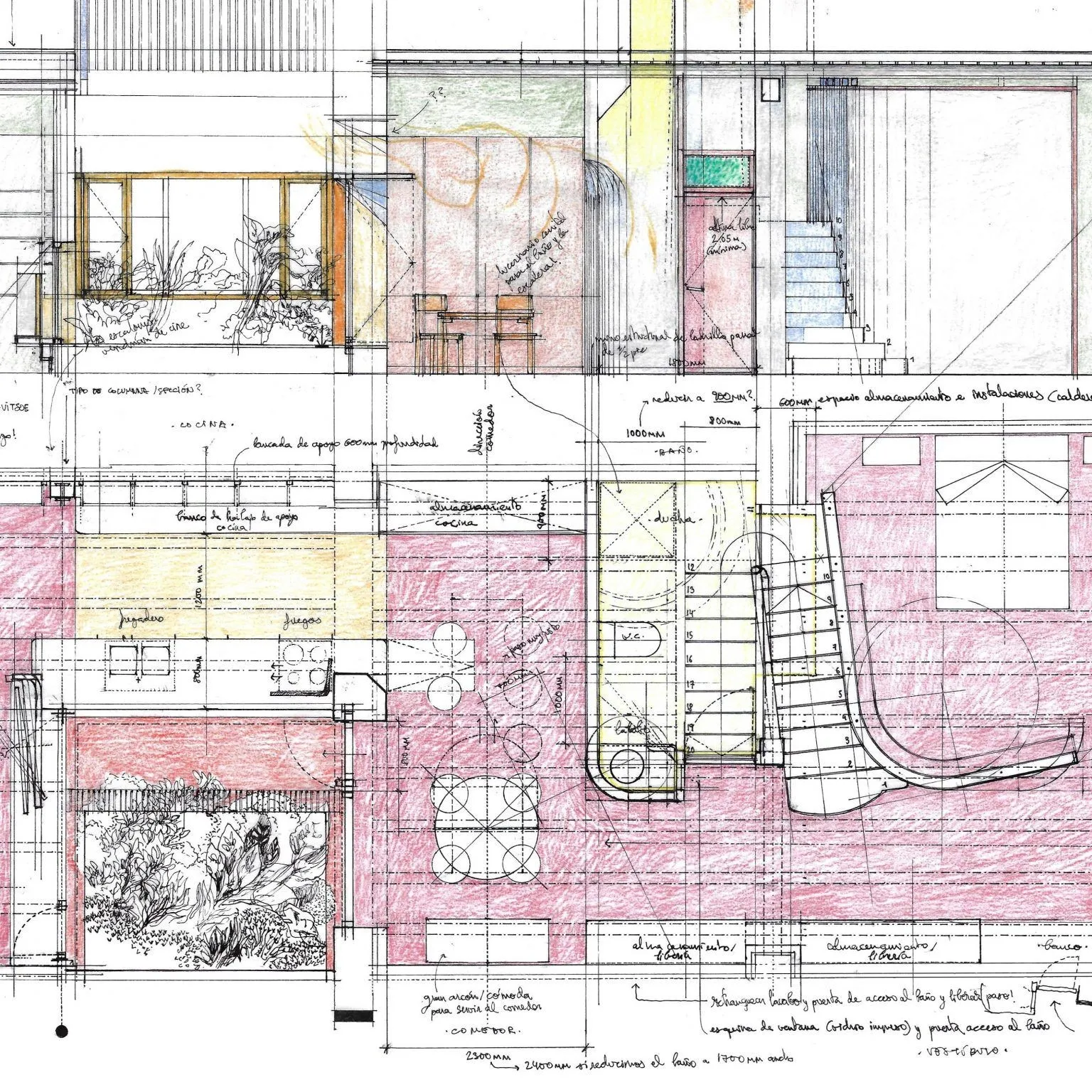
Alberto and Héctor share their own perspectives and approach towards architecture. When it comes to criteria for collaboration or introducing any project, Alberto states, “I think the ideal situation is when a person or project can provide you with information or teach you something you have not known about, allowing you to move further.” Specifically, in their Manifesto, Hidden Architecture demonstrates their disagreement with commercial strategies influencing contemporary architectural practice. Through Hidden Architecture, the two founding members aim to break away from dogma and stereotypes in architecture while “providing a deserved value to certain projects and concepts subtracted from the academic narrative.”
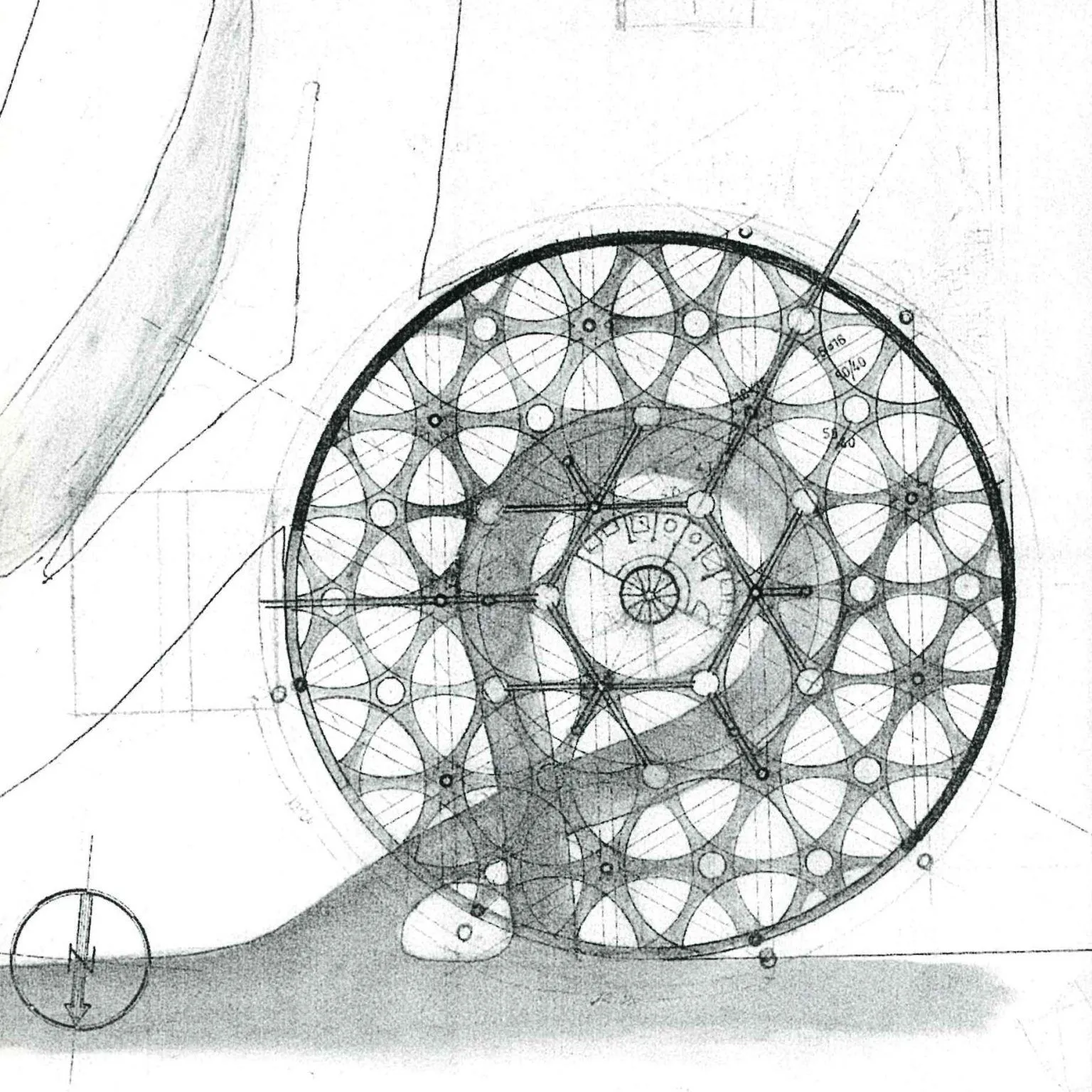
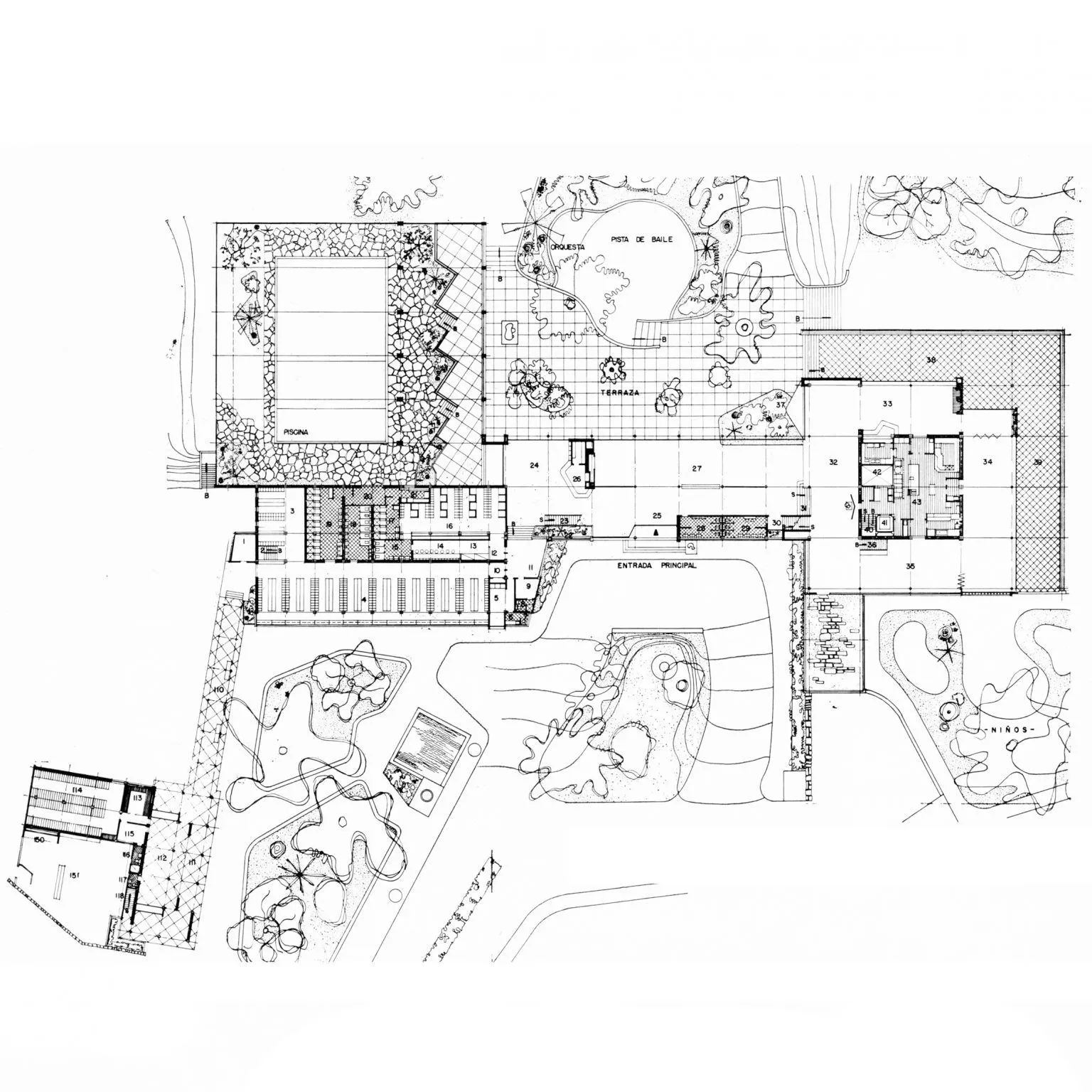
Hidden Architecture archive. Courtesy of Hidden Architecture.
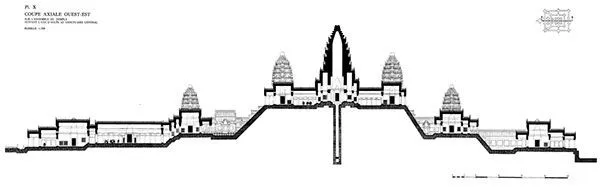
Hidden Architecture has shared an extensive collection of architectural heritage worldwide in both Spanish and English languages. This includes diverse architectural styles and historical periods, ranging from Spanish architect Ricardo Bofill’s post-modern works to the Cambodian ancient Angkor Wat complex. Collaboration from contributors and organisations has been instrumental in making this project possible.
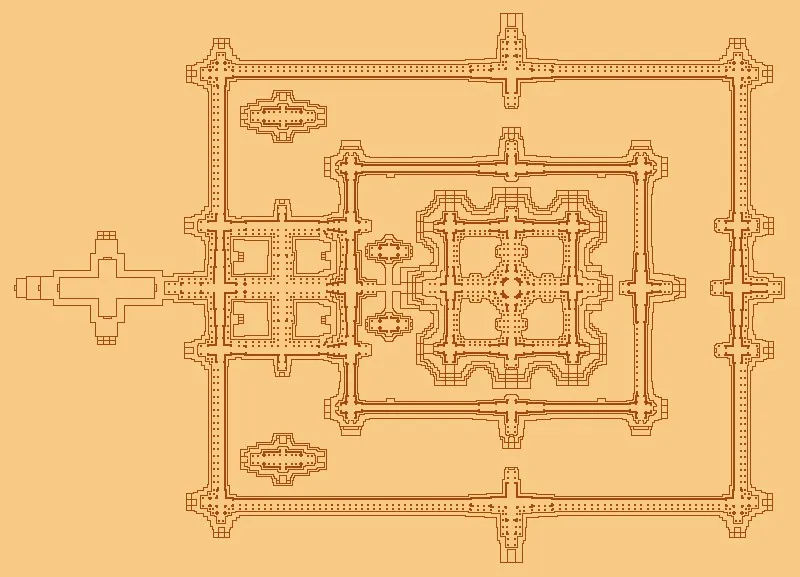
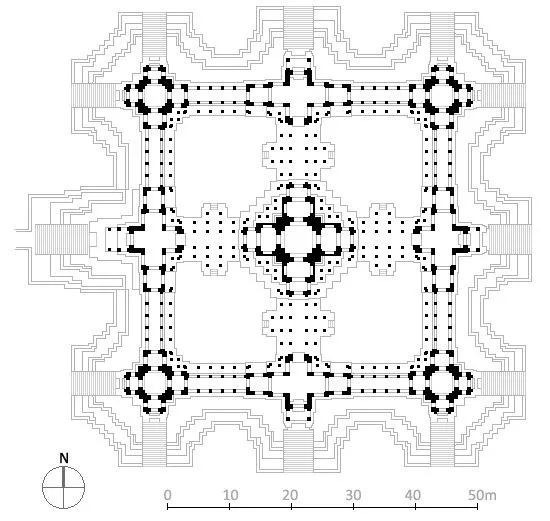
Angkor Wat, plans. Courtesy of Hidden Architecture.
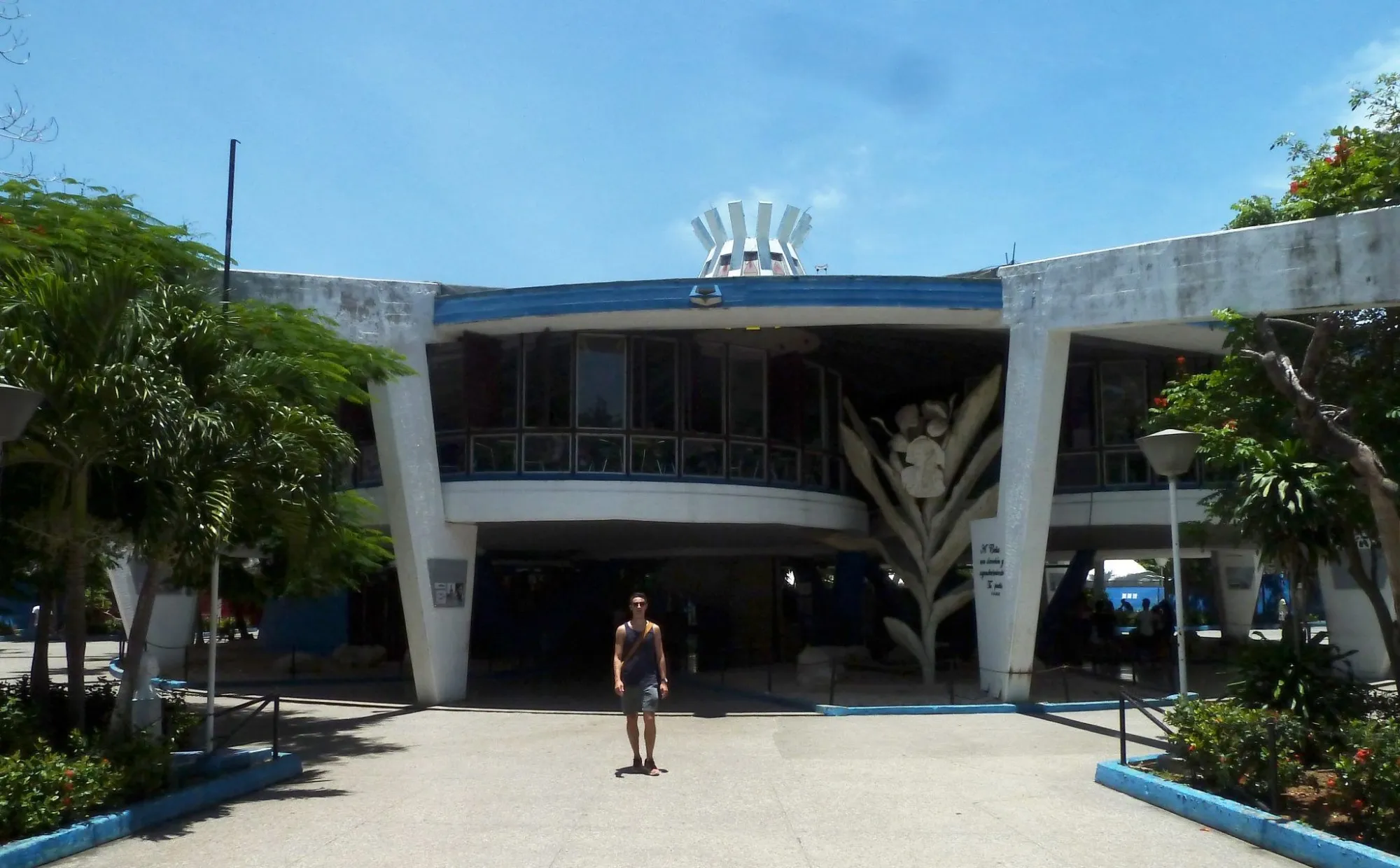
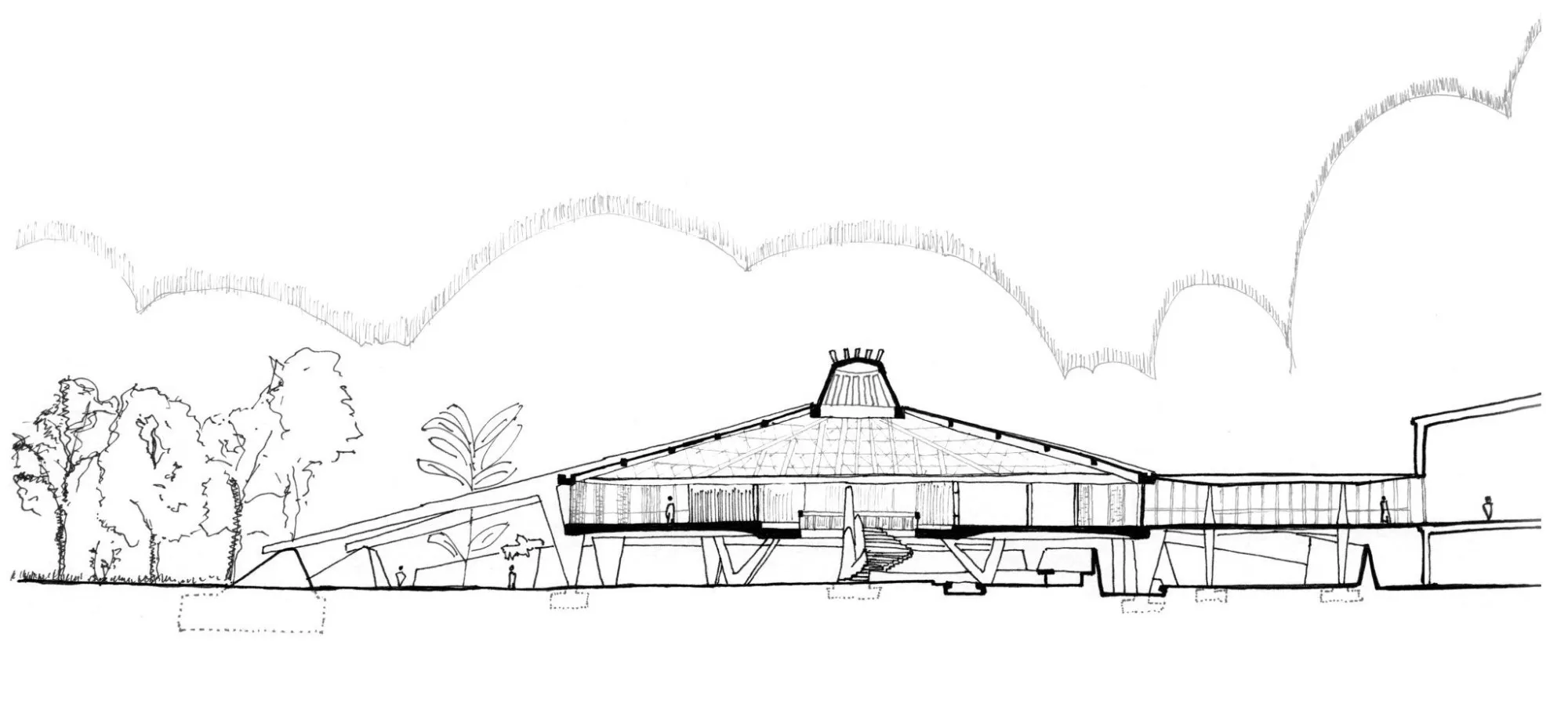
“We usually document our journeys or specific topics that we are passionate about,” Alberto explains. “In the projects we have published, some are reproductions of existing materials, some are written by us, and others are places we have visited and truly understood the architecture. We often share architectural projects that have drawings or urban planning diagrams. However, sometimes I am so eager to share a particular project that I have personally redrawn it based on some sketches and photos I have. One example is the Coppelia Ice-Scream Building in Havana, Cuba, which was constructed in a modern style in 1966. The project combines Soviet influences with tropical and Latin American characteristics, showcasing cultural intersections. This was one of our most challenging projects because we had no documentation other than a few photographs taken by ourselves.”
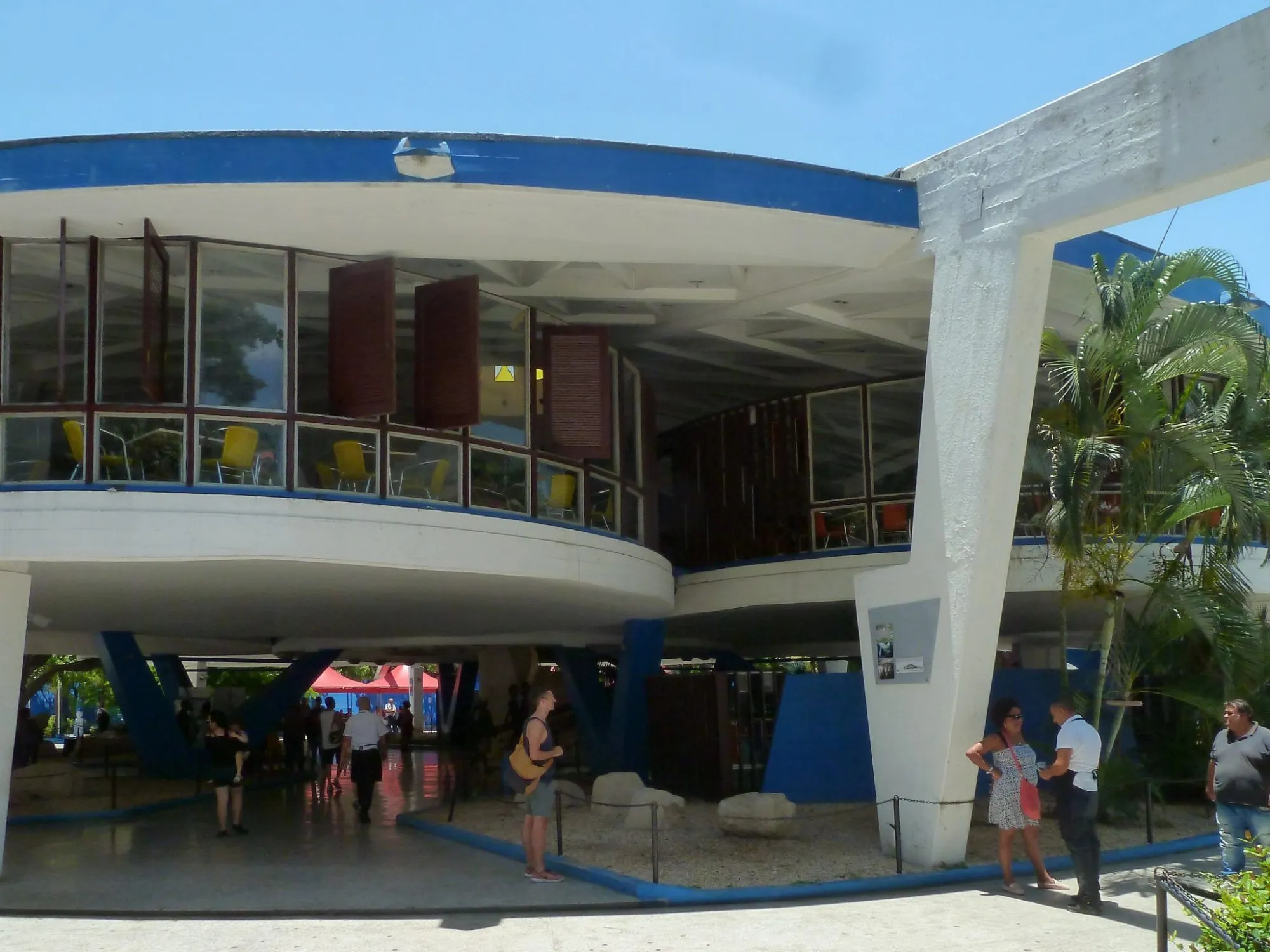
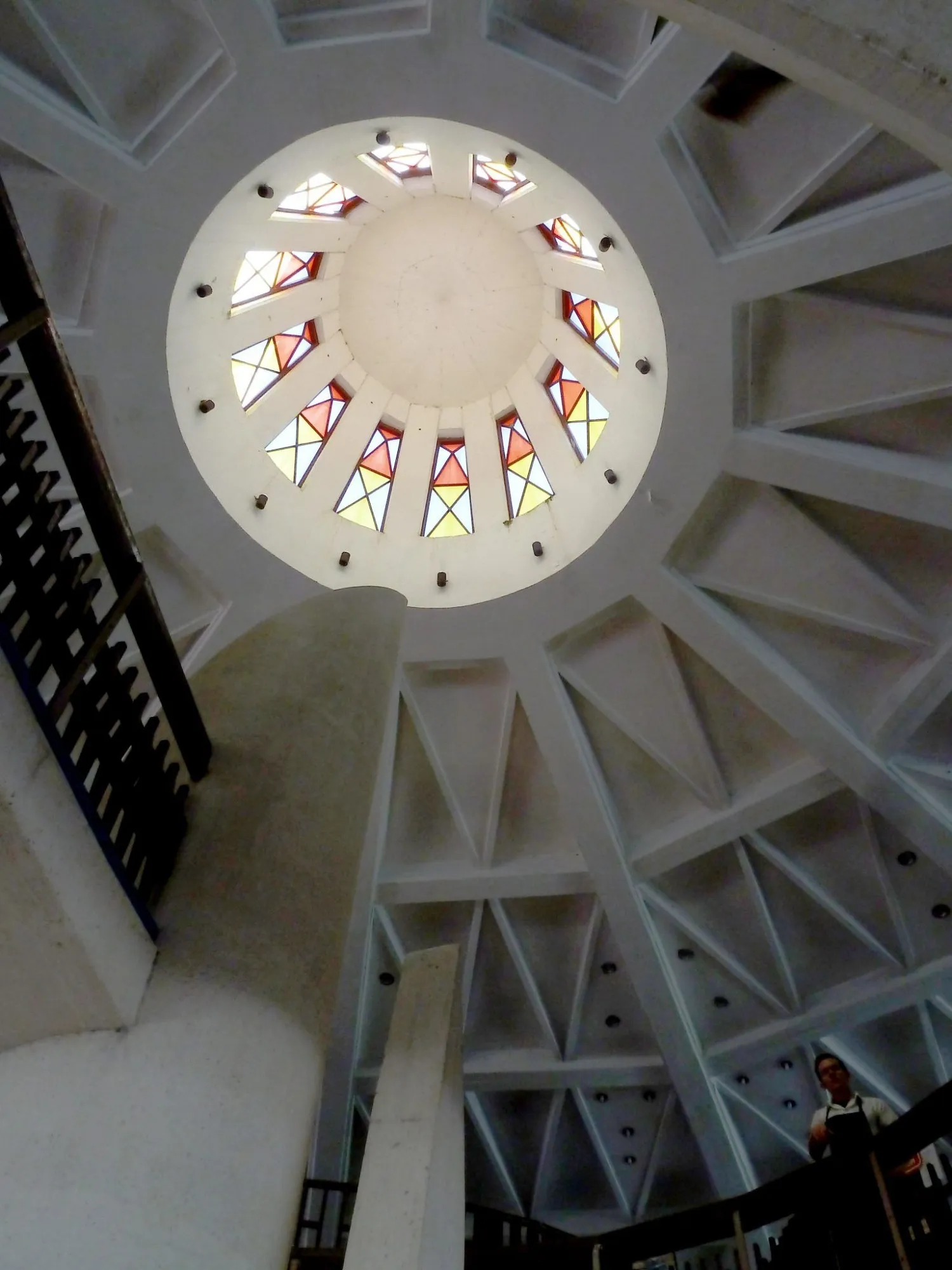
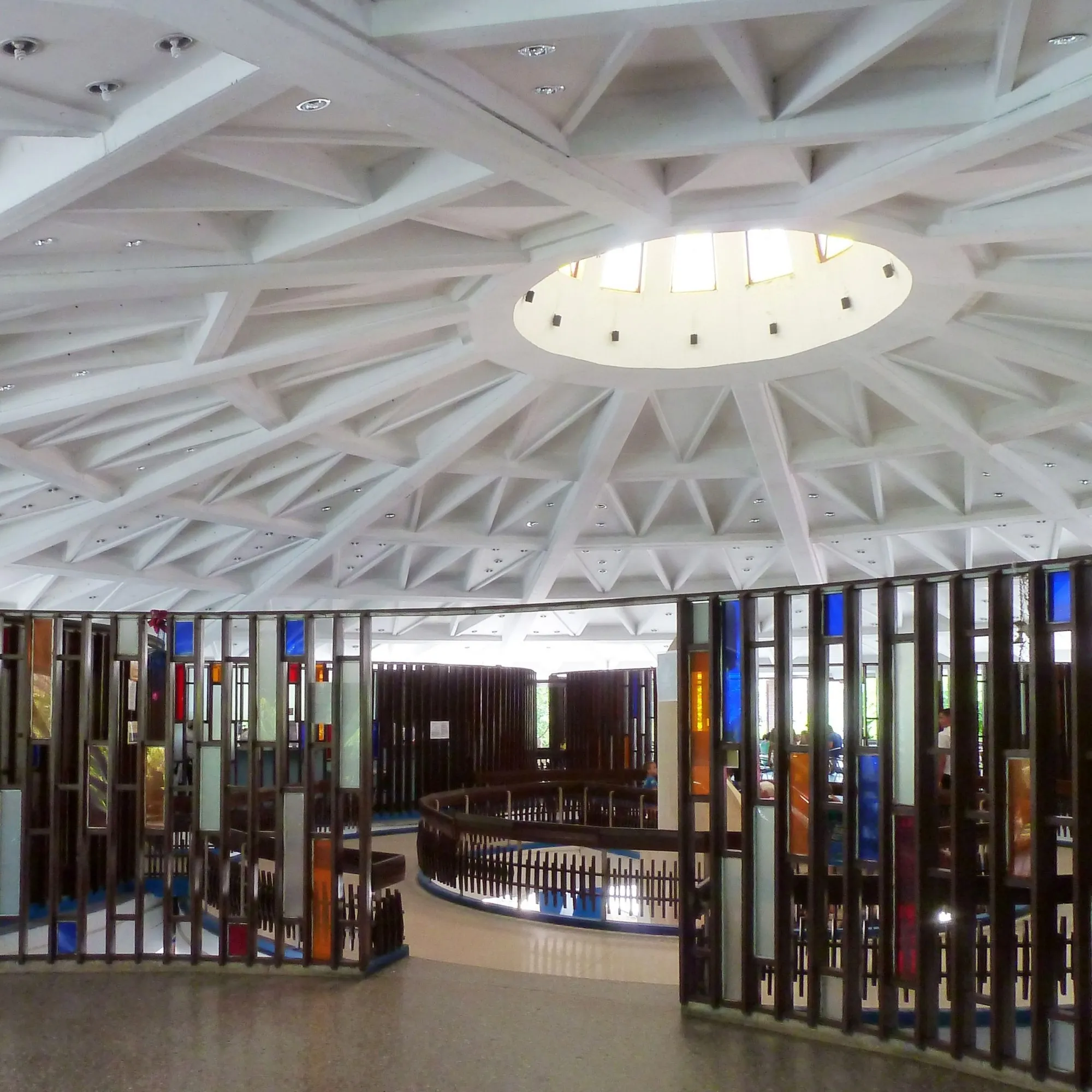
Heladería Coppelia, interior. Courtesy of Hidden Architecture.
“Another example is the Salinger House in Malaysia, which has left a strong impression on me. Despite not having had the opportunity to visit it in person, I wanted to introduce this house. Through various materials and scientific reports, I found that the Salinger House achieves a harmonious blend of traditional structure, modern social living, and the Western homeowner’s lifestyle. In addition to the material elements, the ventilation system of the Salinger House is designed similarly to traditional Malaysian houses, with rooms capturing the North-South wind flows, and the interior space elevated to allow hot air to rise, keeping the lower areas cool for people’s activities. This factor contributes to the house’s thermal comfort without the need for mechanical assistance,” Alberto adds.
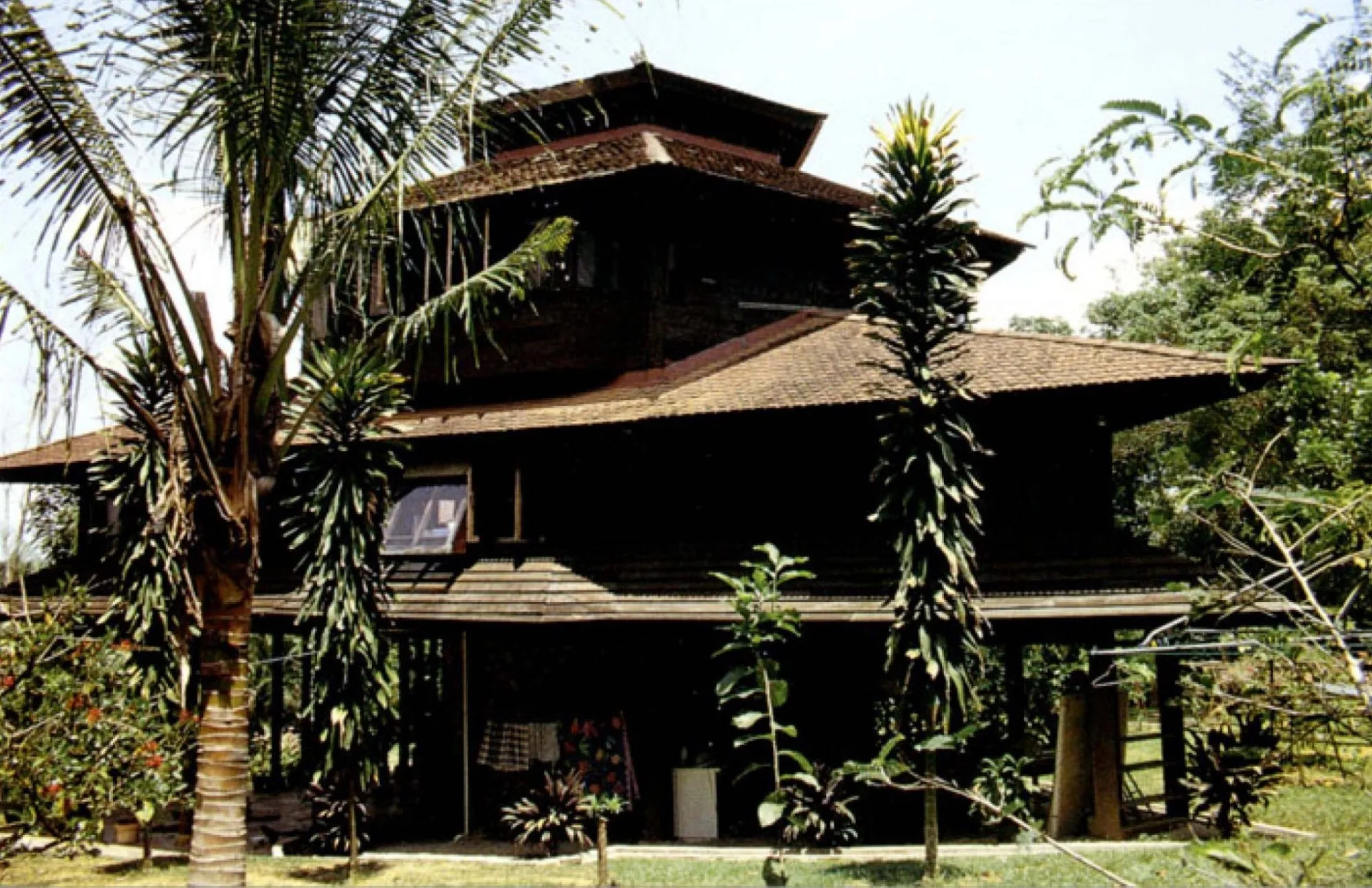
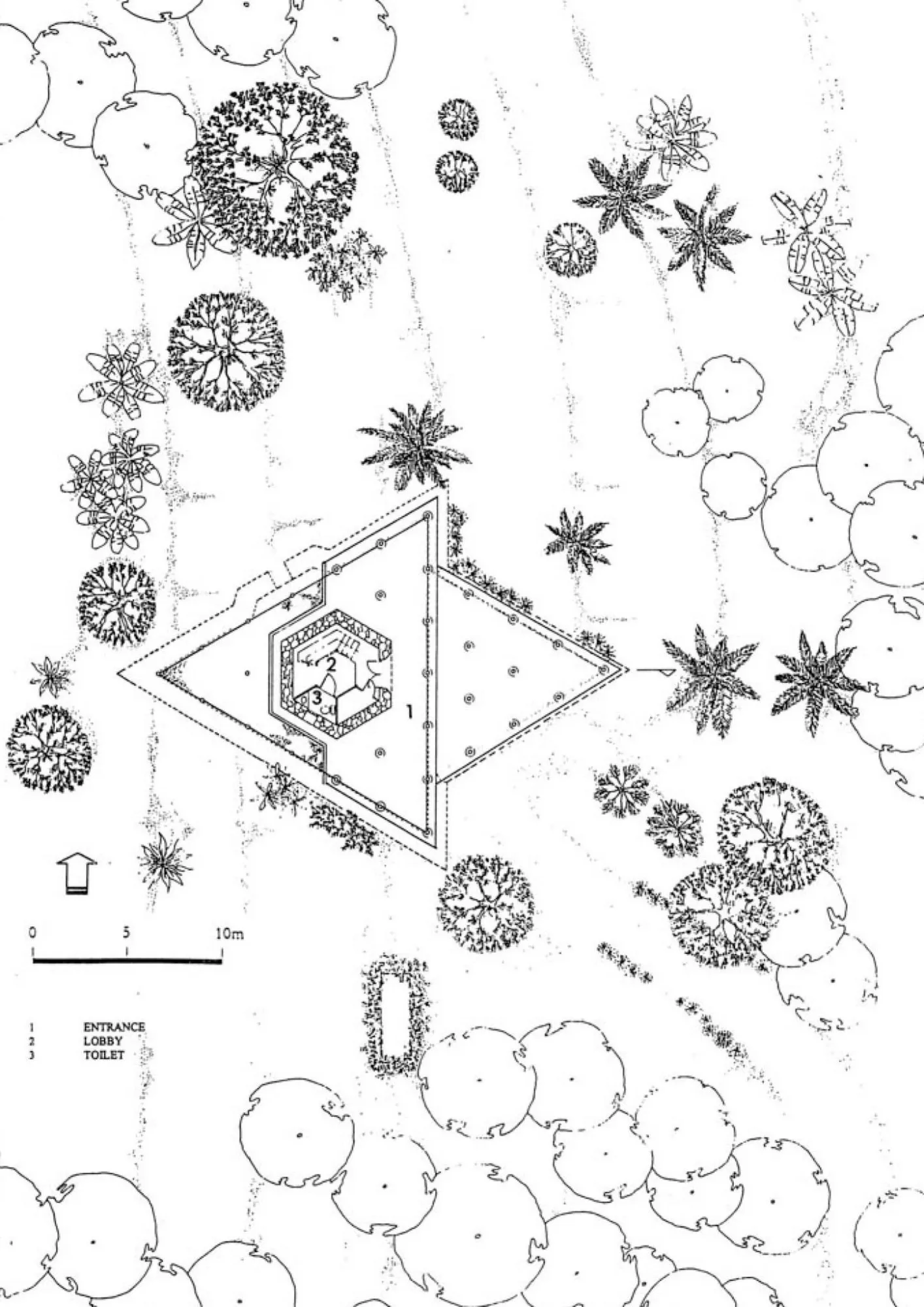
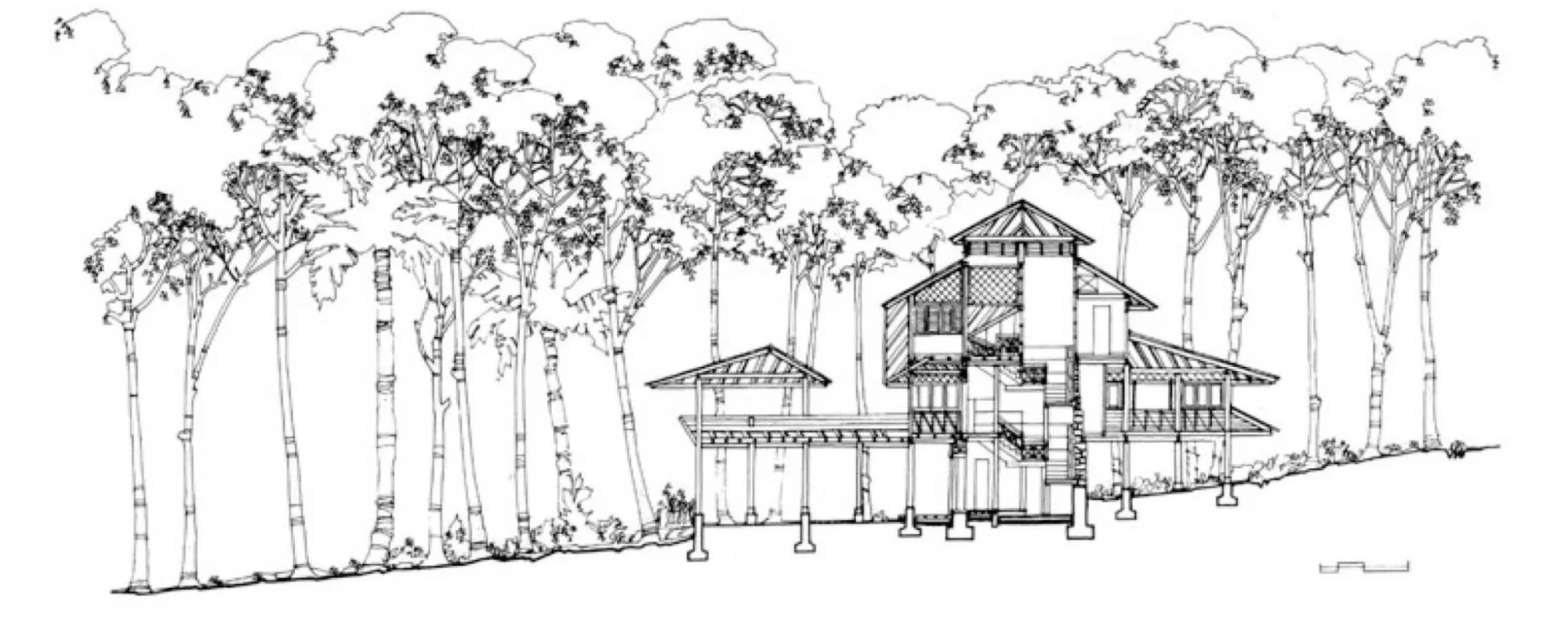
In addition to individual project introductions, Hidden Architecture also publishes research topics that reflect their perspectives on design and architecture. The Salinger House is part of a research topic called ‘Ungreen.’ Hidden Architecture expresses their opposition to the contemporary view that sustainable architecture must be exclusively ‘green’ through a series of articles exploring architectural practices from previous generations that have been passed down throughout human history.
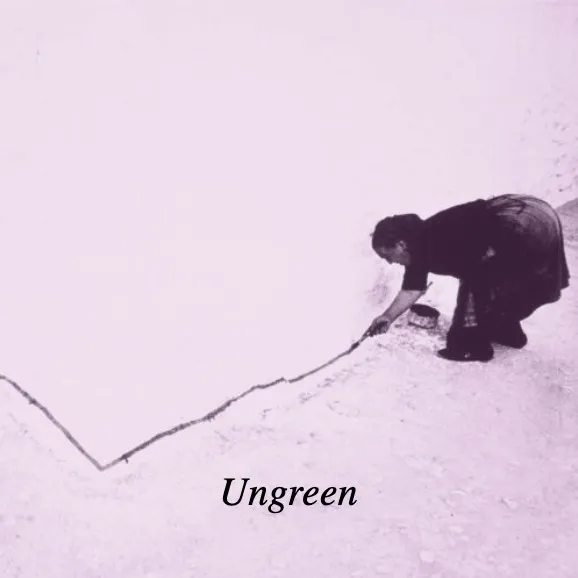
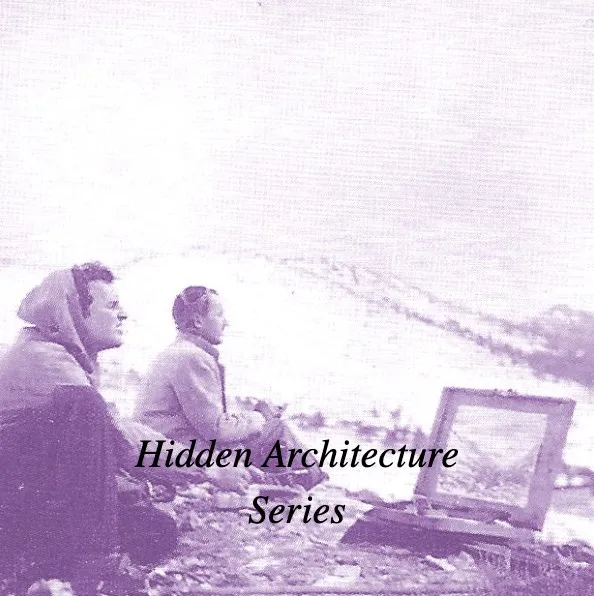
Ungreen and Hidden Architecture Series. Courtesy of Hidden Architecture.
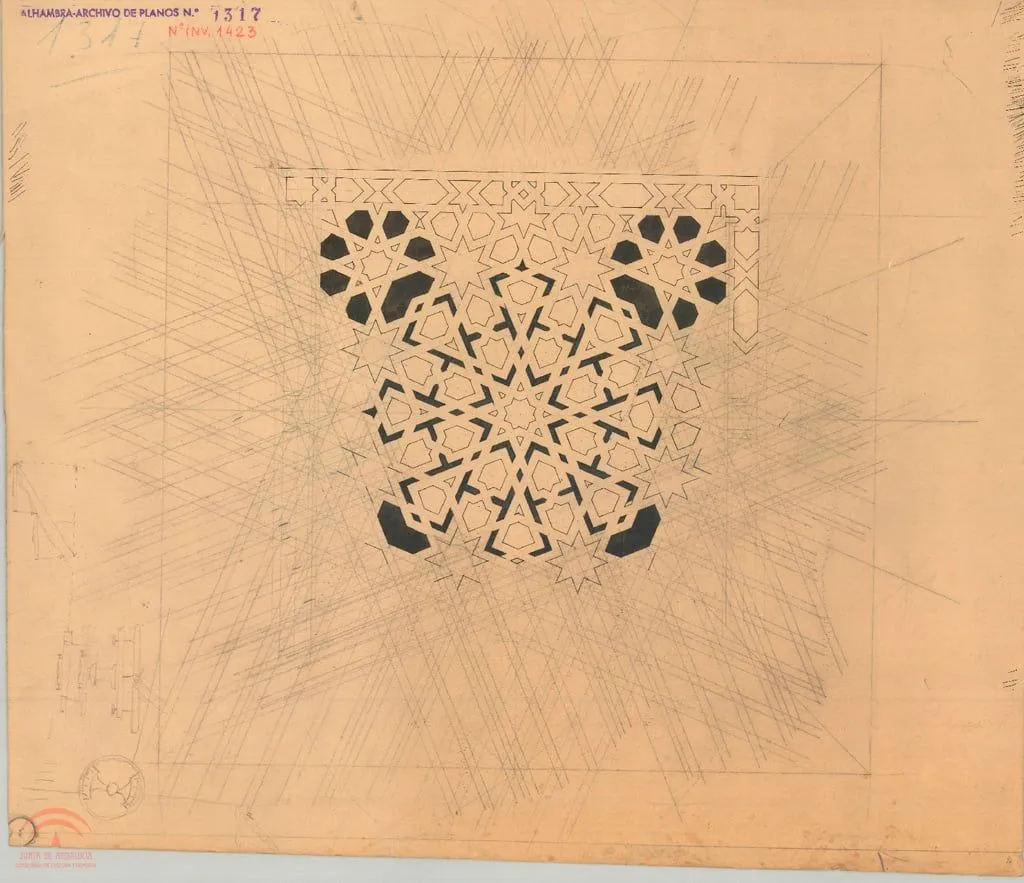
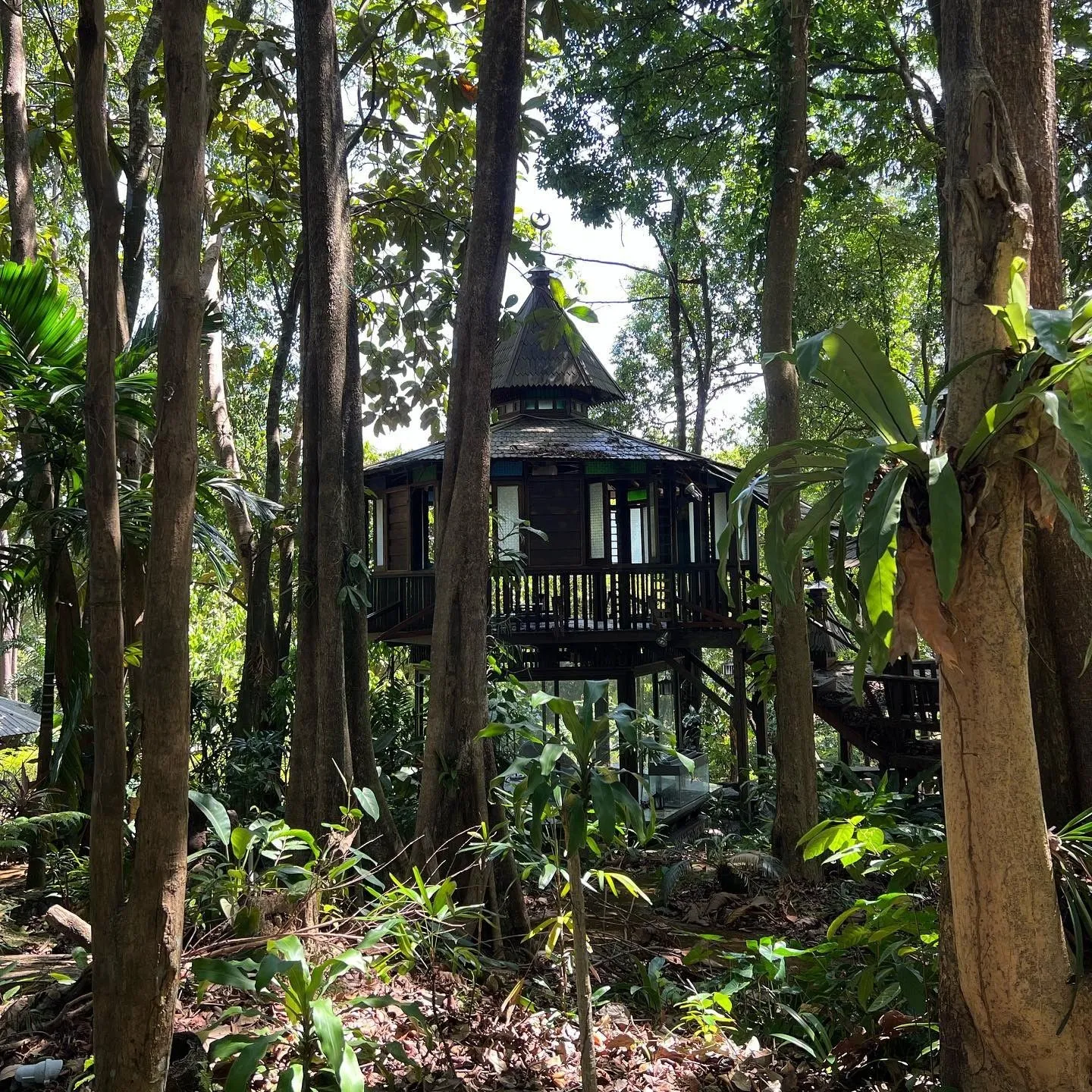
Hidden Architecture archive. Courtesy of Hidden Architecture.
Alberto shares that he and Héctor quite sometimes find it challenging to choose a project because there have been so many constructions built over the past thousand years. He focuses on delving deep into specific projects, narrowing down the geographical area and historical period, rather than trying to find obscure or overly prominent architecture. Alberto uses phrases of ‘the use of image’ and ‘the rejection of image’ to describe the research approach of the Hidden Architecture editorial team. Initially, they attempted to find lesser-known projects with intriguing images, ‘the use of image’ to pique readers’ curiosity. However, later on, their focus shifted to contrasting aspects, and that is when ‘the rejection of image’ came into play.
“We explore architectural aspects that cannot be represented solely through images, drawings, or specific photographs; they are more conceptual in nature. For instance, we once wrote an article about the use of lime in architecture, but a photograph of lime alone would not convey much meaning, would it? We delve deeper to understand how materials function from environmental or archaeological perspectives. Specific construction techniques are not easily visible. It is impossible for you to just glance at it and be amazed by the material at first sight. We focus more on the process, relationships, and essence of architecture—those seemingly insignificant details that actually hold significance,” Alberto further explains.
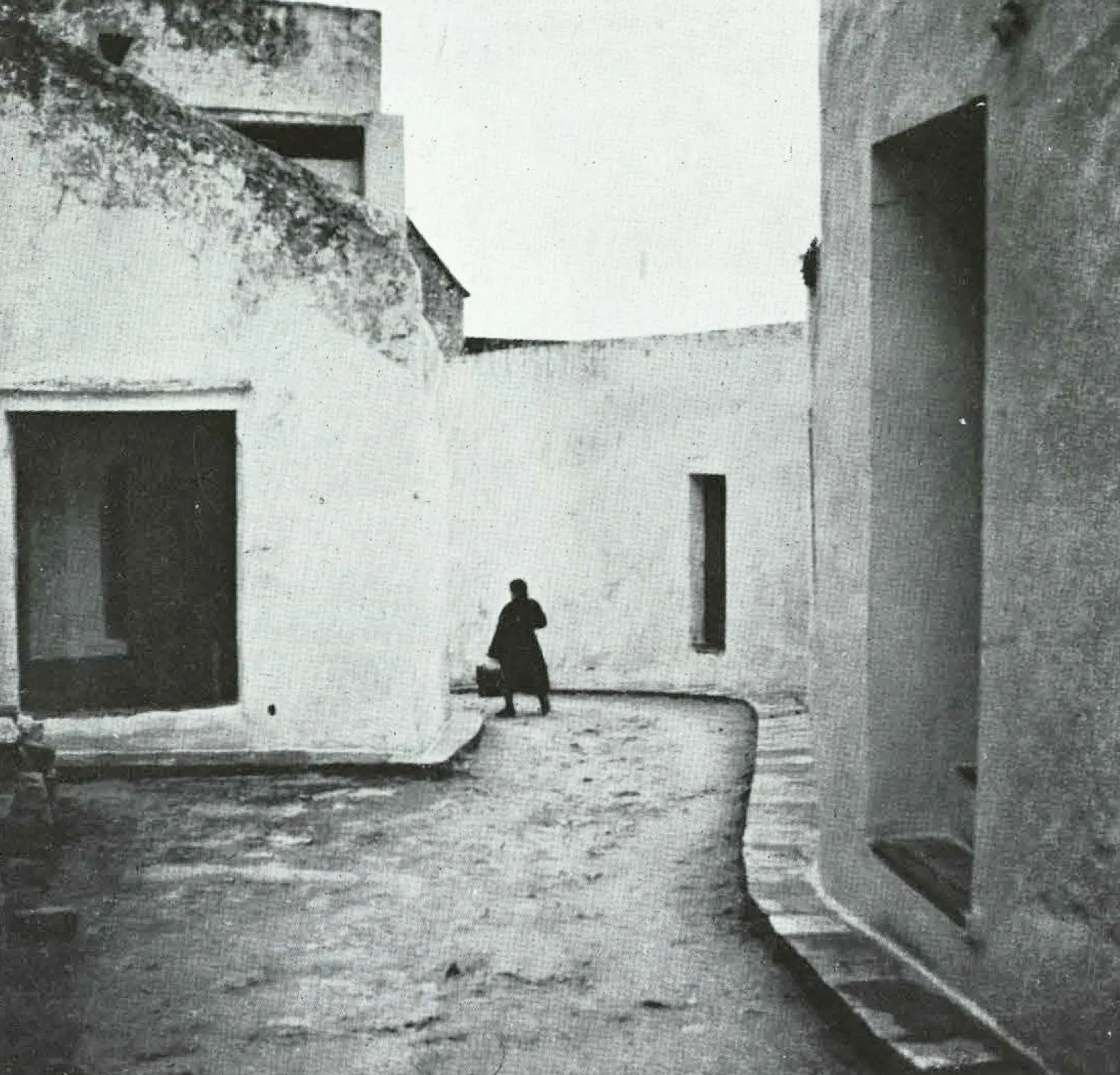
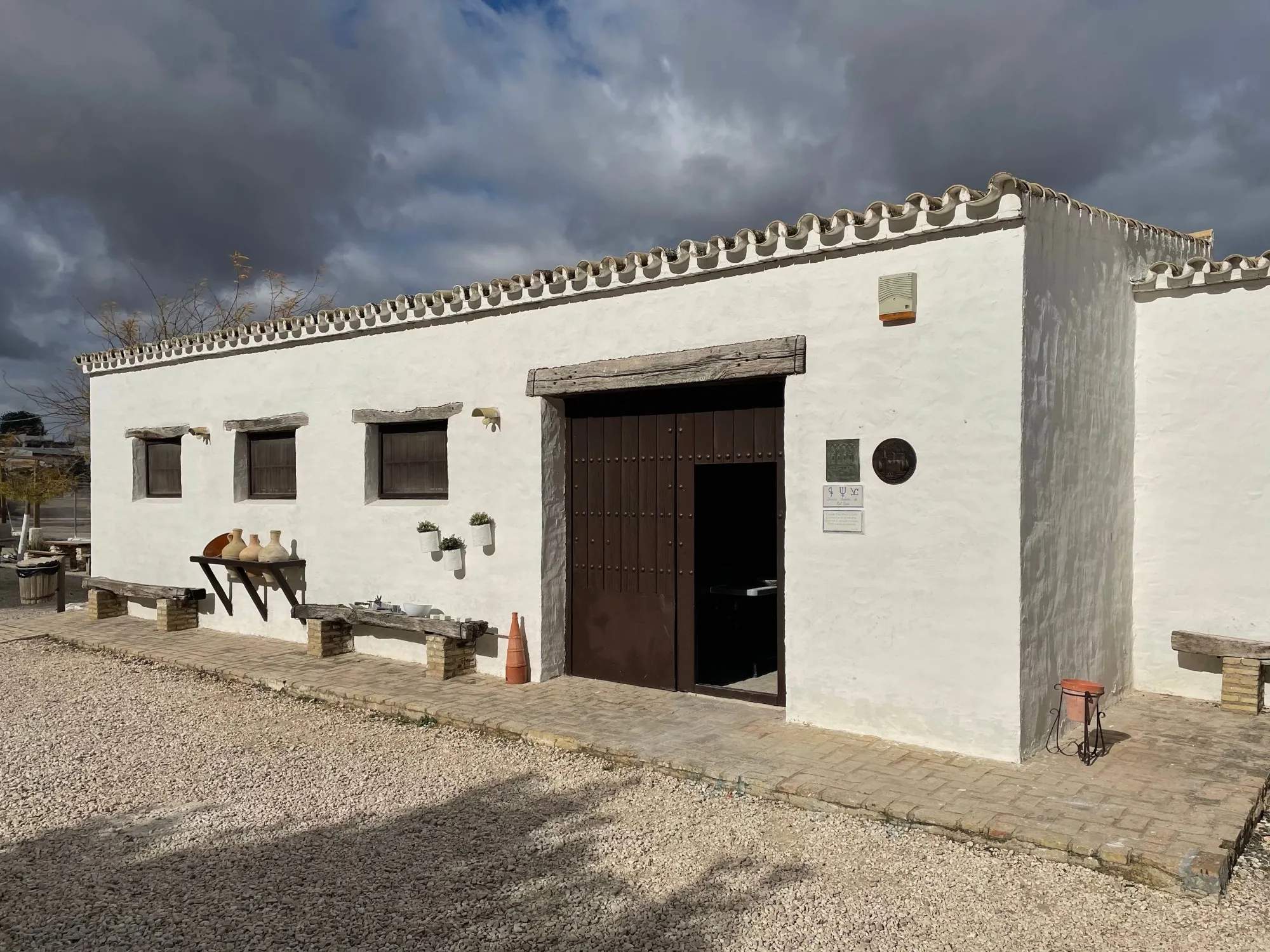
From the Hidden Architecture research on lime. Courtesy of Hidden Architecture.
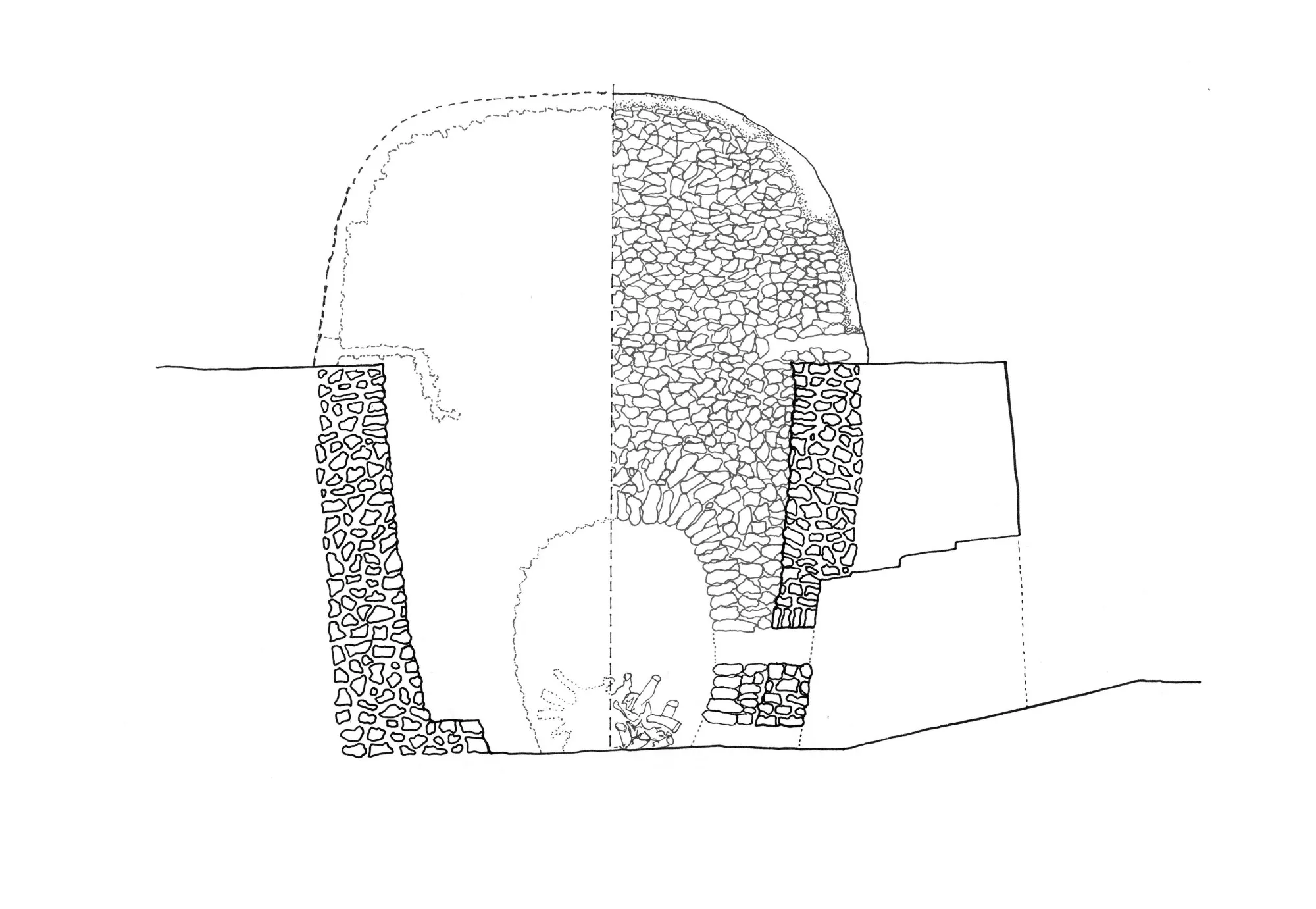
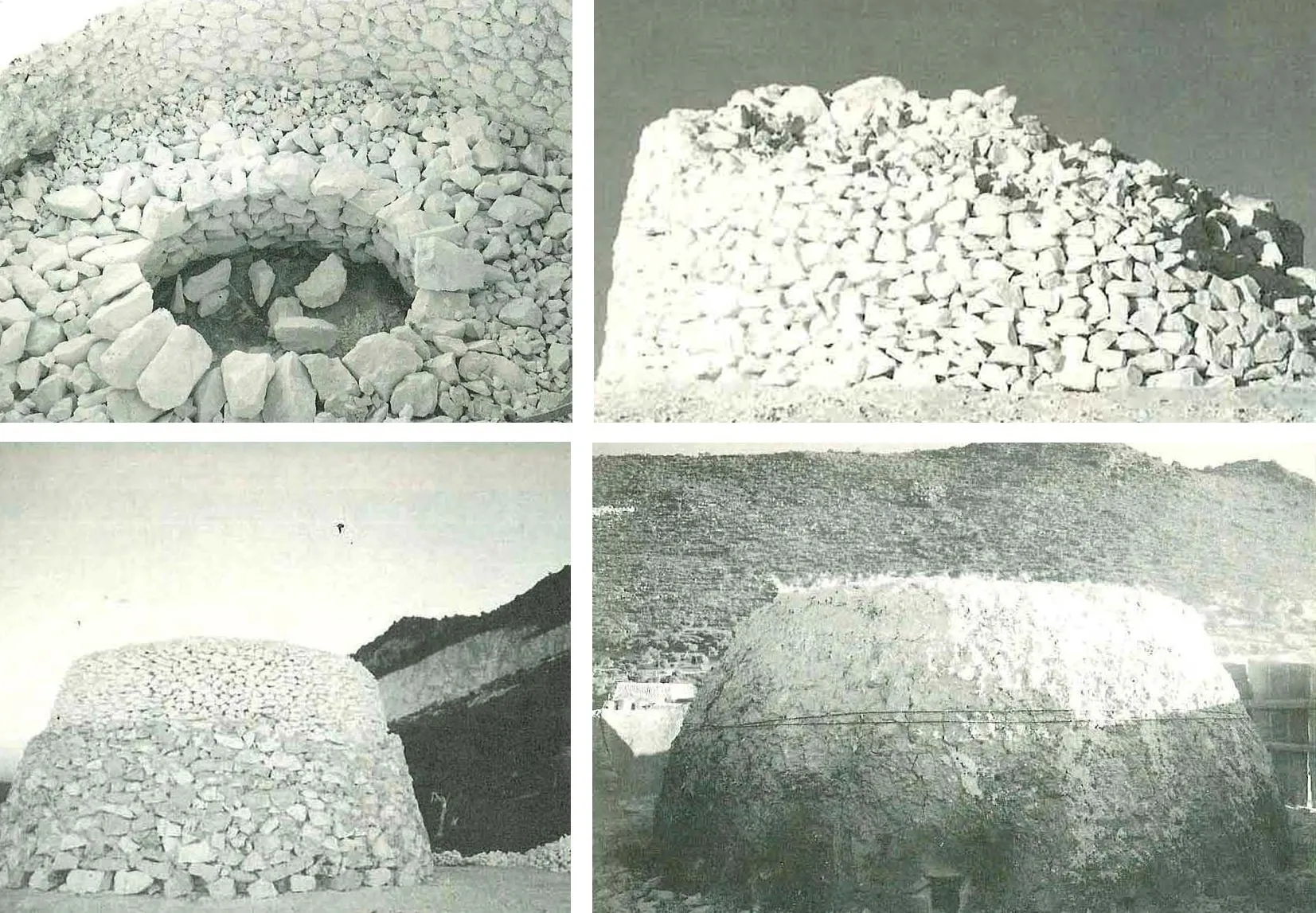
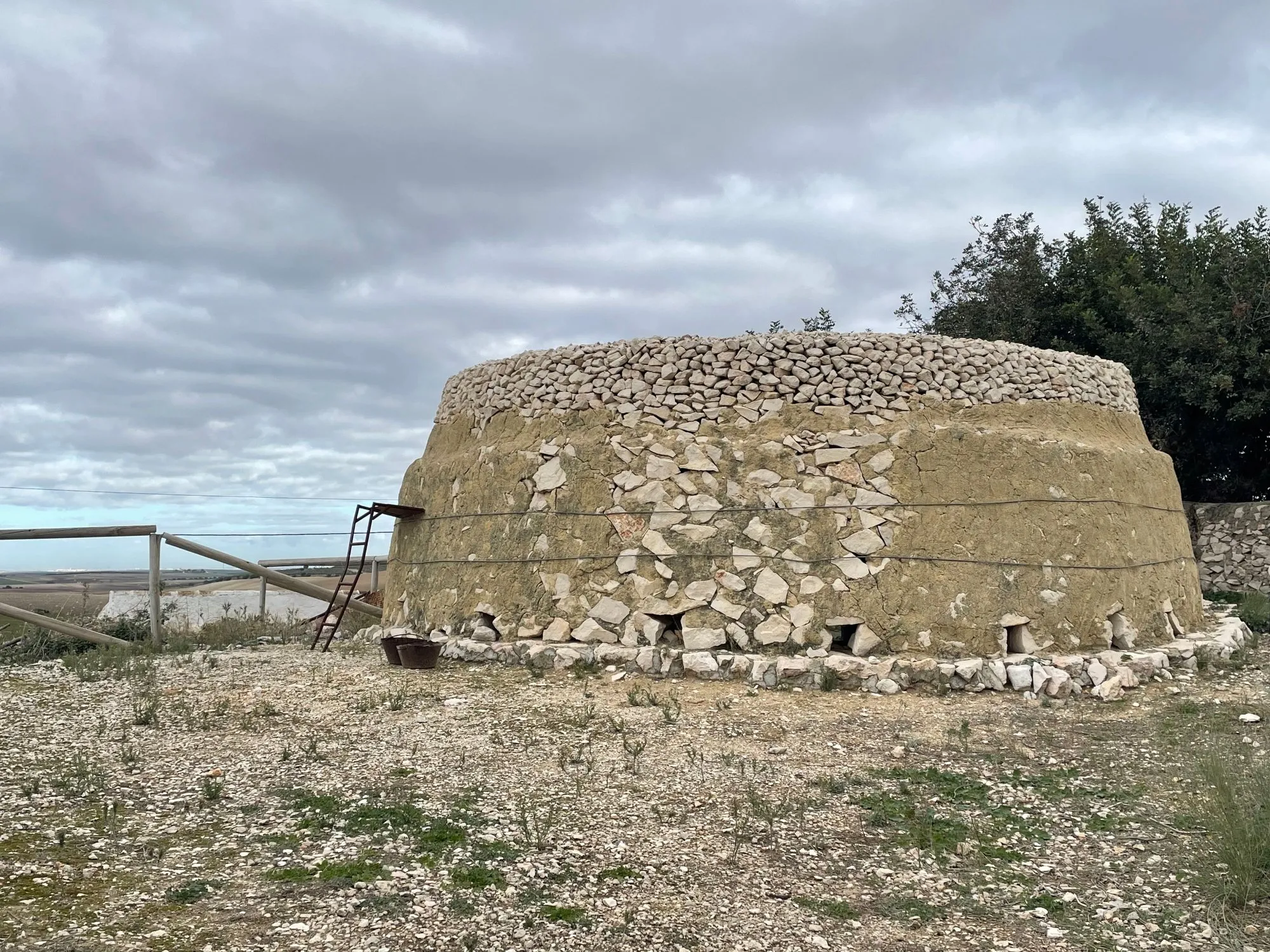
Lime kilns. Courtesy of Hidden Architecture.
Alberto also emphasises his keen interest in analysing and researching architectural projects from different historical periods through a contemporary lens. He firmly believes that both architecture and antiquated concepts retain valuable insights for present-day individuals. The convergence of diverse cultural influences prompts a multitude of inquiries regarding their origins, evolutions, and resulting implications, as evident in our current context. All of these facets are worth paying attention to and sharing.
Text by NOTES’s Editor.
Photos Hidden Architecture
Cover Hidden Architecture archive. Courtesy of Hidden Architecture
Comments