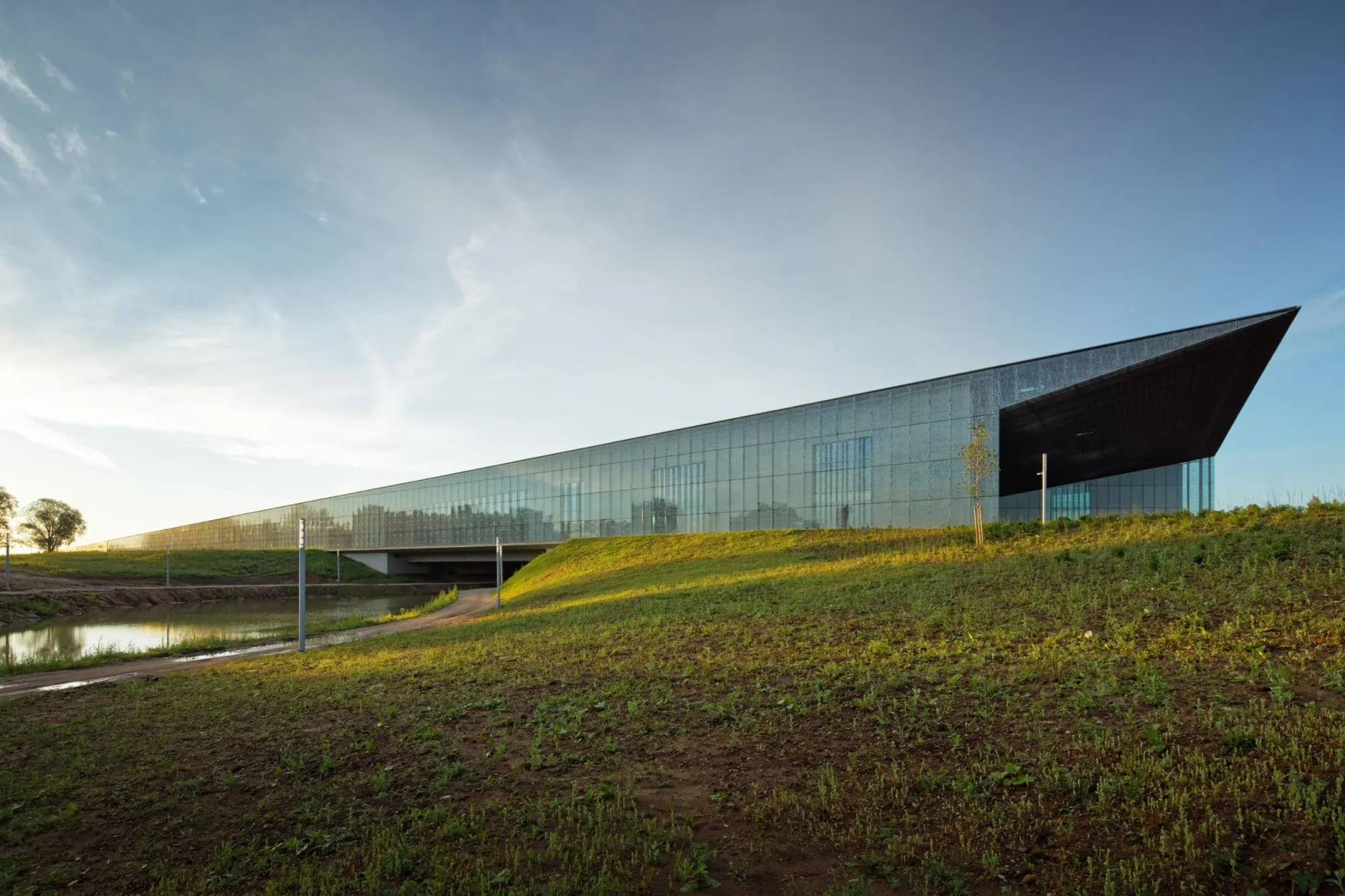
Estonian National Museum
After the country regained its independence in 1991, it committed to building a new national museum, both a symbol of the nation and a place to keep its collective memory. Where many countries turned historic buildings into national museums, this one chose to build anew and held an international competition.
The site carries a heavy history. Between 1920 and 1940 it housed the first national museum, in a manor that had belonged to a German noble family. After 1940 it became part of a Soviet military base of some 692 hectares; the old museum was destroyed and its collections scattered.
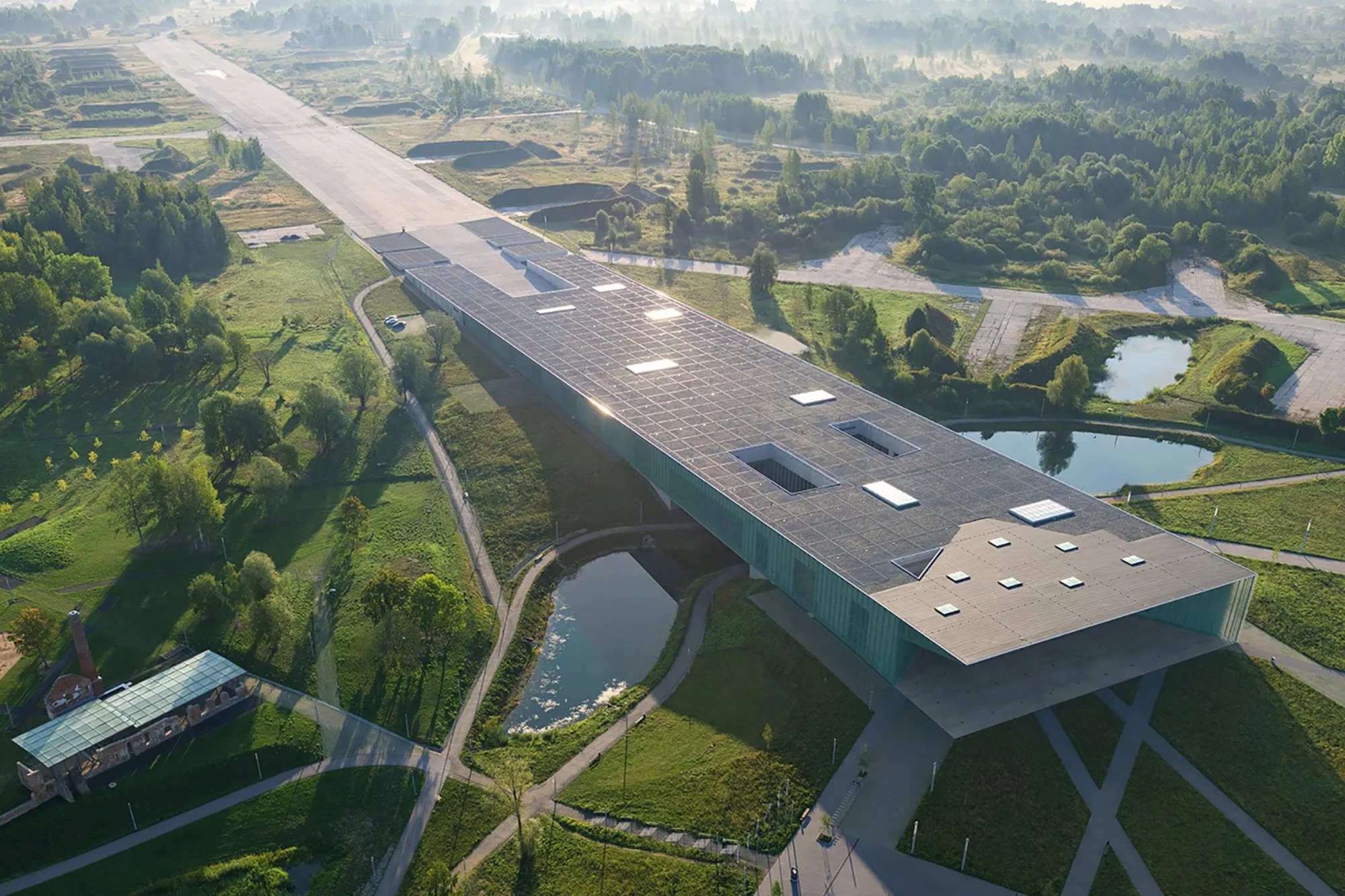
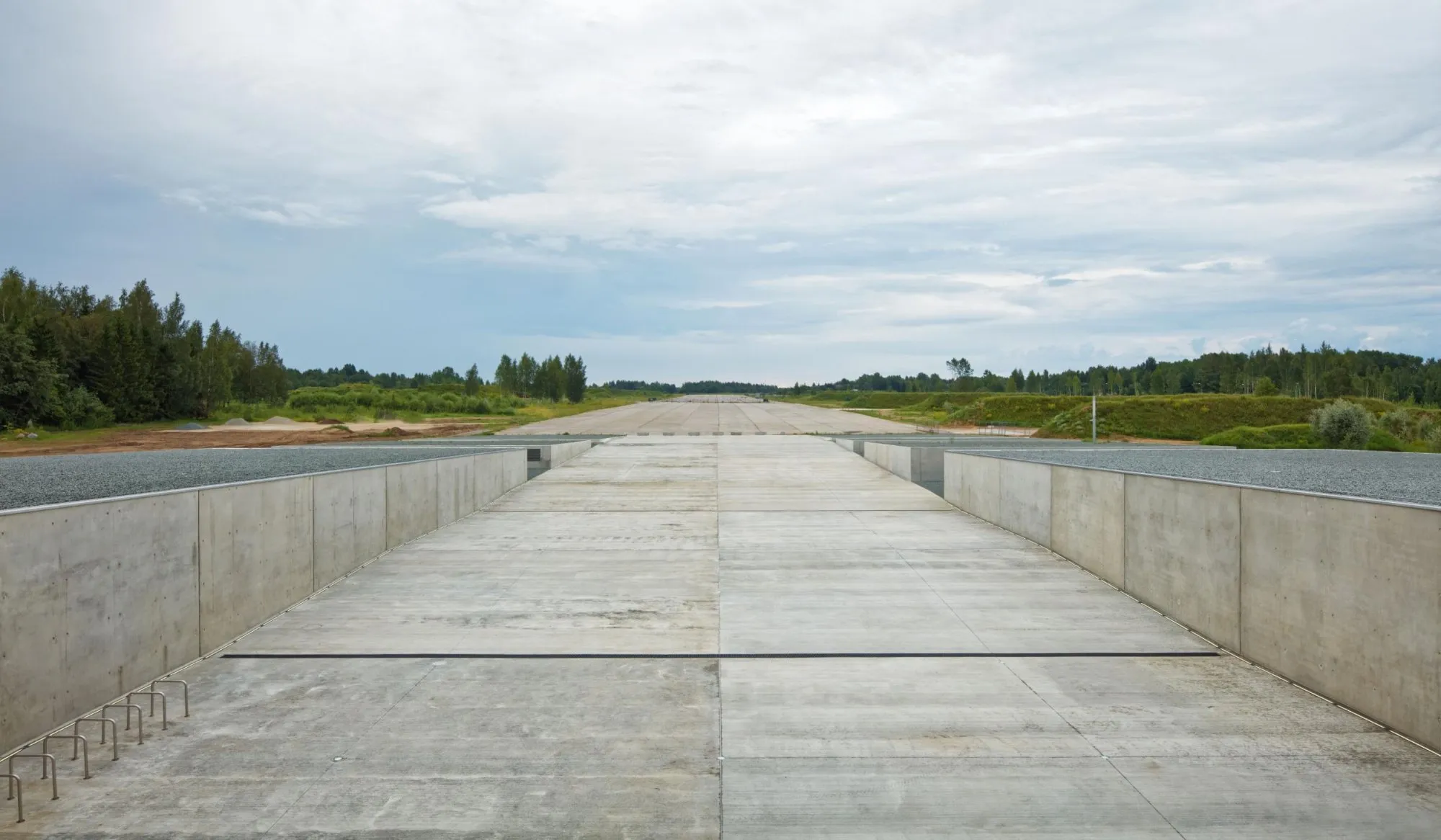
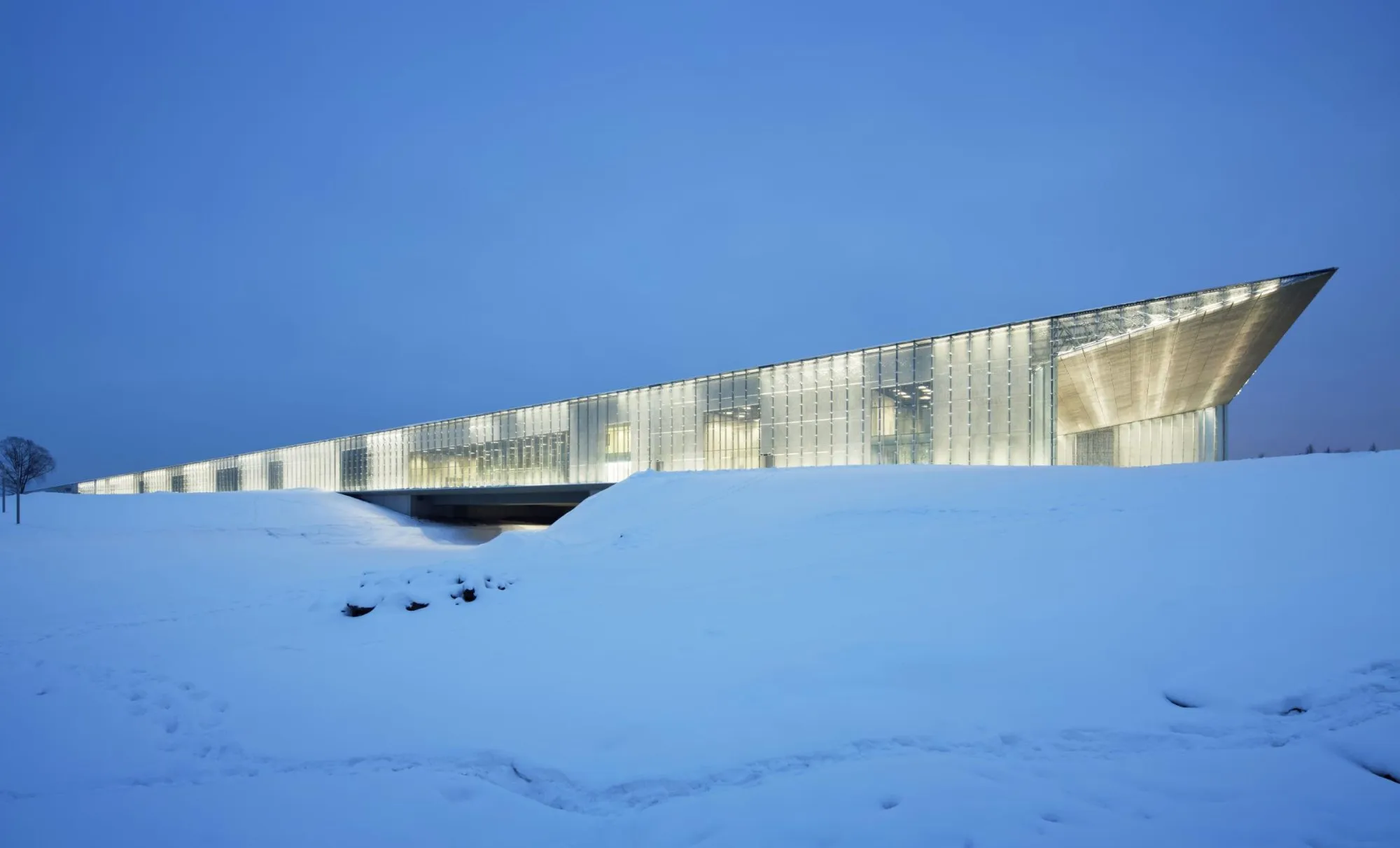
A long military runway still cuts through the landscape, a powerful and difficult legacy. Rather than erase or ignore it, the design embraces it. The new museum aligns with the runway and extends its axis, turning the trace of occupation into a gesture that carries memory forward.
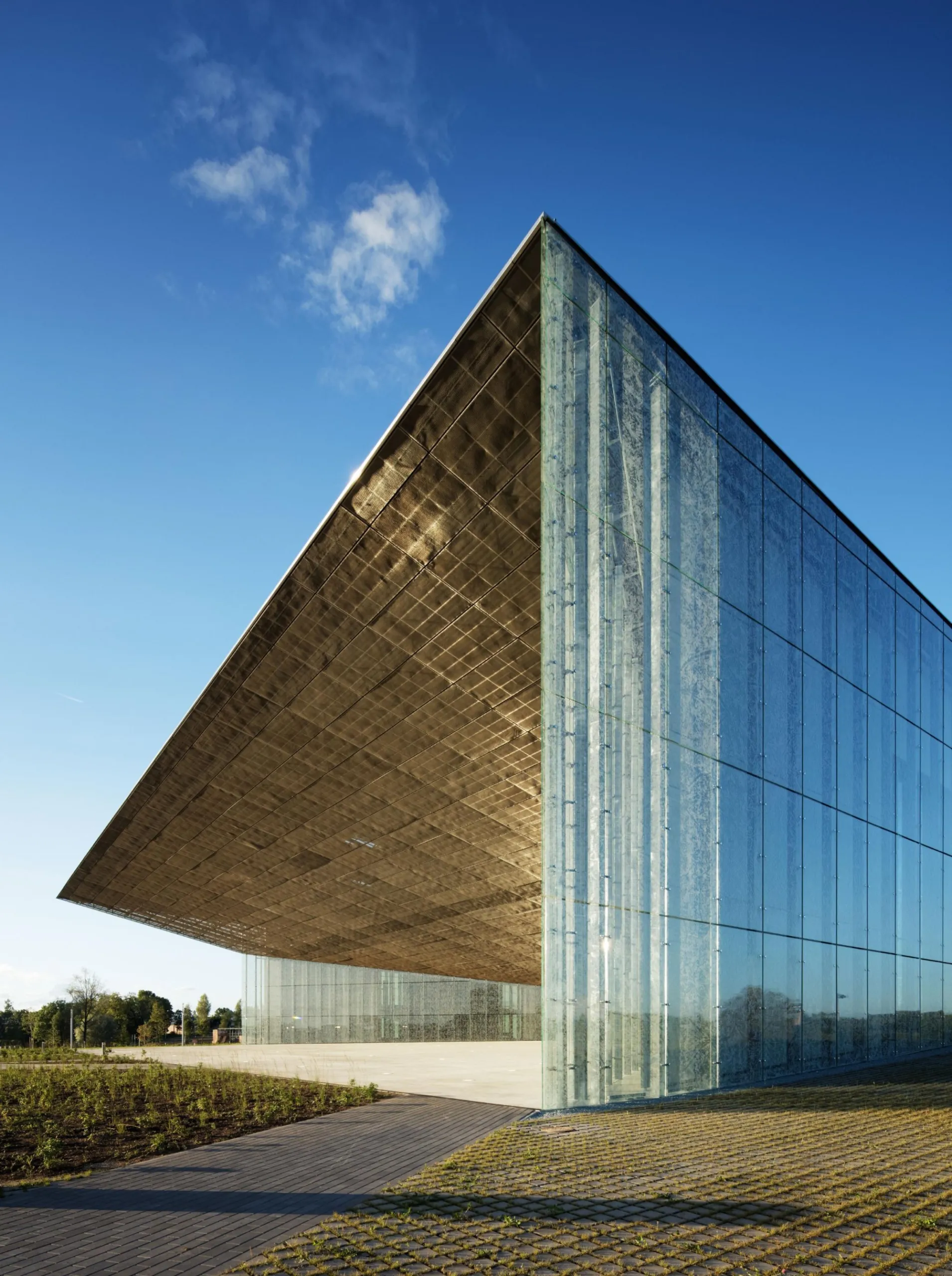
The ground rises gently from the old runway and seems to lift toward the sky, so the building becomes an extension of the landscape and memory takes physical form. Titled Memory Field, the project acts as a vessel for collective memory, passing it on to future generations and reclaiming a once-occupied site for a shared cultural future.
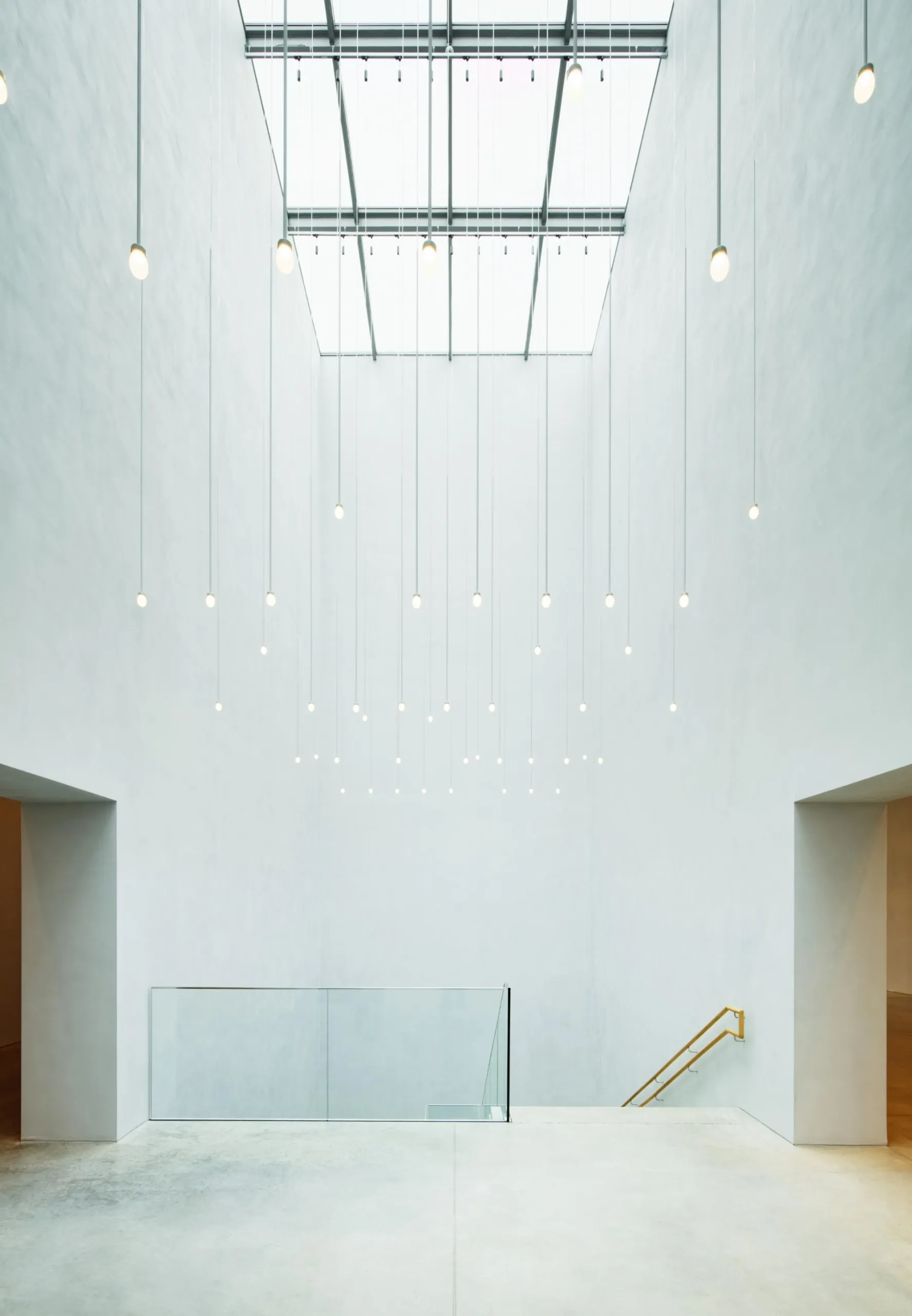
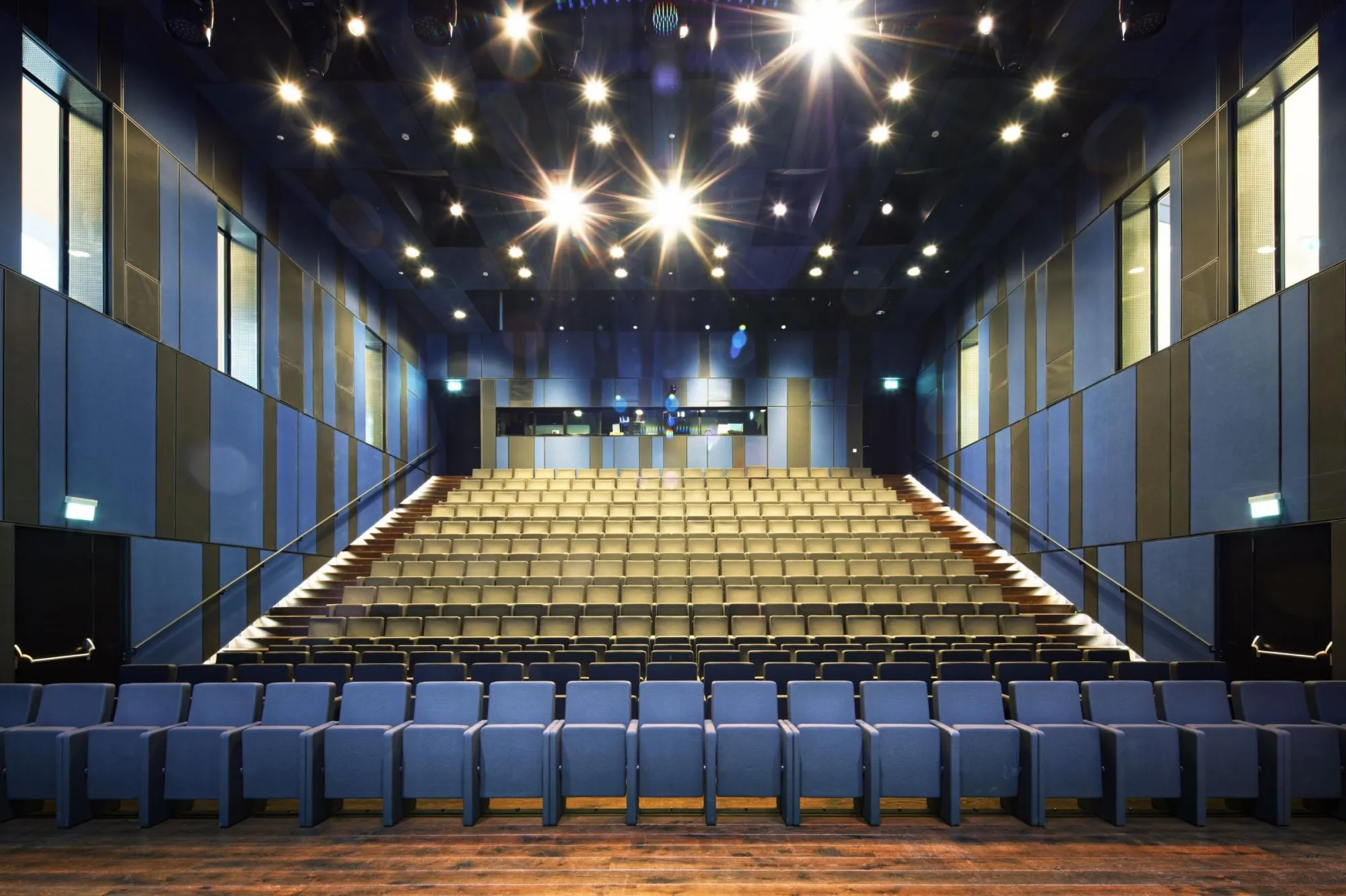
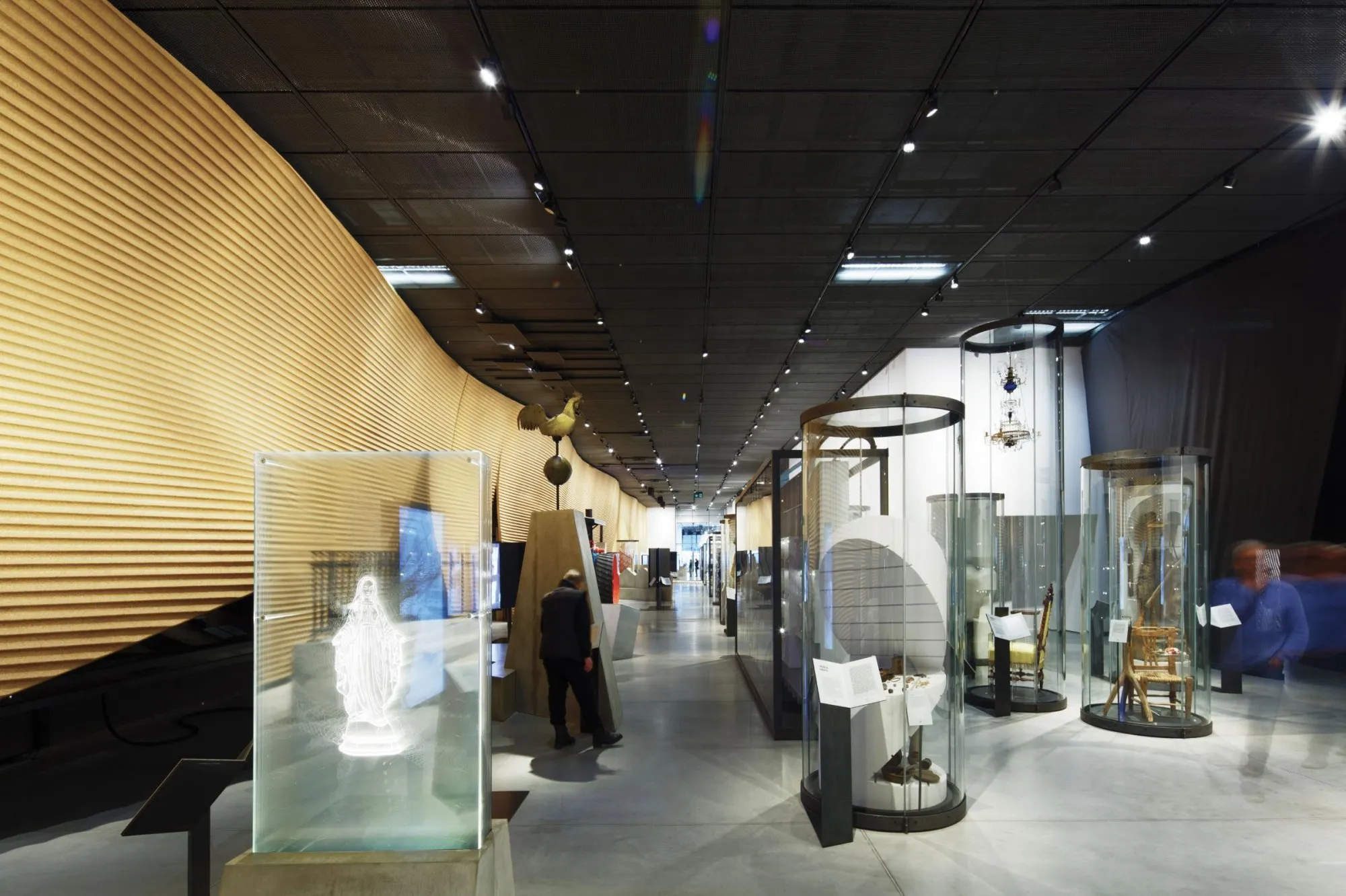
It is a museum of history and ethnography, with exhibition spaces, an auditorium, a library, educational facilities, offices and storage.
Project Information
- Design studio
- Dorell.Ghotmeh.Tane / Architects
- Time
- 2016
- Type
- Cultural