
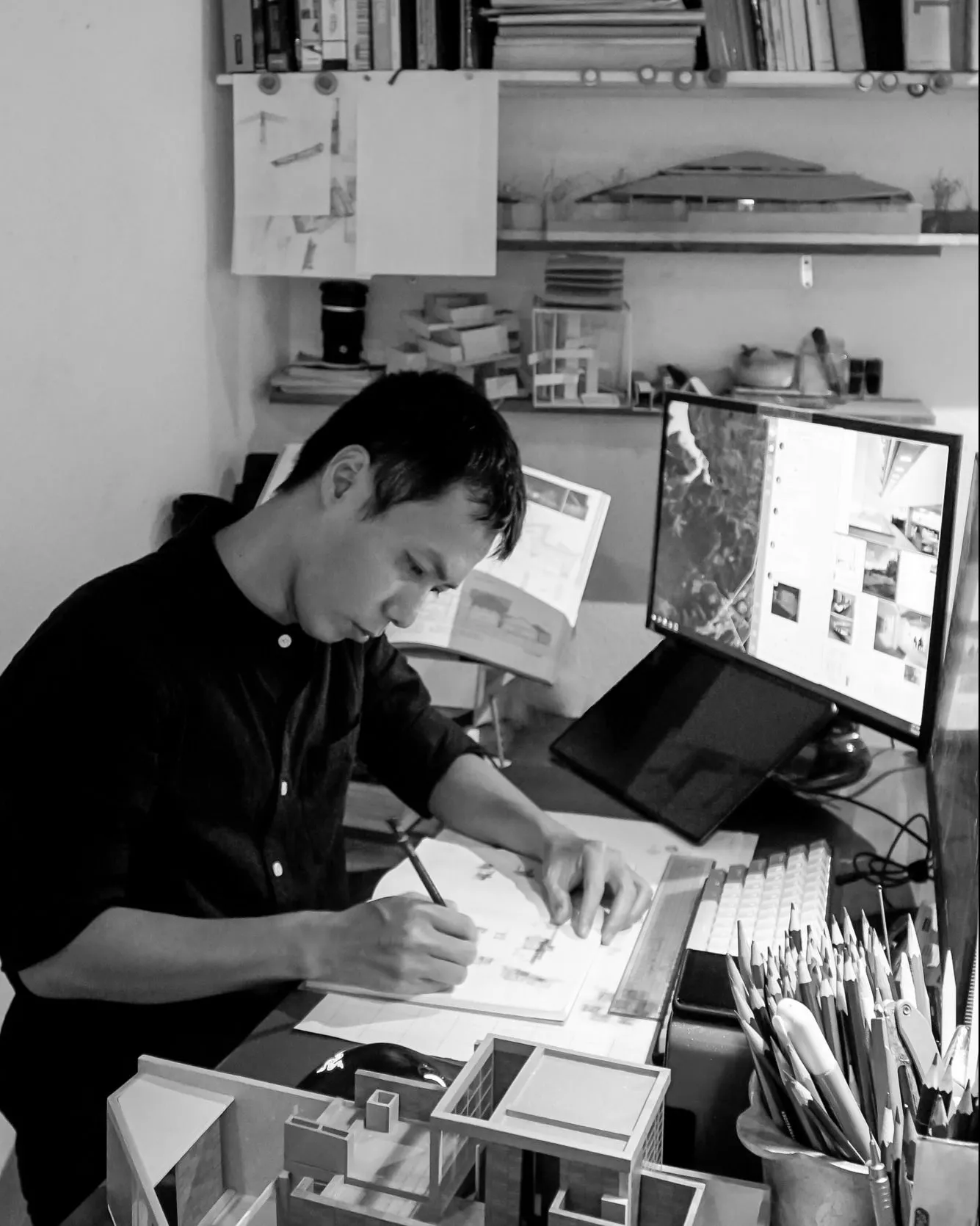
I first met architect Vũ Tiến An in 2016, at the a21studio office in Saigon, while the Saigon Architects exhibition was being prepared. We met many times after that, most recently at an end-of-year exhibition by a group of Saigon architects in 2022. Nearly seven years on, our conversation held a great deal of interest, thanks to how openly he shared his thoughts.
This is what I wanted to pass on to readers: another view of architectural practice, as the Vietnamese architect Vũ Tiến An and his office, TAD Atelier, based in Ho Chi Minh City, have come to see it.
After the Cao Lanh House, what is TAD Atelier working on now?
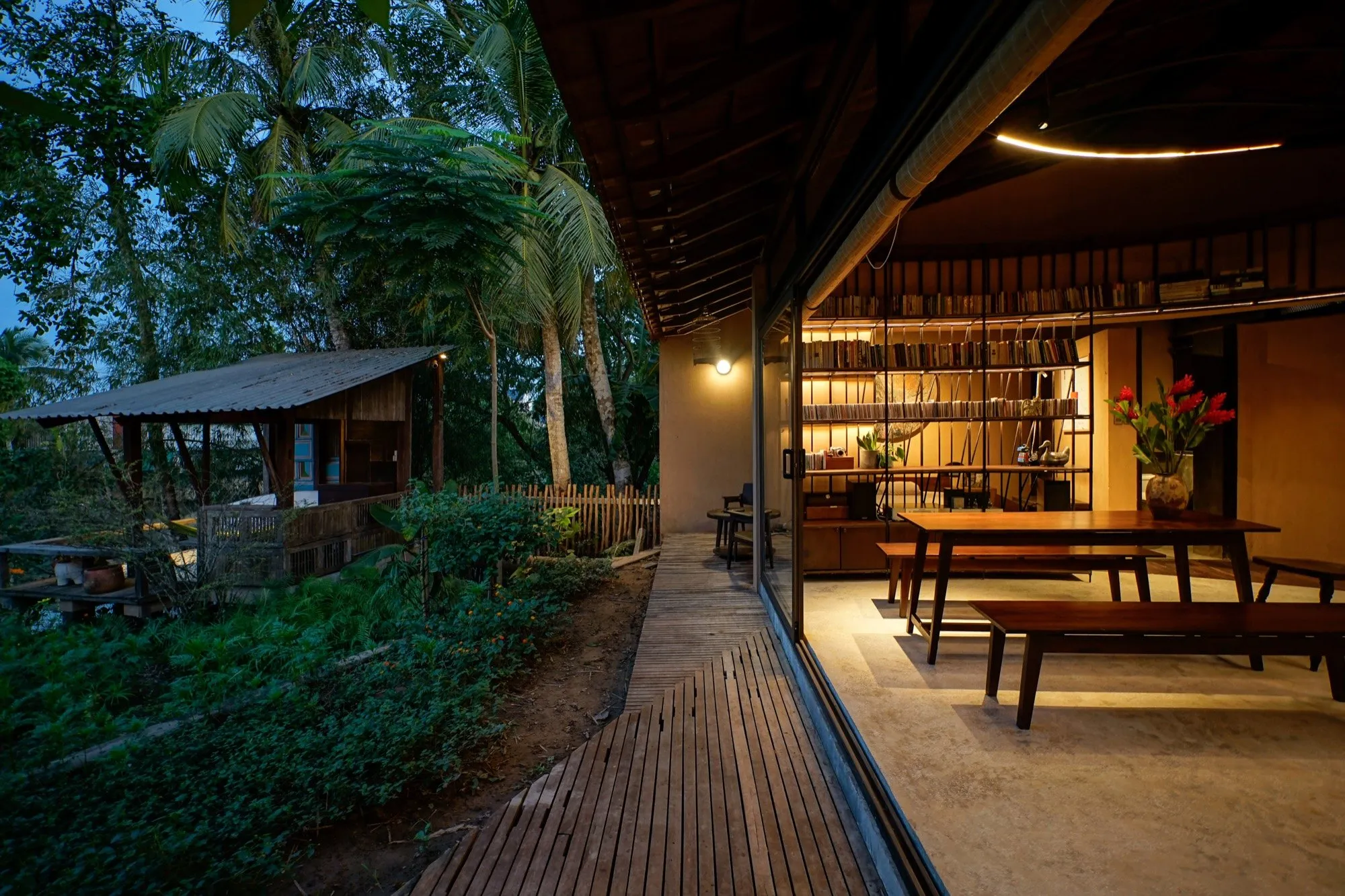
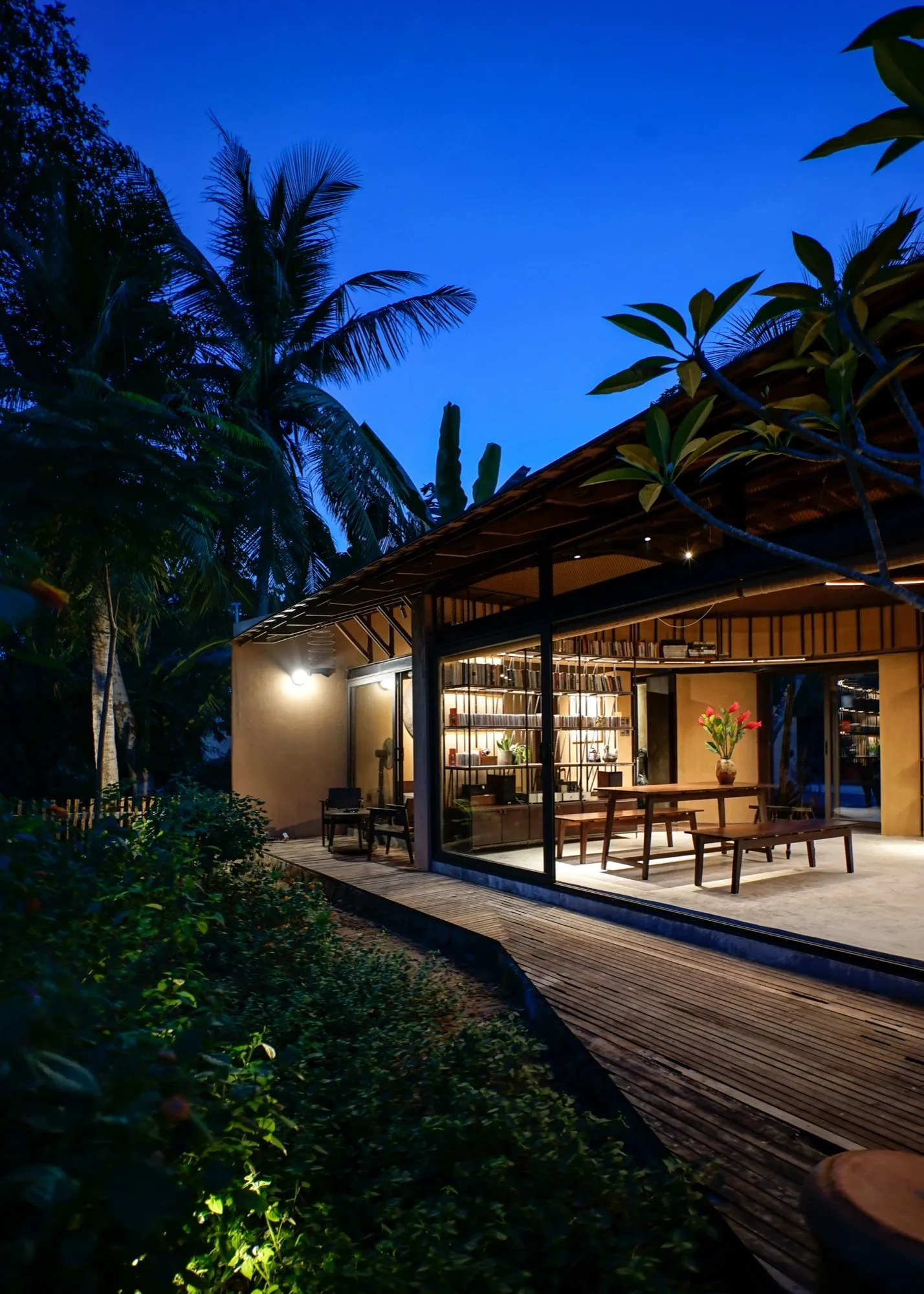
Vũ Tiến An: The Cao Lanh House began at the start of 2021 and was finished at the end of that year, but we only published it at the end of 2022. During the pandemic we had few chances to visit, but luckily the owners looked after it very well, and the house now looks full of life.
At the moment we have about ten projects with different natures and requirements. Some are nearly finished, some have only just come in. One is a renovation of a building we did more than six years ago, to serve a different need for the same client.
What does the name TAD mean? Is it linked to the principal architect’s name, or just an idea about the work?
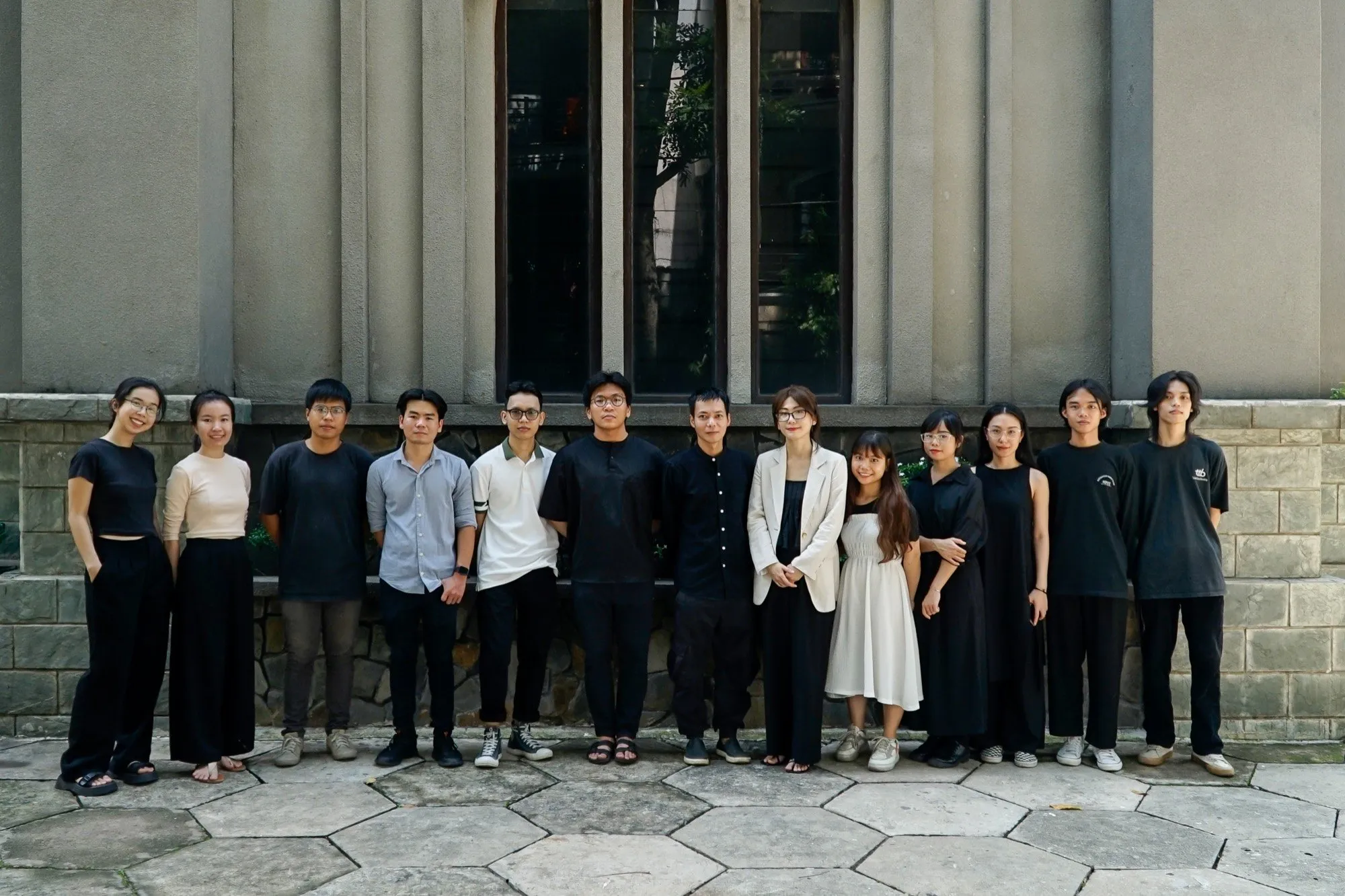
Vũ Tiến An: We chose the name TAD Atelier after finishing Urban Houses in 2017. We wanted to share that project, so we had to find a name for the office. Personally I don’t like naming an office after its principal, because this is collective work. A finished building needs not only the architects but also the client, the builders and everyone who helps. I’ve read funny stories about offices abroad that grew tired of their names after a few years, because the name was tied to a view or direction that changed over time. TAD Atelier shortens to TADA, which carries a sense of “eureka”, an interesting discovery. Many people think TAD might be my name, Tiến An Design or something like that (laughs), but it isn’t.
You have quite a lot of work. With the economy still uncertain, are projects running into more difficulties or delays than before?
Vũ Tiến An: We do understand how hard things are. Since we started, we have mostly worked on small, personal projects. Difficulty has followed us since our first days in the profession, and sometimes we’re used to it and don’t think about it much. Over time, project by project, clients have come to understand us better, so the scale and budgets have grown, but they’re still not large projects that are easily hit by outside, macro factors.
When a project “suddenly” runs into trouble or is delayed, I think that’s normal in this profession, because it’s beyond our control. What we can control, we should give our full attention. If, for example, a scheme is fully documented but the construction cost is beyond the client’s means, TADA is ready to adjust it, or even redraw it. I often tell colleagues and the students I teach that the key word in design today is “empathy”. If you understand your client’s difficulties, you can help them more.
When I join a project and meet the client, I usually rely on intuition and bring myself back to zero, to listen to what they need and want. Many people really care about architecture, and they aren’t afraid to say everything they think so we can find a solution together. Because we work alongside them with that understanding, many of our projects have happy endings (laughs).
That’s precious.
Vũ Tiến An: We’ve drawn a great deal, and quite a few projects were never built. There are many reasons, but for me a design that can’t be built says nothing. TADA only publishes buildings that have been realised and are in use. I believe each building should contribute something to the face of the city, or the place it belongs to, “Made in Saigon” or “Made in Vietnam”. In other words, you have only one architectural project, one you can work on all your life. Once I saw that, I realised my thinking needed to be broader and more general, flexible enough to fit many different choices and settings.
Speaking of setting, how do you see context in architecture? Could you give an example?
Vũ Tiến An: Architecture students are usually taught two things: first form-making, then how to place a building in a specific context. In Vietnam, policy and law push architects to pay attention to context. TADA always respects the thinking and methods of the people who manage the city. It’s almost compulsory. We don’t try to get around it or go against it, so our buildings are quite easy to sign off.
Climate, environment, greenery and water are of course things an architect has to care about, since that’s what we’re trained for. In Vietnam they aren’t regulated as strictly as in Japan or Europe, which leaves the designer to find a balance between building density, planting, noise, glare and shade. When we start a project, we assess the site and set out the points to watch, so that if we place a building there, our design won’t break the existing order but will push forward the community’s potential. If you only care about beauty, proportion and line and forget the context, it’s very hard to reconcile the two. Both are always on our minds.
The Cao Lanh House is the latest example. We didn’t want to make something too different from life around it, so many people walking past think it has stood there for a long time. It may look a little unusual, but not too different. Look closer and you see it really is a new house. I quite like that ambiguity, something not entirely clear.
I’m especially drawn to the Interactive House, Chiquilla and Chi’s House. Their modernity shows clearly in large concrete surfaces, lines and proportions, and I see something in common with many modern Vietnamese buildings of the second half of the twentieth century. What do you think?
Vũ Tiến An: Southern Vietnamese modernism is a great source of inspiration for me, especially buildings completed before 1975. I’ve always seen it as a major branch. Whenever I walk the streets and look at them, I learn a great deal, and I hope my architecture will carry it on, now and later. In fact, after 1975 southern architecture didn’t continue the thinking of the generations of architects before. I find that a pity, but those were the circumstances. Young people like us can only teach ourselves through documents or the buildings that survive.
There are now many groups on social media interested in this, and books like NOTES’ Ghé 1 and Ghé 3 also cover a lot of modern architecture. I think these are very precious records and should be kept going, so later generations of architects can see architectural values that once existed and may since have been lost.
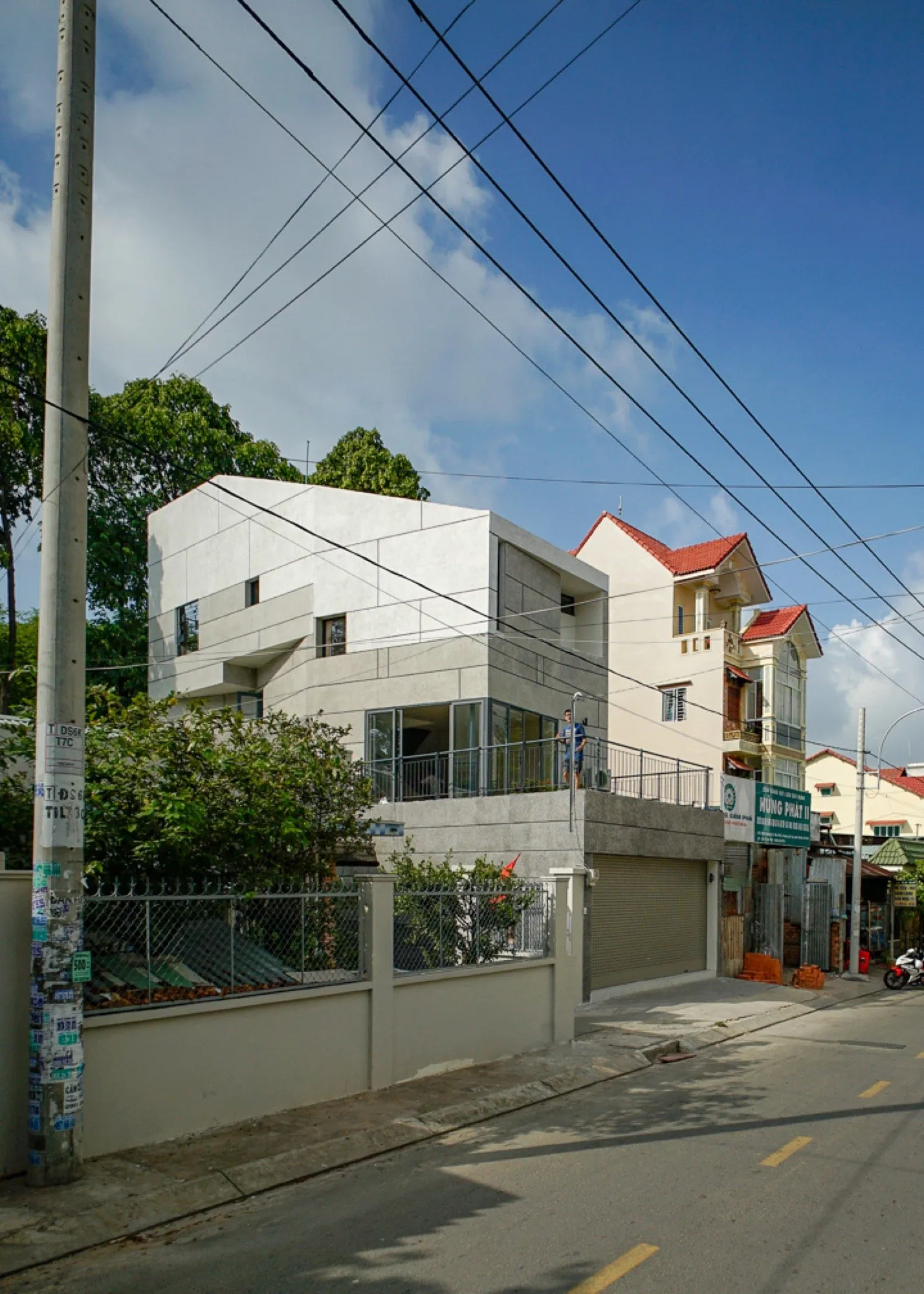
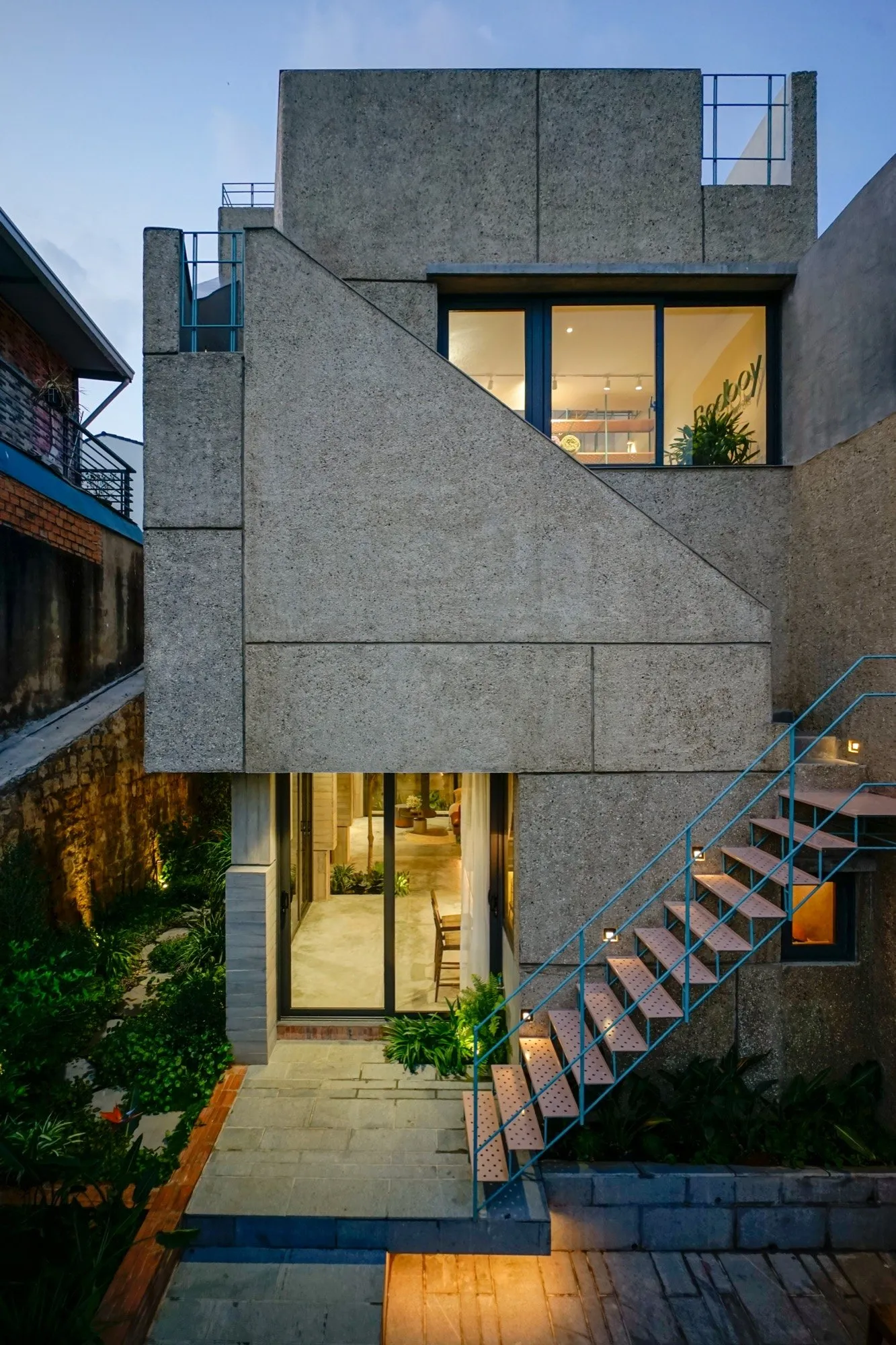
Tell us about Urban House. Your first building must hold many memories for TAD.
Vũ Tiến An: Urban House was a house I designed for a close friend. Like many young architects, your first building is usually for family or friends (laughs). It holds many small spaces for my friend to live in and to rent out, and for a time TADA also had its office there. I wanted the building to feel lively, a bit playful, a bit of its time. I wanted a lot of things there, and that wanting made a first building carry too many of the designer’s dreams and thoughts. Later, watching it in use, I noticed many things and adjusted some details.
All I can say about Urban House is that it was a very important start on my path in architecture. It helped me see something very basic about the harmony between my architecture and the people who would use it.
TAD uses very ordinary materials, easy to find and easy to bring into architecture. Is that a conviction, or just a habit?
Vũ Tiến An: I really like this question. It reminds me of something the architect Hiroshi Naito said, that there is no hope for an architect who can’t see the beauty of ordinary things. That has had a big effect on me. It pushes me to make architecture in a very “ordinary” way, through the “ordinary” things I see within a few kilometres of each site.
For myself, I’ve found a direction towards sustainable architecture. It supports what we have been doing: something that fits, that doesn’t need to import too much, but that holds together with ways of living and with the character each place has always had.
Many materials fascinate me. It would be forced to say I don’t like them, since I’m always drawn to concrete or earth, but the client and I haven’t yet found a reason to bring them into a project. Right now, I simply hope that wherever my architecture is placed, it will be modest, gentle and “ordinary”.
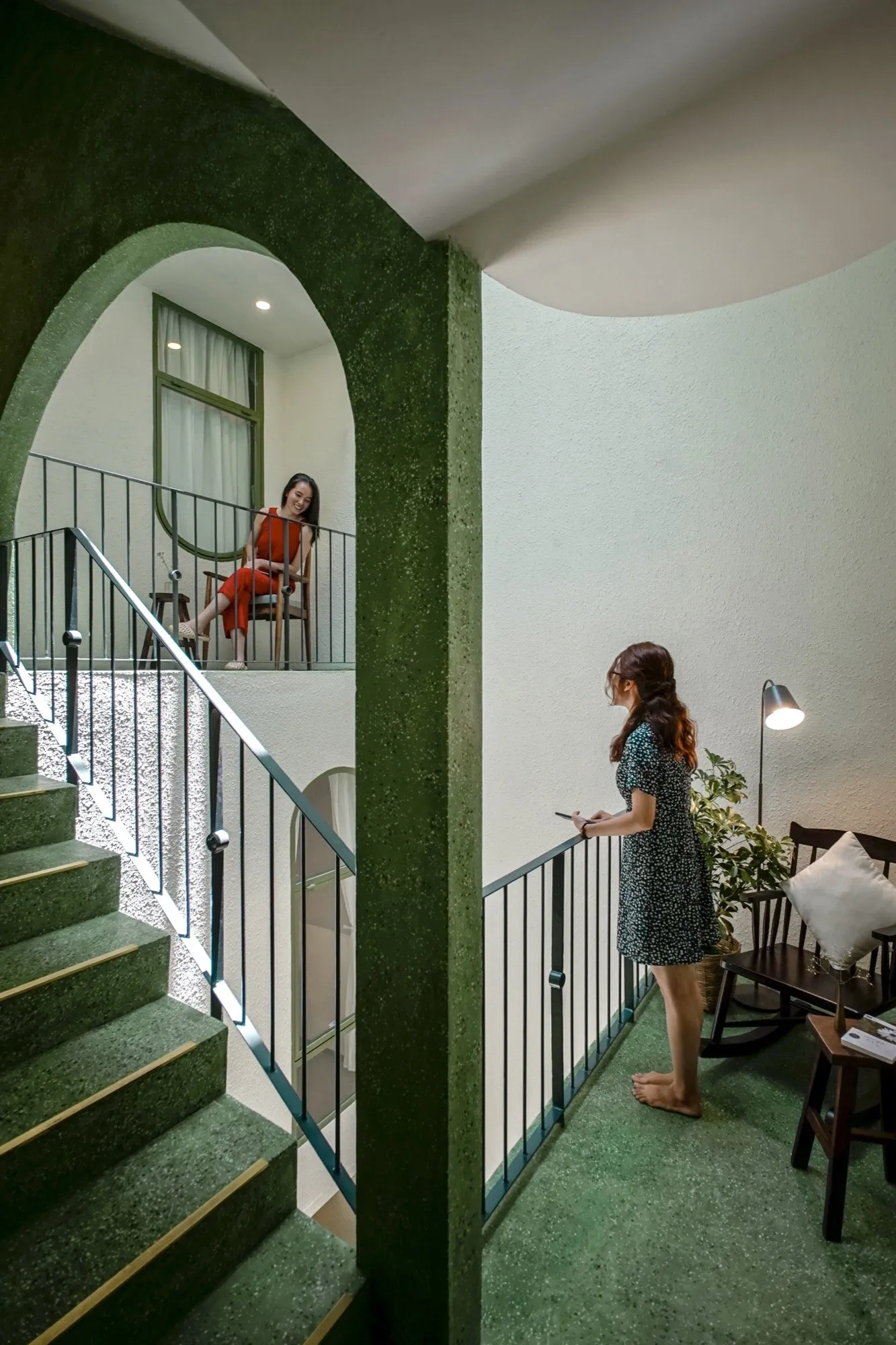
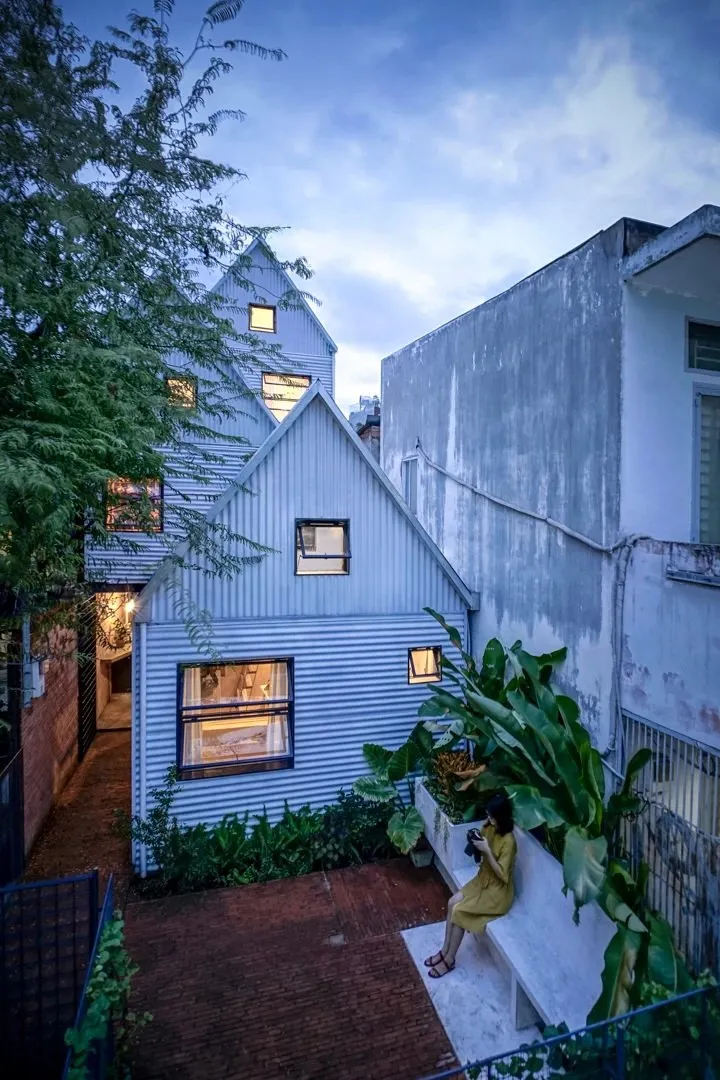
After COVID-19, I saw a clear shift: the role of architecture is shrinking, while environment and landscape matter more and more. Nobody now wants to build something that lasts a thousand years. In a few decades they’ll rebuild to meet new needs. Developments in materials give architecture so many chances to experiment that its permanence is lost and surprise takes over. Thinking about this, I no longer put architecture on a pedestal. I care more about the relationship between architecture and landscape. Over time, I think architecture will gradually withdraw, simple rather than strange.
How do you see urbanisation today, in the cities and in the countryside? What do you want to say about it through your architecture?
Vũ Tiến An: For me, it’s an unavoidable, inevitable process.
No one knows what the city of the future will be like, but urban designers and architects can shape how a city ought to appear through very everyday actions. I see that the countryside still holds many values the city should learn from, such as how people communicate, the environment and the generations. City people today think fast, act fast and run everything fast, chasing consumption, favouring convenience over keeping and growing lasting values.
We need to slow down a little. I once spent about a month in Japan for the Ando Program. When I arrived in Kyoto, a German professor told me something quite shocking: that the only sustainable city left in the world is Kyoto, and that it’s too late for the others. It’s only a personal view, but it’s hard to deny.
I think a city should keep the value of the “village in the city”: the cultural and physical values of community should be kept within the urban model. We need many modern neighbourhoods, but they must have identity. A sustainable city has to balance the “village” within the whole. In places we need to make the city a little rural through design, helping people slow down so they can observe, meet and interact.
Urbanisation usually leaves two groups behind, and they lose out: the elderly and children. Both lack space in the city, or are forced to use urban facilities reluctantly.
Older people in the city often feel lost. They can’t fit into spaces that are too cramped and too tall, too finished and too closed, with no interaction between people, no chance to drop in on neighbours, though that was part of their daily life. Children have too little space and usually play in artificial playgrounds, which turns them towards screens and away from their parents and grandparents.
A slow city, at any scale, has more chances to encourage humanity.
Is there a building, in Vietnam or the world, that has really impressed you? Why?
Vũ Tiến An: For me, the Hue citadel. A very good reference for anyone who makes architecture.
Interview by Anh Nguyen, June 2023. Photos courtesy of TAD Atelier.