
The Vietnamese architects Trần Thị Ngụ Ngôn and Nguyễn Hải Long lead the design work of Tropical Space, an office based in Ho Chi Minh City. We talked with Ngụ Ngôn about the views behind their practice and what the two hope to do with Tropical Space in the years ahead.
As people working in architecture, what do you see as the architect’s role now and in the future?
Trần Thị Ngụ Ngôn: Architects have a role in setting direction and leading trends. Friendly, sustainable design solutions can inspire people to live in a way that is kind to nature and engaged with society.
After COVID-19, what big problems do architecture in the world, and in Vietnam, need to pay attention to?
Trần Thị Ngụ Ngôn: Living through COVID-19, we felt so much in life had to change. Architecture also needs to be more flexible, able to change under any conditions.
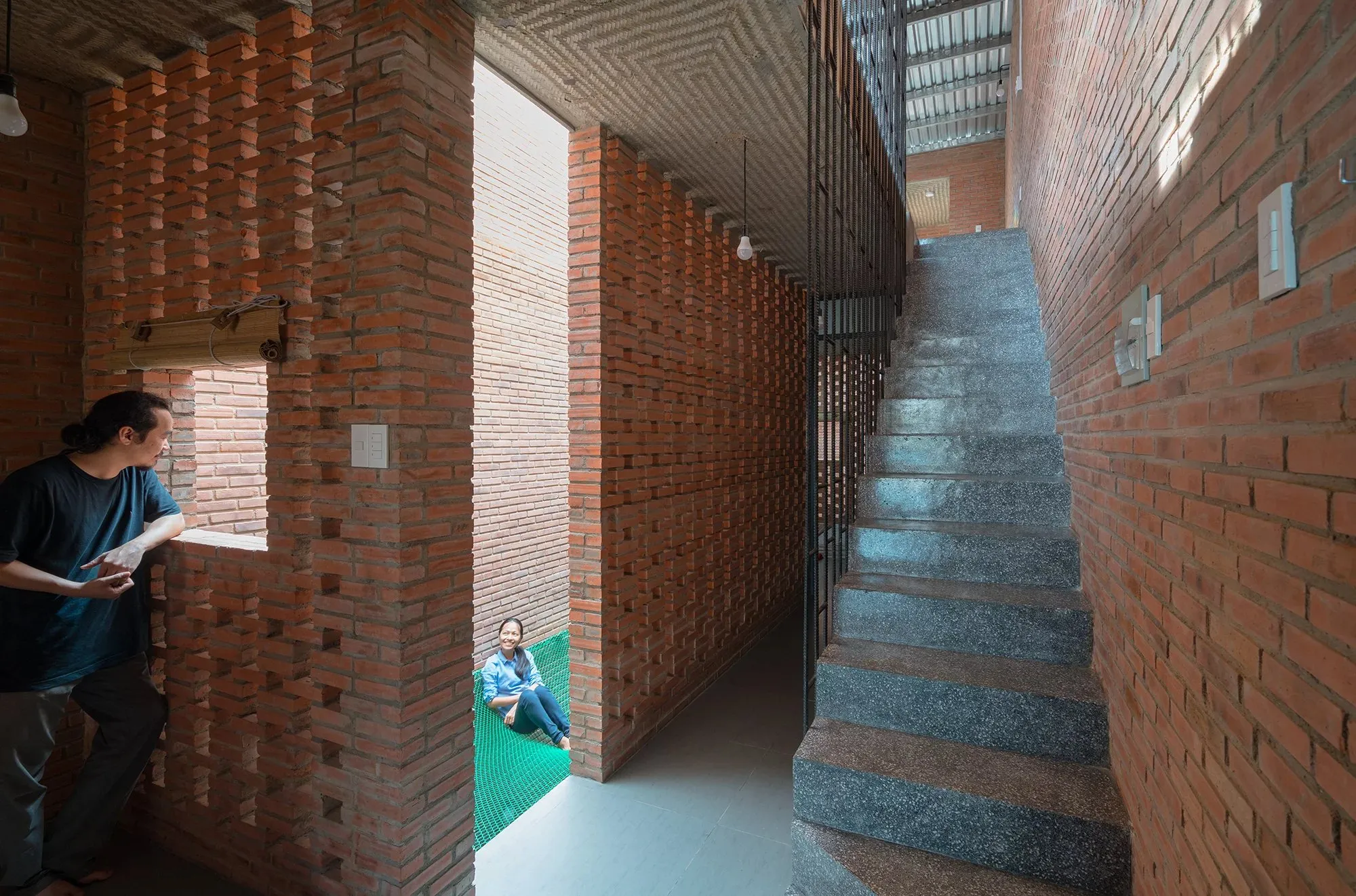
How do you see architecture in Vietnam over the past five years? What has worked, and what hasn’t?
Trần Thị Ngụ Ngôn: Over the last five years, Vietnamese architects have moved towards local, environmentally friendly architecture. We think that suits Vietnam today very well, and it has been praised by architects abroad.
The Termitary House was how we first came to know Tropical Space, and it really struck us at the time. We’ve since visited and photographed it. Looking back now, what do you think of it, and why did you take that approach then?
Trần Thị Ngụ Ngôn: We only planned a low-budget house that would stay comfortable in different weather without much equipment. It also needed to be local, so that is how the design and its form came about. It was the first building we showed to the architecture community at home and abroad, and the response was very positive.
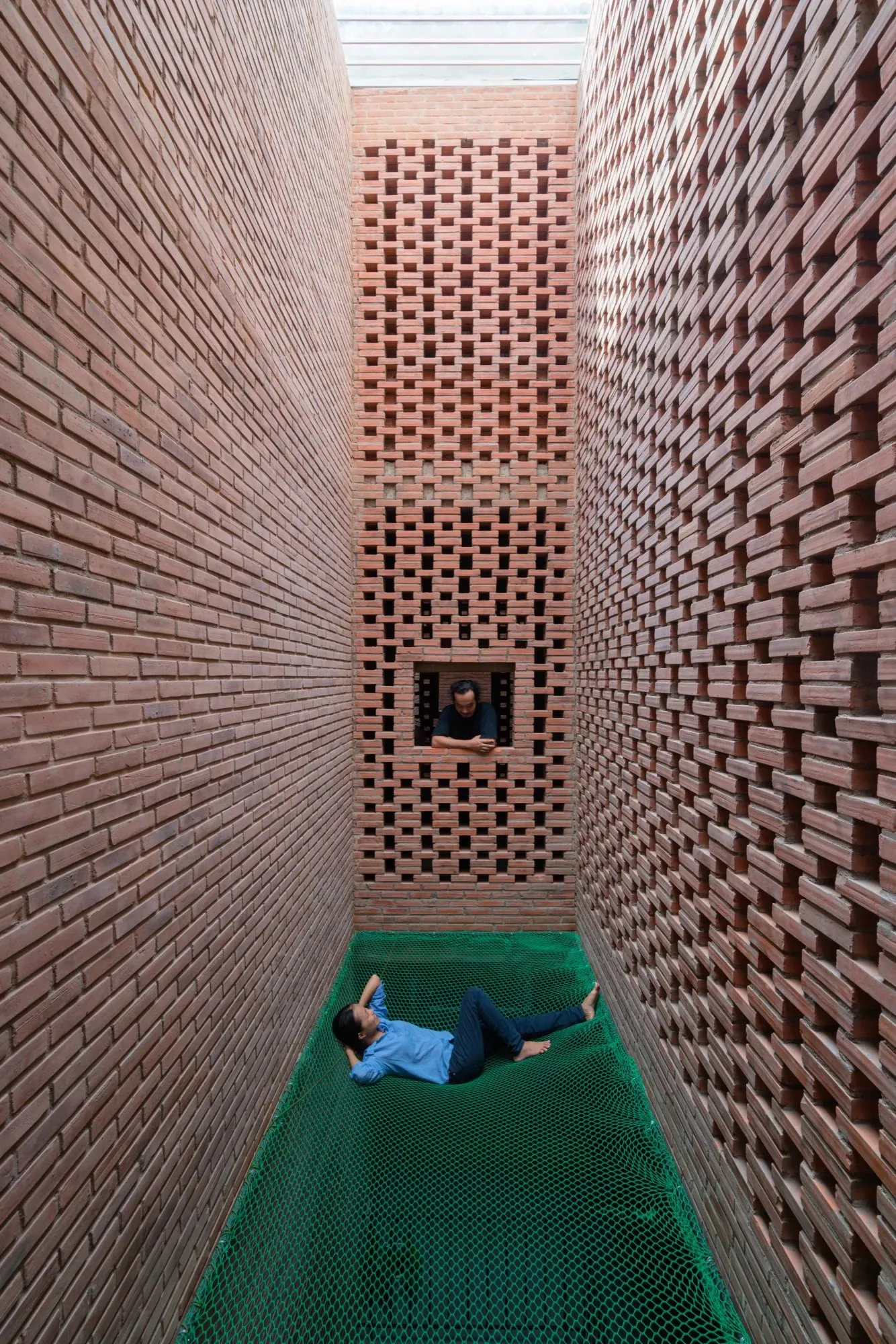
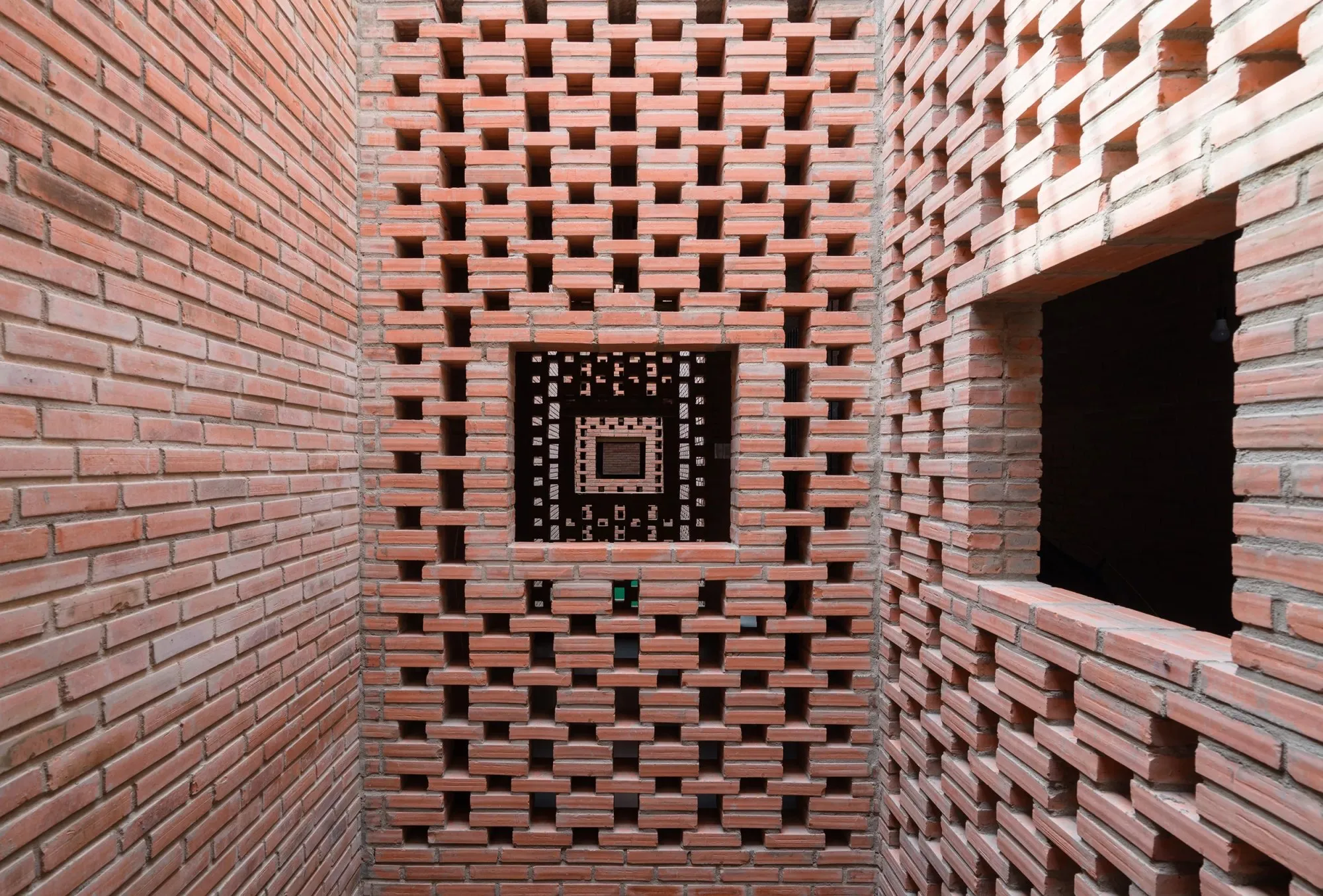
After the Termitary House, you used brick, and bare brick, in many buildings of different uses and scales. What thinking runs through that series?
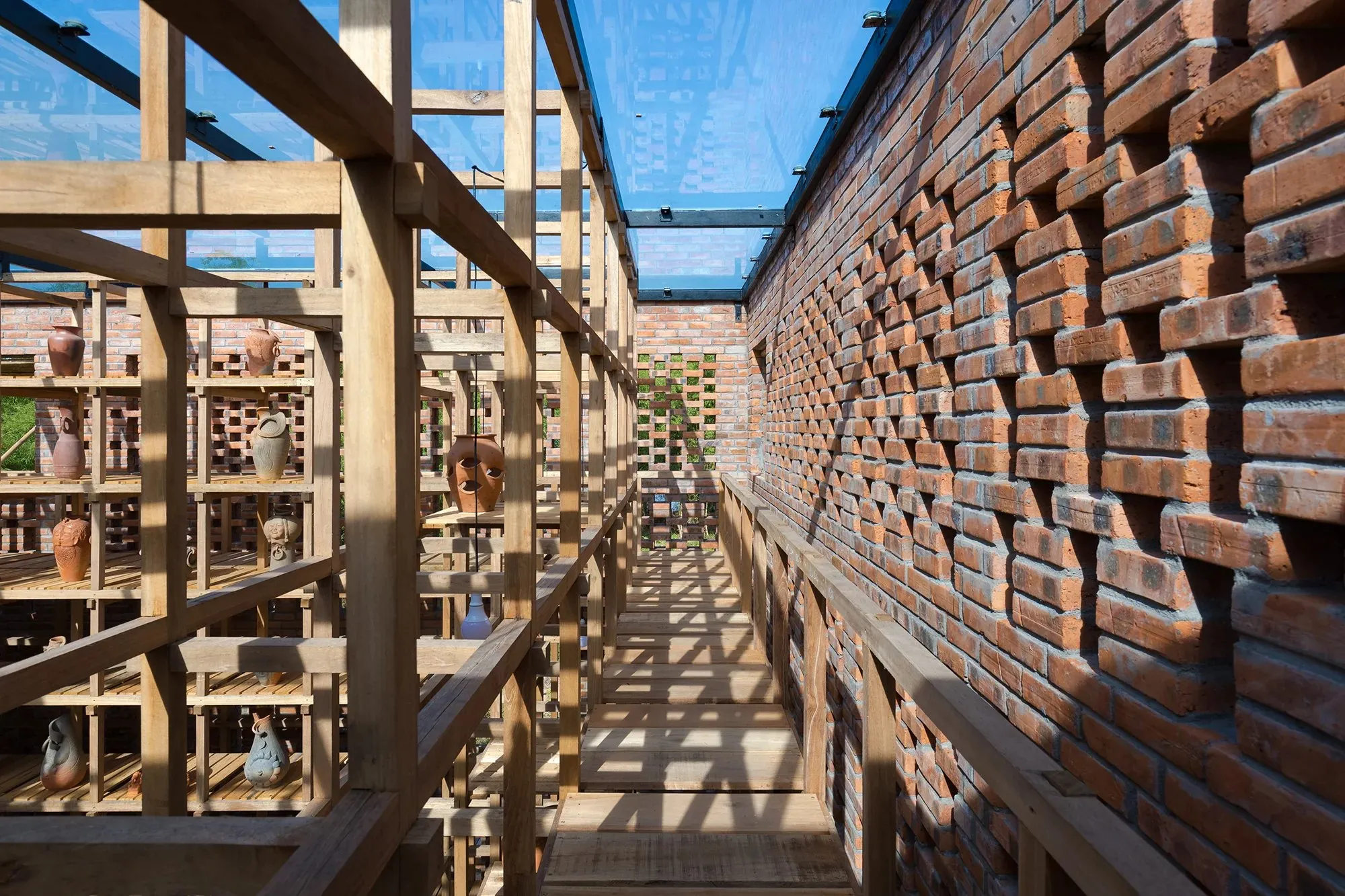
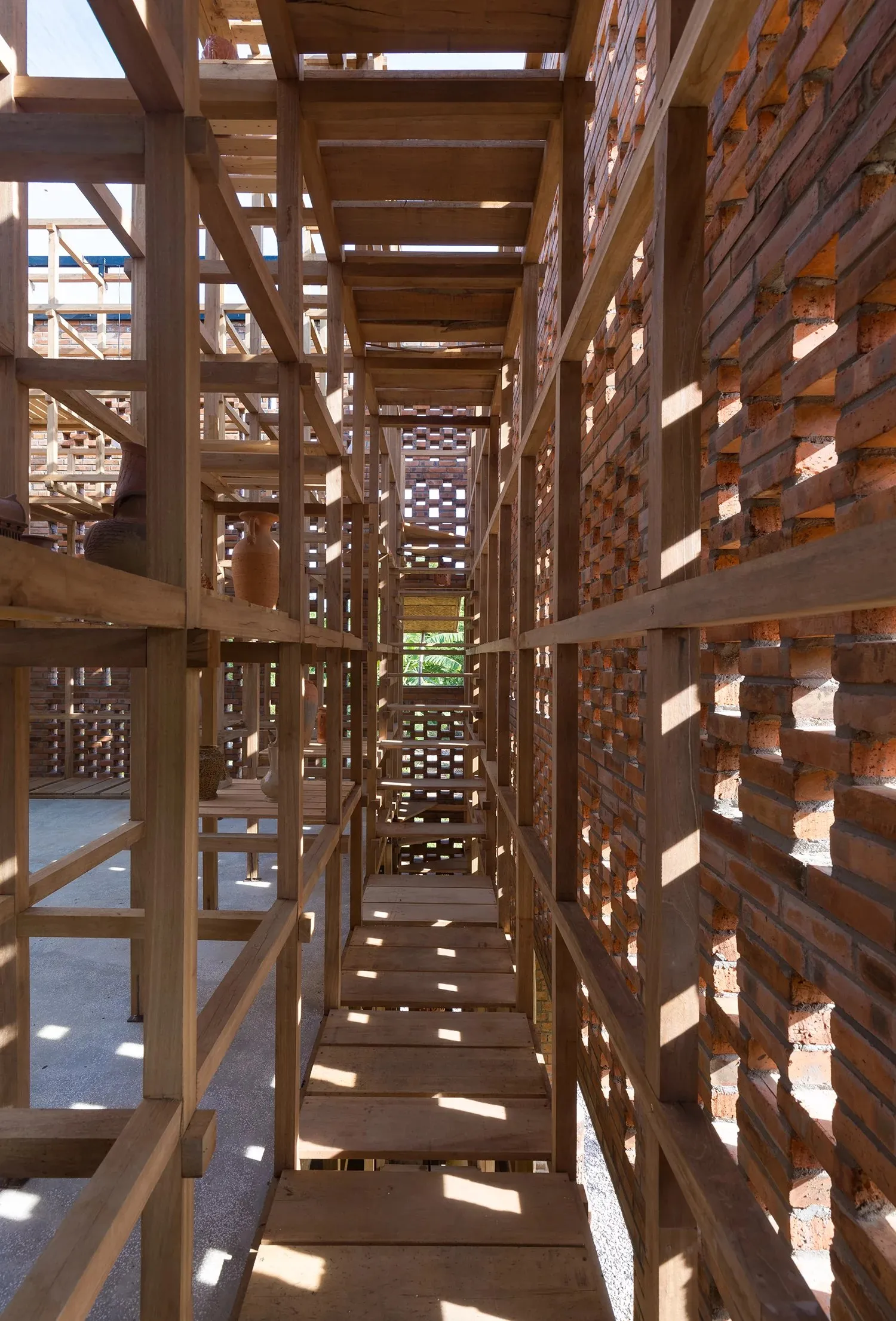
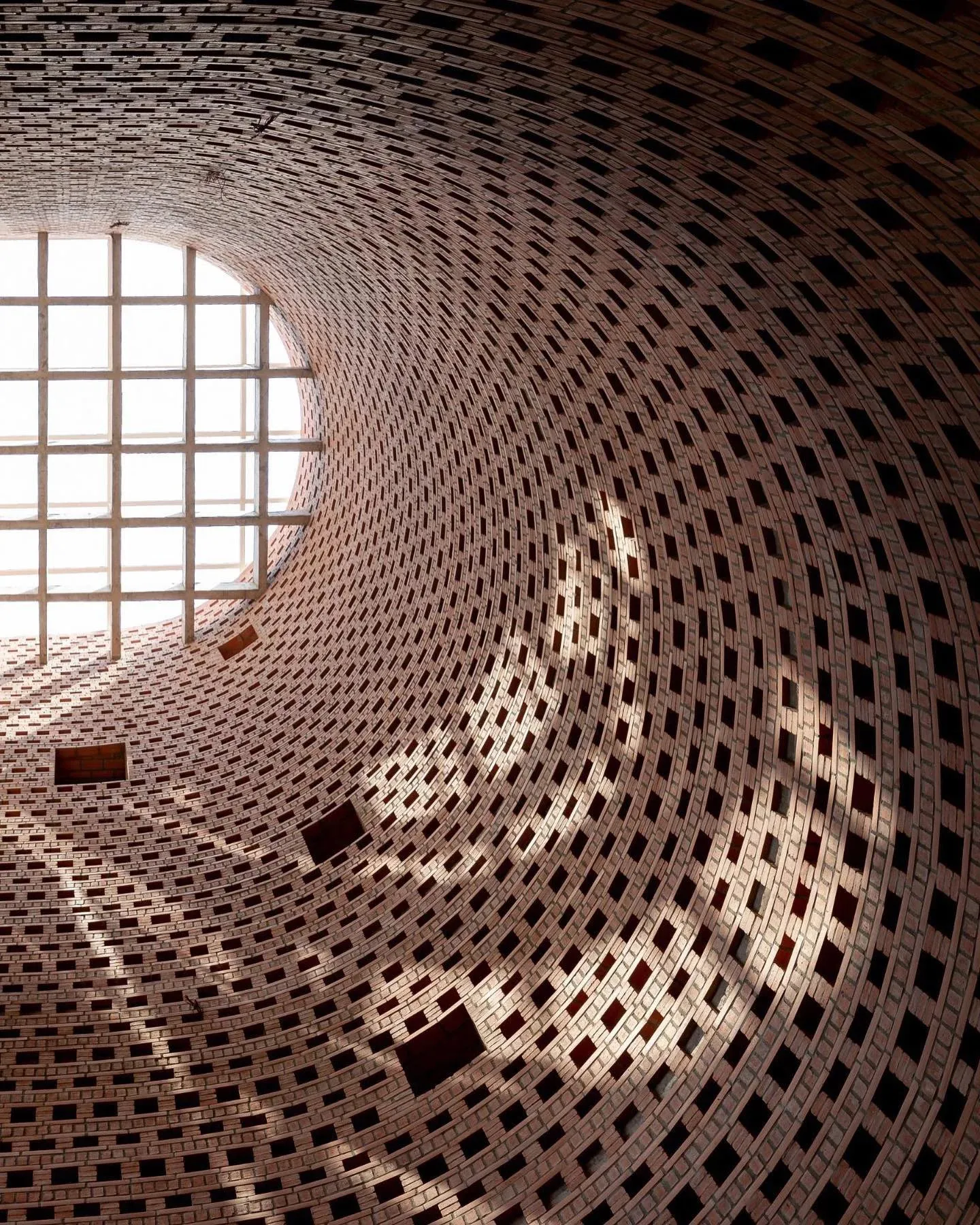
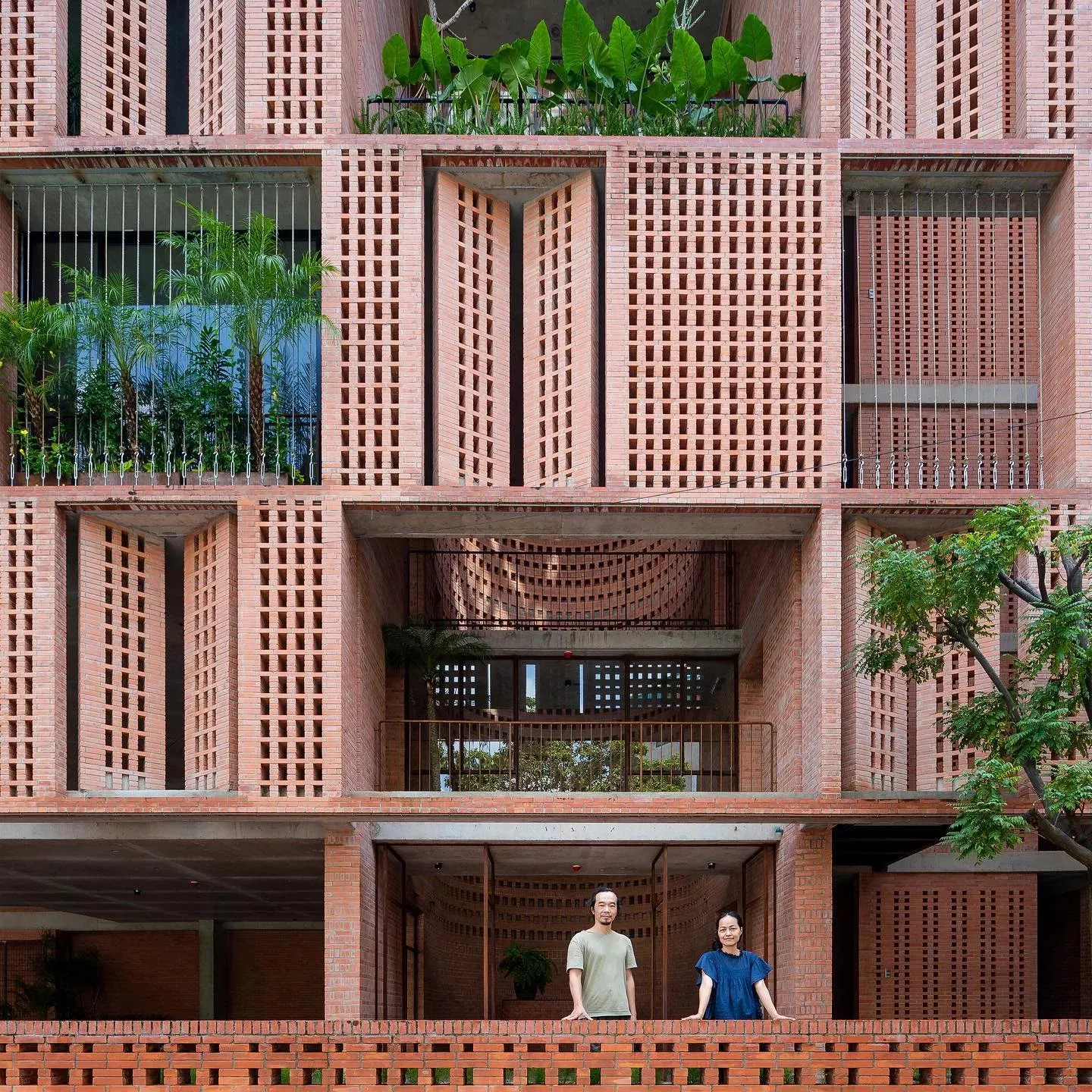
Trần Thị Ngụ Ngôn: When you use one material like fired brick, you’re freed from too much decoration in architecture and interiors. Then you pay more attention to the feeling of space, light and the movement of air.
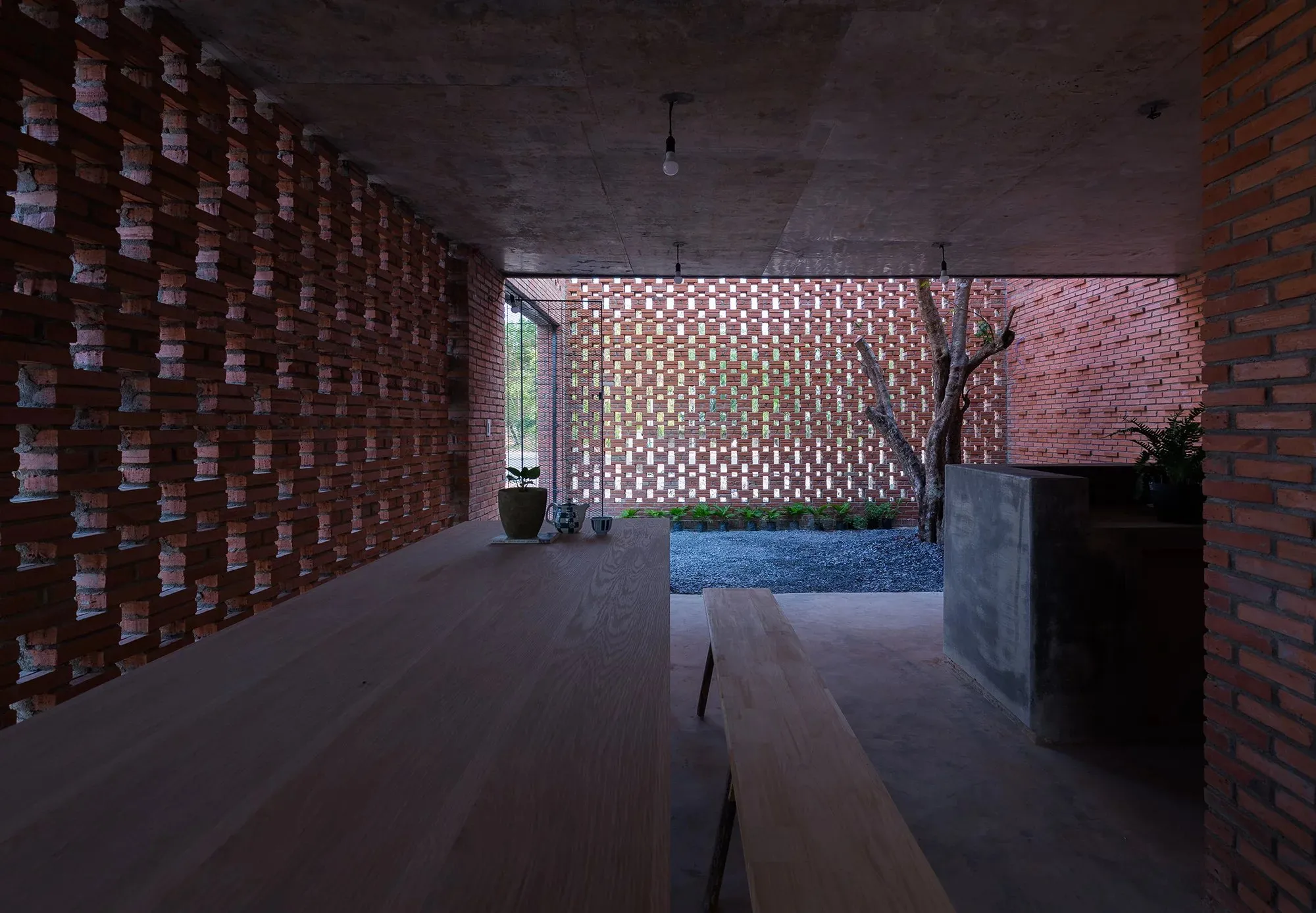
We see this series of brick buildings as an experiment for the office. From the Termitary House to now, which practice satisfies you most, and why?
Trần Thị Ngụ Ngôn: We don’t compare which building is better. In the brick series, they are all connected, inheriting from each other and developing according to context, local climate and use. As we went on, we tested ways of using brick more flexibly and in a more modern way. At Organicare Showroom, for example, we threaded bricks onto steel rods. That structure is easy to assemble, take apart and move, and adjusting the density of the bricks is very easy.
Do you think approaching materials that way brings sustainability? And how should sustainability in architecture be understood, simply?
Trần Thị Ngụ Ngôn: Our view of sustainability is very simple: find ways to use materials truly efficiently and economically, and when there’s a chance, find ways to raise their value.
When you begin a project, what do you care about most?
Trần Thị Ngụ Ngôn: For us, a work of art, a sculpture for instance, looks its best when natural light falls on it. Its material and effects show most truly. Buildings are the same but at a larger scale, and since people can live in them, more feelings appear as they interact with inside and outside.
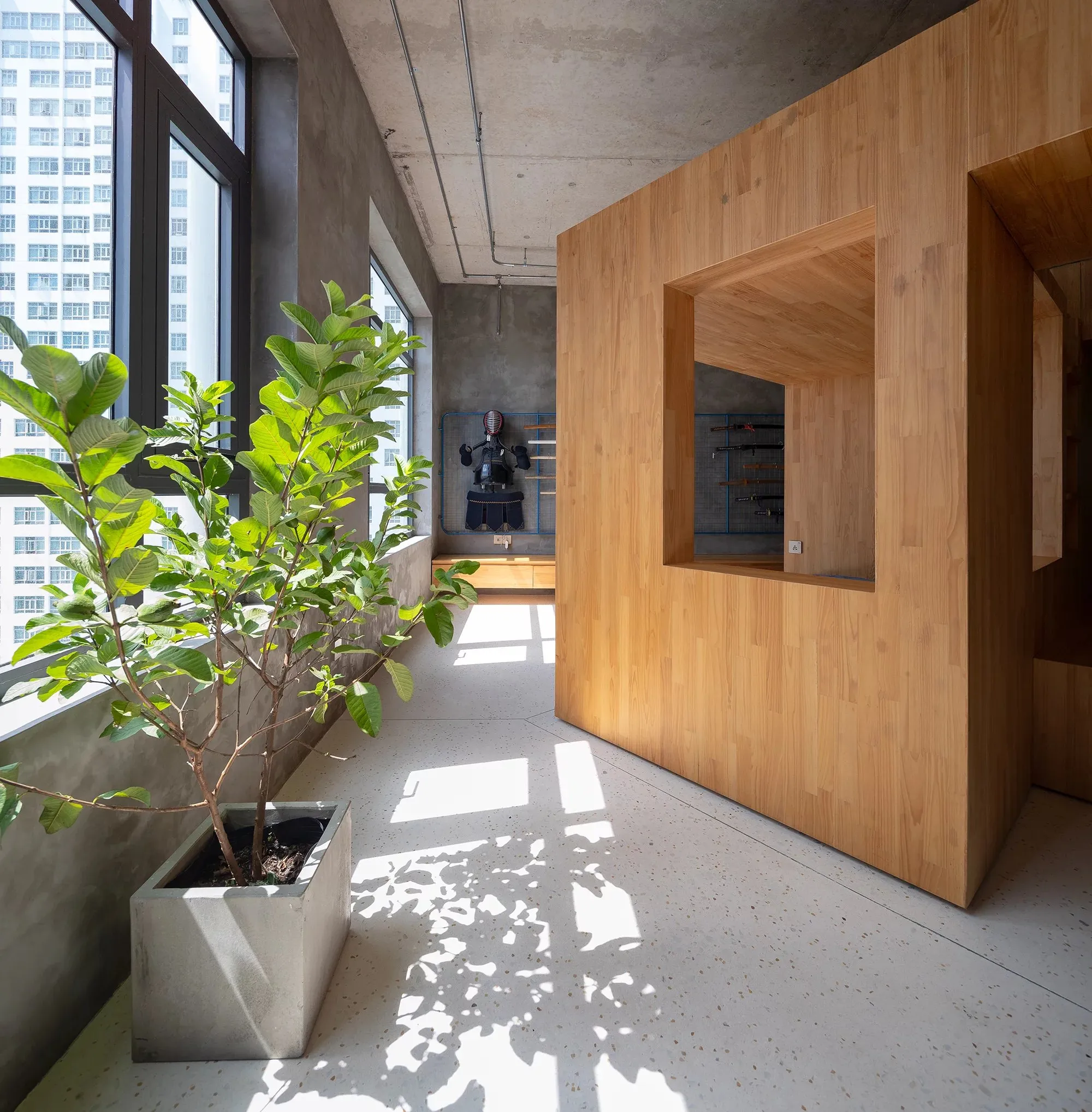
Our work usually starts with simple volumes. From there we gradually develop them through variations related to natural light. We also study in depth how wind and temperature affect the building. So local climate is very important in our design.
What do you always want to give clients through each building?
Trần Thị Ngụ Ngôn: We encourage and inspire people to love nature, live simply, reduce energy use for cooling and lighting, and see how a building can adapt to a changing environment through its means of construction.
How has traditional architecture shaped your design?
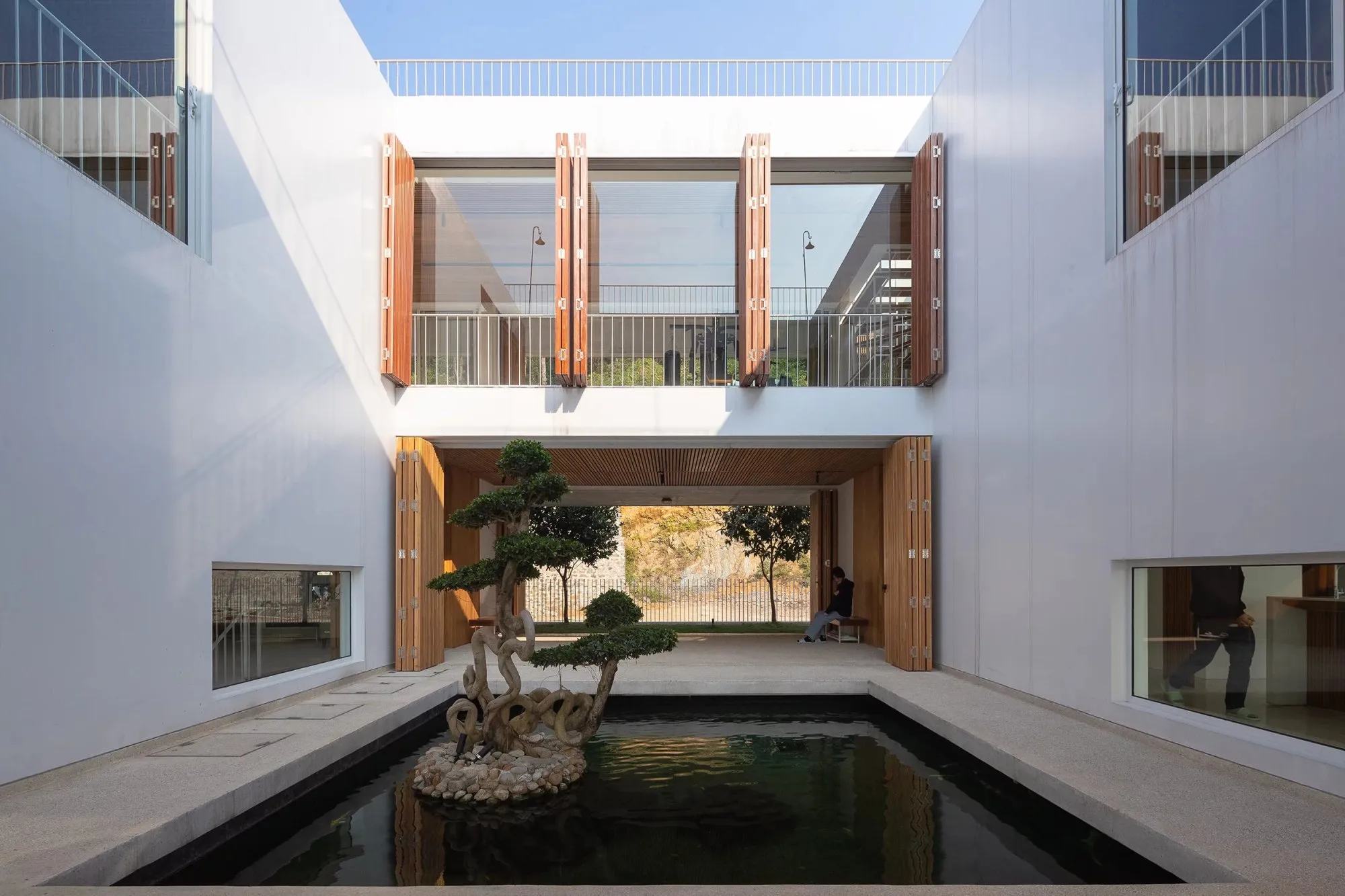
Trần Thị Ngụ Ngôn: We like how people in the past dealt with the environment in traditional architecture. Many of Tropical Space’s buildings learn from the thinking and methods of earlier generations, to find harmony in Vietnam’s tropical conditions.
We believe local culture needs to be expressed through local architecture, at least so later generations know what was there if local elements are lost. Do you agree? If so, how have you kept local values through a particular building?
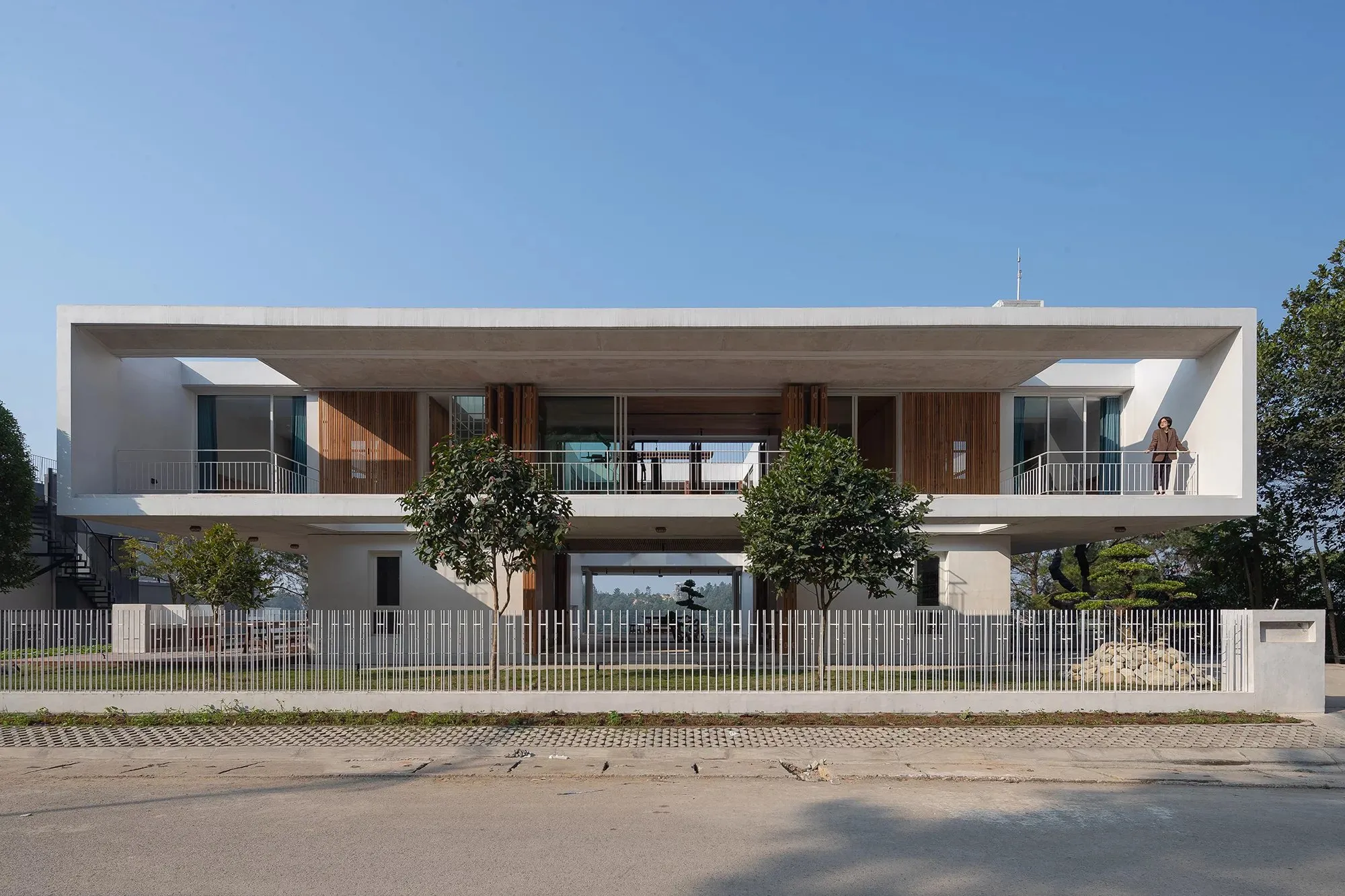
Trần Thị Ngụ Ngôn: Simply put, we think culture in architecture is like the shadow of a tree’s canopy on the ground.
Has any architect in the world greatly shaped your view of design?
Trần Thị Ngụ Ngôn: It’s hard to name one, since many architects and designers share our view and thinking. They all try to make things ever kinder to the environment, which is a good sign. But each is an individual walking their own path.
What do you think of the idea that art is expression and architecture is solution?
Trần Thị Ngụ Ngôn: Without art, architecture is just a giant box with functions. Architecture draws us in through the art of arranging volumes, materials meeting sunlight, and organising functions in rhythms of space.
Then a building becomes a work that can move the heart.
Over many years of practice, what has changed in you, and what hasn’t?
Trần Thị Ngụ Ngôn: Almost nothing has changed. We design many kinds of buildings at many scales, but we are still Tropical Space. Our architecture tries to respond to the weather and aim for sustainability.
What building have you always wanted to make?
Trần Thị Ngụ Ngôn: A school. We want to design a building for education where children can feel welcome and open, and where they can interact with their surroundings through how they feel building materials, light, space and nature.
Interview by Anh Nguyen, January 2022. Photos by Trieu Chien.