
This conversation with the Vietnamese architect Trần Ngọc Linh, about the work of his office Idee Architects in Vietnam, took place in March 2022.
Why did you choose to become an architect?
Trần Ngọc Linh: At secondary school, a few friends and I went to drawing classes, at first just to try. I found sitting and drawing in pencil three times a week really enjoyable. At the class I met many people practising for the architecture entrance exam. When I finished school, I applied, passed the exam for the Hanoi Architectural University, and I’ve worked in the profession ever since.
My path into architecture was quite simple: a love of drawing, then professional training and practice.
Beyond architecture, what interests you?
Trần Ngọc Linh: I like exploring life, I love nature, and I’m interested in history and culture, so I try to bring these together with my practice. They all support each other and gather in architecture. Architecture is the natural expression of all my other interests, even those that have nothing to do with it.
Who inspired you to become an architect?
Trần Ngọc Linh: There’s no single name for me. When I started out, I really didn’t know much about the figures who made Vietnamese and world architecture. I spent a lot of time observing as a student, and from where I stood then, I rarely saw anyone passionate about this work or glowing with happiness in it. Later I met many people who influenced my thinking about the profession we share. I saw their joy whenever they visited one of their buildings, and that slowly built my own inspiration, bit by bit.
Perhaps not being swayed by famous names was a good thing; it kept my drawing free of influence. And by observing carefully and talking with the people around me every day, I learned more from practice.
Tell us about your early years of practice. What was your first building?
Trần Ngọc Linh: Like many young architects, I first worked in a small office, then in bigger ones. After graduating I worked in both state design companies and foreign firms. After a while I left and opened my own office.
I just followed my own thinking and feeling. Each stage brought interesting experiences mixed with thoughts about a long future in the profession. You keep walking and it becomes a road.
The first project I worked on was in my final years at university, a resort in Tam Dao. Its opening day meant a lot to me, a really important experience: seeing something go from drawing to being in use. Seeing a building actually built is, I think, always a special feeling for an architect, at any scale.
What were Idee’s early days like? Did things come as easily as you expected?
Trần Ngọc Linh: Before 2011, my partners at Idee and I had already worked together on a few projects. We were friends in life and in work, so when we opened the office we trusted each other and always worked towards a shared goal.
At first we didn’t think of anything grand. There wasn’t much work, so we only hoped for work to draw and to show what the office could do. Those days were hard but happy. We shared everything, bit by bit, to be able to practise.
What do you think of Vietnamese architecture today?
Trần Ngọc Linh: The team and I feel lucky to be practising now. It’s a good time for architecture, in terms of society’s needs, people’s appreciation, how they want to live and their wish for a better quality of life.
Many clients now are very open. They’re young and have the means to work with architects on new buildings, trying new viewpoints and new materials. The professional environment is lively and sharing is easier. Architects have more chances to meet and exchange ideas. World architecture is no longer only in books, as the internet connects us with the world every day.
How have clients in Vietnam changed over the past ten years? How do they affect architecture and architects?
Trần Ngọc Linh: As I said, clients in Vietnam have improved a great deal, in quality and in number. With good cultural and economic backgrounds, they can see many buildings and understand architects’ work better than before. They value aesthetics as much as, or even more than, economics. The old idea of building to last has shifted towards building to live well and look good. So they’re more open, and they respect and listen to architects. They are helping, more or less, to push architecture today towards better aims and values.
There are still limits, though. Over the past ten years quite a few clients have still cared about showing off through architecture, sometimes putting profit ahead of the consequences. If architects aren’t careful, they can easily be swept along. They may get a few buildings, but the long-term harm is hard to undo. You have to stay clear-headed.
When you begin a project, what matters most to you?
Trần Ngọc Linh: My first feeling about the project, which comes in many ways: meeting the client and listening to them, or ideas forming during the site visit.
Intuition is very important in architecture. After analysing and studying the data, I often return to my first feelings when I look at the drawings, documents and models. Sometimes other feelings and other ideas form at that moment.
What do Idee’s buildings have in common?
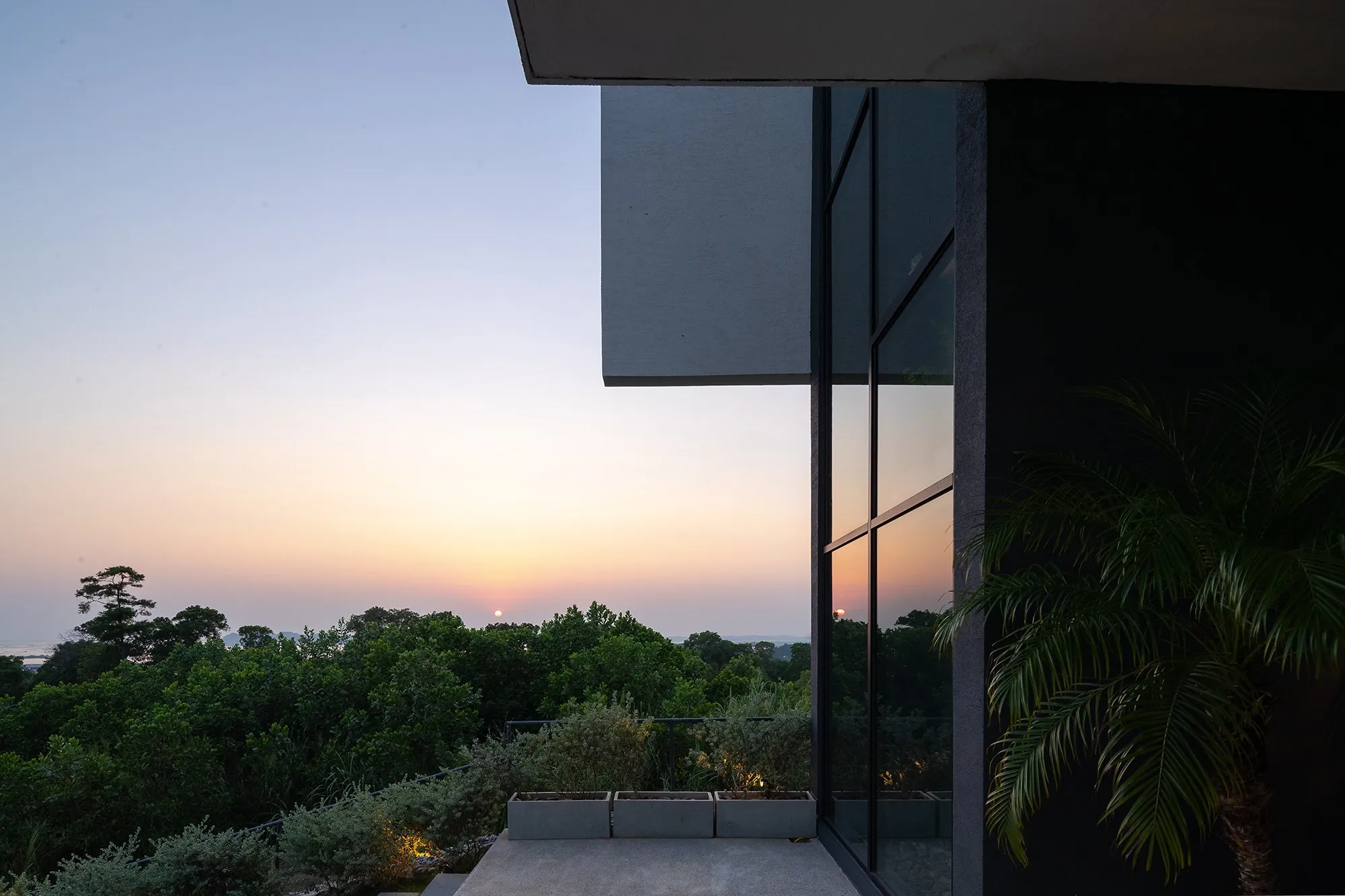
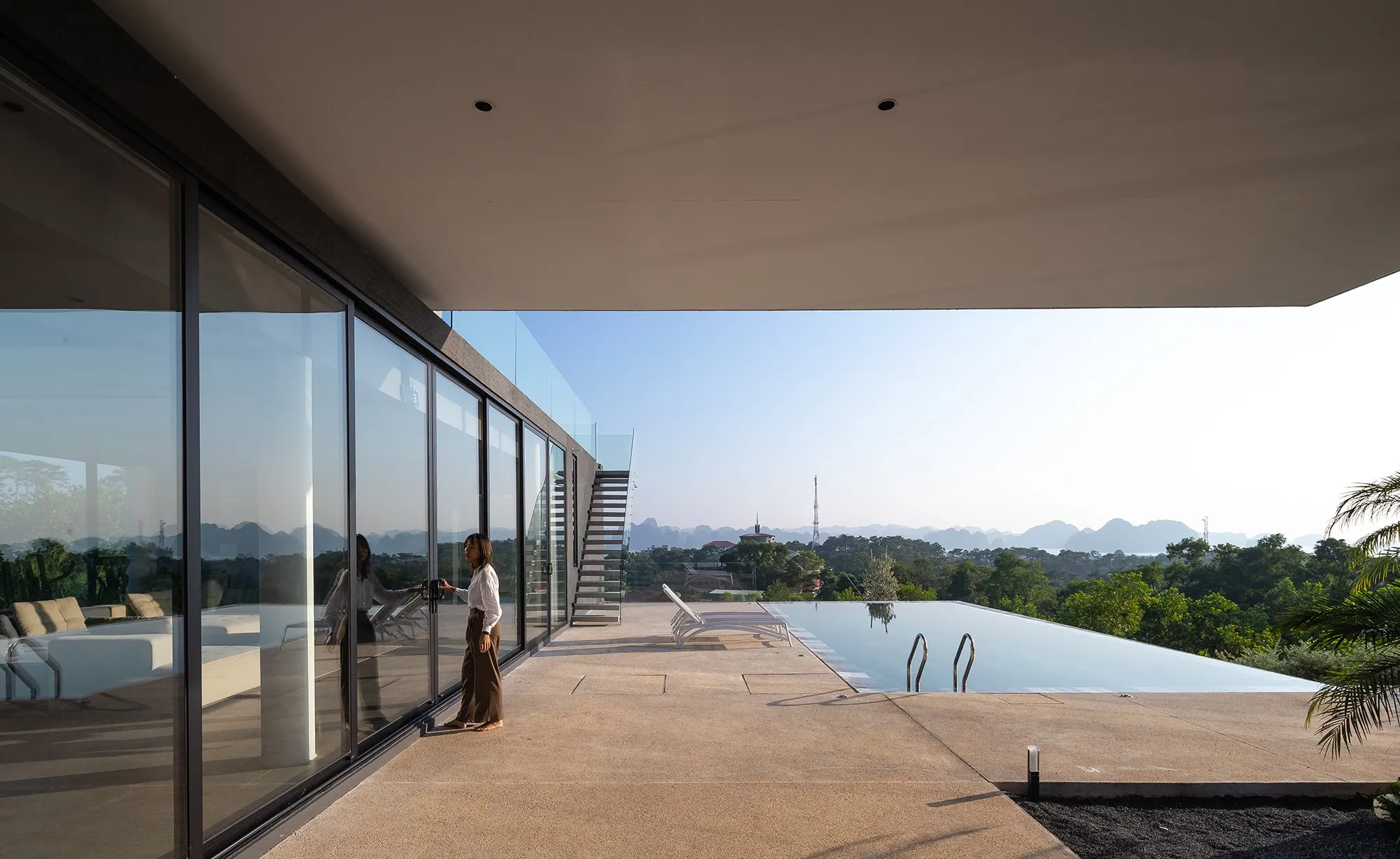
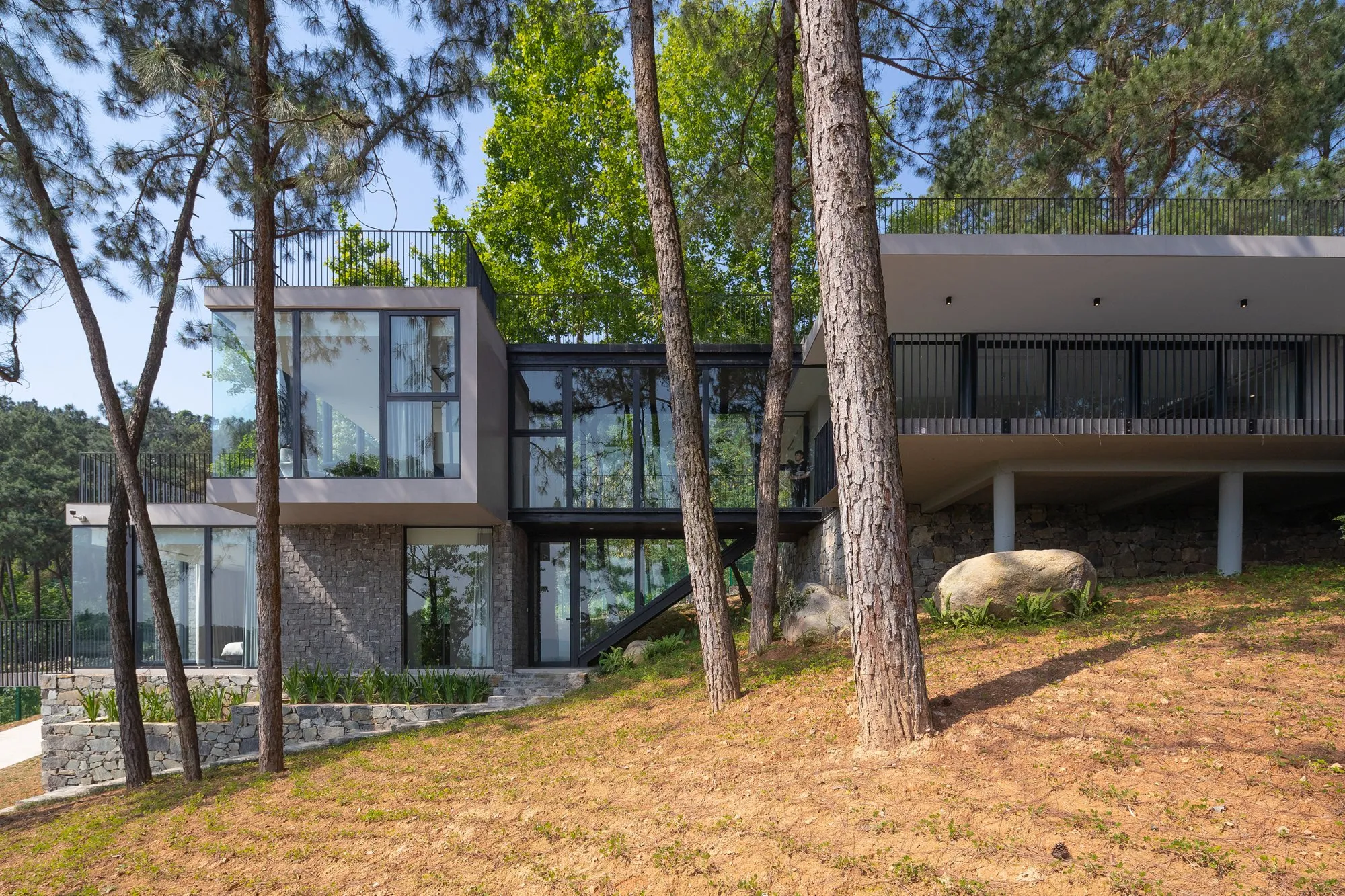
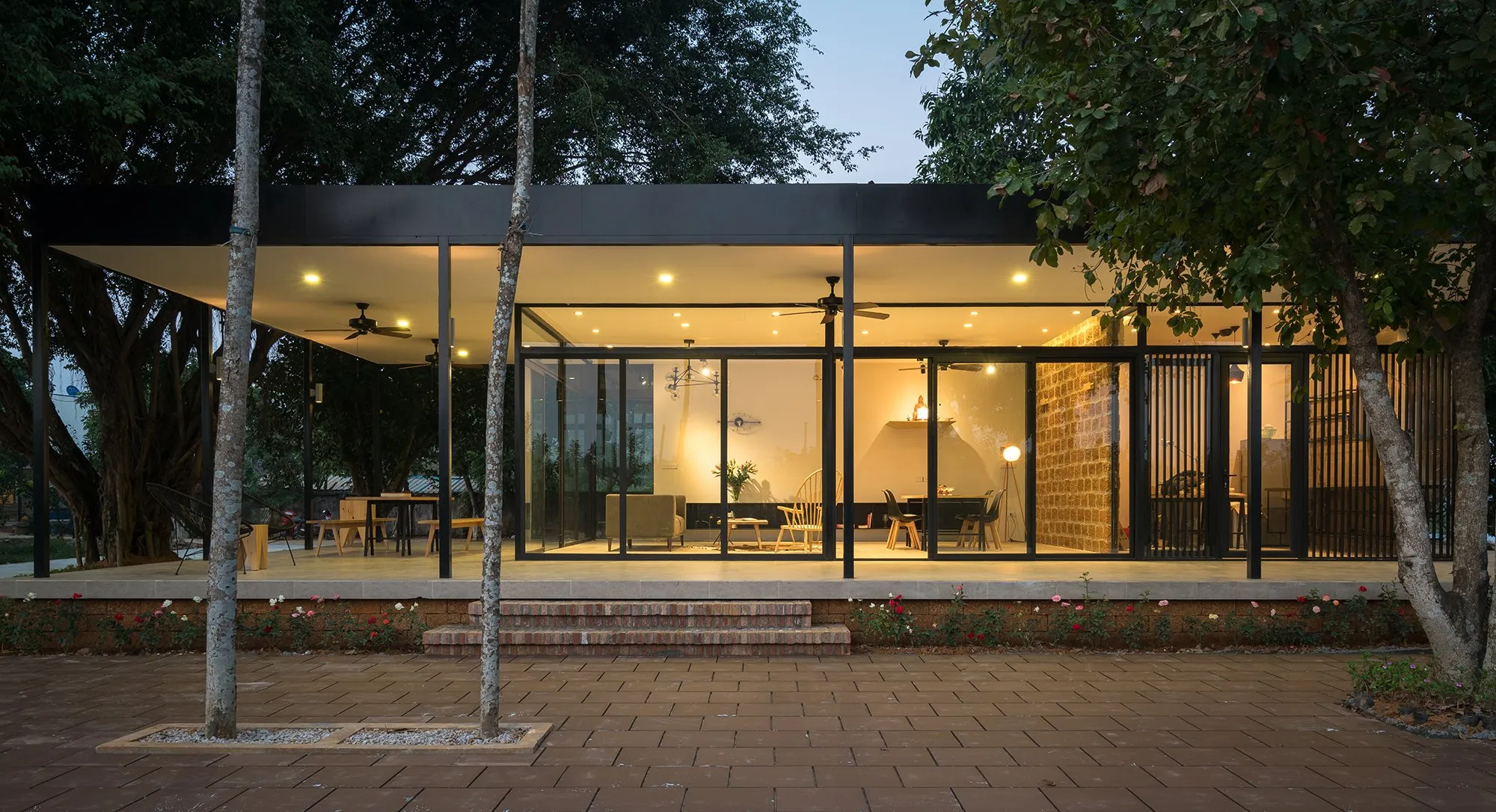
Trần Ngọc Linh: We love nature, light, air and landscape, so Idee loves openness in design. All our projects try to express that view. Each building has its own difficulties and advantages, subjective and objective, but if you stay true to the view you’ve set, your series of buildings will show it in the most natural way and help people feel it.
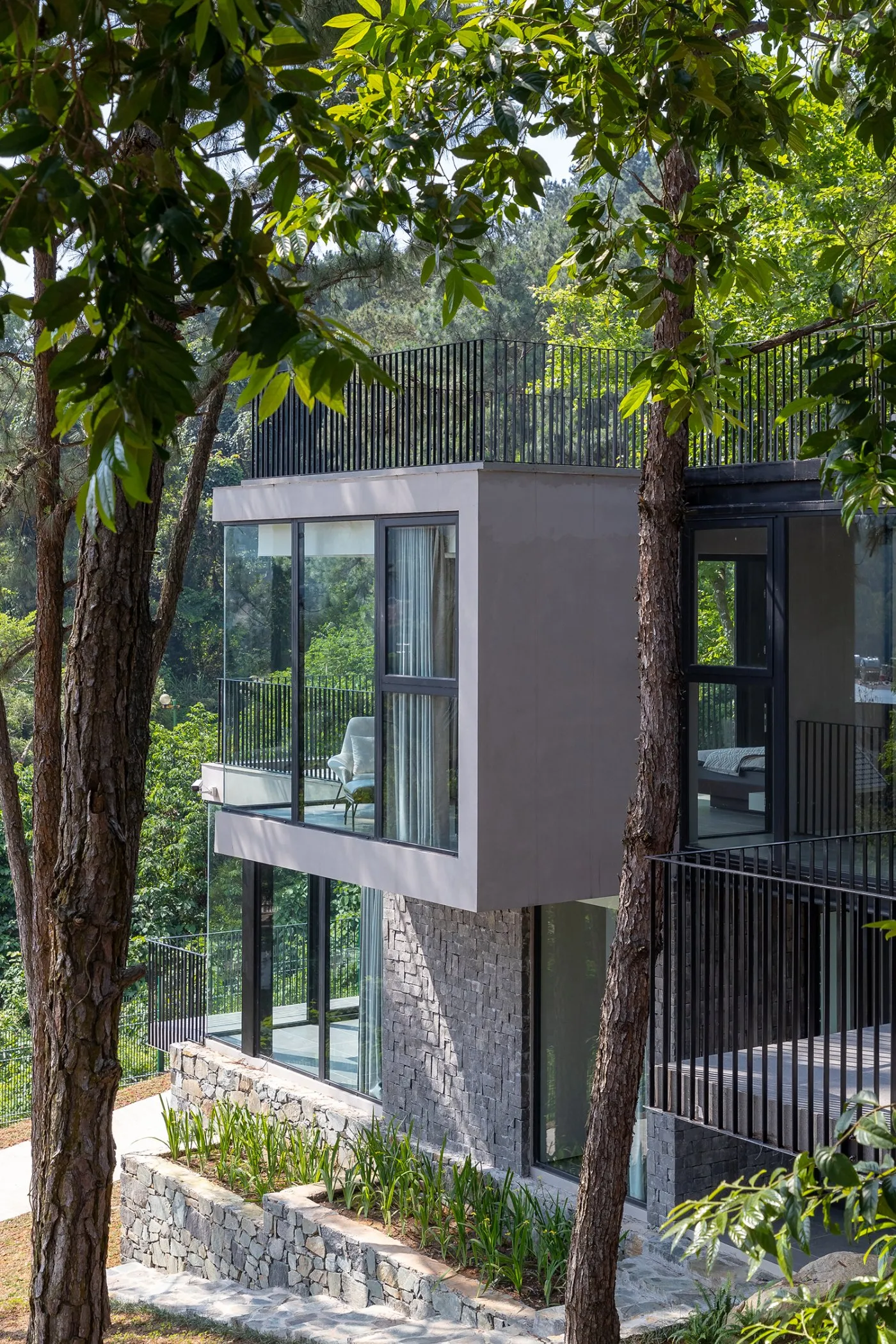
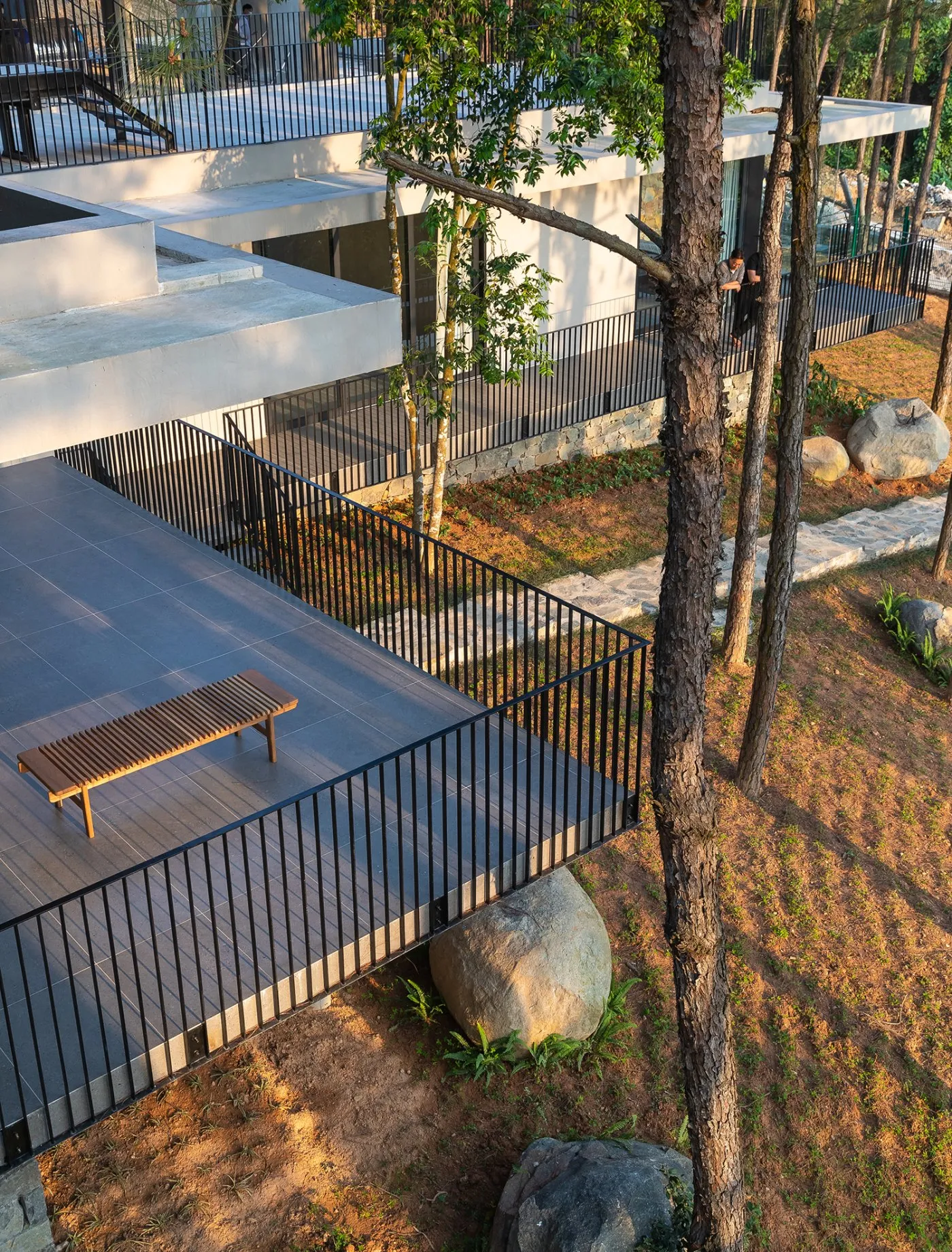
Idee’s villas sit in very different settings, but all look modern and minimal, with open space, glass and concrete. Few use local materials. How do you see local materials in architecture?
Trần Ngọc Linh: As I said, each building has its own needs and context, but we do try to observe and learn from local materials and building techniques. That saves the building a lot of effort and resources, but on some of our current projects we haven’t had many chances to apply local elements.
I think the building technology of each era reflects its character. Technology, materials and people’s habits keep changing, and we have to adapt, sometimes by trying things to see what works, what doesn’t and what suits us. Inheritance and change always go alongside taking in outside elements, and architecture and building are no exception. Using materials that are no longer common in everyday life can sometimes feel forced in architecture. I want to select local materials and building techniques and use them in new ways that suit today and my own architecture.
How important is light in your buildings?
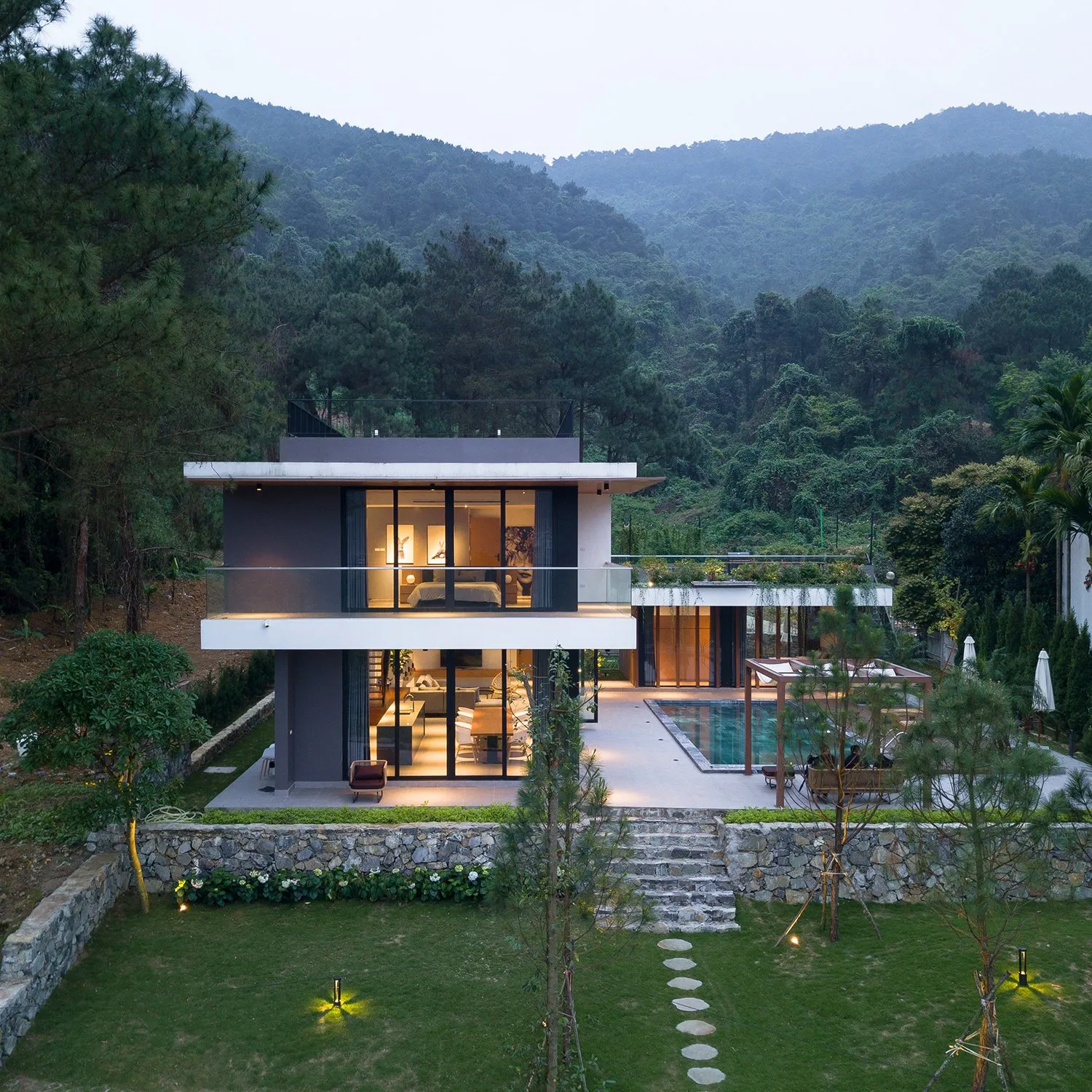
Trần Ngọc Linh: Light is always the first priority in design, not only for us but for most architects. Whatever the terrain or climate, I want to see a building bathed in warm winter sun, or softened by summer light filtering through the leaves. Without light there’s no architecture.
We study light carefully in each building. It’s always the precondition for working with other important elements like space, material and texture.
Alongside the villas, Idee is now working on resort projects. How do you approach them?
Trần Ngọc Linh: It comes from our love of nature and of travelling and moving around. When the chance came, we wanted to try resort projects. Idee has now done many, from resorts to private villas.
I think what matters in a resort is its ability to connect people with the untouched beauty of the place where it stands. It leans towards living close to nature, so people can look back at their own lives. What affects people positively is the feeling that stays with them after a good stay. They gradually change how they treat life and the nature around them.
Are you interested in traditional architecture? Is there a link between your projects and traditional buildings?
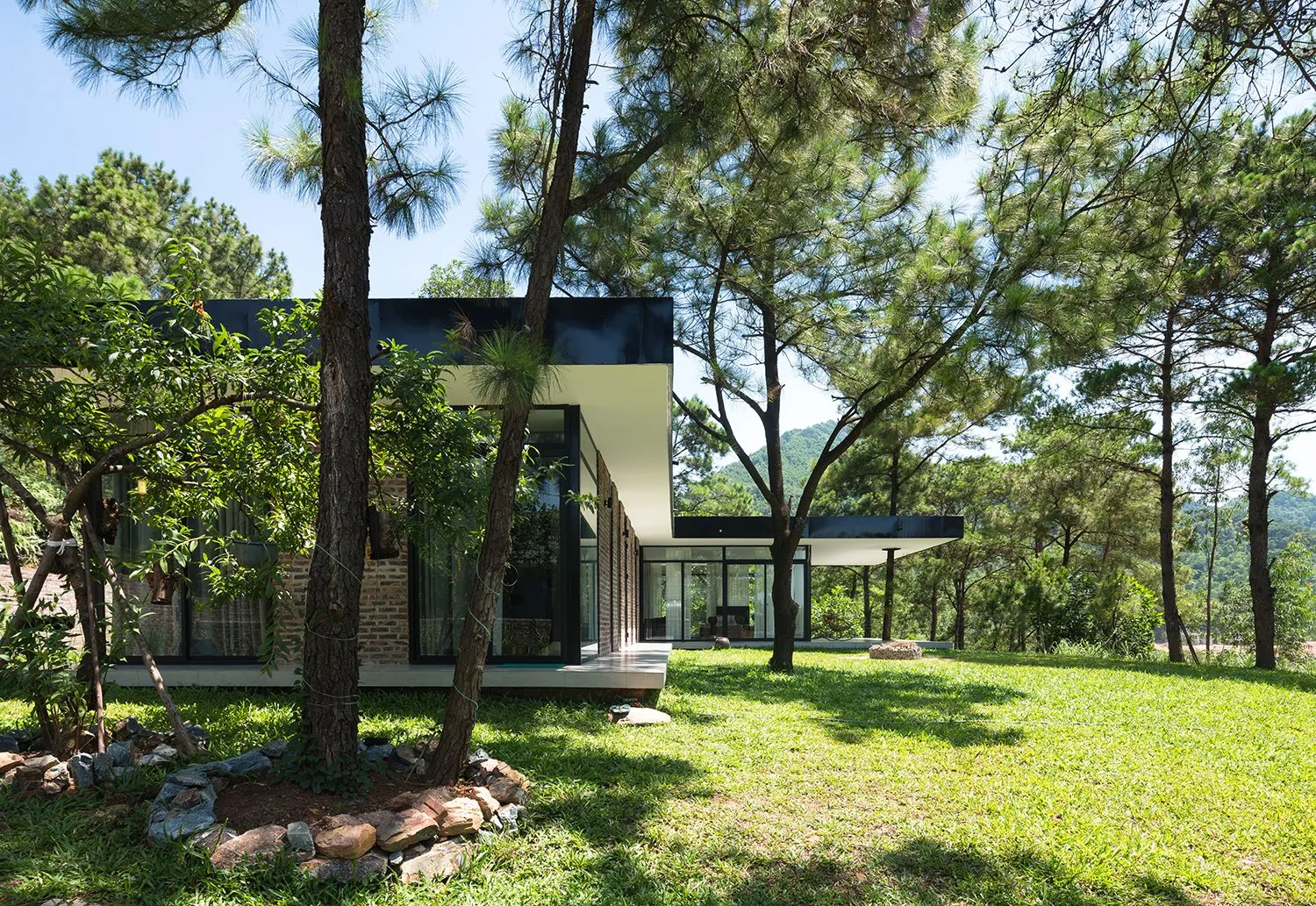
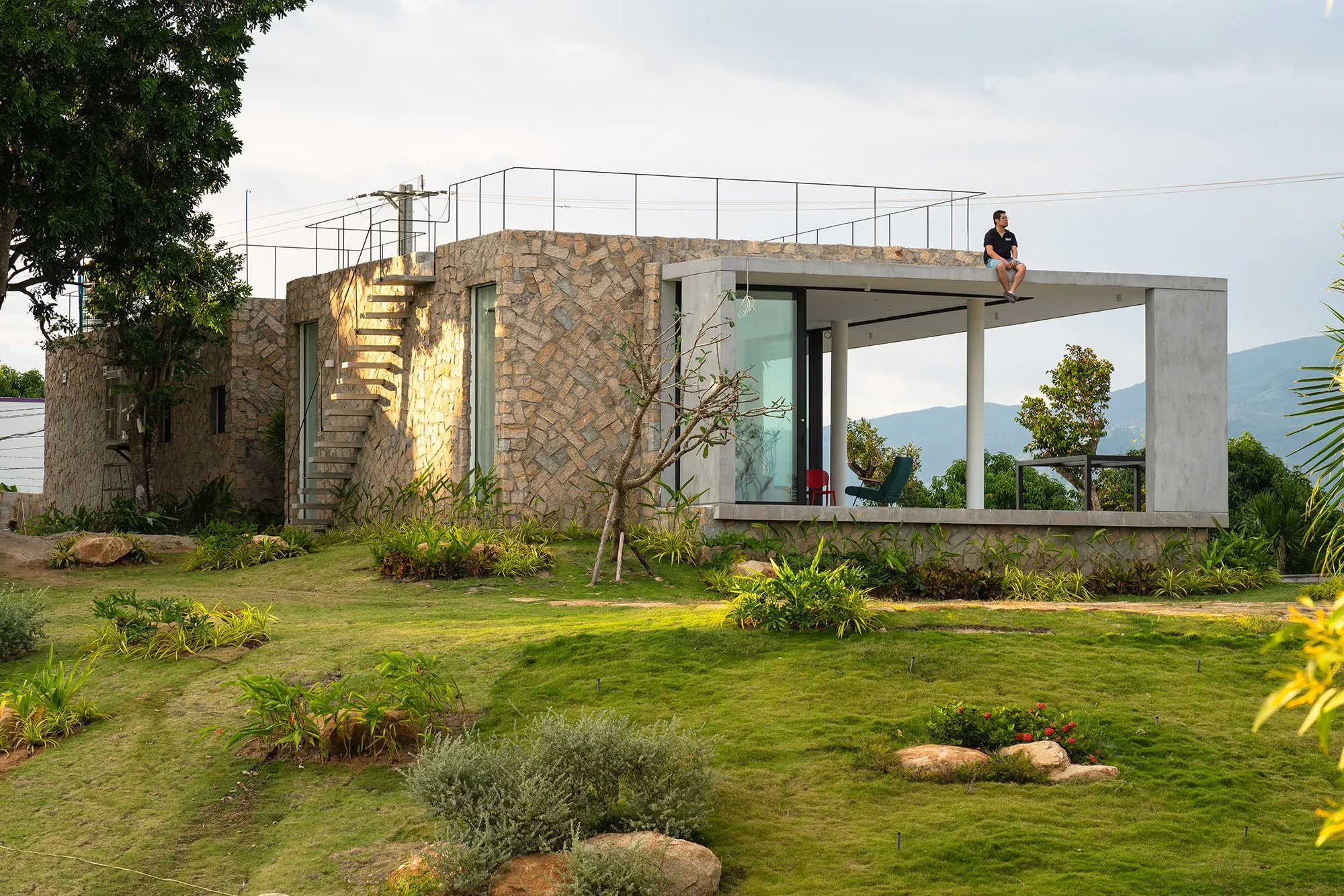
Trần Ngọc Linh: We observe and learn a great deal from traditional architecture, and admire the depth of culture and the lives lived over generations in each place. One feature I often look at is the veranda of the traditional Vietnamese house. It’s a very versatile space where people connect, talk and sort out life’s problems. We often bring it into our designs.
Looking further at the old multi-bay Vietnamese house, we see space used very flexibly, without fixed divisions, so there are few closed rooms. Vietnamese people perhaps don’t value privacy as much as Westerners, so architecture took shape differently. That’s worth learning from, now that our lives mix Western and Vietnamese ways.
What do you think about sustainability in architecture? Which of your buildings shows it most clearly?
Trần Ngọc Linh: All our projects pay attention to sustainability. It’s what lets a building last, be used well and reach out to its surroundings.
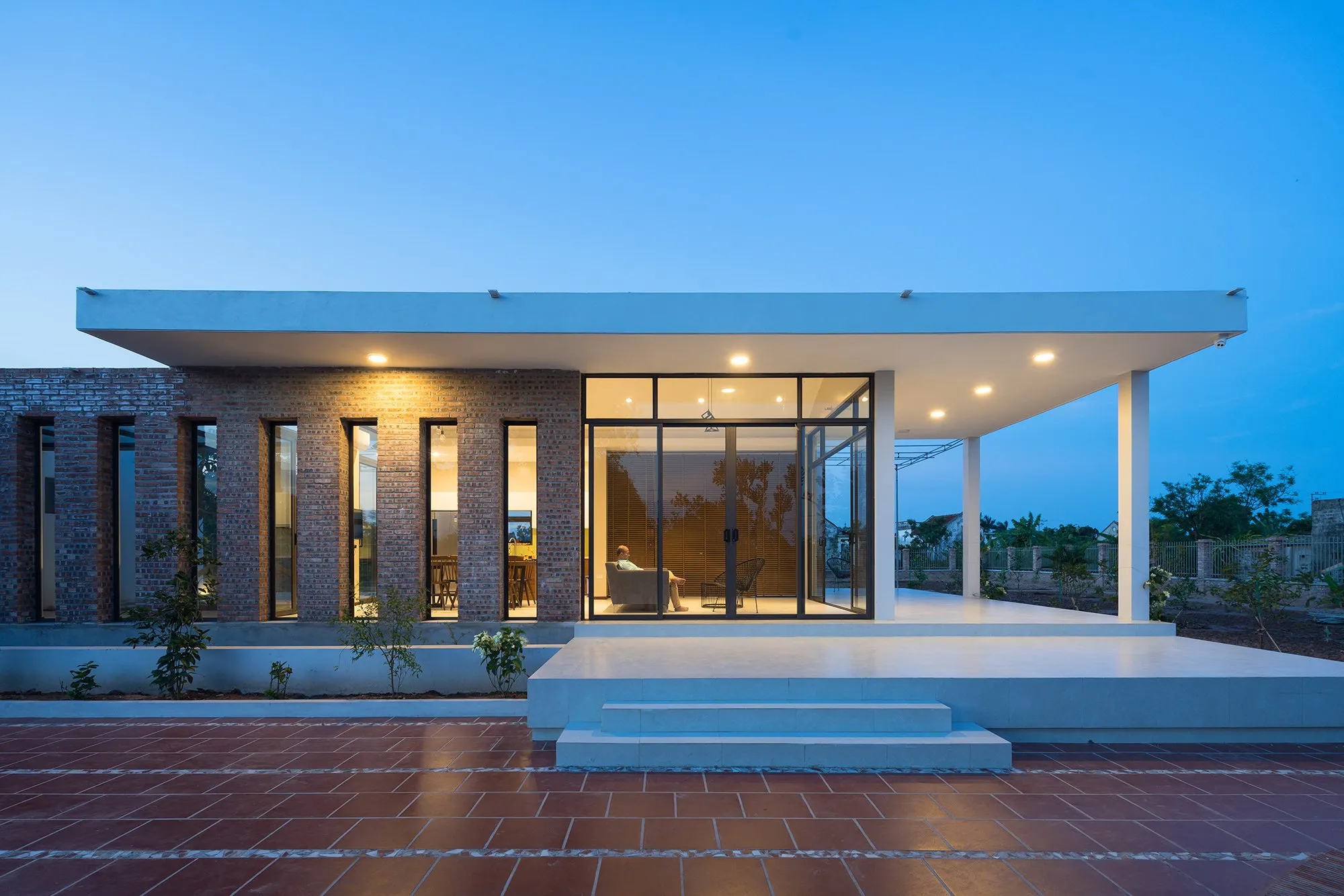
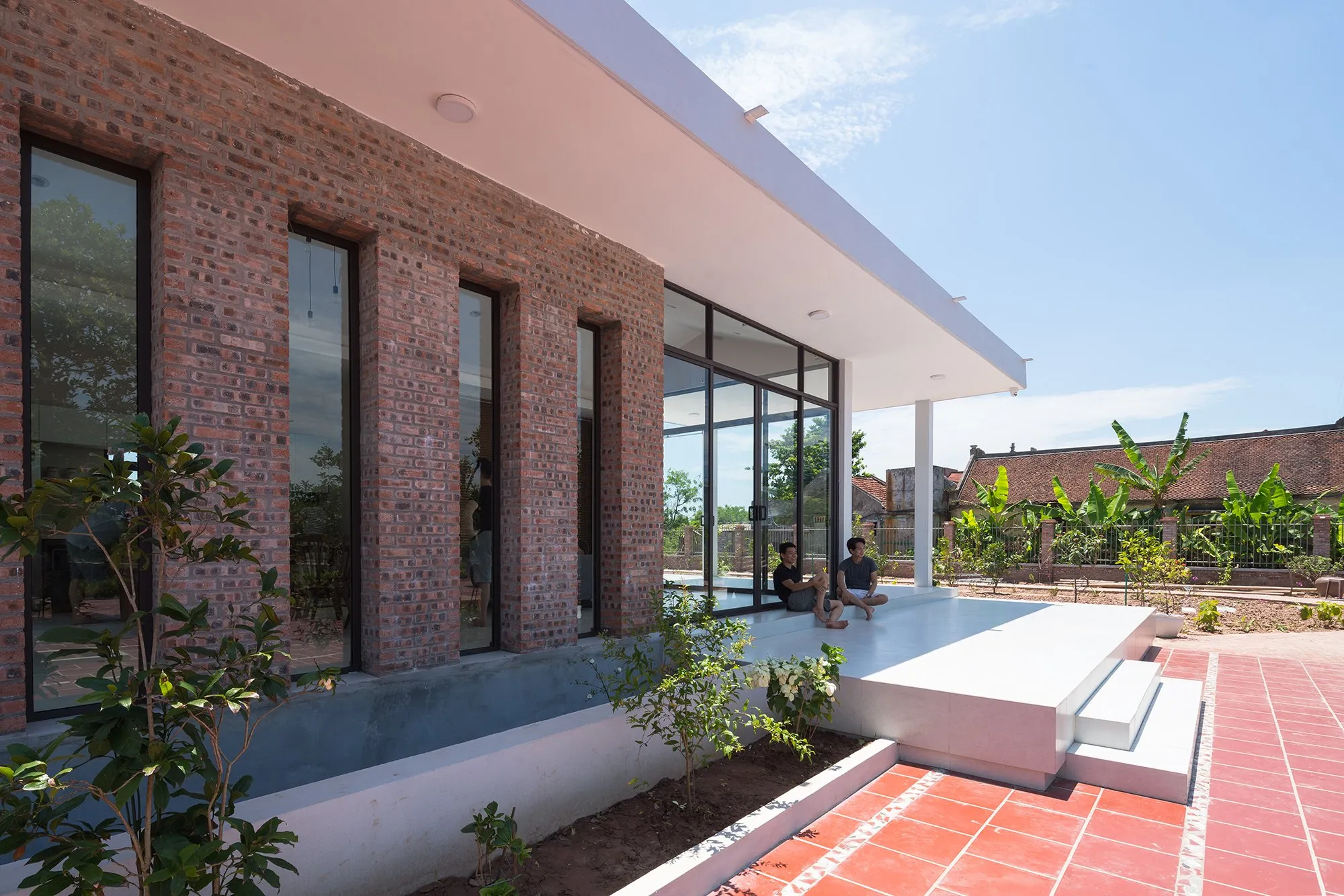
Mian Farm Cottage was built on a fairly low budget. We approached it simply, making many spaces that bring the family together, the house as part of the nature around it. Years later the owners still love it. They feel at ease whenever they come home, sitting under the veranda looking out at the landscape. That means a lot to us.
Recently a television series filmed some of its scenes in the house. I think the director must have felt, more or less, its simplicity and ease when bringing it to the screen.
What concerns you most about architecture now?
Trần Ngọc Linh: How architecture spreads by itself. Every building affects its surroundings and the buildings that come after it. So whenever we design, we think about the present and also the future, once architecture is formed there, ours and other people’s.
What do you think about documenting and photographing the office’s projects from the beginning?
Trần Ngọc Linh: For many years now we’ve been conscious of documenting our process through each building. The photographer Trieu Chien has helped us, photographing each building from its start to completion. We photograph to have records to check against and to look back at the road we’ve taken. I think it’s right and necessary if you want to go further.
If you weren’t an architect, what would you be?
Trần Ngọc Linh: I’m not sure. I’d like to be a sailor, or a librarian.
How did you find this interview?
Trần Ngọc Linh: I could say how I feel. Thank you!
Interview by Anh Nguyen, March 2022. Photos by Trieu Chien.