
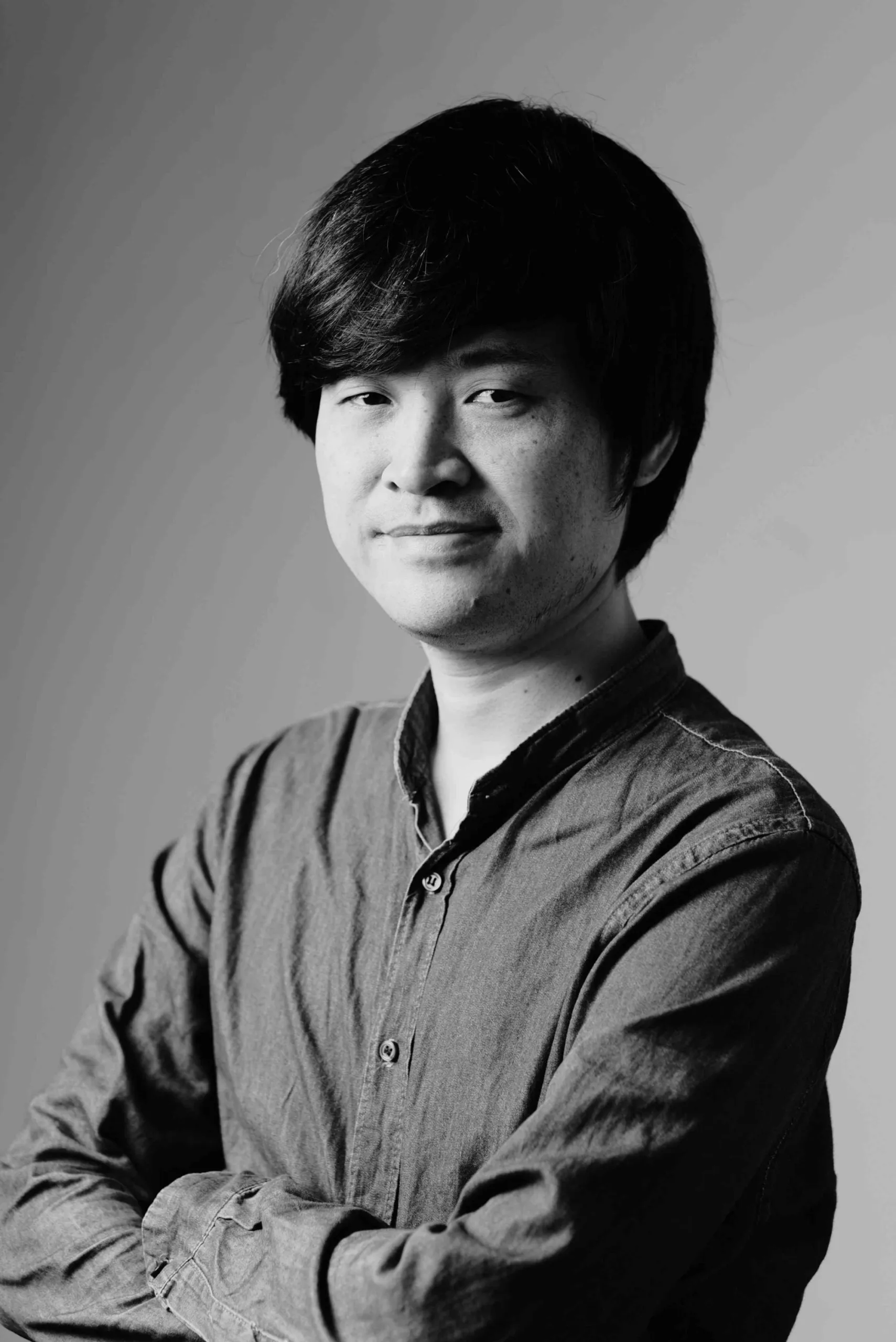
I have known NH Village, an architecture practice based in Hanoi, Vietnam, since 2018. Later, the photographer Trieu Chien and I had several chances to work with the architects Trần Đại Nghĩa and Nguyễn Phương Hiếu, photographing their projects. Each time I visited, I noted down some of their views on practice. This piece gathers them, from 2018 to 2022.
What would you be if you weren’t an architect?
Trần Đại Nghĩa: Probably a scientist, researching mathematics or biology. I loved science as a child. I was in the gifted maths class, but I had a great love for biology, and I still do.
Why did you choose architecture? Was it your wish, your family’s, or chance?
Trần Đại Nghĩa: It was all chance. I passed the entrance exam to the University of Civil Engineering and joined the first intensive engineering programme sponsored by the French government. It ran across four universities, and architecture wasn’t among them. After two years of general subjects, students could transfer to any university.
After my first semester, though, I sat the exam to study abroad, and Japan was my destination. When I arrived, I applied simply for "construction", not knowing it split into architecture and civil engineering. Five of us got places, and I was the only one who chose architecture. I was worried at first, but my teachers told me to go, to experience a new environment and see the world.
Tell us more about your studies.
Trần Đại Nghĩa: First I was placed in the architecture department of a college, then moved on to a university, as most foreign students did then.
In my first year, studying Japanese in Tokyo, I met Vietnamese students who had come to study architecture before me. They suggested I visit some of Japan’s famous buildings. I did, and I bought many books by Japanese architects, mostly about how they studied and worked. One that struck me was a book edited by Tadao Ando, in which he invited six outstanding architects from different countries to talk with students at the University of Tokyo. It had a big influence on how I taught myself.
After Tokyo, I went to an engineering college in Ishikawa, in the Japanese countryside. My head teacher was lively and talkative, loved arguing about architecture and often set us problems to solve. He had a special love for Louis Kahn and organised many seminars on his architecture and his writing. After three years there, I had gained more practical knowledge than theory. In every school break I travelled to see buildings around Japan, sometimes alone, sometimes with friends.
I first wanted to be an engineer in architecture, and spent time on the principles of structure. Only in my last year, after passing the entrance exam to the University of Tokyo, did I decide to study architectural design. In my fourth year I was lucky to take a semester-long class with Hiroshi Naito, and for my postgraduate studies I sat the exam for his research lab.
Studying in Japan trained me to be practical. Everything has to be visualised in detail, so you can see and understand the issues clearly. I also learned self-criticism, looking at a problem in layers. The Japanese way of seeing and feeling things, phenomena and nature is very particular. That’s why they have so many designs that are kind to nature and save energy. I love the way they think and use materials.
What was the first building you recognised as Architecture?
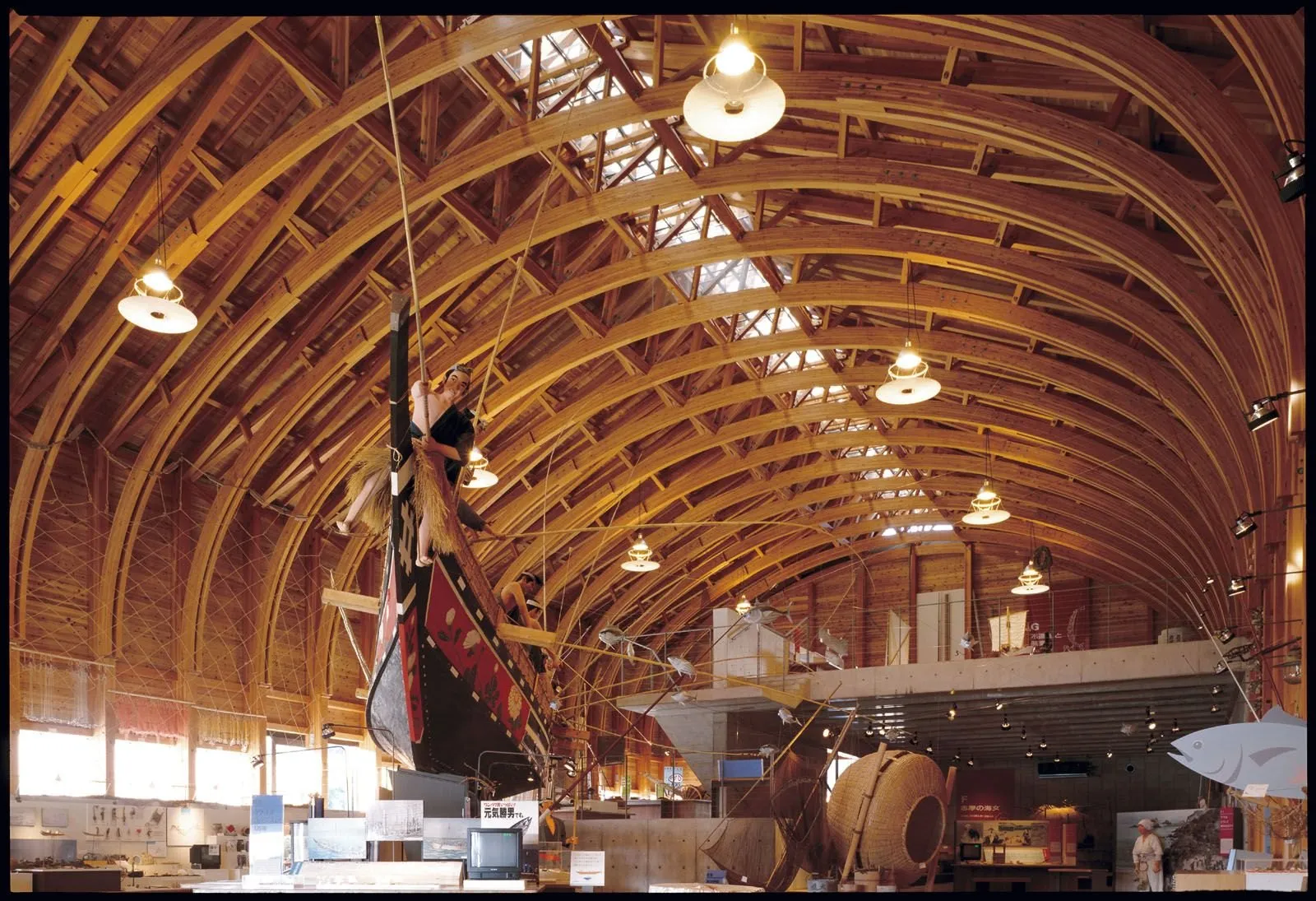
Trần Đại Nghĩa: The Sea-Folk Museum by Hiroshi Naito was the first to really move me. Its timber is spectacular. I still remember the atmosphere. When I visited, the building was fifteen years old, but inside there was no sense of time. It felt as if it had always been there.
You studied in Vietnam, won a scholarship abroad, then came back to open an office. What do Vietnamese and Japanese architecture share, and how do they differ?
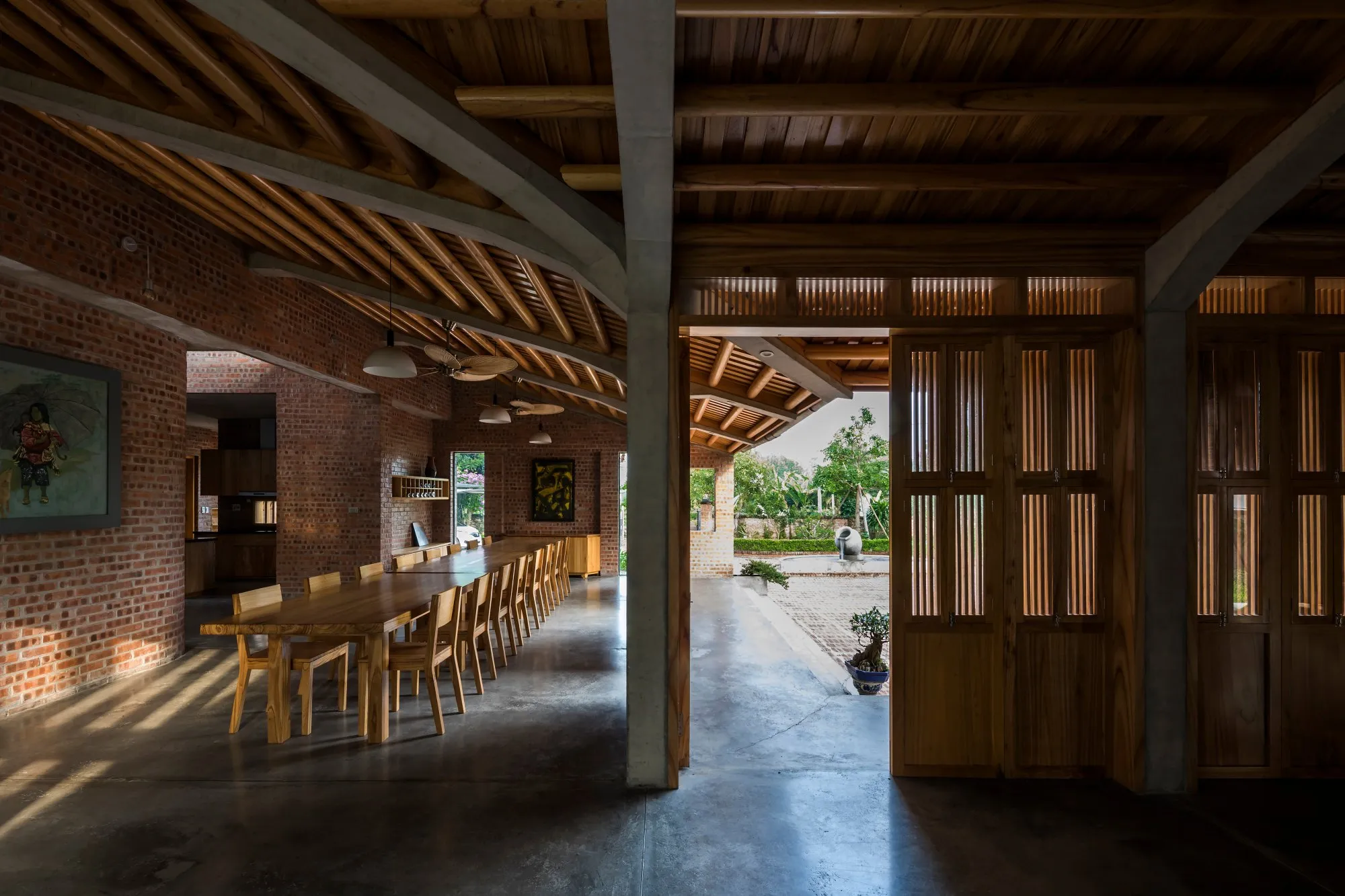
Trần Đại Nghĩa: Both share materials used in traditional buildings, such as timber, bamboo and earth, all of them kind to the environment. Today many Vietnamese architects are making new buildings with respect for nature, using natural resources like plants, light and wind. Those are things in common with Japanese architecture.
Who inspires you in architecture?
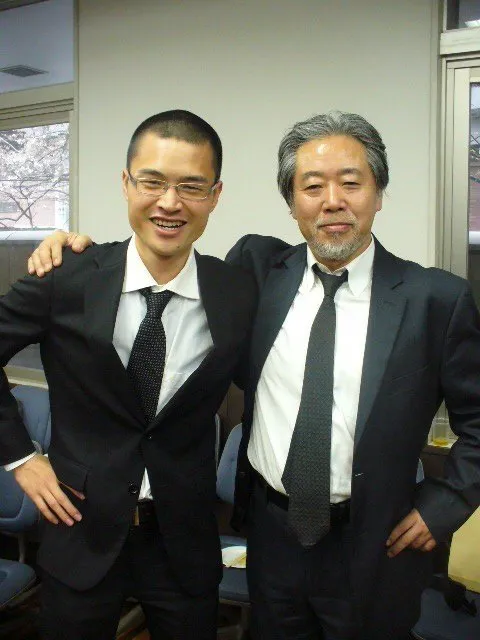
Trần Đại Nghĩa: Every architect I’ve learned from or worked with has given me a different view of architecture, and what they share is inspiration. At first it was Tadao Ando. I read many of his books and visited many of his buildings. During my internship I worked and studied directly with Hiroshi Naito. From him I learned how to treat tradition and culture, place and the feeling of materials, structure and people, social responsibility. After graduating and working in his office, he taught me optimism and joy in work, and how to look at a problem more deeply and from different angles. Louis Kahn’s writings on architectural thinking have always been my favourite. Together they are an endless source of inspiration in practice.
Tell us about your time in Hiroshi Naito’s office.
Trần Đại Nghĩa: Hiroshi Naito, the first architect to become a professor in a department of civil engineering, is a special figure in Japan. Through his teaching he found that architecture, urbanism and infrastructure had been split into narrow subjects that tended to drift apart. To him this was a shortcoming that indirectly produced disorganised cities. He wanted to reconnect all the professions of building so the next generation could see more widely. His lab had students from architecture, planning, transport engineering and sociology. We heard about many subjects, and I really enjoyed it.
During my time in the lab I also asked to intern at his office for a while. There he became another person: very strict, rather than the easygoing man he was at school.
In Japan, architects tend to treat their buildings as works of art. Naito avoided talking about his own buildings. He thought mostly about the atmosphere people sense in each place, and brought time and space into his designs. Most of his buildings stand in remote parts of Japan; only a few are in central areas. He always started from connecting modern building techniques with culture and surroundings to make a unified whole. What I feel most in him is technical skill joined with compassion and a sense of responsibility for his profession.
My thesis, on space and living habits in the old village of Phuoc Tich during the flood season, was supervised by him.
You care about local factors, local materials and the skills of Vietnamese craftspeople, and bring them into every NH Village project. What drives that?
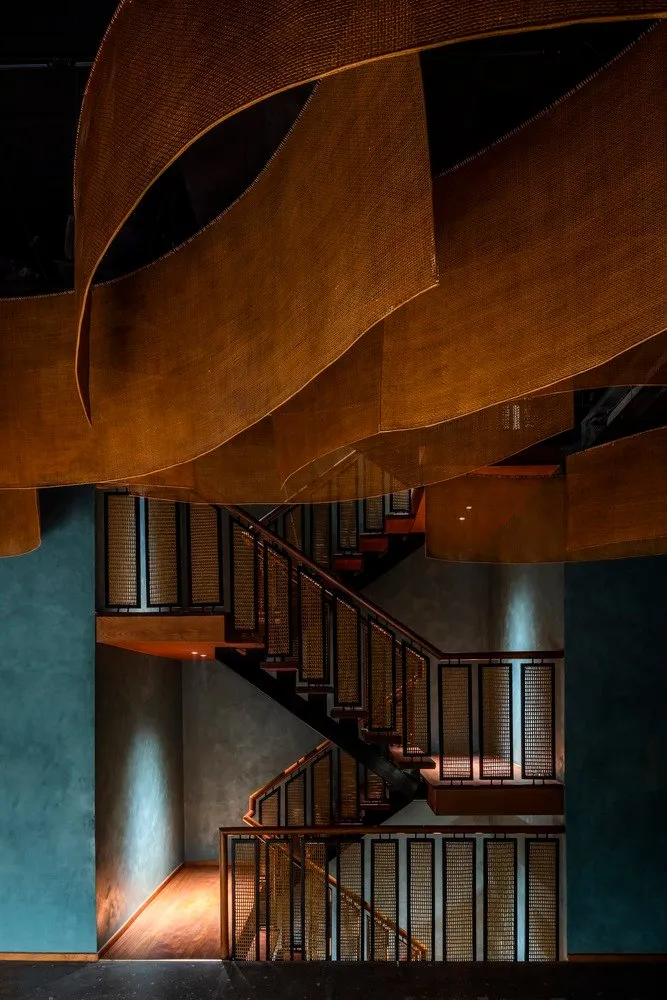
Trần Đại Nghĩa: I’m particularly interested in Vietnamese wicker crafts. They are made from natural materials, and their shapes are very versatile and beautiful. I was born and grew up in Hung Yen, and those things were my toys. Back in Vietnam I often visited craft villages to watch their skill and tried to bring their materials into my designs.
The Kimono project in Hanoi made one thing clear to me. At a small scale, artisans can easily manage their workload and the quality of what they make. Once they work on an architectural or interior project, there are many limits. That has shaped how I design, sketch, prepare and coordinate construction with them.
What does traditional Vietnamese architecture mean to you, and why?
Trần Đại Nghĩa: It gives me many suggestions. Society is always changing, and buildings are always the final form of what is most essential in each period. Studying traditional architecture, you can see clearly how our forebears adapted to climate and environment, and how they used materials.
NH Village brings nature into many of its houses through design and materials. Is that about using energy well, or how you approach sustainable architecture?
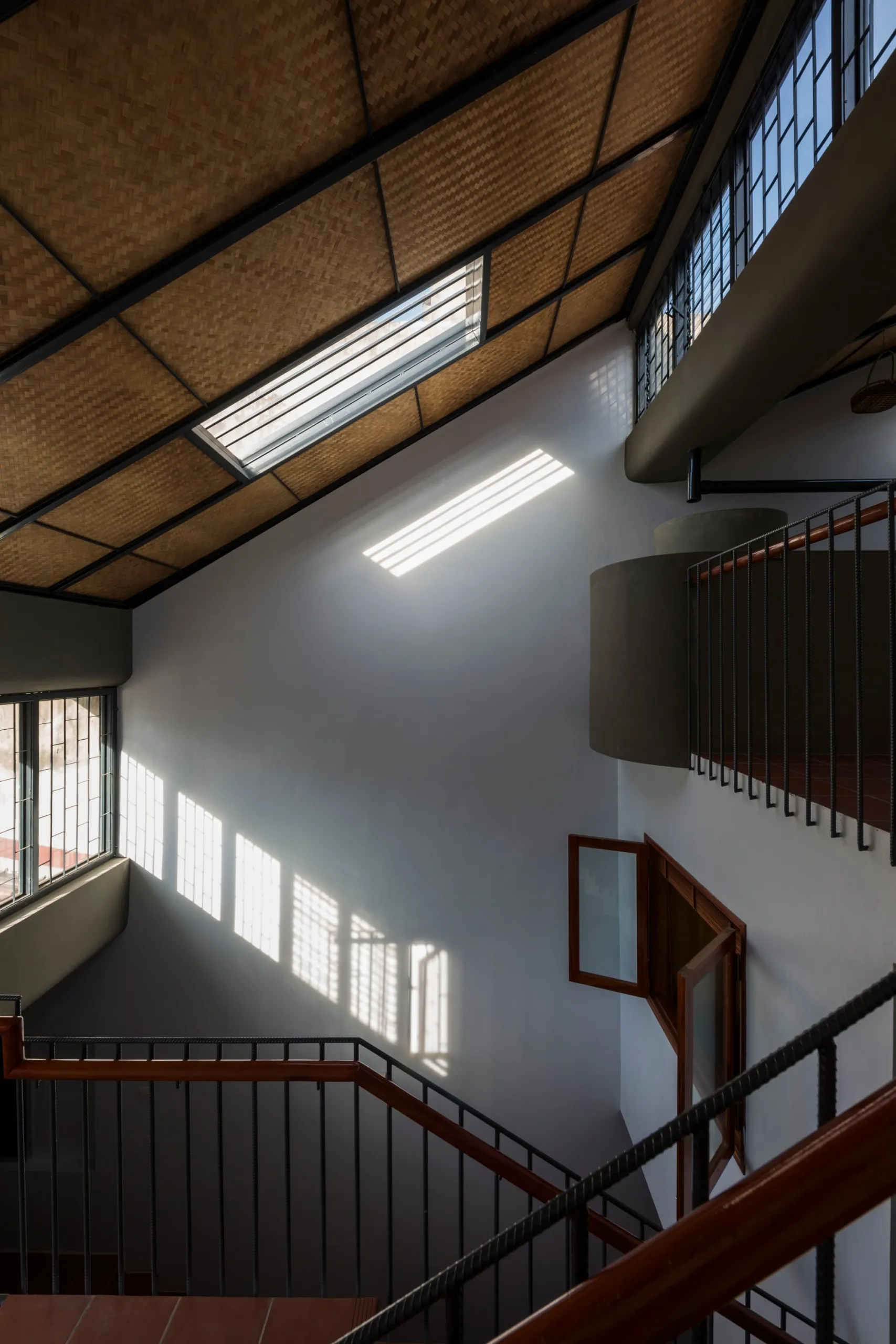
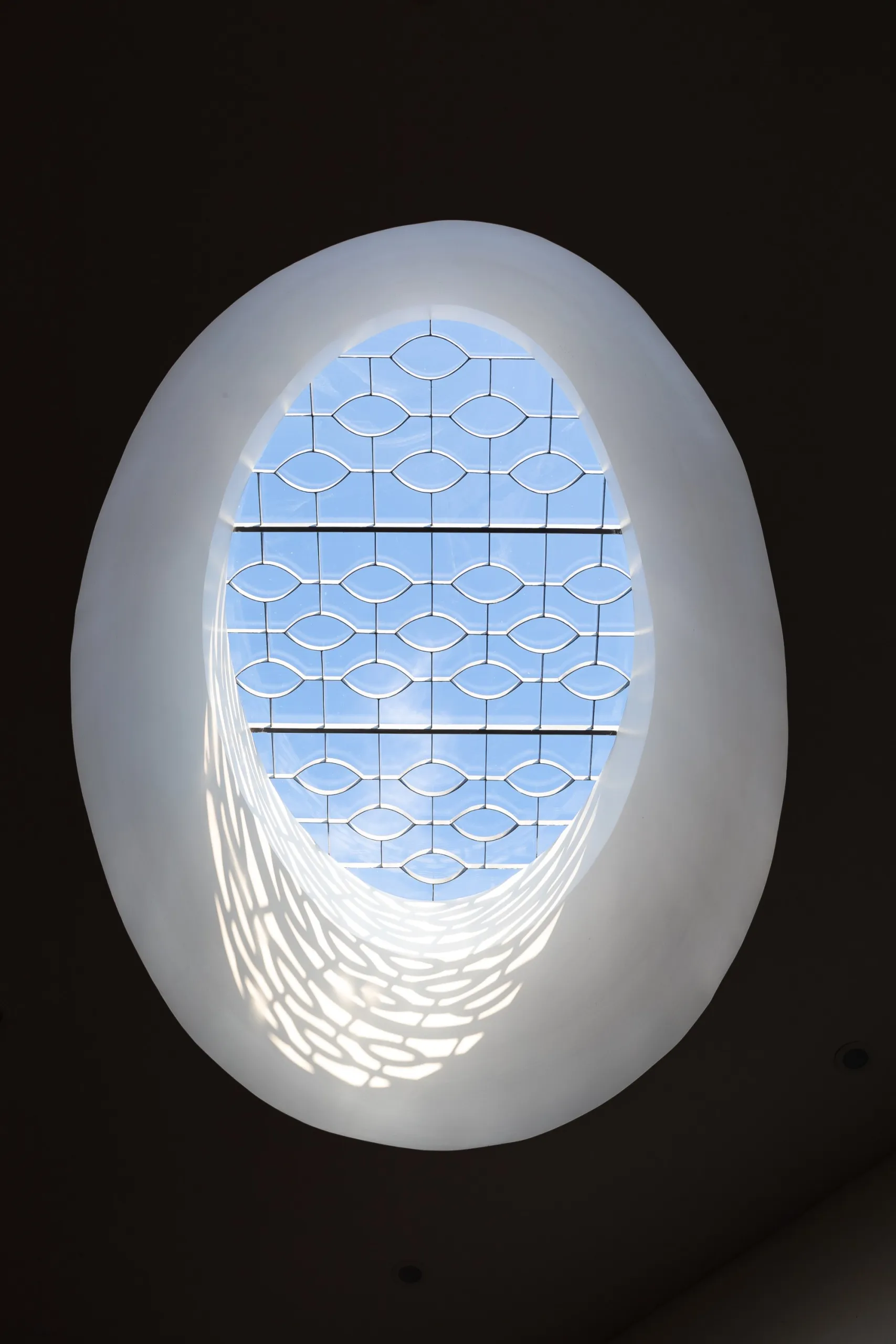
Trần Đại Nghĩa: Socially, especially now when environmental issues matter so much, making an energy-saving, efficient building is a very practical contribution, one of the most basic requirements. We always look for ways to reduce our impact as much as we can. But saving energy is only the first step. Our real aim is to make a loving environment for people. We bring in wind, light, rain and other natural elements to connect people more with nature in a dense city.
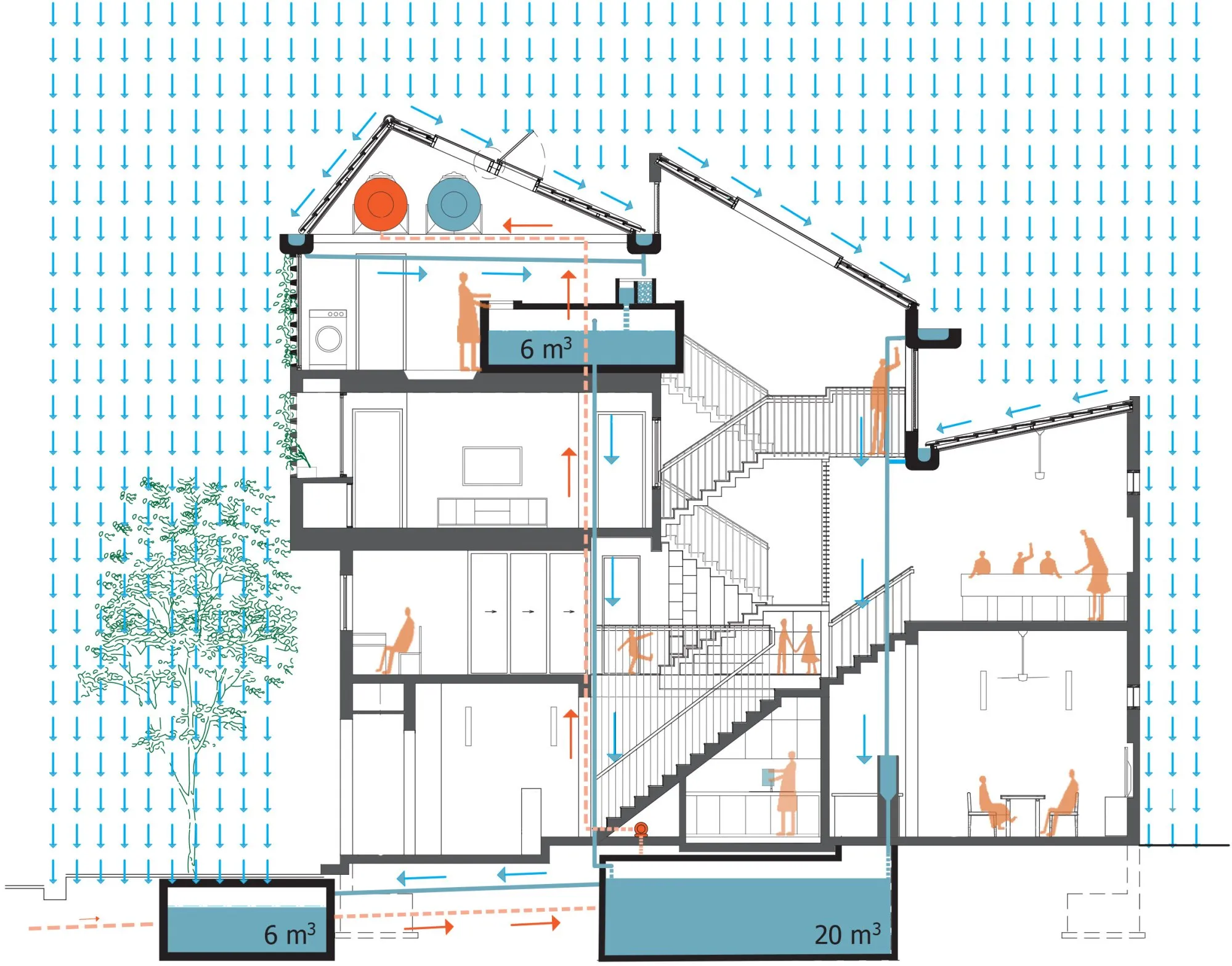
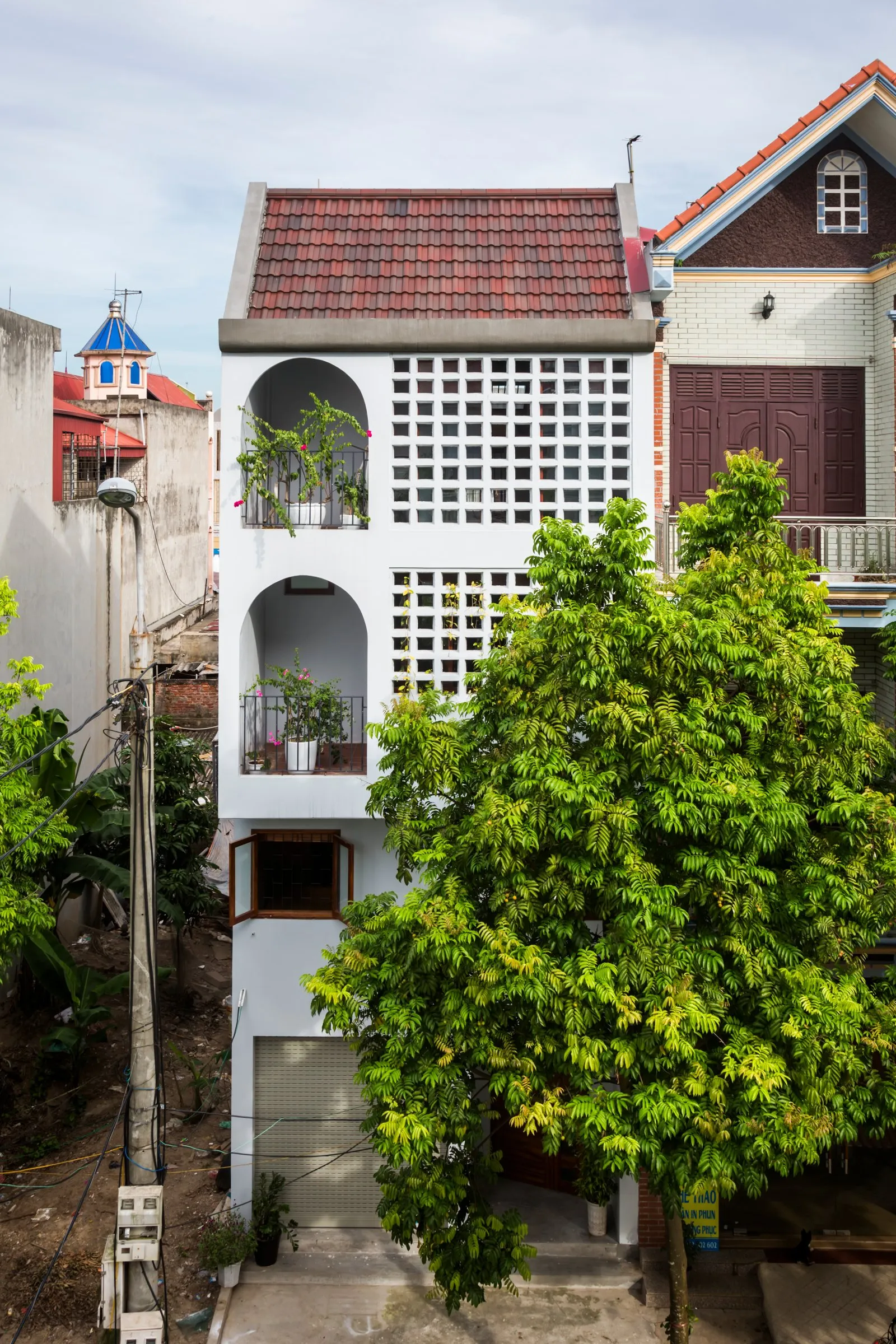
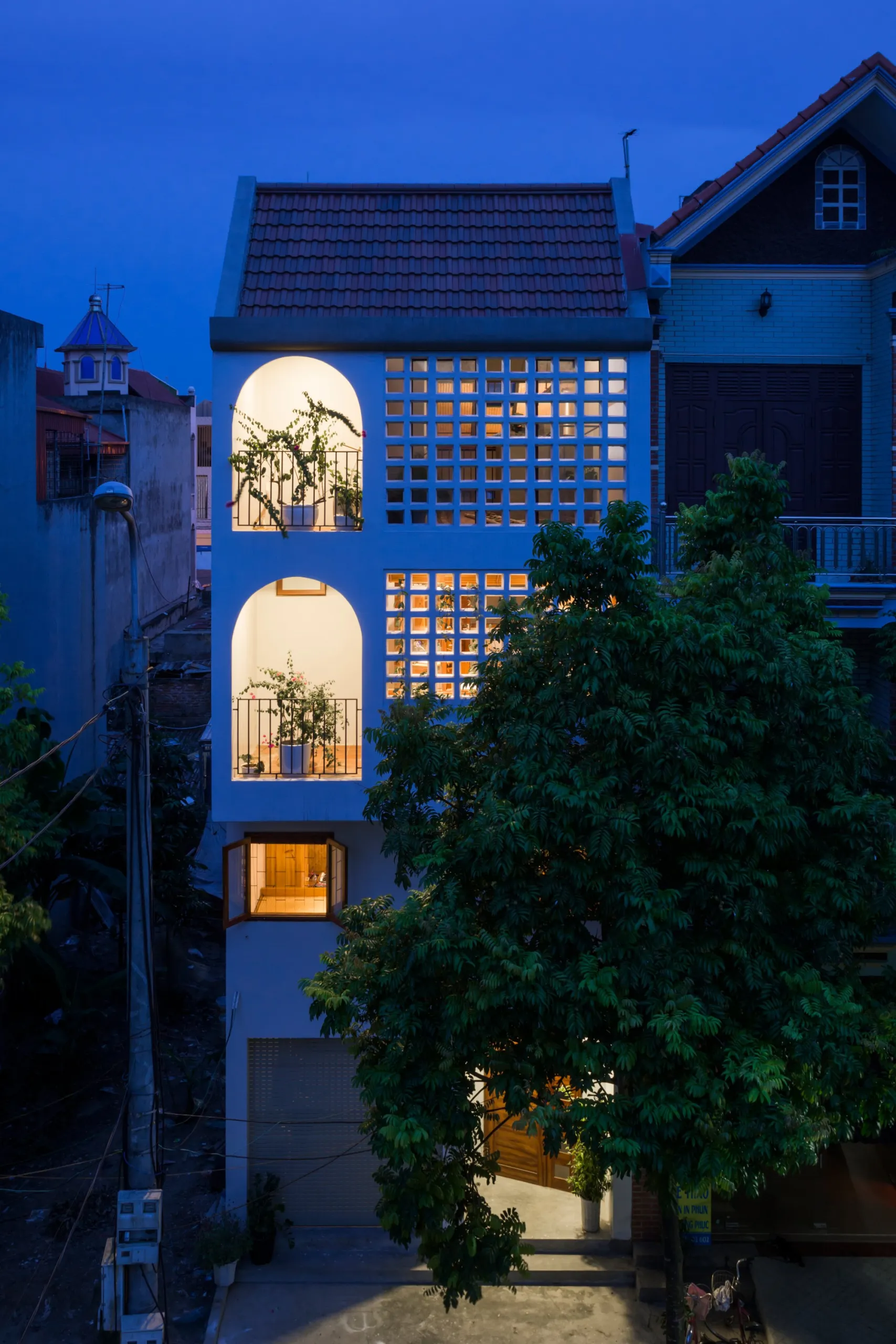
The Gutter House in Hung Yen is an example. The client wanted to collect as much rainwater as possible, because the water supply there is unreliable, and the family likes using rainwater, perhaps out of habit. Our solution turned rainwater collection into the architectural idea itself, and also brought rain, light and wind into the house, saving up to a third of the energy used by a building of the same size.
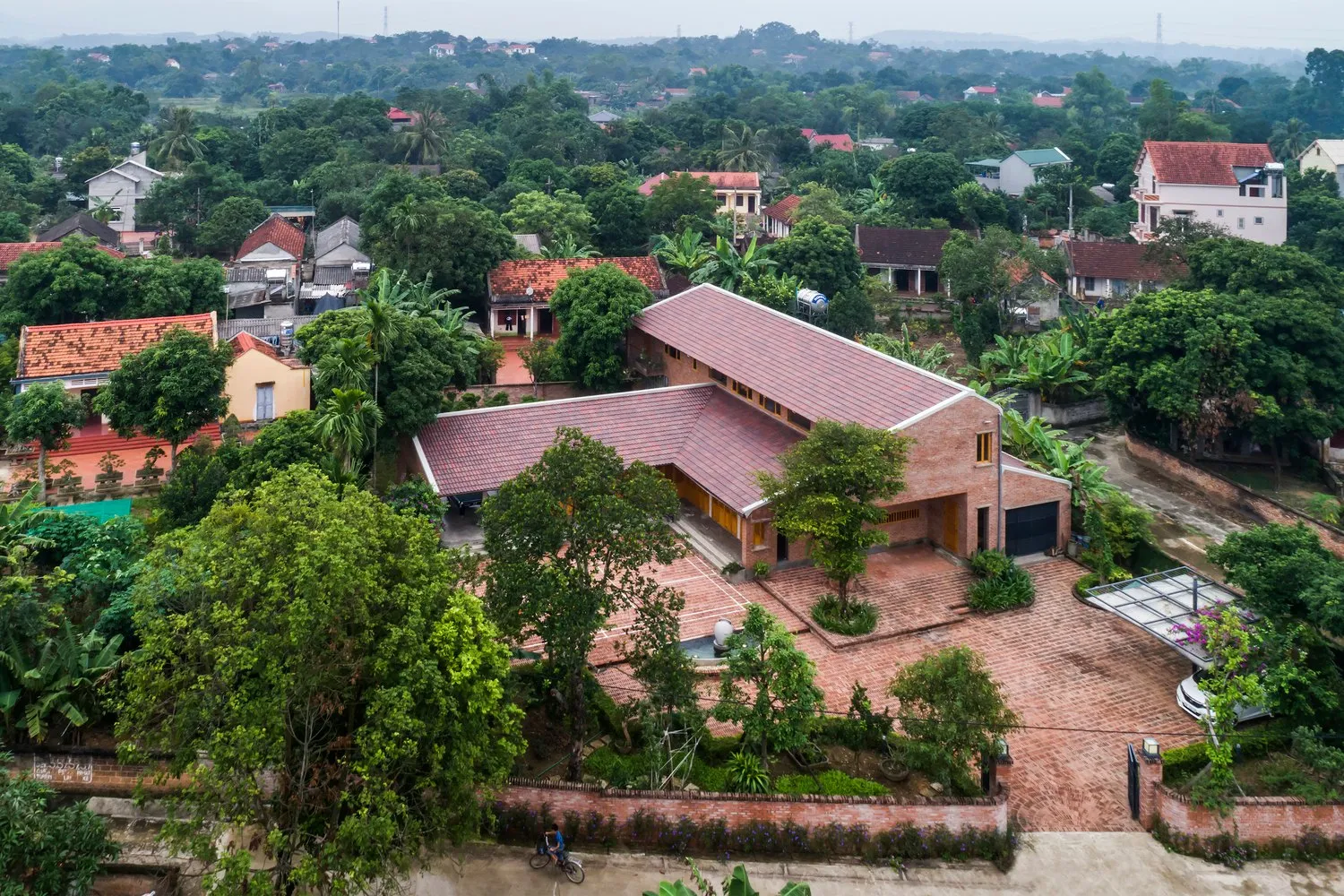
Our X House in Phu Tho takes a different approach to materials. We planted fast-growing trees as a sustainable material that ages with the building. Talking with people in Hung Yen, we learned that many households keep a few trees in the backyard to build a house with once they are about twenty years old. If the father plants them, the son can use them. That story really moved me and set me thinking about using timber sustainably. Some woods, soaked in water and used properly, can last for hundreds of years. I’m also researching other kinds of timber and finding the same thing.
What do you think of architecture in Vietnam today?
Trần Đại Nghĩa: It’s quite interesting. With fast economic growth and an explosion of media, clients can keep up with the latest news and trends, so their demands on architects keep rising. Architects can easily reach world architecture through social networks and the press.
But I find the interaction between people and architecture still lacks depth. To me, the process of creating a building matters more than telling its story in photographs or films afterwards. Architecture should be judged in many ways, not framed by a slogan or a trend, but by the real advances in design quality a project makes. People in the field should also build a culture of architectural criticism, so discussion can be broader, deeper and come from many angles.
What will architecture face over the next twenty to fifty years?
Trần Đại Nghĩa: One thing we can all see is that technology keeps developing, while architecture takes time and grows slowly.
In developed countries, people are concerned with the environment, recycling and renovation, since there isn’t much demand for new buildings. The real challenge is renovating and recycling materials.
In Vietnam we’ll face some problems later. One we pay no attention to, or ignore, is the urban landscape, which needs to improve. We have to be ready to solve problems that run against today’s trend of mass construction. The quality of buildings will be judged along both space and time. I see this clearly when I look at Japan.
What is the architect’s role in society today?
Trần Đại Nghĩa: I always prepare for the worst. In an economic crisis, will architects have any work, will anyone ask for a project?
I want to come back to that point to reflect on what I’ve done. People go to doctors or lawyers when they feel insecure. They come to us when they are happy and have the means to live.
Architects will see their role in society most clearly if they put themselves in the position of a doctor or a lawyer.
What project, or what kind of building, would you most like to do?
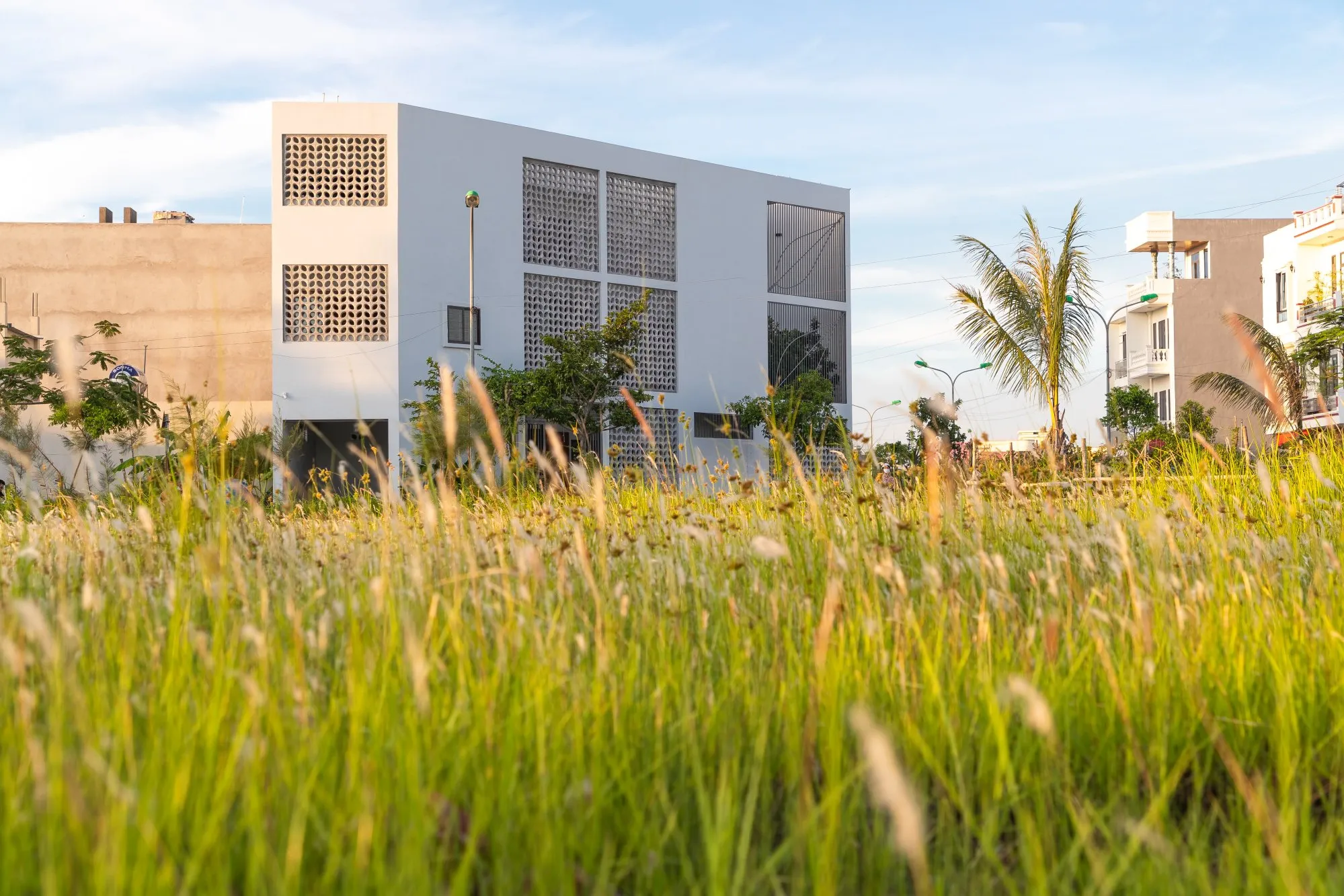
Trần Đại Nghĩa: That depends mostly on the client, and sometimes on me. In Vietnam now, working with private clients seems very well suited and quick. I would love to do public buildings and landscape projects that improve the quality of the urban environment. NH Village is still preparing and looking for the chance.
What do you think of architectural education in Vietnam? What could improve compared with your time in Japan?
Trần Đại Nghĩa: Training has changed a lot since my generation. Students have more chances to work in offices outside school. But there are still too many students for each teacher, which makes it hard to raise the quality of their projects.
In Japan, universities admit few architecture students. At my university in Tokyo, each year had exactly forty. Each student could exchange ideas with many architects and teachers on a project, and they were trained to express and present themselves very well. When I was invited to give talks at the University of Civil Engineering, I found students had few chances to present because classes are so large, and teachers only choose a few of the best projects to show. Improving the ability to present and explain, in writing or in speech, is something Vietnamese students need to work on.
A saying about architecture that you love?
Trần Đại Nghĩa: "God is in the details", Ludwig Mies van der Rohe.
Interview by Anh Nguyen, 2018–2022. Photos courtesy of NH Village unless noted.