
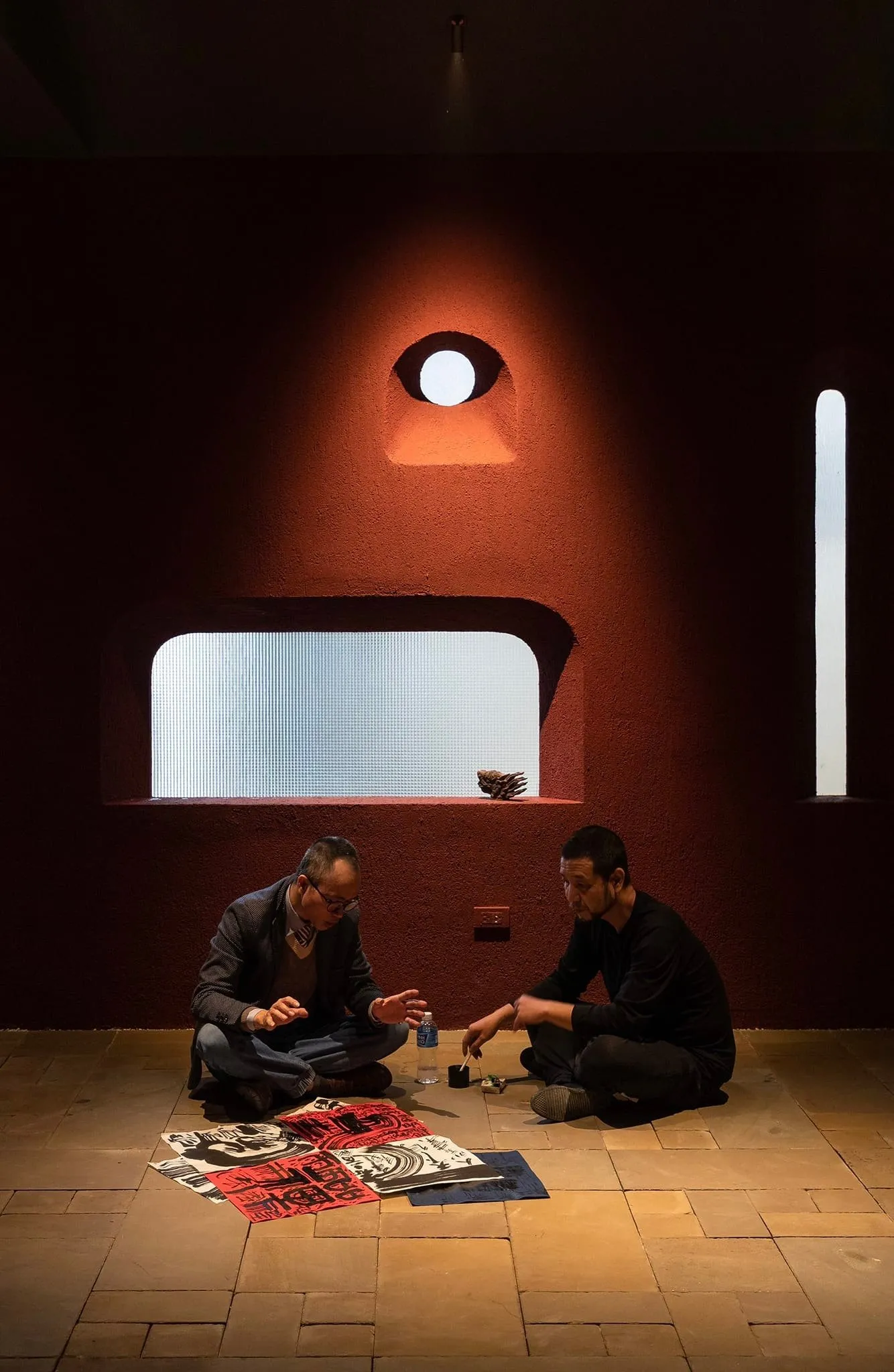
I met the Vietnamese architect Trần Cảnh, founder of Adrei Studio in Hanoi, at Artistay, where I sat listening to him finish a few classical pieces on the guitar. We began our friendly chat with the story of his ten years of practice with Adrei Studio.
It’s been ten years since you founded Adrei Studio. How would you define designing a building?
Trần Cảnh: Architecture differs from other arts in that it needs a brief to develop from. Working with clients, the architect is the one who finds solutions to that brief. There will be agreement, conflict, argument and debate in that relationship. It would be easy if I designed a building purely for myself, but something would be missing. I’m talking purely about work here.
The fact is that in Vietnam there are few interesting buildings made independently, without being shaped by a client. For me this is how architects keep a balance between work, life and art, and I’d like to see more of that balance.
For you, where is the line between art and architecture?
Trần Cảnh: More than one friend has told me architecture is technique. I suppose it is whatever people think it is. It depends on the architect’s view; it can be art or technique. For me, architecture is by nature both. In Vietnamese, architecture is kiến trúc, and "kiến" is the "kiến" of kiến tạo, to build or create, and sáng kiến, an idea. It asks architects to explore actively, to create, and to apply the best of their knowledge. To me, that’s art. If all we did were technique, we’d be nothing more than engineers.
Le Corbusier’s view is also interesting: "Architecture is the learned game, correct and magnificent, of forms assembled in the light."
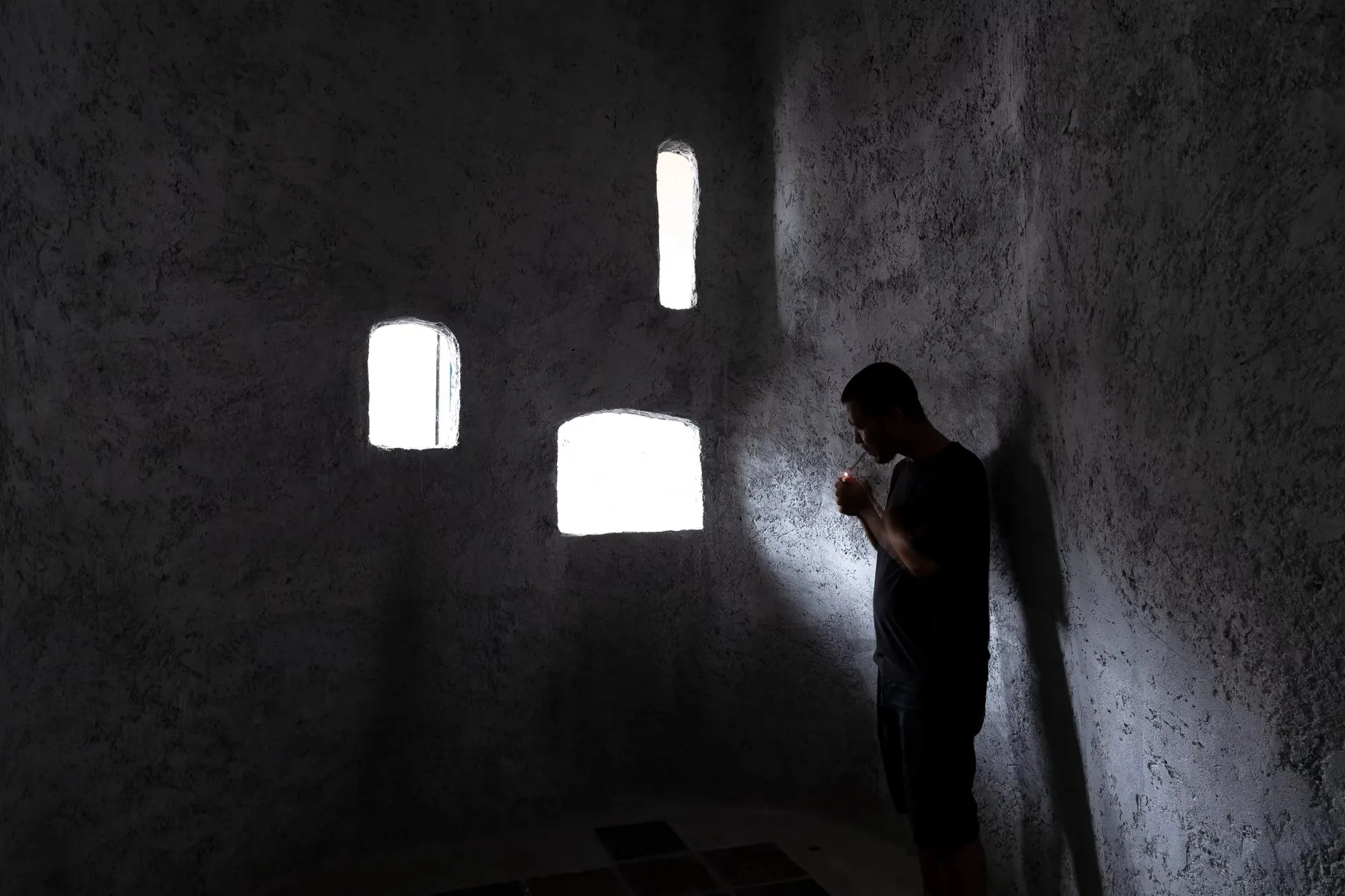
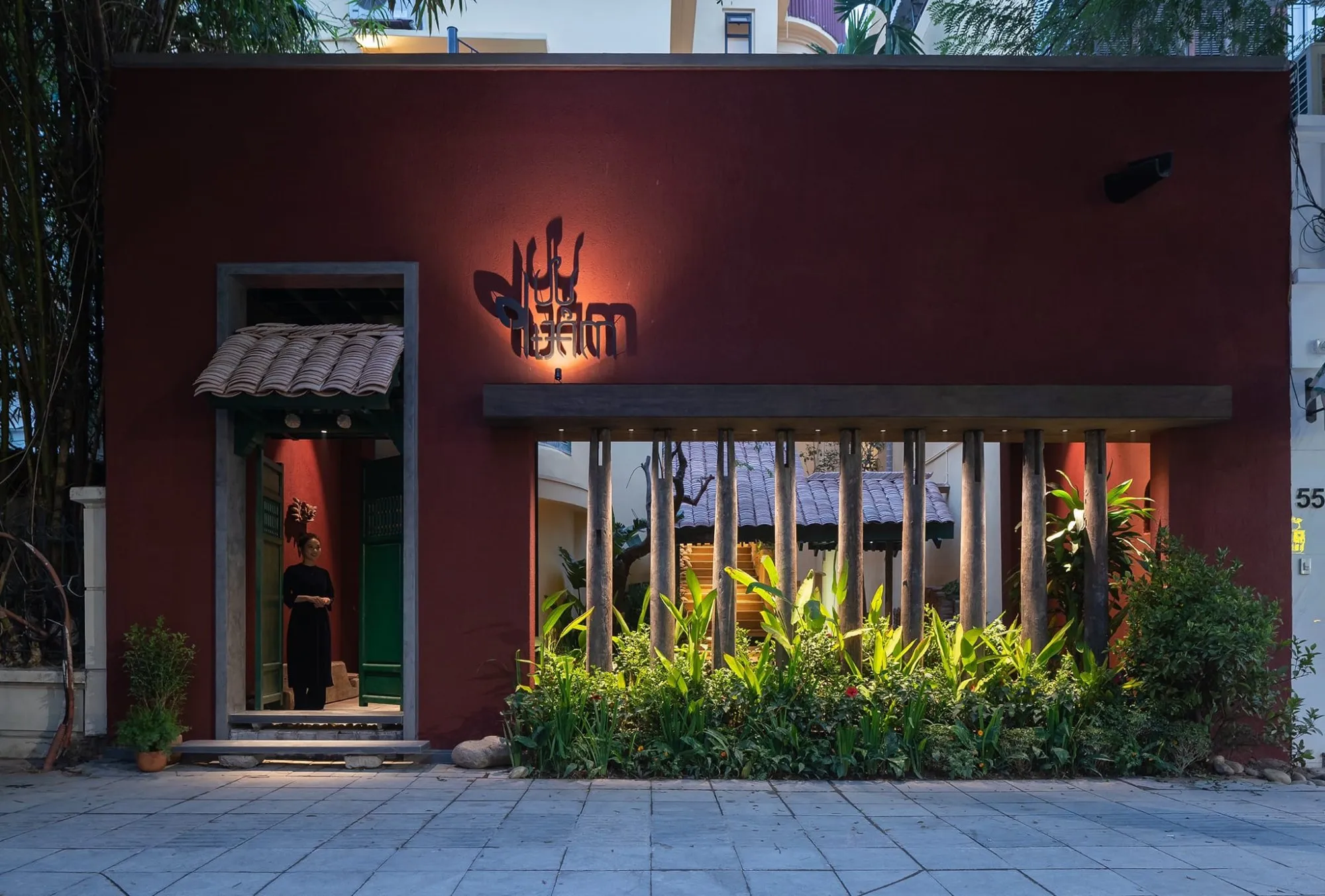
Speaking of form and light, I’m very interested in where you place windows. A window links spaces, the closed interior and the open outdoors, architecture and nature, trees and light. What role do they play for you?
Trần Cảnh: People say the eyes are the windows of the soul, don’t they? (smiles)
I like to say the window is the soul of the house. Even though I could calculate everything in advance on the drawings with very precise software, I often design and adjust windows directly on site. I do draw and imagine their positions beforehand from the whole building, but their form and scale are settled in reality.
You’ve used many kinds of material in your projects since 2009. Is there one you’re particularly drawn to?
Trần Cảnh: Today there are bricks, so I play with bricks. Tomorrow there’s lime, so I play with lime. Each time makes me think more, without relying on experience or "convenience". I like playing with materials and making fun things.
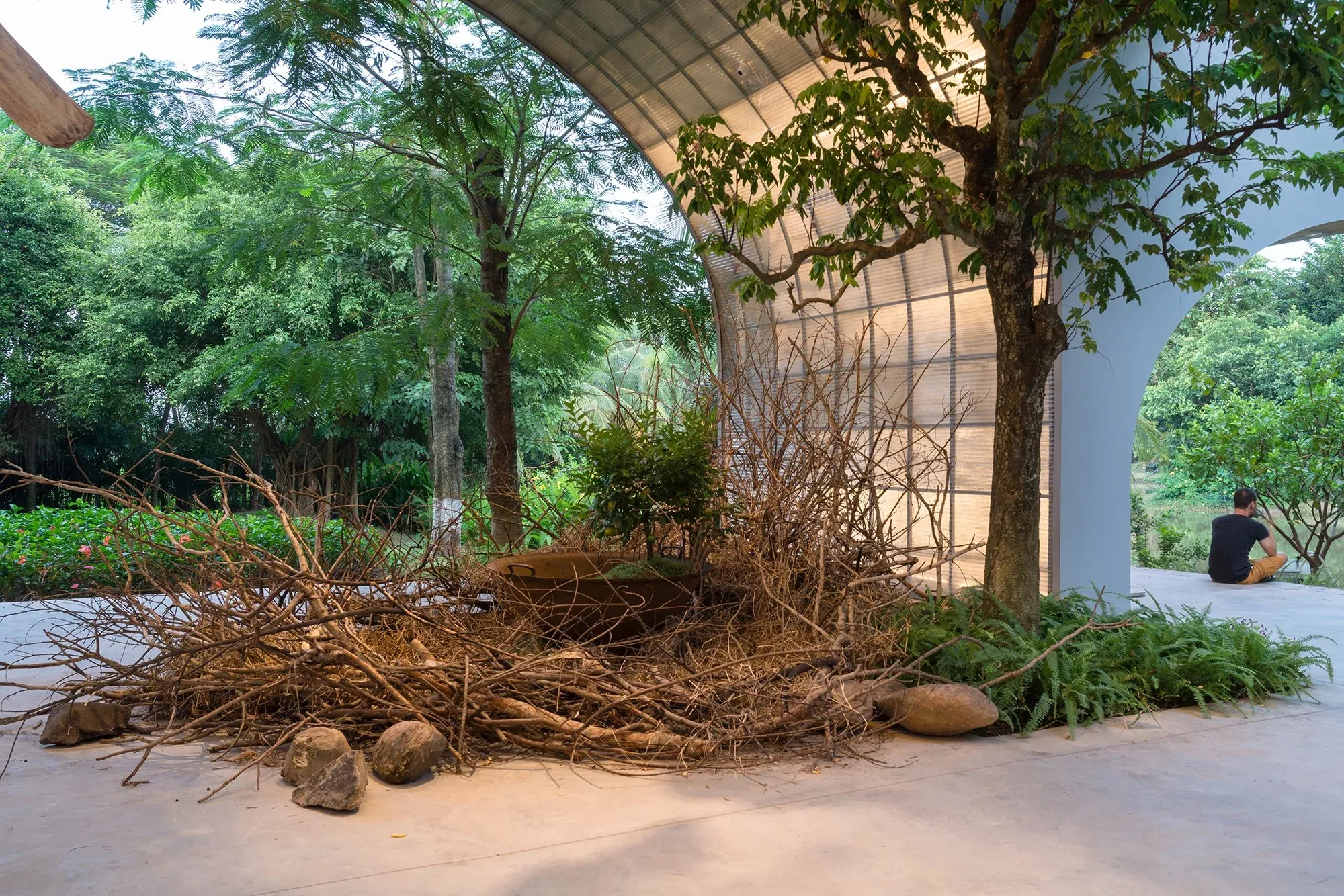
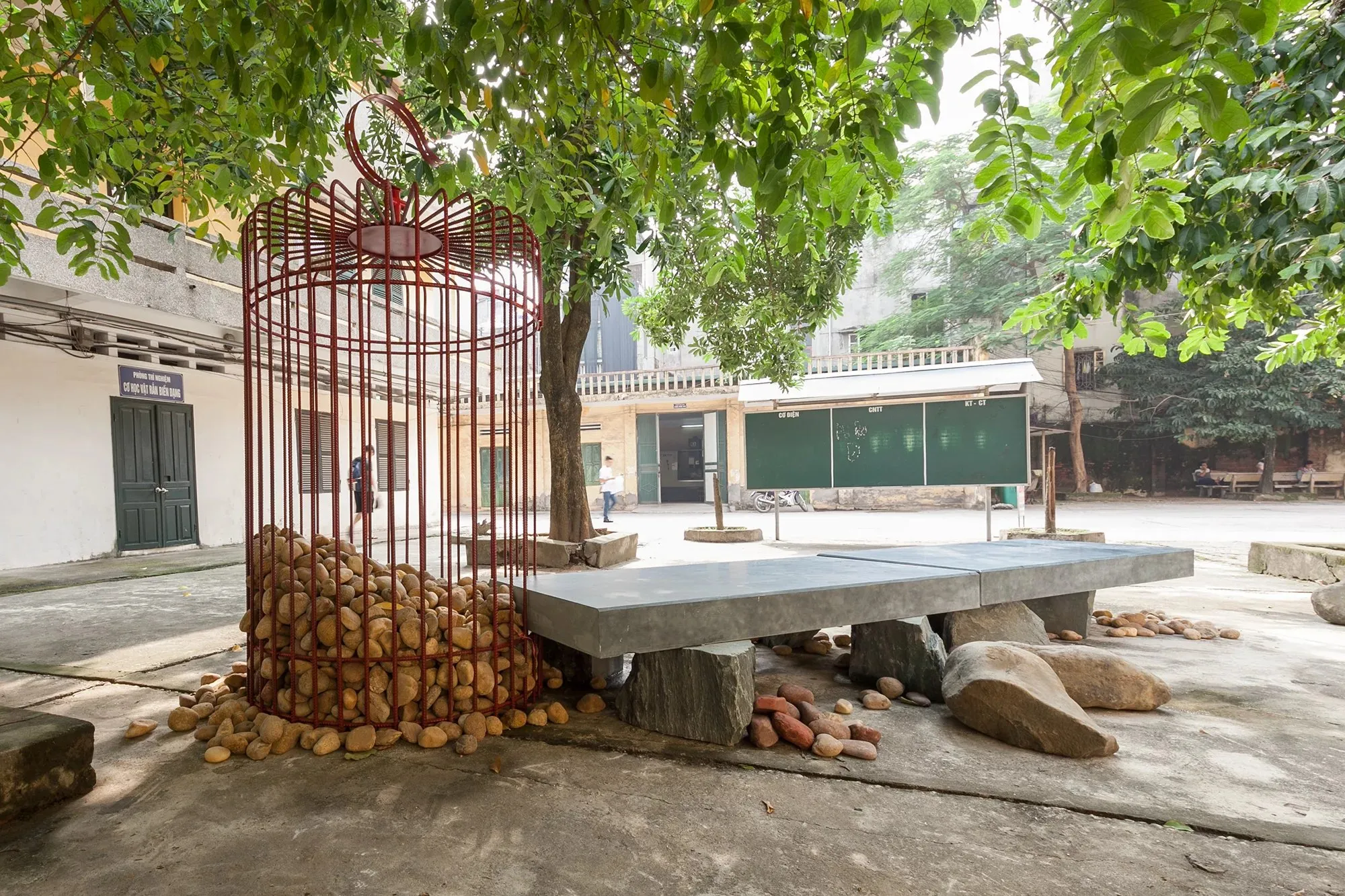
I see some humour in you, and in your schemes, beyond all the planning. How do you keep architecture free?
Trần Cảnh: Architecture was my fourth choice, and it will be with me for life. I often tell friends that if I could be younger now, I’d be a footballer, playing in the fourth or fifth division (laughs).
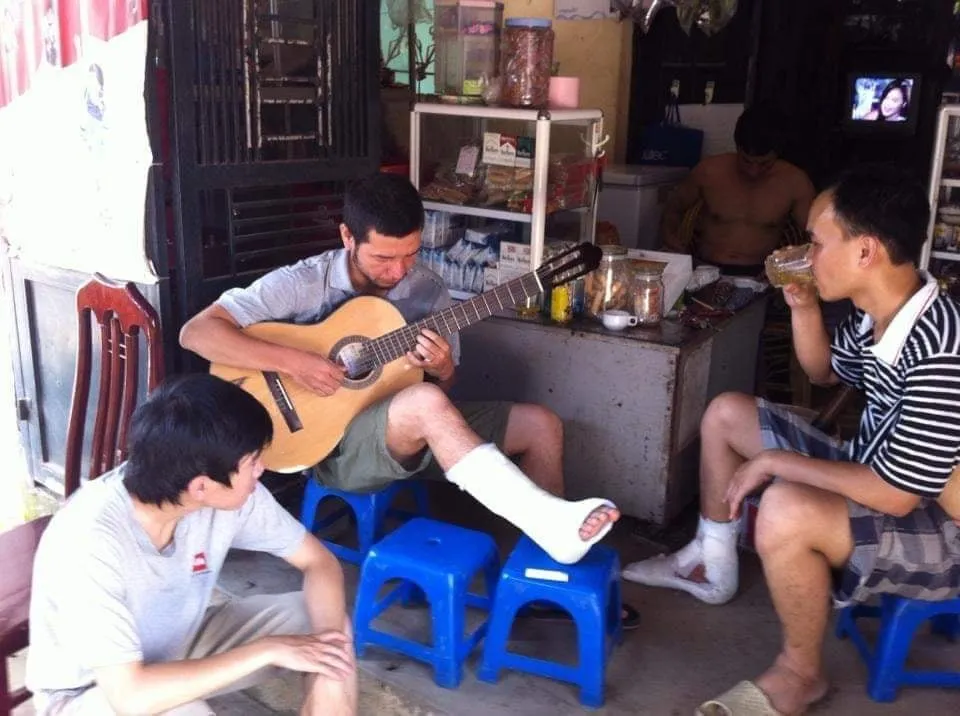
I’m passionate about football, I play guitar, I love drawing, and I dreamed of being a painter. We all have dreams when we’re young. After years of chasing them, I’m grateful, because learning to draw and to play music answered questions that, without them, I would have paid a high price for in architecture. When I started studying, I found myself swimming in a sea of information, with too many idols, and everyone wanting someone to learn from. Drawing and guitar are the same. Architecture students find it hard to step out of the big shadows. I rarely read architecture books. I mostly read stories about architects; their lives inspire me most. Then I draw, a lot, relax, and think deliciously about the things I want to draw. Thoughts in tune will meet, even without knowing each other exists, even half a world apart.
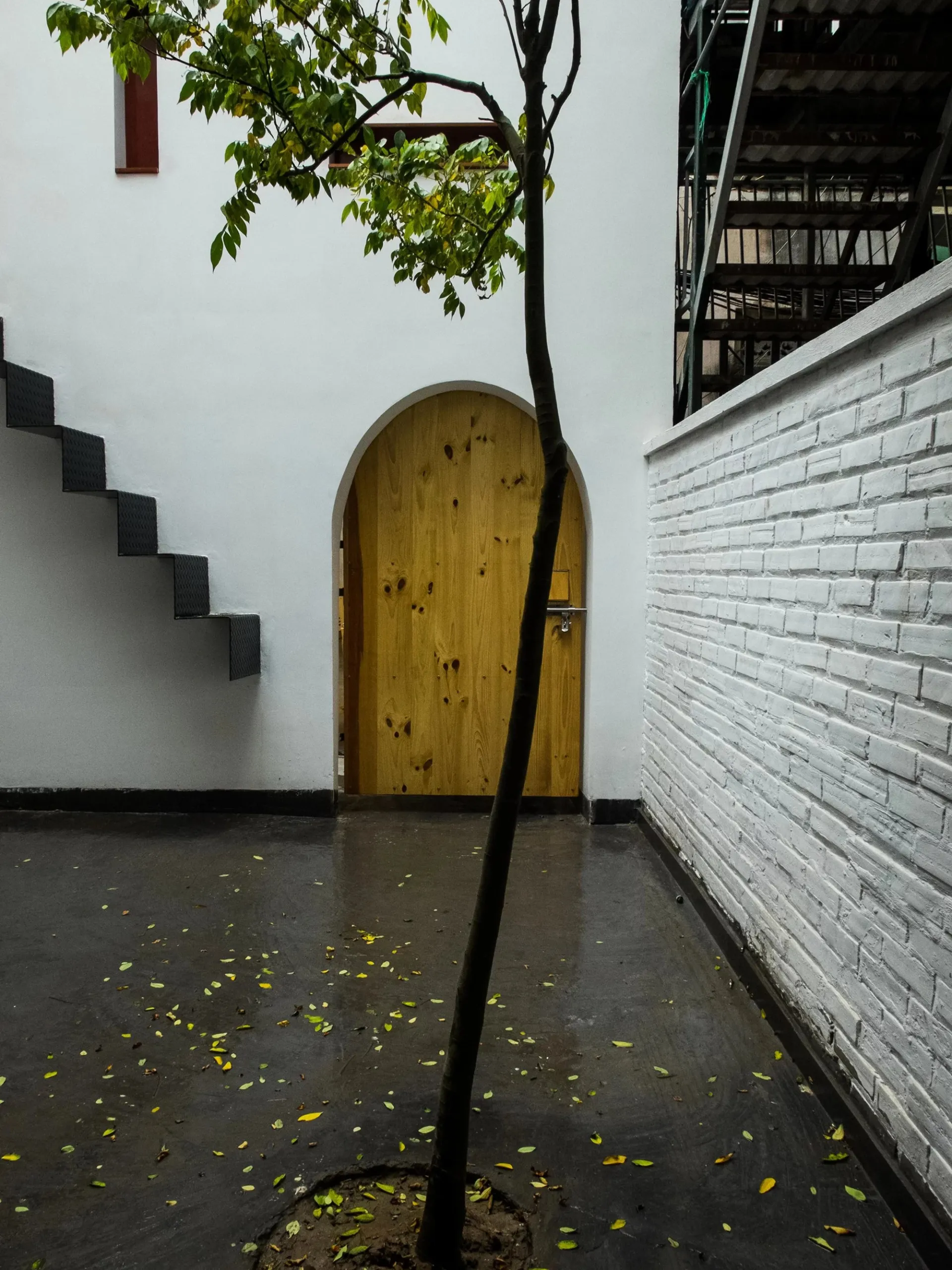
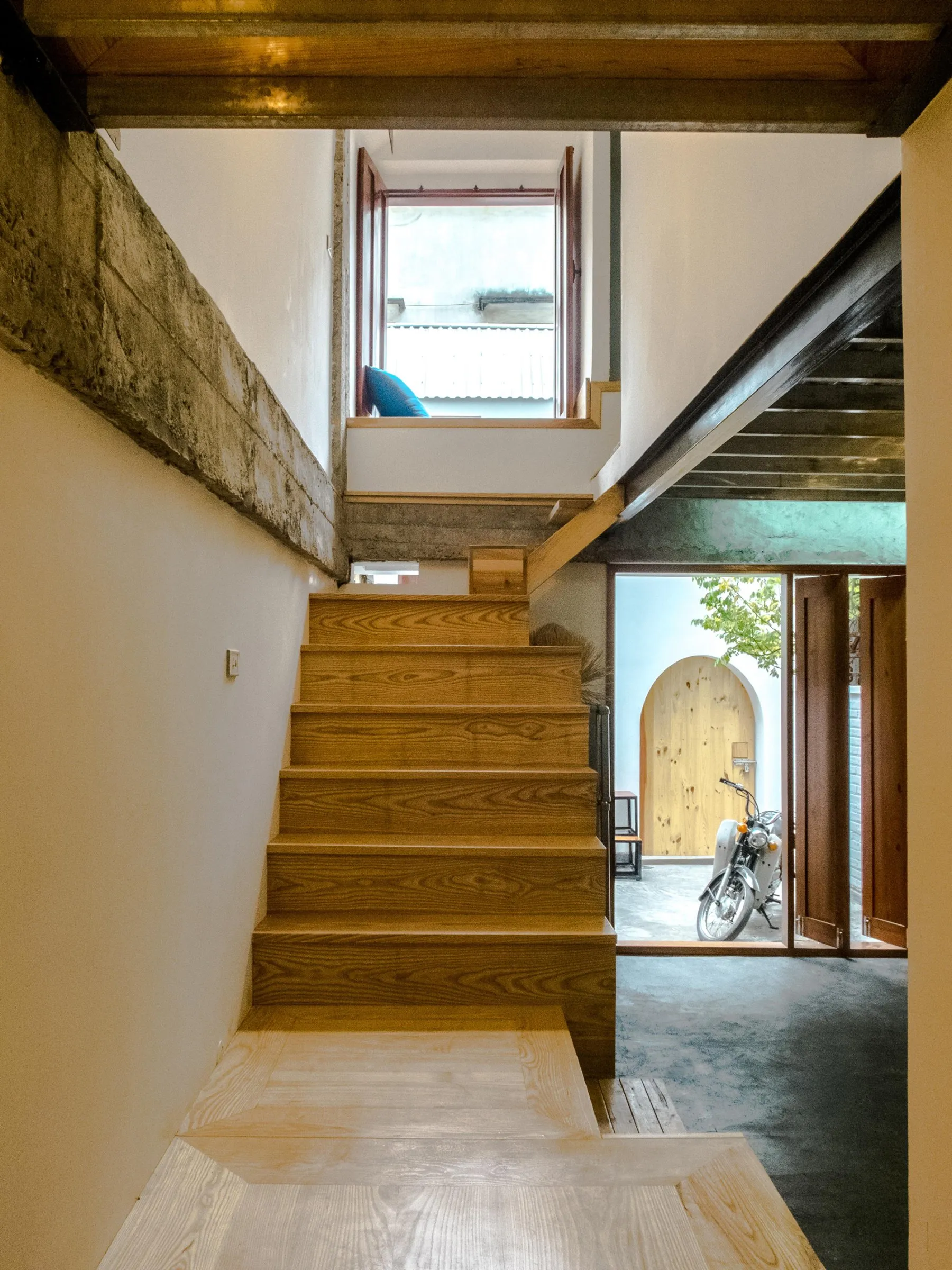
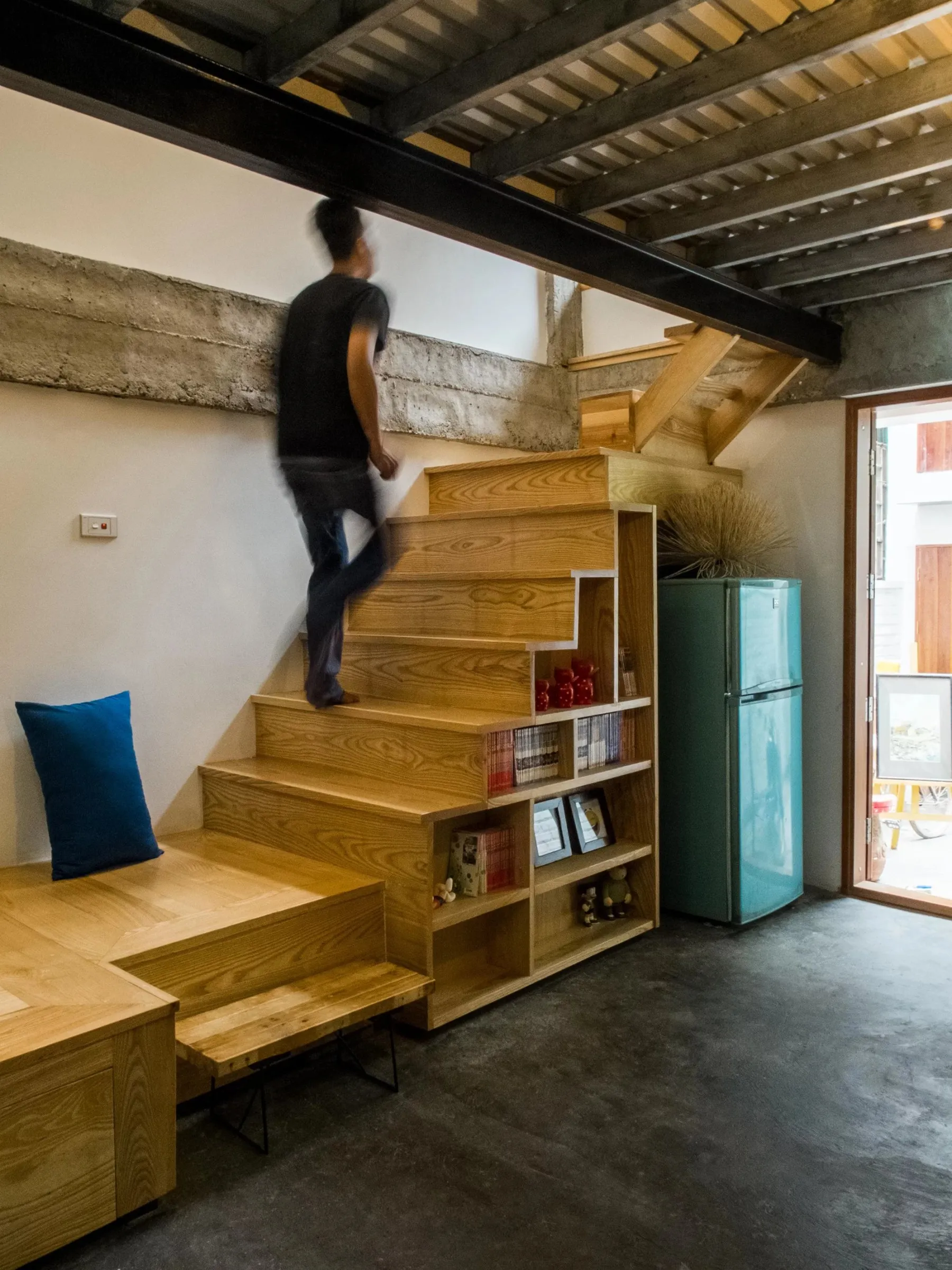
The only way to free architectural thinking is to stay alert to unnecessary information and keep your head clean and clear. That’s it.
Is there a project that has made you think for two or three years?
Trần Cảnh: Not yet. I’d really like one, though. Maybe my own future house (smiles).
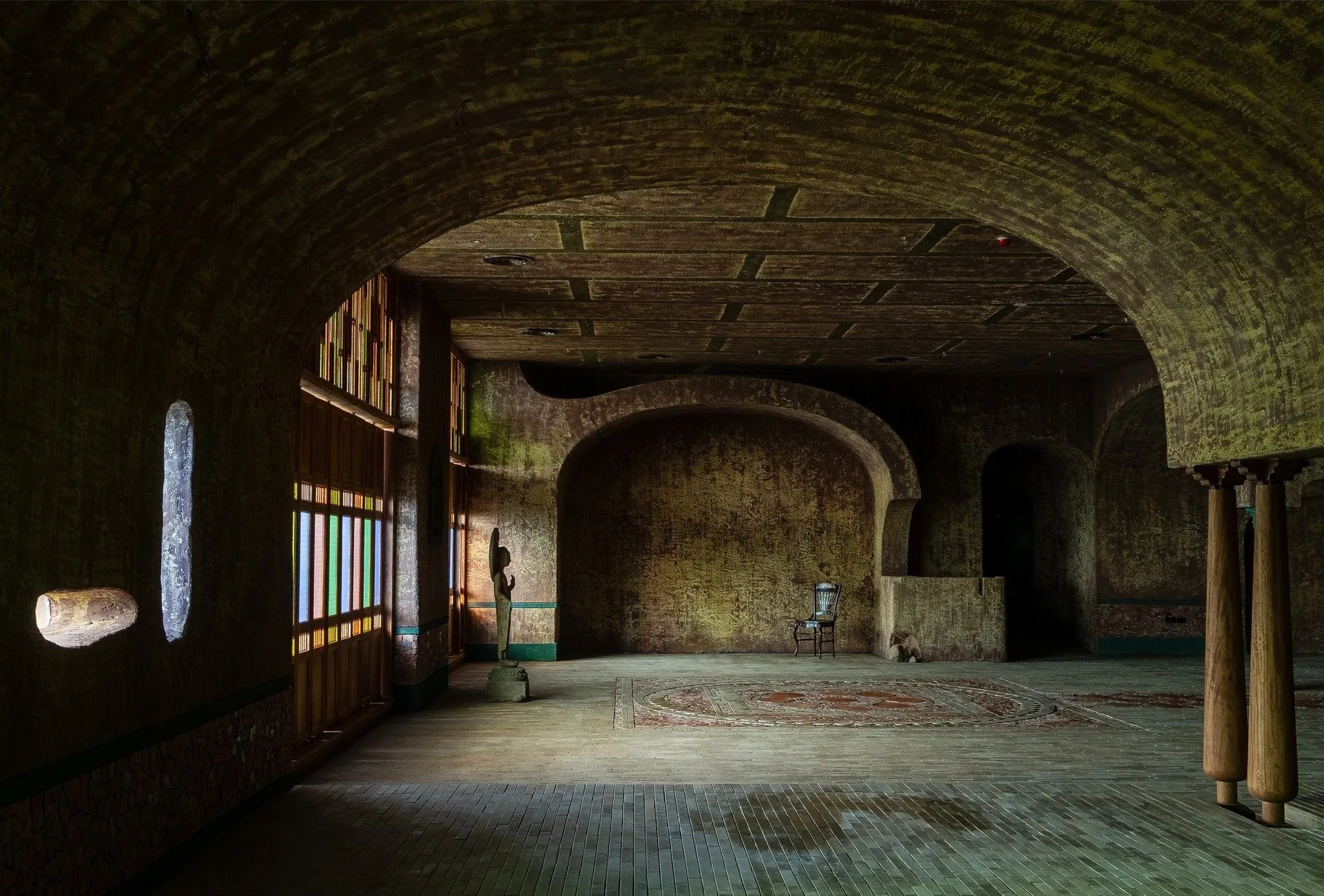
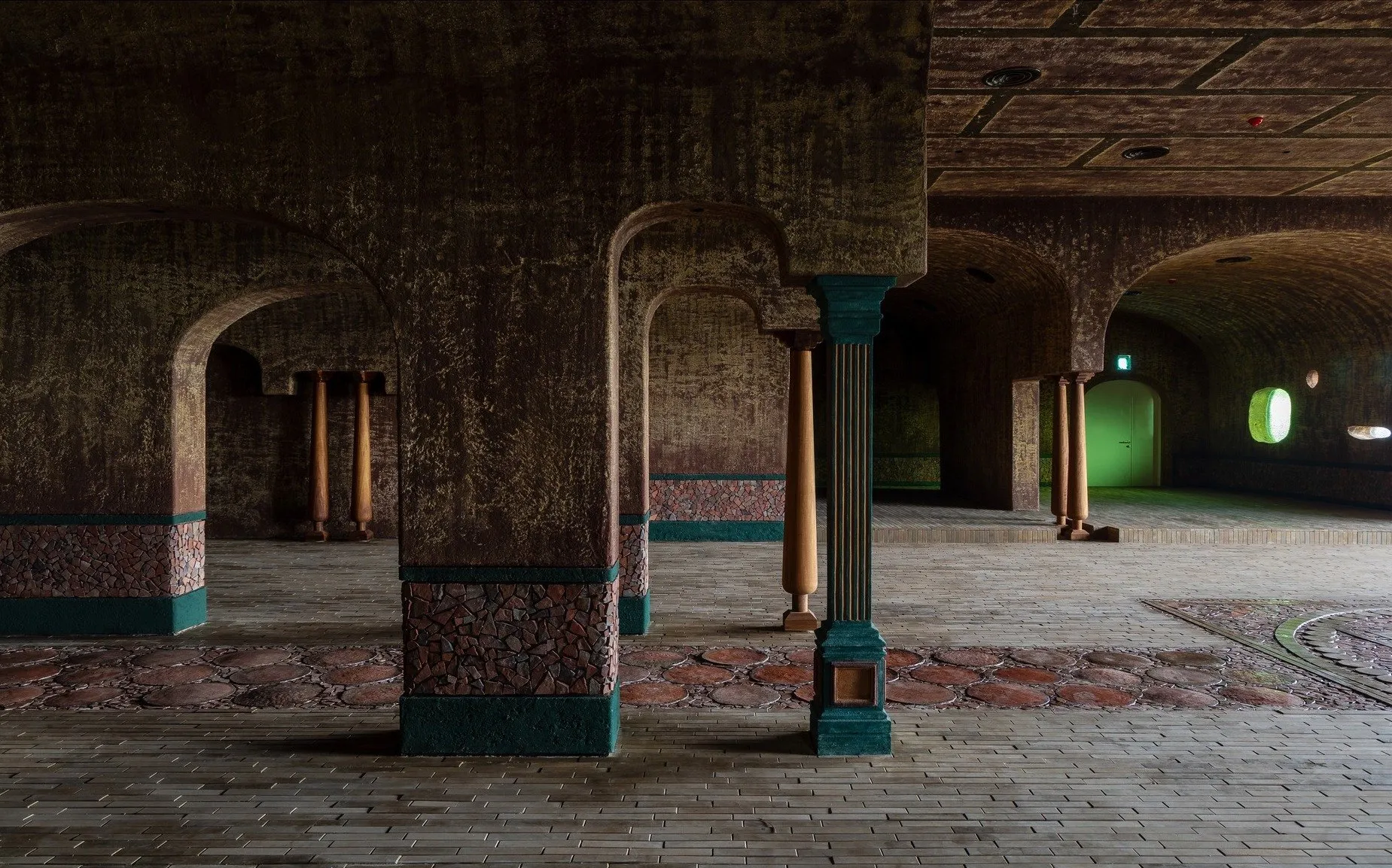
What kind of place would you like to live in, in terms of location and design?
Trần Cảnh: What we want today and tomorrow is different. I used to think like many people that I’d like somewhere quiet, outside the city, in the mountains or the countryside. In 2010 I travelled along the Truong Son range with friends. There’s a saying: "Truong Son, sun in the east, rain in the west; if you haven’t been there, you don’t yet know yourself." Before the trip I read it and wondered how true it was. When I got there it was exactly like that, a sublime landscape of mountains and rivers. Whoever wrote it must have been remarkable.
Then I wondered: would it mean anything to put a building in a place with scenery so overwhelming? My answer was that it would mean nothing at all. Human beings are so small. If I still wanted to move out of the city, perhaps a tent of a few bamboo poles would be enough, no need to design. I’d have to be very old by then.
So I chose Hanoi. As the saying goes: "Wherever others go, I’ll stay right here in my capital."
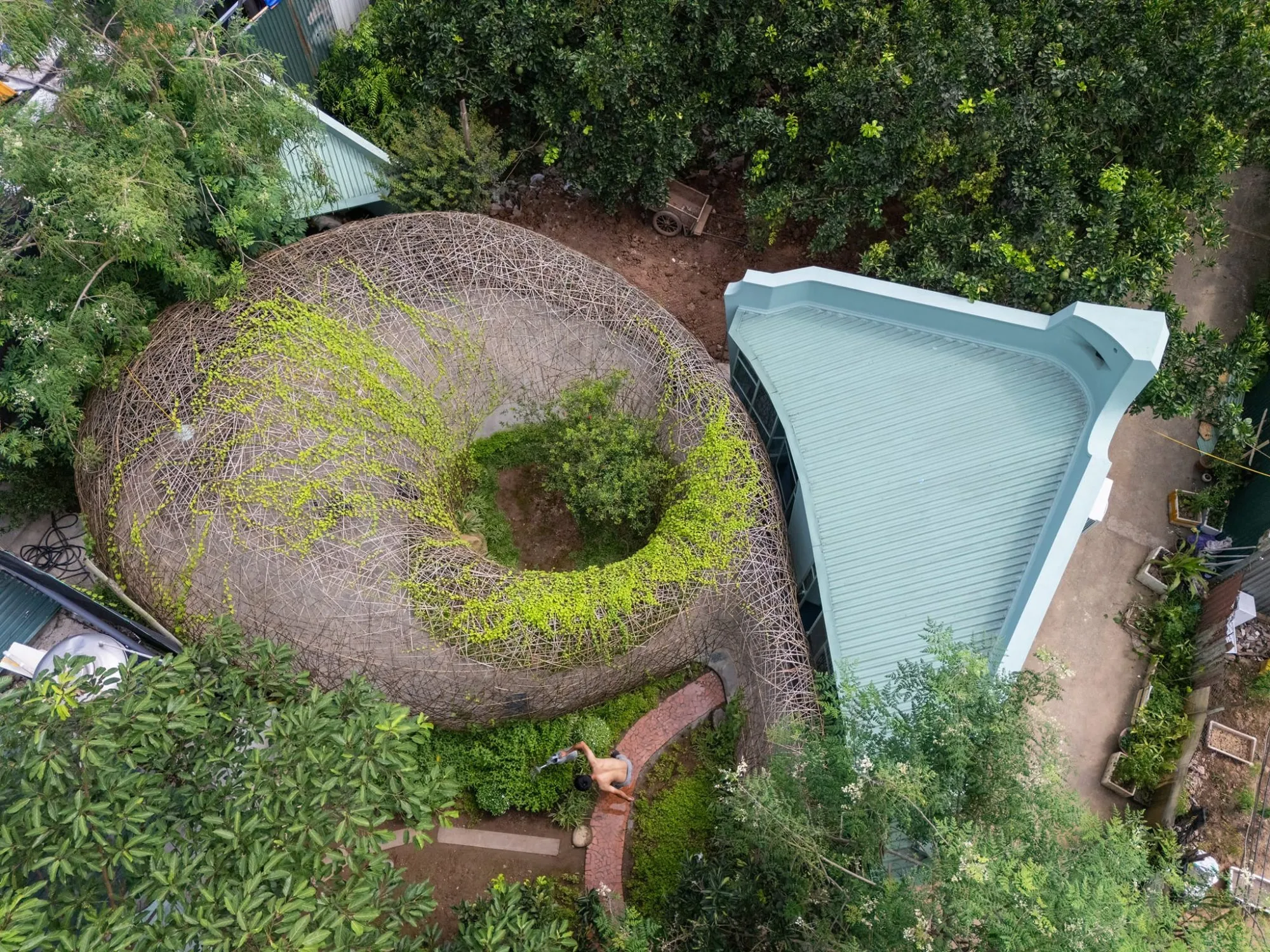
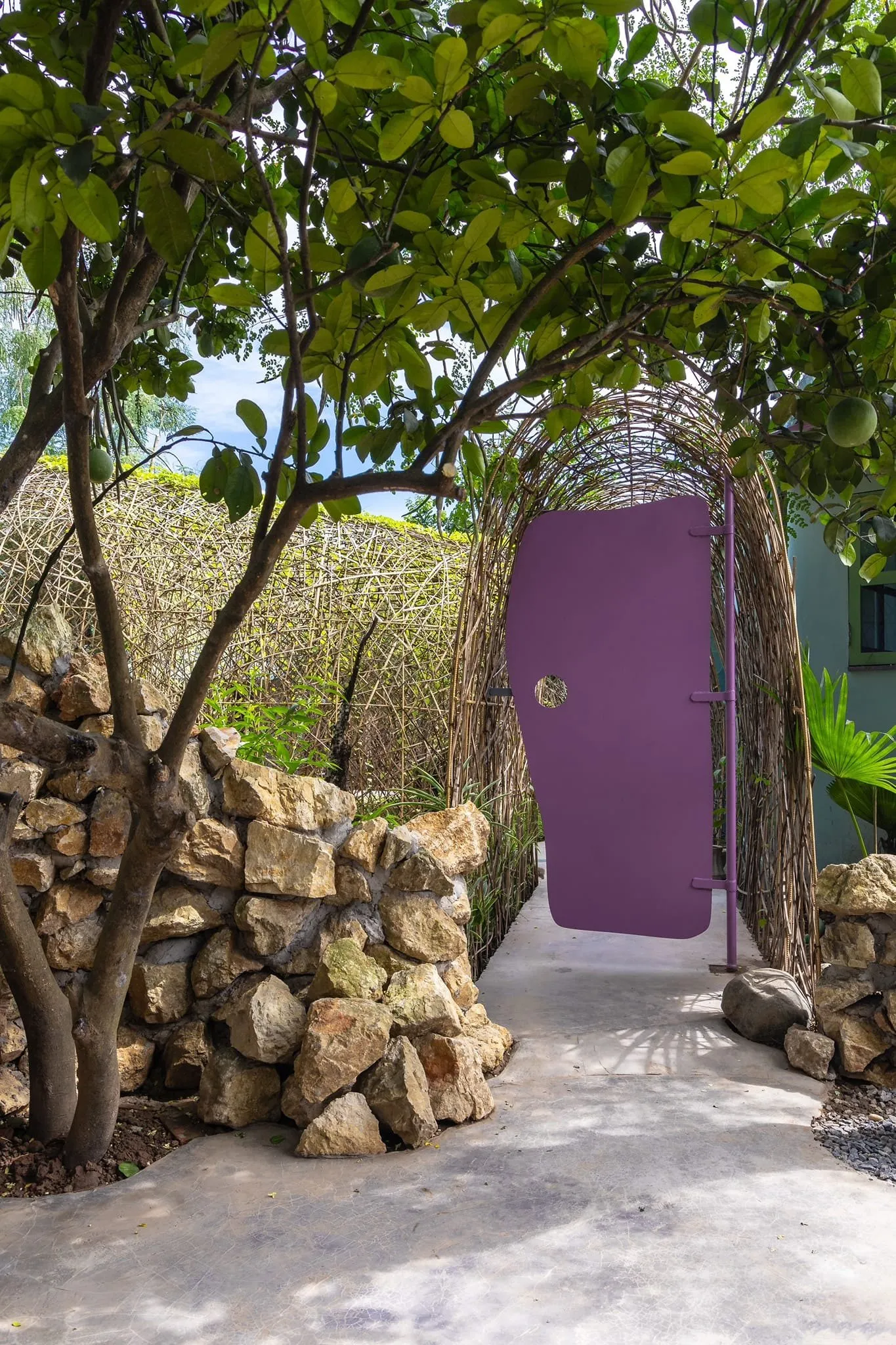
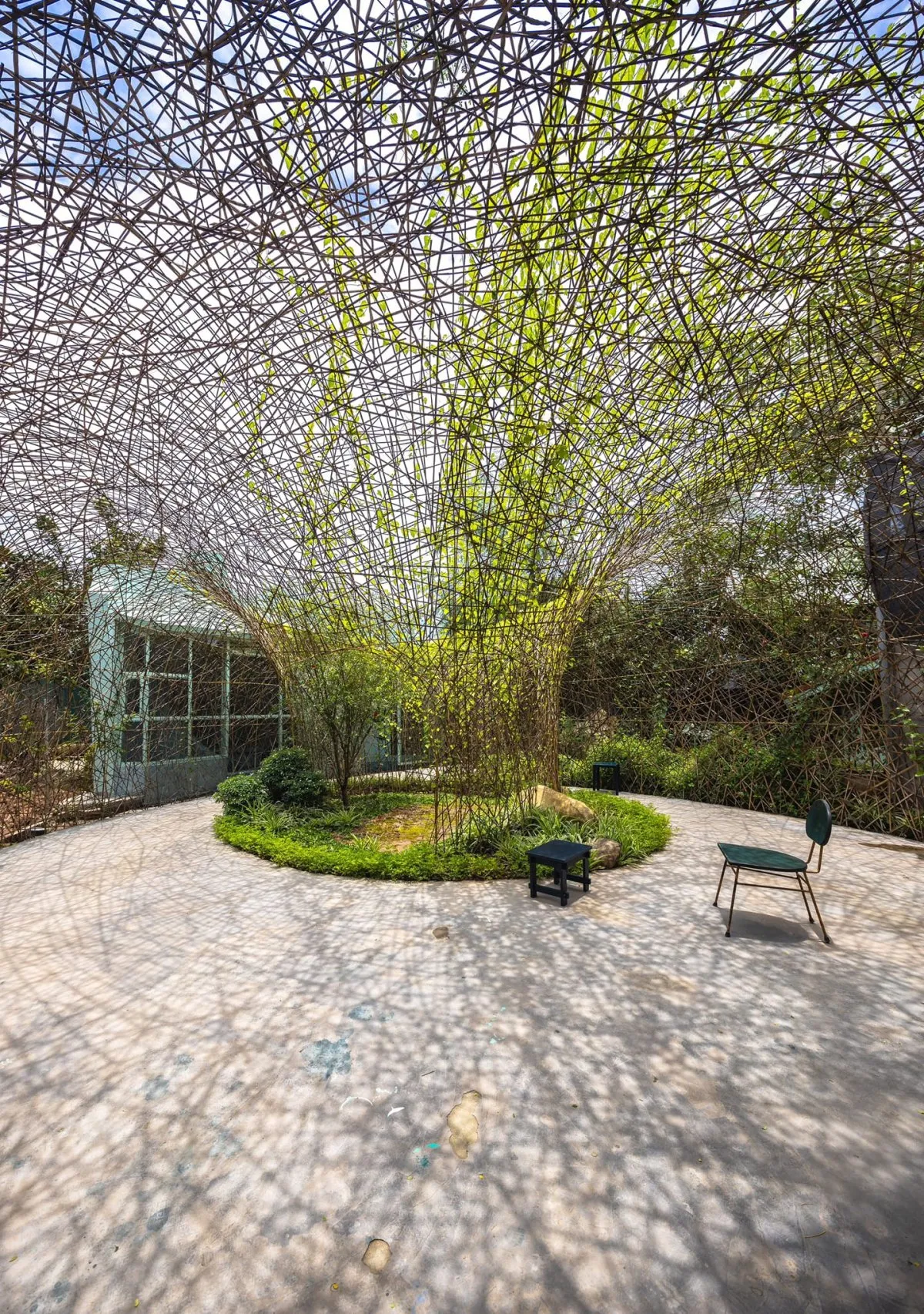
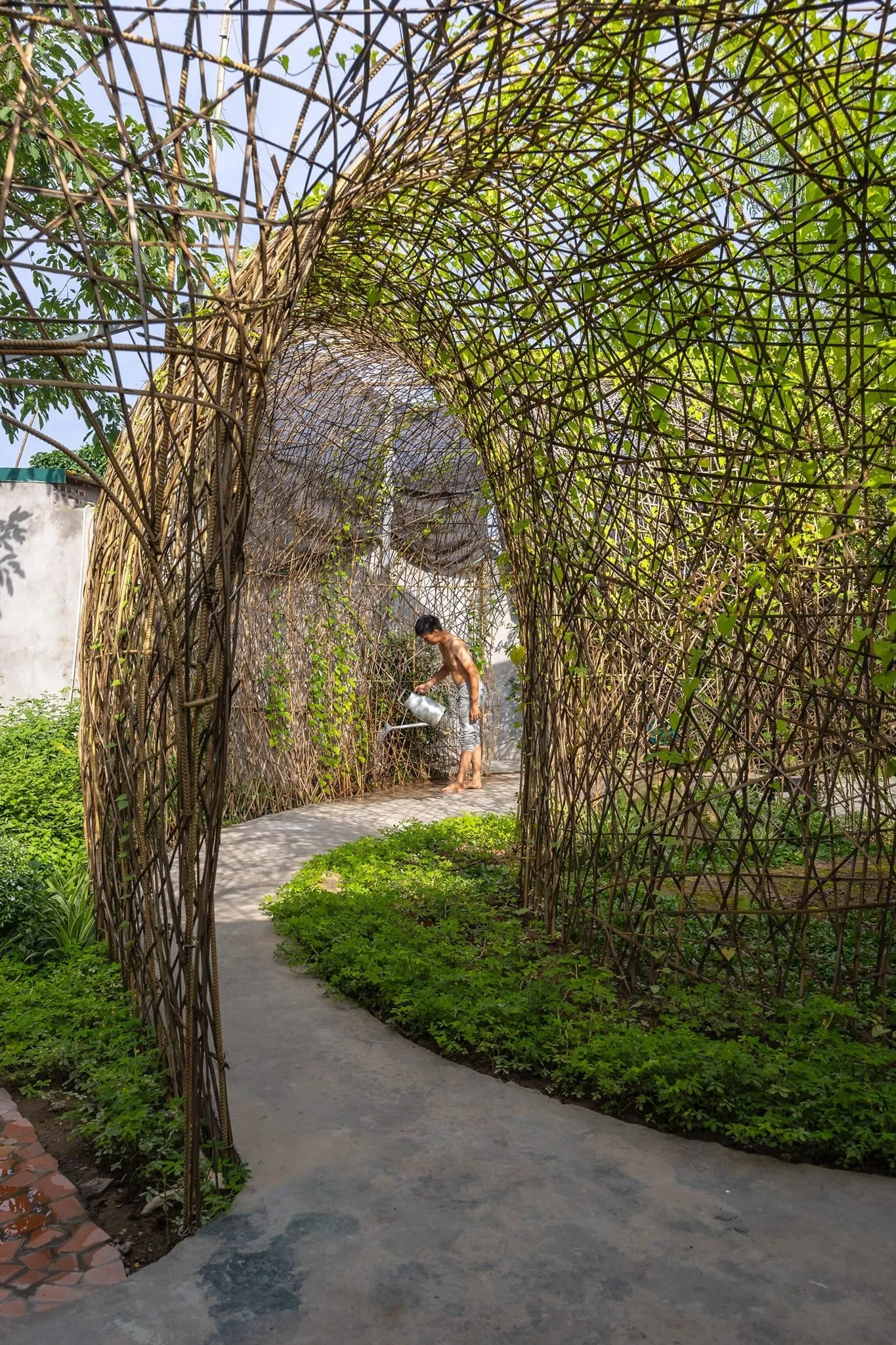
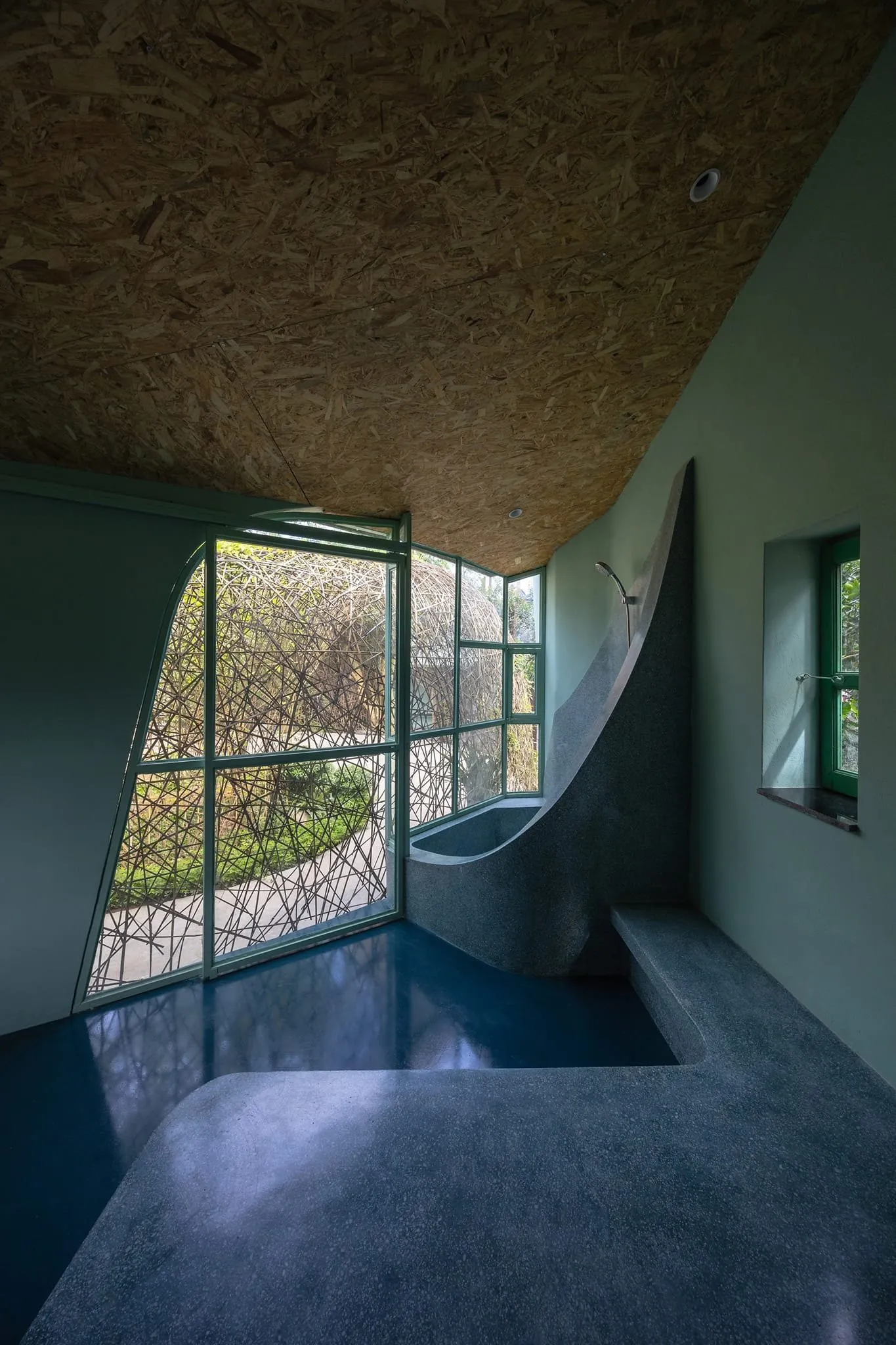
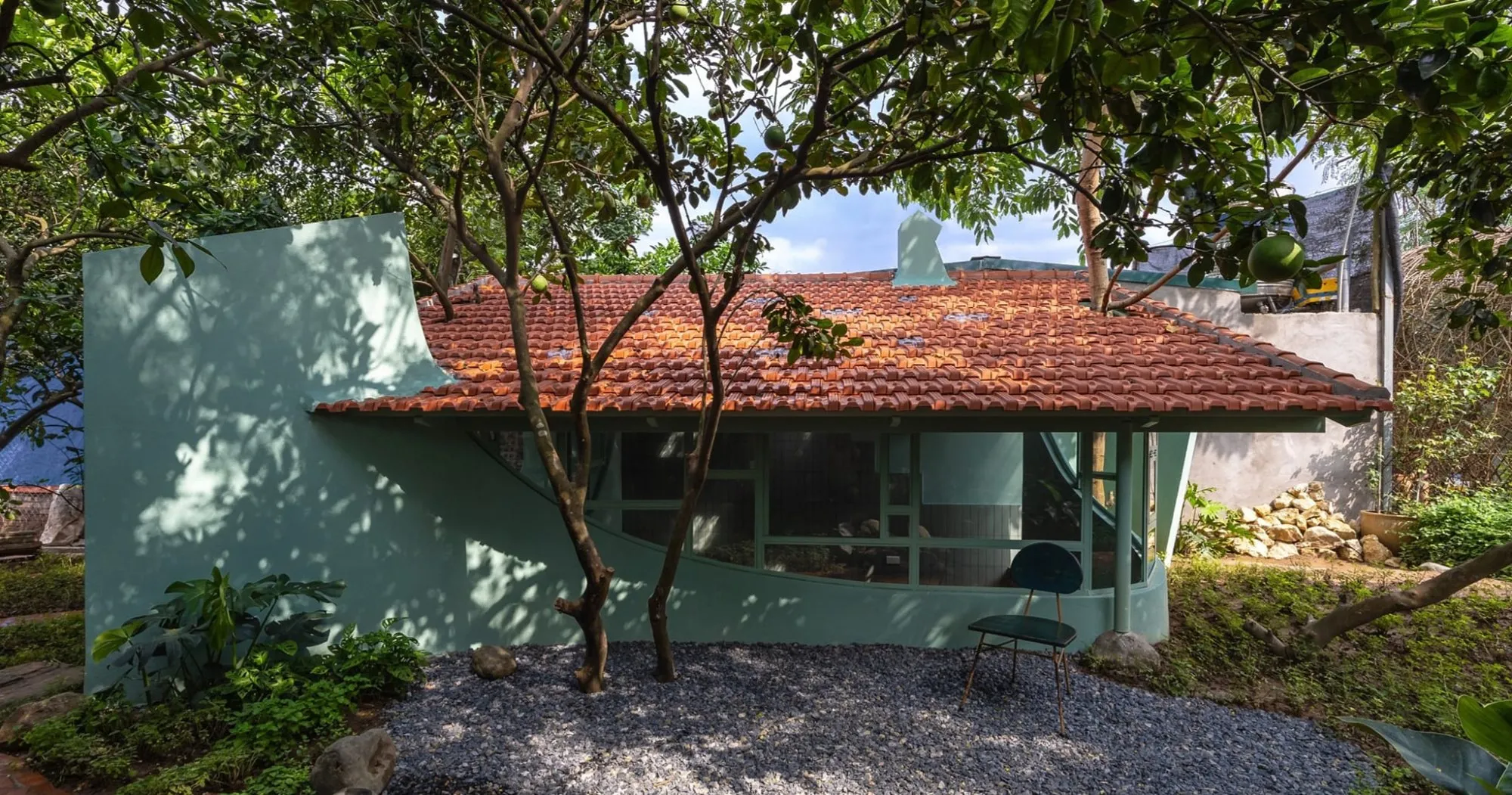
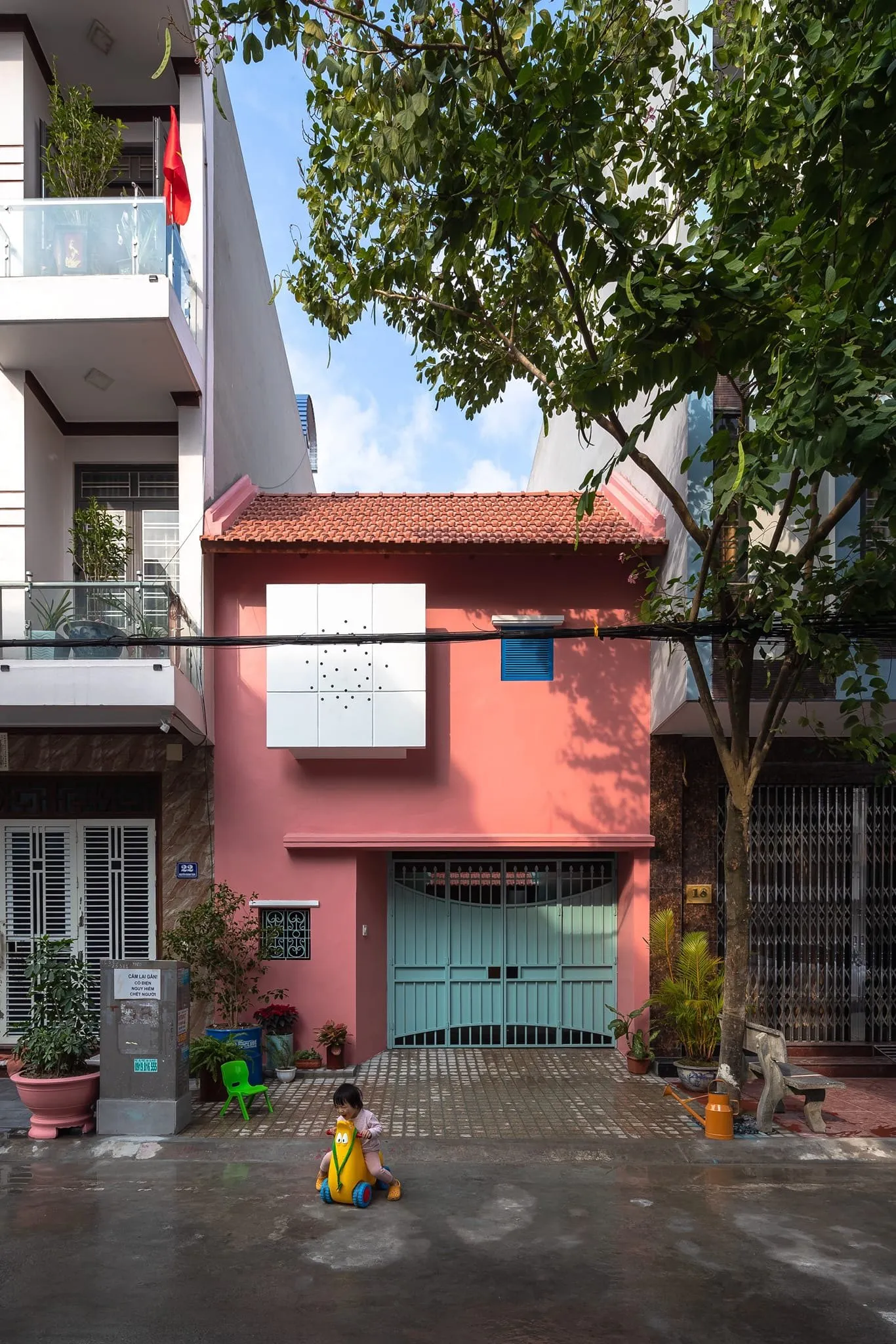
Trần Cảnh: What matters is how we relate to a house, isn’t it? I like a house that moves people from one feeling to another, with surprises and small kicks, but not through functional spaces, furniture or colours. I might set a few traps for fun (laughs).
Interview by Hoàng Hương Trà, February 2021.