
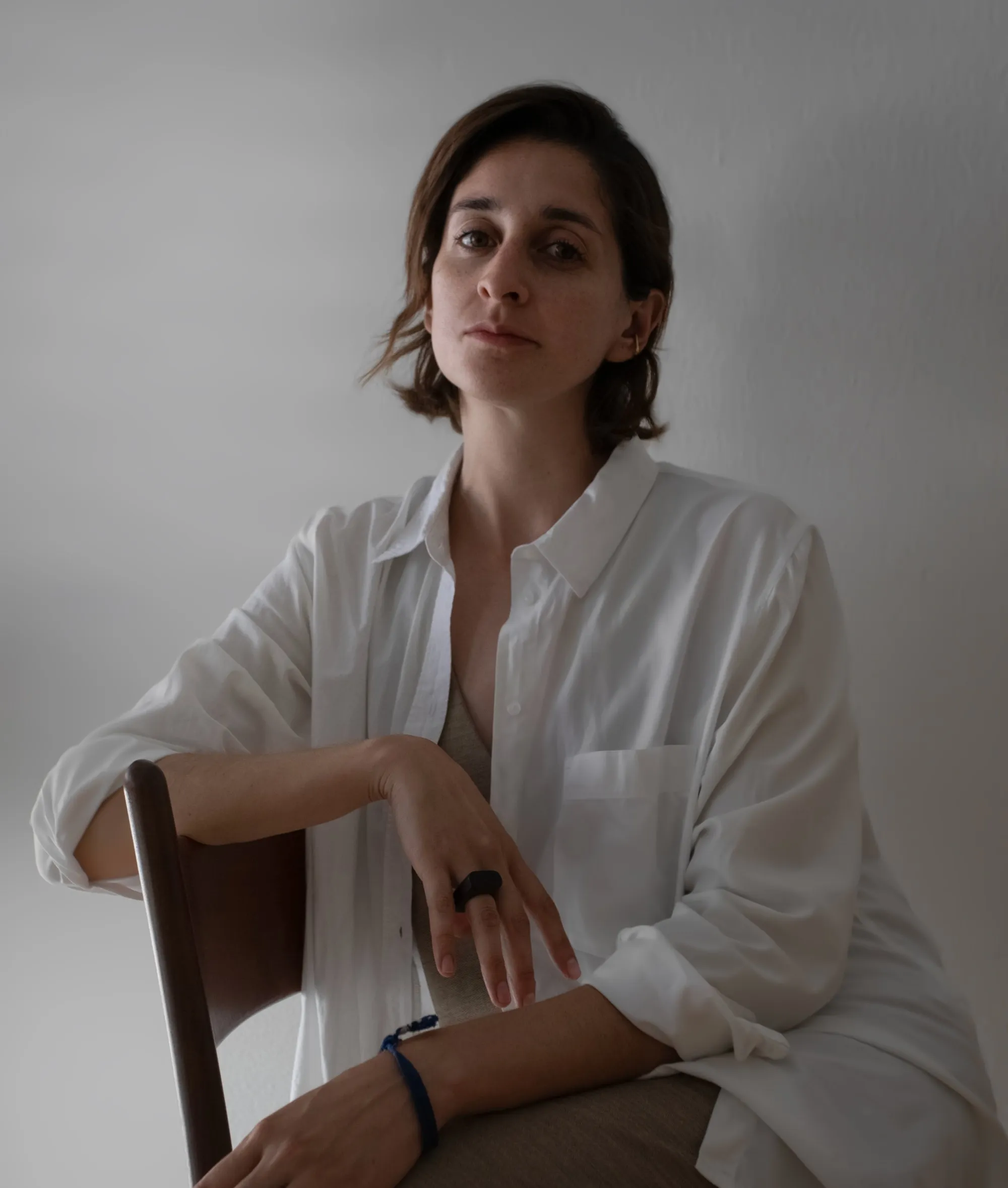
We had the pleasure of talking with the Mexican architectural photographer Paulina Ojeda. Recently she has been looking for what she calls a “buffer space” for her photography, and has moved to Europe. We were lucky to hear her story about her profession and her path as a photographer in a new place.
We spoke one morning in Switzerland, where Paulina lives and studies.
You come from Mexico, a tropical country. What made you move to Switzerland?
Paulina Ojeda: It was a combination of things. I moved here for personal reasons, and I’ve been fully dedicated to architectural photography for the past five years. I really enjoy my work and feel privileged to meet incredible people and photograph all kinds of projects and places. That’s one of the lucky sides of this profession. But I also felt caught in a cycle of non-stop work, neglecting my own projects. So I’ve been trying to find the time and mental space to grow those projects and to grow within this career.
That’s when I came across a remarkable master’s programme in Basel, and decided to move. I’m doing my master’s now, while still working on projects in Mexico and trying to establish myself in a new country.
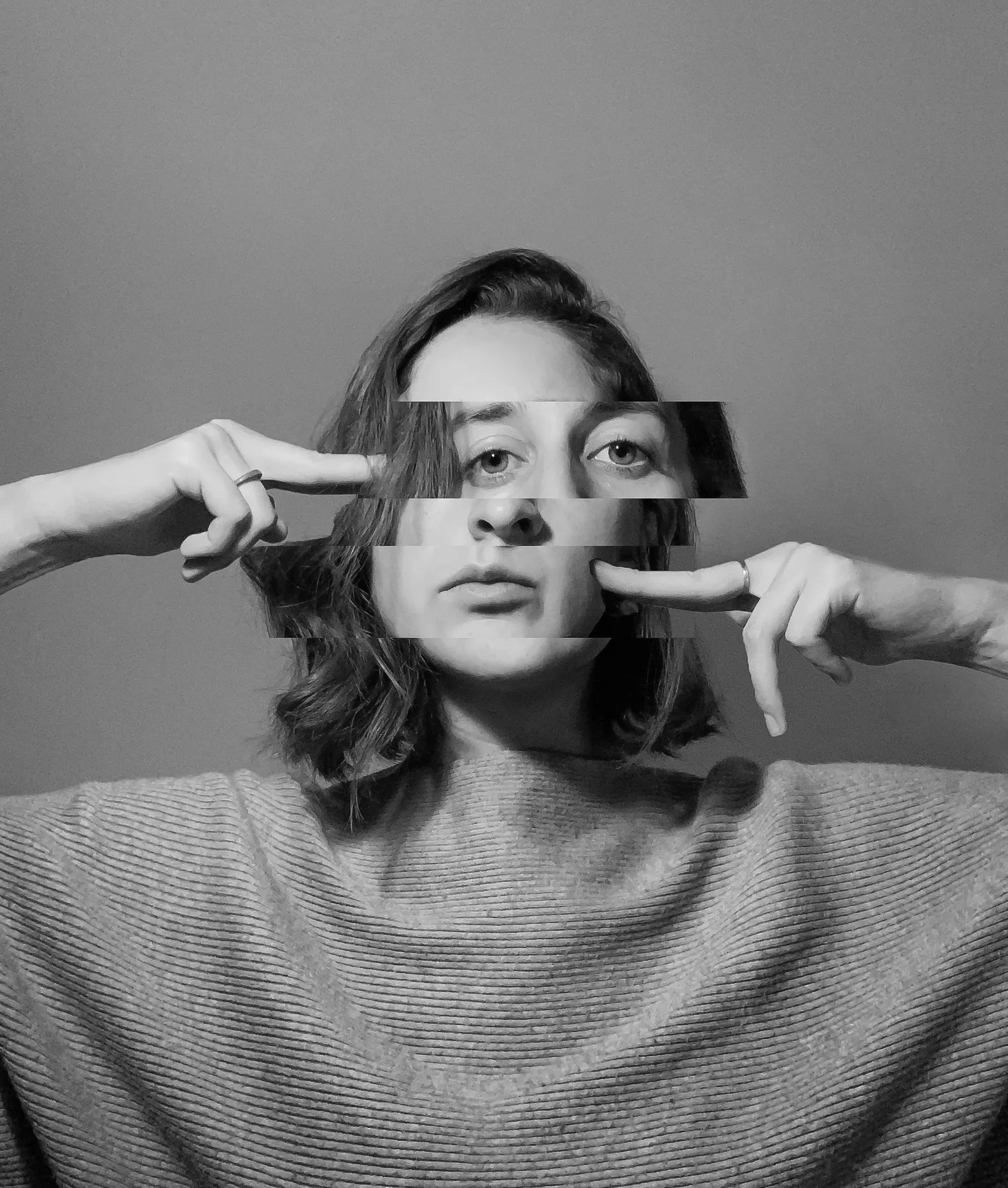
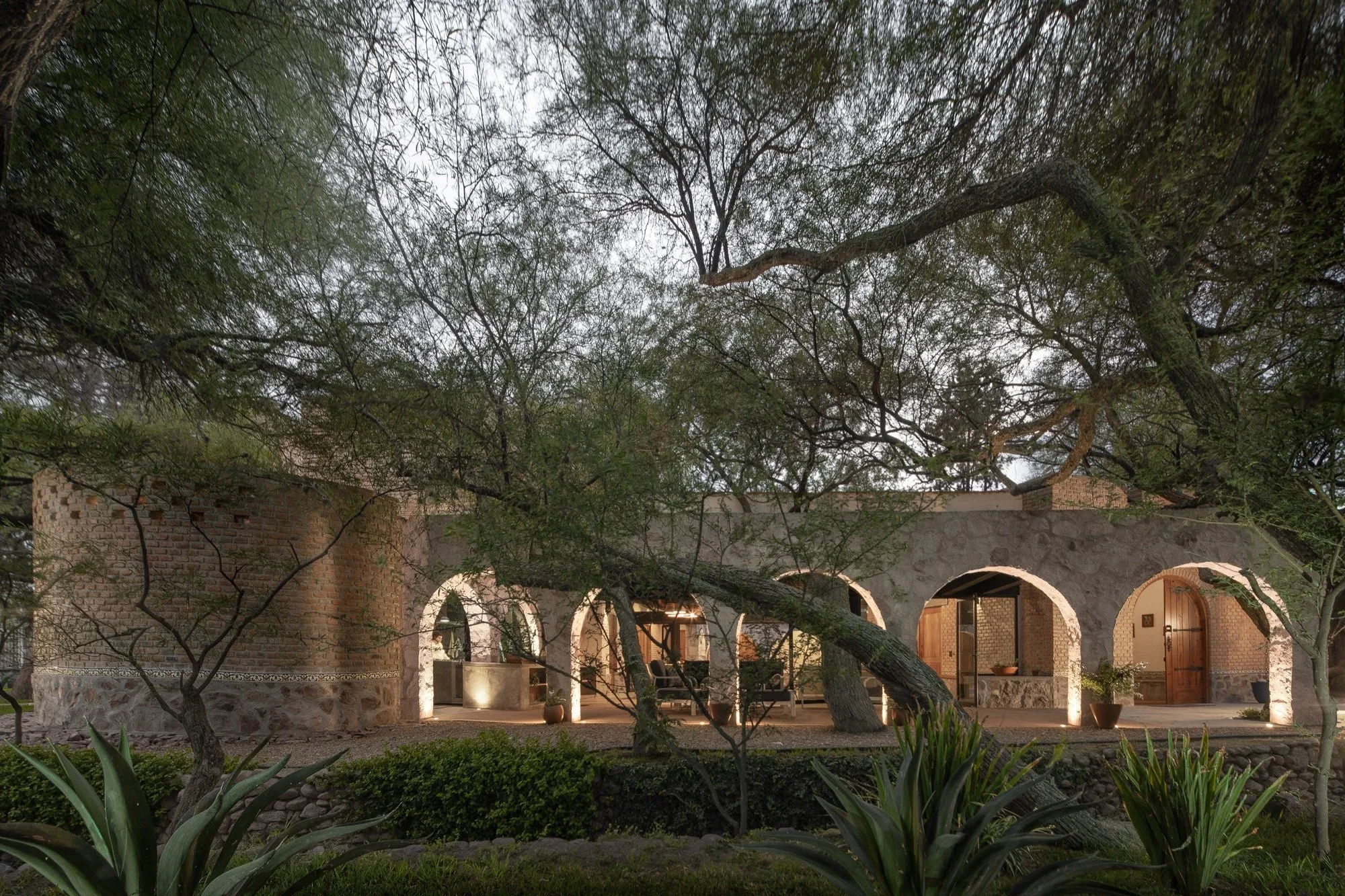
What first drew you to architecture?
Paulina Ojeda: I grew up in a family deeply immersed in it. My father, my brother and especially my beloved aunt, a wonderfully kind, intelligent and gentle person, were all architects. I could tell she wanted to pass her knowledge on to me. When I was a child she often took me on walks through our city, and they never failed to captivate me.
Each time we stopped in front of a church or a building, she would say, “Look at the details of this space. They look like this because of particular factors and decisions. Everything has a reason, woven into a bigger context.” At the time that seemed the most extraordinary way of telling a story, and everything I took in was bound up with architecture.
So my first curiosity about architecture came from wanting to decode everything appearing in front of me. It went beyond interpretation to the deep effect buildings and spaces have on people. I was drawn to the stories around buildings and their connections to other worlds, and to how spaces shape human emotion and experience. The ability to create spaces like that resonated with me deeply.
Why did you become an architectural photographer?
Paulina Ojeda: I’ve been immersed in photography for more than a decade. I started very simply, with just a camera. It was through friendships and collaborations with people doing interesting projects in my hometown that I found my passion for architectural photography.
Those friends worked unconventionally, with experimental installations, and caught my attention. They made remarkable work that broke away from the traditional, European-influenced styles of my education. Seeing so much untapped potential in my own city, I felt I had to show and promote its particular architectural atmosphere. That still shapes the way I photograph.
Honestly, it began with a phone and an Instagram account. I recorded my trips around Mexico as a kind of visual diary. As I shared the images, people started to connect with me through them. I wanted to tell people about the interesting things happening in our city, and that’s what pushed me to publish. Through that, I became known as an architectural photographer.
I feel lucky to have worked with clients in Mexico on remarkable projects, and happy to have helped bring their inventive, expressive work to a wider audience. My journey with photography has been like a rollercoaster, with ups and downs and a constant thread running between different situations.
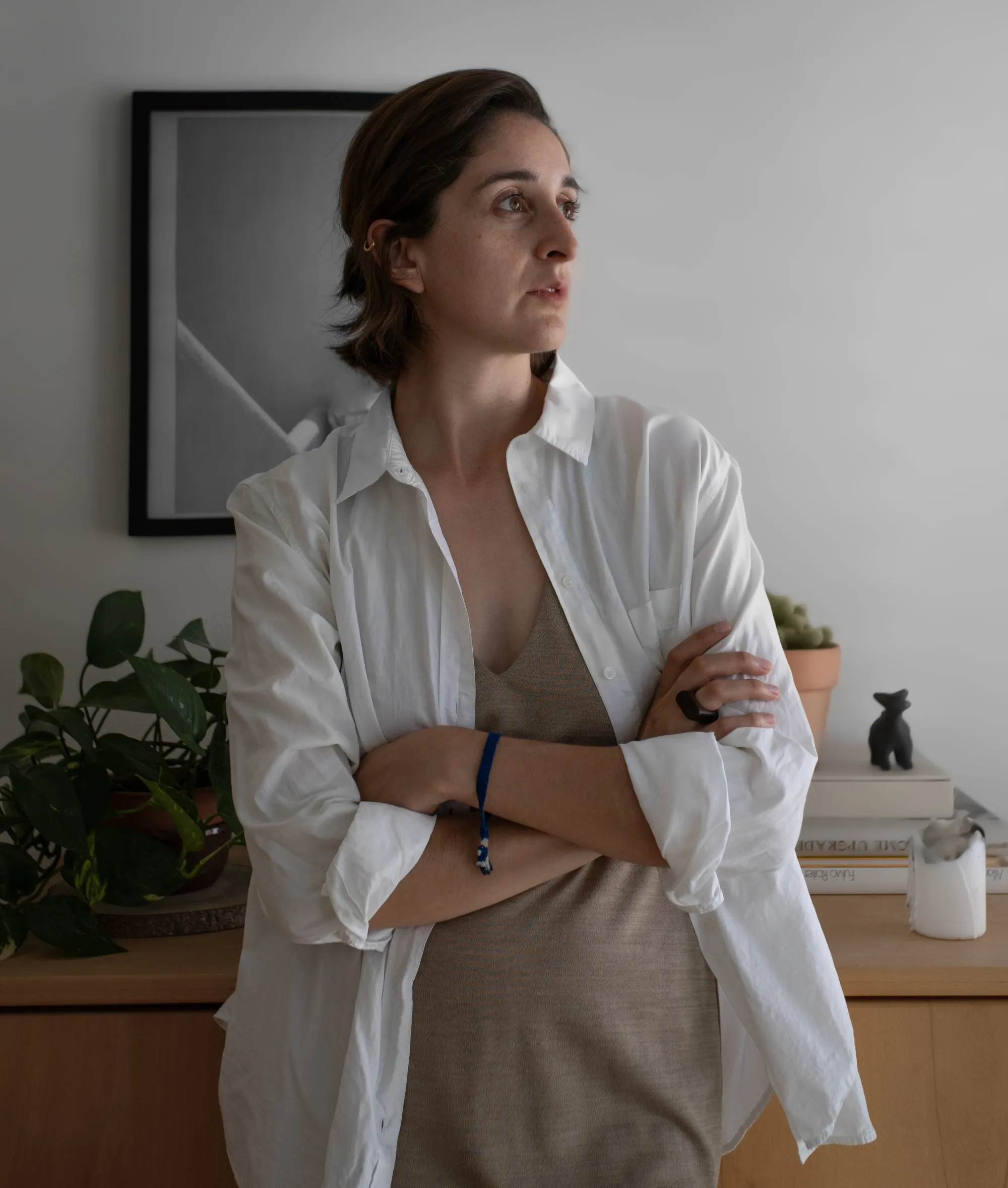
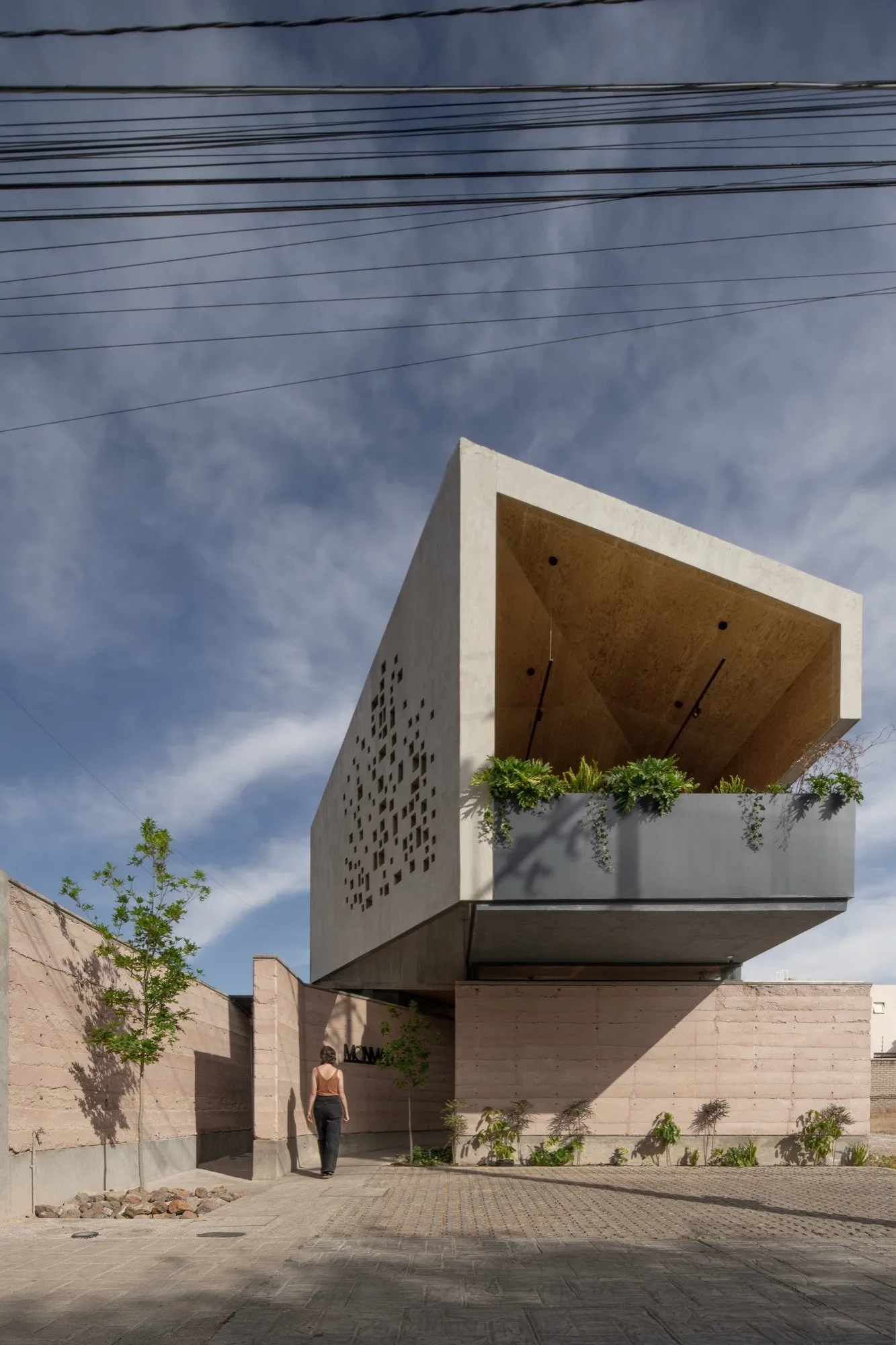
Architectural photography is often split into commercial work and documentary work, which carries more cultural and personal value. Which are you focusing on now?
Paulina Ojeda: While I’m studying, my work probably leans more towards the commercial side. But I don’t see myself strictly as a commercial photographer, because I want to do more than promote spaces. I try to capture the essence and the story of each place.
I value the power of photography to tell stories and stir emotion. The commercial side matters, but it isn’t my only focus. I believe in photography’s ability to document and communicate the cultural and personal meaning of architecture.
Every project has its own story. How do you approach it through photography?
Paulina Ojeda: The projects I’ve documented have been very different. I usually immerse myself in the space and take time to explore and observe, whether it’s small or large. Spaces change with the seasons, with their materials and with other factors. Even if I don’t photograph on every visit, I find great value in seeing how a space evolves over time.
What I dislike in how architecture is taught is the emphasis on showing and publicising buildings, while neglecting their basic purpose, which is to serve the people who use them. For me architecture is bound to the people who live in it and move through it. So I try to persuade clients to photograph a space in a way that is accessible and relatable to the people who will use it.
Photography can carry so much: atmosphere, light, landscape, the play between nature and the made environment. Not every architectural photographer sees it the same way. Each brings their own background and perspective, and that diversity is the beauty of the field. I find great satisfaction in being able to convey a particular message or feeling through the work.
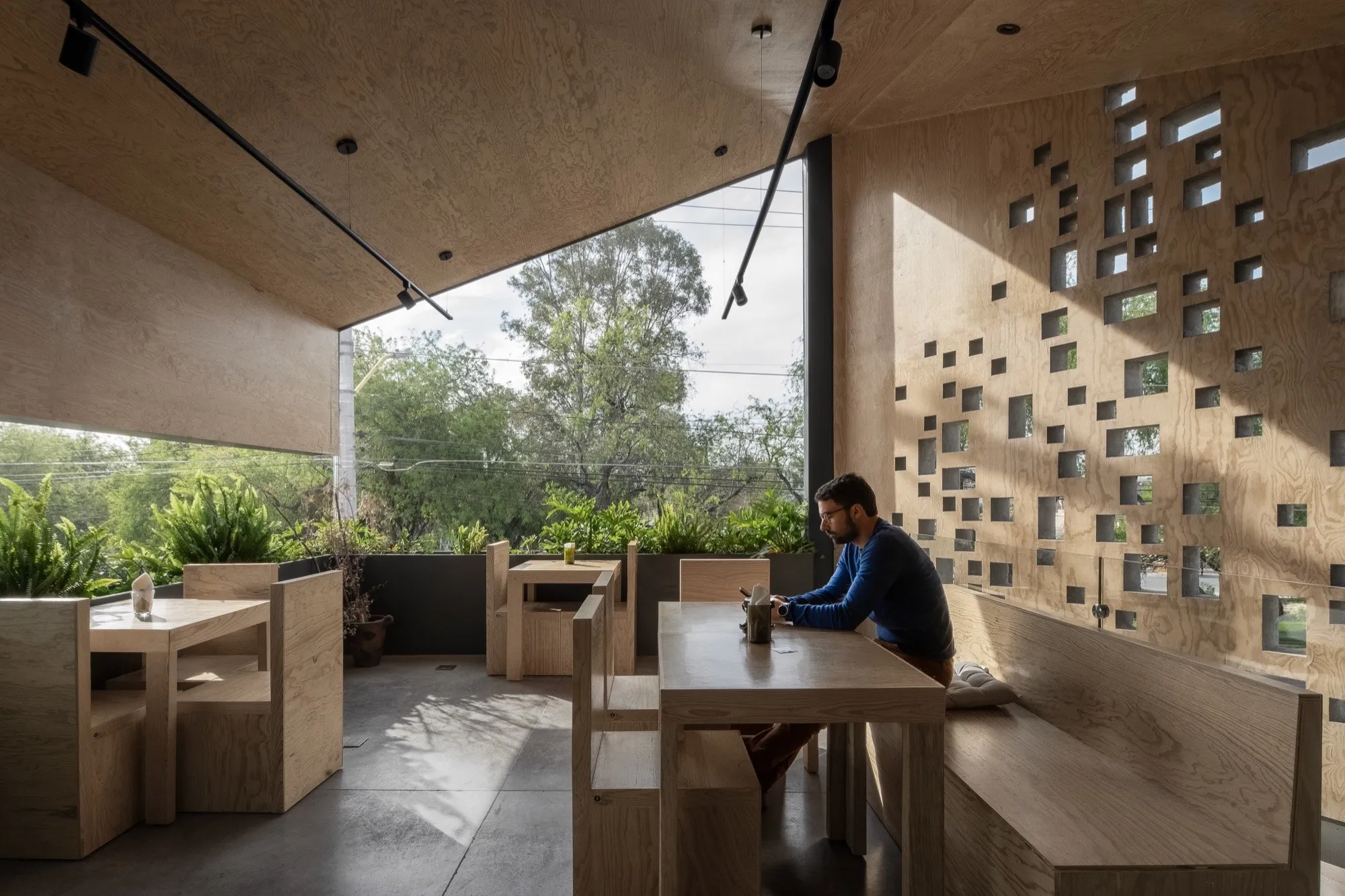
With new equipment, how do you choose between natural and artificial light?
Paulina Ojeda: In general I find natural light easier and more enjoyable. It often brings contrasts and textures that lift the whole composition. But night shots have their own qualities and appeal.
Some people light a scene brightly to capture every detail, which fits a more commercial approach. I lean towards natural light whenever I can, because it gives a more organic and honest picture of the space.
A building has sections, facades, plans, layout, structure and so on. How do you approach these through photography?
Paulina Ojeda: I’ve experimented with a range of lenses and focal lengths to capture different perspectives and details. Sometimes I deliberately leave parts of an image out of focus to make the viewer curious and enrich the story. That has become one of my favourite techniques.
In the end, my work depends a lot on what clients ask for. Each project is their artistic vision, and I value that they understand the nuances of their own work. So I take their advice while also giving myself the freedom to make the shots I think best tell the story of the place. Then I select images and present them. This back and forth between me, the building and the client has been fascinating. I see how clients, through their own images, tell the story behind their space, and they often surprise me with how thoughtfully they put their vision across.
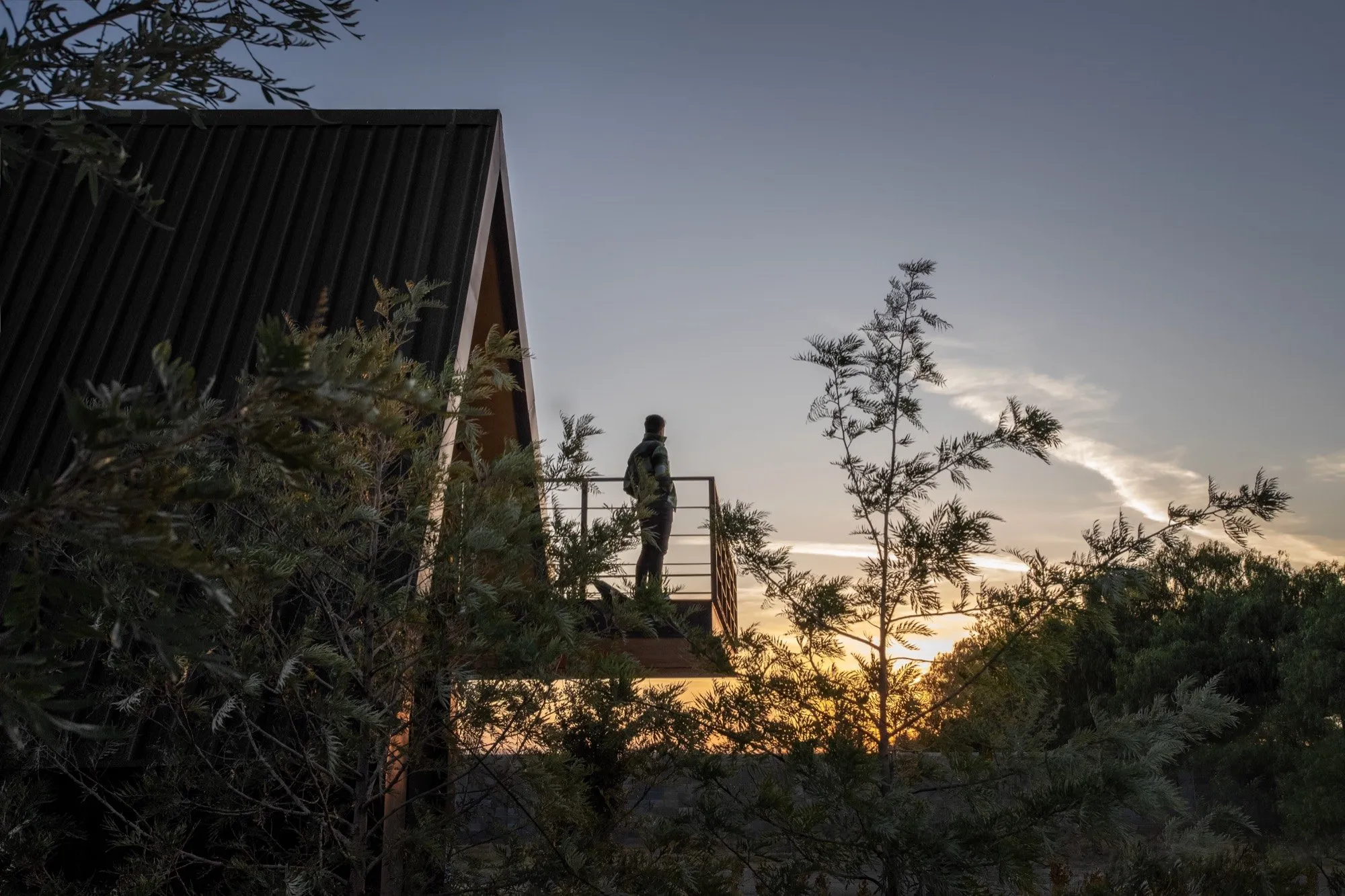
I find it special when a project can combine the views of the owners and of outsiders like me. It adds depth and gives a fuller understanding of the space. Other clients trust me completely and let me represent their building in my own way, which lets me express myself more honestly, because I can really feel the architecture. Still, I always listen to their feedback, as it helps me align my work with the context and aims of the project.
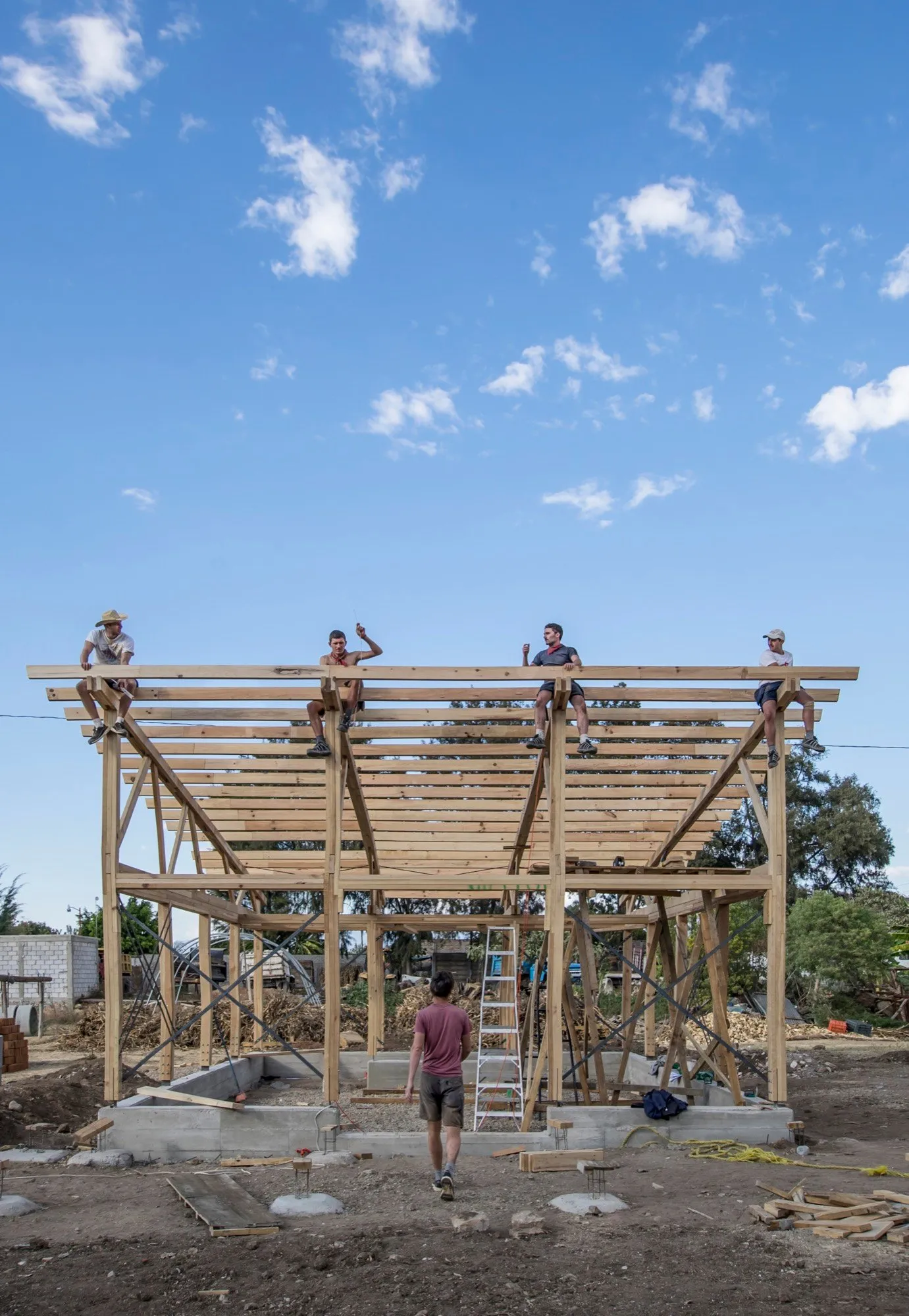
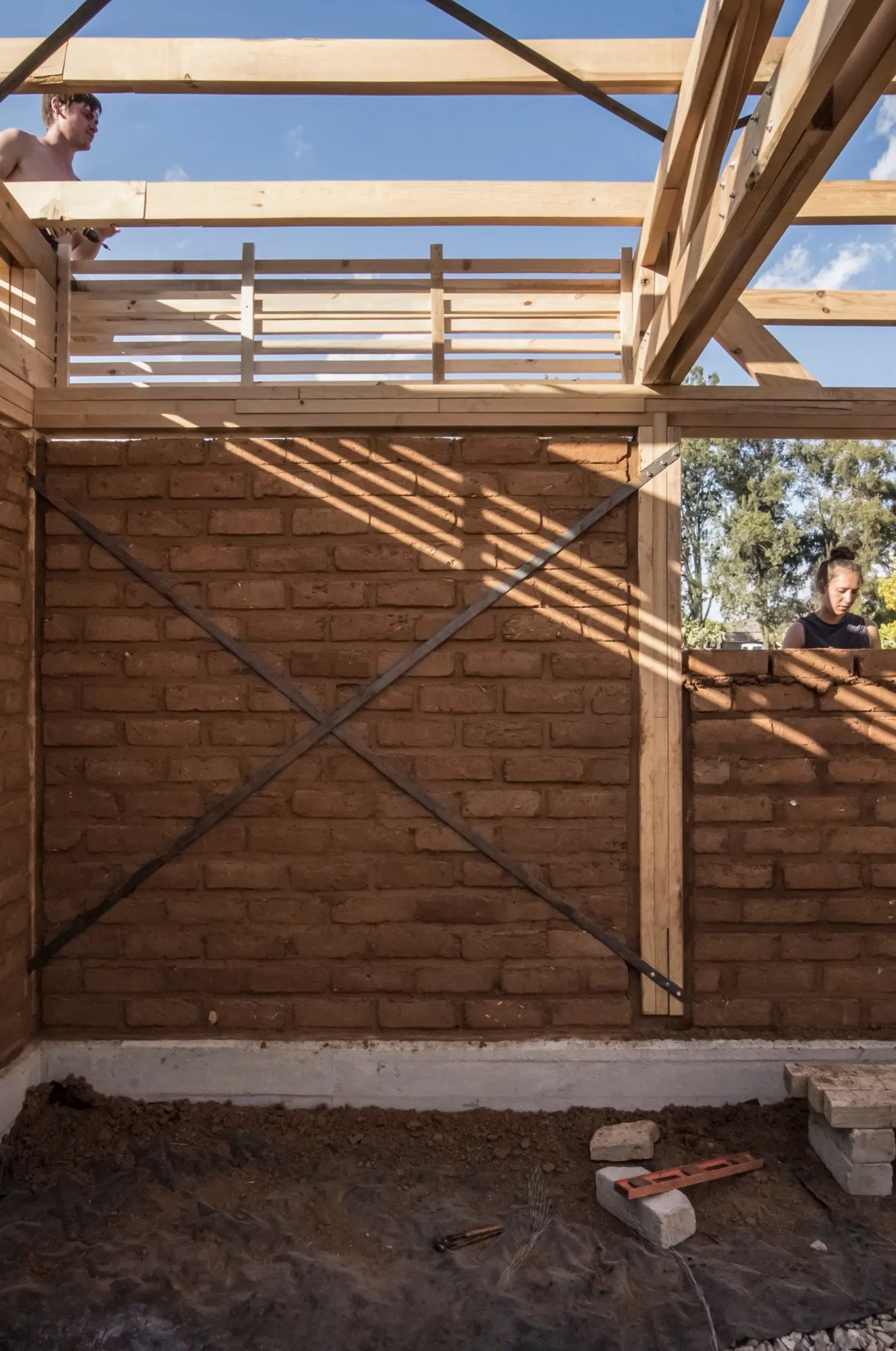
It must be hard to stay in one field without getting bored.
Paulina Ojeda: I find it essential to keep giving myself the freedom to explore and reveal the real story of a building, even if it doesn’t match my own taste or what I expected. That pushes me to stretch my creativity. Just photographing every corner of a room without a story would leave me unfulfilled. I want to bring art and imagination into the work, step outside my comfort zone and take the process slowly instead of rushing to a result. Taking the time to understand what a building is trying to say is crucial. Every detail, from the play of light and atmosphere to the way people move through a space, feeds into my photographs. I take inspiration from everything around me and stay open to any project that comes.
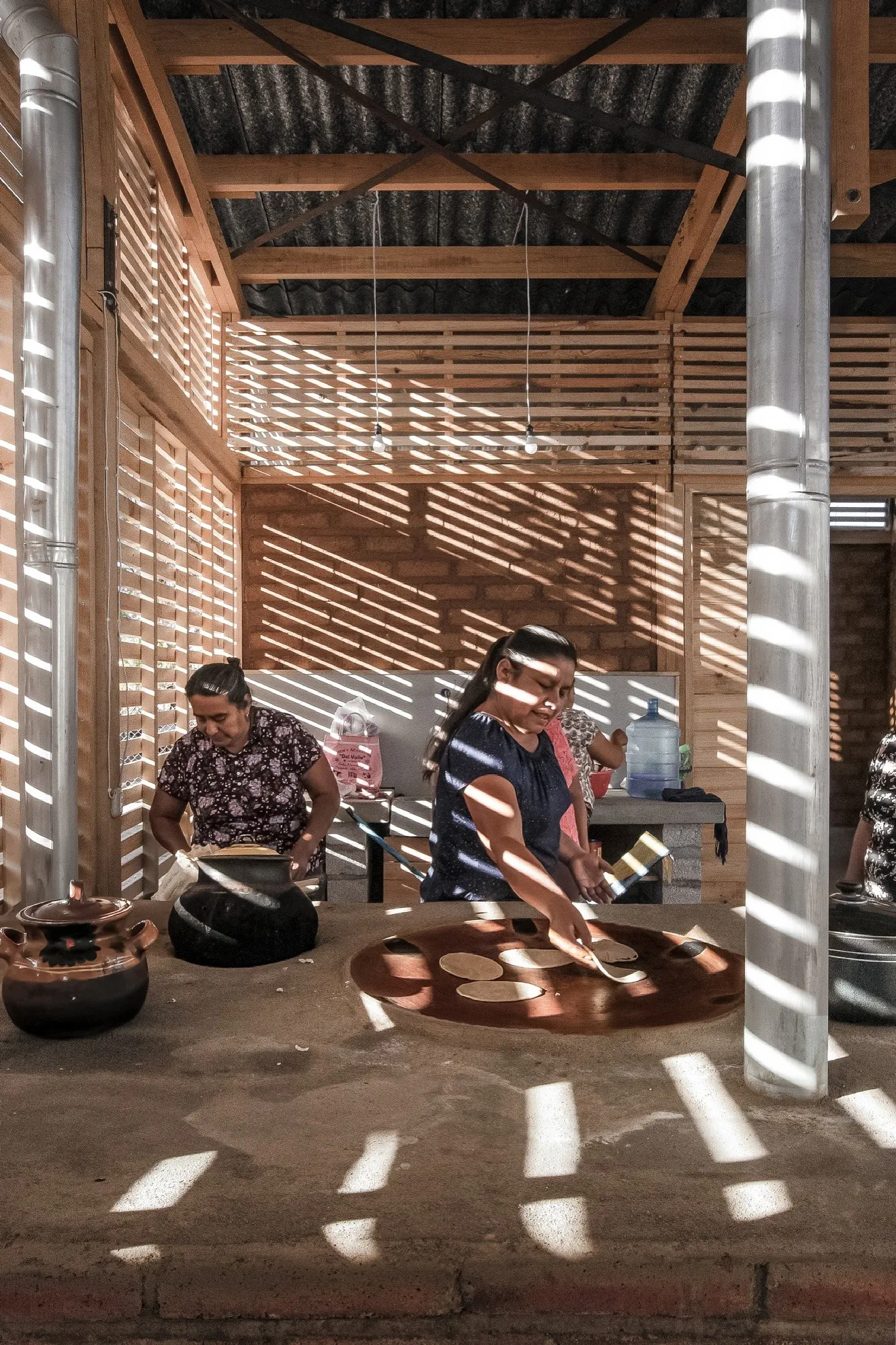
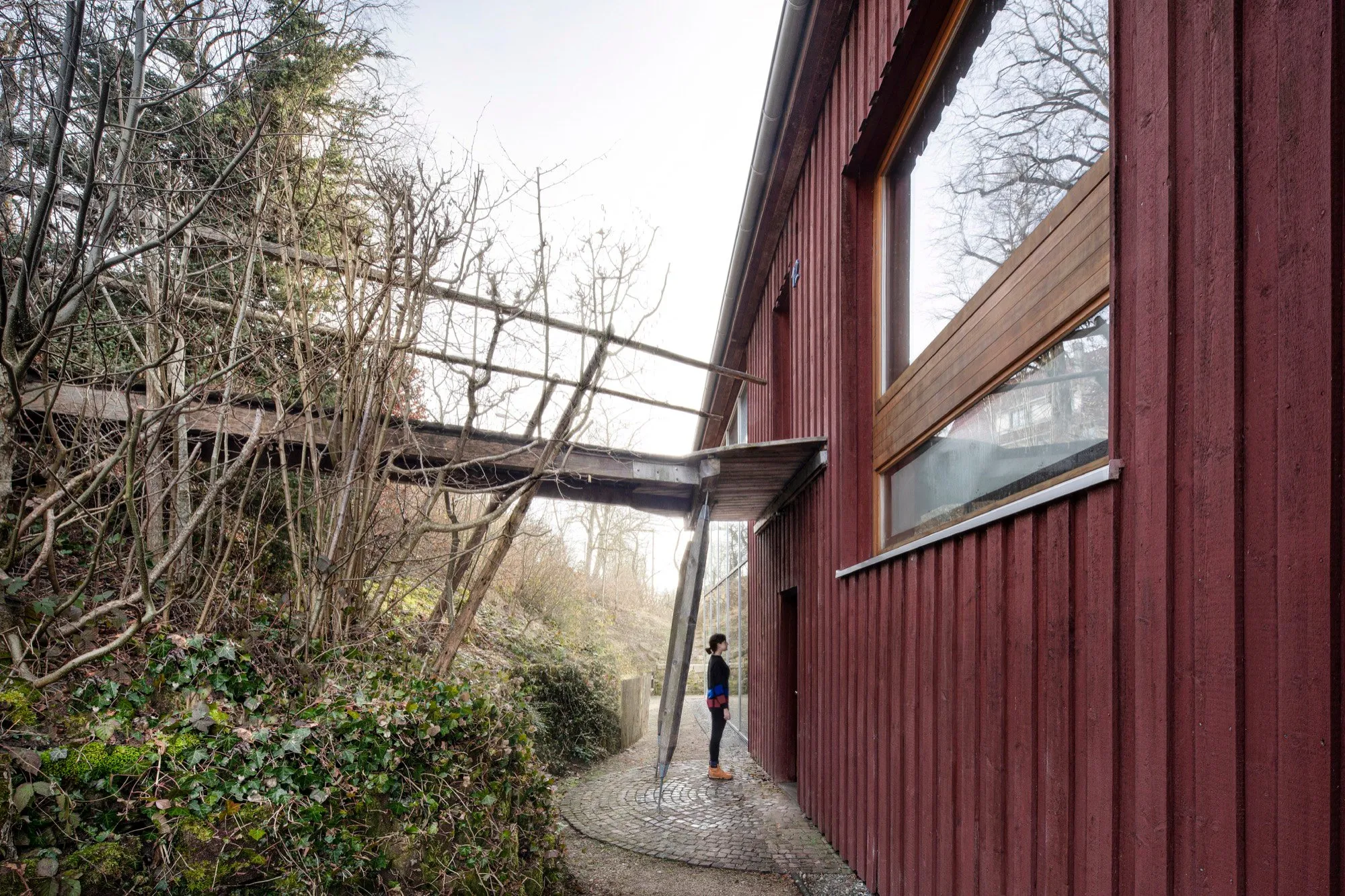
How do you stay inspired?
Paulina Ojeda: Studying for my master’s is a kind of break. It lets me take in new sources of inspiration and listen to my inner voice. I’ve deliberately cut back on personal photography projects to detox from the past and find joy in things around me. It gives me the pleasure of taking photos without outside pressure.
Have you met any challenges or advantages working as a photographer in another country?
Paulina Ojeda: Working with clients in Germany and Switzerland after Mexico has been a fresh start. At home I had a certain confidence and recognition. Here, fewer people know my work. It’s humbling and it challenges my ego, but it’s also a chance to present myself in a different light and discover new things I can do.
In Mexico I felt a security that sometimes kept me from stepping out of my comfort zone, and I didn’t want to be held inside my own limits. Watching colleagues move ahead, I sometimes wonder whether I’m on the right path. A Taiwanese friend in my class told me something fascinating: in the West, emptiness is often seen as lacking something, while in the East, and especially in her culture, emptiness is seen as the potential for something to happen. I find that inspiring, and I believe that making room for emptiness lets possibilities unfold.
I also can’t ignore discrimination by nationality, which exists in society and in architectural photography too. And, as you may notice, women are clearly underrepresented in this profession. That shows the need for more inclusion and equal opportunity for everyone, whatever their nationality or gender.
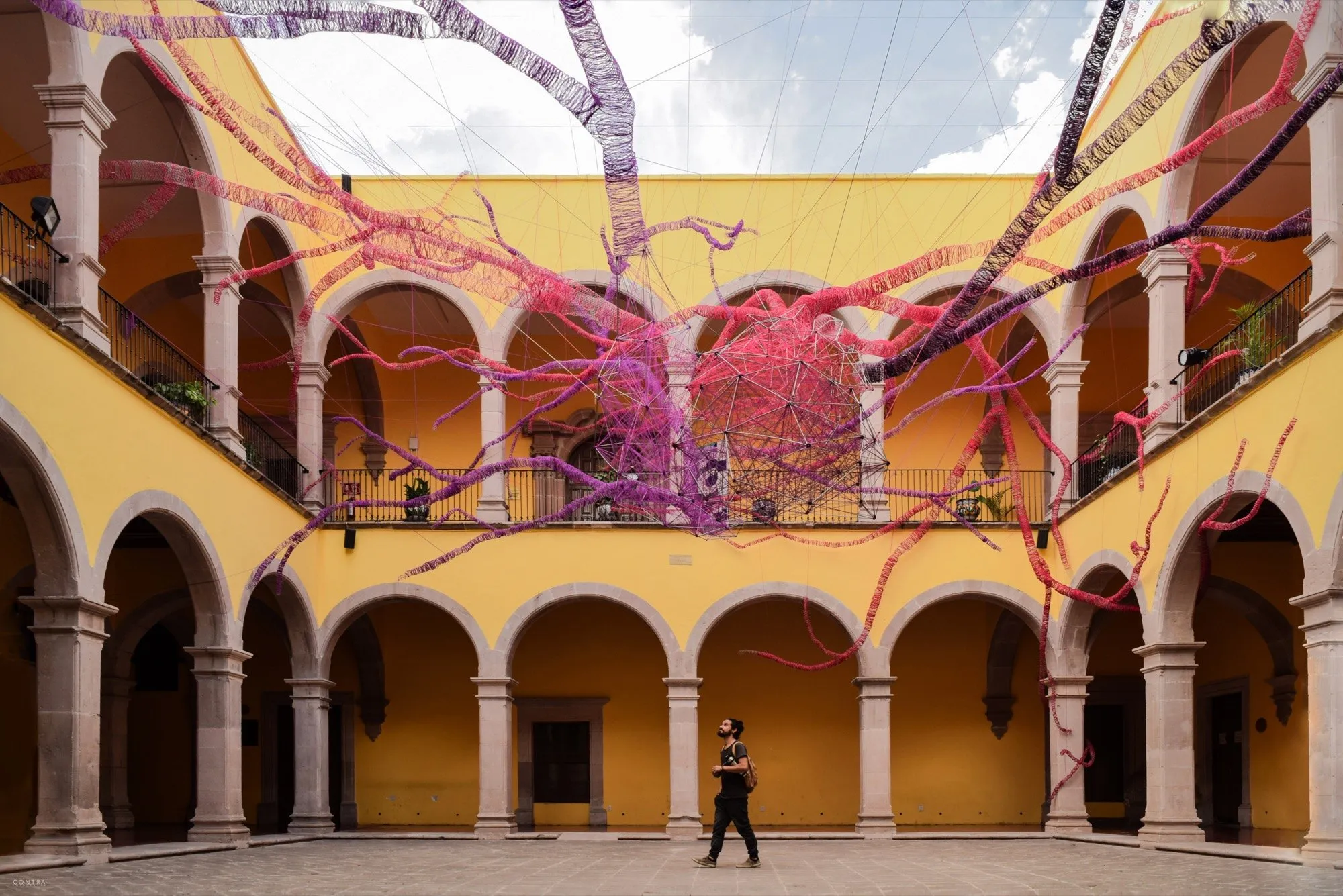
As a woman photographer, what challenges or advantages have you found?
Paulina Ojeda: What I appreciate most is how much room photography gives me to explore. I get to meet very different people, take part in exciting projects and discover wonderful places. At this point in my life I don’t have family responsibilities, so I have more freedom in my hours, and I enjoy managing my time as I need.
In a male-dominated market I have faced challenges, especially with clients. Even when they know my role and experience, I sometimes sense they don’t fully trust my abilities. There is also a gender gap in pricing, and clients sometimes comment on my rates compared with male photographers. Overall, though, I haven’t met major obstacles. I believe that as women we can show our competence and prove we are more than capable of excelling in this profession.
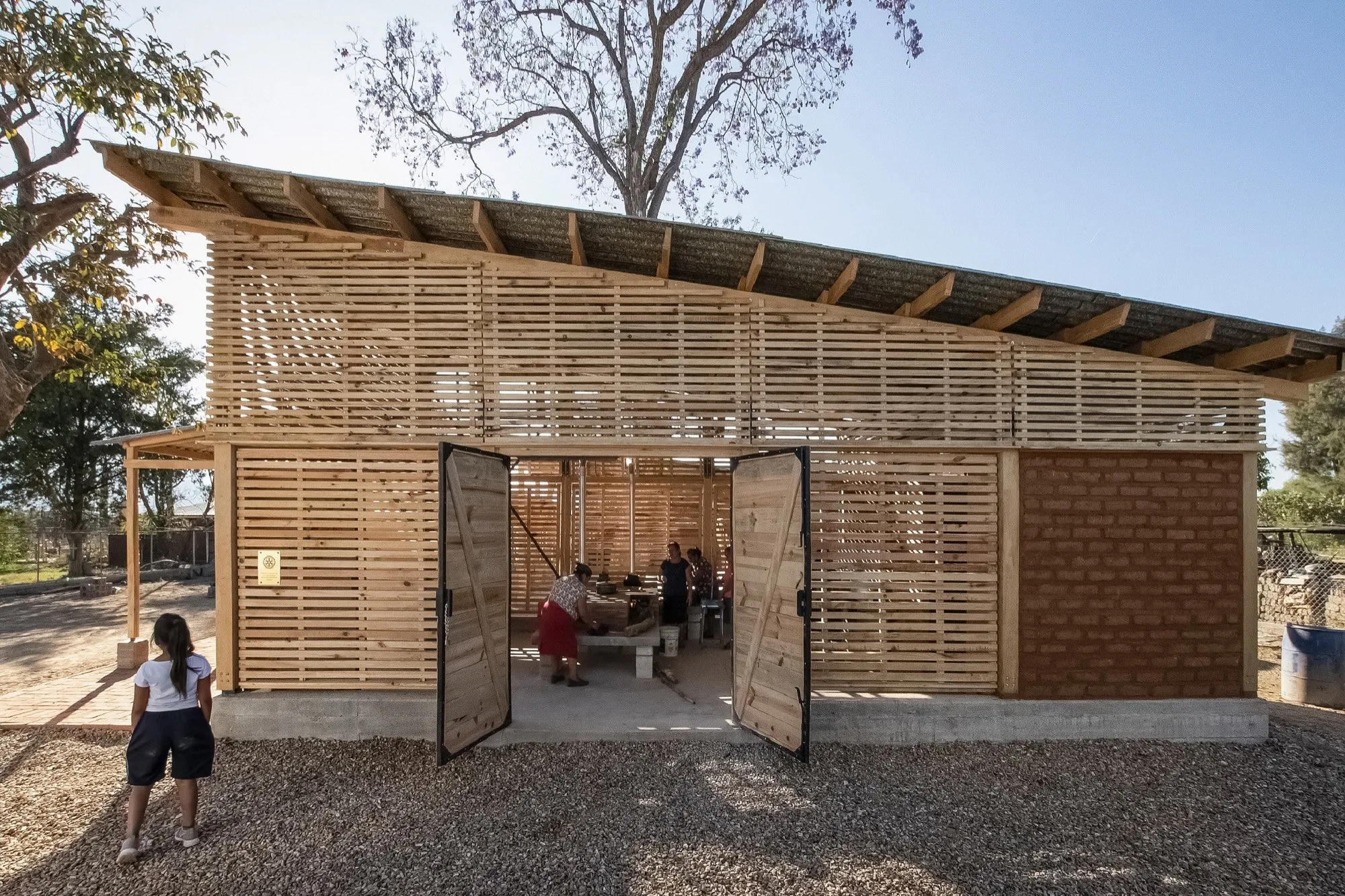
Are there photographers or artists who inspire your work?
Paulina Ojeda: Certain people have a deep effect on how we see as we grow. For me, one is the Mexican photographer Graciela Iturbide, a true legend in my country. What sets her apart is her approach to documentary work, especially with indigenous communities. Rather than placing people in a staged setting, she immerses herself in their world and tries to become part of it. That lets her capture who they are and tell their stories honestly. I deeply admire how she builds connection and trust with the people she photographs, and the powerful images that come from it. Her work reminds me of the importance of empathy, understanding and real human connection in photography.
Have you ever been to Asia, or to Vietnam? Is anywhere on your list?
Paulina Ojeda: Sadly, not yet. Five years ago friends told me about their wonderful experiences travelling around Vietnam, and it made me want to go, for six months or just a break. But at that moment I decided to commit fully to becoming a full-time architectural photographer, so I had little time to travel. I hope to visit soon. Immersing myself in the culture and daily life there is something I really look forward to.
What advice would you give to aspiring architectural photographers, especially women or those who haven’t yet found their place?
Paulina Ojeda: Architecture offers a huge range of paths, from landscape and lighting to interiors and photography. Once you feel drawn to architecture, or to architectural photography, don’t dismiss that feeling. Embrace it and keep following your interests. Push yourself deeper into the field and find out what really holds you.
Committing to what you love and finding fulfilment in the work will make you happy, and it will also give you the chance to prove yourself. Especially as women, we need confidence in our abilities and shouldn’t worry too much about how others define our work. Focus on sharing what you make and on saying, through the work, what you really want to say.
Interview by Phạm Hà Thu, July 2023. Photos by Paulina Ojeda.