
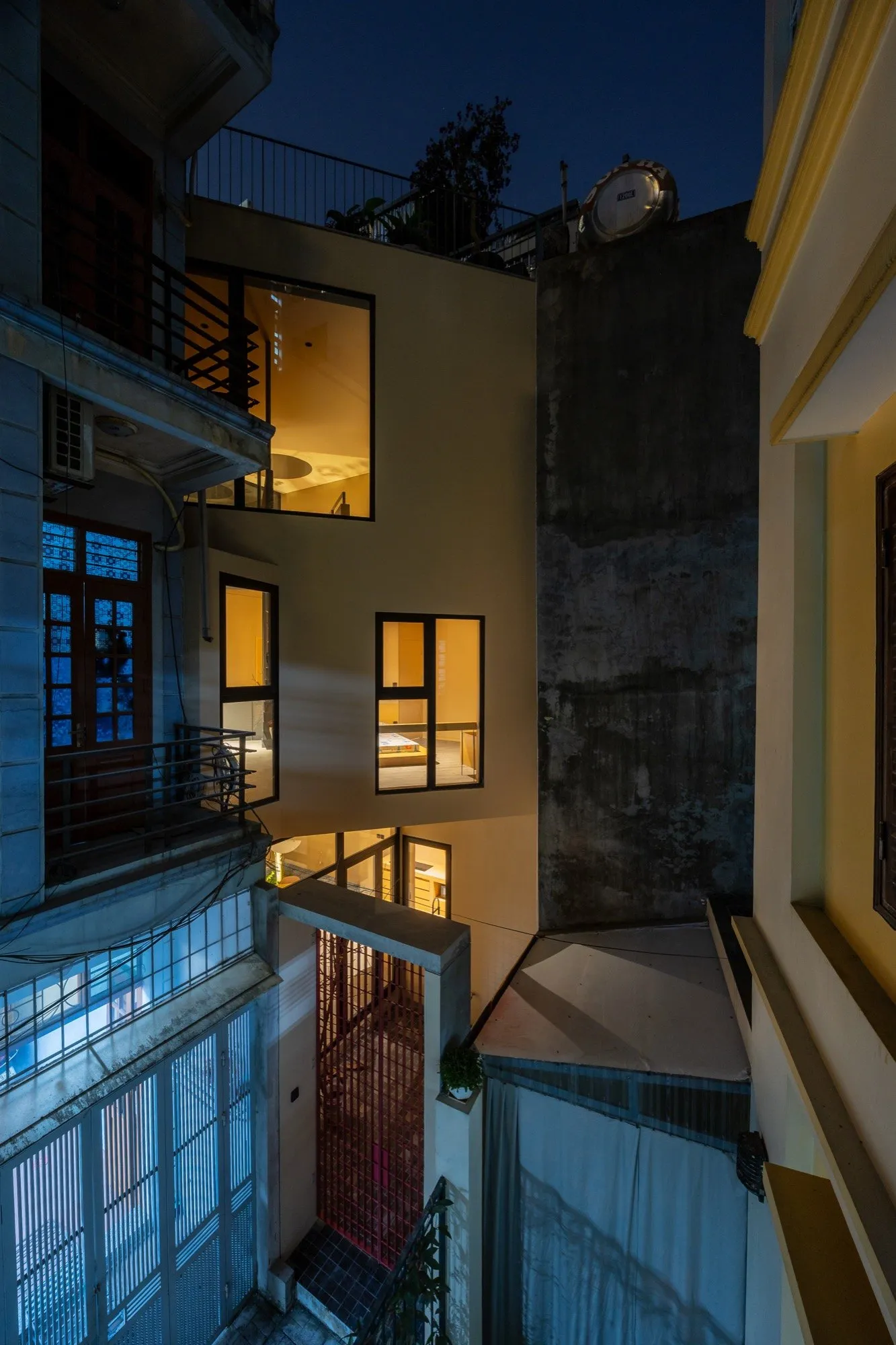
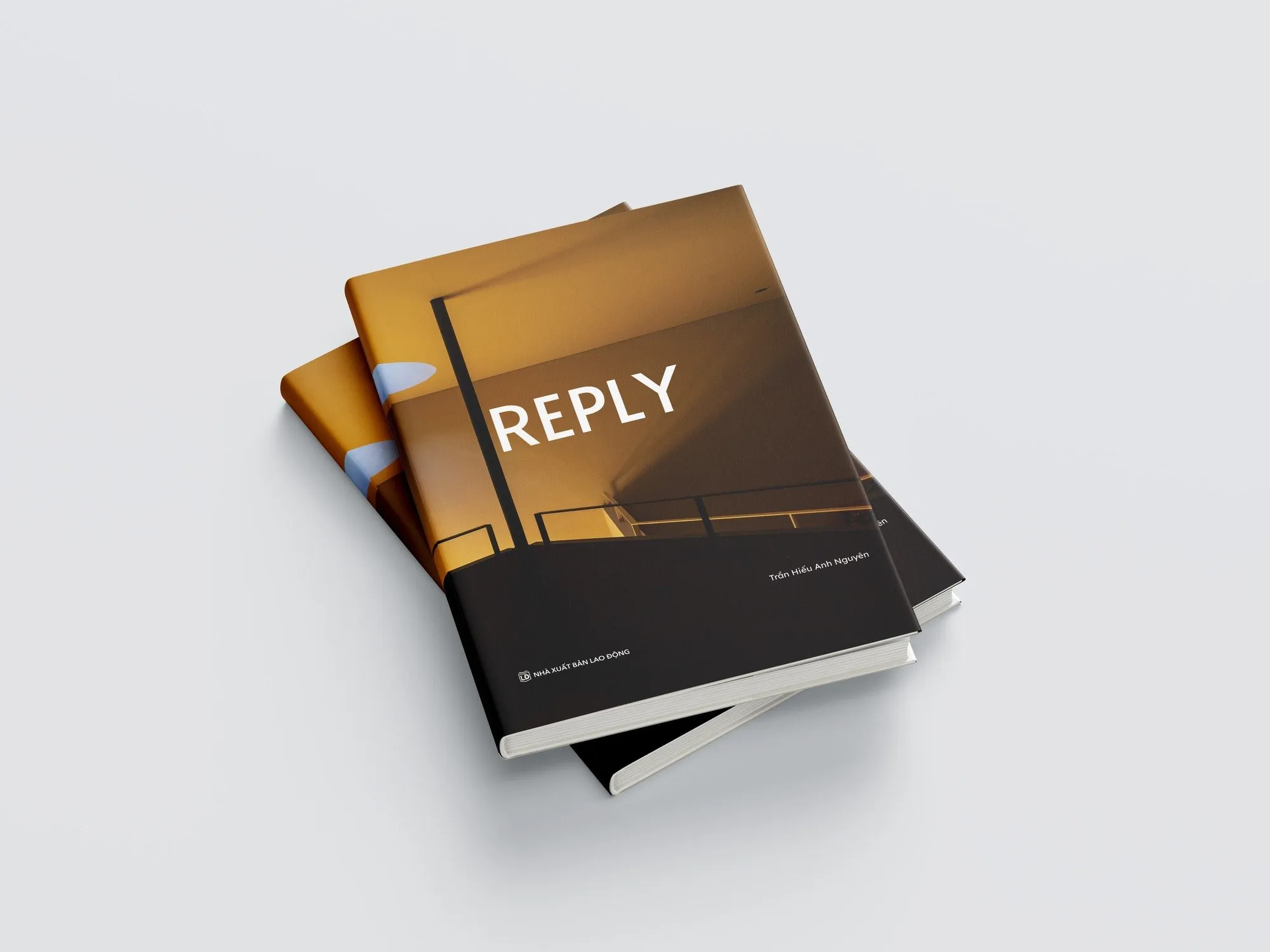
Over more than a decade of practice, the Vietnamese architect Nguyễn Hồng Quang and TOOB Studio, his office in Hanoi, Vietnam, have followed a steady path, taking the urban house as a starting point in the search for an architectural language of their own. They see a house not only as a physical structure but as a living ecosystem, where voids, connections and nature become the main material of the experience of dwelling. The five projects gathered in REPLY, Những thanh âm bình dị (The Quiet Sounds), are the result of that process of observing, testing and distilling, and also an invitation to talk with the wider community about how living space might be redefined as Vietnamese cities change fast.
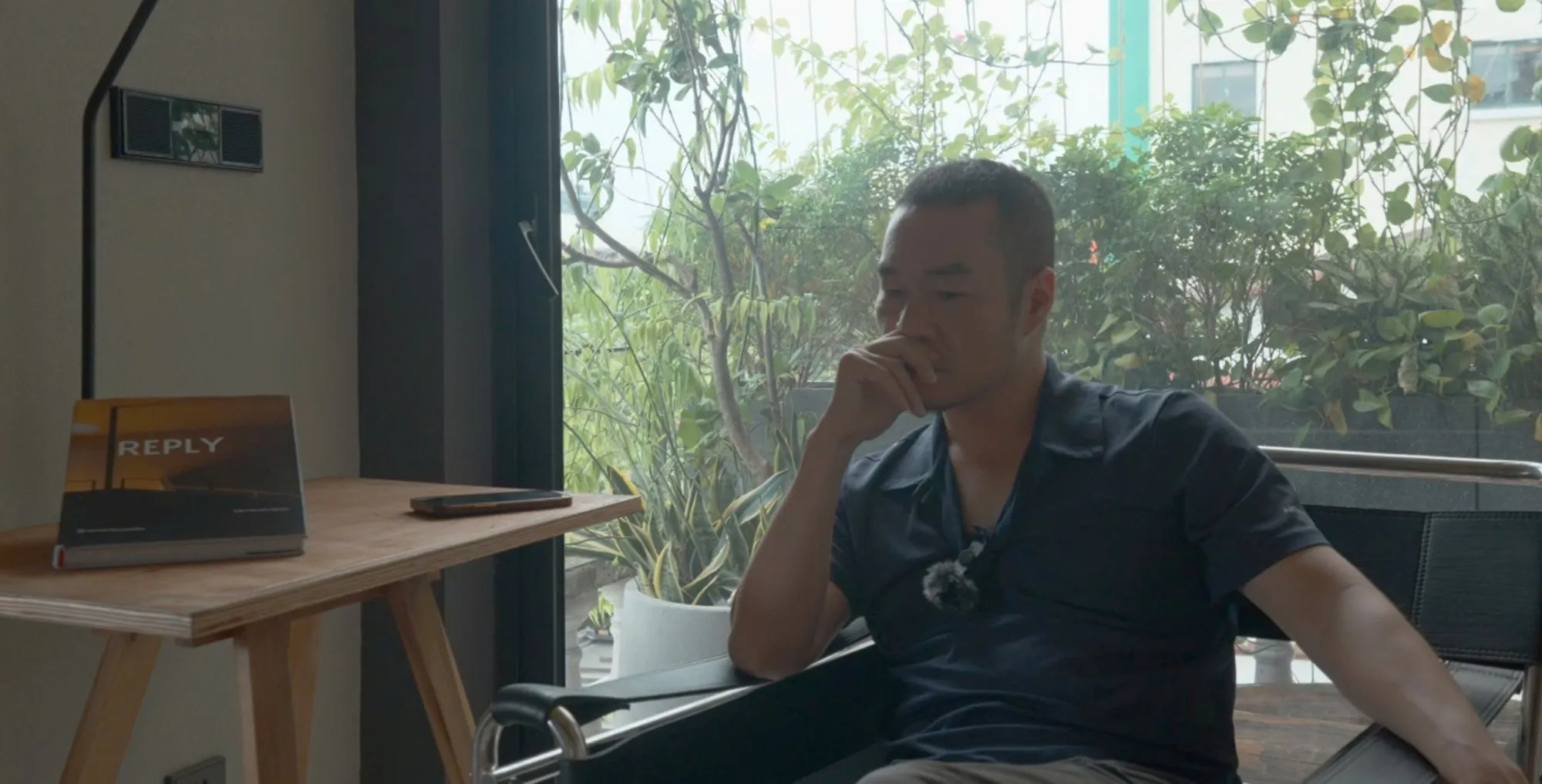
With the launch of REPLY, we talked with Nguyễn Hồng Quang about why the book was made, why the townhouse was chosen as its subject, and how he sees the role of empty space in the architecture of the home. The conversation goes beyond techniques and design solutions to how architecture can bring people together, within the family and the community, and to larger questions about the quality of life in the contemporary city.
Why did you decide to publish REPLY?
Nguyễn Hồng Quang: Ten years of practice is not a very long journey, but that continuous period has helped us form consistent thinking about the design of housing.
We aren’t the publisher of the book. Its author has worked alongside the office for more than a decade, and we supported them by providing material and answering their questions. Through the author’s independent lens, we also had the chance to look back at our own work more clearly.
The editors wanted to share this with everyone, not only architects, so that together we can add new perspectives to the cities where we live and work, especially for young clients who want to learn about architecture.
Why did the editors choose the townhouse as the subject of the book?
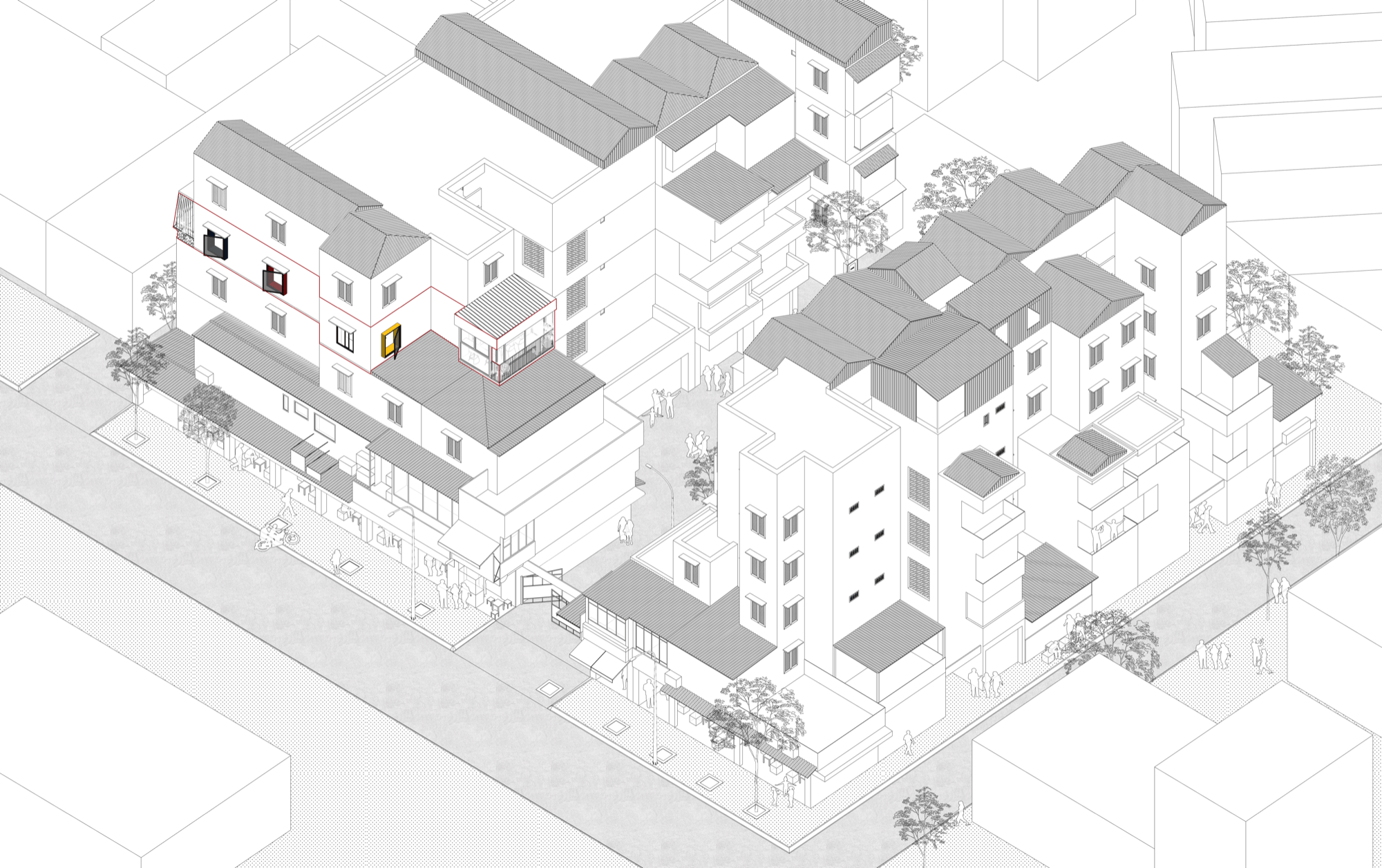
Nguyễn Hồng Quang: Most Vietnamese architecture offices start out with houses, especially townhouses. The townhouse is everywhere in the city, and it stands for the basic dwelling unit of the Vietnamese family.
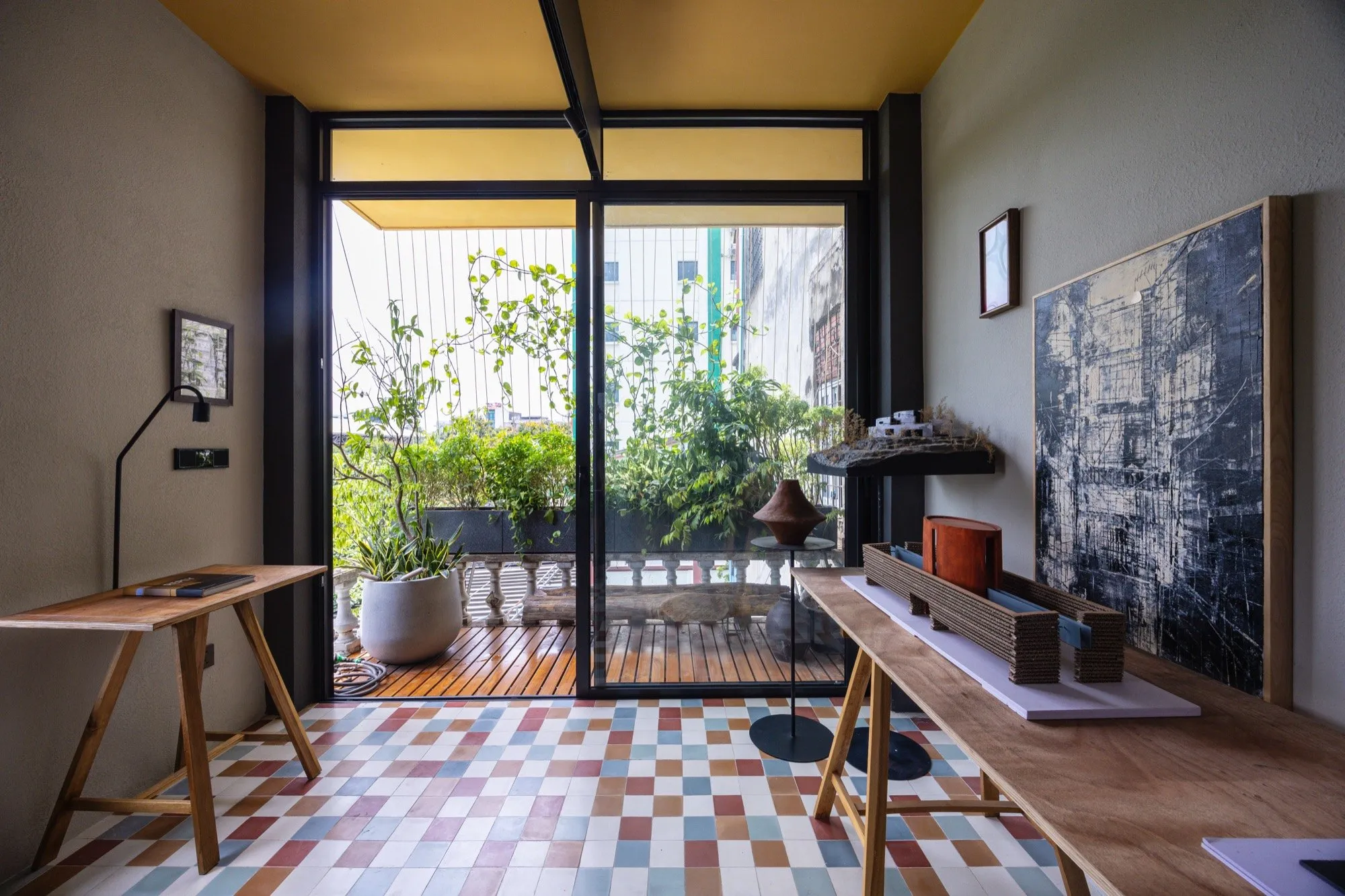
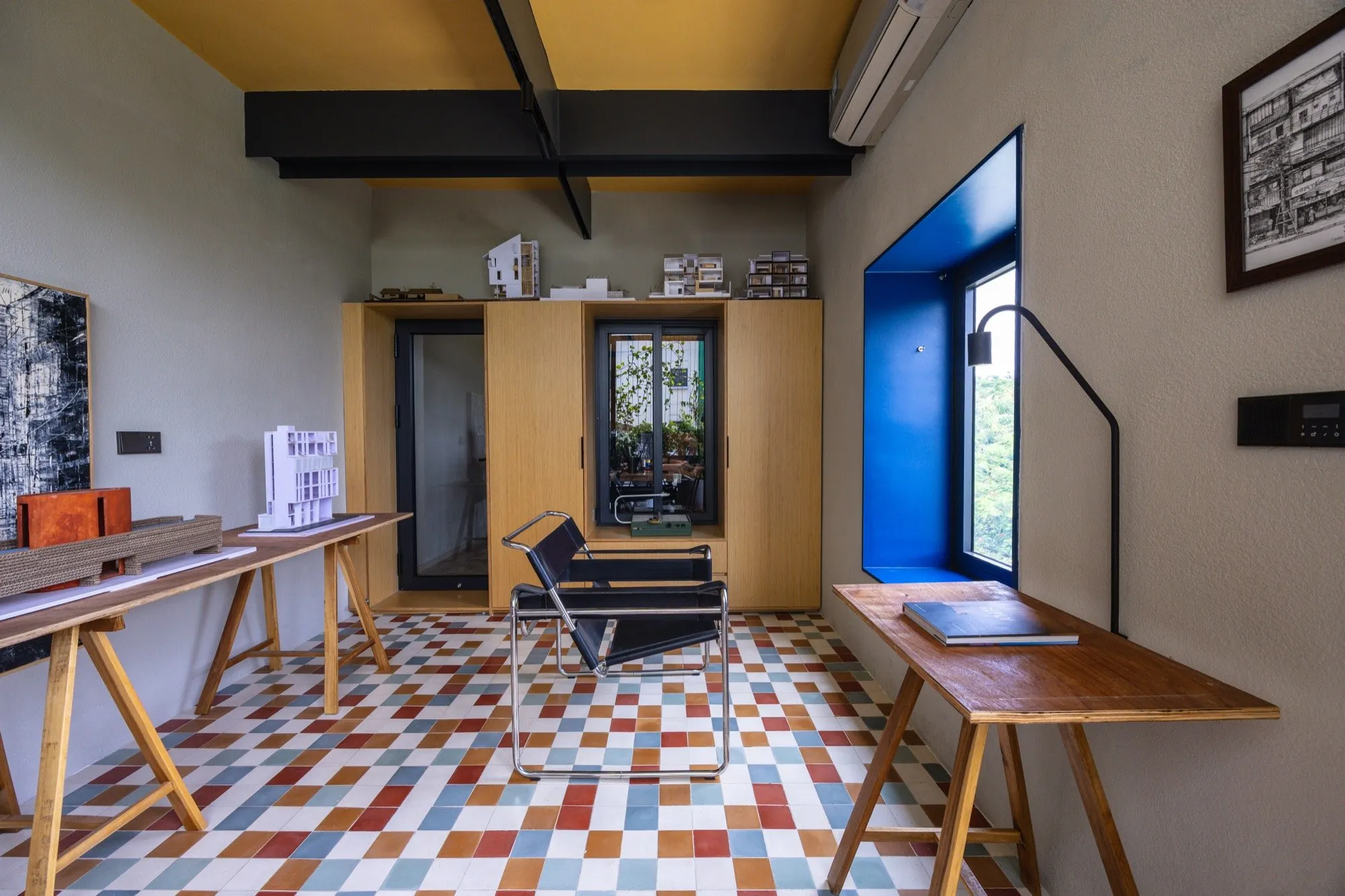
Its structure reflects the cultural shift from the traditional garden house to life under urbanisation. Designing a townhouse is a particular challenge, because it raises many questions: how it can adapt to life changing across generations, how flexible its functions can be, whether it can earn an income in future, and how it deals with its surroundings.
The townhouse is also an accessible "opportunity" for architects, since building a house today doesn’t need very large resources of people, money and time. That’s why, although we now work on many other kinds of buildings, housing remains a field where we keep looking for our own creative possibilities in architecture.
What are the limits of the townhouse today?
Nguyễn Hồng Quang: The modern townhouse, the tube house, is the inevitable product of land being divided and subdivided as urban populations grow. From flexible garden houses full of interaction, we have watched the shift to tall, narrow houses with overlapping functions, no shared space, damp and stuffy. Living space is boxed in and hard to adapt, and because it grows upward, family members are separated and lose their ability to connect.
In practice, even with a floor of 100 m², owners sometimes still feel short of space. The question is why it always feels short rather than enough, or more than enough. Is it because modern life has made us demand too many functions in the name of absolute privacy?
What role do "voids" play in TOOB’s houses?
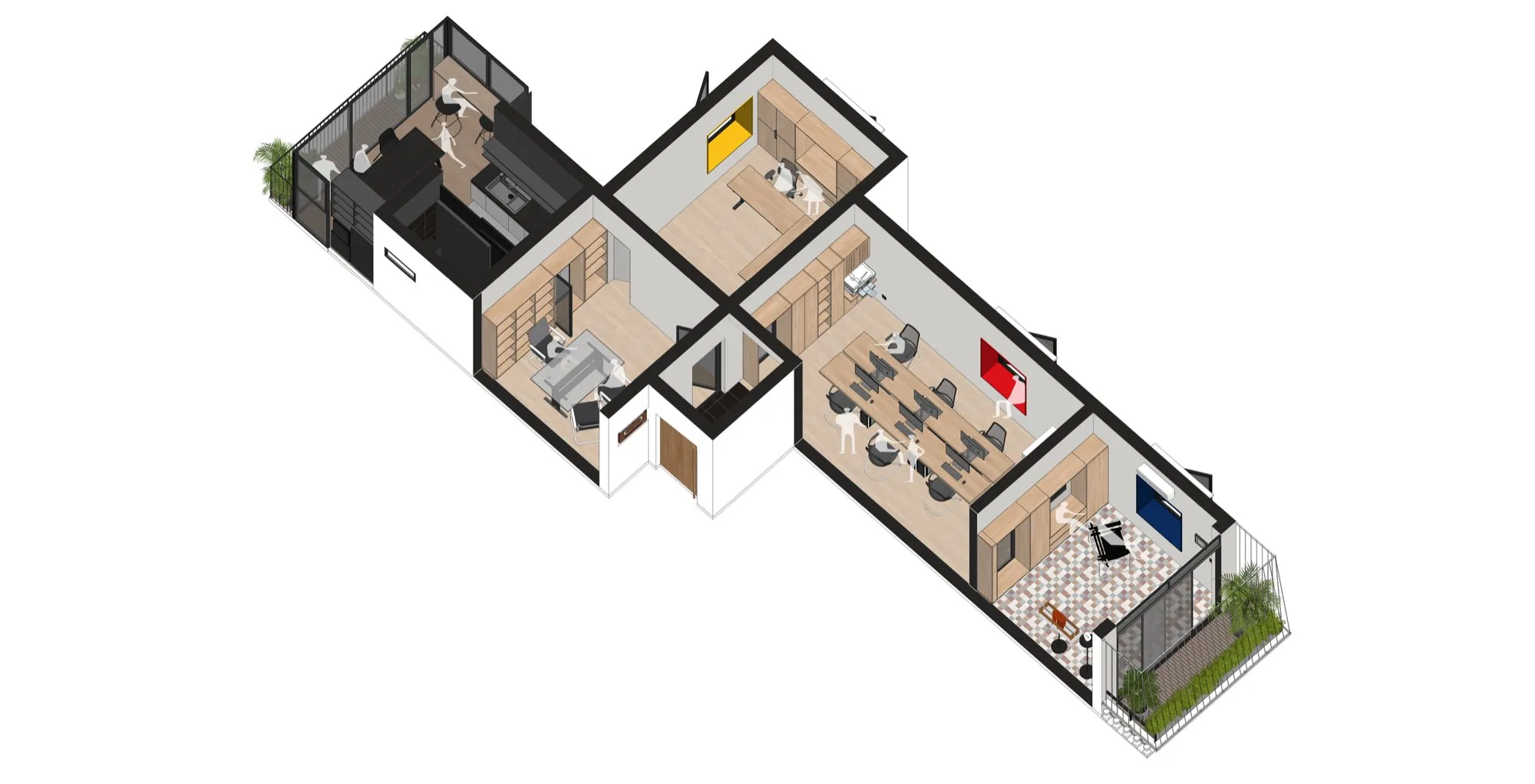
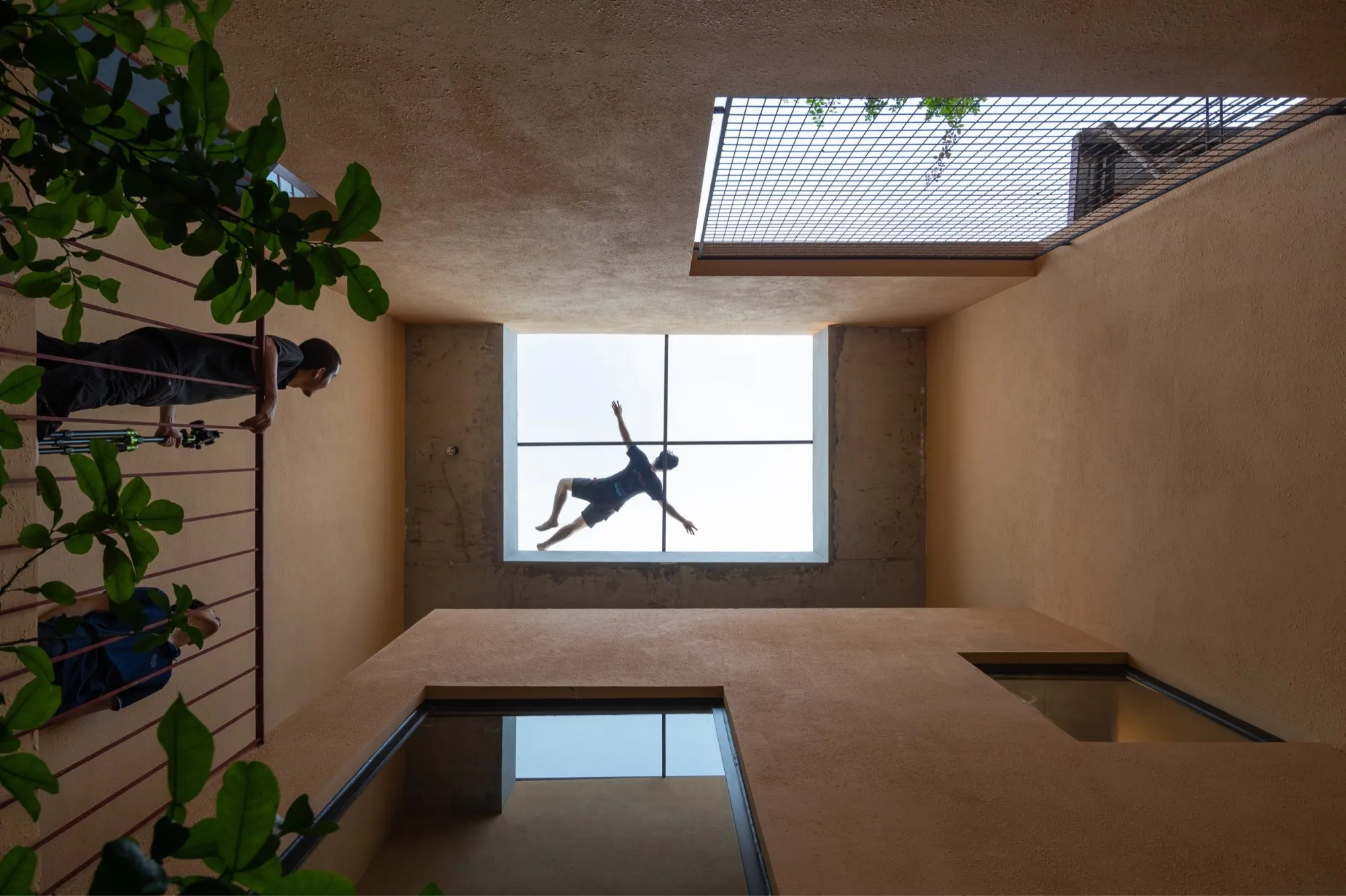
Nguyễn Hồng Quang: Voids are spaces with no function assigned in advance. Today a tea room, tomorrow a place for the children to play. These voids make space flexible, able to adapt to changing lives and to people’s feelings. To give them value, we add connections to nature, sunlight and wind, which give a basis for using them freely.
Respecting a household’s ability to define functions for itself as they live has opened up interesting experiences, both for us and for the families. These voids have perhaps helped raise the value and quality of life in the homes of a city that is steadily being compressed.
What would you like young architects to take from this book?
Nguyễn Hồng Quang: Young architects don’t need to look for lofty subjects. A house is simple and easy to approach, but it is exactly where deep thinking can begin. A house isn’t only a physical presence. It holds living spaces that can move along with the people who grow in them. So we need more observation and more experience to create positive values of living for the great changes taking place in our cities.
REPLY isn’t only the title of the book. It’s how we answer society through the design of homes. It is also the philosophy we founded TOOB Studio on: a house is not only somewhere to live, but where people communicate with society, with their neighbours and with the world around them.
As Vietnamese cities grow ever denser, REPLY is meant not only for architects but for anyone interested in how living space is organised. The book suggests that sometimes "having enough" doesn’t come from filling every void, but from keeping space for the future, for the ways people change, and for things not yet defined that may still create new value.
Interview by NOTES.