
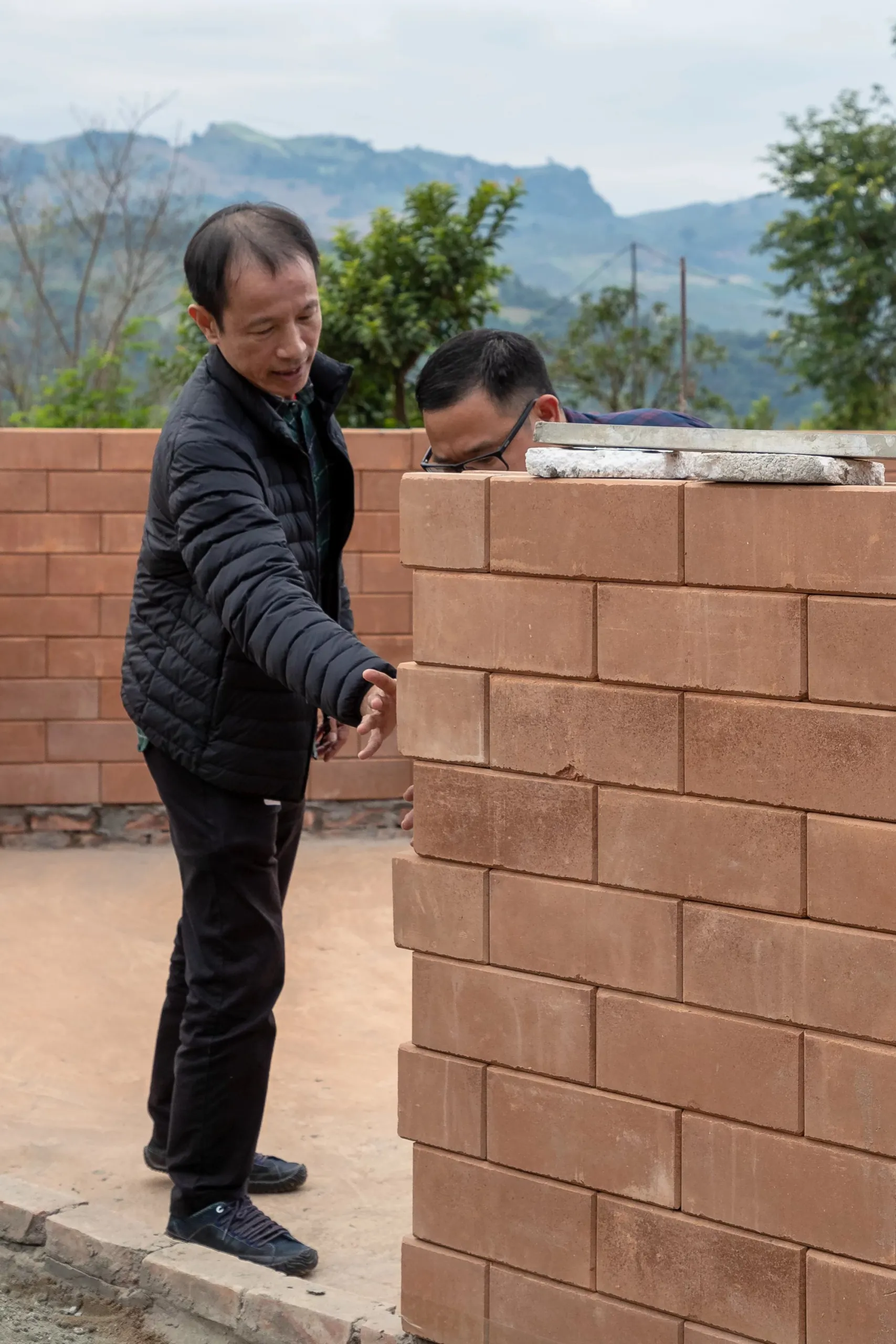
We talked for nearly three hours at the office of 1+1>2, about the "happy" years of practice of the Vietnamese architect Hoàng Thúc Hào and his colleagues at 1+1>2, an office based in Hanoi. Much of what he shared concerned social architecture, community architecture, and the idea of happy architecture they have pursued every day.
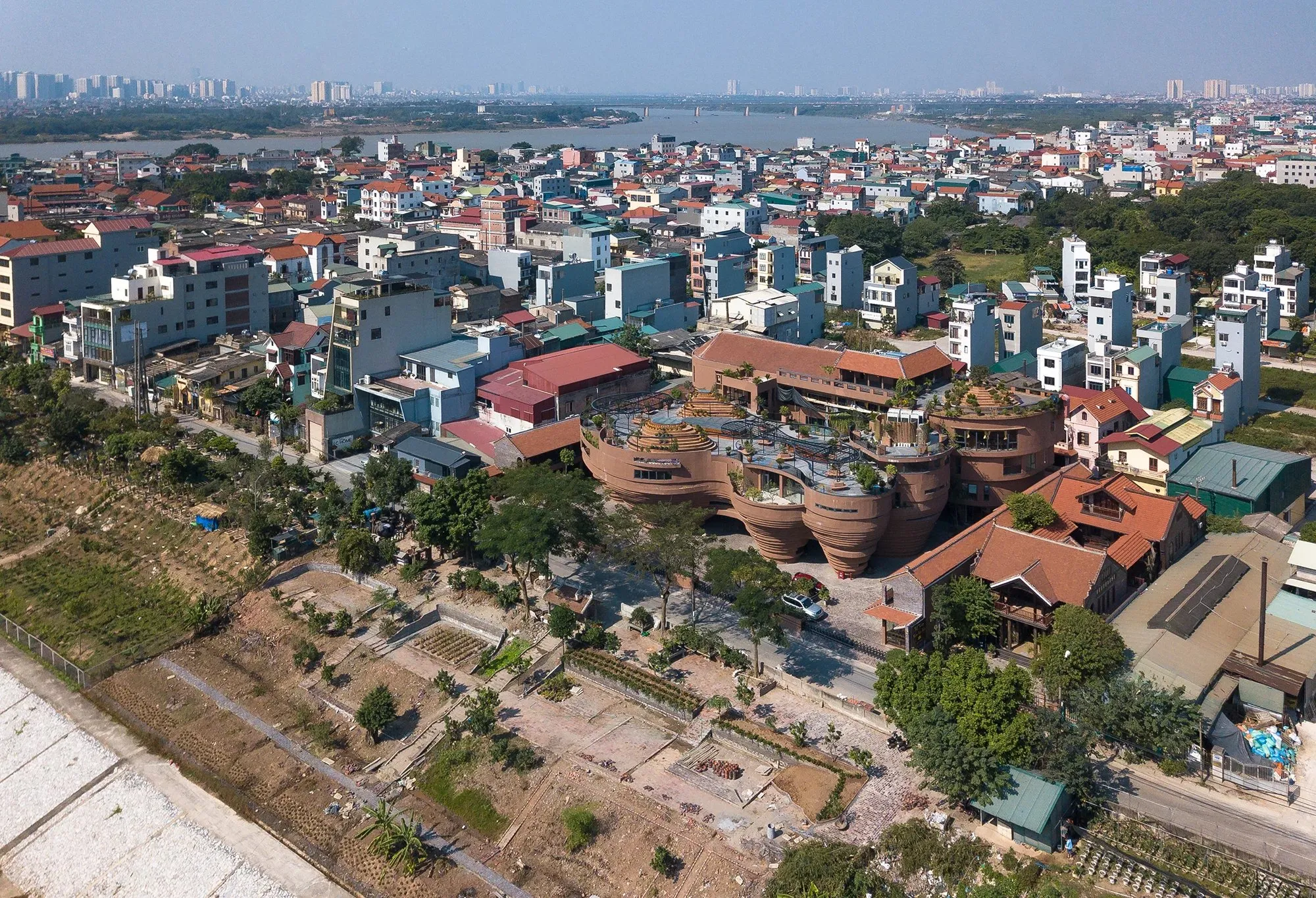 Bat Trang Ceramics Museum (Long Bien, Hanoi). By 1+1>2
How did you come to architecture?
Hoàng Thúc Hào: As a child I had little idea of architecture. I loved history and read many history books. Only in my last years of secondary school did I learn about the subject, from my father. He taught interior design, but he steered me towards architecture, because he felt its scope was wider and more complete.
Which architect has inspired you most?
Hoàng Thúc Hào: As my understanding grew and my thinking matured, my view changed, so at each stage I admired different names. But Le Corbusier, with his huge influence, has been the strongest source of inspiration. He still is. Even after growing up, coming up against reality, seeing the buildings of great and famous architects, following the Pritzker, I still keep a special affection for him.
In Vietnam, I admire the architect Vũ Văn Tân. He graduated top of the most gifted year at the Hanoi University of Civil Engineering. He drew by hand, presented his own projects, and won many major international awards. International prizes were rare then, and his were a real source of pride. Sadly he died very young, at 37. He was also a close friend of my father’s.
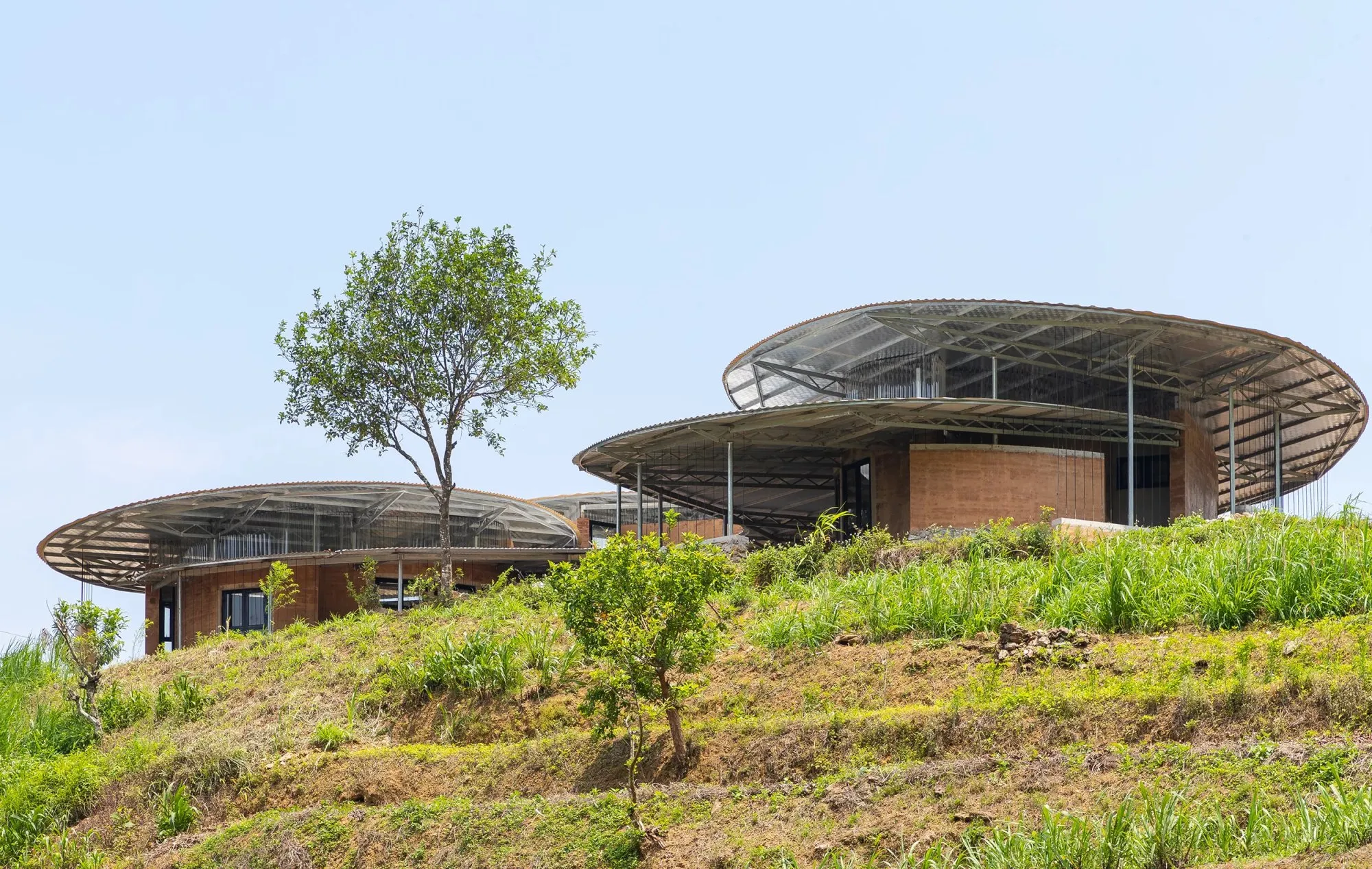 Lung Vai school, Minh Tan commune, Vi Xuyen district, Ha Giang province. By 1+1>2
Why did you choose to design buildings for communities? What does it mean to you?
Hoàng Thúc Hào: It all came naturally to me. As a student I often designed projects with a social side.
In my third year I went to the pottery village of Bat Trang to research a project for an international student architecture competition. It didn’t win. In 1994 I took part again, with a project to renovate and conserve the village as an ecological village, and that one won an international prize. I wanted to give back to the land what belongs to it.
At that time Bat Trang was in essence already an eco-village. We proposed conserving the old village while developing living and production areas to create a new structure: gradually replacing abandoned factories, restoring the watercourses, replanting trees, digging ponds, using kiln slag as a building material, and using surplus heat from the kilns to dry timber. The village hadn’t yet switched to gas kilns as it has now.
The second project was a design for a Square of Tolerance at the Hoa Lo prison site, also in Hanoi.
Back then, all the prizes were for schemes on paper. I wanted to build something real, so I chose a community house, because it was the easiest to realise, a building like the village communal house, holding layers of culture. If I’d chosen to build homes for people using earth and bamboo, it would have been very hard to persuade them, since they’d lived in that kind of architecture for generations. We paid for the building ourselves, so we could use any material we liked, but I still chose earth and bamboo because they were close to the local people.
I see the countryside as the cradle of Vietnamese culture. If you want to take Vietnamese architecture to the world, you should start from rural architecture. Our cities were mostly built by the French. Vietnamese people didn’t have cities before, and we haven’t had enough time to build an urban identity and civilisation like the West. In rural culture the most striking building is the communal house, which you could call a community hall, a shared multipurpose building. I wanted to take my architecture to the world through that narrow door, with something built rather than a competition entry.
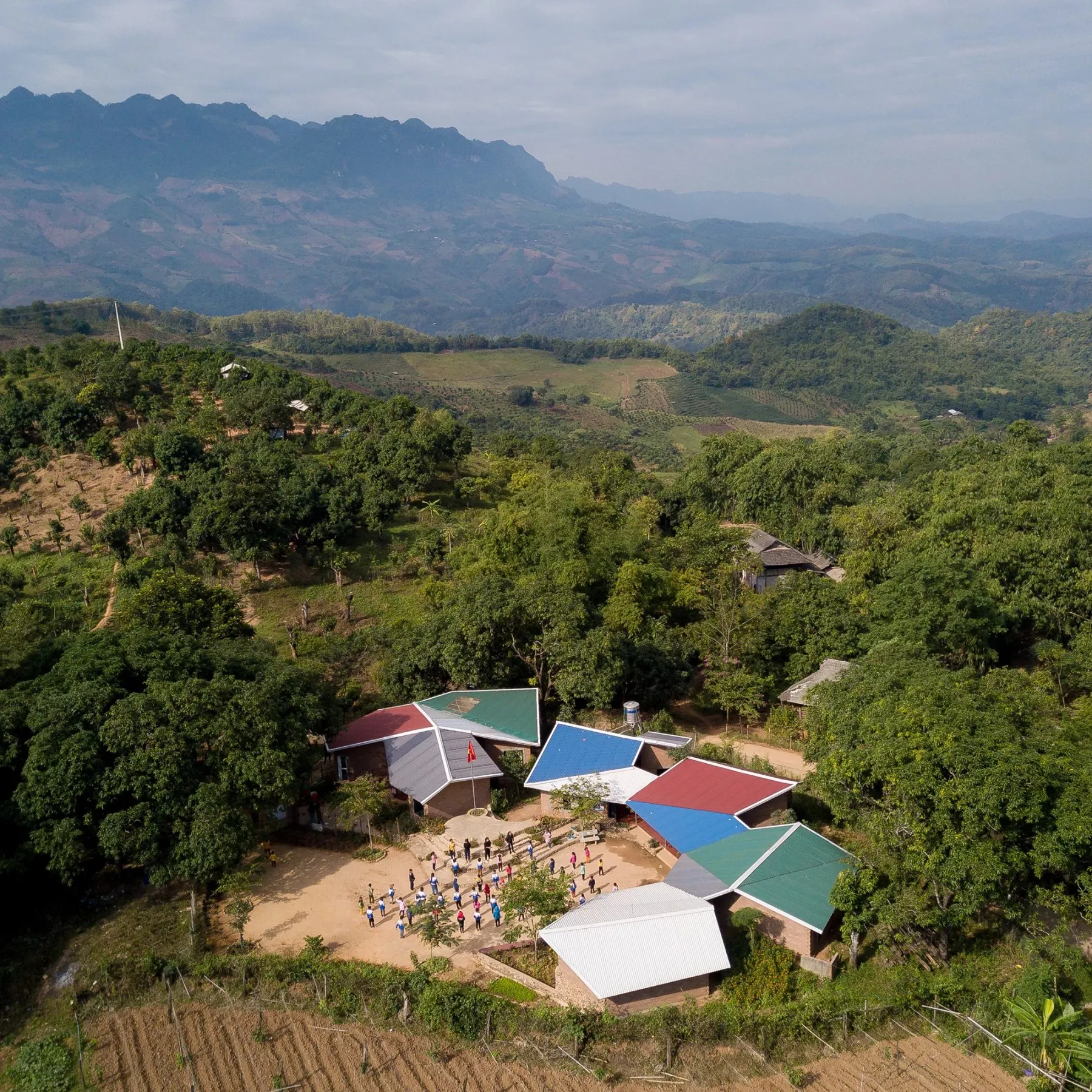 Na Khoang school, Tu Nang commune, Yen Chau district, Son La province. By 1+1>2
What matters most in community architecture?
Hoàng Thúc Hào: For me community architecture has two sides: making a building for a community to use, and making a building for the sake of the community. Both are the architect’s work, but the core values of the place and the community’s resources are what count. That’s the meaning of our office’s name, 1+1>2. I want what we do, combined with local elements, to create more value. The community can contribute through its voice, by questioning and debating, or through its labour, building alongside us on the very land where they live.
As an architect, you have to see what a place really needs, and what potential it has, tourism, crafts and so on. Even where there seems to be none, you have to see how the place could develop if there were community activity. That’s why community houses aren’t easy to run. Locally, people expect a community house to serve many purposes: a place to gather, to meet, to train young people in trades and farmers in agriculture. Commune officials and local authorities are often quite passive, so voluntary social organisations need to step in. It’s a form of volunteering, so we ourselves need training too. Only when all these come together does a community house really come alive.
Over many years and many community projects in different provinces, 1+1>2 has tried many materials, building methods and finishes. How do you see that learning?
Hoàng Thúc Hào: Everyone in society has to keep renewing and learning, because of the humanity in each of us. When we learn and practise, inspiration takes shape.
I’ve always thought of architecture as a flower of the earth, literally and figuratively. Each region has its own climate and context, so architecture has to be diverse too. Our projects in different places almost never repeat the same design approach. Because materials and building methods differ everywhere, you have to work directly with local people to understand the full meaning of the work.
When we built the Suoi Re community house in Hoa Binh, the Muong people there were used to earth, stone and bamboo. We tested many ways of ramming the walls: some of pure earth, some with earth mixed with sand and lime, some with gravel, some with straw. We tested to see which was best, because nobody in the office had experience of rammed earth then.
For the bamboo trusses we also tried many options. The building was for a community, so the budget was limited. We couldn’t make an expensive bamboo structure like eco-resorts. The team looked for the best way, combining bamboo with other materials to keep it beautiful and safe while saving money.
At the Ta Phin community house in Sapa, the cold climate suits pine trees. People mostly used the heartwood and threw away the bark. We tried many material options there, bamboo cladding, timber bracing, and then by chance tried pine bark, which worked well. The building is still sound today. We were also lucky to reuse a lot of timber from old houses.
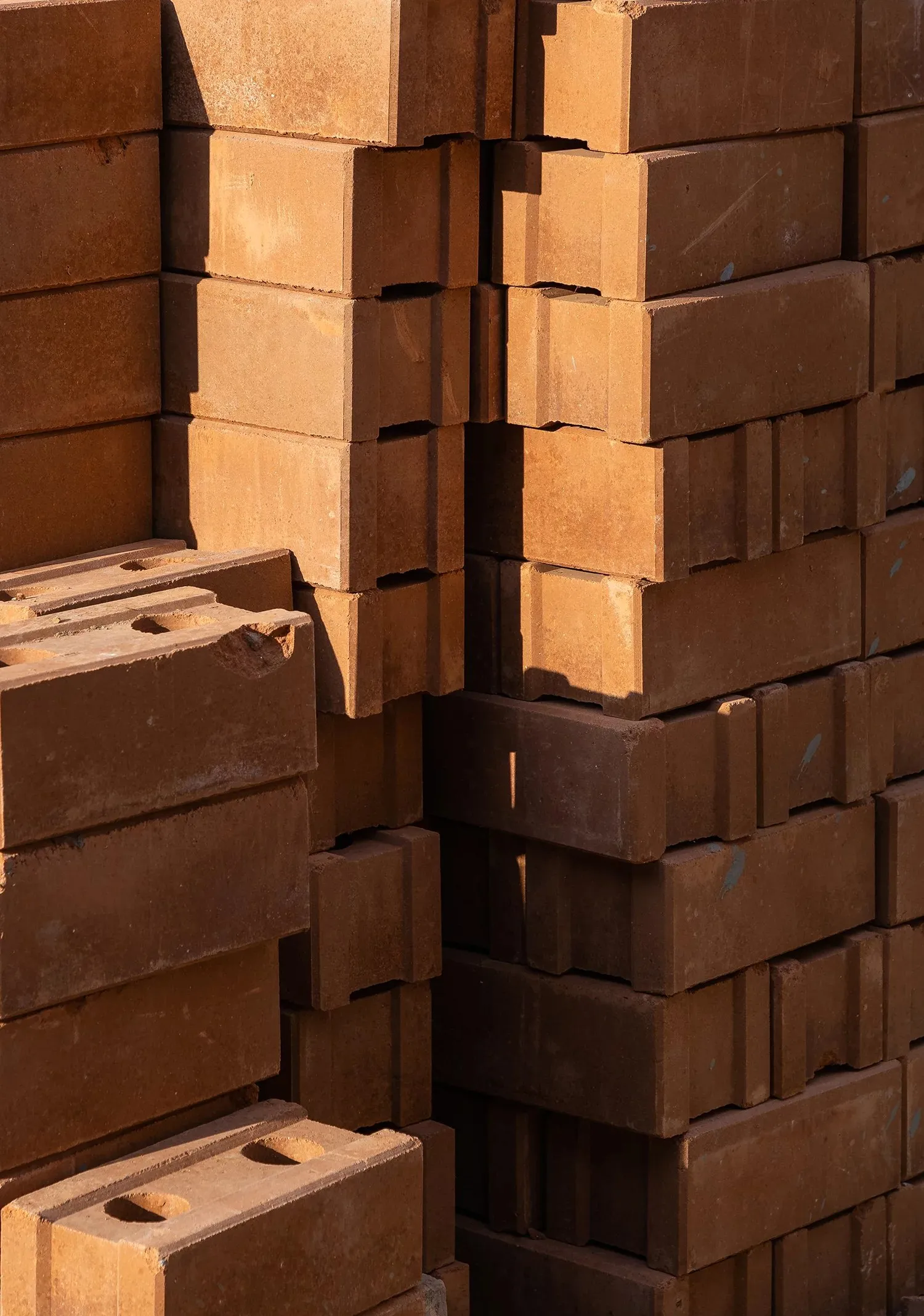
Every building is different. For the community house in Cam Thanh, Hoi An, we used unfired stone blocks with bamboo and coconut. At Na Khoang, earth and river pebbles were pressed into bricks.
What did you have to overcome for communities to truly accept the architecture you bring them?
Hoàng Thúc Hào: Community architecture covers a lot, not only community houses. It can be workers’ housing, a school for poor children, a care home, a footbridge over a stream in the mountains, a resettlement area for ethnic minorities, a village clinic or a student dormitory.
The difficulty usually lies outside architecture. With community houses, it lies in running them. We once surveyed why so many village, commune and district cultural houses look alike and are often closed, some even abandoned. Setting architecture aside, we found the programmes in each cultural house were very thin, and local cultural officers were poorly paid. In poor places cultural life was even sparser, or existed only for show.
There always need to be regular activities in a community house. I thought about that. At Suoi Re we suggested bringing the kindergarten into the community house, since its old site was low-lying and often flooded. That was a very practical way to keep the house alive, and it really lies outside architecture.
We make the building, but we also stand in the middle, connecting resources: money, design and construction. If you want people to join, you have to lead first. When you do it for real and show it works, each year a few people or organisations come wanting to help. The more and the better you do, the further it spreads. Today quite a few material producers offer to help with schools for mountain children, and more and more local people join in, building schools for their own children, which they love.
What do you think about local materials and sustainability in architecture?
Hoàng Thúc Hào: In principle, local materials are always sustainable.
In Vietnam, many buildings of local materials have lasted a hundred years. Only the roof usually fails first, as it was mostly thatch. With today’s range of easily available materials and advanced building technology, I think buildings will last longer and longer. Sustainability should now be seen in terms of the energy each building consumes.
A few years ago you spoke of "happy architecture". How does that idea stand now?
Hoàng Thúc Hào: We first spoke of "happy architecture" in 2015, so we’ve followed it for almost seven years. For 1+1>2, it comes down to two basic things: protecting cultural diversity, and being willing to commit yourself.
From my first days in architecture, I disliked repetition in thinking or drawing. I’ve always seen architecture as an expression of culture. That way of working stays with me every day, so my colleagues and I almost always want to draw something new, to try new things. In practice, across the many buildings we’ve made, no place and no situation repeats. That is happiness for us, lasting happiness, everyday happiness, because we always see something good and new to create and to pursue. I think that’s the necessary condition.
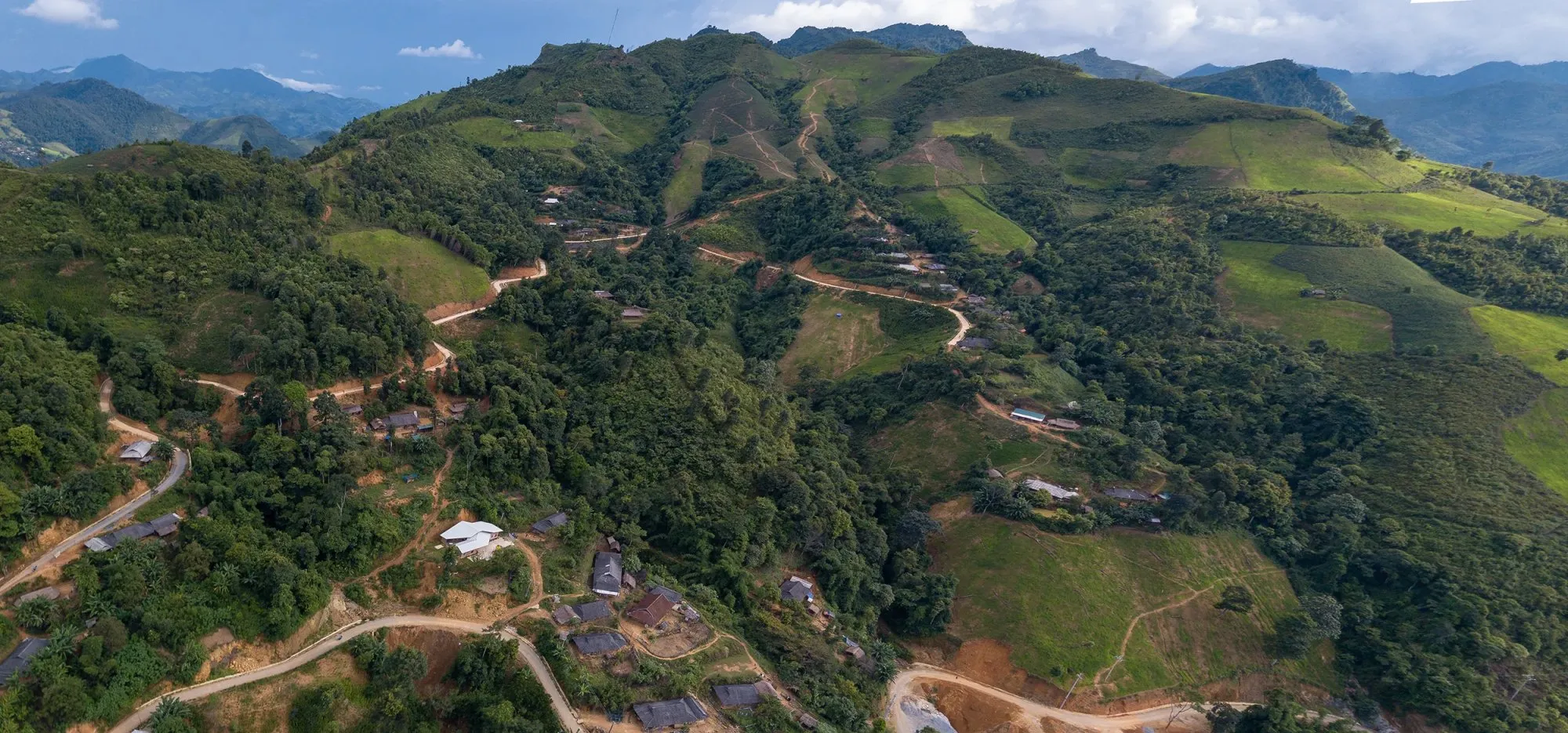
History shows clearly that every land has its own voice and very rich traditions, but later, in many places, once modernity took over, everything broke. That’s true across the world, not only in Vietnam. Look deeper and you see that in European countries like Britain, France and Germany, cities cover only a small part, compared with the vast lands of China, India, Africa, South America or Vietnam, places that once had no idea of "architecture". People built for themselves, and minority communities still make what we call architecture according to their own thinking and traditions. I find it truly beautiful. Wherever the Western powers went, they brought the city with them. Modern architecture is mostly found in cities, which created a gap between traditional and modern architecture. It’s hard to say which is better, but in the world today I feel modern architecture hasn’t yet lived up to traditional architecture. If architecture is only form, and cultural essence isn’t inherited, modernity is very bland.
Feeling responsible for keeping and carrying culture forward, we want to create for minority communities, help them have a voice, and inspire them to use and care for their buildings. The community sees itself in them, and sees its responsibility to keep and continue the architect’s work. That’s the sufficient condition, happiness continuing, in a lasting way.
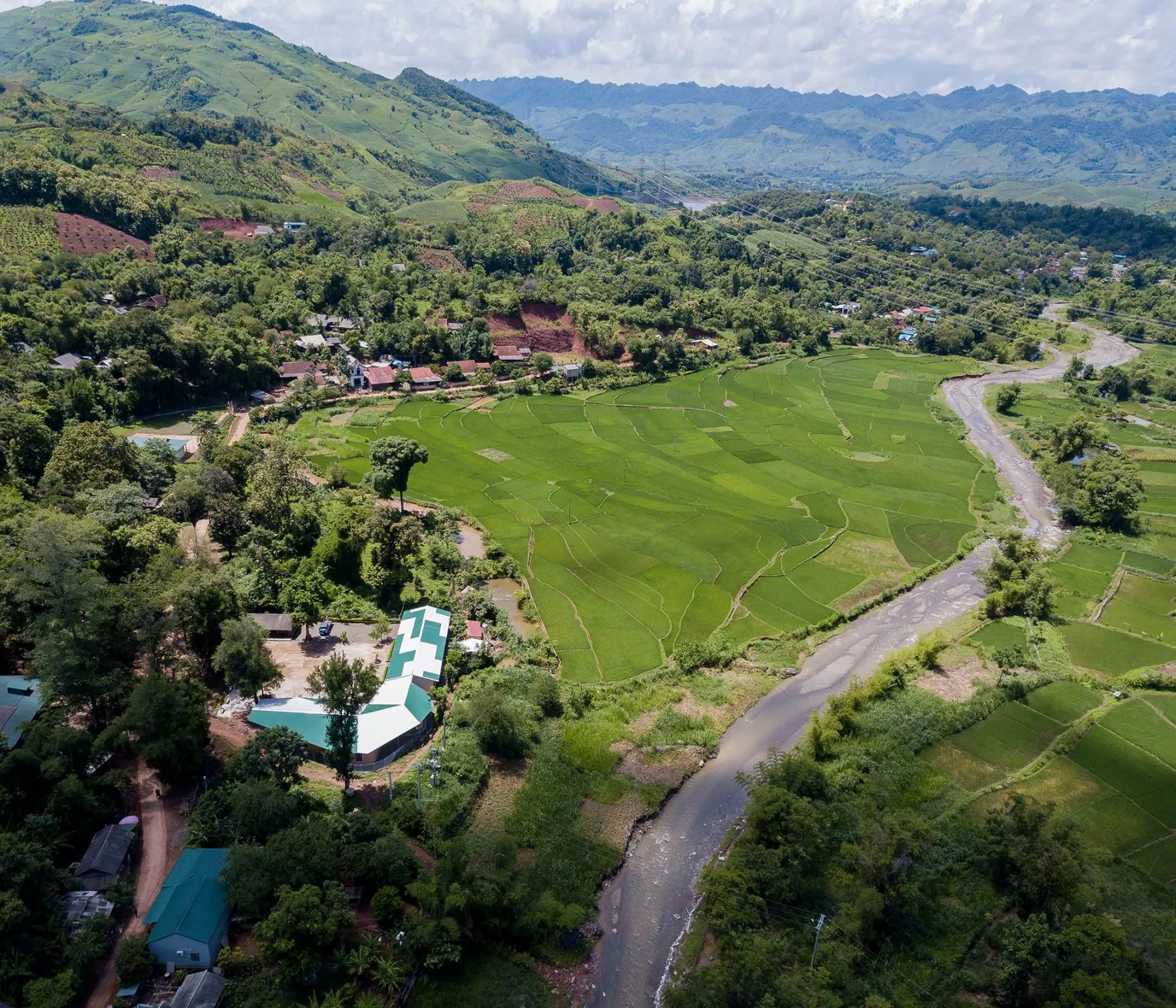 Na Pan school (Chieng Dong, Son La), right beside a stream. By 1+1>2
More specifically, what happiness does 1+1>2 find in each project?
Hoàng Thúc Hào: It’s simple, nothing showy, but it means a lot to us and to the communities we work with.
In Ha Giang, when we built the community house in Nam Dam village, in Quan Ba, we noticed swallows everywhere. Local people have lived alongside swallows for generations and see them as bringing luck. We drew the roof of the community house like a swallow’s wing, and people loved the idea, even if it was just a story, an idea we saw in each other. The materials were mostly local, following local methods, so the building appeared in the village as if the villagers had built it themselves. Over time Nam Dam became a tourist village, and people began building in their own way, as they always had. Some of their own buildings are really beautiful. Homestays have grown up without destroying the life they had before, keeping and learning between the new and the old.
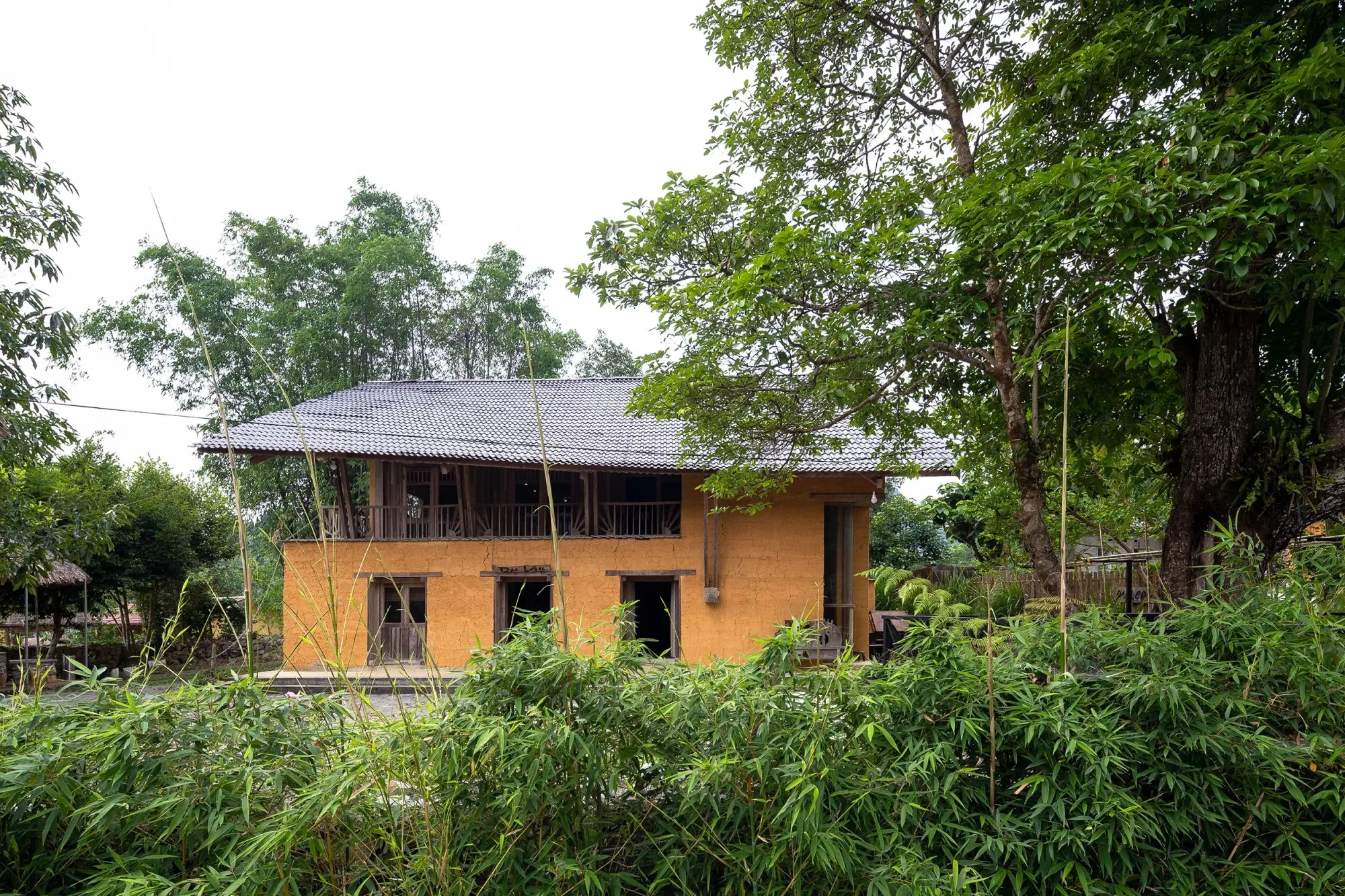 Community house in Nam Dam village (Quan Ba, Ha Giang). By 1+1>2
We’re happy when we feel their joy in the stories people tell: how they build their houses, how they can’t build badly once they’ve learned, how innocently they make something they love.
After many years of practice, what has changed in you, and what hasn’t?
Hoàng Thúc Hào: I’ve always thought there are no child prodigies in architecture, because you grow so fast over time. What has changed, I suppose, is me. I’ve experienced a lot and stumbled a lot, especially working with communities, society and culture, and that helps you mature quickly.
What hasn’t changed is committing myself to protecting cultural diversity. That will only grow over time, because it has been tested and practised.
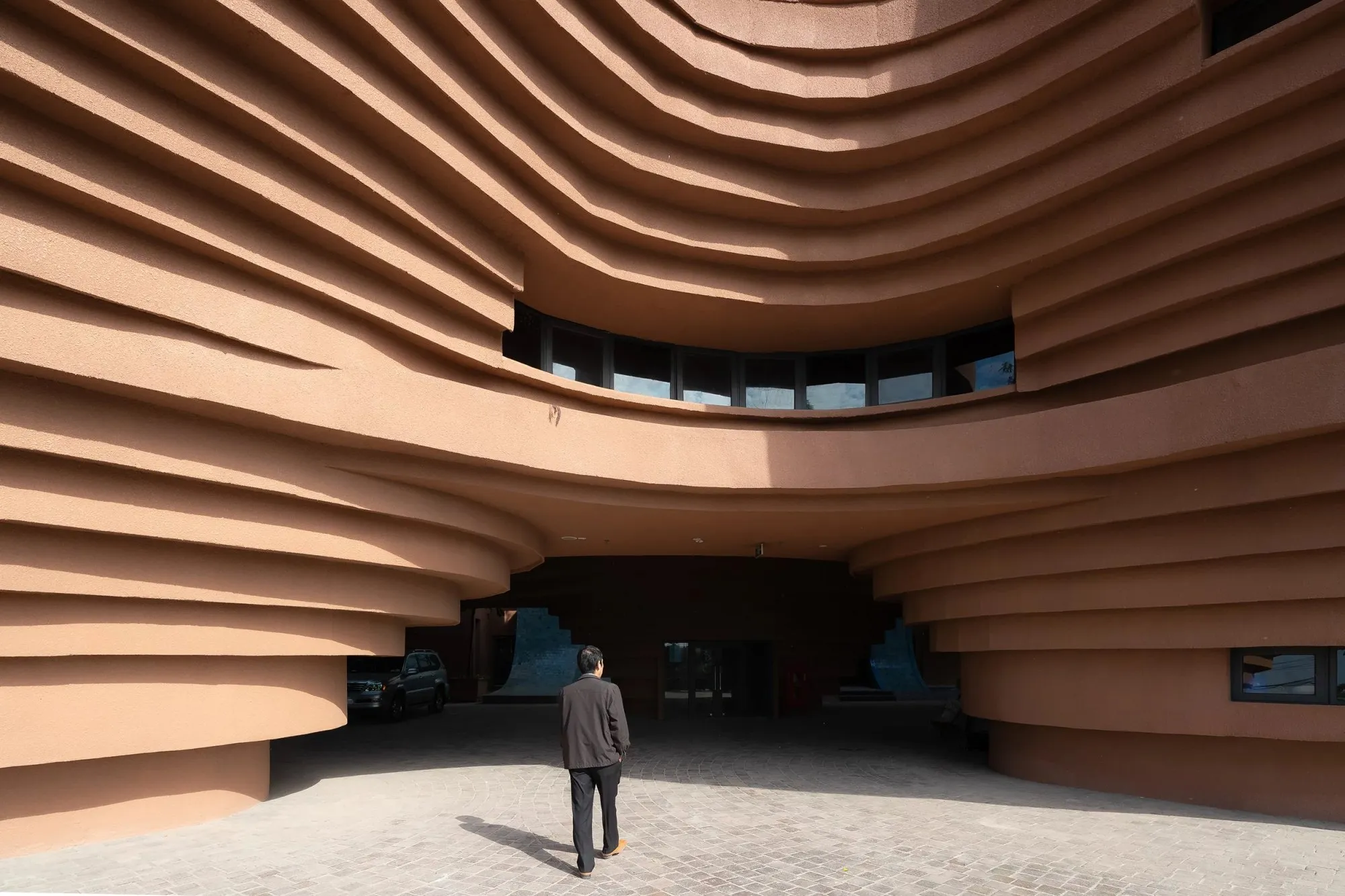
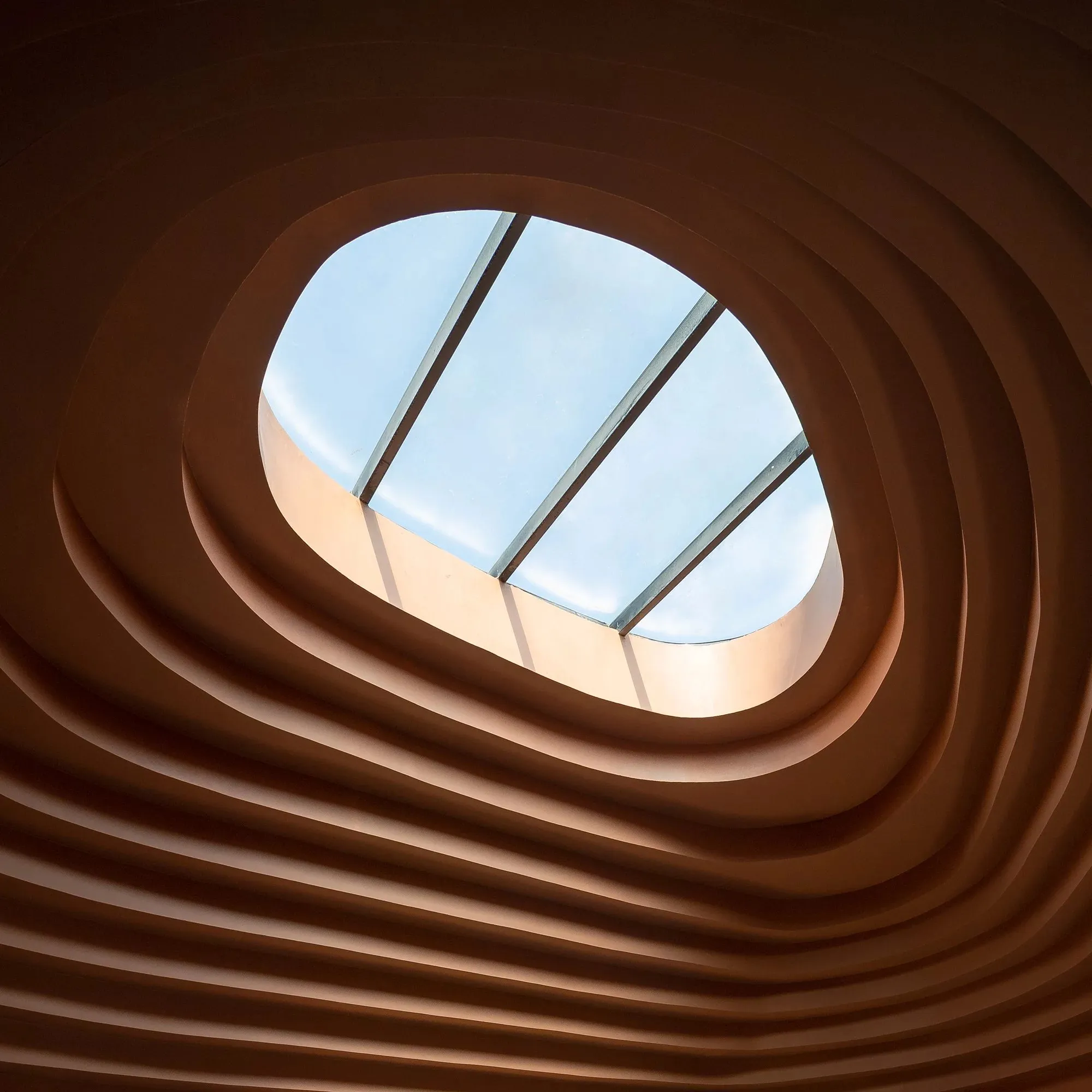 Bat Trang Ceramics Museum (Long Bien, Hanoi). By 1+1>2
As an architect leading an office, a teacher and an active member of the profession in Vietnam, what do you hope for from Vietnamese architects now?
Hoàng Thúc Hào: I’ve worked on social projects for a long time, and looking back, many ideas still seem interesting and valuable. Sometimes I feel I have the genes for this kind of work, quite naturally. Without that, I doubt I’d have kept going until now.
I once read that "architecture is a social art". I didn’t understand much of it then, until I worked in Bat Trang and began to glimpse it. The more you do, the more it sinks in.
For Vietnam, I think architecture matters not only in making beautiful buildings. Architecture, or the architect, should build a social awareness of architecture in the community, including culture and lasting understanding. In Europe it’s hard to find ugliness in their architecture, simply because they have a very lasting social awareness and a strong will to protect their cultural identity. Architects help build that awareness, so their ability to question and to hold a dialogue is very important. To question or hold a dialogue, you have to understand the community, the people and the culture of that land deeply. You have to roll up your sleeves and stand on their side.
What do you and your colleagues hope your community projects will aim for in future?
Hoàng Thúc Hào: For us, it’s surpassing ourselves every day.
Community projects have to keep getting better, in the sense of cheaper, faster, and with more people in the community taking part voluntarily. Then diversity. We started with community houses, then many schools, a meditation village, a workers’ village. In future we may design other kinds of buildings, such as organic farming cooperatives, or planned systems of barns for communities raising large livestock, to keep things concentrated, energy-efficient and clean.
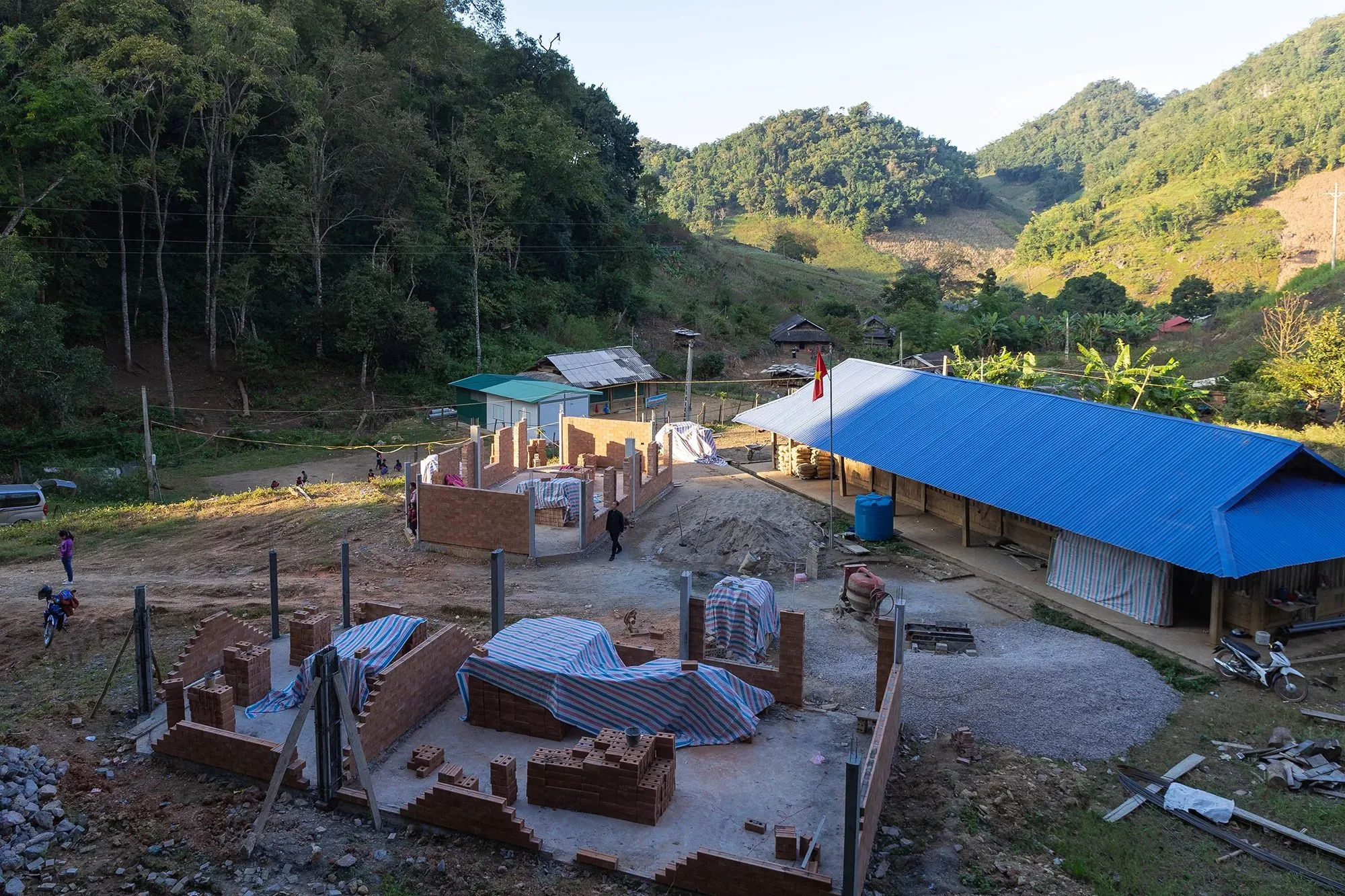
I believe that with diversity, we and everyone involved feel inspired, because we get to create. We’ve done it with the earth brick. Next we’ll research how to make the brick lighter, so it’s easier to transport and build with, and saves earth. That’s really something to look forward to.
If you could put one question to the architects of the future, what would it be?
Hoàng Thúc Hào: Lately I’ve been noticing and thinking a lot. Technology keeps changing, while we humans have limits. Architecture can’t escape either, or the dizzying speed of technology, especially building and materials technology.
It isn’t hard to imagine people using artificial intelligence to make architecture, with thousands of house designs produced once you feed in the data. The authorities would have an easy time: simple to manage, easy to control, less chaos, and less chaos might mean less ugliness (laughs). Thinking crudely, that’s how it looks.
Then what becomes of identity in architecture? That’s a question I’ve been asking myself for about a year.
Interview by Anh Nguyen, January 2022. Photos by Trieu Chien.