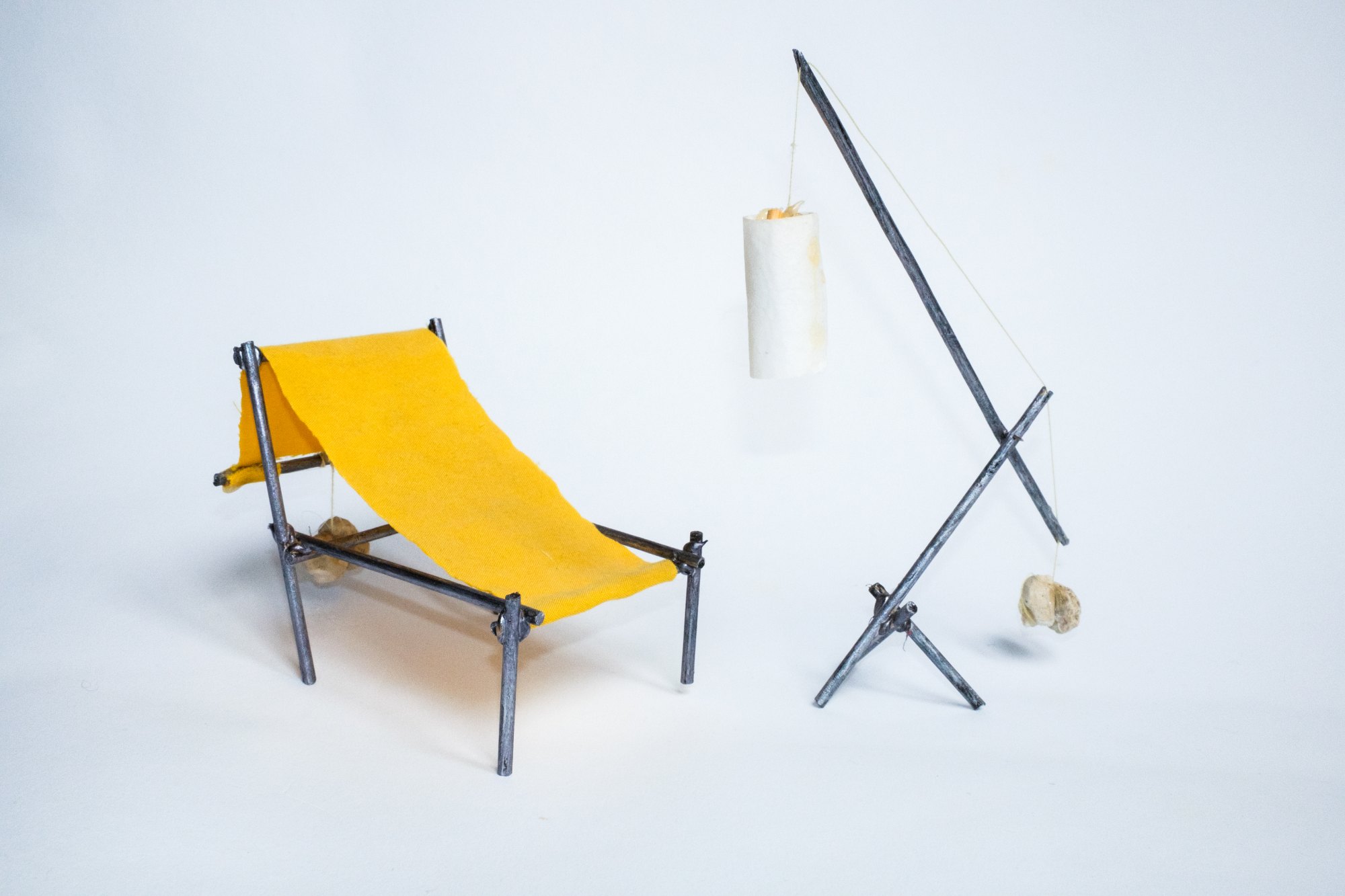
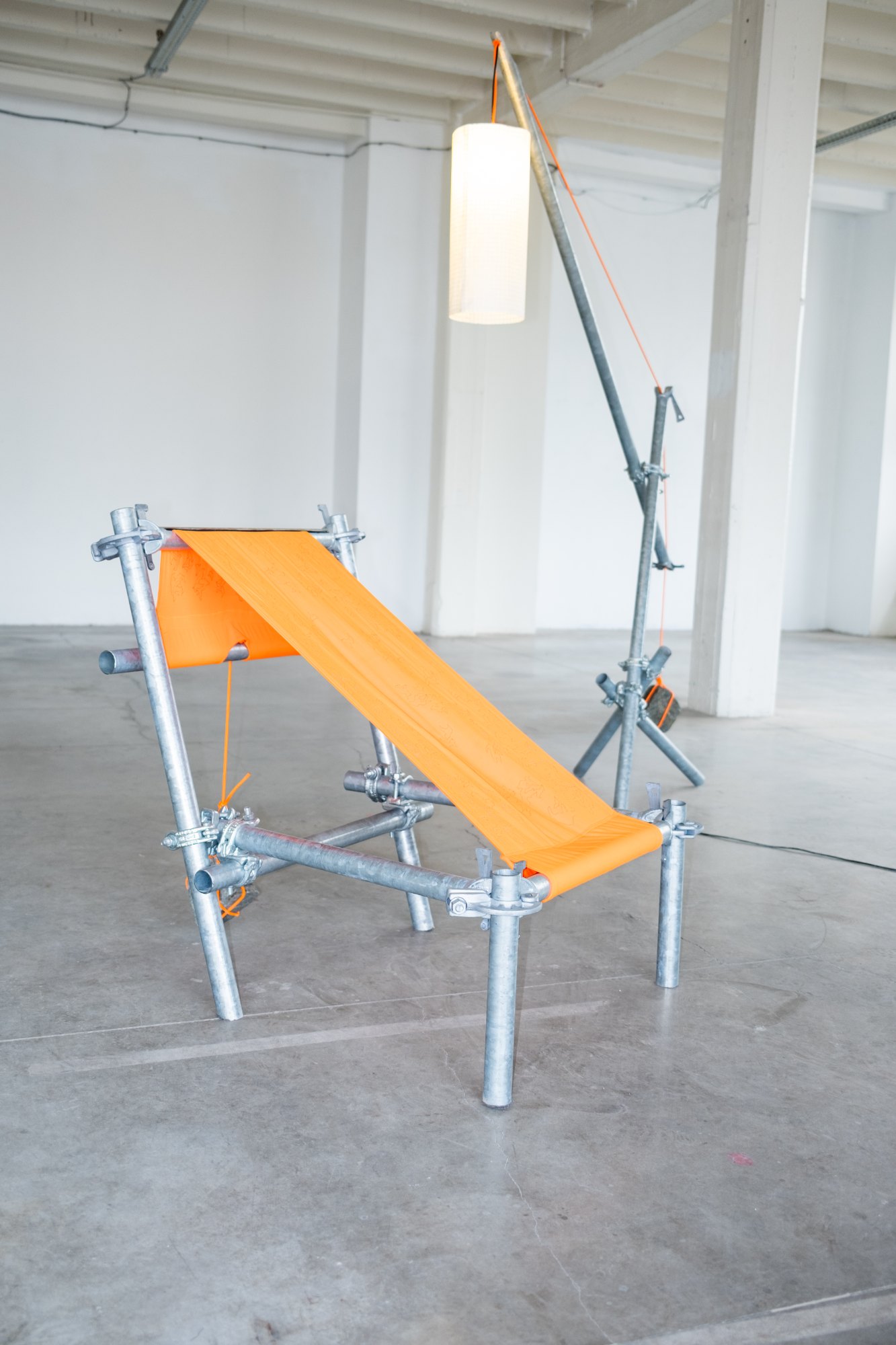
Contrepoids and Grue
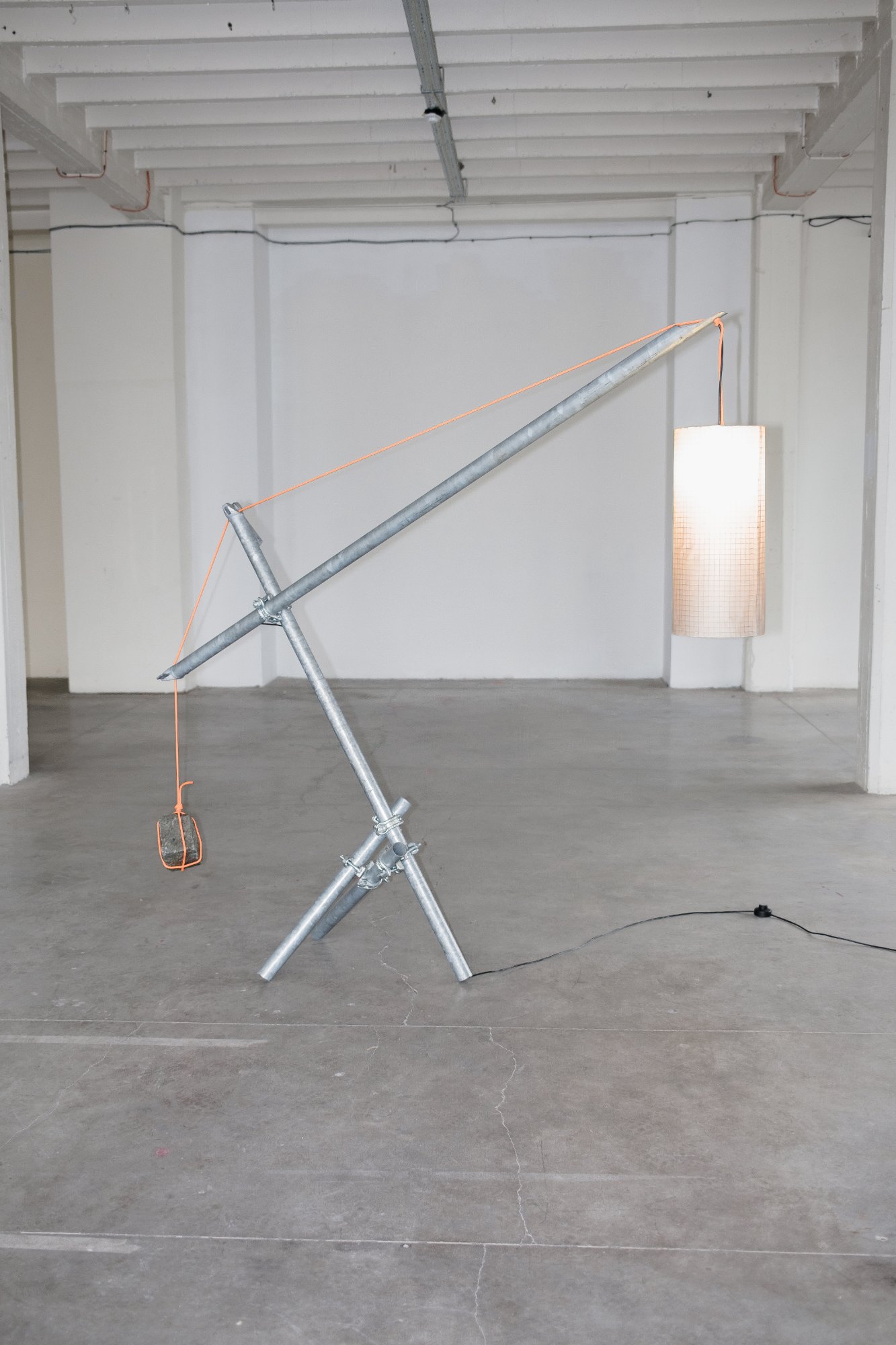
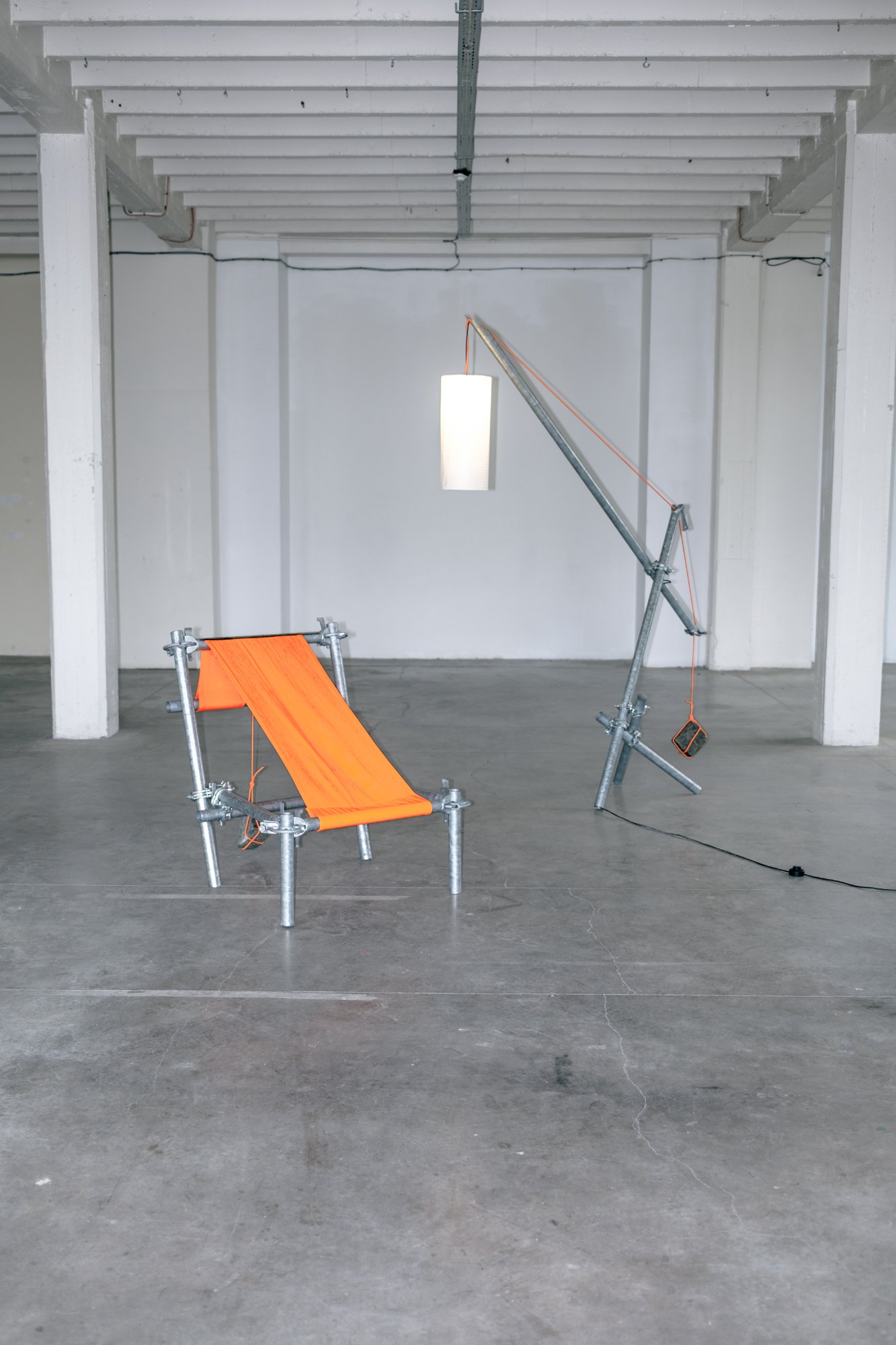
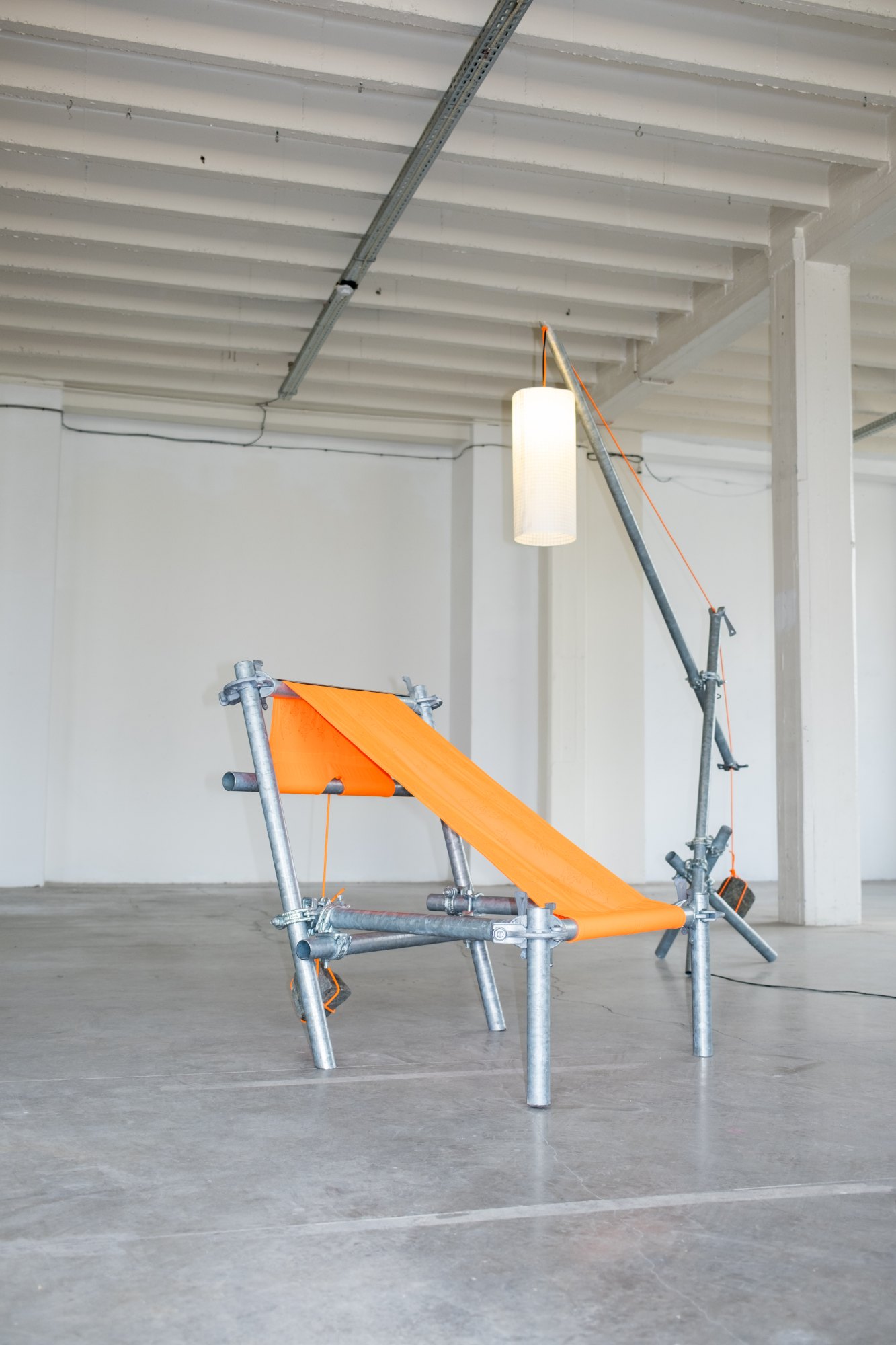
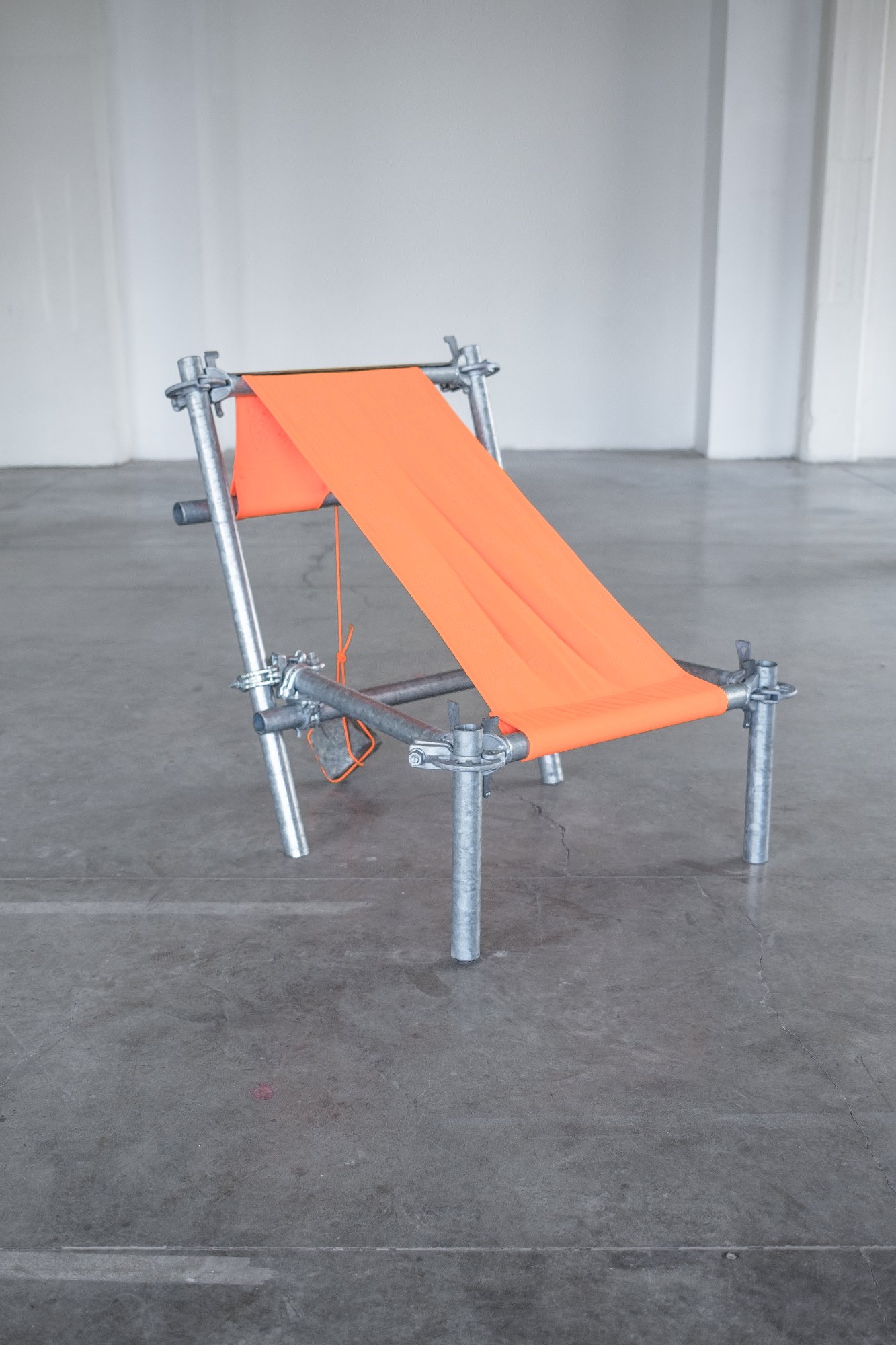
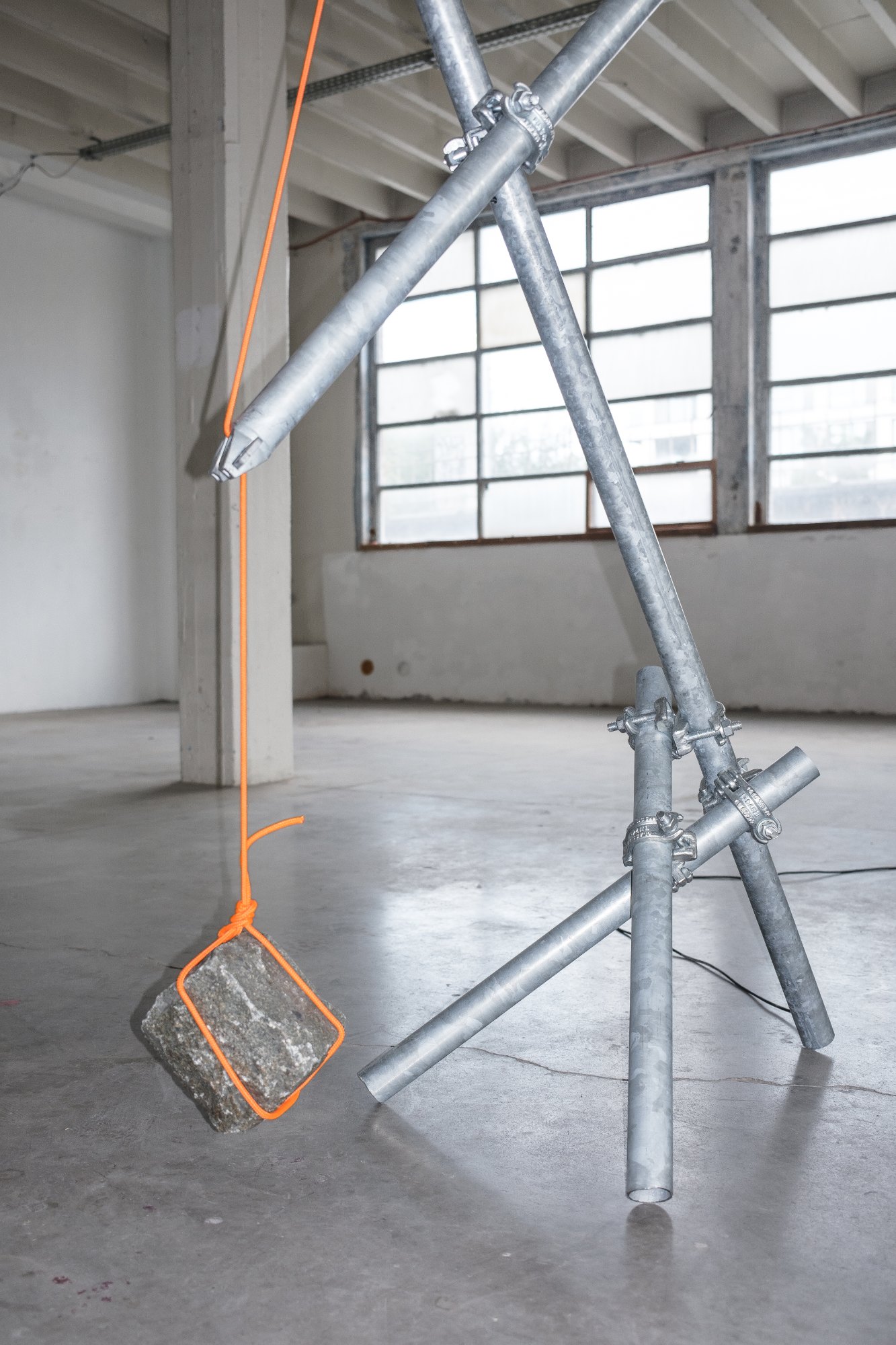
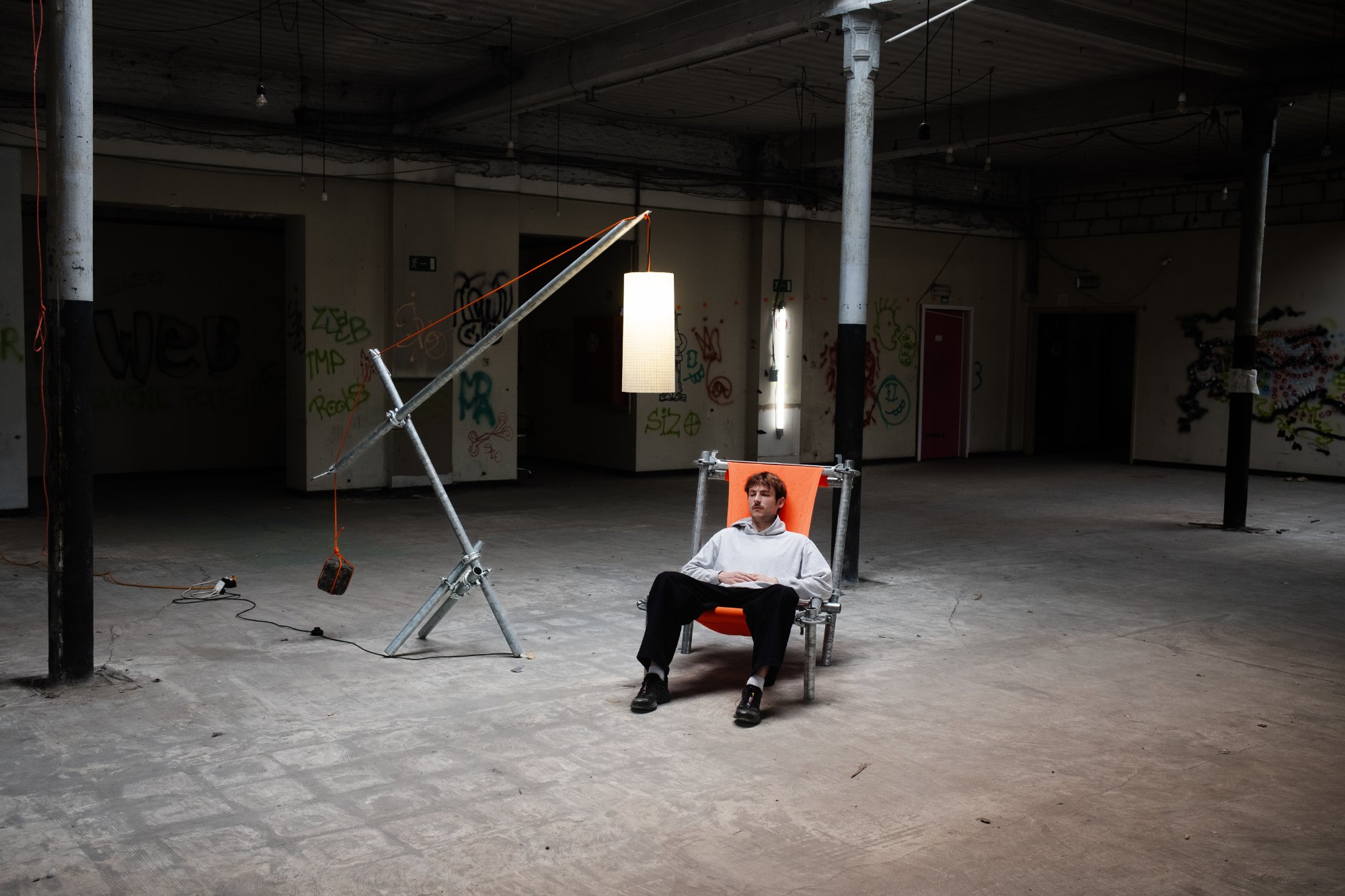
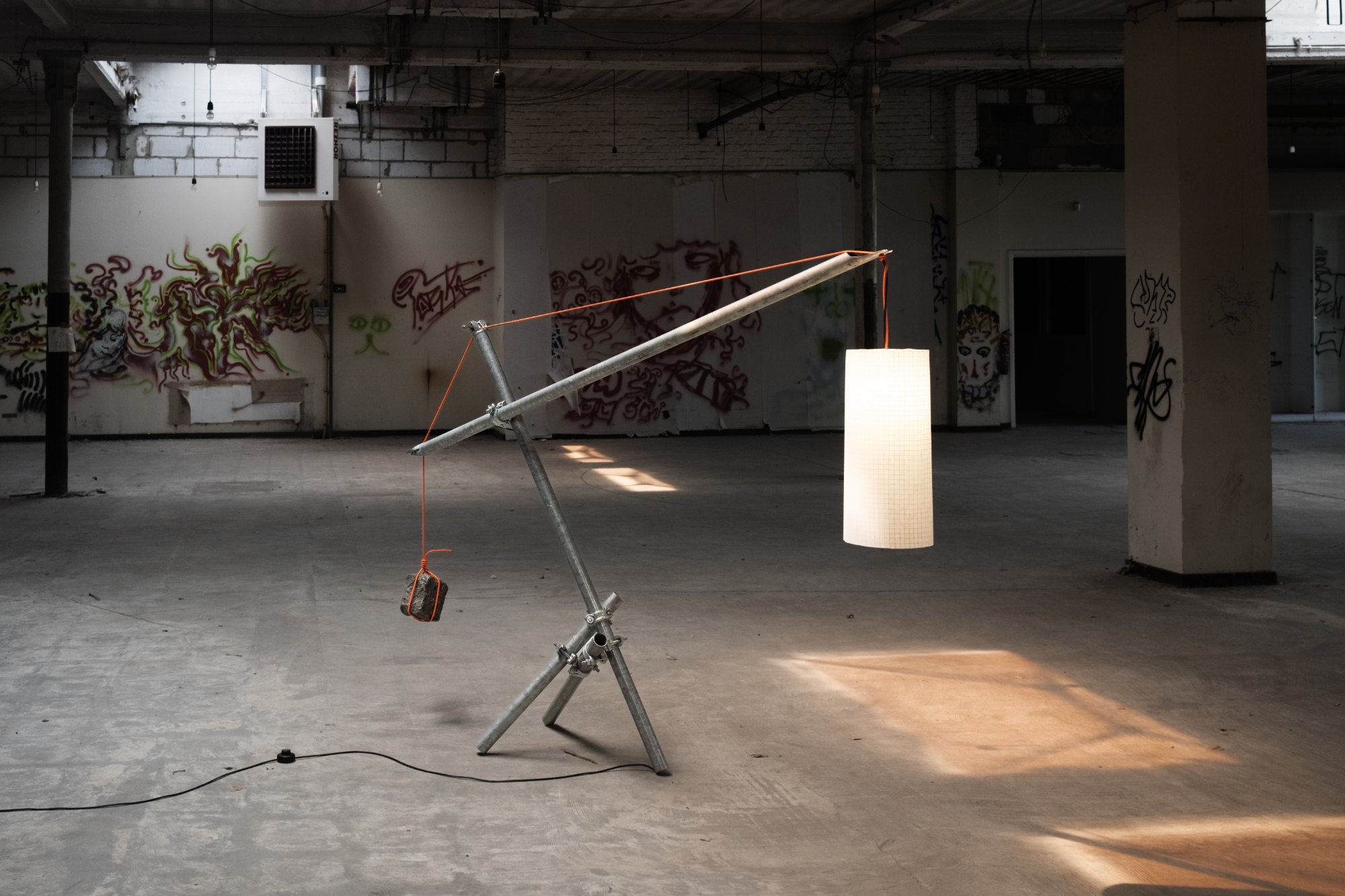
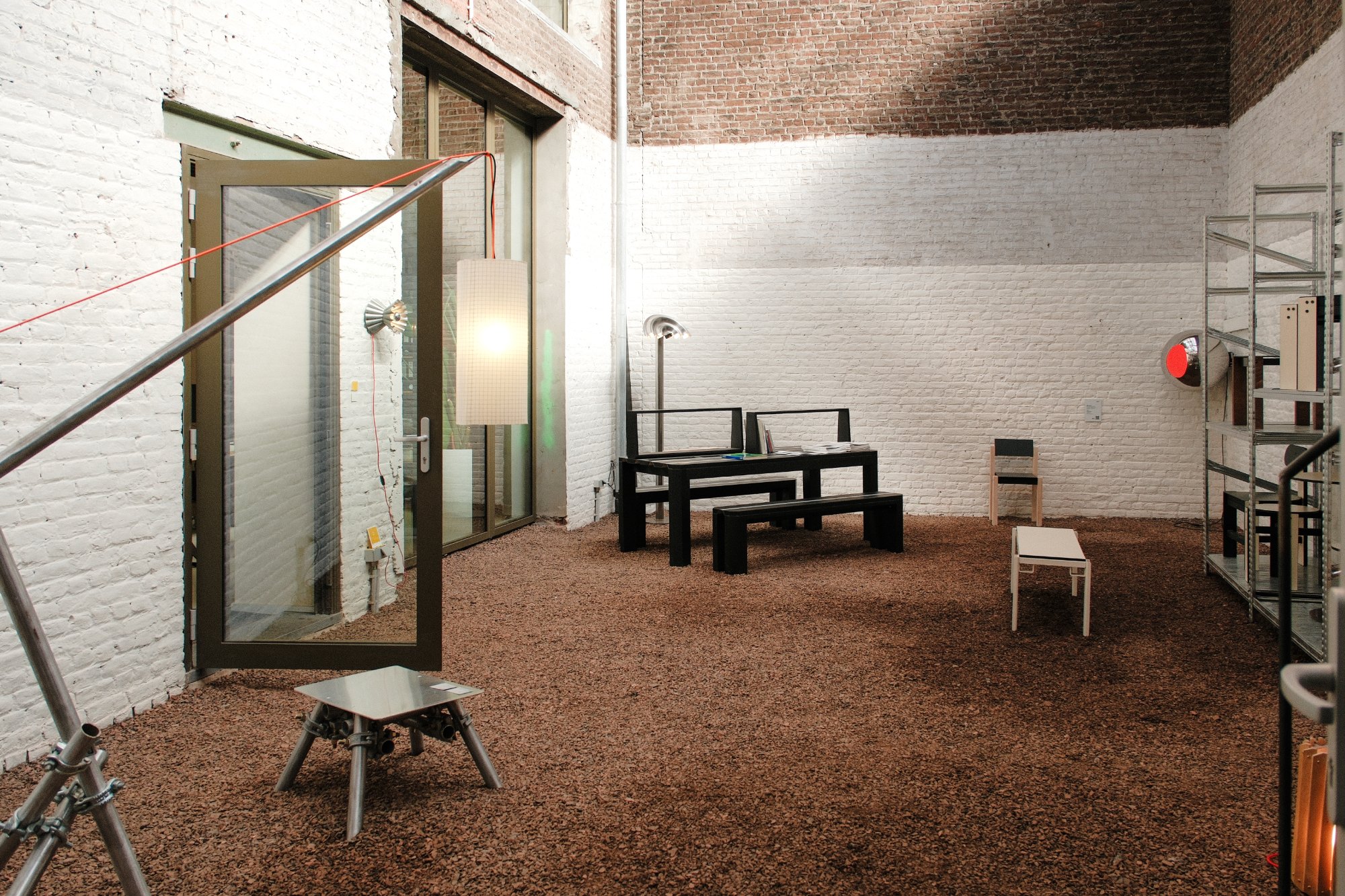
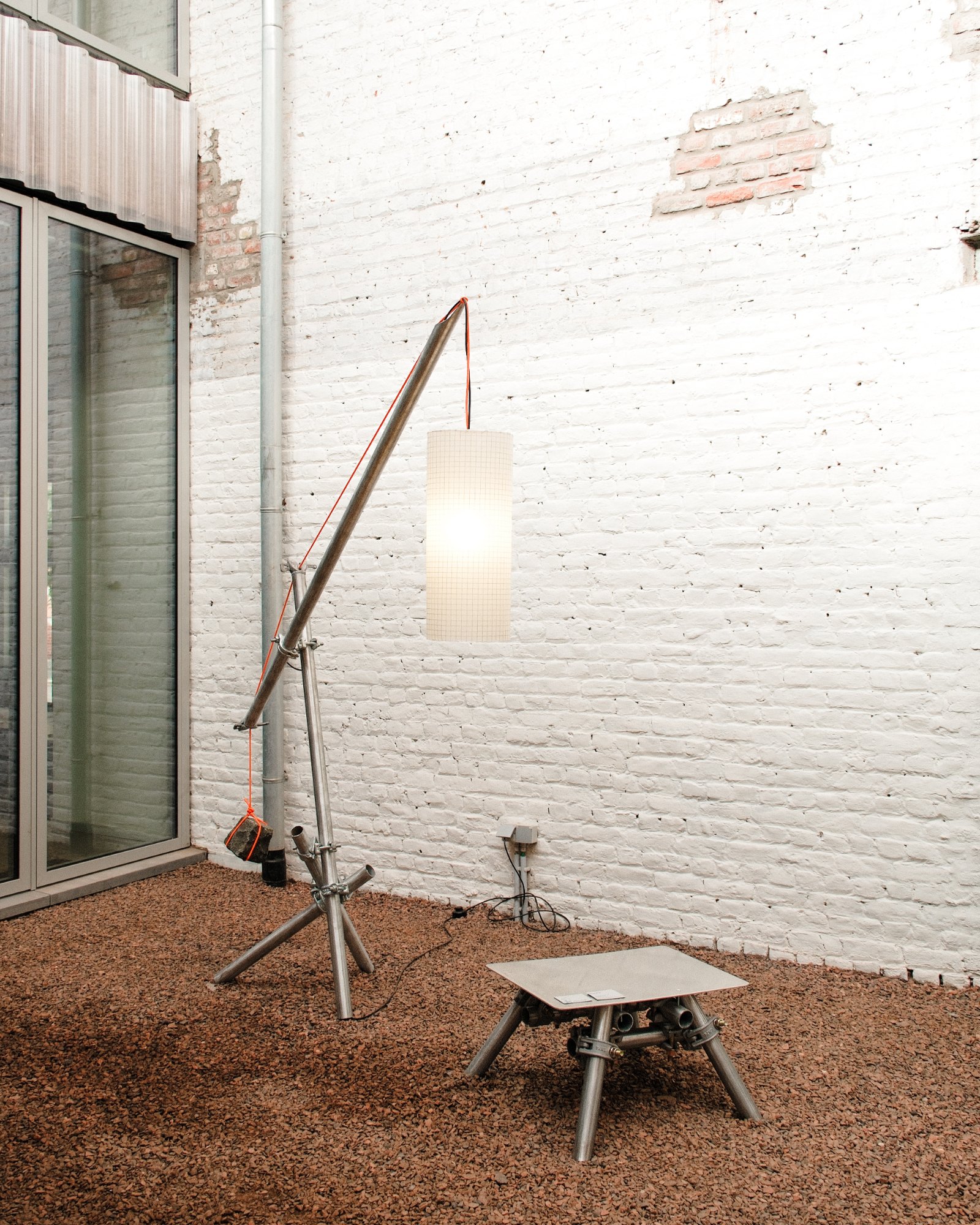
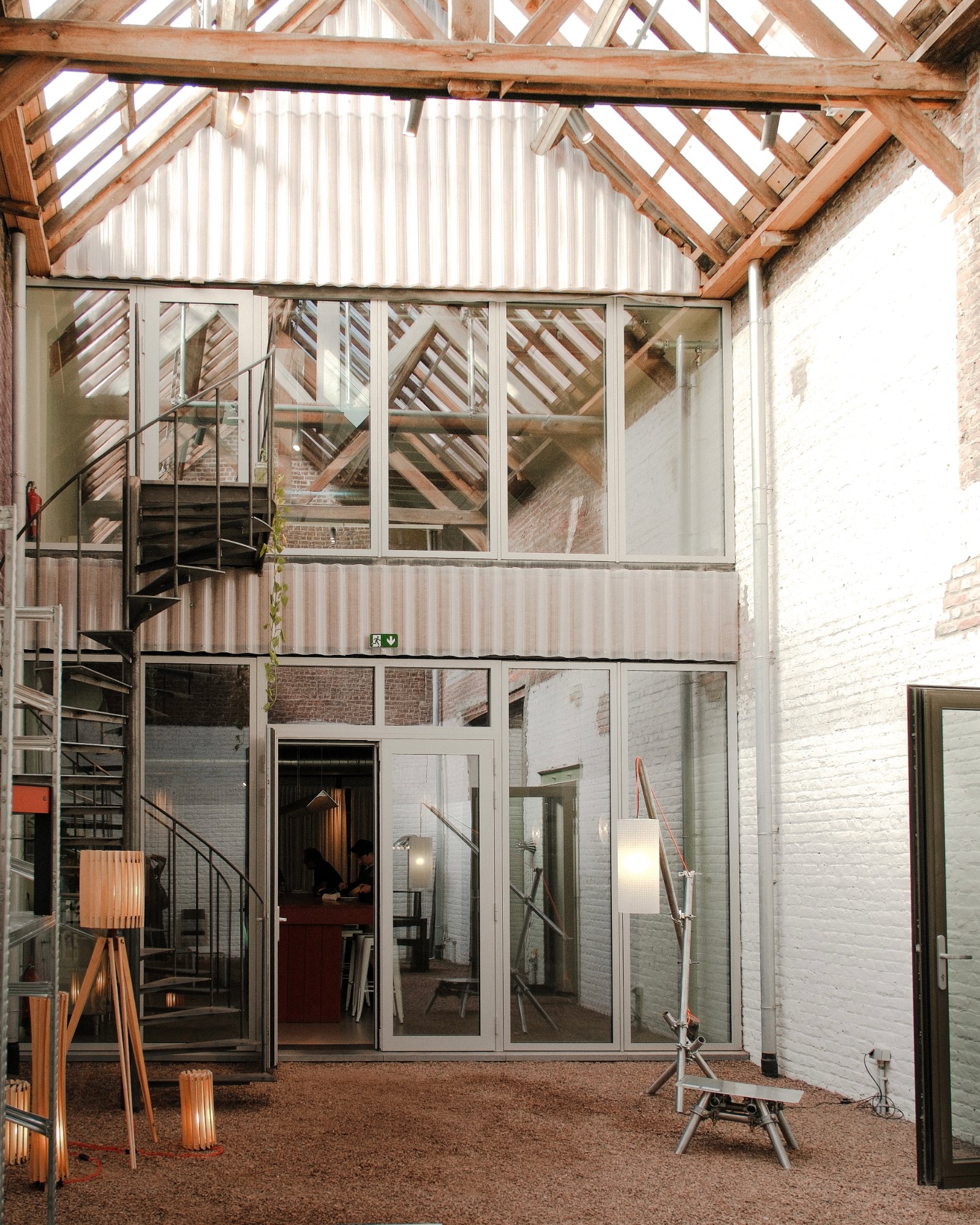
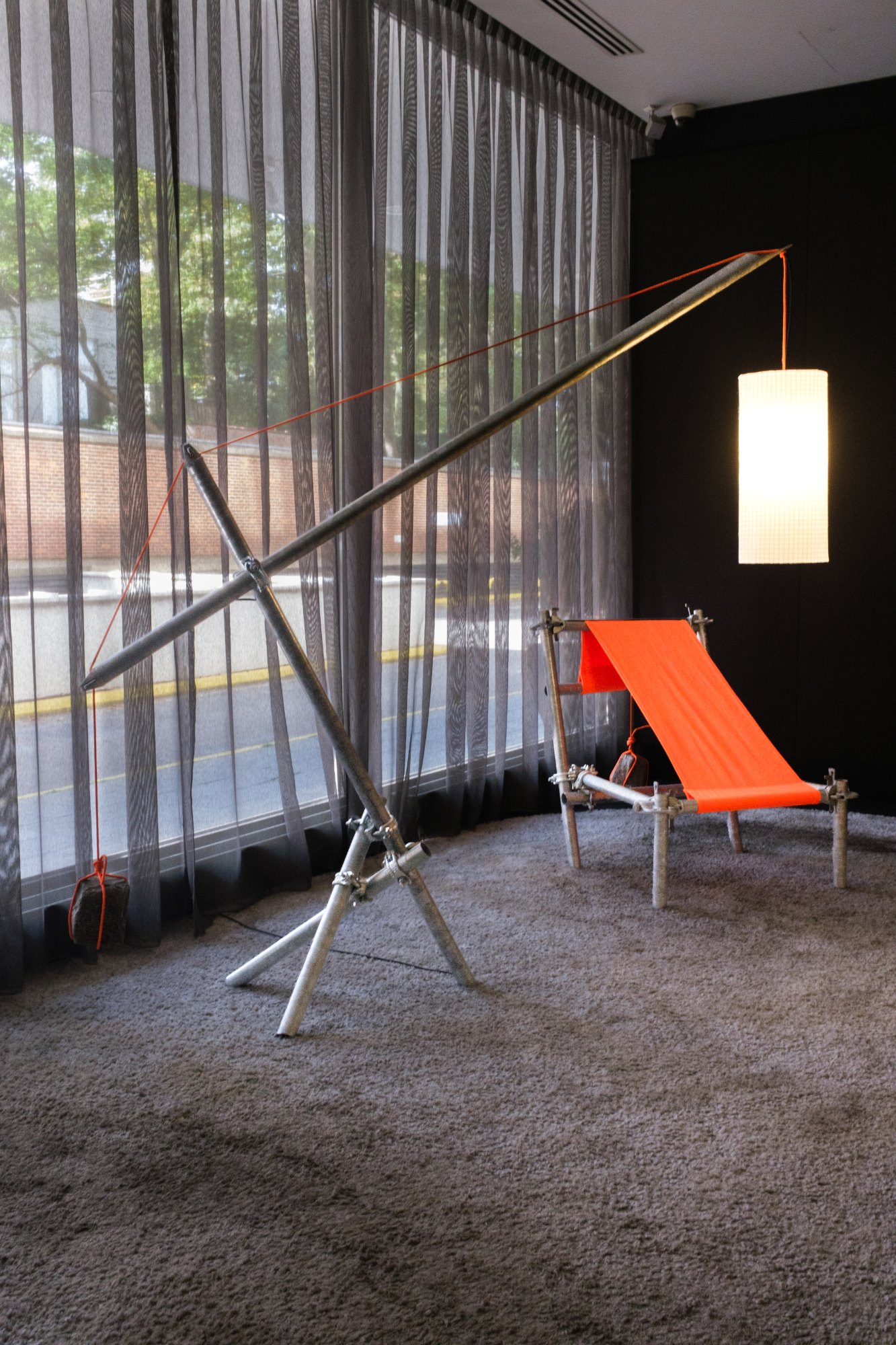
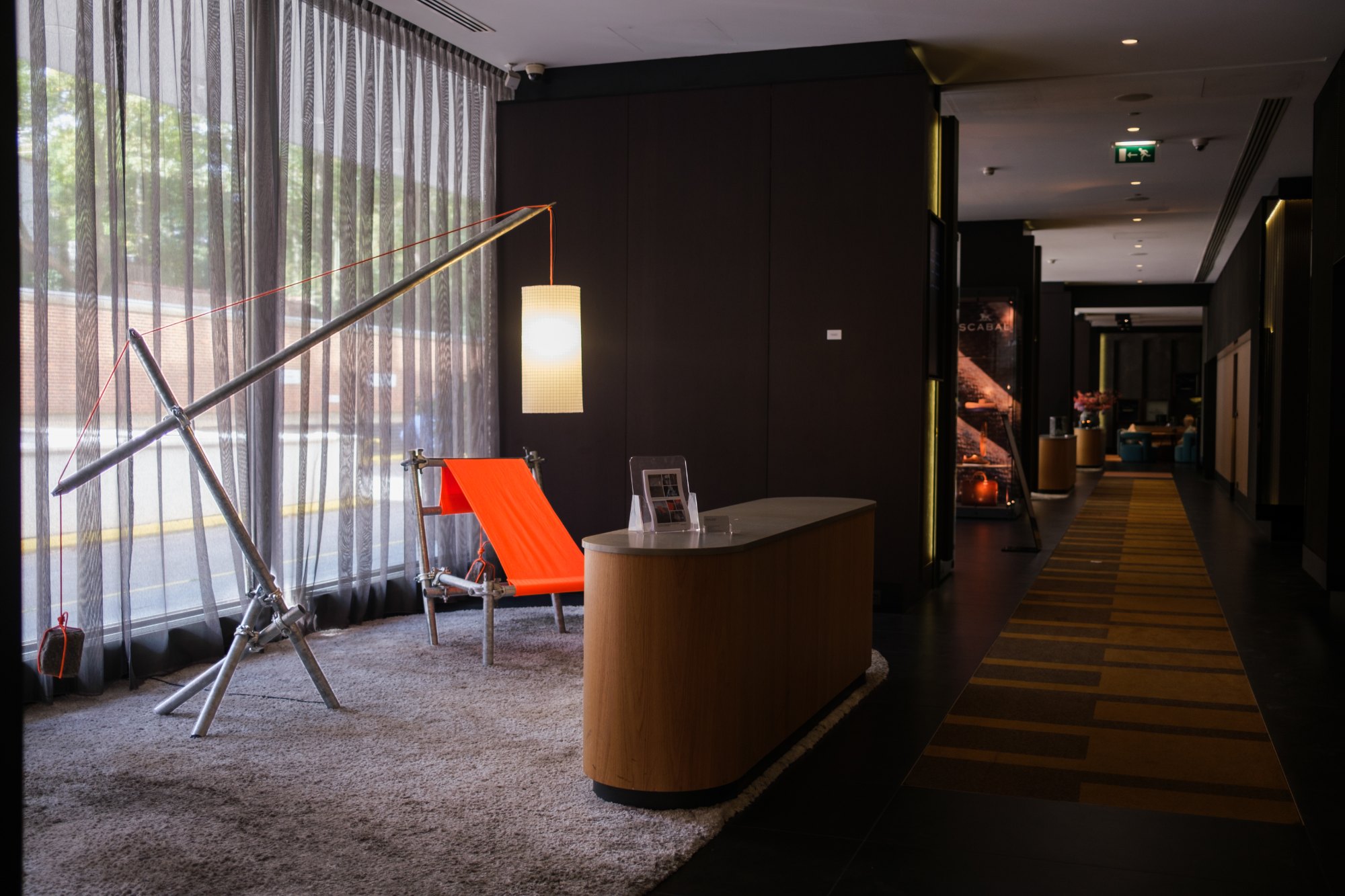
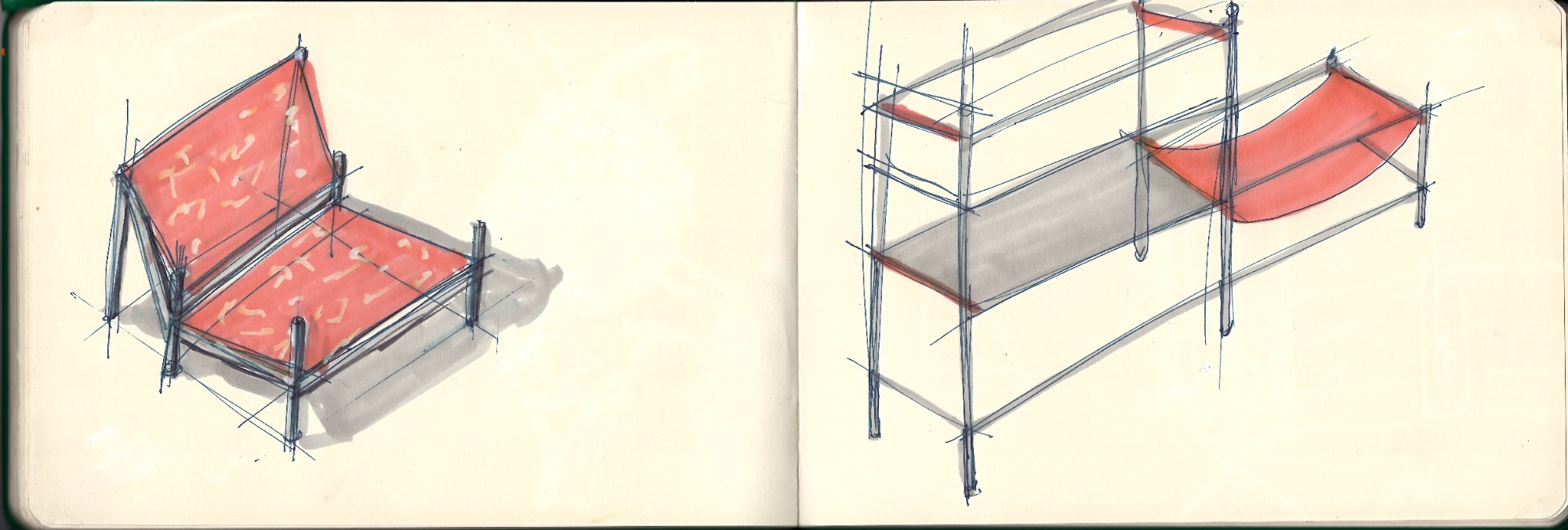
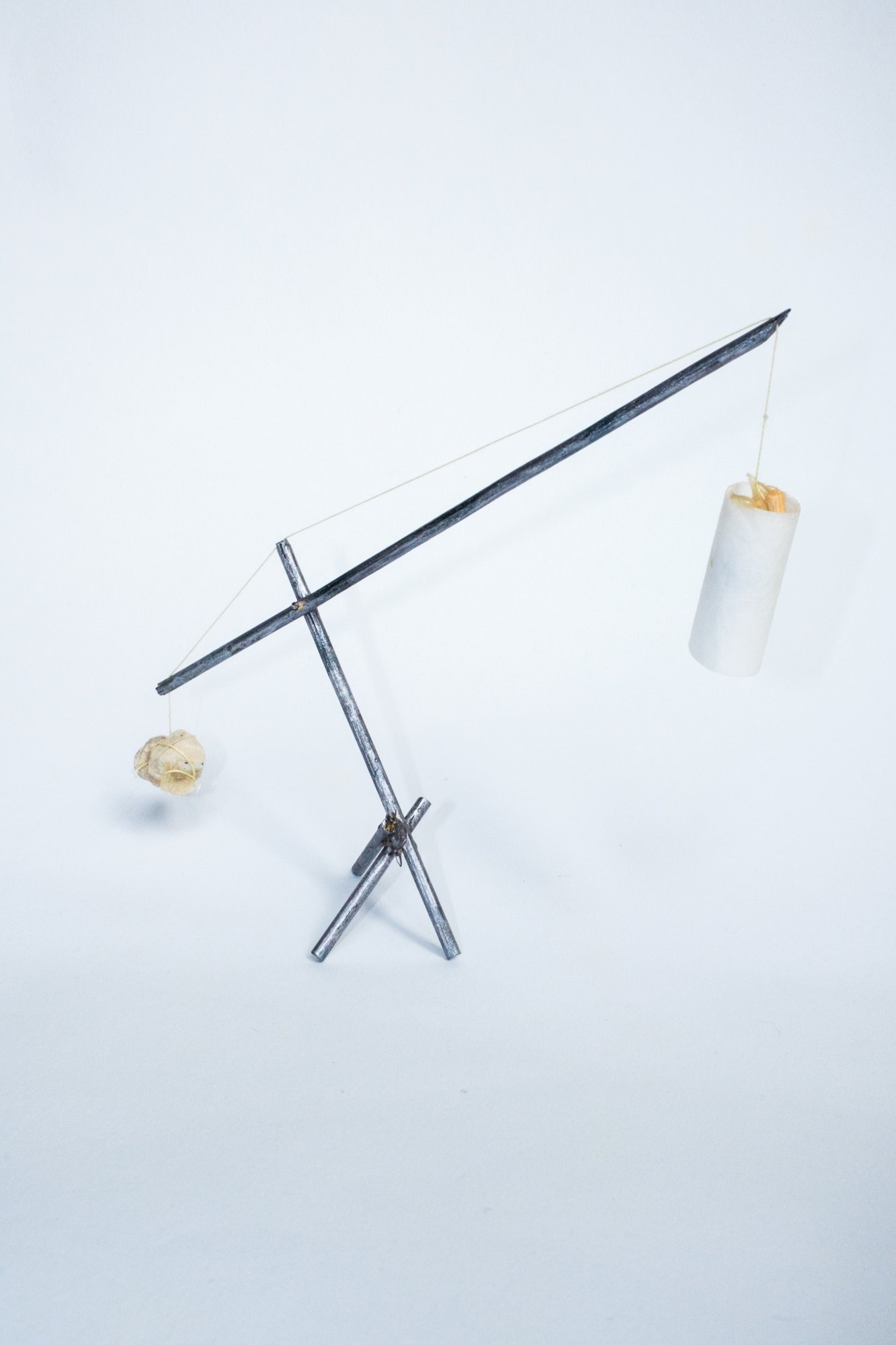
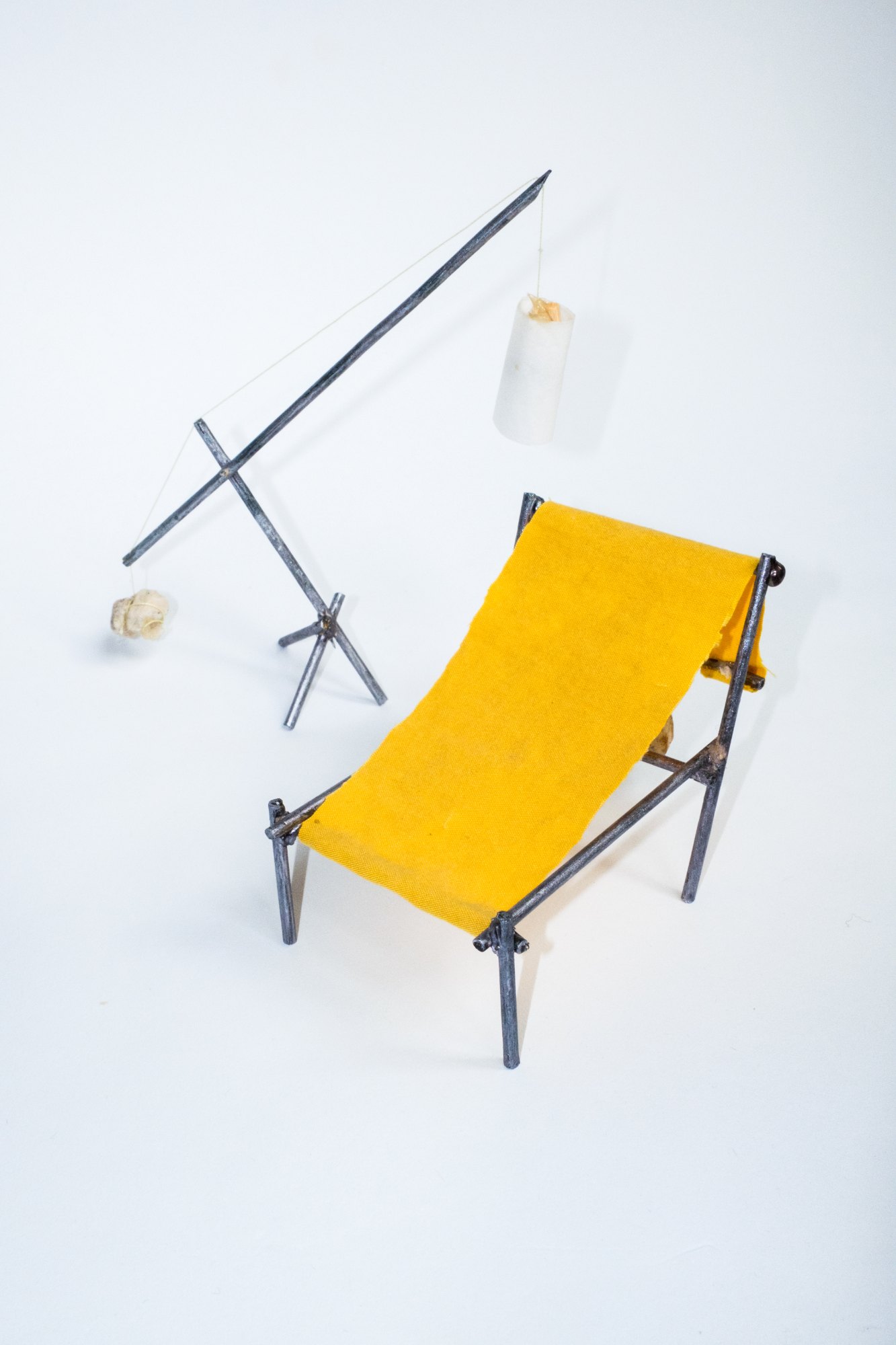
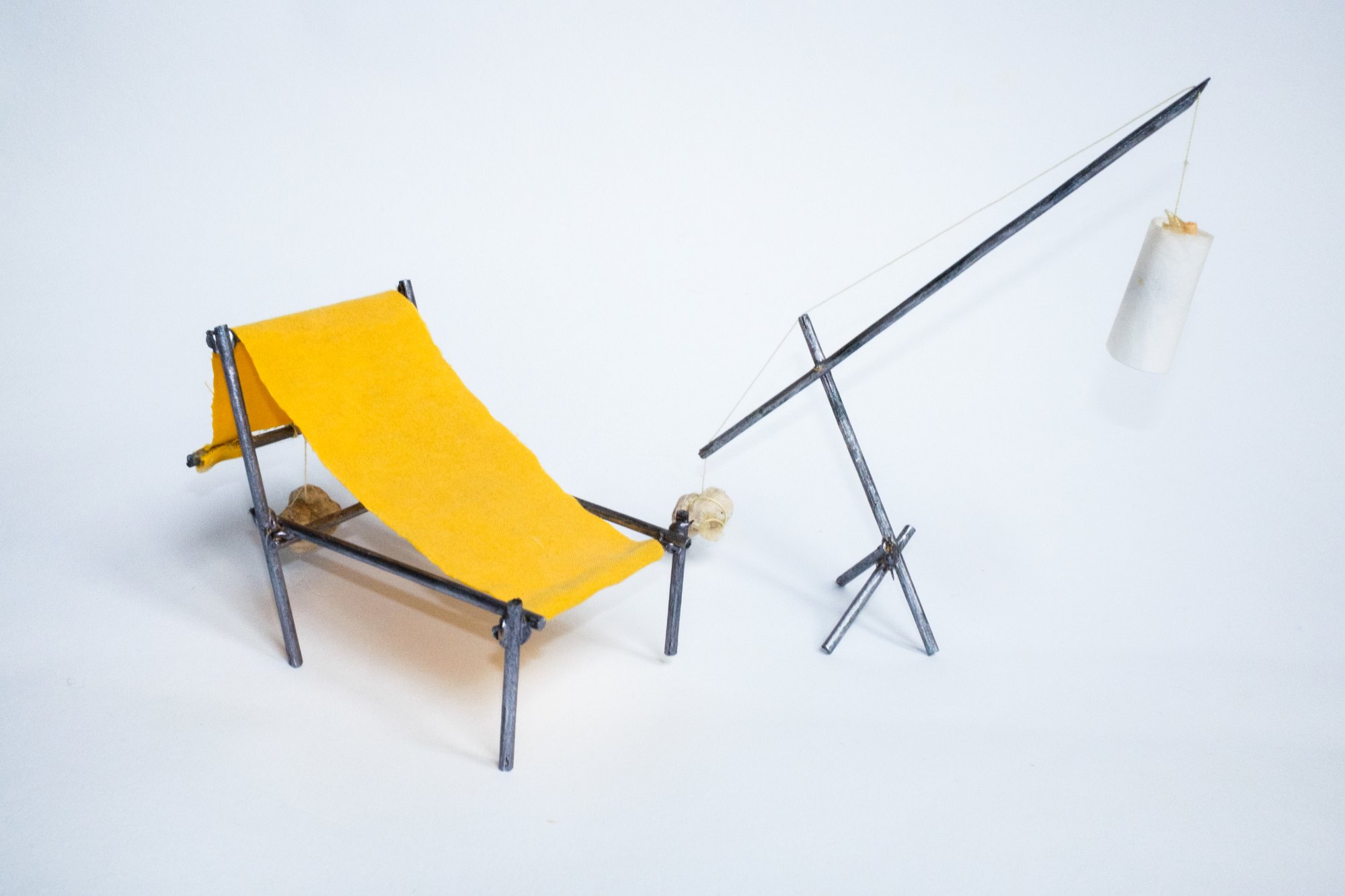
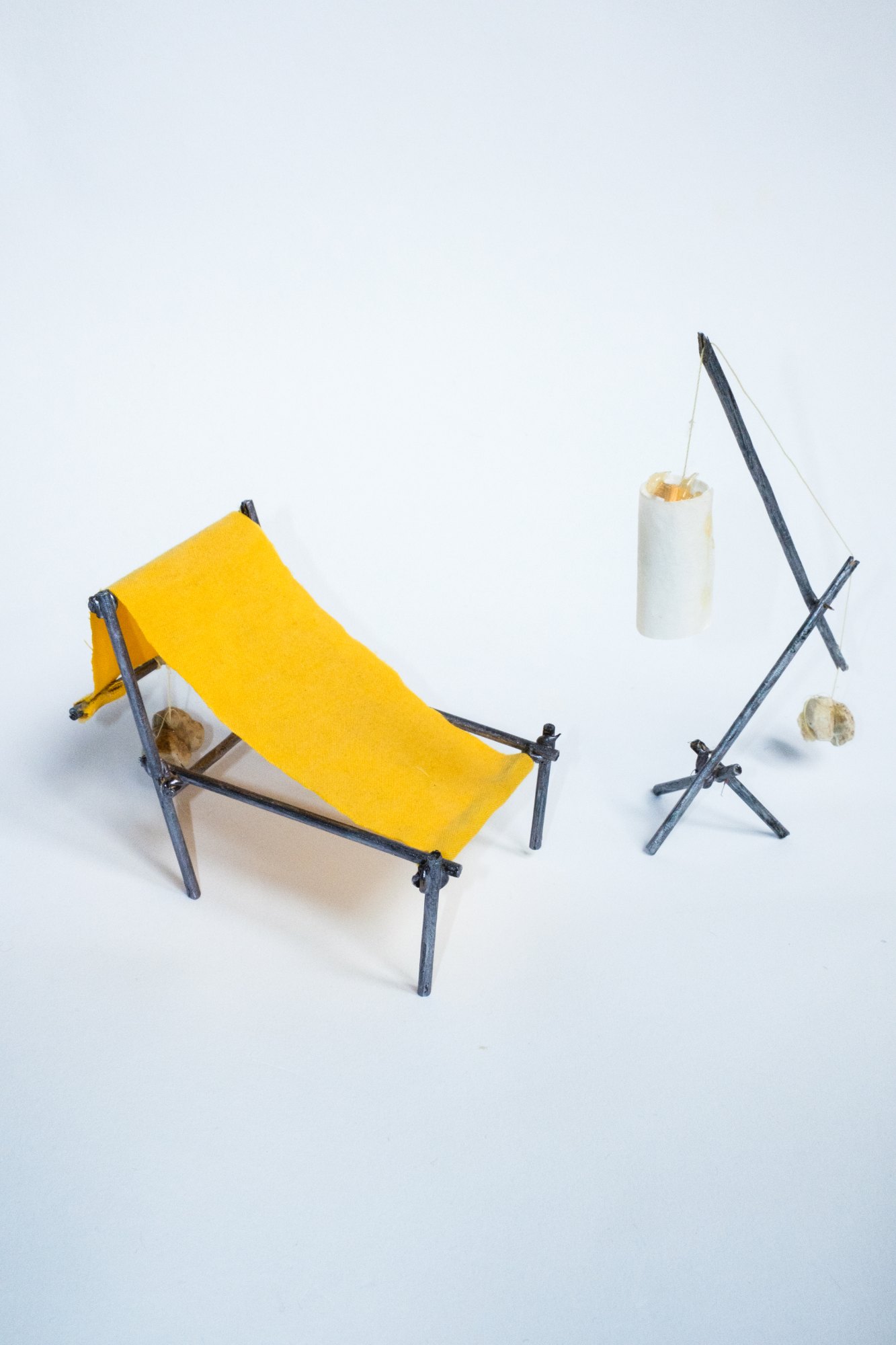
Two pieces of furniture are made from salvaged scaffolding, turning a construction tool into domestic structures that keep the memory of the raw site. What was meant to be temporary stays, as if held in suspension, and the gesture raises questions about use and ownership.
The series began with a simple question to companies that sell and rent scaffolding: what do you do with the pieces you can no longer use? The objects are made from those salvaged elements, often set aside or bound for scrap.
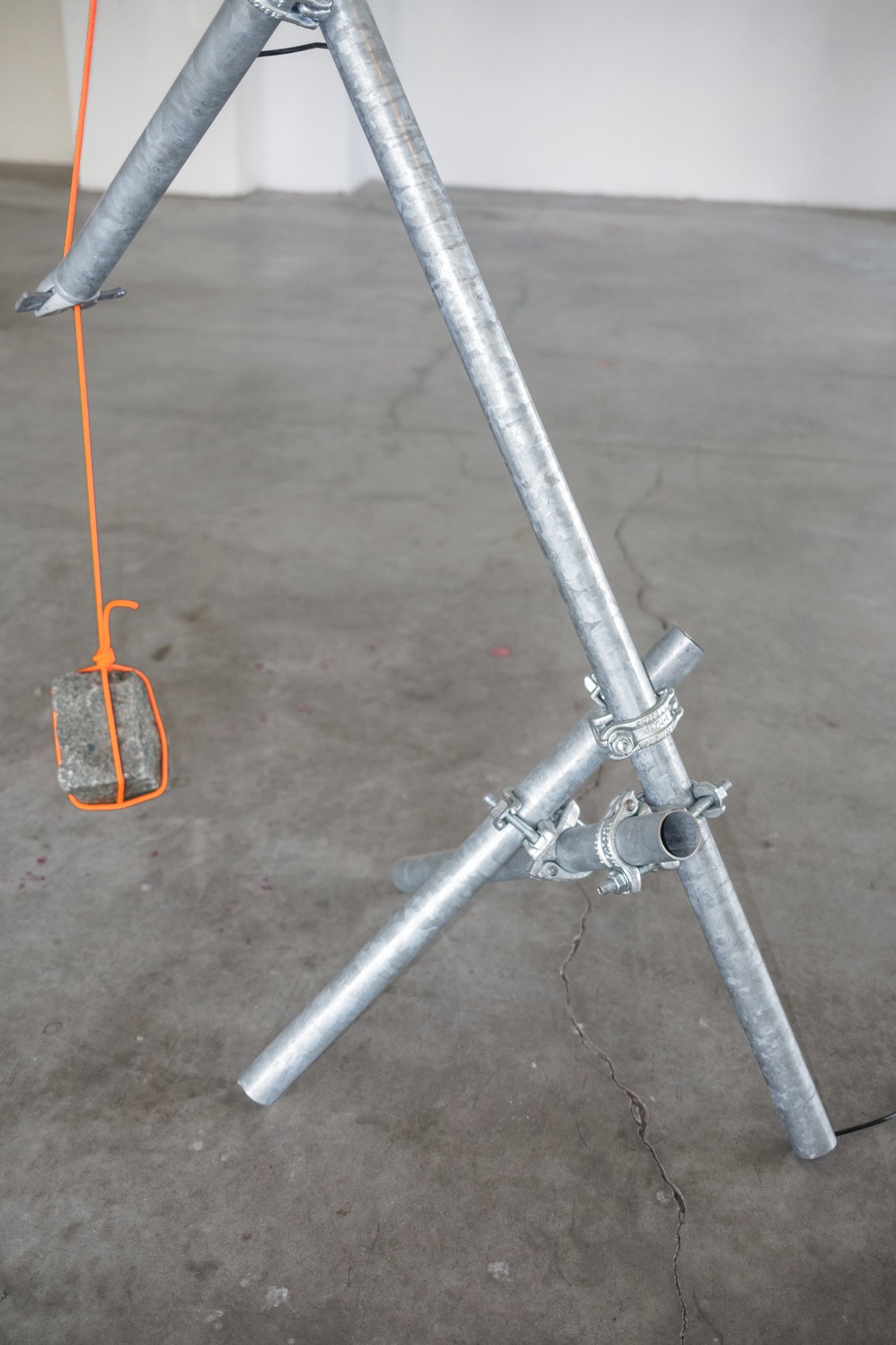
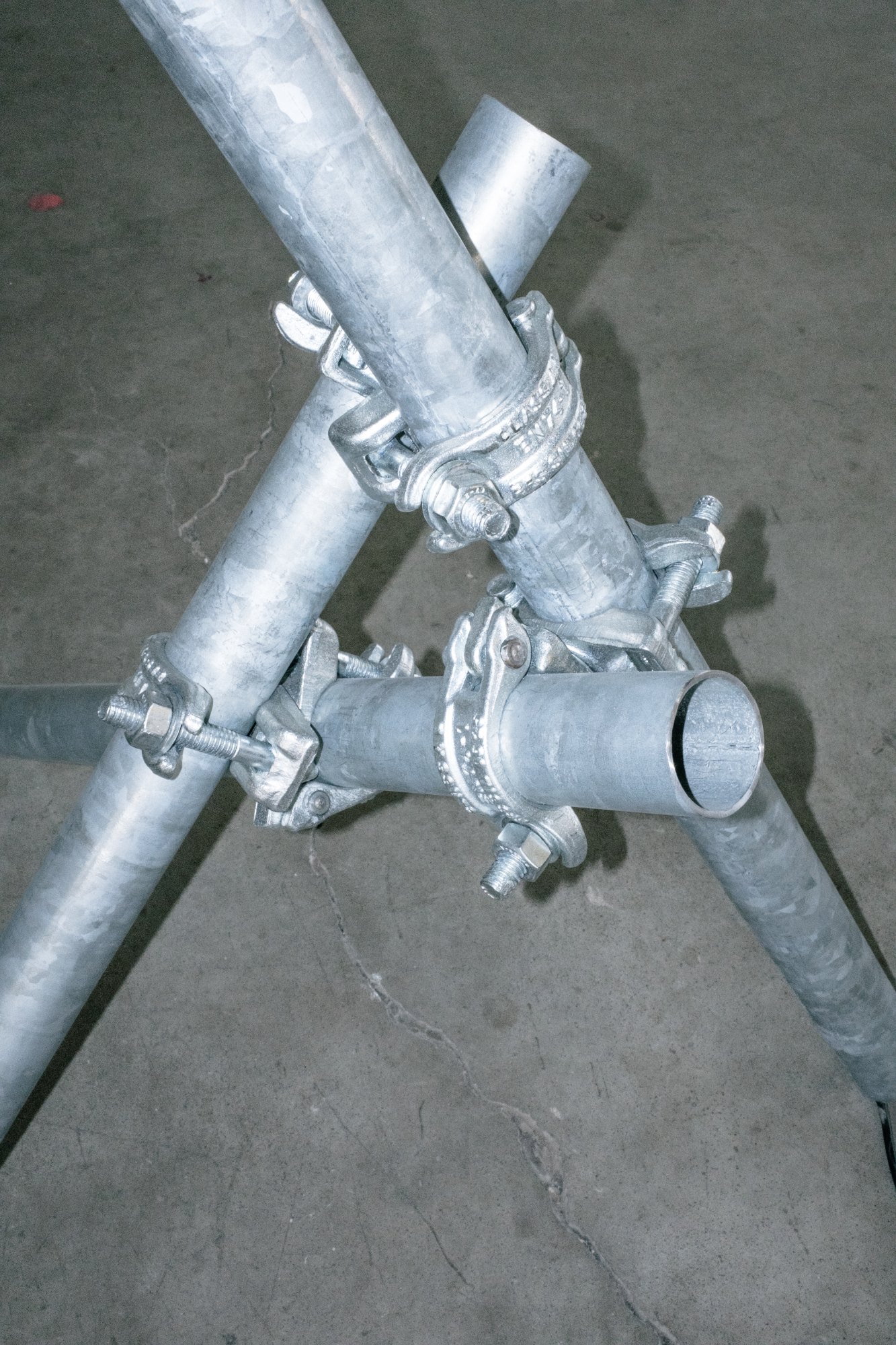
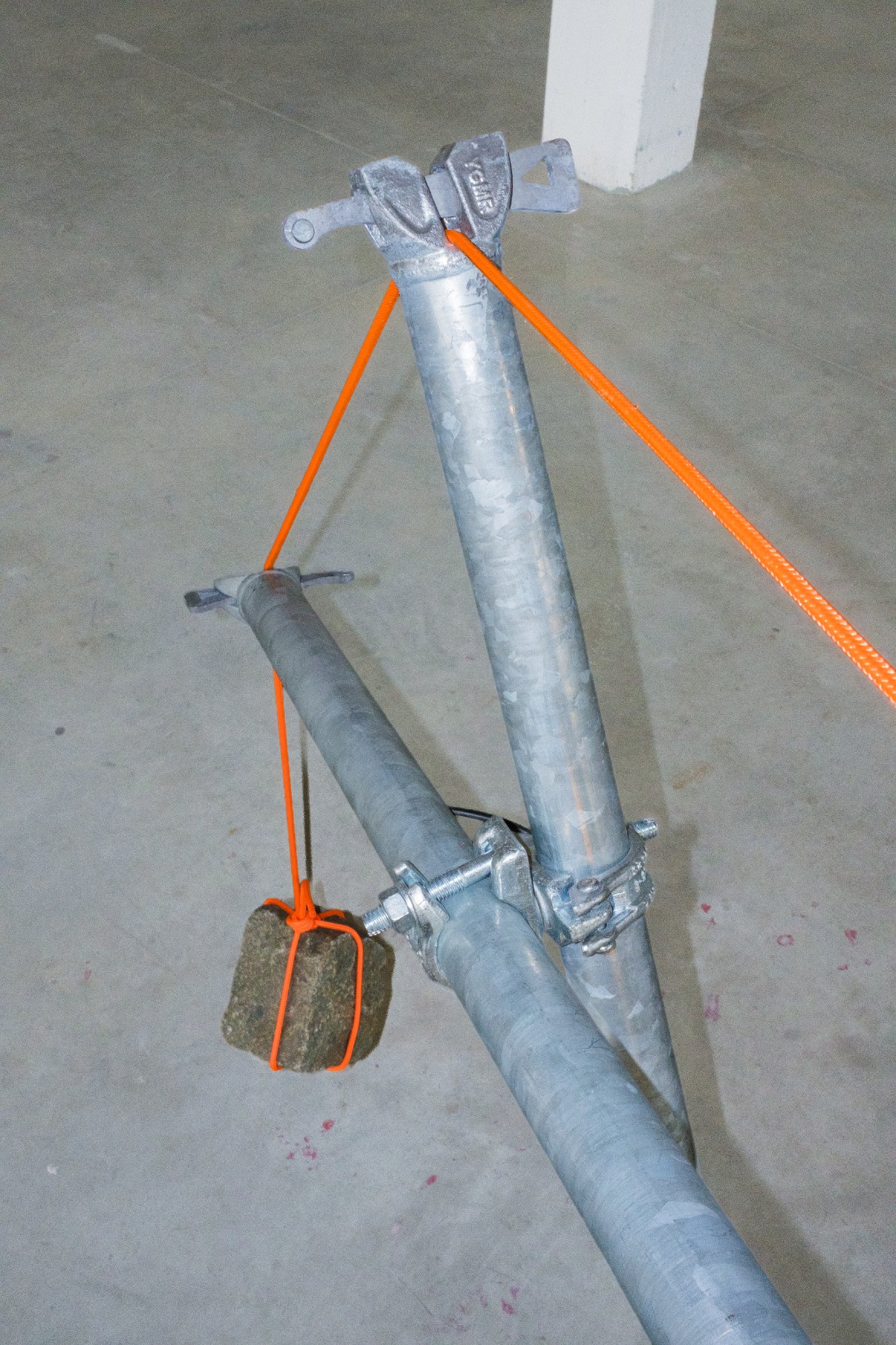
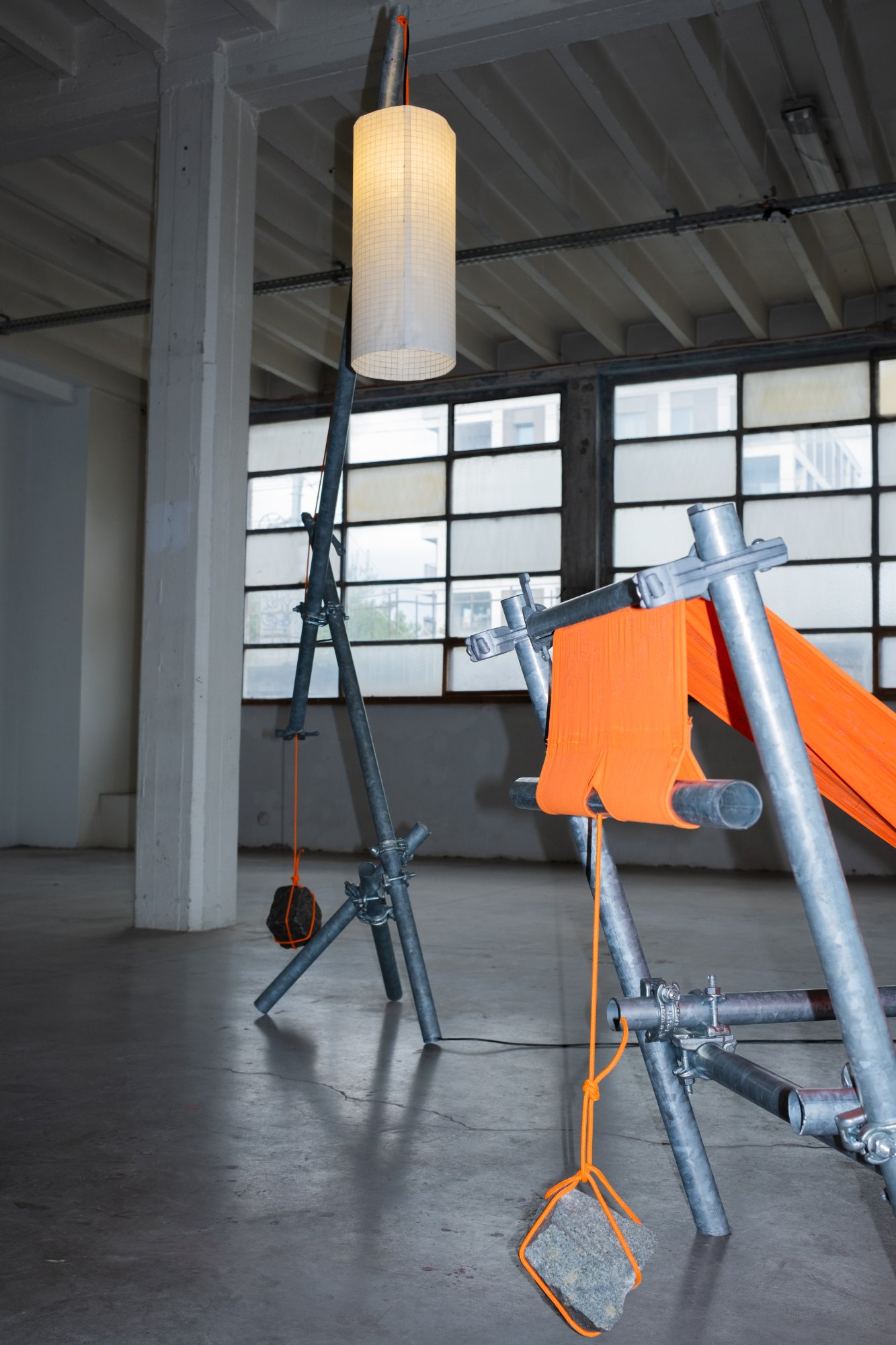
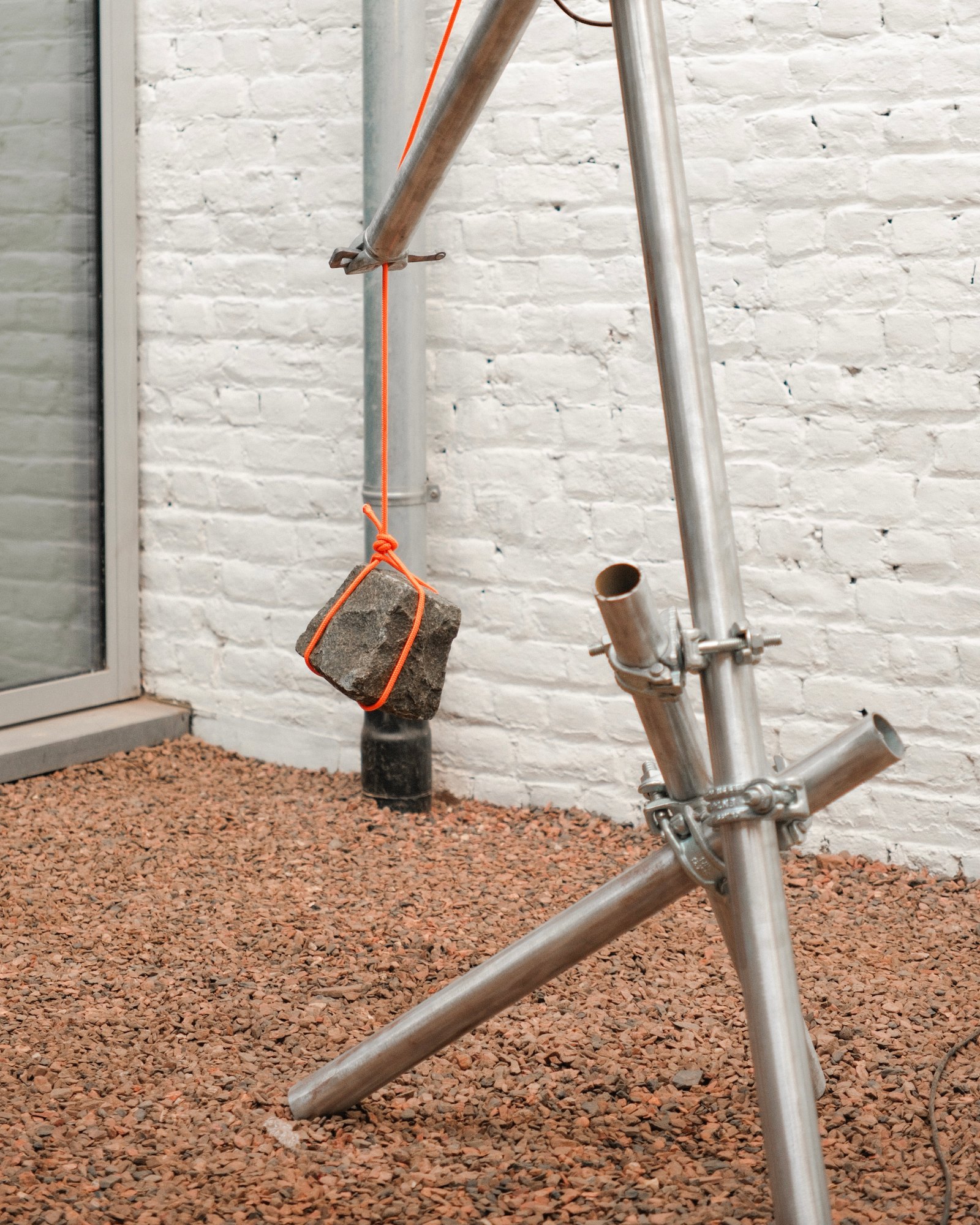
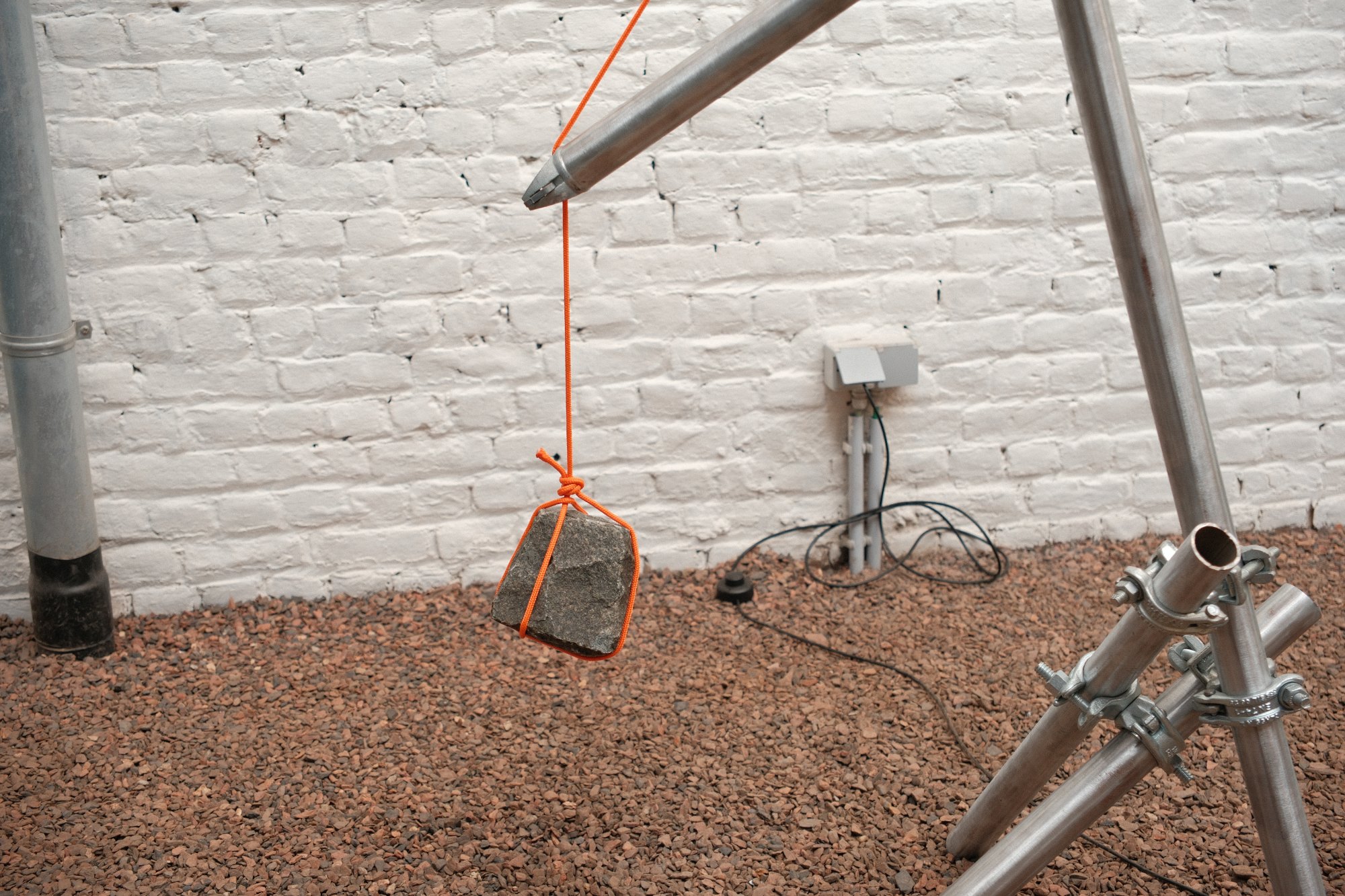
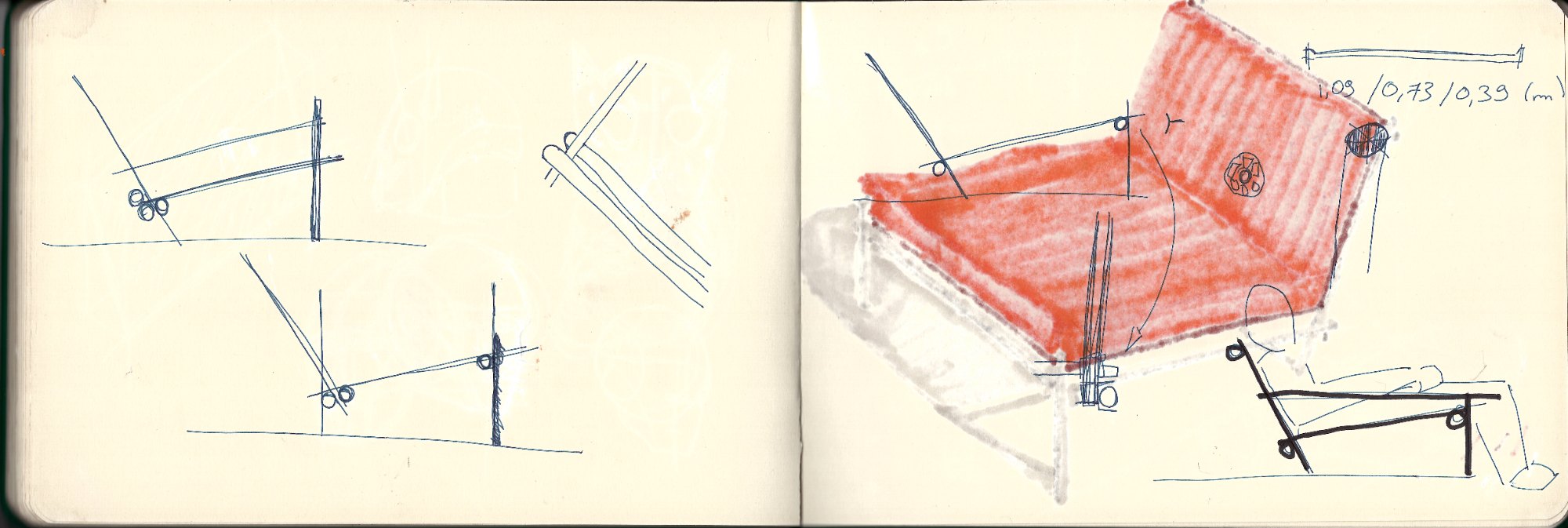
On site, scaffolding structures space, carries bodies and materials, and disappears once the work is done: functional, temporary, massive. Here it stops being a means and becomes the subject. Its tubes, connectors and joints, designed for strength and efficiency, are read for other qualities: visual lightness, suspension in space, and the raw beauty of an industrial material taken out of context. Both pieces invite people to handle them, setting in motion what was meant to stay still.
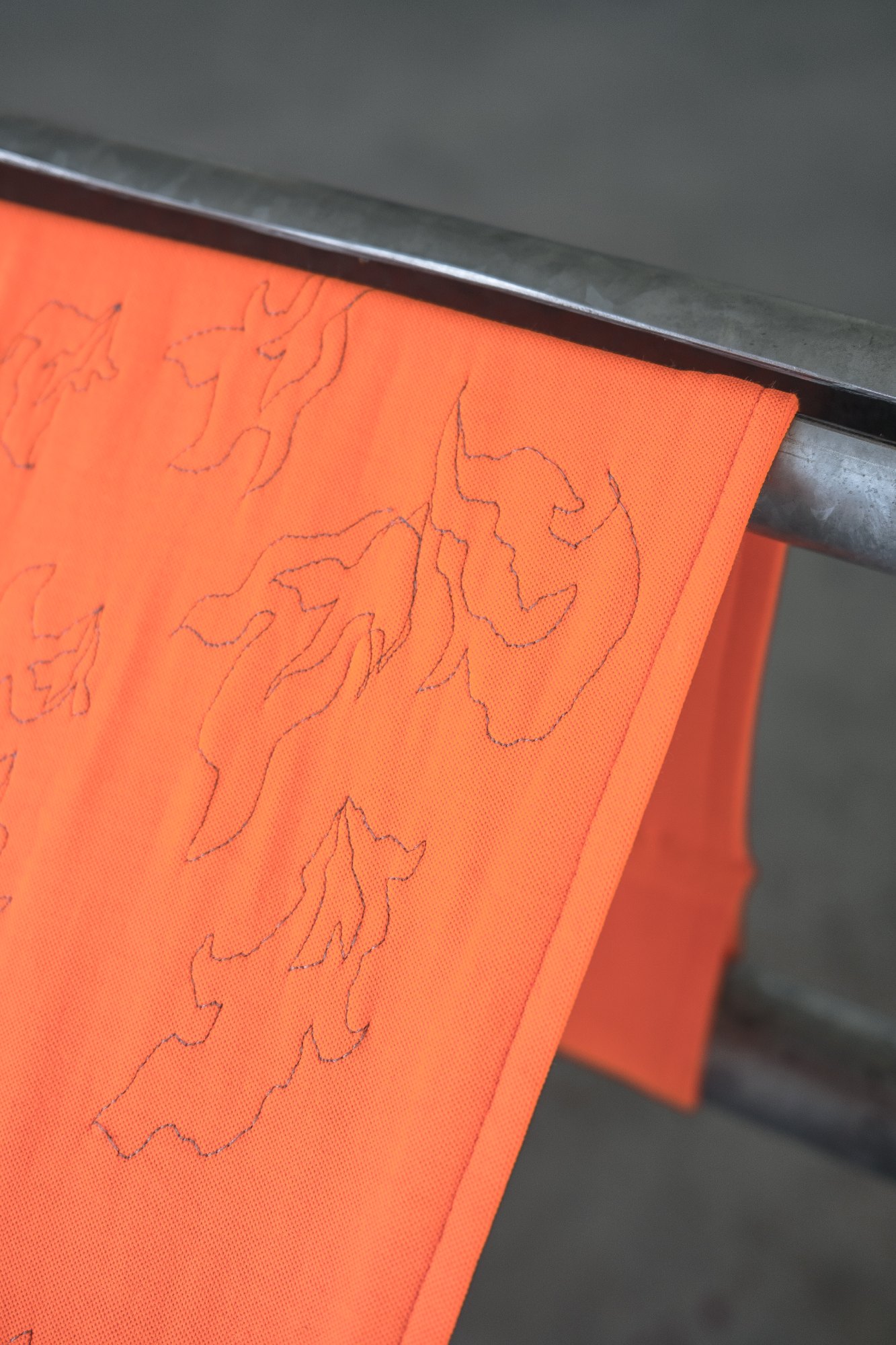
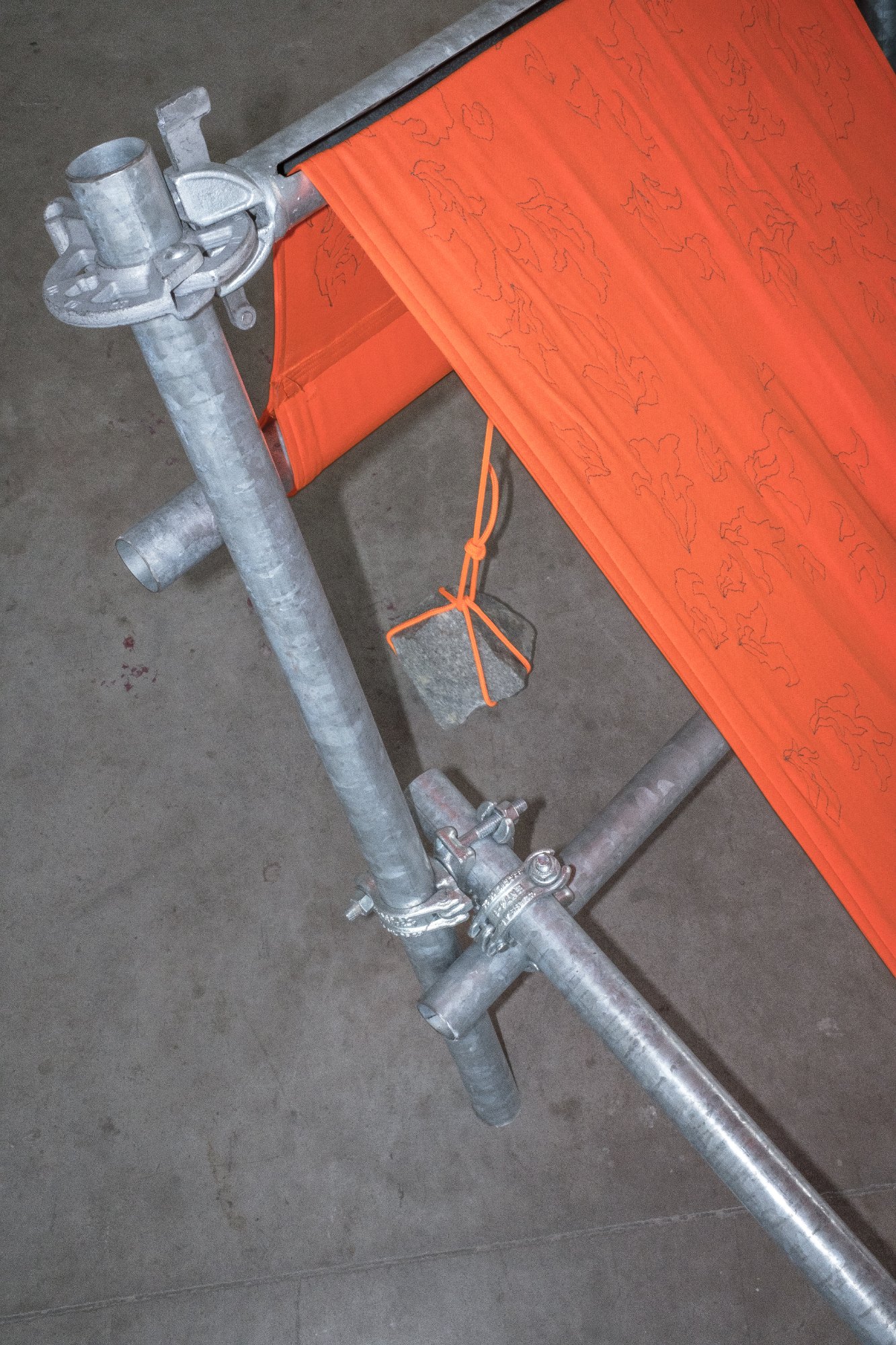
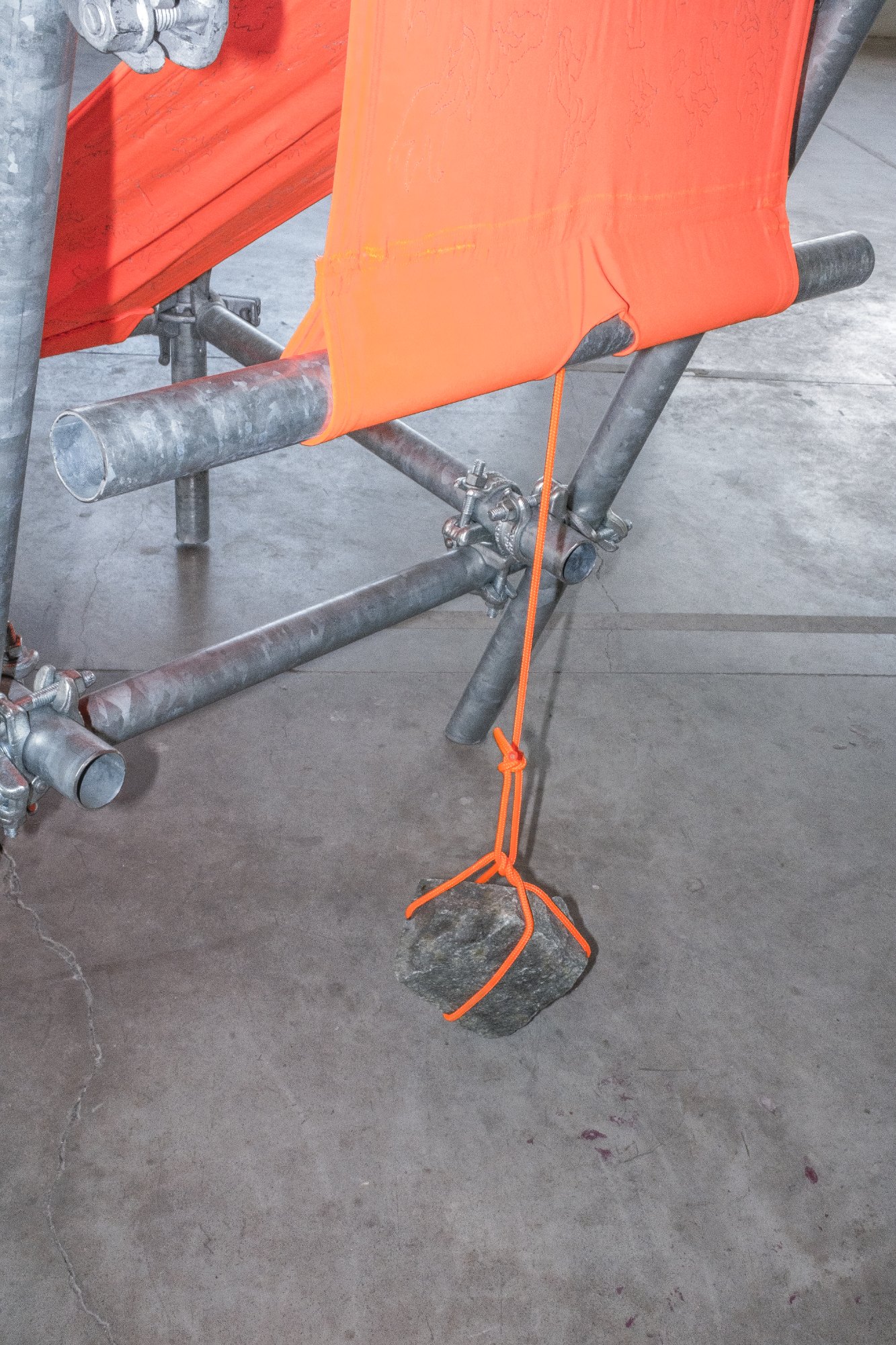
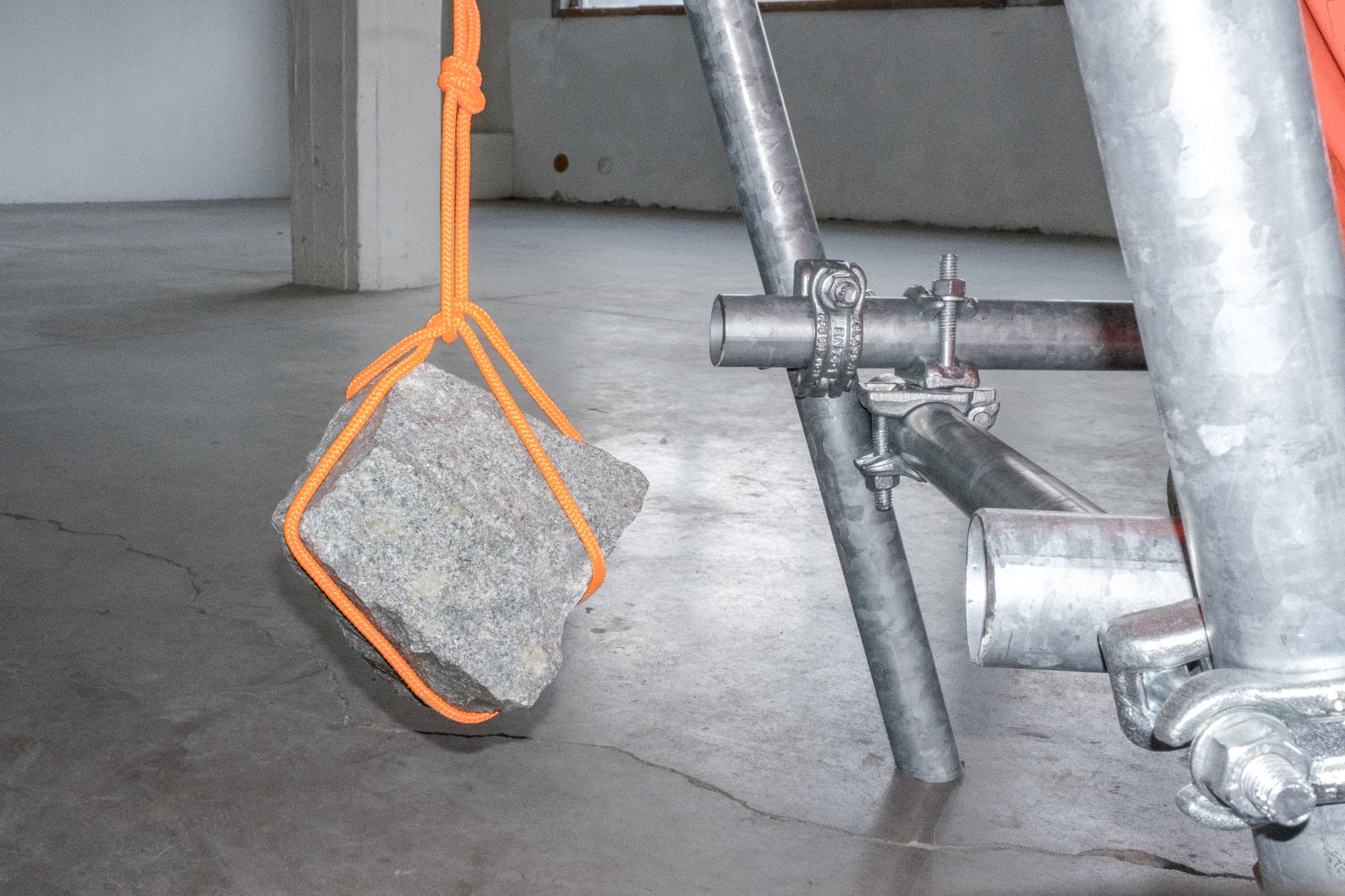
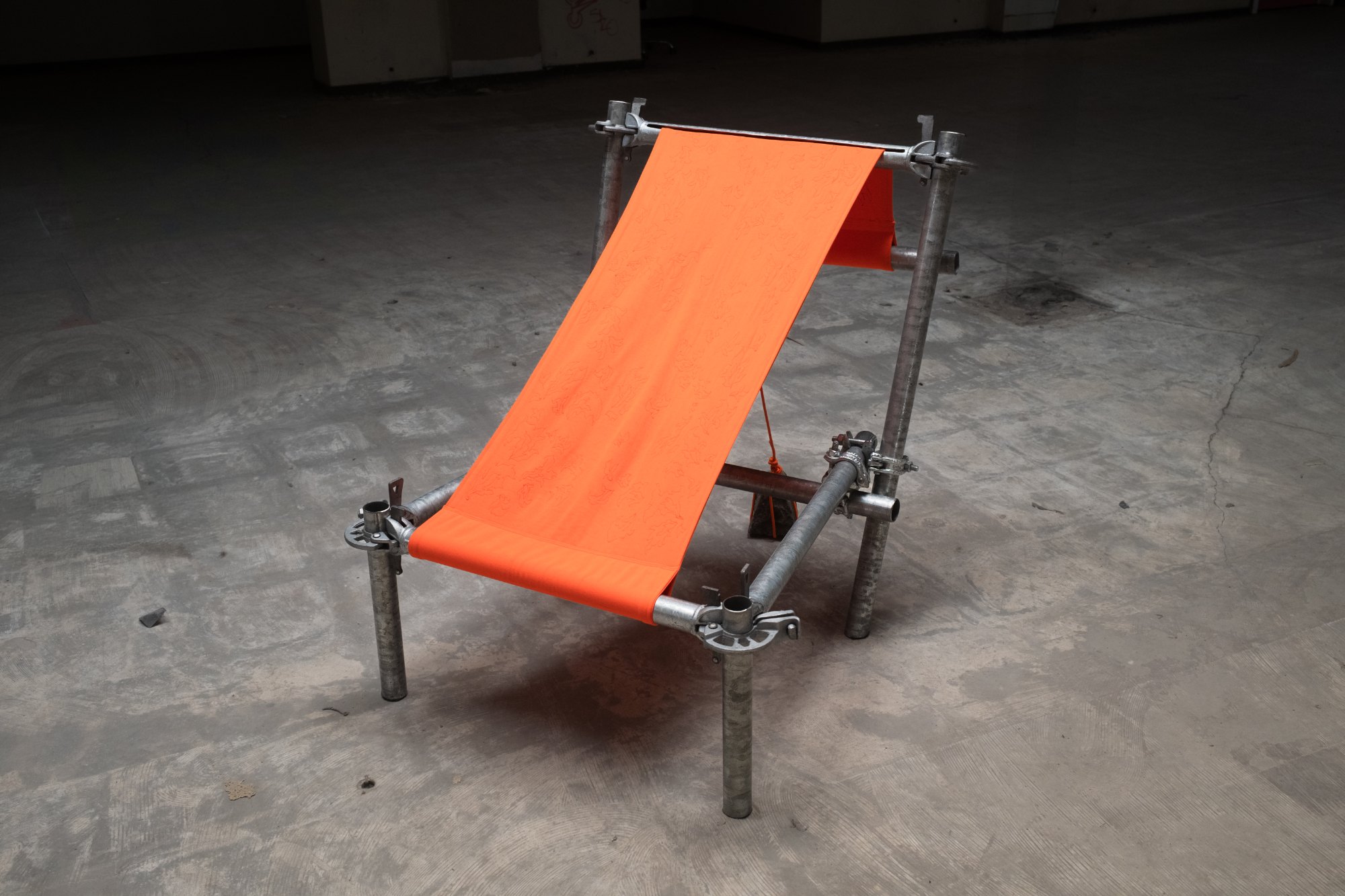
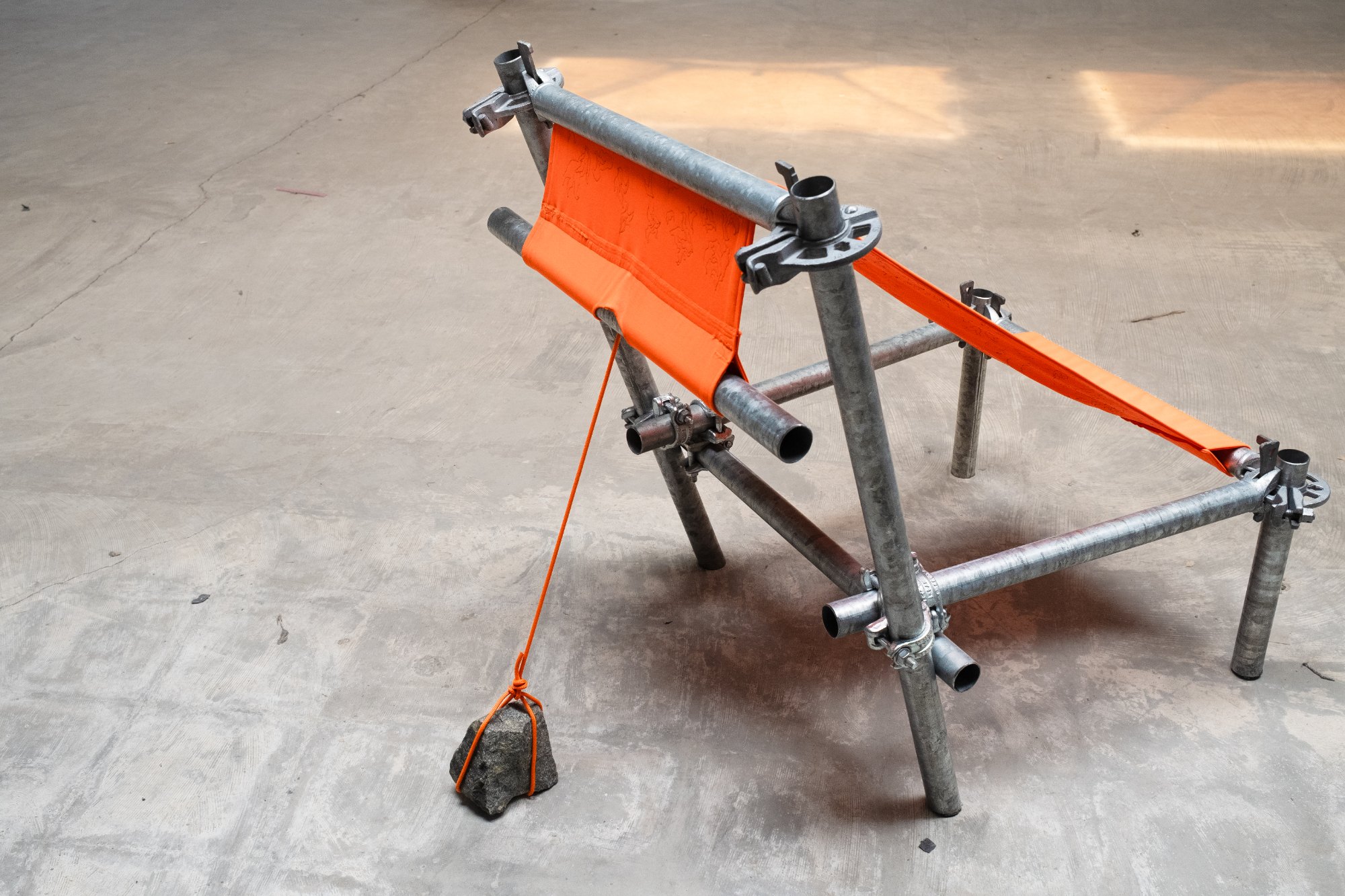
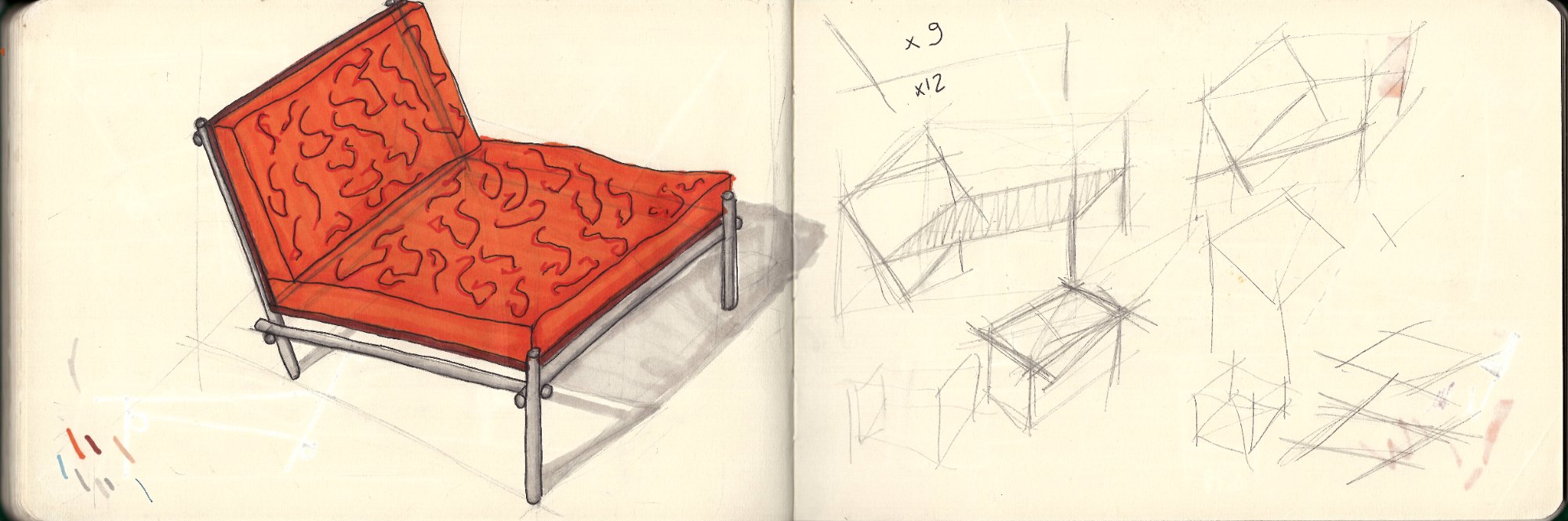
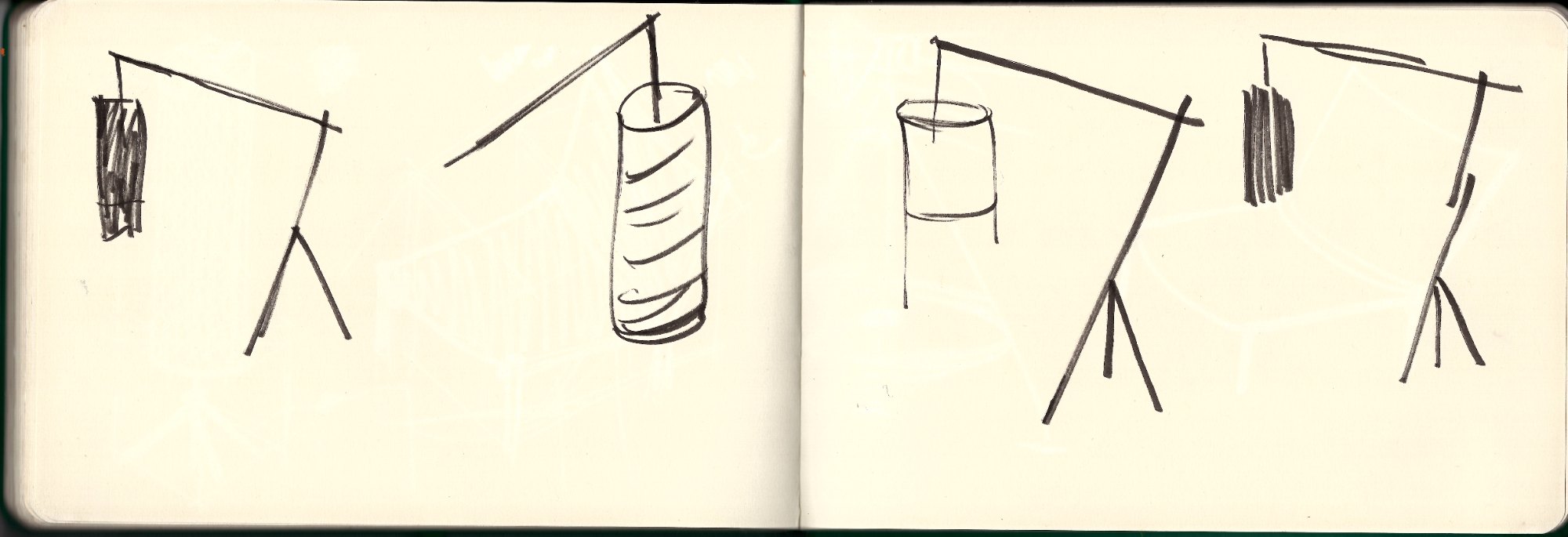
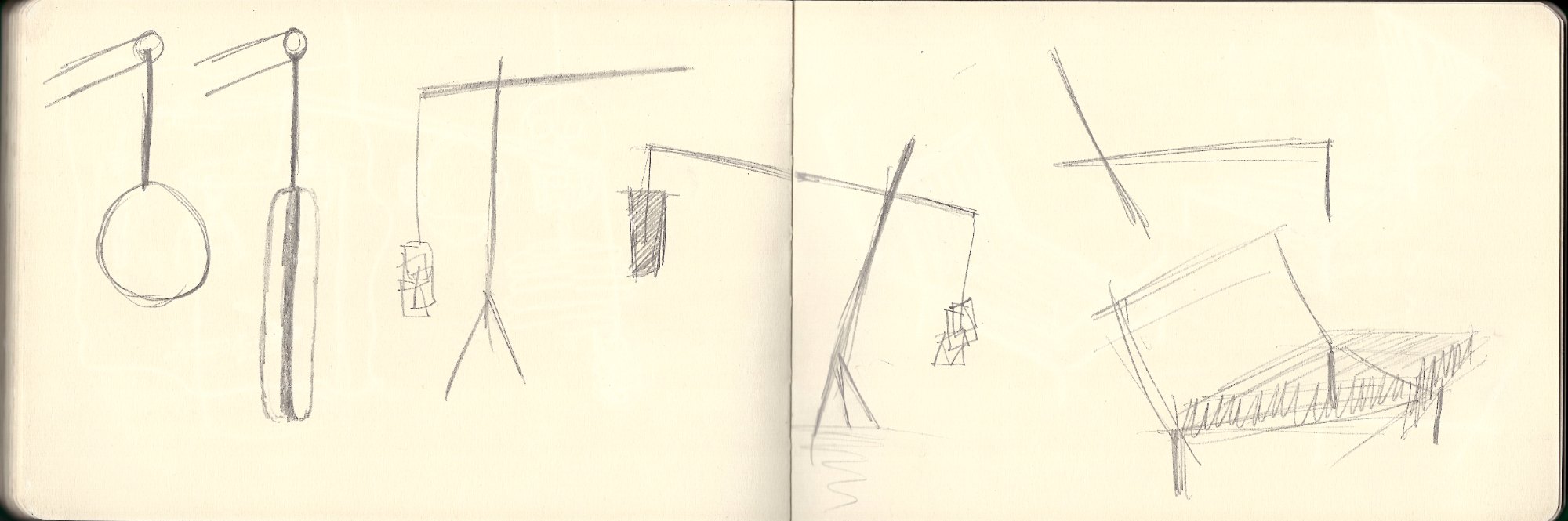
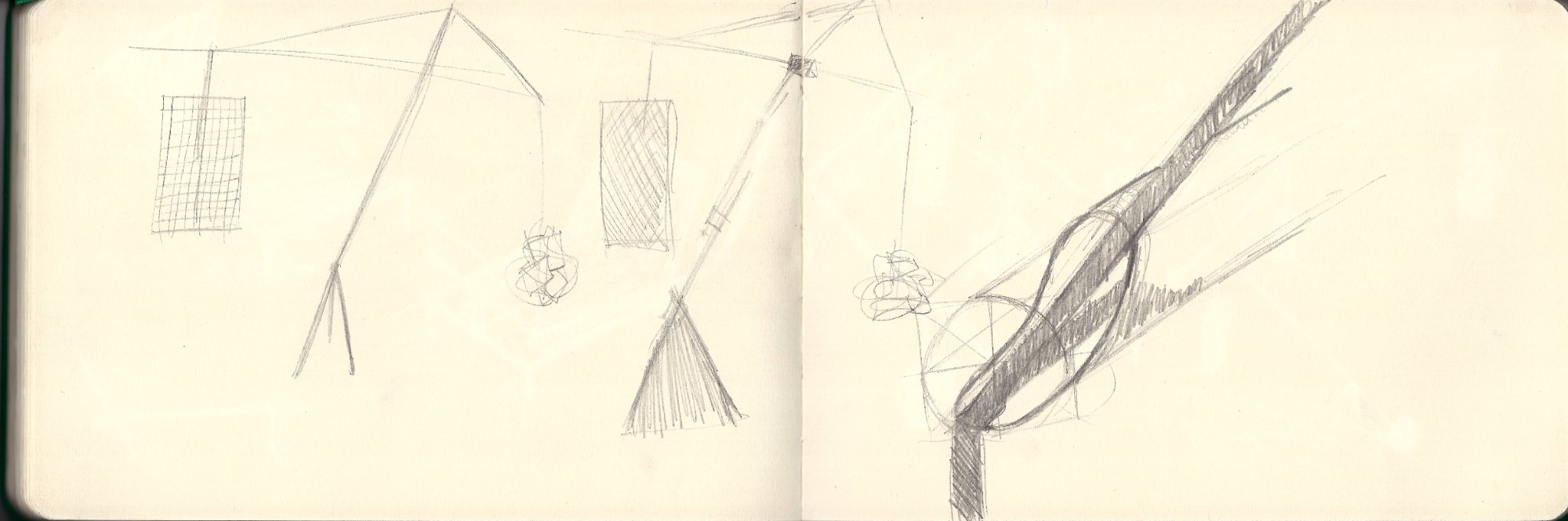
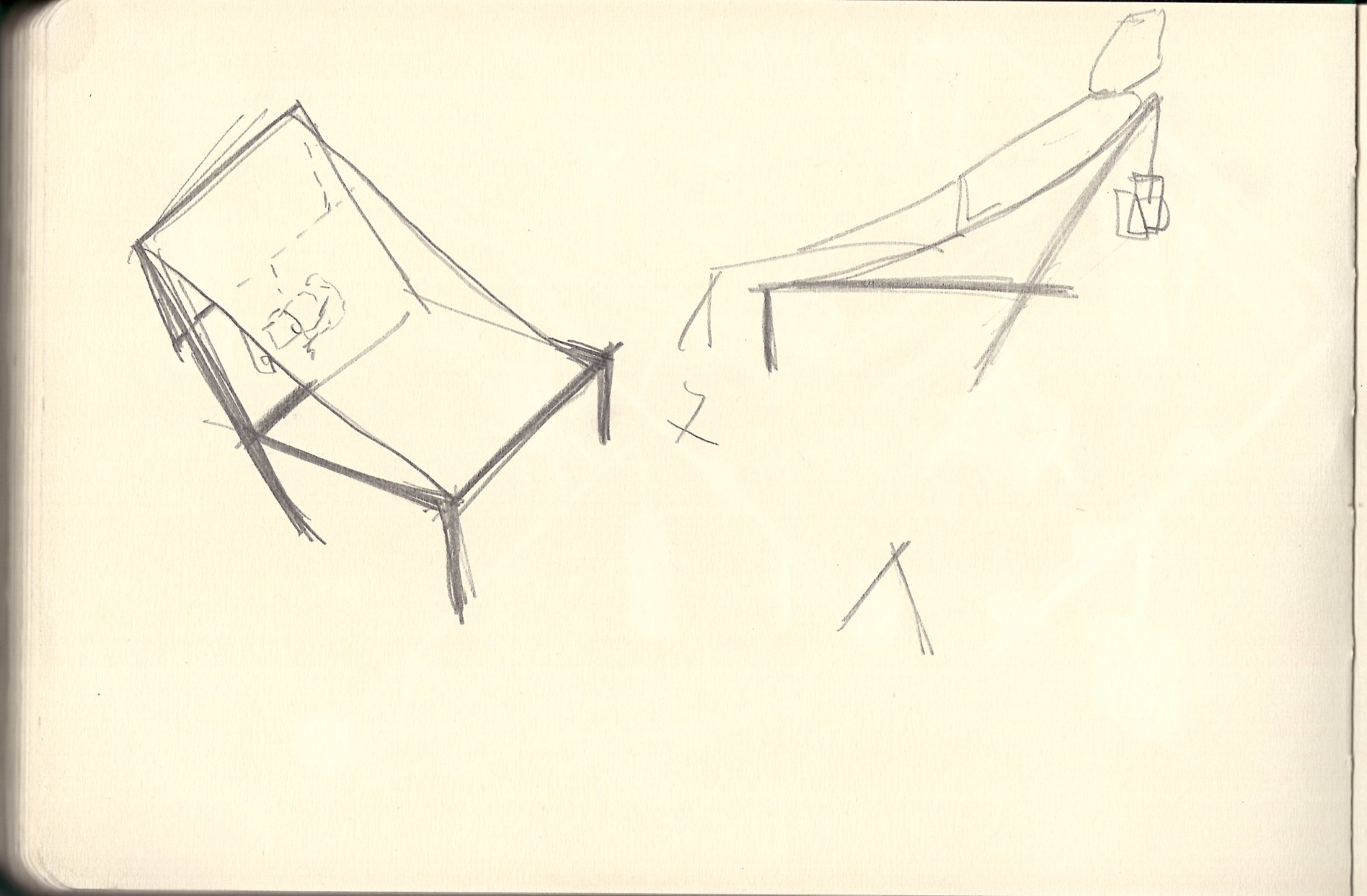
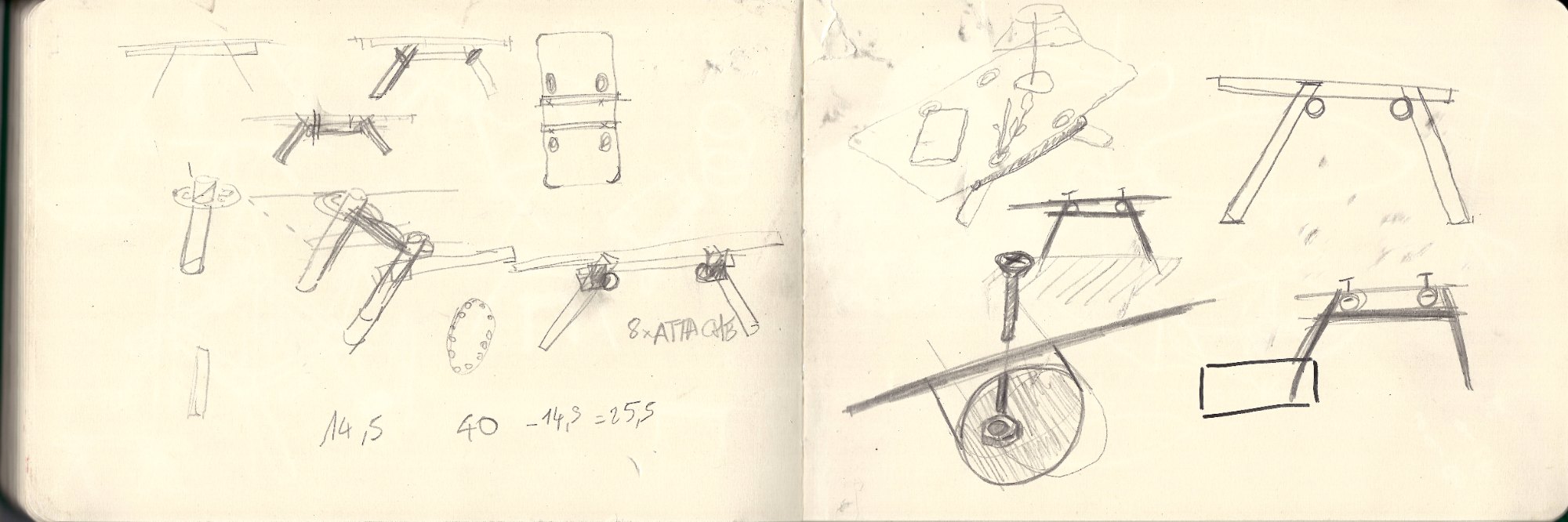
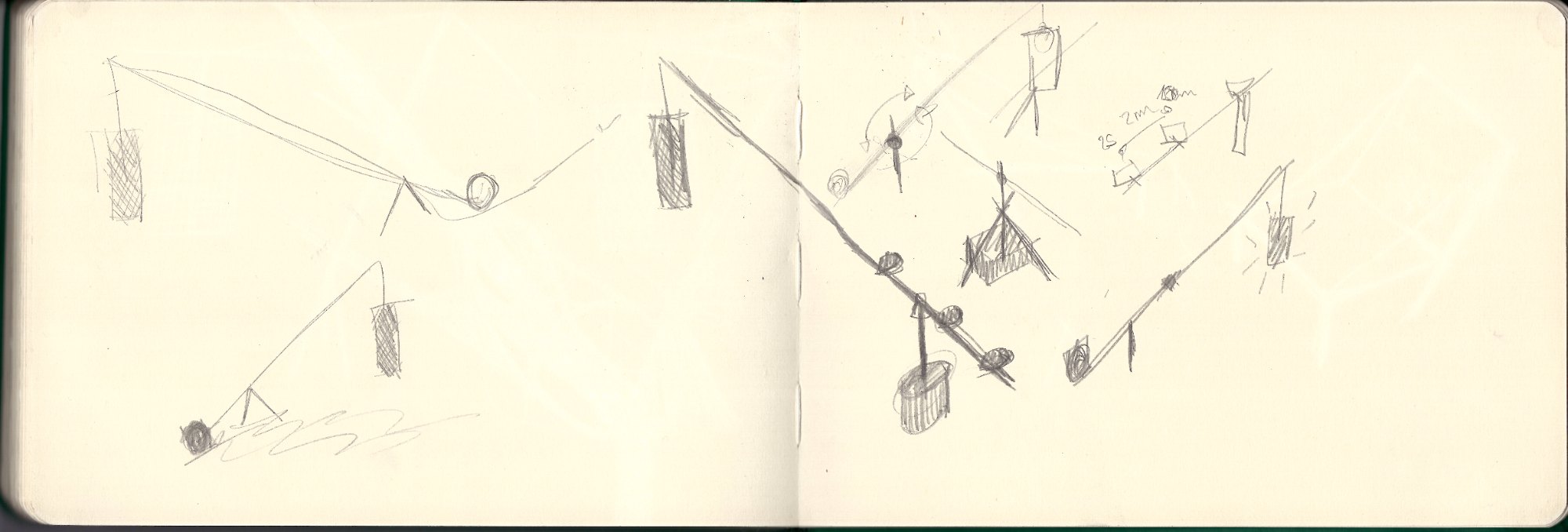
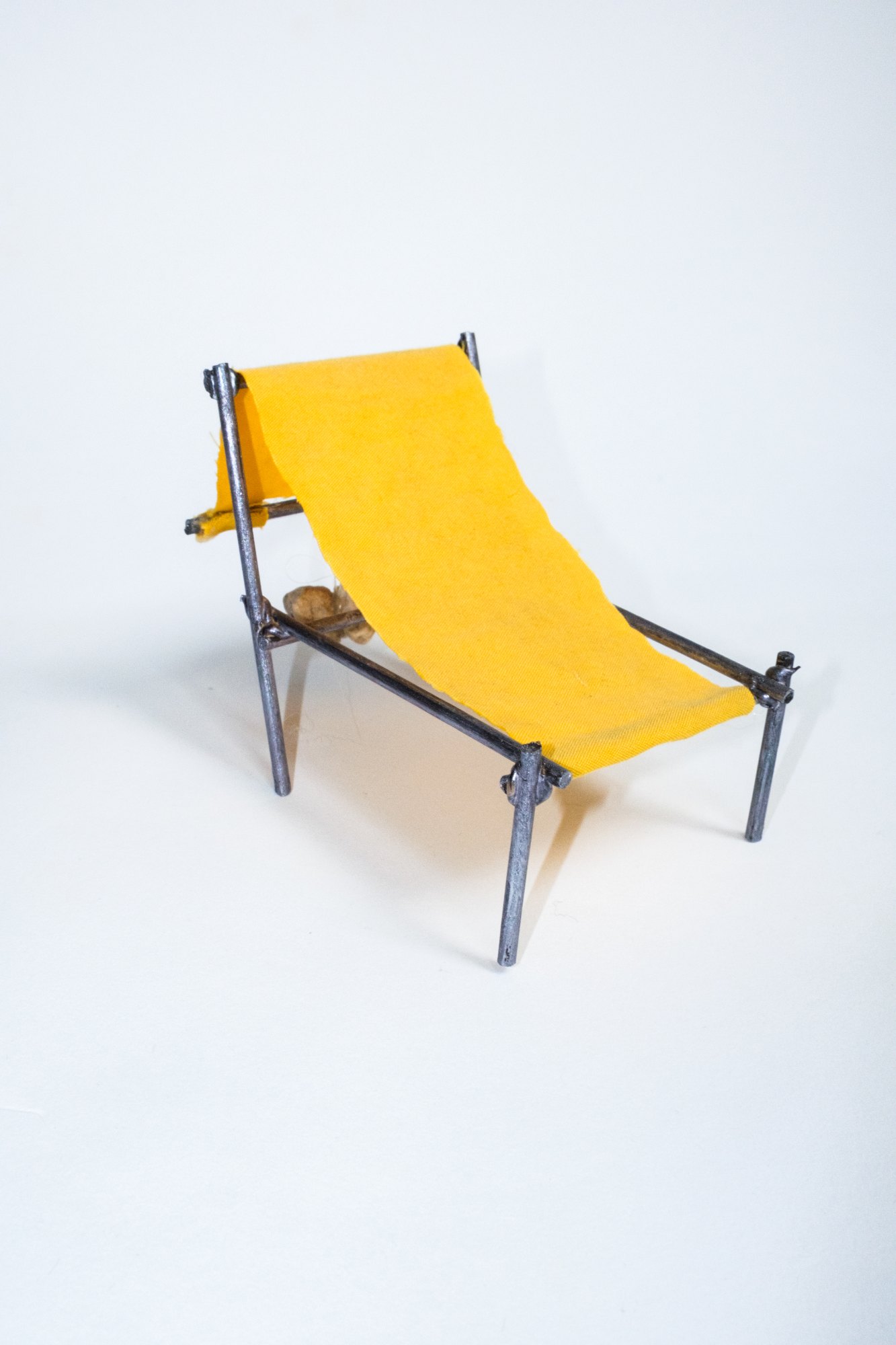
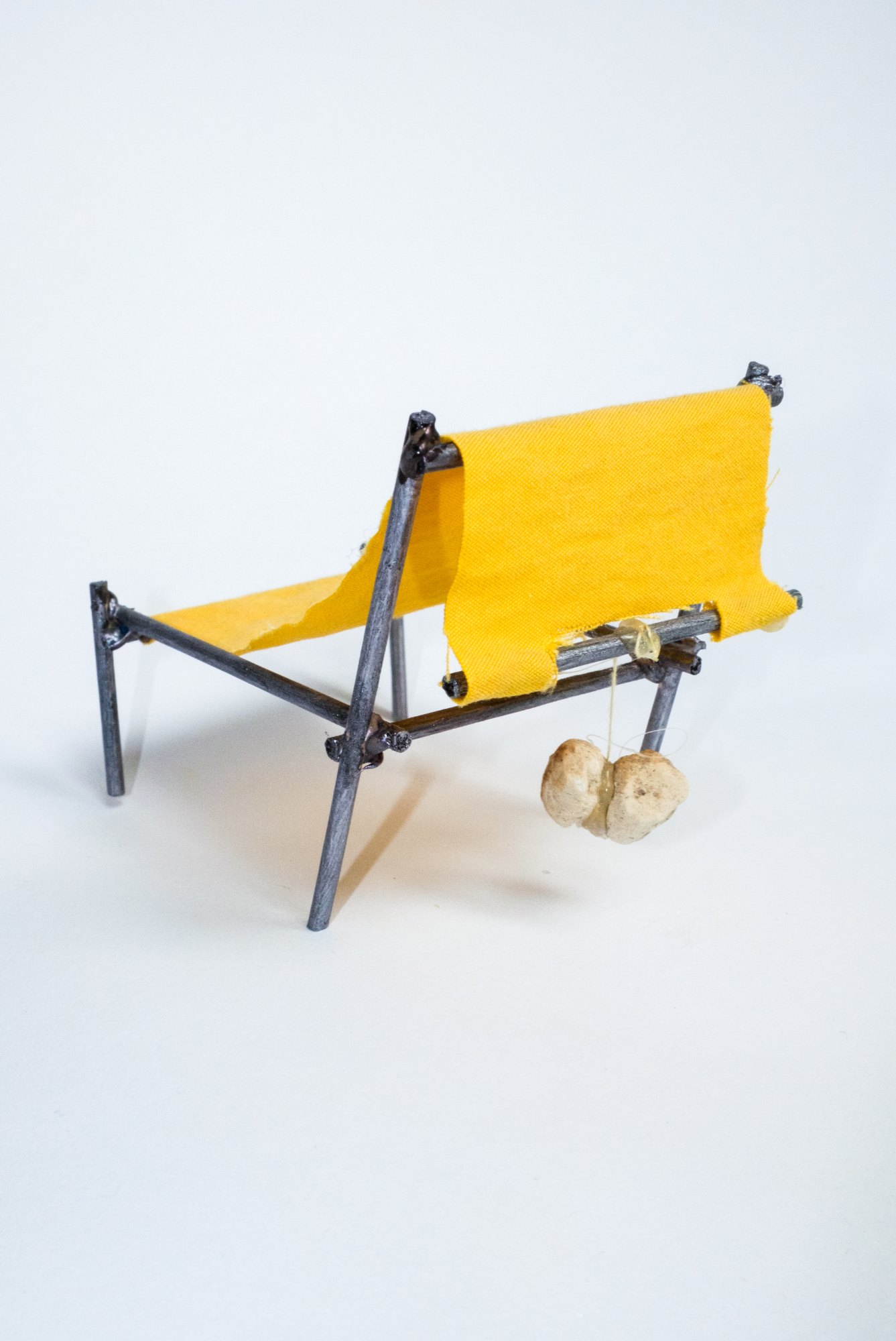
The design began with experiments, using scale models and 3D modelling, then full-size tests with the scaffolding itself. The crossbars were cut with a grinder, some sanded with a belt sander and varnished against rust. Assembly uses scaffolding’s own fixings, swivel and fixed clamps. Grue is made of galvanised steel crossbars and measures 170 by 60 centimetres. Contrepoids combines galvanised steel with fabric, at 90 by 60 centimetres, the textile made by Juliette Thibert.
Project Information
- Design studio
- Mathieu Paradis
- Time
- 2026
- Type
- Furniture
- Primary materials
- Fabric, Reclaimed materials, Steel